
The highest-altitude onsen you can legally bathe in in Japan sits at 2,410 metres, a fifteen-minute walk from the bus station at Murodo on the Tateyama-Kurobe Alpine Route. That statistic catches most travellers off guard about Japan Alps onsen. They aren’t concentrated in one famous hot-spring town the way Hakone or Beppu are. They’re scattered across three different mountain ranges, half of them tucked into valleys you’d never find without looking, some perched at altitudes where the water has to be piped from cracks in volcanic rock, and most of them under-visited by international travellers specifically because they’re not on the typical Japan onsen list. This is the long version of where they are, what’s in the water, how to bathe in them properly, and which ones are worth the bus ride.
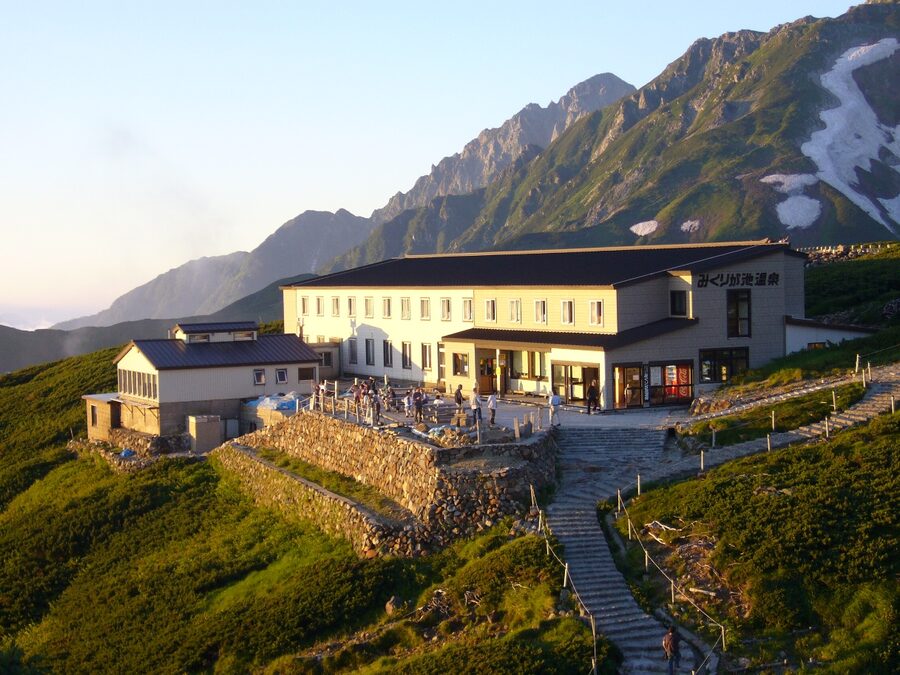
The Japan Alps onsen scene splits roughly into three families. High-altitude mountain baths are the headline act: Mikurigaike at 2,410m on Tateyama, Hakuba Yari at 2,100m above Sarukura, Takamagahara so deep in the Northern Alps that it takes a thirteen-hour hike each way, and a handful of others between 1,100m and 1,800m that you reach by bus rather than crampon. Classic village onsen are the cluster of named hot-spring towns the rest of this guide is built around: Shirahone with its calcium-white water, Hirayu and Shinhotaka and Fukuji and the rest of the Okuhida five, Norikura Kogen, Nakabusa, Nozawa with its thirteen public baths, Shibu with its nine, Bessho, Asama, Yudanaka. Ski-resort and city onsen are the utilitarian post-ski warm-ups in Hakuba and Tsugaike, plus the half-forgotten urban springs at Asama on the edge of Matsumoto and Tombo no Yu in Karuizawa. Each family has its own use, its own etiquette quirks, and its own water chemistry. The geography matters more than most guides admit, so the first section of this article is a map.
In This Article
- The geography of Japan Alps onsen
- The Northern Alps zone (volcanic, sulphurous, milky)
- The Central Alps and Kiso valley zone (sedimentary, gentle, alkaline)
- Eastern Nagano and the edge of the Shinetsu mountains
- High-altitude mountain baths
- Mikurigaike Onsen (2,410m, Tateyama)
- Hakuba Yari Onsen (2,100m, above Sarukura)
- Takamagahara Onsen (2,100m, deep Northern Alps)
- Nakabusa Onsen (1,500m, Hotaka foothills)
- Yumata Onsen (1,500m, Omachi backcountry)
- Renge Onsen (1,475m, Itoigawa side)
- The Okuhida five (Hirayu, Shinhotaka, Fukuji, Tochio, Shin-Hirayu)
- Hirayu Onsen (1,250m)
- Shinhotaka Onsen (1,100m)
- Fukuji Onsen (the quiet one)
- The Matsumoto and Kamikochi gateway baths
- Shirahone Onsen (1,400m)
- Norikura Kogen Onsen (1,500m)
- Sakamaki and Nakanoyu (the Kamikochi-route gateway baths)
- Asama Onsen (Matsumoto’s spa quarter)
- The Eastern Nagano cluster (Nozawa, Shibu, Yudanaka, Bessho)
- Nozawa Onsen (the thirteen-bath village)
- Shibu Onsen (the wooden stamp-key village)
- Yudanaka Onsen (the Jigokudani access town)
- Bessho Onsen (Ueda’s Edo-period spa)
- The Karuizawa and Suwa edges
- Ski-resort onsen (the Hakuba and Tsugaike post-ski circuit)
- Happo no Yu and the Hakuba village circuit
- Etiquette: the rules in actual practice
- The eight rules that matter
- Mixed-bath (konyoku) etiquette
- What to bring (and what not to)
- Real onsen water vs the cheap version
- Ryokan culture: kaiseki, futon, and the rhythm of the night
- Kaiseki: what to expect
- Booking, costs, and what to ask for
- Seasons: when each onsen is at its best
- Spring (April-May)
- Summer (June-August)
- Autumn (September-mid-November)
- Winter (December-March)
- Day-use vs overnight: how to choose
- Itineraries
- Two-day classic onsen tour
- Three-day altitude-onsen specialist trip
- Four-day Northern Alps gateway loop
- Five-day ski-and-onsen winter trip
- The slow seven-day cultural-onsen trip
- Practicalities: getting between them
- From the Sea of Japan side
- From Tokyo
- From Osaka or Kyoto
- What to skip and what’s overrated
The geography of Japan Alps onsen
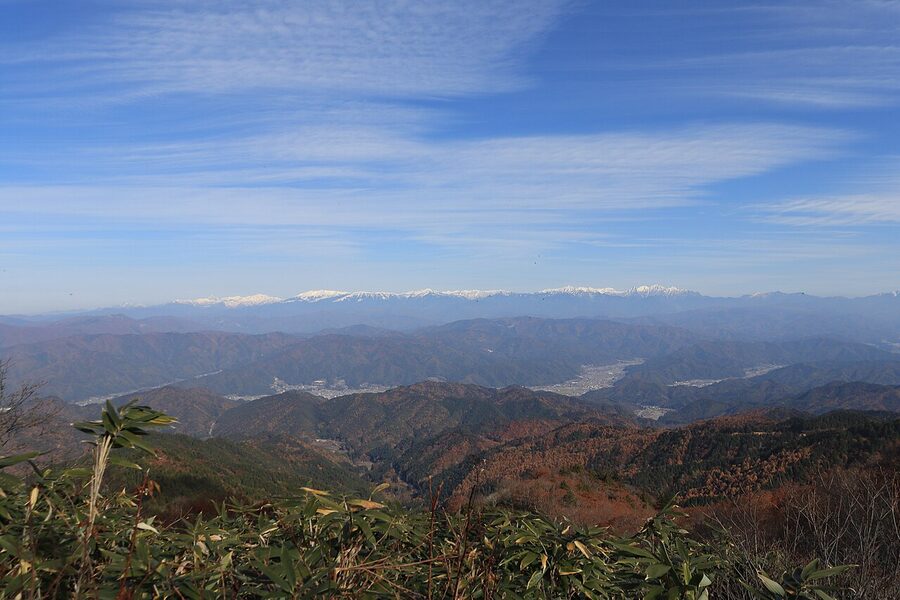
People call this region “the Japan Alps” as if it were one mountain range. It’s three. The Hida range (Northern Alps) runs from the Sea of Japan coast above Itoigawa down through Hakuba, Kamikochi, and Norikura. The Kiso range (Central Alps) sits compactly between Lake Suwa and the Tenryu valley. The Akaishi range (Southern Alps) runs down toward Shizuoka. Each has its own onsen profile. The hot-spring water that comes up out of the ground varies by what rock it has passed through, and the rock varies by range, so the bath at Shirahone and the bath at Bessho feel like different planets even though they’re sixty kilometres apart.
The Northern Alps zone (volcanic, sulphurous, milky)
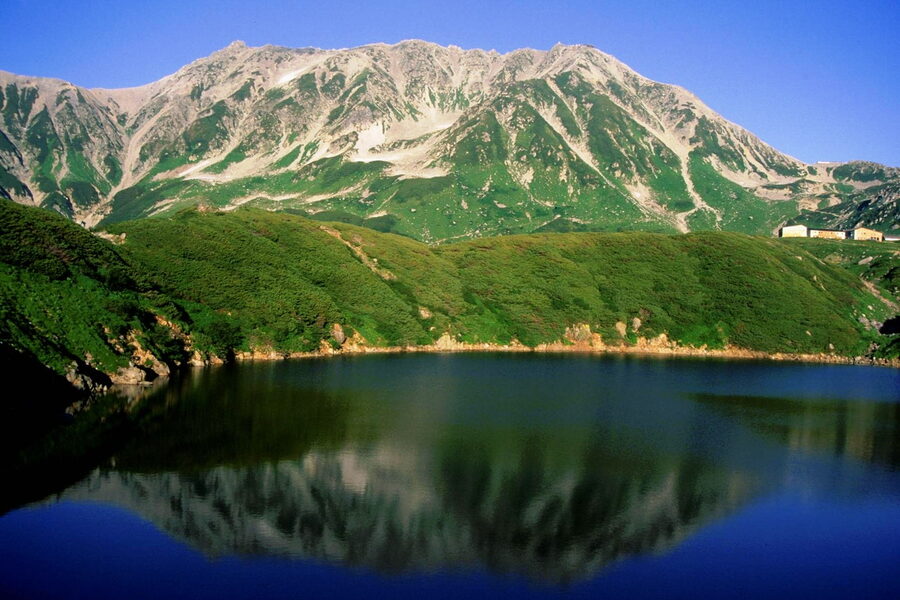
The Hida range is the active-volcanic one, and that means hot, mineralised, often sulphurous water. Mikurigaike, Hakuba Yari, Shinhotaka, Hirayu, Fukuji, Nakanoyu, Sakamaki, Norikura Kogen and Shirahone all draw on this system. You’ll smell sulphur at most of them. The water at Shirahone is calcium-sulphate heavy enough to turn milky-white in the bath; at Hirayu it’s clearer sodium-sulphate; at Mikurigaike it’s a thin, almost translucent acidic spring that comes out of the crater wall at 70°C and is blended down before bathing. None of these are recirculated. Almost every named bath in this zone is gensen kakenagashi (source water flow-through), which is the gold standard.
The Central Alps and Kiso valley zone (sedimentary, gentle, alkaline)
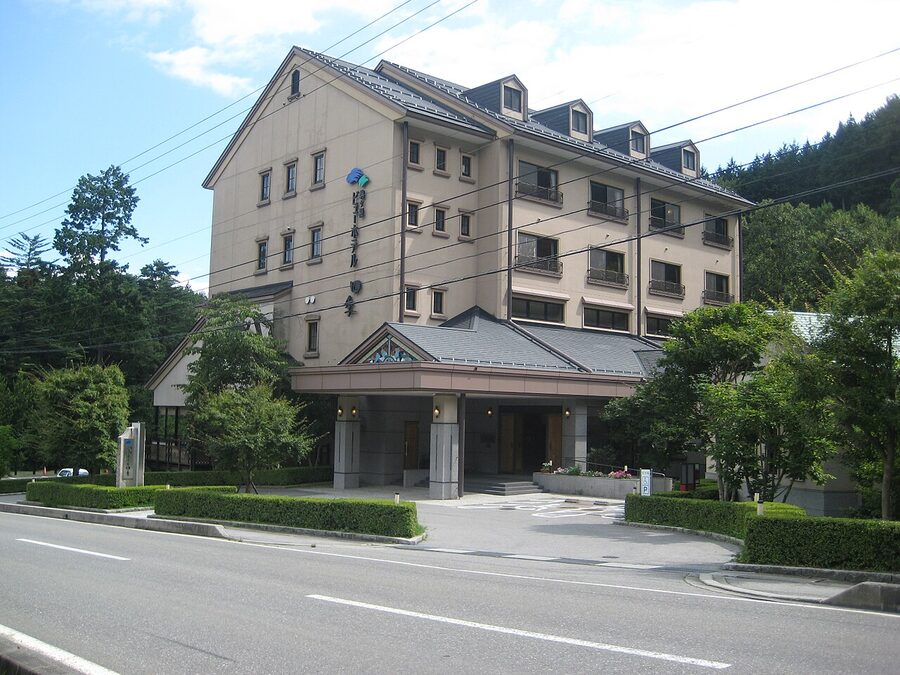
The Kiso range is older granite and sedimentary rock, geologically dead. The onsen on this side, Hayataro Onsen at Komagane being the prime example, are almost all alkaline, low in dissolved minerals, often advertised as biji-no-yu (“beauty water”) because they leave the skin feeling silky rather than coated. The other end of the Kiso valley has Suwa Onsen, also alkaline, with a hot-spring system feeding straight into Lake Suwa. If you’re spending nights along the Nakasendo post-road through Magome and Tsumago and want a soak, this is the zone you’re in. Don’t expect drama. Expect a clean, clear, faintly slippery bath that you can stay in for twenty minutes without getting dizzy.
Eastern Nagano and the edge of the Shinetsu mountains
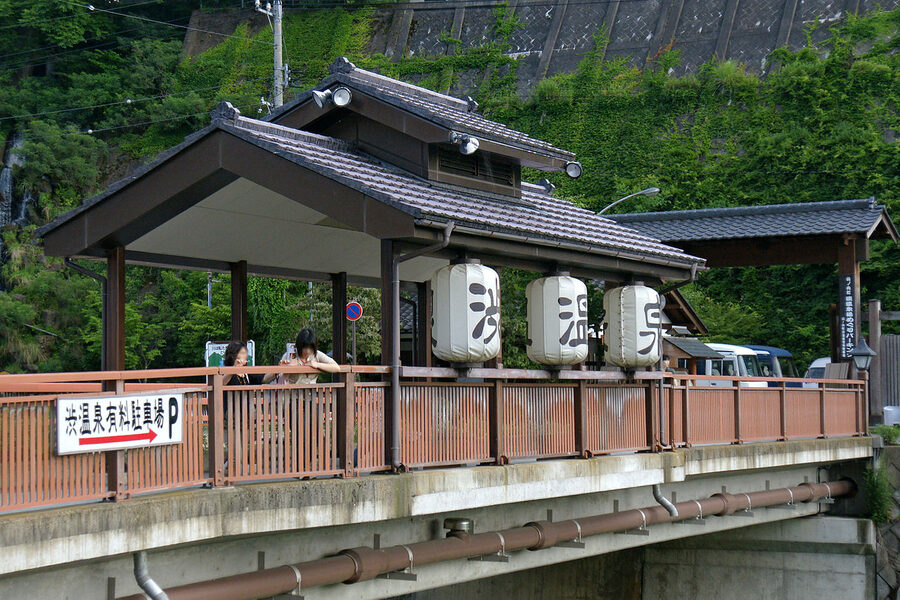
Strictly speaking, Nozawa, Shibu, Yudanaka, and the famous Jigokudani snow-monkey bath sit on the Shinetsu side of the prefecture rather than in the Alps proper. Geographers will fight you for a Japan-Alps article that includes them. I include them anyway, because almost every traveller who comes to the region for skiing or for the snow monkeys ends up bathing in them, and they belong in the same conversation about water, etiquette and overnight ryokan tradition. The water on this side is also volcanic, hot, and very clearly mineralised: more iron, less sulphur than the Hida side, often a slight rust tint on the bath edges.
High-altitude mountain baths
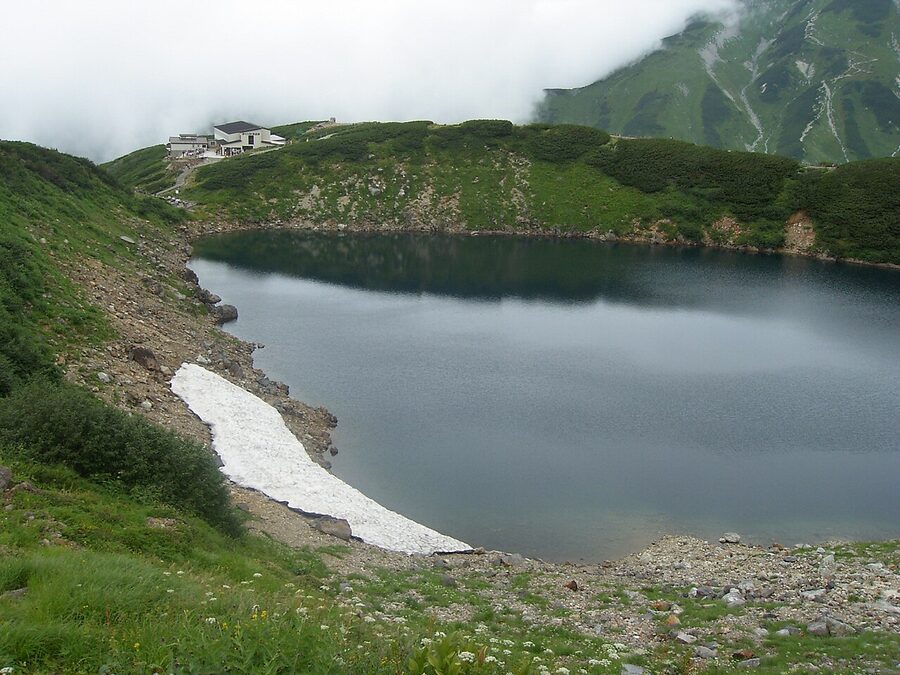
The high-altitude baths are the strangest and the most rewarding category in this region. None of them are easy to get to in absolute terms; some are easy if you know the bus, others involve a multi-day hike. What unites them is the short season (most run only June to October), the lack of mixed-bath weirdness (everyone’s too tired and too cold for that), and the specific pleasure of soaking at altitude after a long day on a path. None of them is a relaxing weekend break. All of them are worth the trip if you’re already in the mountains.
Mikurigaike Onsen (2,410m, Tateyama)
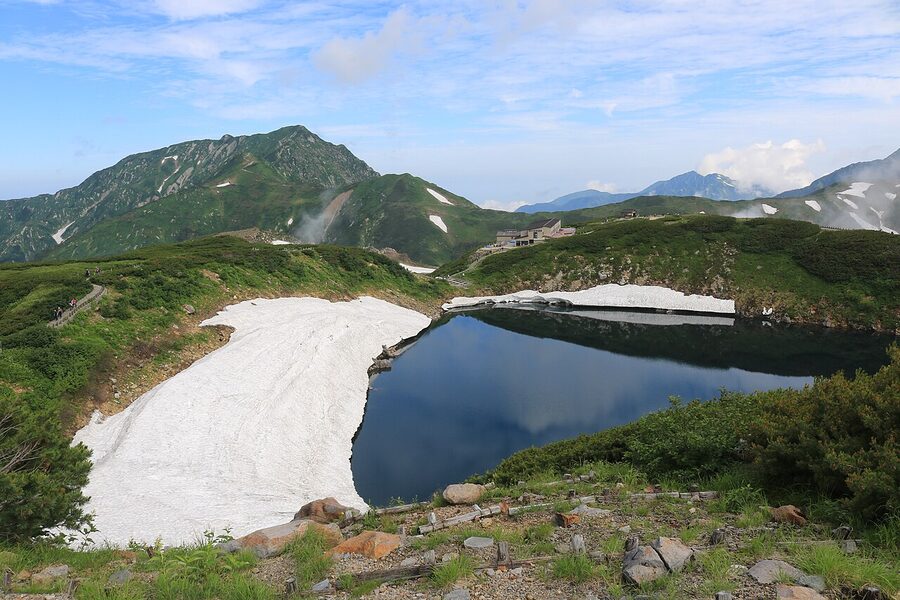
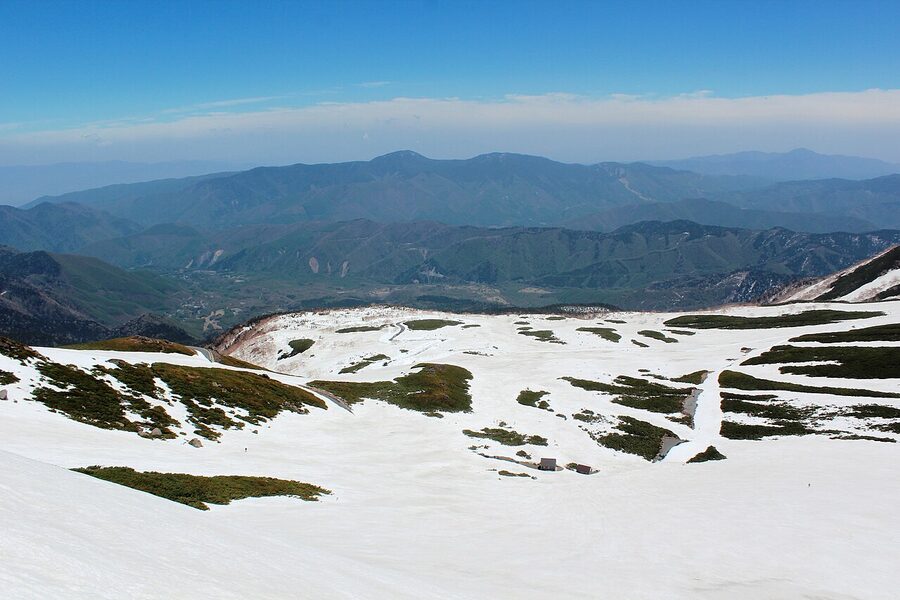
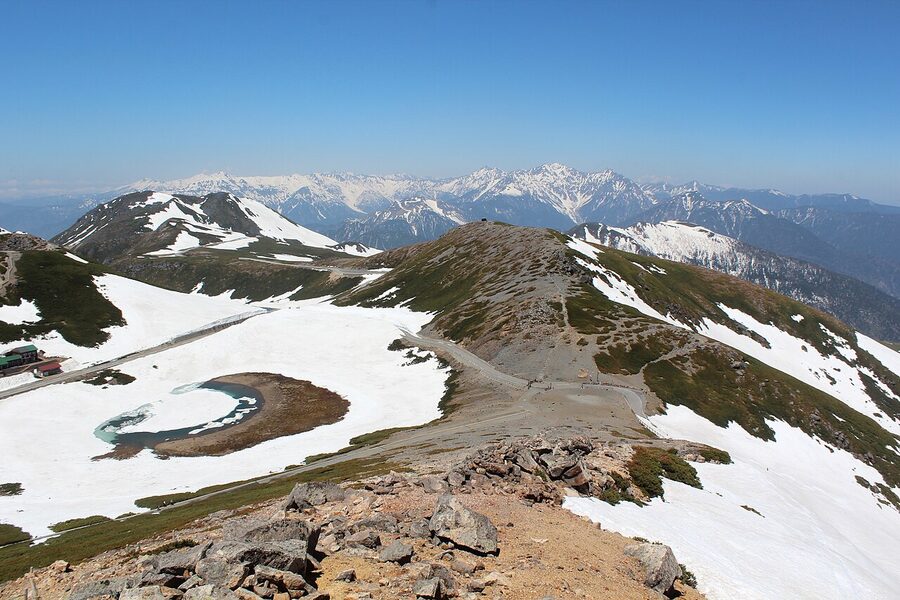
Japan’s highest legal onsen. Open mid-June to late October only; the rest of the year the building is shuttered and buried under snow. Single-gender baths, indoor only because the air outside drops below freezing on summer nights at this altitude. Day-use entry ¥900 between 12:30 and 16:00. Reach it by riding the Tateyama-Kurobe Alpine Route up to Murodo (the trolleybus terminus on the Toyama side) and walking the signed path fifteen minutes around Mikuriga-ike crater pond. The unusual bit, sat in 41°C water, is looking out the window at a 2,400m alpine plateau with snow patches still showing in July. The attached Mikurigaike Sanso hut takes overnight guests for around ¥15,000 per person with two meals; book at least three months ahead for July-August weekends.
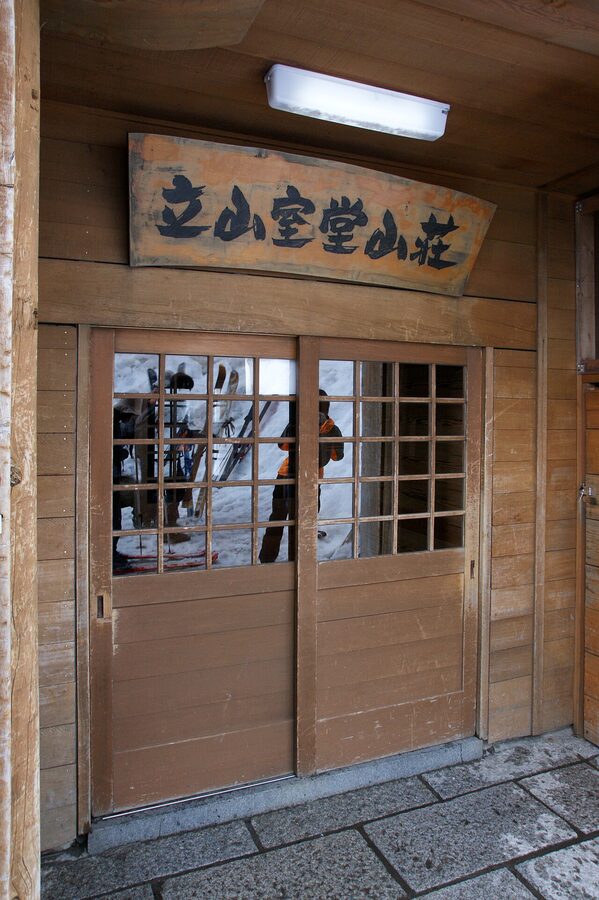
One important note before you book: at this altitude, mild altitude sickness is common, and a hot bath makes it worse. If you’ve come straight up from sea level on the cable cars and you’re feeling slightly dizzy or short of breath, sit on a bench at Murodo for an hour, drink water, then walk to the lodge. Read the altitude sickness guide before you book Mikurigaike for the same day you arrive at Murodo. Most people are fine. A noticeable minority are not.
Hakuba Yari Onsen (2,100m, above Sarukura)
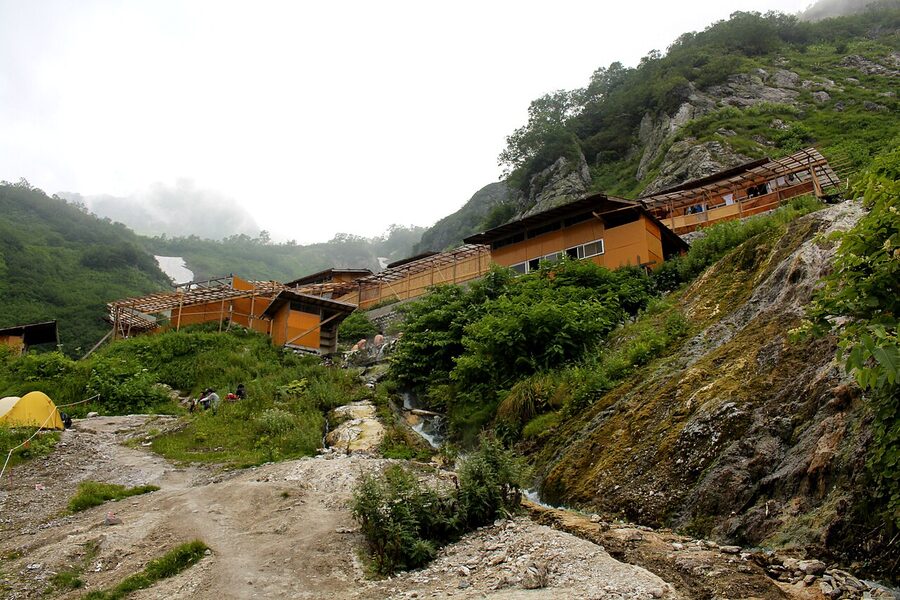
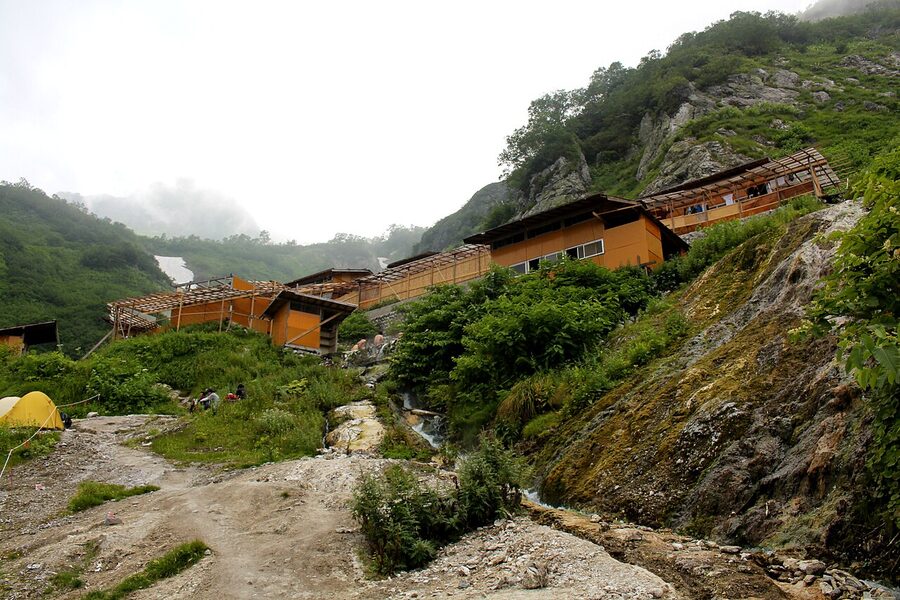
The second-highest in the region, and the only proper alpine onsen accessible from Hakuba. The Hakuba Yari Onsen Sanso hut sits at 2,100m on the Yari ridge above Sarukura. To reach it, you climb roughly five hours up from the Sarukura trailhead. There’s an indoor bath inside the hut and an open-air rotenburo just below it cut into the hillside. Open late July to late September only; closed entirely for snow the rest of the year. Day-bathing is technically allowed but pointless given the climb; almost everyone here is staying overnight in the hut as part of a multi-day Northern Alps traverse. See the Northern Alps mountain hut booking guide for how the reservation system works in season.
Takamagahara Onsen (2,100m, deep Northern Alps)
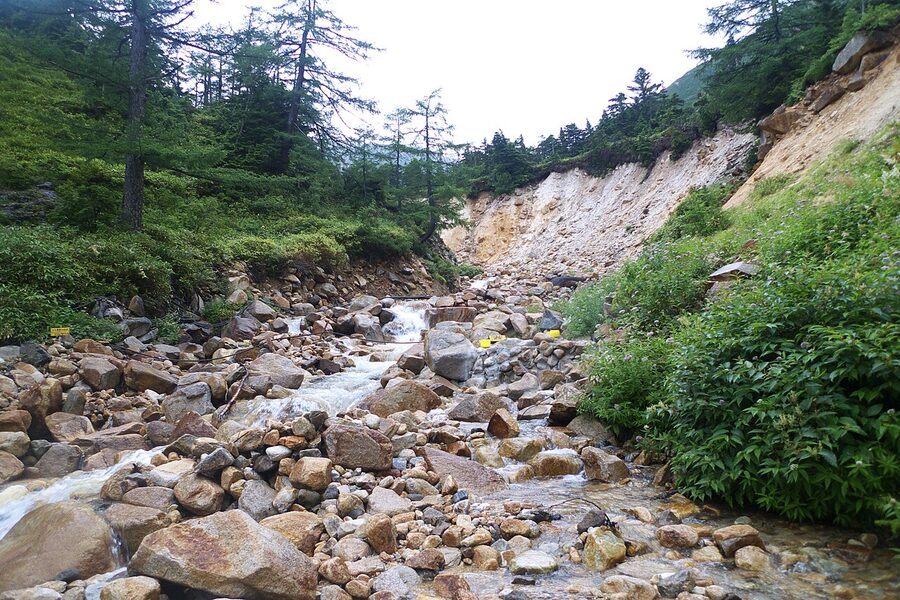
Takamagahara is the onsen Japanese hikers reverently call the deepest in the country. To reach it from the Toyama side you walk thirteen hours each way over multiple days, sleeping in the Yakushidake hut or the Kumonotaira hut on the way in and out. There are several rough wild baths cut into the river. No buildings, no fees, no rangers. Just stones, water at around 60°C, and a small wooden plaque marking the source. If you have to ask whether to add this to your trip, it’s not for you. If you’ve already done one of the Northern Alps’ multi-day traverses and you want a third or fourth, this is the answer.
Nakabusa Onsen (1,500m, Hotaka foothills)
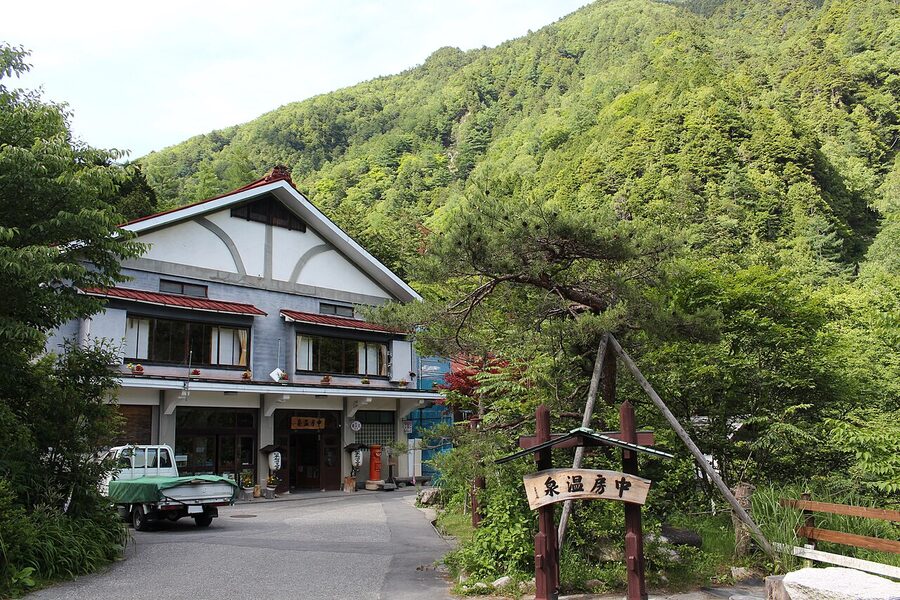
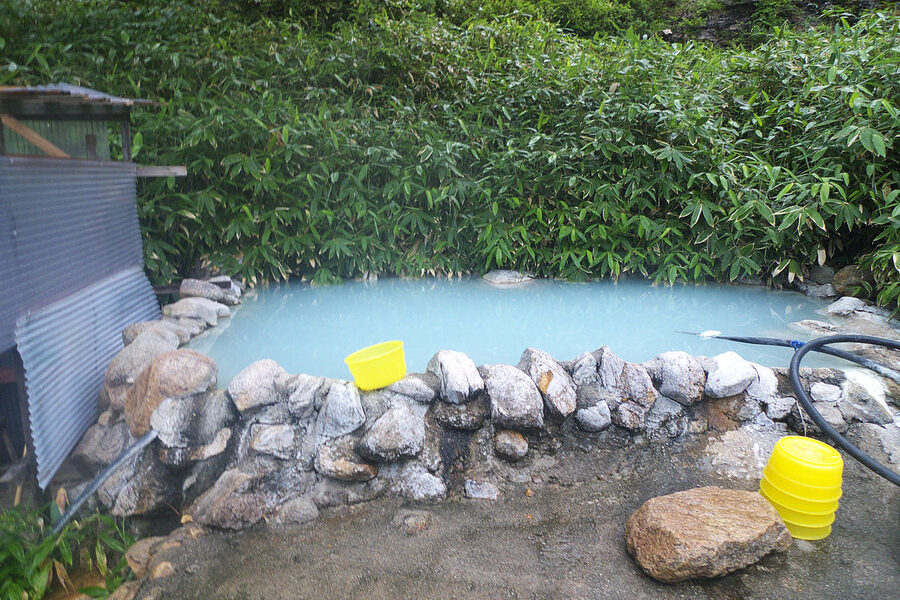
Covered in detail in the Azumino city guide, but worth pulling out into this article because the outdoor bath is built directly into a stream. Source water comes out of the rock at 68°C, blends down to 42°C in the bath. Open April to November; the access road becomes impassable in winter. Day-pass ¥800; overnight stays ¥18,000-22,000 with two meals. One hour by bus from Hotaka station on the JR Oito line. Most people who stay here do so as the night-before-hike for Mt Tsubakuro and the wider Northern Alps traverse, but it works on its own as a destination if you want a quiet two nights surrounded by cedar.
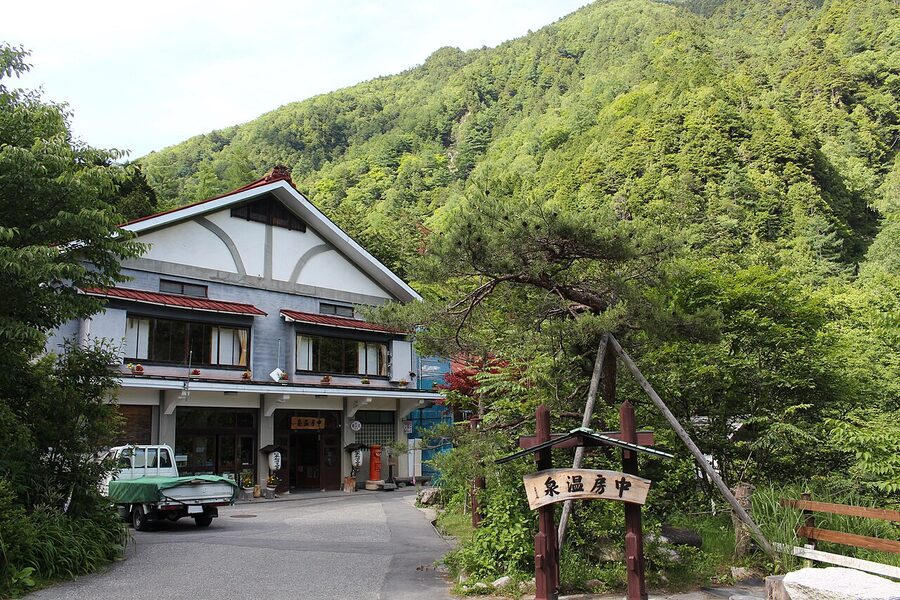
Yumata Onsen (1,500m, Omachi backcountry)
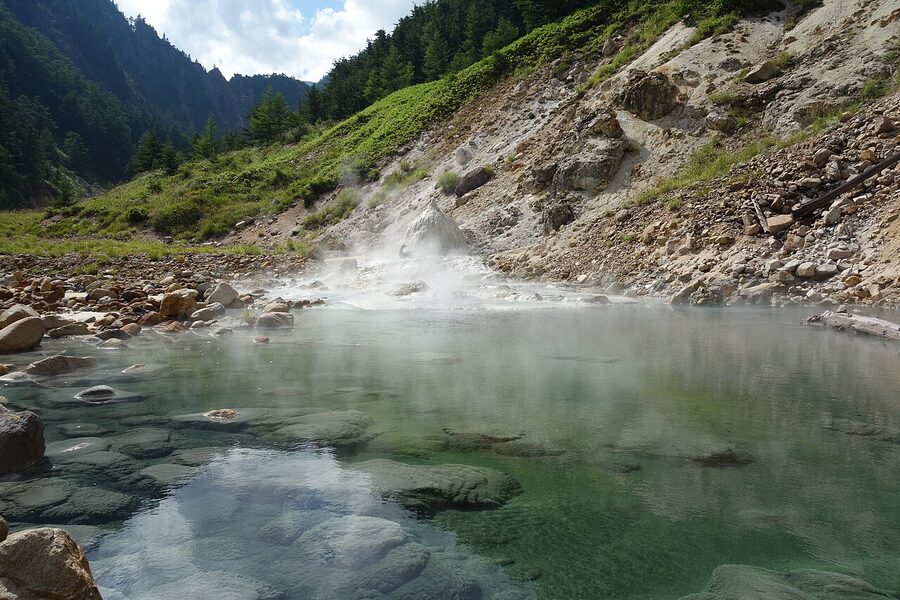
A working hiker’s onsen above the upper Takase valley behind Omachi. The road in is closed to private cars at a barrier; you walk the last hour, or you join one of the limited shuttle services in summer. There’s a ryokan and a wild river bath. Almost no English-language traveller content covers this one because the access is genuinely awkward, but it’s the obvious extension if you’ve done the Tateyama-Kurobe route from Omachi and want one more night in the mountains before heading back to the trains.
Renge Onsen (1,475m, Itoigawa side)
Renge Onsen is the standard first or last night for anyone doing the Mt Shirouma traverse from the Sea of Japan side. Four wild outdoor baths circle the lodge, each at a slightly different temperature. The lodge sits at 1,475m and is reached by a switchbacking road from Itoigawa, open mid-July to late October. Day-bathing is ¥800. Overnight is ¥14,000 with meals, simple but warm. The four-bath circuit at sunset, walking between them in a yukata, is one of the quietly best onsen experiences in the country.
The Okuhida five (Hirayu, Shinhotaka, Fukuji, Tochio, Shin-Hirayu)
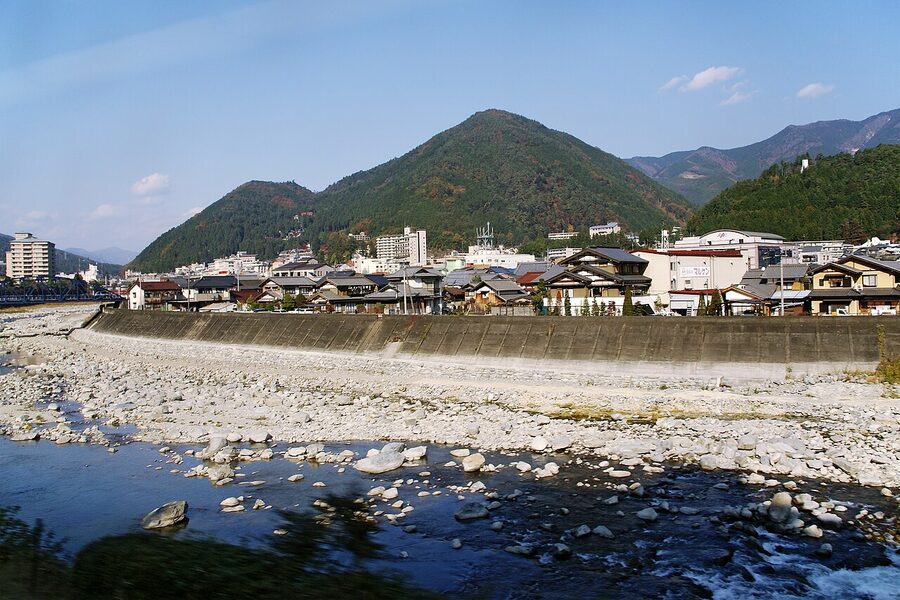
Five onsen villages cluster on the western slope of the Northern Alps, between Takayama and the Hida side of Kamikochi. Hirayu is the bus hub; Shinhotaka the destination ryokan town; Fukuji the small quiet one; Tochio the working-village option; Shin-Hirayu the smallest. Together they’re called Okuhida Onsen-go. They make a quiet alternative to anywhere busier in the country and they’re connected by a clean local bus service. The full layout, with a walking map between the five and the ryokan recommendations, lives in the Okuhida Onsen-go guide; this section is a summary.
Hirayu Onsen (1,250m)
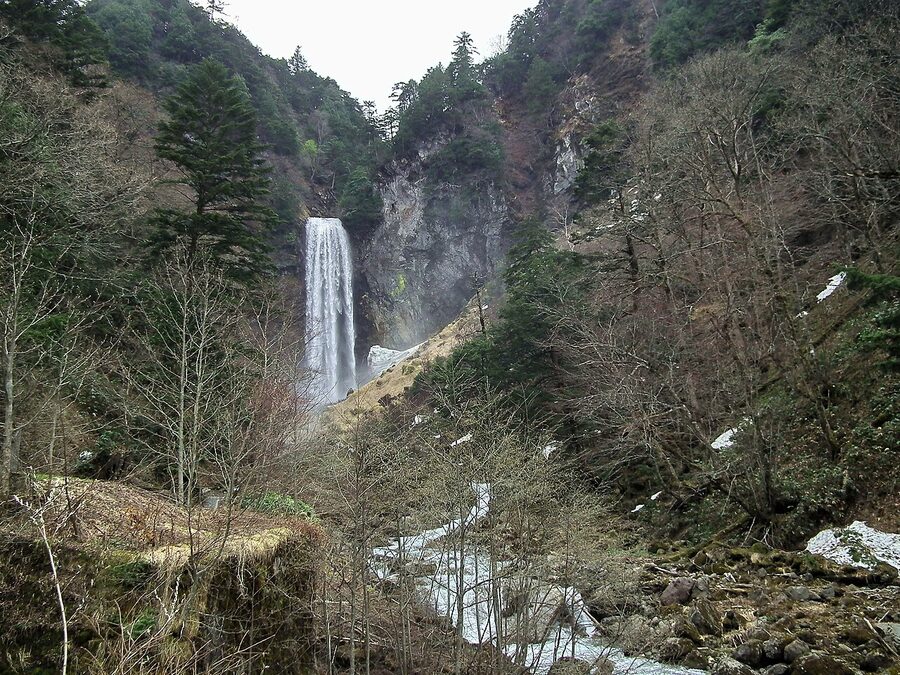
The logistical hub for the entire Okuhida area. If you’re connecting between Takayama, Shinhotaka, and the western entry to Kamikochi, Hirayu is where the buses interchange. Eighteen ryokan operate in the village; eight have public bath access for day visitors at ¥600-900. Water is sodium-sulphate, clear rather than milky, with good skin-feel. Not the most atmospheric option in the area, but extremely convenient if you’re already passing through. The famous Hirayu no Taki waterfall is a 10-minute walk from the bus station and well worth combining with a day at the bath.
Shinhotaka Onsen (1,100m)
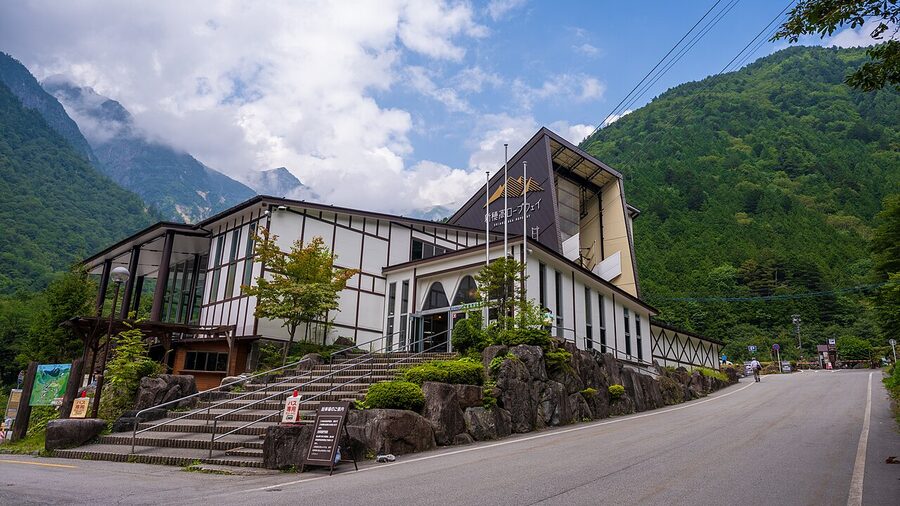
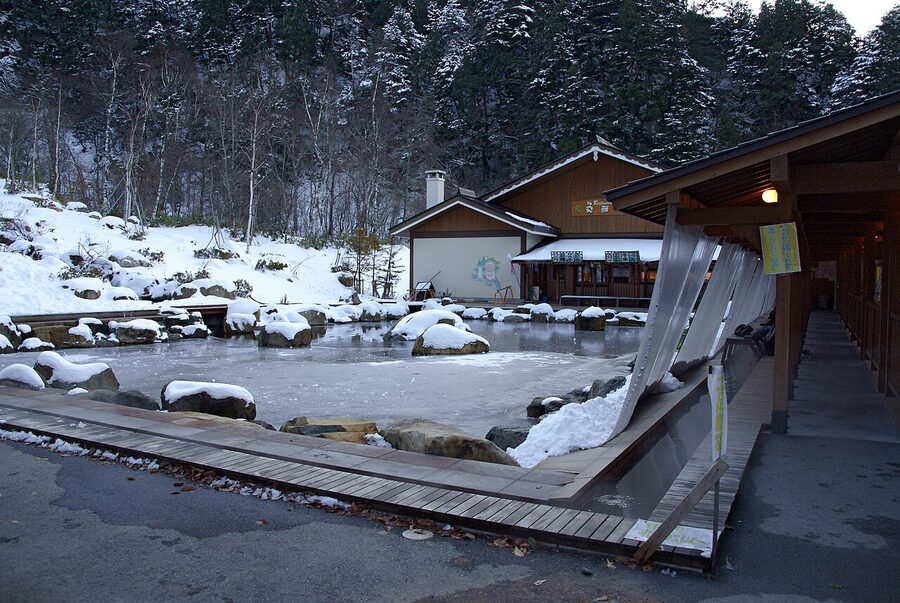
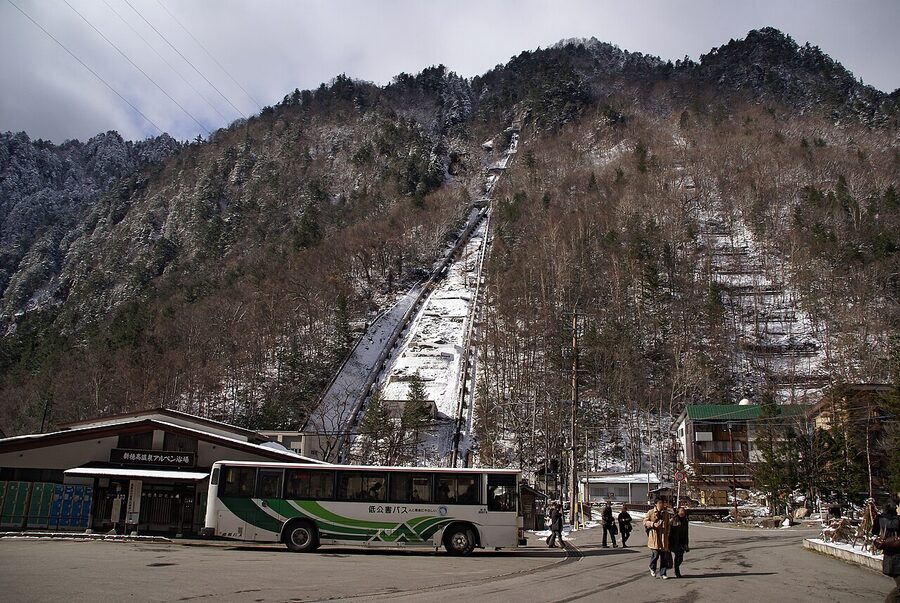
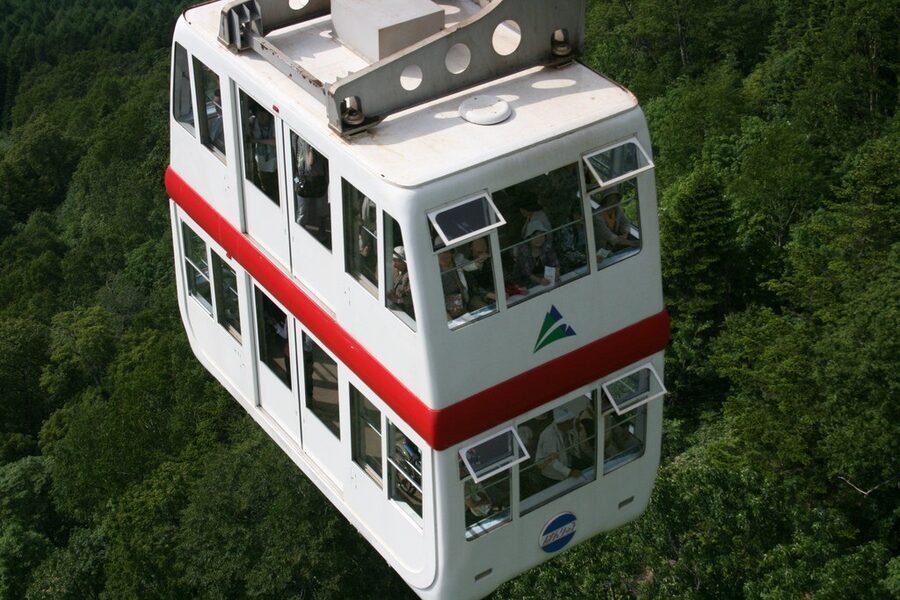
The larger and more atmospheric of the destination Okuhida onsen towns. Five traditional ryokan line the upper Gamata valley, plus several outdoor public baths costing ¥500-800. Reached by Nohi bus from Takayama, one hour thirty minutes, around ¥2,200 one-way. The signature experience is the free public rotenburo Shinhotaka no Yu: mixed-gender, open-air, literally on the riverbank, with bathing suits permitted (genuinely unusual for Japan). The water is slightly sulphurous in scent, warm year-round, and busiest in autumn colour season when the Shinhotaka ropeway is at peak attendance.
Fukuji Onsen (the quiet one)
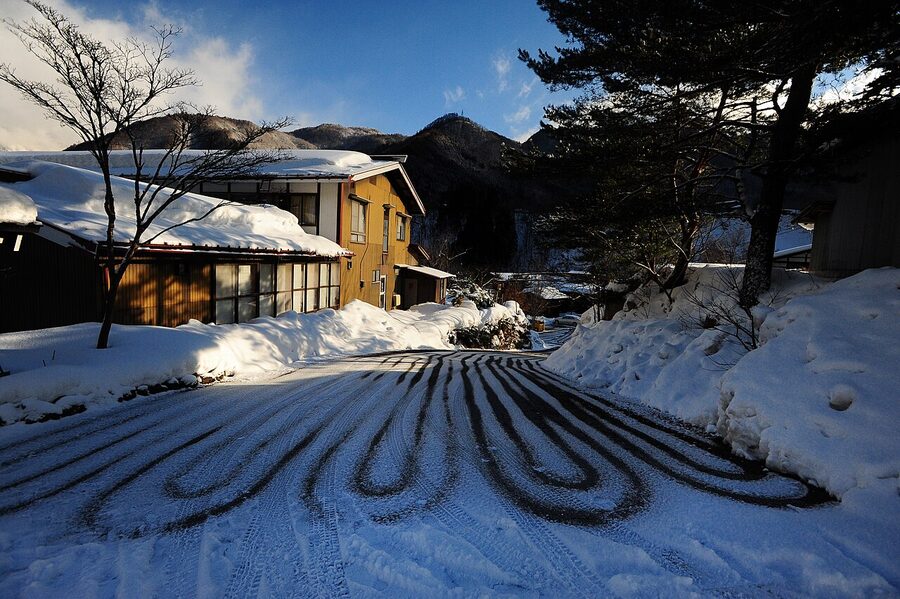
The smallest and most traditional of the Okuhida five. Eight ryokan, all family-run, almost all with thatched-roof main buildings dating back at least a hundred years. The village has no convenience store, no chain anything, and the bus stop is a single shelter on the main road. Day visitors are welcomed at most ryokan for ¥500-1,000, but Fukuji rewards an overnight stay. Yumoto Choza is the standout: ten rooms, each with private rotenburo, kaiseki dinner served in your room, around ¥38,000 per person with meals. Two months ahead in autumn; one month otherwise.
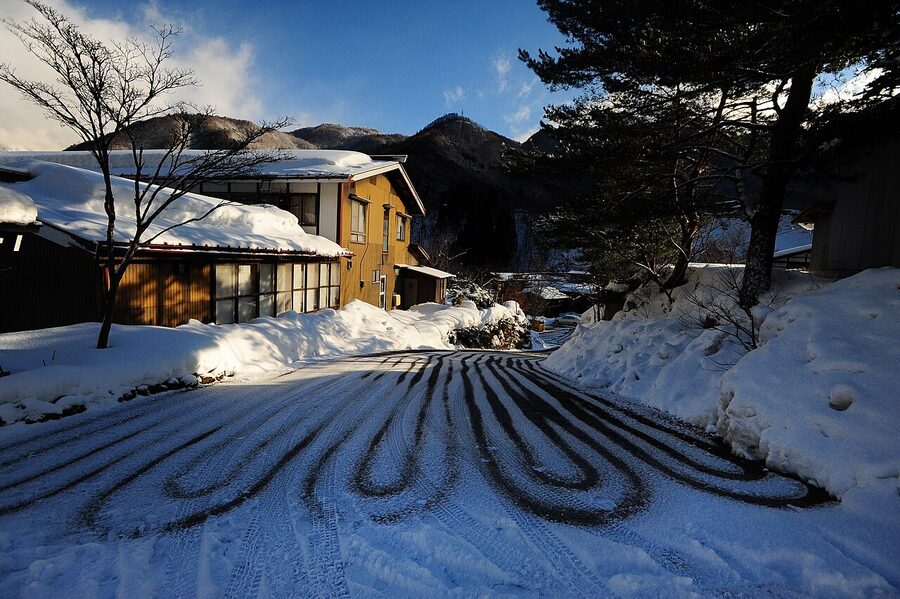
The Matsumoto and Kamikochi gateway baths
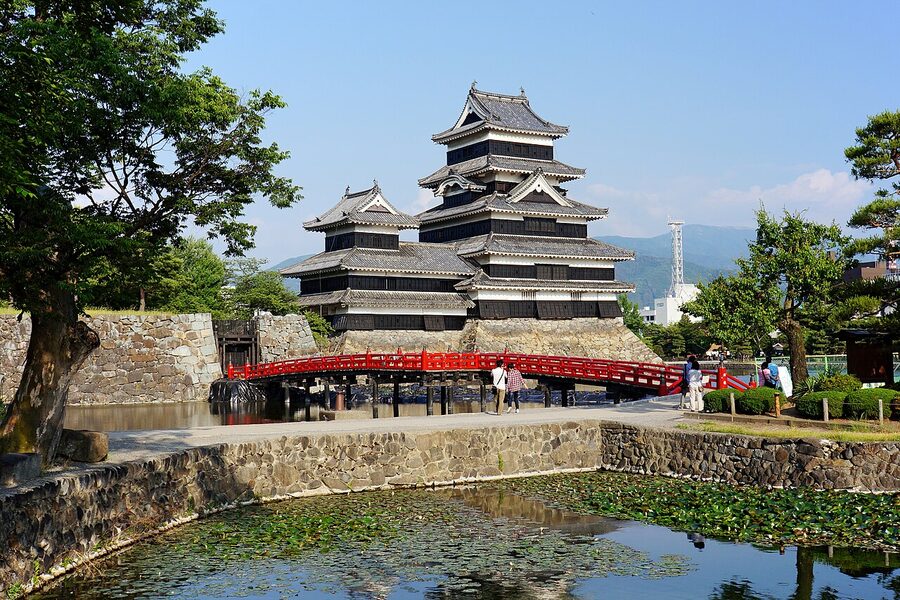
The eastern entry to the Northern Alps comes through Matsumoto. Several of the most distinctive onsen in the region sit on the road between Matsumoto and Kamikochi, or just off it. Shirahone is the famous one. Norikura Kogen, Sakamaki, and Nakanoyu are the other three you should know about, in increasing order of obscurity. Asama Onsen is the city-edge spa quarter most travellers don’t realise Matsumoto has.
Shirahone Onsen (1,400m)
The most distinctive-looking hot-spring water in central Honshu. A calcium-bicarbonate spring that runs colourless underground and turns milky-white the moment it contacts air. The mineral content is genuinely therapeutic for skin conditions and is one of the few onsen waters with peer-reviewed analgesic effect for joint pain. The village is small: a dozen ryokan, one public bathhouse, the famous outdoor footbath in the river. Ninety minutes by Alpico bus from Matsumoto. The flagship ryokan is Awanoyu, an Edo-period property with rotenburo on the river: ¥22,000-28,000 per person per night with two meals. The full village walk-around plus seasonal advice and tattoo policy lives in the dedicated Shirahone guide.
Norikura Kogen Onsen (1,500m)
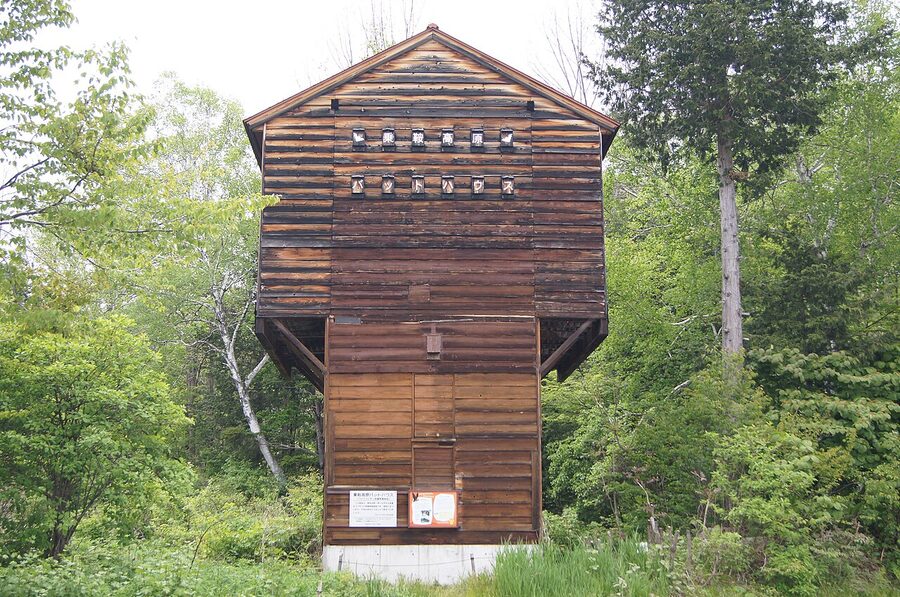
Milky sulphuric water at a small mountain plateau, ninety minutes by bus from Matsumoto. Very quiet outside summer hiking season, when Mt Norikura day-trippers fill it. The main day-visitor option is Yukemuri-kan at ¥730: three indoor baths, one rotenburo, towel rental ¥200. Probably the best-value public onsen in the entire Japan Alps. Almost all the small ryokan in the village welcome non-guests for ¥500-800 day-pass too; just walk in and ask. Combine with the Norikura summit shuttle bus for a proper mountain-and-bath day.
Sakamaki and Nakanoyu (the Kamikochi-route gateway baths)
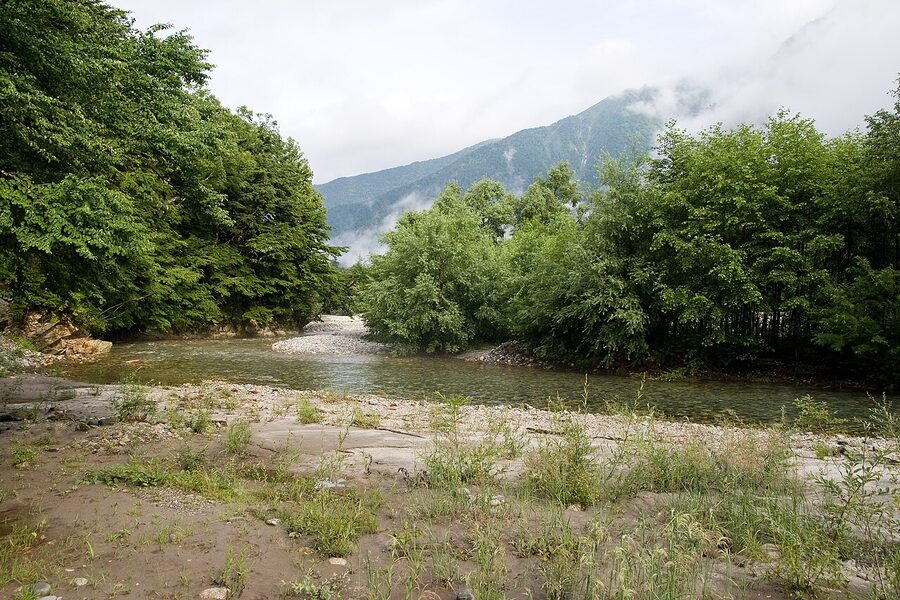
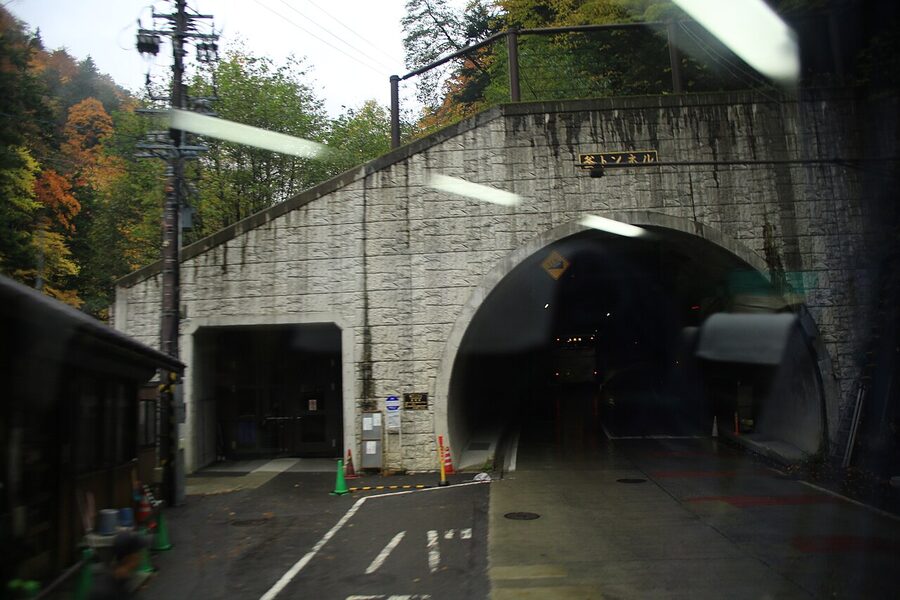
Two single-ryokan onsen on the road into Kamikochi, both worth knowing about even though almost no English-language guide mentions them. Sakamaki Onsen sits in the river gorge just before the Nakanoyu tunnel, single ryokan, day-bathing ¥800, three small indoor baths and one tiny rotenburo on the riverbank. Nakanoyu Onsen is on the Matsumoto side of the same tunnel, a wooden ryokan and bathhouse in the trees: again single building, day-bathing ¥800, indoor only. Both are useful as a stop on the Kamikochi run if you’ve come down from the high mountains and don’t want to wait until you reach Hirayu or Matsumoto.
Asama Onsen (Matsumoto’s spa quarter)
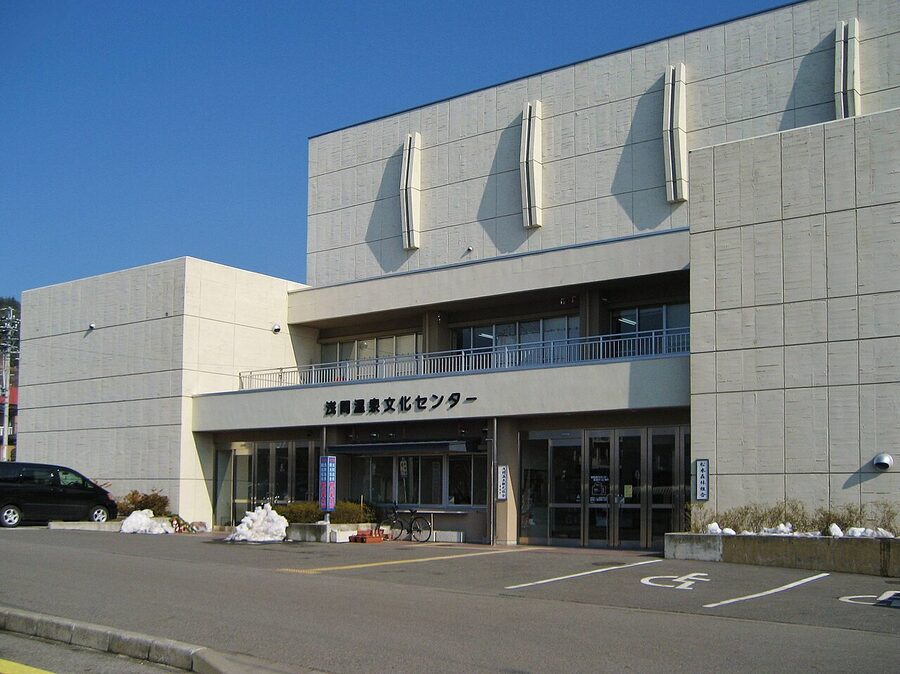
Twenty minutes by bus from Matsumoto station and almost completely overlooked by international travellers, Asama Onsen is the city’s traditional spa neighbourhood. Twenty-six ryokan, one public bathhouse, a handful of small restaurants. The water is alkaline and clear, gentle on skin, traditional in the truest sense (some of the ryokan have been bathing guests for over four hundred years). Use this as a one-night base before or after Matsumoto Castle if you want a quiet onsen stop without going all the way out to Shirahone or Norikura.
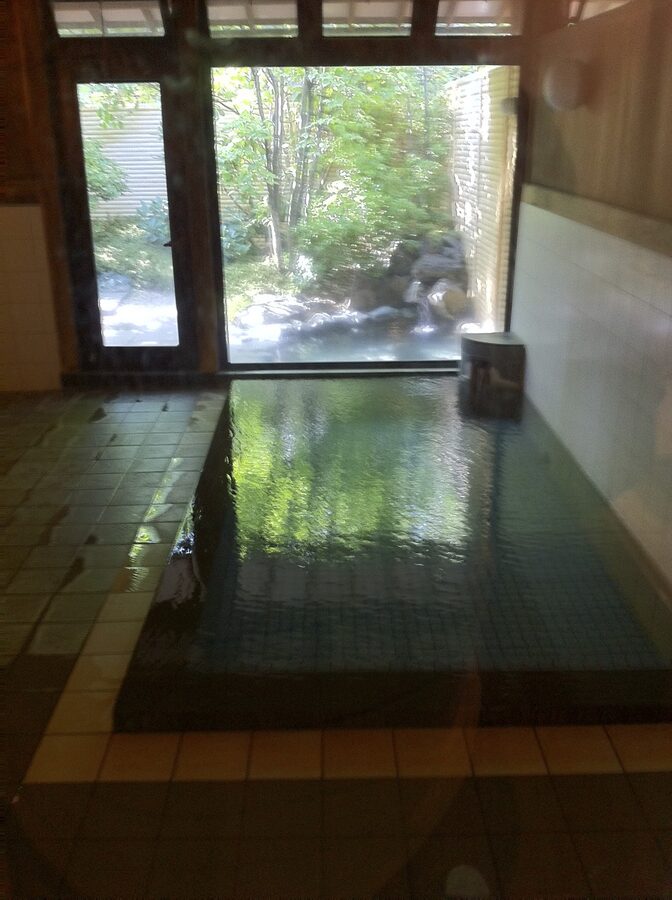
The Eastern Nagano cluster (Nozawa, Shibu, Yudanaka, Bessho)
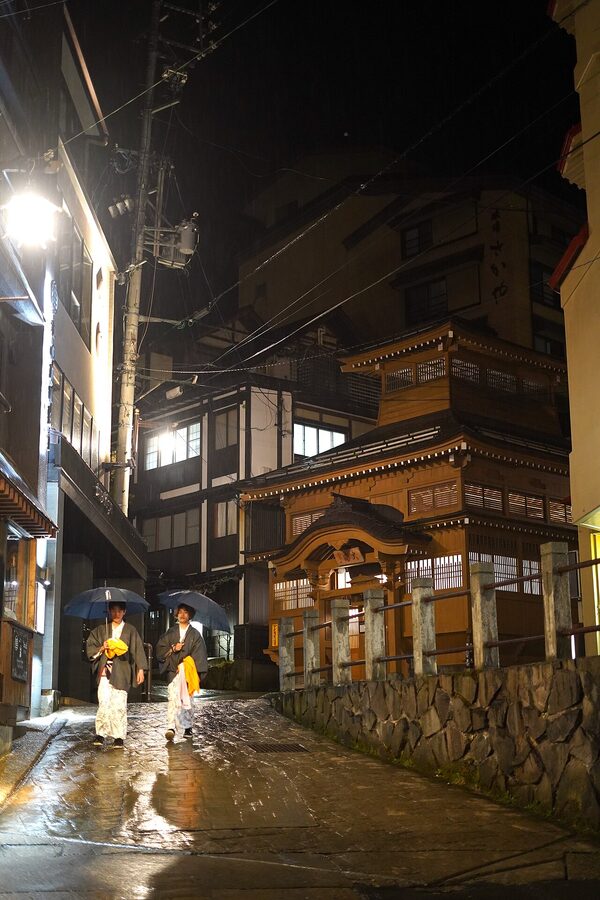
This is the Shinetsu side of Nagano, just east of the Northern Alps proper. Four onsen towns here are worth your time: Nozawa for skiing and the village bath circuit, Shibu and Yudanaka as a pair for the historic ryokan and the snow-monkey day-trip, and Bessho for the quiet Edo-feeling temple and bathhouse village. Each has its own personality and its own access route from Nagano City.
Nozawa Onsen (the thirteen-bath village)
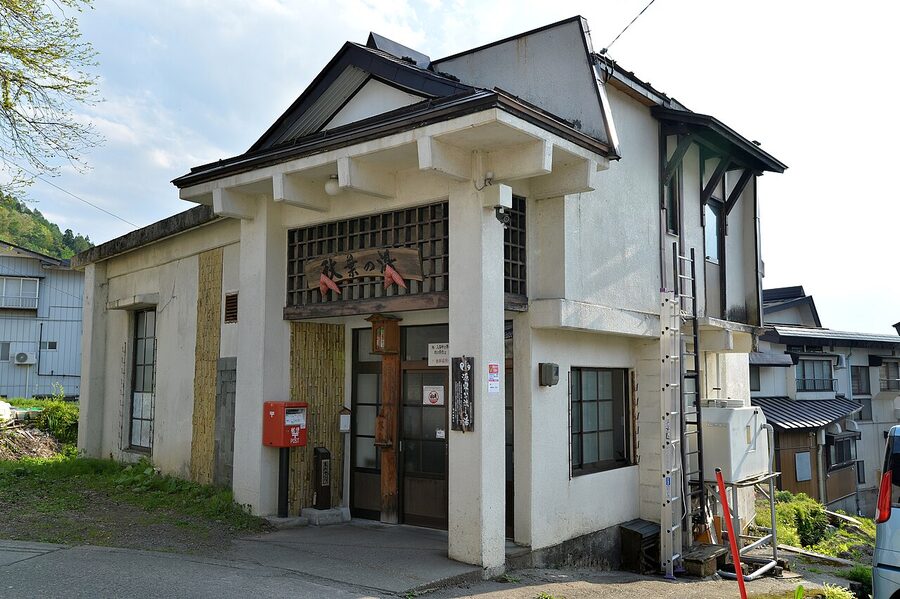
Nozawa is the most complete onsen-village experience in the wider region. Thirteen soto-yu public baths, each with its own architectural quirks, all free, all maintained by the village. The pattern of an evening at Nozawa is to walk between three or four of them in your yukata, soaking briefly in each, drinking a bottle of cold milk on the bench between them. Add to this the surrounding ski mountain and the Dosojin fire festival in mid-January, and Nozawa earns its place at the centre of any Japan onsen itinerary. Full ryokan picks, the bath etiquette specific to Nozawa, and the bath-by-bath water-source notes live in the dedicated Nozawa guide.
Shibu Onsen (the wooden stamp-key village)
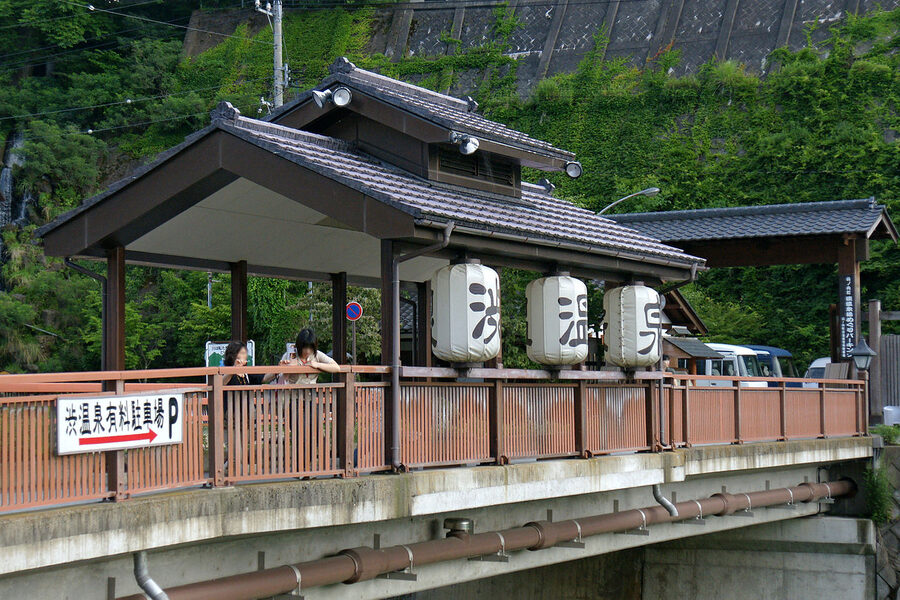
Smaller and more atmospheric than Nozawa, Shibu sits next to Yudanaka in Yamanouchi town. Nine public baths along the village street, accessible only to overnight ryokan guests via a single wooden stamp-key issued at check-in. The signature ritual: the nine-bath circuit, walking the village in your yukata, dipping in each, getting your stamp-card stamped at every door. The most famous ryokan is Kanaguya, the four-storey wooden building widely cited as a real-world inspiration for the bathhouse in Spirited Away. ¥25,000-45,000 per night with meals; book three to six months ahead.
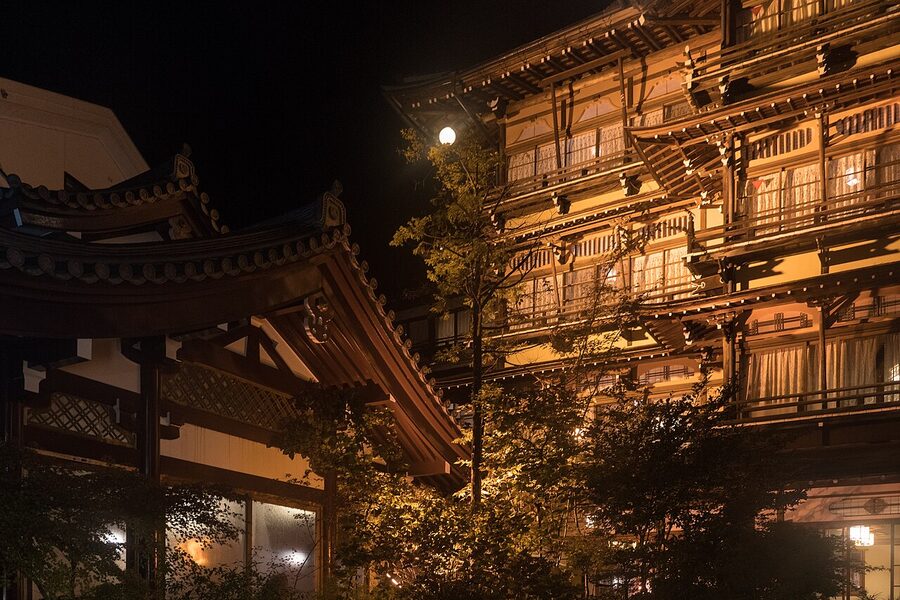
Yudanaka Onsen (the Jigokudani access town)
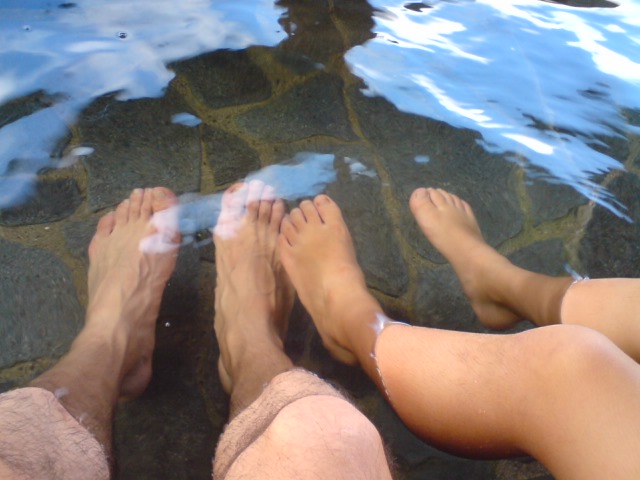
Yudanaka sits at the terminus of the local Nagano Dentetsu line and is the standard base for visits to the Jigokudani snow-monkey park. The station has a working footbath on the platform; the village proper is a short walk and has perhaps fifteen ryokan, most with their own private bath plus access to the older shared facilities. The water here is similar to Shibu’s: hot, lightly mineralised, no sulphur. Most travellers stay one night and combine with the snow monkeys the following morning, then continue to Shibu or back to Nagano City.
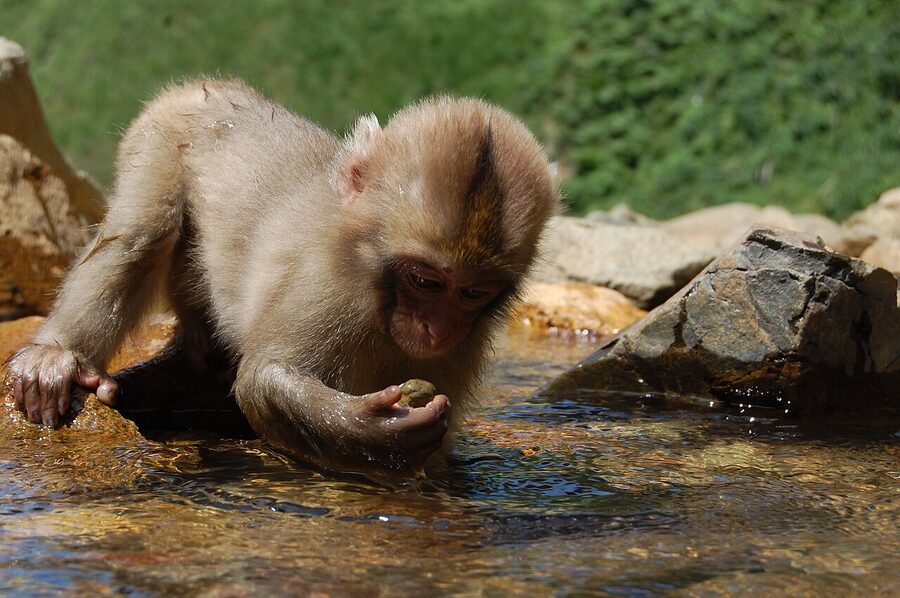
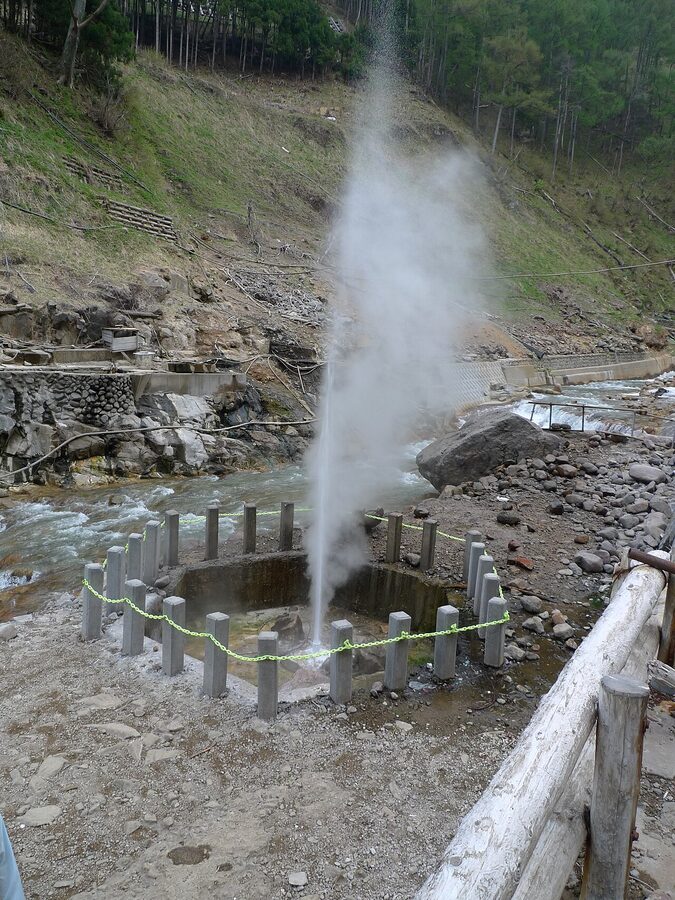
Bessho Onsen (Ueda’s Edo-period spa)
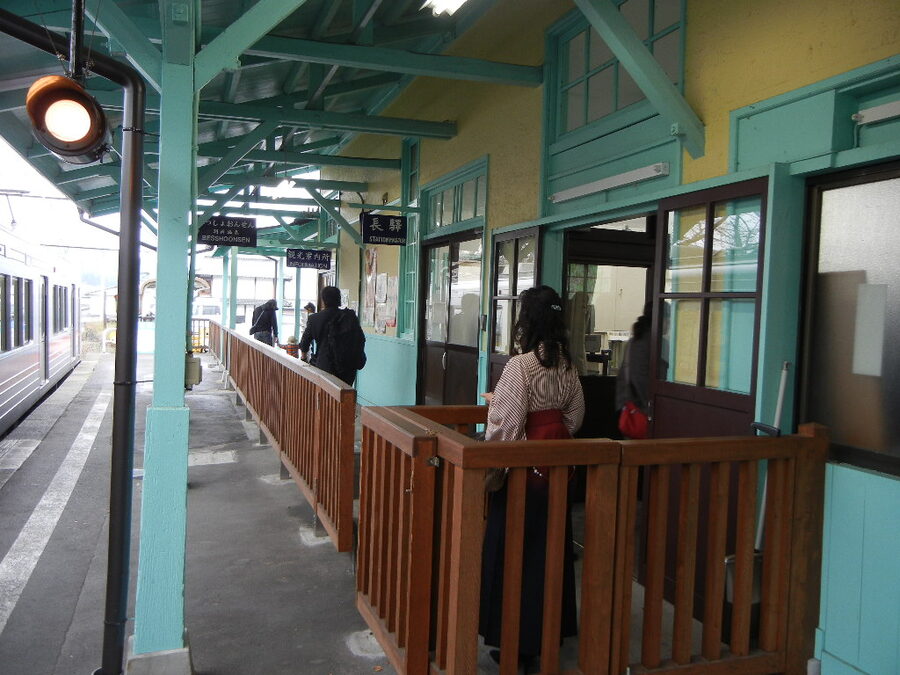
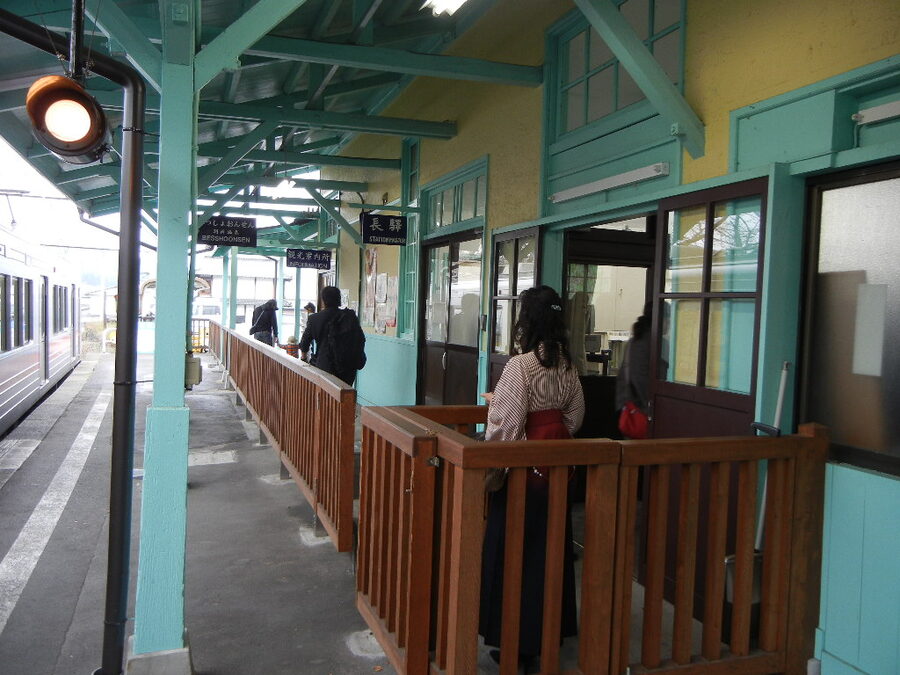
Bessho is half an hour west of Ueda on the local Bessho-line one-car train, and it’s one of the quietest historic onsen villages in central Honshu. Three free public bathhouses in the centre of the village (Daishi-yu, Ishi-yu, Daimon-no-yu), each with its own architecture and water character; a cluster of medieval temples around the edge that gives Bessho its old nickname; perhaps fifteen ryokan in the village. Easy day-trip from Karuizawa via Ueda, easy overnight from Nagano City.
The Karuizawa and Suwa edges
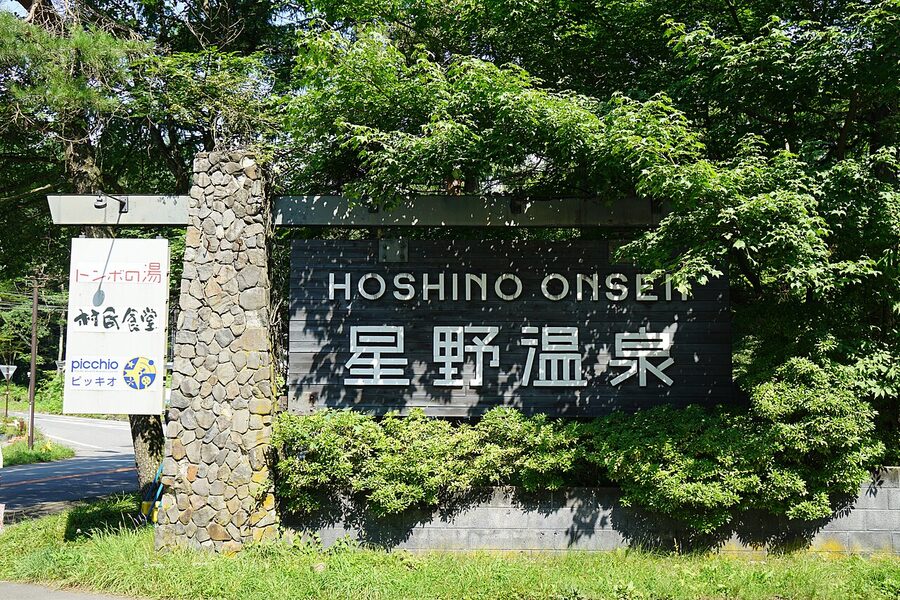
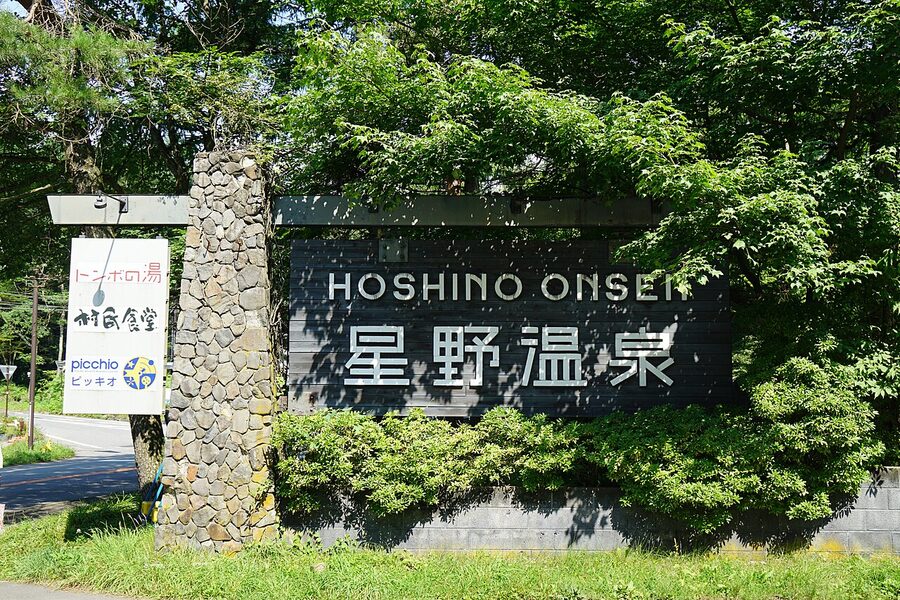
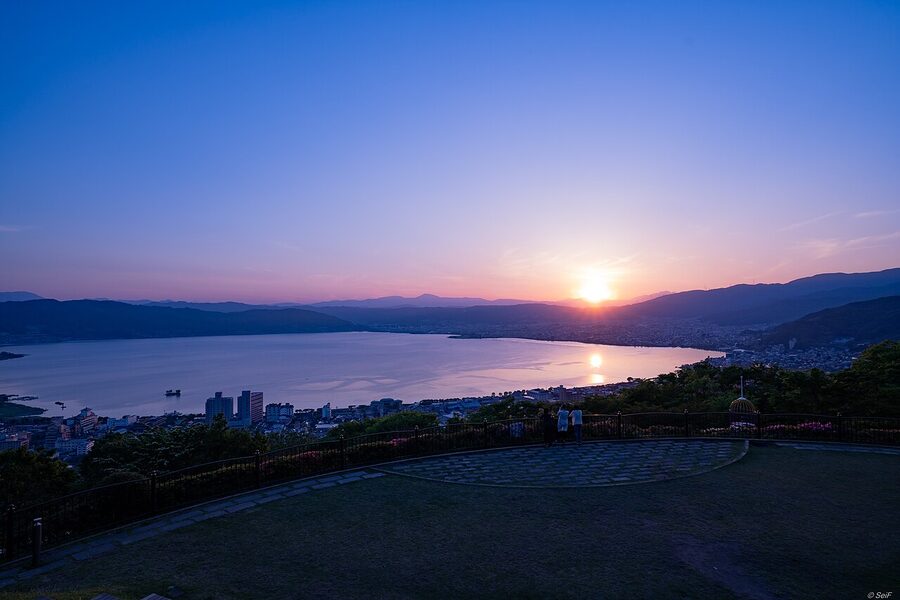
The two ends of the wider region also have onsen worth knowing about. Karuizawa, on the eastern side past Asama Volcano, has Tombo no Yu in the Hoshino Resort area and Yagasaki Park onsen in the village centre. Suwa, southeast of Matsumoto, is built around Lake Suwa with hot-spring water piped directly into the lakeside ryokan. Neither is a destination in its own right (the towns are the destinations and the onsen are an attached pleasure), but if you’re already there, both are well worth a soak.
Ski-resort onsen (the Hakuba and Tsugaike post-ski circuit)
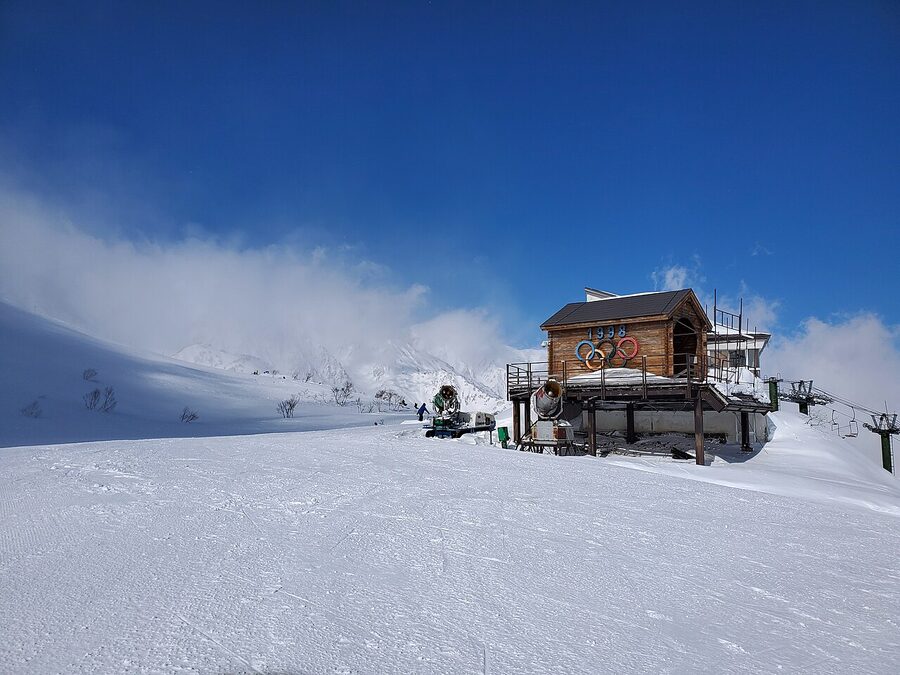
Most of the Hakuba Valley resorts have attached onsen facilities. These are more utilitarian than the destination onsen villages but essential for post-skiing recovery. Almost all of them are real gensen kakenagashi baths despite the gym-changing-room atmosphere: the village association in Hakuba has been quietly maintaining the spring infrastructure since well before the Olympics. The pattern of a Hakuba ski week is to ski hard, ride the bus or the resort shuttle back to the village, walk the last few minutes to the public bath, soak twenty minutes, eat. None of these baths is a destination on its own, but in combination with the skiing they make Hakuba an unusually rewarding ski-onsen base.
Happo no Yu and the Hakuba village circuit
The full menu of public baths in the Hakuba Valley:
- Happo no Yu (Hakuba): central village onsen at the base of Happo-one. ¥850, 10:00-21:00, outdoor baths facing Mt Shirouma. The standard end-of-ski-day routine.
- Obinata no Yu (Hakuba): smaller, more traditional, forest setting. ¥700, opens at 11:00.
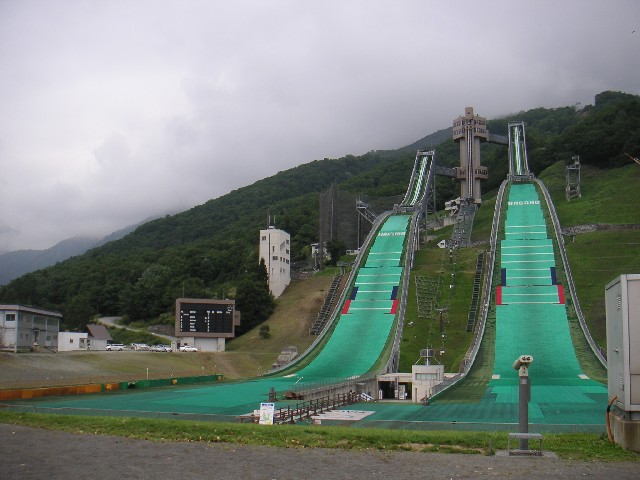
- Mimizuku no Yu (Hakuba): near the Olympic Ski Jumping Stadium, ¥700, best after a morning visit to the jumping towers. Worth combining with the museum.
- Tsugaike no Sato (Otari/Tsugaike base): ¥800, brand new facility (opened 2022), with a particularly good rotenburo.
- Green Plaza Hakuba (Hakuba Cortina): guests only during ski season; ¥1,500 day-pass in summer.
- Sun Alpina Goryu (Hakuba 47/Goryu base): ¥1,200, mostly used by Hakuba 47 lift-pass holders.
Etiquette: the rules in actual practice
If this is your first Japanese onsen, the rules matter. They aren’t enforced by signage in most ryokan, which makes them harder to learn from observation; they’re enforced by quiet stares from the older bathers if you get them wrong. The fast version follows. The longer version is to slow down, watch what other people do, and copy.
The eight rules that matter
- Naked. You bathe naked. Swimsuits are banned except at a handful of mixed-gender rotenburo (notably Shinhotaka no Yu and a few wild river baths). Single-gender bathing is the default and the norm.
- Wash first. There are shower stations before the bath. Sit down on the small plastic stool, soap thoroughly, rinse completely, then enter the bath. Never take soap or a washcloth into the bath water.
- Small towel. The small modesty towel (provided or rented for ¥100-200) goes folded on your head while you bathe, or folded on the bath edge. Never submerged in the water.
- Long hair up. Tied back so it doesn’t touch the water. Hair ties are usually free at the changing room counter.
- Quiet. No shouting, splashing, or conversations across the bath. A whisper between two people is fine; anything louder is rude. Bath talk is the bath equivalent of library voice.
- Tattoos. Most Japan Alps onsen now allow tattoos, unlike many Tokyo and Kyoto bathhouses. Still, confirm before undressing: reception will tell you, or hand you a ¥300 cover-sticker if needed. Shinhotaka, Omachi Onsen-kyo, Nakabusa, Hakuba’s Happo no Yu and most Okuhida ryokan are all tattoo-friendly as of 2026.
- Time limits. Ten to twenty minutes max per soak. The water is 40-42°C; you’ll notice dizziness if you stay longer. Step out, sit on the wooden bench, cool down, soak again if you want. Don’t stand up fast from a hot bath.
- Hydration. Drink water before and after. Many onsen vendors sell post-bath milk in glass bottles: that’s not tradition for the sake of tradition; cold milk after a hot bath is genuinely pleasant and sets the rehydration up nicely.
Mixed-bath (konyoku) etiquette
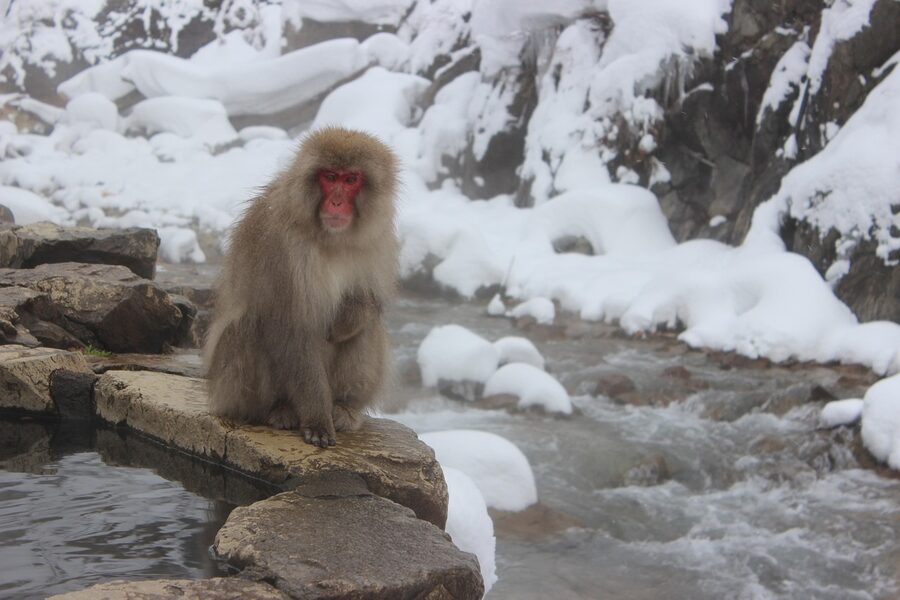
Mixed-gender bathing (konyoku) is in decline nationally but survives in a handful of the older rotenburo in this region. The etiquette is the same as single-gender bathing with two extra notes. First, the modesty towel matters more here: it’s used to cover yourself walking to and from the bath, and many women hold it draped while sitting in the water. Second, photography is absolutely banned, including phones. Even pulling a phone out at the bath edge will get you politely but firmly asked to leave. Konyoku rotenburo at Shinhotaka, Awanoyu, Takamagahara, and a few of the wild baths are the main places you’ll encounter this in the Japan Alps.
What to bring (and what not to)
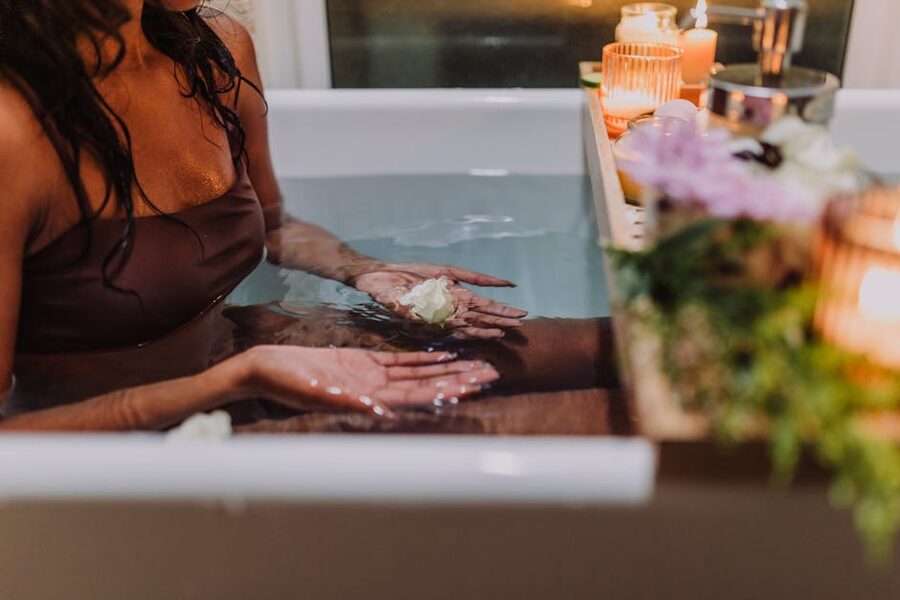
For a public day bath, bring nothing: shampoo and body soap are provided at every reputable onsen, and a small towel is rentable for ¥100-200. For a ryokan stay, bring nothing again: yukata, towels, all toiletries, and a haori jacket for cooler evenings are provided. The one personal item I always carry is a hair tie, because the rental hair ties at smaller ryokan are often a single shared size that doesn’t fit everyone. Don’t bring jewellery (the sulphur water tarnishes silver in a single bath), don’t bring electronics, don’t bring drinks (they’re sold from a vending machine in the lobby for the same price as the convenience store). Tattoo cover-stickers can be bought at any pharmacy in Matsumoto or Takayama for ¥500 a packet.
Real onsen water vs the cheap version
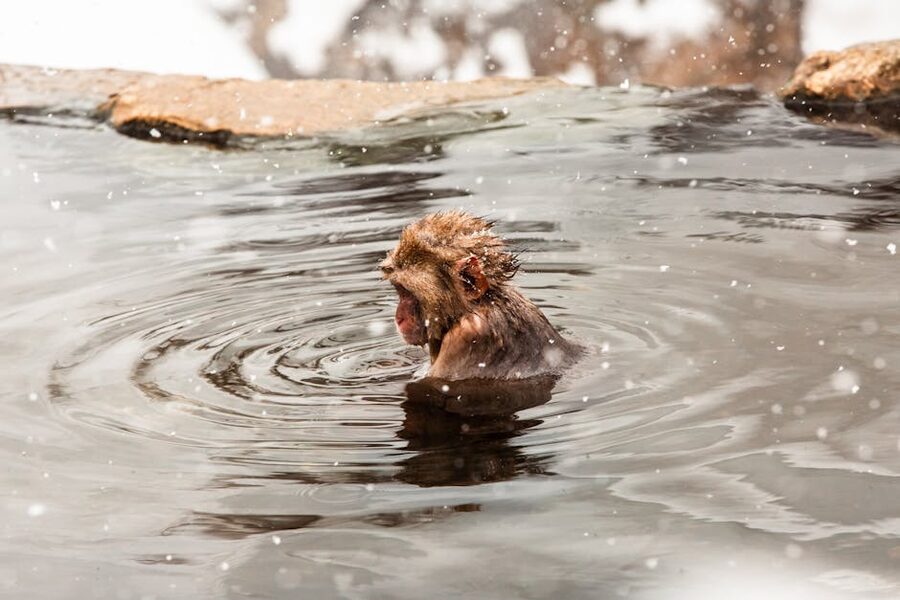
A technical distinction that matters in this region: gensen kakenagashi (“source water flow-through”) vs recirculated, chemically treated water. Japanese law allows almost any bath to advertise the word “onsen” if it uses any hot-spring water, including recirculated, chlorinated, and diluted versions. A genuine onsen uses source water only, continuously flowing through the bath and out again with no recirculation, no chlorination, and ideally no temperature mixing. You can tell the difference. Genuine onsen water has a specific mineral smell (sulphurous at Shinhotaka, metallic at Shirahone, neutral but slightly slippery at most Hakuba village baths), no chlorine smell, and a slight film of minerals on the bath edge. Recirculated water smells of chlorine and the bath edges are clean.
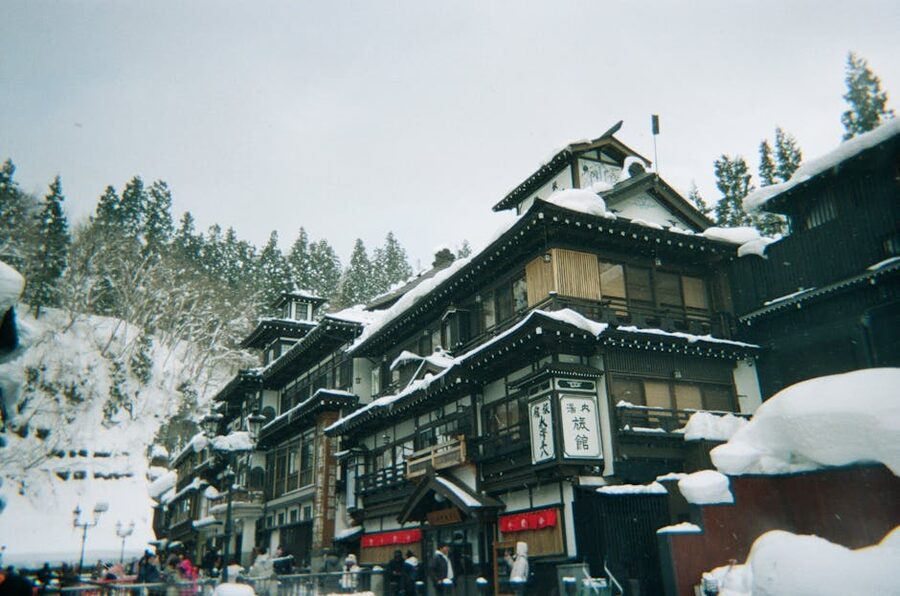
All the named baths in this article are gensen kakenagashi as of 2026. Most ski-resort hotels without a named natural spring are recirculated; most international chain hotels in Hakuba and Karuizawa are recirculated. The difference matters if you’re a connoisseur. It doesn’t matter much if you just want to warm up after skiing. But for the destination onsen baths (Shirahone, Shinhotaka, Mikurigaike, Nakabusa, Nozawa, Shibu, Fukuji, Awanoyu, Hakuba Yari) the source-water authenticity is part of the point.
Ryokan culture: kaiseki, futon, and the rhythm of the night
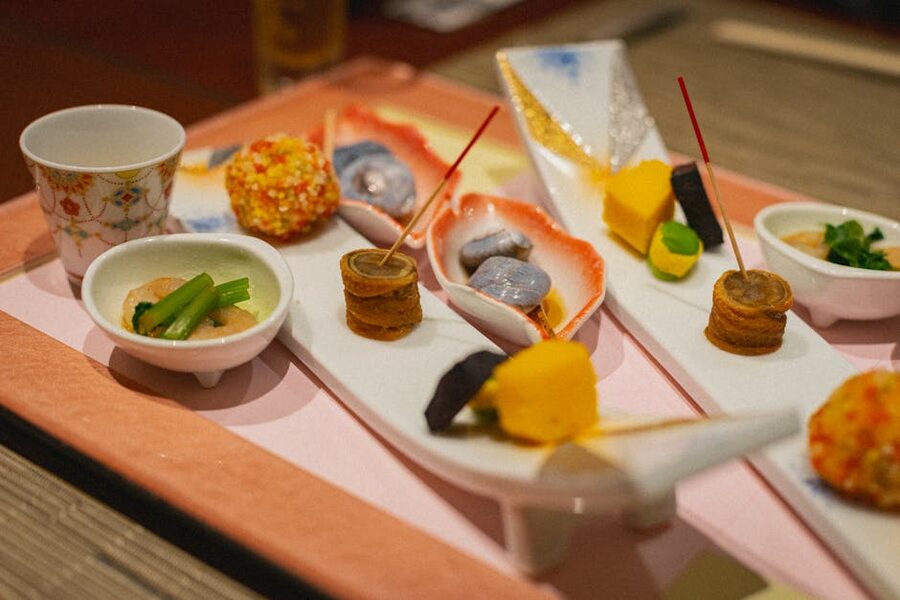
Most onsen ryokan in this region operate on the same rhythm and it’s worth understanding before you book. Check-in is 15:00 (sometimes 14:00). Dinner is 18:00 or 18:30, served in your room or in a private dining room, kaiseki style: ten to fifteen small dishes presented in a specific seasonal order. Breakfast is 07:30 or 08:00, also multi-dish, also fixed-time. Bath access is generally 24 hours but with a single-gender swap at midnight or 22:00 (so the men’s bath becomes the women’s and vice versa). Check-out is 10:00 sharp.
Kaiseki: what to expect
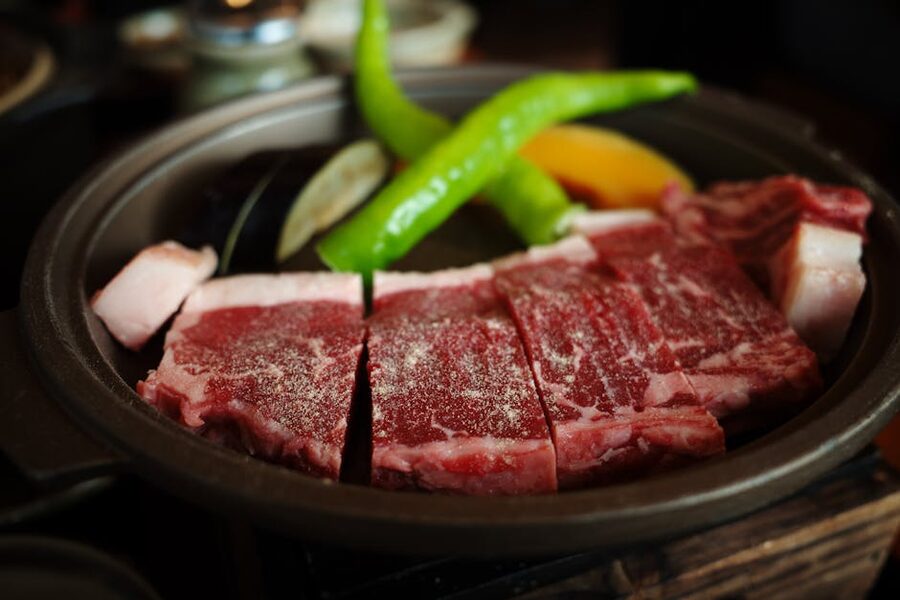
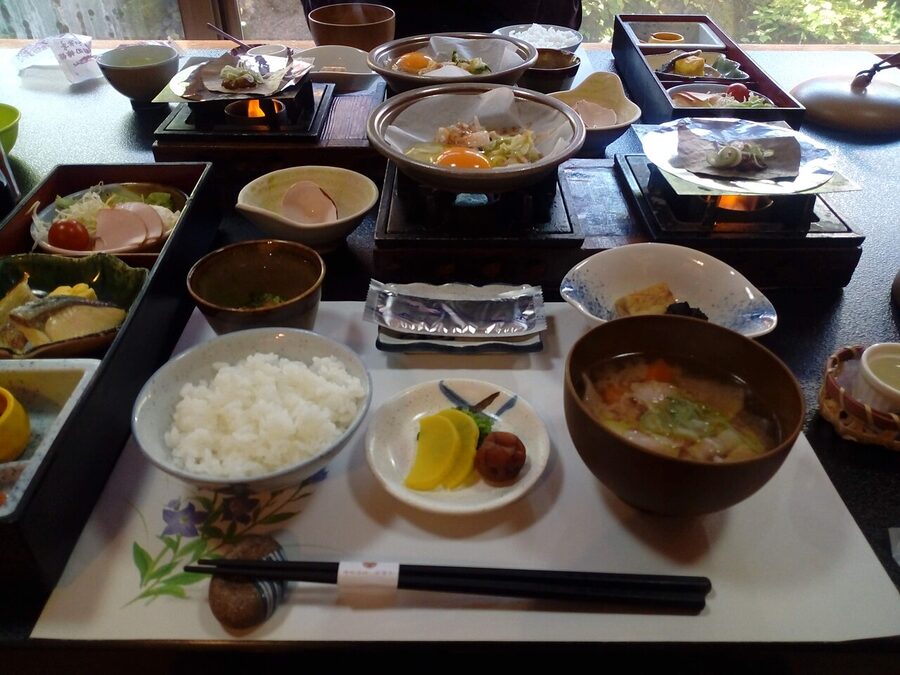
The kaiseki menu varies by region. In Okuhida and around Takayama you’ll see Hida beef as the centrepiece (often grilled on a magnolia leaf at your table, called ho-ba miso). Around Matsumoto and Azumino, freshwater fish from the Azusa system feature heavily, plus mountain vegetables and the famous Shinshu soba. In Shirahone the famous local dish is onsen-gayu, a rice porridge cooked in the spring water itself, traditionally served as the breakfast finale. In Nozawa expect more pickled vegetables and the local nozawana leaf. The wider Takayama food guide covers the regional ingredient logic in more depth; the per-village ryokan picks live in the dedicated village guides.
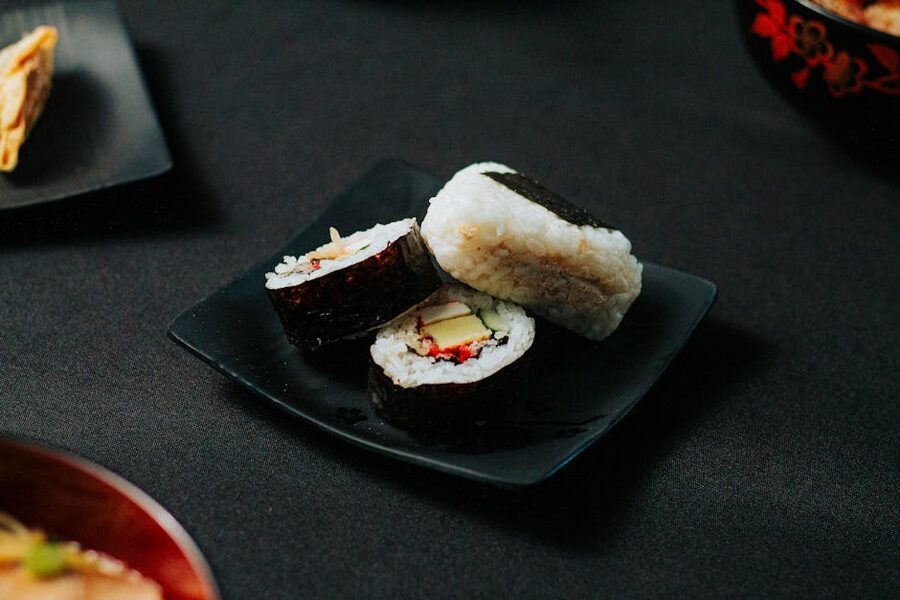
Booking, costs, and what to ask for
Onsen ryokan are priced per person with two meals (one-night-two-meals, abbreviated 1泊2食 in Japanese). The standard pricing in this region:
- Budget (¥12,000-15,000 per person): minshuku-style family-run, shared baths, simple multi-dish dinner. Bessho, Asama, the cheaper Hakuba options.
- Mid-range (¥18,000-25,000 per person): traditional ryokan with private bath in some rooms, full kaiseki, in-room dinner service. Most of Hirayu, Norikura Kogen, Nozawa, Shibu, Yudanaka.
- Top end (¥28,000-50,000 per person): historic ryokan with private rotenburo, full multi-course kaiseki, sometimes with regional famous-name chef. Awanoyu in Shirahone, Yumoto Choza in Fukuji, Kanaguya in Shibu, top-tier Shinhotaka properties.
- Resort (¥40,000-80,000 per person): Hoshinoya Karuizawa, Hoshinoya Tateshina, sometimes Imperial Hotel Kamikochi during high season. Different category entirely from the traditional ryokan.
Three things to ask for at booking time: a room with a bath if your group has tattoos and you don’t want to deal with the public bath sticker question; a vegetarian or pescatarian option if you need one (Japanese ryokan can do this but require advance notice); and a quieter wing if the ryokan is on a road or close to a noisy bus stop. The standard reservation site for international visitors is Booking.com, but for the historic top-end ryokan (Awanoyu, Yumoto Choza, Kanaguya) you’ll often need to book direct on the ryokan’s own Japanese-language site.
Seasons: when each onsen is at its best
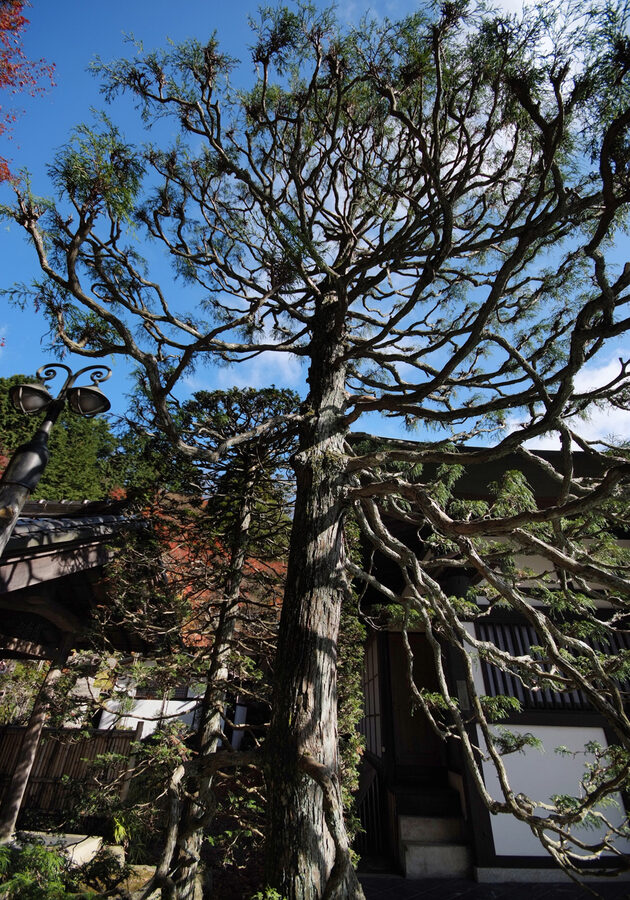
The Japan Alps onsen calendar runs differently from the Japan onsen calendar at large. Half the high-altitude baths are closed half the year, the village baths are best in opposite seasons to the ski baths, and the snow-monkey timing is its own thing. Plan around it.
Spring (April-May)
The lower-altitude village onsen reopen for the year (Nakabusa, Renge in late April; Yumata when the road clears in early May). Mikurigaike and Hakuba Yari still under snow. Cherry blossom is late in this region, mid-April in Matsumoto, late April in Hakuba and Norikura Kogen, early May at Shirahone. Good time for a soak after a day of cherry-blossom temple walks.
Summer (June-August)
All onsen are open. Mikurigaike opens mid-June. Hakuba Yari and Renge open in July. The mountain baths are at their most rewarding now: long days, cool nights, the bath at altitude after a long ridge walk. Avoid the Bon week (mid-August) for ryokan bookings unless you’ve reserved months ahead. Most non-mountain onsen are quieter than expected because Japanese travellers go to the coast in summer.
Autumn (September-mid-November)
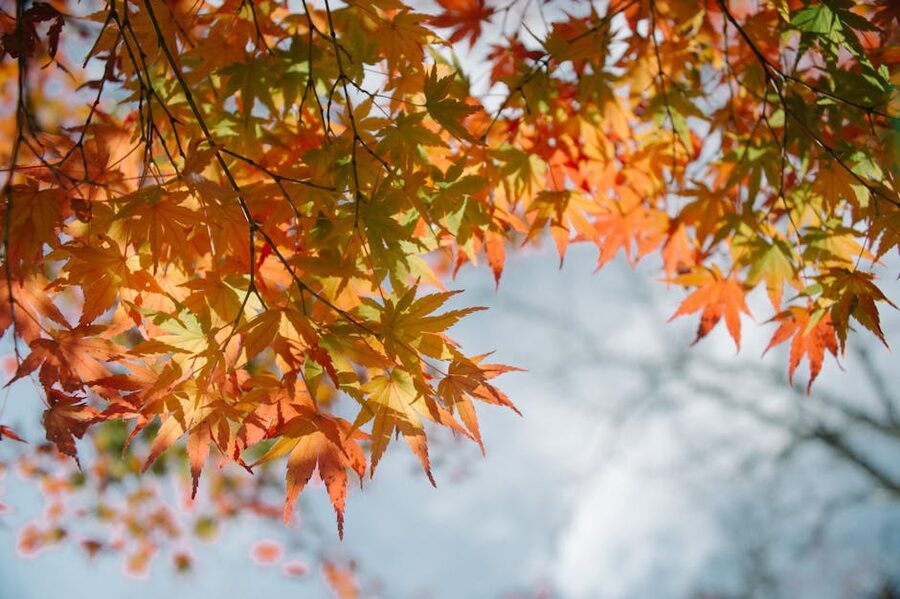
The peak season for the destination onsen. Domestic travellers fill ryokan from late September through early November chasing the autumn colour wave. Book three to four months ahead for weekends. The colour starts at altitude (Mikurigaike, late September; Shirahone, mid-October; Hakuba Valley, late October; Eastern Nagano onsen towns, early November). The light at this time of year is famously good for photography. Outdoor rotenburo are at their best: cool air, hot water, leaves on the bath.
Winter (December-March)
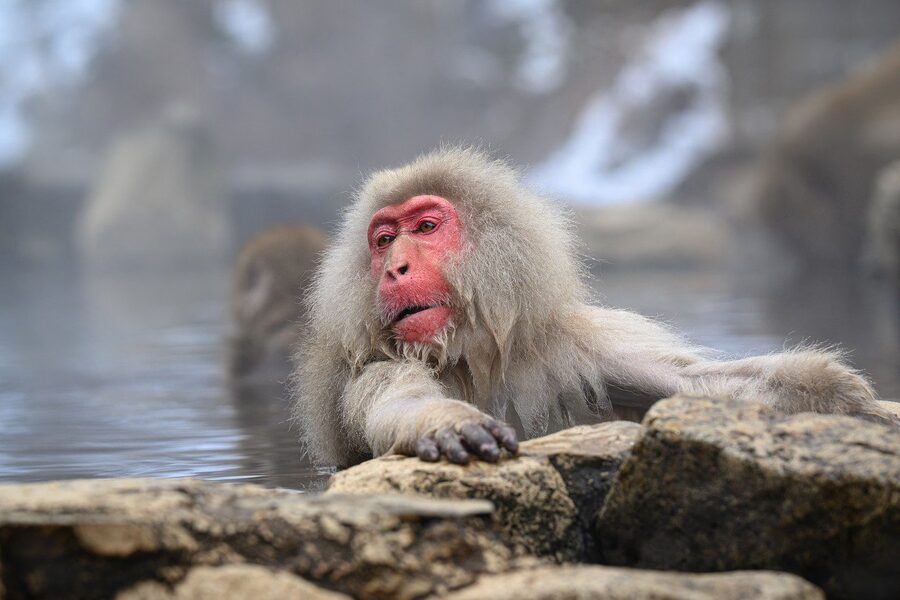
The high-altitude baths are closed (Mikurigaike, Hakuba Yari, Renge, Yumata, Takamagahara, Nakabusa). The village baths are at their most atmospheric. The Hakuba and Tsugaike resort onsen are at their busiest because of the ski crowds. Nozawa is at peak ski-onsen synergy: ski all day, walk the village in your yukata between three of the thirteen baths in the evening. The Dosojin fire festival on 15 January is the village’s most famous event. Snow on the bath edge of an outdoor rotenburo is the iconic Japan onsen image; the Eastern Nagano cluster delivers it most reliably.
Day-use vs overnight: how to choose
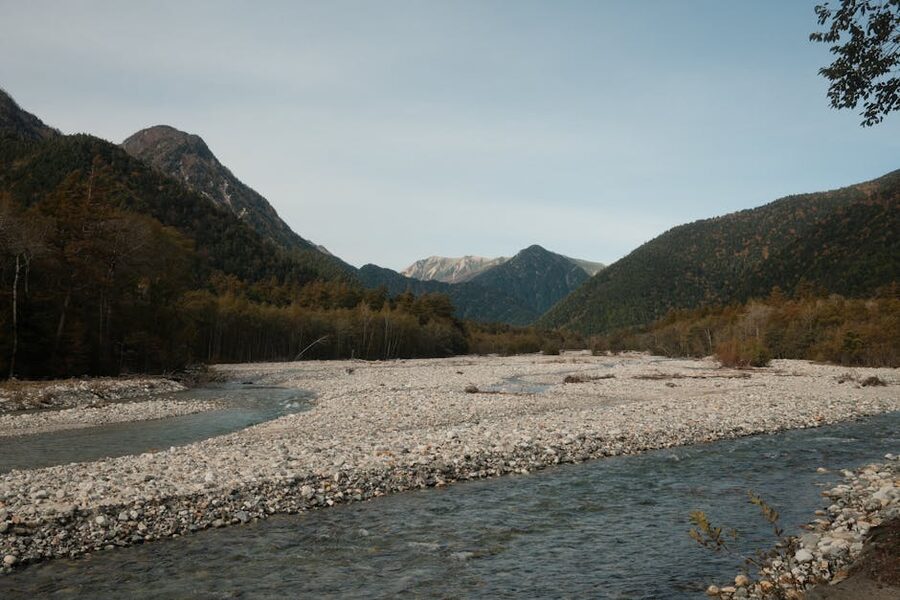
Almost every onsen in this region has a day-use bath option, called higaeri. Pricing runs ¥500-1,500 with most around ¥700-900. Day-use bathing windows are usually 11:00-15:00 or 13:00-16:00; the windows are tighter than the overnight bath access because most ryokan close the bath for cleaning around 16:00 before the dinner service starts. Some of the larger public baths (Yukemuri-kan in Norikura Kogen, Happo no Yu in Hakuba) have wider day-use hours, opening as early as 06:00 in some cases.
Choose day-use if you want to sample multiple onsen on a single trip without committing to one ryokan, if you want to extend a hiking or skiing day with a bath at the end, or if you’re on a tight budget. Choose overnight if you want the full kaiseki dinner experience, if you want late-evening and early-morning bath access, if the onsen is far enough out that travel back to a city after a soak would be miserable, or if you simply want to slow down for a night. Most travellers do a mix: two or three day-use baths during a Japan Alps trip, plus one or two overnight ryokan stays at the destinations that justify it (Shirahone, Shinhotaka, Fukuji, Nozawa, Shibu).
Itineraries
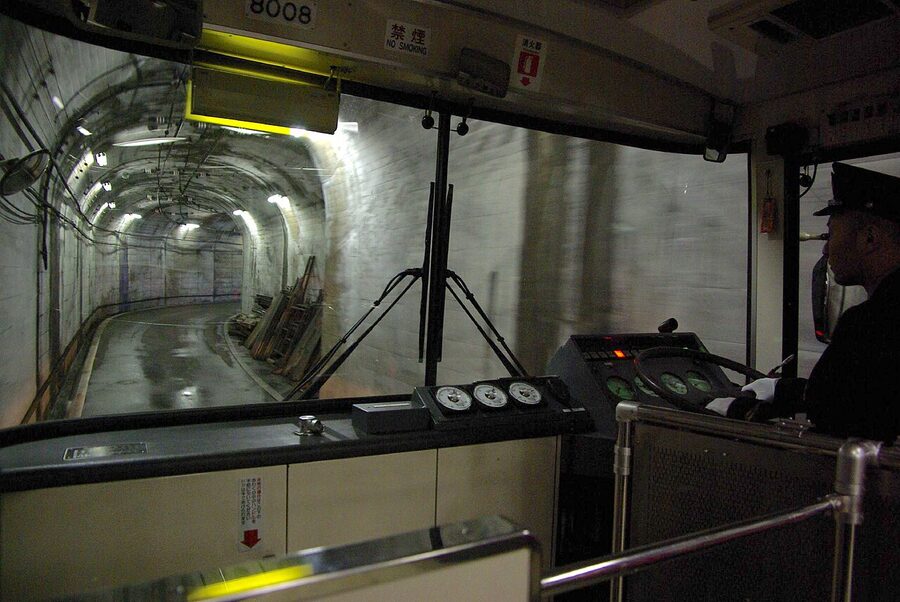
Two-day classic onsen tour
Matsumoto to Shirahone Onsen by Alpico bus (90 minutes). Overnight at Awanoyu or one of the smaller Shirahone ryokan. Next morning, bus to Hirayu (90 minutes), change for the Shinhotaka bus (45 minutes). Overnight at one of the Shinhotaka destination ryokan (Hotaka-so, Yarimikan, or the higher-end Yumoto Choza in adjacent Fukuji). Two completely different onsen experiences in two nights, both reachable by bus from Matsumoto. Total bus cost around ¥5,500 each way; ryokan stays ¥22,000-30,000 per person per night.
Three-day altitude-onsen specialist trip
Omachi Onsen-kyo overnight (mid-elevation cedar-forest valley), then Tateyama-Kurobe Alpine Route up to Murodo with the Mikurigaike Onsen day-bath at midday and an overnight at the Mikurigaike Sanso lodge. Back to Omachi via reverse route on day three with a final night at a different Omachi ryokan. The three different elevations (1,100m / 2,410m / 1,500m) and three different mineral compositions are a quietly fascinating trip for the geology-minded. Best in September-October for weather and autumn colour. The Alpine Route reservations are timed-entry so book the Mikurigaike night first, then work the Alpine Route times around it.
Four-day Northern Alps gateway loop
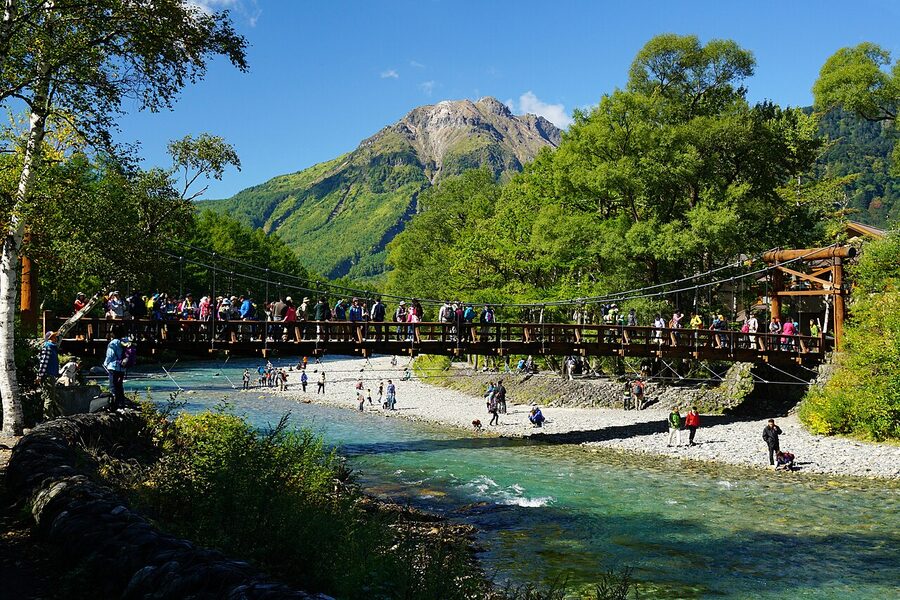
Matsumoto night one. Bus to Kamikochi for the day, walking the Kappabashi-Taisho Pond loop, then back to Sakamaki Onsen for an evening soak before continuing to Hirayu for the night two ryokan. Day three: bus to Shinhotaka, ride the ropeway, descend, soak, overnight at Shinhotaka or Fukuji. Day four: bus over to Takayama for the morning markets and the train back. Combines hiking, mountain transit, and three different onsen. Book Hirayu and Shinhotaka two months ahead in October; Fukuji four months ahead. The full Japan Alps itinerary guide has variations on this four- to ten-day routing.
Five-day ski-and-onsen winter trip
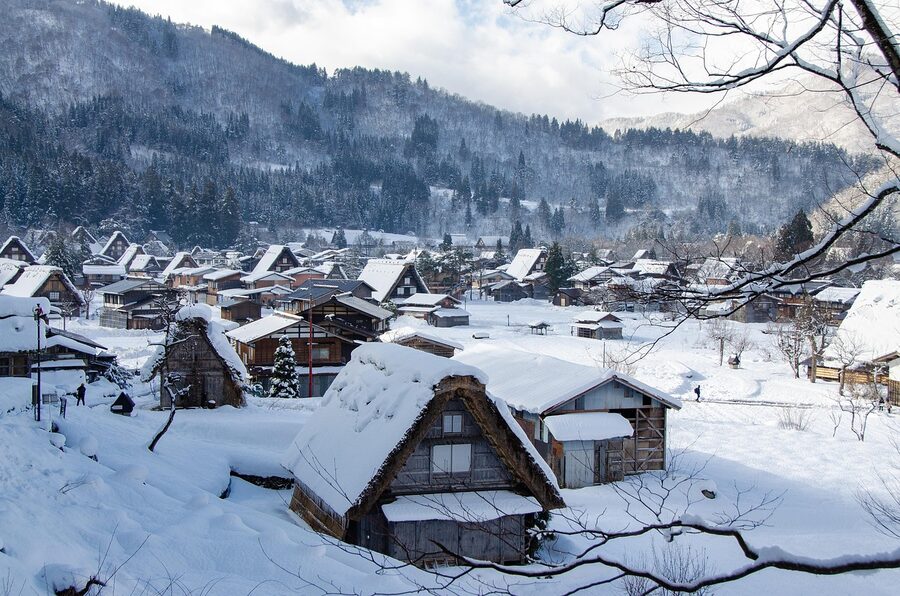
Three days skiing out of Hakuba with nightly soaks at Happo no Yu, then a transfer to Nozawa for two nights of village onsen plus another day on the mountain. The village-bath circuit at Nozawa is a different rhythm from the Hakuba ski-bath routine, and the contrast is part of the trip’s value. Add a day at the snow monkeys via Yudanaka if your timing allows. The wider Japan Alps skiing guide covers the lift-pass economics and resort comparisons.
The slow seven-day cultural-onsen trip
Bessho Onsen night one (slow temple walking village), train to Karuizawa for night two with Tombo no Yu in the evening, train down to Matsumoto for night three with a half-day at the Castle and an evening at Asama Onsen, bus to Shirahone for night four, bus to Norikura Kogen for night five, bus and train to Takayama for night six (or onwards to Fukuji or Shinhotaka if you want a final destination onsen night). This trip works well for travellers who want a culturally rich version of the region rather than a hiking or ski-focused one.
Practicalities: getting between them
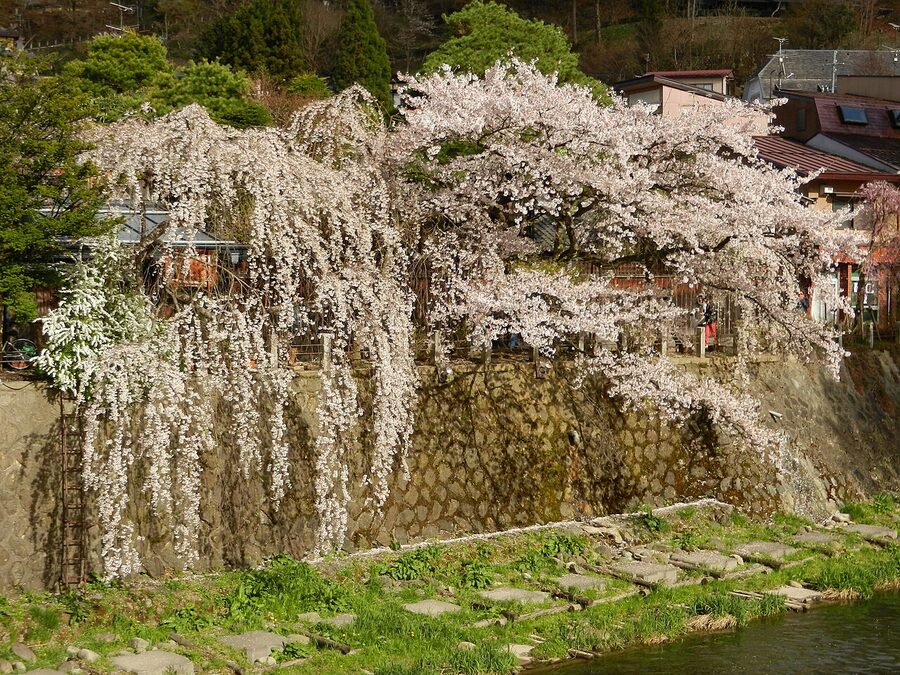
The full Japan Alps transport reference is in the access guide. The onsen-specific things you should know: most onsen are bus-accessed not train-accessed (the only train-direct exceptions are Yudanaka, Bessho, and Asama via local lines from Matsumoto). The Alpico Bus Group runs the Matsumoto-Shirahone-Hirayu-Shinhotaka chain, and the Nohi Bus Group runs the Takayama-Hirayu-Shinhotaka chain; tickets are sold separately by each operator and there’s no joint pass. The best deal in the region is the Alpico Mt Norikura Free Pass (¥5,000), which gives unlimited rides between Matsumoto-Shirahone-Norikura Kogen for two days; useful if you’re combining all three.
From the Sea of Japan side
The Sea of Japan side of the Northern Alps has its own onsen access logic. From Itoigawa station (Hokuriku Shinkansen) you can reach Renge Onsen by seasonal road, Hakuba Yari Onsen by hike from Sarukura, and the Toyama-side gateway to the Tateyama-Kurobe Alpine Route. From Toyama itself the Mikurigaike approach is via the Tateyama Cable Car and trolleybus chain, a three-and-a-half-hour transit from Toyama station to Murodo. This side gives you the wildest of the high-altitude options but is less convenient for combining with the village onsen on the eastern side.
From Tokyo
The fastest gateway to most of the onsen in this article is Hokuriku Shinkansen Tokyo to Nagano (~80 minutes), then a local bus or train to Yudanaka, Shibu, Bessho, or Karuizawa for the Eastern Nagano cluster. For the Northern Alps onsen, take the JR Azusa limited express from Shinjuku to Matsumoto (~2.5 hours), then Alpico bus on. For Hakuba, the Hokuriku Shinkansen plus connecting bus from Nagano is currently the fastest. There’s no JR Pass discount for the Alpico or Nohi bus services, so factor those in separately.
From Osaka or Kyoto
Limited express Wide View Shinano from Nagoya (which connects easily from Shin-Osaka or Kyoto by Tokaido Shinkansen) runs straight up the Kiso valley to Matsumoto in around two hours twenty minutes. From Matsumoto the bus chain takes you west to Shirahone, Norikura Kogen, Shinhotaka, and onward to Takayama. This is the most pleasant rail approach for the central onsen cluster, especially if you’re combining with Magome and Tsumago on the Nakasendo.
What to skip and what’s overrated
The honest assessment, for travellers planning a single-trip onsen tour and trying to choose:
- Skip the international-chain hotel onsen. Hilton Niseko, Marriott Karuizawa, similar. They’re recirculated, chlorinated, and you’re paying resort prices for a pool. The whole point of an onsen ryokan is that it’s not a hotel.
- Skip the highly-Instagrammed mid-tier ryokan. If a property has a strong English-language social presence and a Western-traveller-only booking funnel, it’s optimised for international guests rather than for the bath. Look for the Japanese-language-only sites.
- Be cautious about the Jigokudani snow-monkey trip if your timing is off. The “snow monkeys in the bath” photograph is real but specific. November and March visits often see the monkeys around the bath but not in it. December, January, and February are the months to plan for if the photo matters.
- Don’t try to do every onsen on the list in one trip. Onsen tourism rewards slowing down. Two onsen towns properly is better than five rushed ones.
- Mikurigaike is genuinely worth the trip if you’re already on the Alpine Route. It’s not worth a separate trip from Tokyo just for the bath. The bath experience is fifteen minutes; the journey is eight hours each way.
- Shinhotaka no Yu (the free public mixed rotenburo) is overrated for foreign visitors. Yes, it’s free; yes, it’s a wild river setting; in practice it’s often busy with day-trippers and the water is sometimes lukewarm. Pay ¥700 at one of the village ryokan instead.
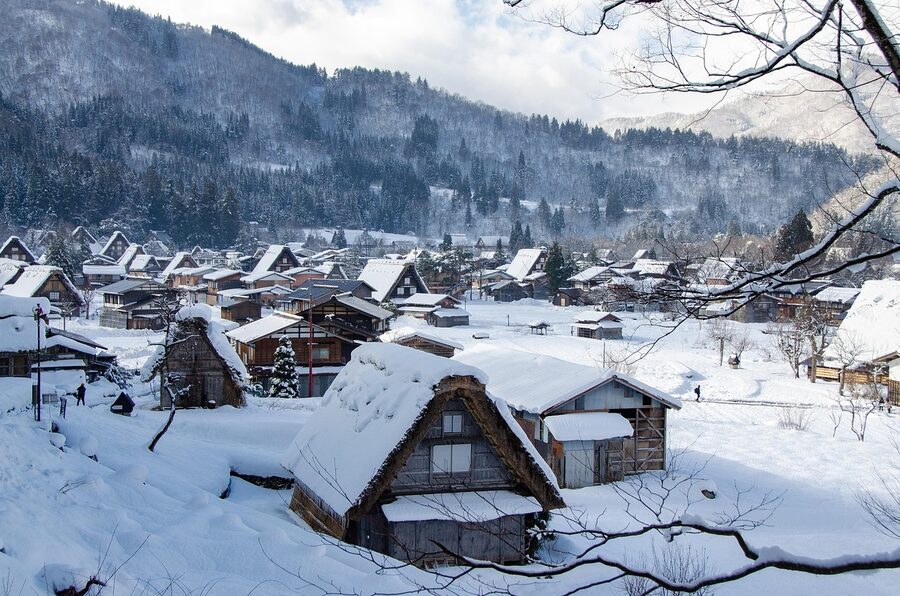
The two patterns I keep coming back to after years in this region are: a single overnight stay at one of the destination ryokan (Awanoyu, Yumoto Choza, or Kanaguya) once a year for the full slow-down, and the day-bath circuit through Hakuba in ski season for the simple post-day soak. Everything else is variation. The walk back to the ryokan in your yukata after a long bath, with the mountains on either side and the village quiet, is the same in every onsen town in the region. It’s the small specific reason people come back. Pick a town, book a single night, see if it gets you. Most of the time it does.



.jpg)


.jpg)


.jpg)


.jpg)

.jpg)


.jpg)


_Figures_22-26.jpg)