
There are exactly four ways into the Japan Alps from the rest of Japan, and each one drops you in a different city: the Hokuriku Shinkansen from Tokyo via Nagano lands you in Toyama in the north (2h 8m, ¥13,000). The Azusa Limited Express from Shinjuku lands you in Matsumoto in the east (2h 40m, ¥6,700). The Hida Limited Express from Nagoya lands you in Takayama in the south-west (2h 15m, ¥6,500 from Nagoya plus the Shinkansen leg). And the Nohi Bus from Kanazawa lands you in Takayama from the west (2h 15m, ¥3,500). Pick the one that matches the rest of your trip. They are not interchangeable.
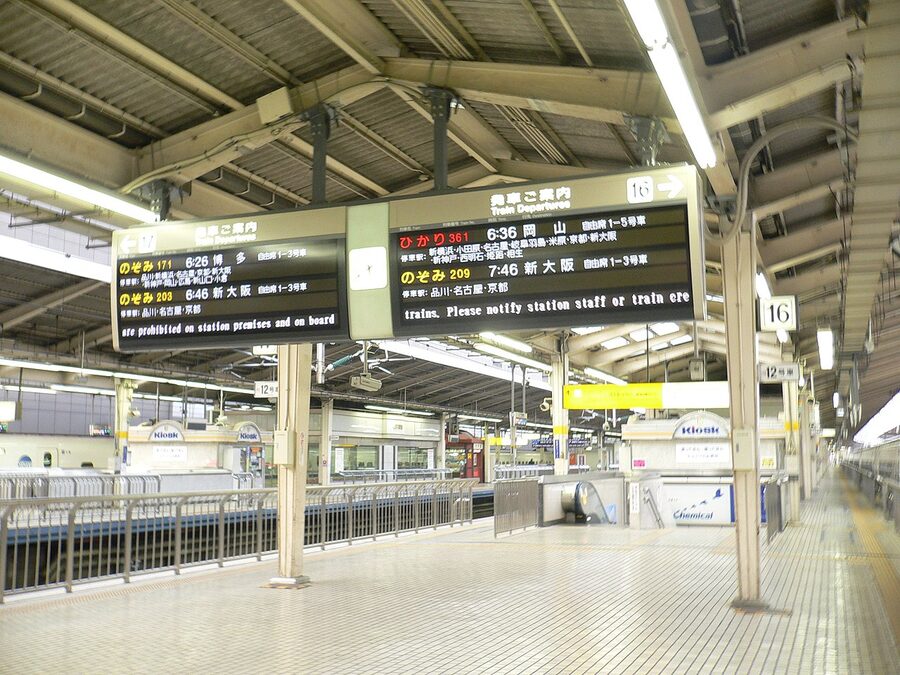
This guide is the route-by-route breakdown of how to get to the Japan Alps from the major Japanese gateways, plus the inter-city connections inside the loop, plus the JR Pass / IC card / luggage forwarding bits that aren’t obvious until you’ve used them. If you want to think about where to go rather than how, see the itineraries hub.
In This Article
- From Tokyo
- From Kyoto and Osaka
- From Nagoya
- From Kanazawa
- From the airports
- Inter-city connections inside the loop
- Connecting the Alps to other Japan trips
- The Tateyama-Kurobe Alpine Route (special case)
- Passes — what’s actually worth buying
- Practical bits the rail guides skip
- Where to stay near the gateway stations
- Travelling with kids or older parents
- Common mistakes
- Driving
- Where to next
From Tokyo
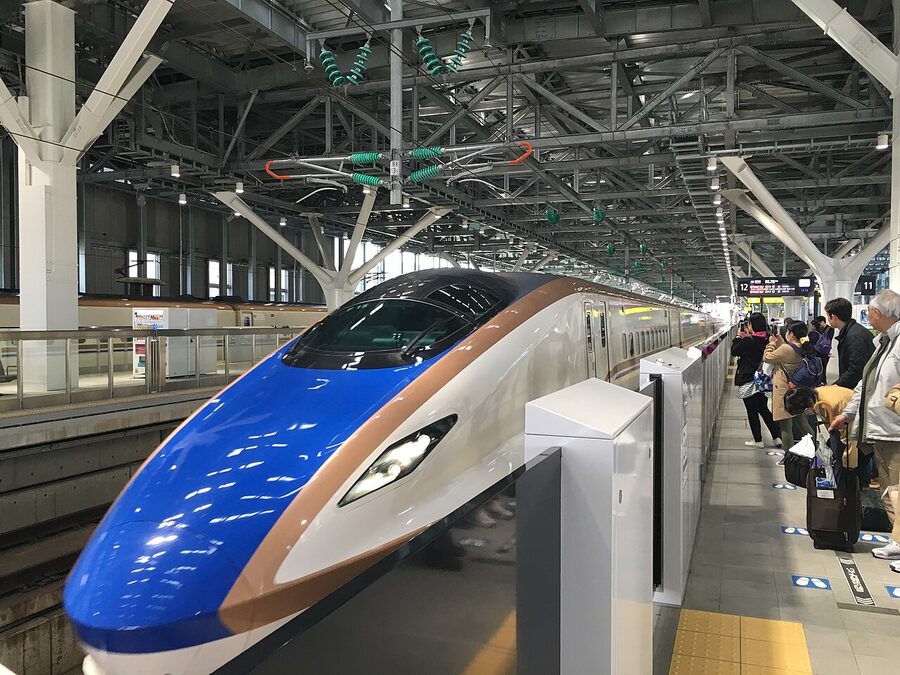
Three options from Tokyo, depending on which city you’re heading for first.
- Tokyo → Toyama (Hokuriku Shinkansen Kagayaki/Hakutaka, from Tokyo Station): 2h 8m to 2h 30m, ¥13,000 reserved unreserved or ¥14,000 reserved. Direct, runs roughly hourly. Covered by JR Pass and Hokuriku Arch Pass.
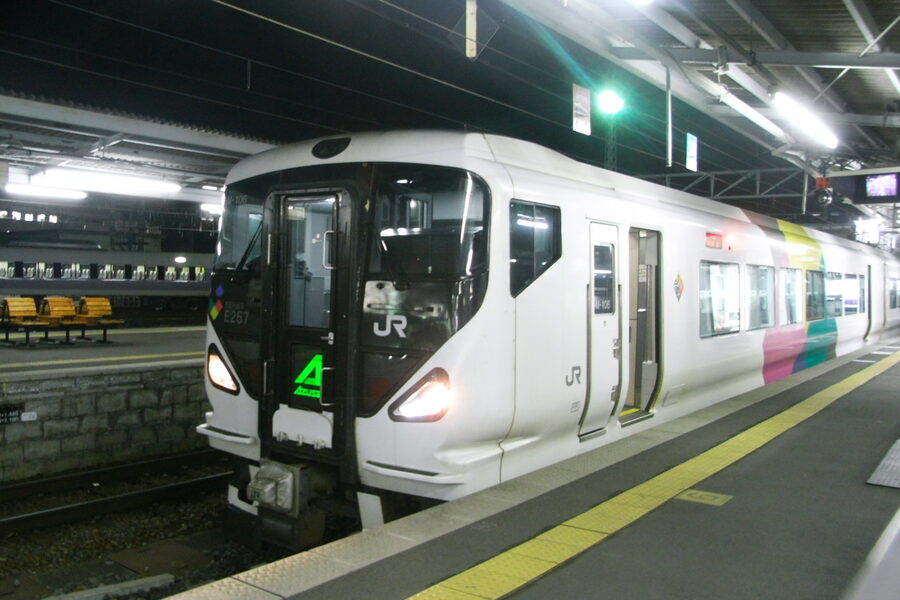
- Tokyo (Shinjuku) → Matsumoto (Azusa Limited Express, from Shinjuku Station): 2h 40m, ¥6,700 unreserved or ¥7,200 reserved. Direct, runs every 60-90 minutes. Covered by JR Pass and the Mt Fuji/Kamikochi Area Pass. Note: leaves from Shinjuku, not Tokyo Station — about 15 minutes by Yamanote Line if you’re transferring from a flight.
- Tokyo → Takayama (via Nagoya): Tokaido Shinkansen Tokyo to Nagoya (1h 40m), then Hida Limited Express Nagoya to Takayama (2h 15m). Total 4h 30m including transfer, ¥14,000-15,000 combined. Covered by JR Pass.
Quick decision: if you’re doing the 7-day classic loop, start with the Hokuriku Shinkansen to Toyama and end at Tokyo via the Azusa from Matsumoto. If you’re doing the 5-day quick loop, the Azusa to Matsumoto is fastest. If you’re only doing Takayama (or pairing the Alps with Kyoto), the via-Nagoya route is the right one.
From Kyoto and Osaka
Two main options from Kansai. Both involve a change.
- Osaka/Kyoto → Takayama (via Nagoya): Tokaido Shinkansen to Nagoya (35-50 min), then Hida Limited Express to Takayama (2h 15m). Total roughly 3h 30m from Kyoto, ¥10,500-11,500. The Hida is a scenic train through the Kiso Valley — sit on the right side of the carriage going north for the river views.
- Osaka/Kyoto → Toyama (via the new Hokuriku route): Thunderbird Limited Express to Tsuruga (1h 25m from Osaka), then Hokuriku Shinkansen to Toyama (1h 30m). Total 3h 30m from Osaka, ¥10,500. The route was extended to Tsuruga in March 2024; before that it required a longer detour via Kanazawa.
From Nagoya
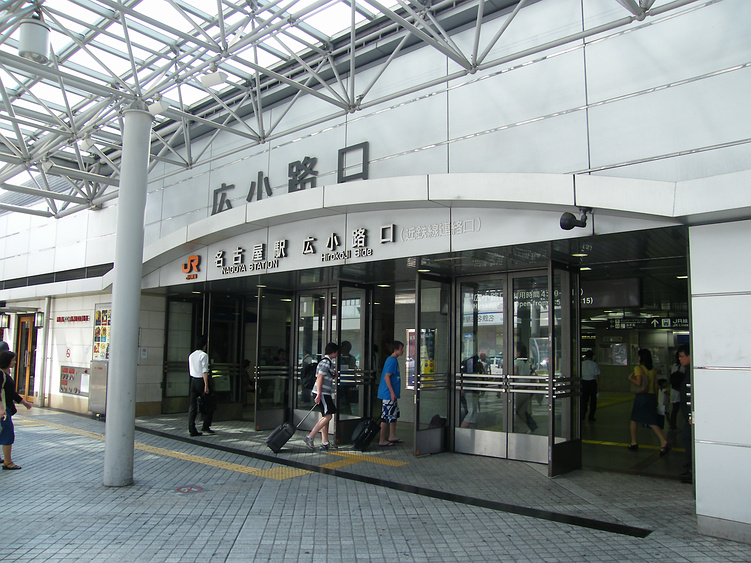
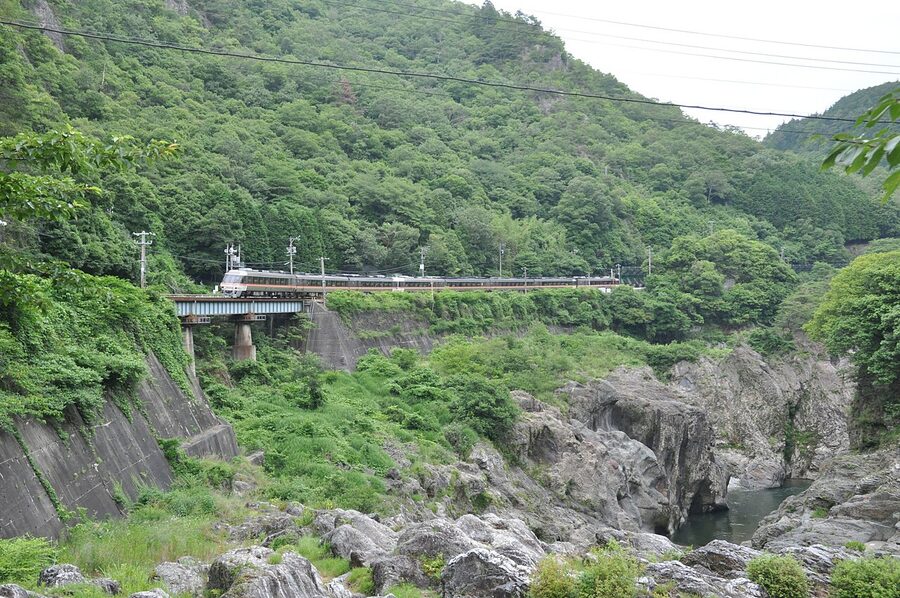
Nagoya is the unsung gateway. If you’re flying into Chubu Centrair Airport (NGO), you can be on a Hida Limited Express within an hour and in Takayama by mid-afternoon — faster than going via Tokyo for many international arrivals.
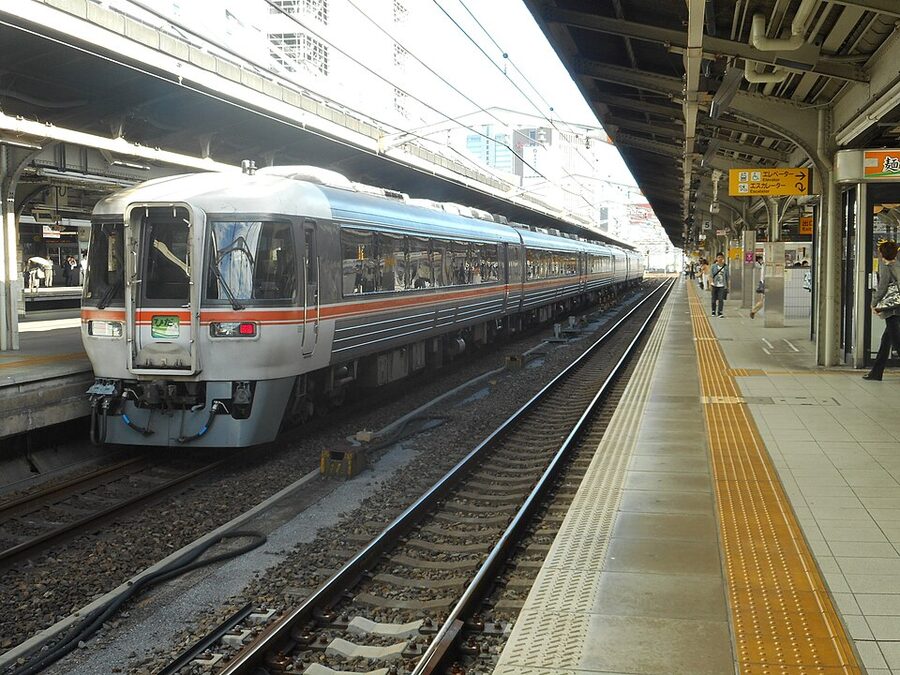
- Nagoya → Takayama: Hida Limited Express, 2h 15m, ¥6,500. Hourly. Covered by JR Pass and JR Central Wide Area Pass.
- Nagoya → Matsumoto: Wide View Shinano Limited Express, 2h 10m, ¥6,000. Hourly. Covered by JR Pass.
- Nagoya → Toyama: Wide View Shinano to Nagano, then Hokuriku Shinkansen to Toyama. Total 3h 20m, ¥10,000. Slightly awkward connection; the rail-via-Tokyo route is similar time and slightly cheaper.
From Kanazawa
Kanazawa is technically not a Japan Alps city but it’s a common pairing destination. Two options.
- Kanazawa → Toyama: Hokuriku Shinkansen, 23 minutes, ¥3,400. The cheapest and fastest connection between the two cities.
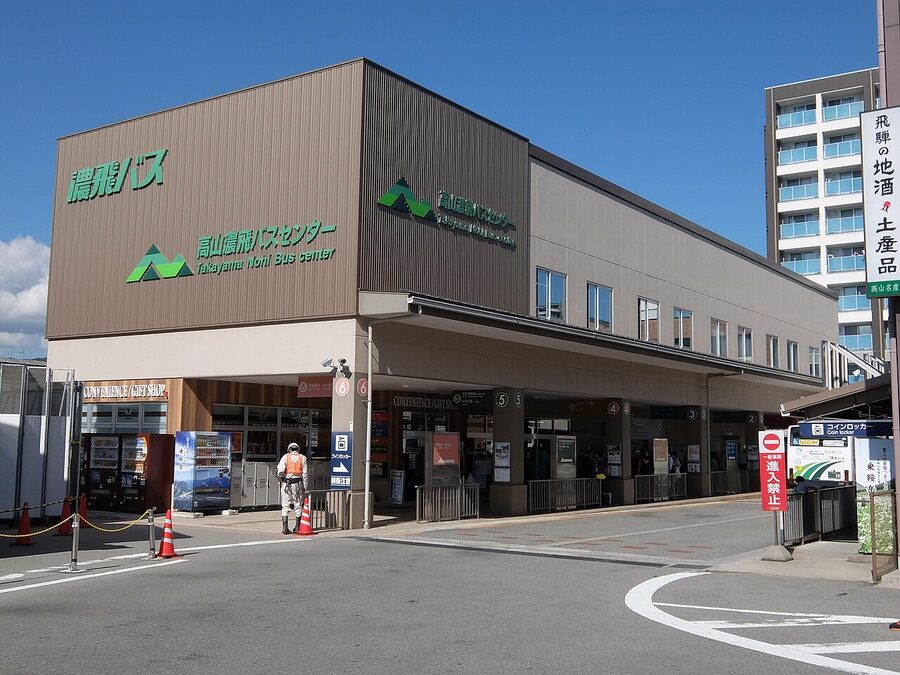
- Kanazawa → Takayama: Nohi Bus, 2h 15m, ¥3,500 one-way. Direct, scenic, runs 4-5 times daily. Reservations strongly recommended in autumn and at weekends — the bus regularly sells out a day in advance.
From the airports
Three airports realistically serve the Japan Alps.
- Narita (NRT) — international hub, 60 minutes from Tokyo Station by Narita Express (¥3,000) or 90 minutes by Limousine Bus (¥3,200). Then connect to the Hokuriku Shinkansen, Azusa, or via-Nagoya route as above. Budget 4-5 hours total Narita to Matsumoto/Toyama.
- Haneda (HND) — closer to central Tokyo (30 minutes by monorail, ¥500). Substantially better airport for an Alps trip than Narita unless you’re tied to a specific carrier. Budget 3.5-4 hours Haneda to Matsumoto/Toyama.
- Chubu Centrair (NGO) — Nagoya’s airport, 30 minutes by Meitetsu train to Nagoya Station (¥1,250). For travellers heading directly to Takayama or Matsumoto, this is faster than going via Tokyo. Budget 3 hours NGO to Takayama, 3 hours NGO to Matsumoto.
Toyama Airport (TOY) handles a few international flights from Taipei, Shanghai and Seoul, plus domestic flights from Tokyo Haneda. If you can find a routing through it, you can be in central Toyama 25 minutes after landing. Doesn’t suit most travellers but worth knowing if your fare options include it.
Inter-city connections inside the loop
Once you’re in the region, this is how the seven cities connect to each other:
- Toyama ↔ Takayama: Nohi Bus, 2h 30m, ¥3,500. 5 services daily. Or train via Inotani / change — longer and more expensive. Bus wins.
- Toyama ↔ Matsumoto: No direct connection. Either Tateyama-Kurobe Alpine Route (7-8 hours, scenic destination, ¥10,790) or via Nagano on the Hokuriku Shinkansen (2-3 hours, ¥10,000). The Alpine Route is the destination, not just the transit.
- Takayama ↔ Matsumoto: Direct Nohi Bus, 2h 30m, ¥3,500, once daily. Or via Hirayu Onsen with one easy change — runs more frequently, similar time and price.
- Takayama ↔ Hida Furukawa: JR Hida Line local train, 15 minutes, ¥420. Hourly.
- Matsumoto ↔ Omachi: JR Oito Line local train, 60 minutes, ¥1,170. Roughly hourly.
- Matsumoto ↔ Azumino (Hotaka): JR Oito Line local train, 30 minutes, ¥330. Every 60-90 minutes.
- Matsumoto ↔ Shiojiri: JR Chuo Line local train, 12 minutes, ¥240. Every 20 minutes.
- Matsumoto ↔ Narai-juku: JR Chuo Line local train via Shiojiri, 30 minutes, ¥770. Hourly.
Connecting the Alps to other Japan trips
Most travellers come to the Japan Alps as one leg of a longer Japan trip. Three common combinations and how the connections work.
- Tokyo + Alps + Kyoto. The classic. Best route: Tokyo to Toyama on the Hokuriku Shinkansen, run the Alps loop east to Matsumoto, Azusa back to Tokyo or Wide View Shinano down to Nagoya for a Tokaido Shinkansen onward to Kyoto. Total trip 10-14 days.
- Tokyo + Alps + Kanazawa. Tighter loop, all on the Hokuriku Shinkansen and bus connections. Tokyo to Toyama, Toyama to Kanazawa (23 minutes by Shinkansen), then via Tsuruga back to Osaka or back to Toyama for an inverted Hokuriku return. Total 7-10 days.
- Alps + Kanto road trip. Less common but excellent if you have an IDP. Pick up a rental car in Matsumoto, do the Alps cities by car instead of bus, drive south through the Fuji Five Lakes and Hakone, return the car at Tokyo. 10-14 days.
One combination that doesn’t work as well as it sounds: Alps + Hokkaido. The flight from Toyama to Sapporo only runs once a day and is often delayed in winter; via Tokyo Haneda is faster overall. Treat them as separate trips.
The Tateyama-Kurobe Alpine Route (special case)
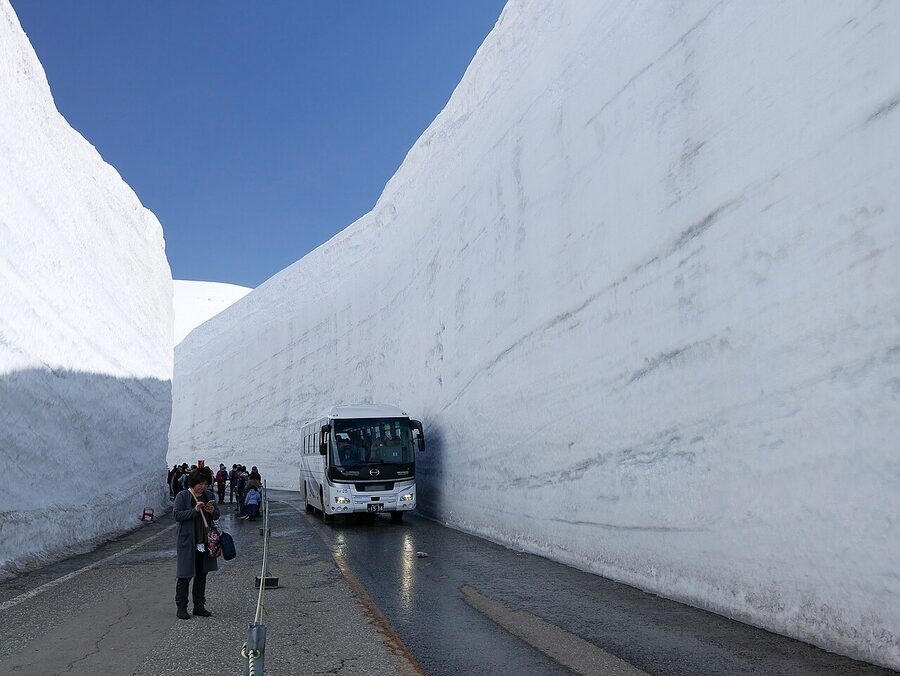
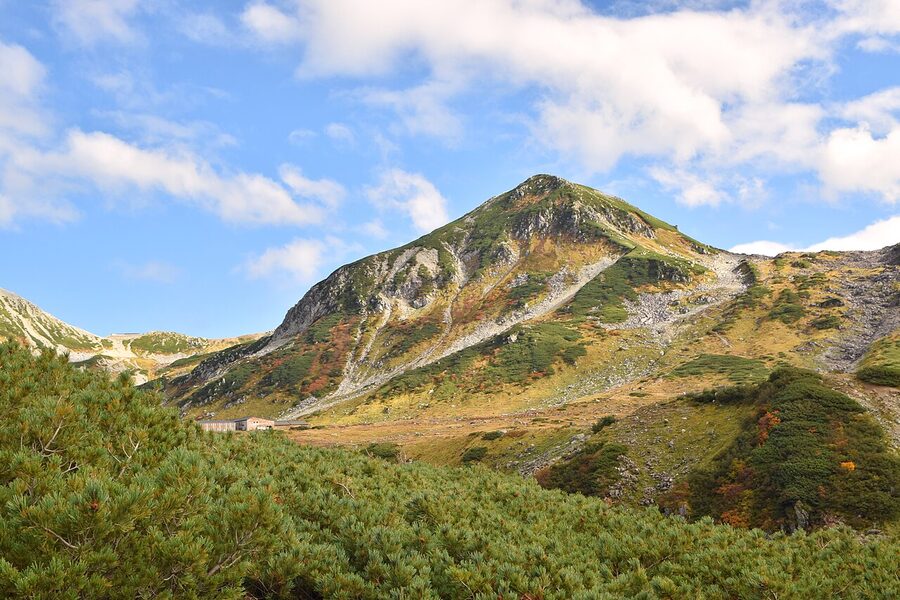
The Tateyama-Kurobe Alpine Route is both an attraction and a transit option. From the Toyama side: train to Tateyama Station (¥1,230, 1 hour), then 6-7 hours of cable cars, buses, ropeway, and tunnel-bus across the mountain massif to Omachi’s Ogizawa on the eastern side. ¥10,790 one-way. From there, ¥1,650 by Alpico bus to Omachi station, then JR Oito Line to Matsumoto (50 min, ¥1,170).
The route is open mid-April to late November (seasonal — check current dates at the official site). Reservations are mandatory in Golden Week (late April-early May) and at peak autumn weekends; recommended for any peak-season weekend. Without a reservation in those periods you may wait 2-3 hours between connections. The route also requires luggage to be small enough to carry — large suitcases need to be forwarded separately via Yamato Transport for ¥2,000 per bag.
Passes — what’s actually worth buying
- JR Pass (national, 7-day) — ¥50,000. Covers Hokuriku Shinkansen, Tokaido Shinkansen, Hida Limited Express, Azusa, Wide View Shinano, all local JR trains. Borderline value at the current price; it pays off if you’re also doing Tokyo ↔ Kyoto round trips on the same week.
- Hokuriku Arch Pass (7-day) — ¥30,000. Covers Tokyo ↔ Toyama ↔ Kanazawa ↔ Osaka via the Hokuriku Shinkansen and Thunderbird routes, plus local trains in covered regions. Useful if your trip is Tokyo + Alps + Kanazawa + Osaka. Doesn’t cover Hida Limited Express, Azusa, or Tokaido Shinkansen.
- JR Central Wide Area Pass (5-day) — ¥18,000. Covers Tokyo ↔ Nagoya ↔ Takayama ↔ Matsumoto ↔ Kanazawa via Hida Limited Express, Tokaido Shinkansen between Tokyo and Nagoya, Wide View Shinano. Excellent value if your route is centred on the central Japan Alps.
- Mt Fuji + Kamikochi Area Pass (5-day) — ¥10,000. Covers Tokyo ↔ Matsumoto by Azusa, plus the Matsumoto ↔ Kamikochi connection. Good for short Alps trips that don’t need the Hokuriku Shinkansen.
- Tateyama-Kurobe Option Ticket — sold separately at ¥10,790 for the full route, ¥6,250 for the Toyama-Kurobeko round trip. Mandatory for the route; reserve via the alpen-route.com website ahead of time in peak periods.
Quick decision tree: if your trip is Tokyo + Alps + Kyoto, the JR Pass usually pays off. If it’s Tokyo + Alps + Kanazawa, the Hokuriku Arch Pass is cheaper. If it’s only the Alps from Tokyo, individual tickets are usually cheapest. Run the numbers on Hyperdia or smartEX before buying.
Practical bits the rail guides skip
- Reservations. Limited Express trains (Azusa, Hida, Wide View Shinano) have unreserved cars that you can board on any train without a seat reservation, but they fill up at peak times. Reserve through the smartEX app, the JR Central Reservation site, or any major-station ticket office. ¥500-700 surcharge over unreserved.
- Buses fill up faster than trains. The Nohi Bus connections between Toyama, Takayama, Matsumoto and Kanazawa are limited-capacity and book out 2-3 days ahead in autumn. Reserve through the Nohi Bus website (English available) or the Japan Bus Online platform.
- Luggage forwarding (Takkyubin / kuroneko). Use Yamato Transport to ship a bag between hotels — ¥2,000 per bag, next-day delivery anywhere in Japan, every business hotel handles the paperwork. Saves you carrying a suitcase up to a 3,000m hut or onto a Tateyama bus that doesn’t take large luggage.
- IC cards. Suica/Pasmo (Tokyo) and Icoca (Kansai) work on all JR local trains in the region and on most city buses. They don’t work for Limited Express or Shinkansen reservations — you still need separate tickets for those.
- Snow disruption. January-February heavy snow occasionally cancels the Azusa, Hida and Wide View Shinano services, especially the Matsumoto-Nagoya leg. Build a buffer day in winter.
Where to stay near the gateway stations
If you’ve got an early Shinkansen or Azusa departure, sleeping near the station the night before saves you 30-60 minutes on the morning. Three quick recommendations for each gateway:
- Tokyo Station for Hokuriku Shinkansen: Hotel Metropolitan Marunouchi directly above the station (¥18,000-25,000) is the convenient splurge; Tokyu Stay Tokyo Bay (¥10,000) is the budget option that’s still walking distance.
- Shinjuku Station for the Azusa: Citadines Shinjuku (¥15,000) for the apartment-style room with a small kitchen; APA Hotel Shinjuku Kabukicho Tower (¥9,000) for the cheap single-room option in walking distance.
- Nagoya Station for the Hida or Wide View Shinano: Nagoya Marriott Associa directly above the station (¥18,000-22,000); Toyoko Inn Nagoya-eki Sakuradori-guchi (¥7,500) for the standard business hotel option two minutes’ walk away.
If you’re flying in late and want to crash before starting the trip the next morning, the airport hotels at Narita, Haneda and Centrair are fine for one night each — check whether your specific airline offers a discount through their booking portal, several do.
Travelling with kids or older parents
The trains and buses in this region are well-set-up for mixed-age groups but a few specifics matter.
- Children under 6 ride free on JR trains and buses without a separate ticket. Children 6-11 are half-fare. Reserve them onto a seat anyway — standing for 2.5 hours on the Azusa is no fun for anybody.
- Stroller-friendly: all Shinkansen and most Limited Express trains have a designated wheelchair/stroller space at the end of one carriage — ask at the ticket counter for the right car when you reserve. Buses are mixed; the Nohi Bus from Kanazawa to Takayama is fine, the Tateyama-Kurobe transfers are tight.
- Mobility considerations: the Tateyama-Kurobe Alpine Route involves a lot of walking between transfers (5-10 minutes each at five different stations), and altitude is a real factor at Murodo (2,450m). Older travellers and anyone with cardiopulmonary issues should treat the route as a single half-day rather than a full crossing.
- Bento and food: stations sell ekiben (station boxed lunches) for ¥1,000-1,500. Tokyo Station has the best selection; Toyama Station’s “Masu-no-Sushi” trout sushi box is a regional specialty worth picking up specifically for the train ride.
Common mistakes
Five mistakes I’ve seen travellers make planning Japan Alps transport.
- Trying to do Tateyama-Kurobe and a long onward train in the same day. The route takes 7-8 hours start to finish. If you exit at Ogizawa at 4pm, you’re not catching a Tokyo-bound train until 8pm and arriving past midnight. Plan the route as a destination day; sleep in Omachi or Matsumoto that night.
- Buying a 7-day JR Pass for a 5-day Alps trip. The pass is non-refundable once activated. If your trip is genuinely 5 days, the JR Central Wide Area Pass at ¥18,000 saves you ¥32,000 over the JR Pass.
- Assuming the Hida and the Azusa connect. They don’t directly. To go Takayama to Matsumoto by rail, you change at Nagoya — 4-5 hours total. The Nohi Bus does it in 2.5 hours for less money. Always check the bus first.
- Taking a large suitcase on the Tateyama bus. Carry-on size is fine; large suitcases require a ¥1,000 luggage fee per leg and may be refused at peak times. Forward the bag via Yamato to the next hotel before you start the route.
- Booking the cheapest Shinkansen ticket online from a third-party site. Many of these are non-refundable, can’t be reissued for a missed train, and don’t accept JR Pass conversion. Use smartEX (the official JR Central app) or buy at the station counter — the convenience is worth the marginal price difference.
Driving
You don’t need a car for the seven-city loop — trains and buses cover everything — but if you want one for the lakes, the foothills, or to access Nakabusa Onsen and the more remote parts of the Hida valley, the rental car option works. Toyota Rent-a-Car and Nippon Rent-a-Car both have desks at every major station in the region; ¥6,000-9,000 per day for a small automatic, plus expressway tolls and ¥160/litre petrol.
Important: an International Driving Permit is mandatory for all foreign drivers in Japan. Get one before you fly — you cannot get one in Japan and the rental companies will refuse you without it. The Geneva Convention version (issued by AAA, RAC, etc) is what Japan recognises. Drive on the left.
Where to next
For trip planning, see the itineraries hub for the 5-, 7- and 10-day route options. For specific cities, see the seven city guides under Cities. And for the high-altitude bits of the loop — the Tateyama-Kurobe Alpine Route, Norikura, the Yarigatake or Hotaka traverses, the Shinhotaka Ropeway — please read the altitude sickness guide before you go up.


_-_Flickr.jpg)