
The standard tourist route through Japan is Tokyo to Kyoto and back, with maybe an Osaka night and a day-trip to Hiroshima. Two cities. One bullet train. The Japan Alps loop covers seven cities, three mountain ranges, two coastlines, the highest dam in the country, the longest preserved Edo-period post town, and an alpine bus-and-cable-car route that climbs to 2,450m through 18m of compacted snow — in roughly the same week. It does require a small amount of planning. This is the planning.
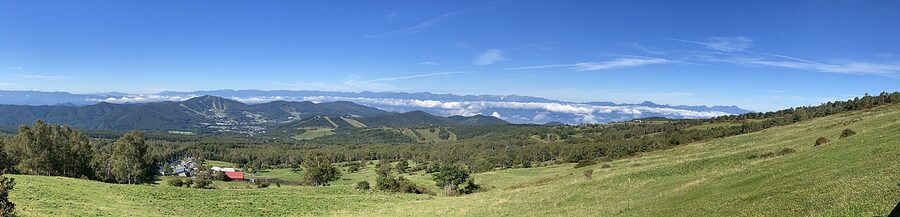
Below: three core itineraries (5-day quick loop, 7-day classic, 10-day deeper), seasonal variants, what to skip, and the practical bits you only learn after you’ve done it once. Use them as starting points, not gospel. The seven cities don’t need to be visited in a fixed order, and the Tateyama-Kurobe Alpine Route bisects the loop in the middle, so you can pivot in either direction depending on weather and what’s open.
In This Article
5-Day Quick Loop — the highlights only
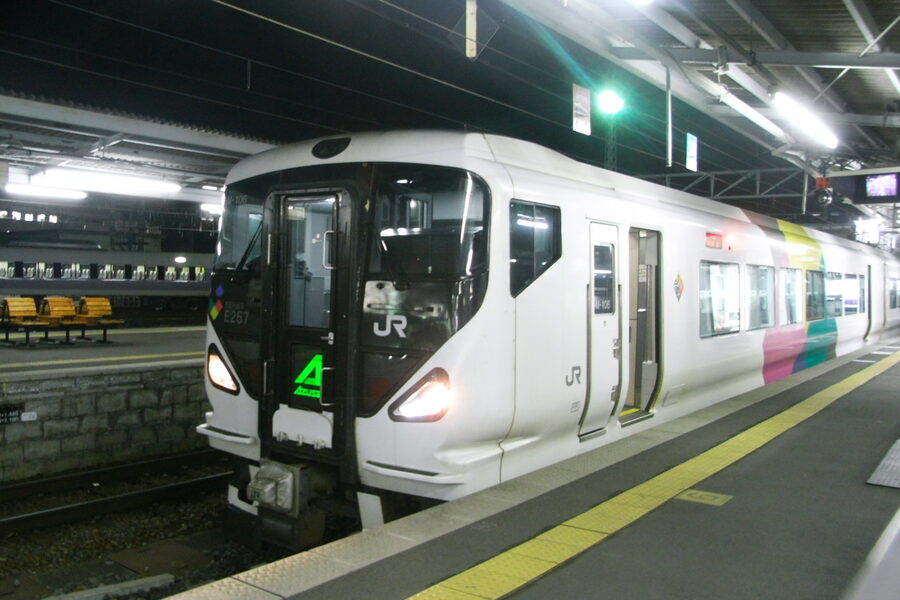
For travellers with a tight schedule who want a real taste of the region. Tokyo at the start, Kanazawa or Tokyo at the end. This is the route I’d recommend if you’ve got a fortnight in Japan and need to fit the Alps inside the broader trip.
- Day 1: Tokyo to Matsumoto (Azusa Limited Express, 2h 40m). Castle, Nakamachi, Nawate, dinner. Sleep in Matsumoto.
- Day 2: Day trip to Kamikochi by bus from Matsumoto (3-hour valley walk, return by 5pm). Dinner back in Matsumoto.
- Day 3: Matsumoto to Takayama by Nohi Bus (2h 30m). Old town walk in the afternoon, sake breweries, dinner.
- Day 4: Day trip to Shirakawa-go from Takayama (Nohi Bus, 50 min each way). Back to Takayama by 5pm; consider a second night or move on.
- Day 5: Takayama to Kanazawa by Nohi Bus (2h 15m), or Tokyo via Toyama and the Hokuriku Shinkansen.
What this loses: Toyama, Hida Furukawa, Azumino, Shiojiri, the Tateyama-Kurobe Alpine Route, the Kurobe Gorge railway, and any high-mountain hiking. What it keeps: the two best old towns, the most-photographed Japan Alps day trip (Kamikochi), and the UNESCO village (Shirakawa-go). It’s a strong introduction; it’ll make you want to come back. Cost roughly ¥55,000-80,000 per person for transport plus four nights’ mid-range accommodation.
7-Day Classic Loop — the recommended one
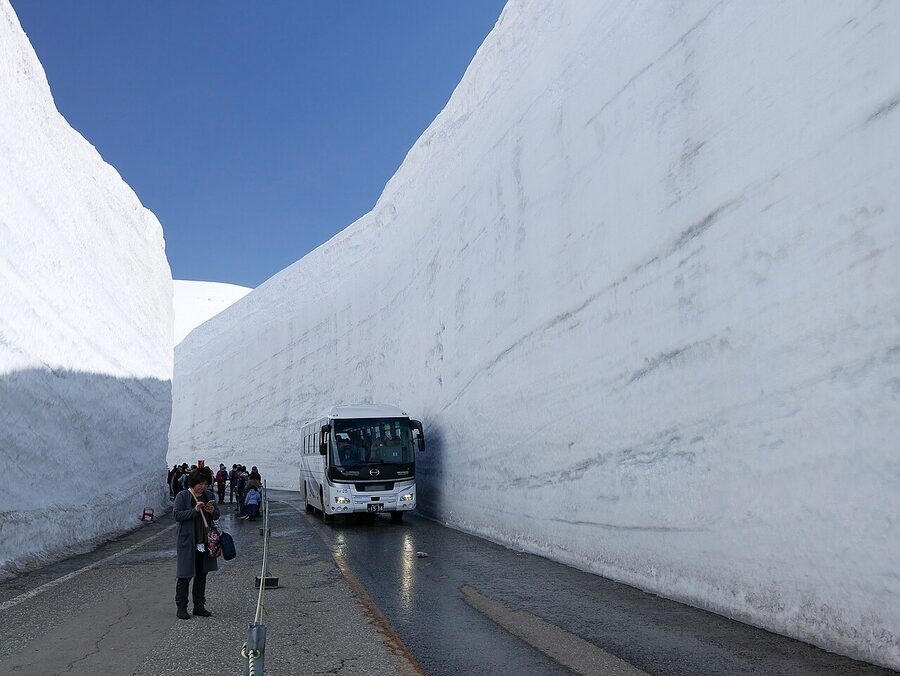
This is the loop most travellers should do. Seven nights, the Tateyama-Kurobe Alpine Route as the centrepiece, all four seasons available (with adjustments). It works in either direction; this version runs west-to-east starting in Toyama, but you can flip it for an east-to-west run starting in Matsumoto.
- Day 1: Tokyo to Toyama (Hokuriku Shinkansen, 2h 8m). Toyama Glass Museum afternoon, Iwase district for early evening sake and sushi. Sleep in Toyama.
- Day 2: Toyama Bay sushi morning, optional Kurobe Gorge railway day trip (April-November), or relaxed Toyama day. Sleep Toyama.
- Day 3: Toyama to Takayama via Nohi Bus (2h 30m). Sanmachi old town, sake breweries, dinner. Sleep Takayama.
- Day 4: Day trip to Hida Furukawa (15-minute train, half day) and Shirakawa-go (Nohi Bus, half day). Sleep Takayama.
- Day 5: Tateyama-Kurobe Alpine Route crossing — Toyama side via Tateyama Station, full day, ¥10,790 one-way, end at Ogizawa. Sleep Omachi Onsen Village.
- Day 6: Omachi morning (lakes or mountain museum), midday transfer to Matsumoto (50 min train). Castle in afternoon, Nakamachi for dinner. Sleep Matsumoto.
- Day 7: Day trip to Kamikochi from Matsumoto (3-hour valley walk), or Narai-juku in Shiojiri (1 hour by train, half day, with optional second night). Then Azusa Limited Express back to Tokyo (2h 40m).
This is the version I send most people. It hits five of the seven cities at meaningful depth, includes the two best alpine excursions (Tateyama Alpine Route and Kamikochi), and ends back at Tokyo for an onward flight. Total cost roughly ¥90,000-130,000 per person for transport plus seven nights’ mid-range accommodation. JR Pass + Tateyama-Kurobe ticket is the most efficient combo; Hokuriku Arch Pass is a useful alternative if you’re also doing Kanazawa and Osaka.
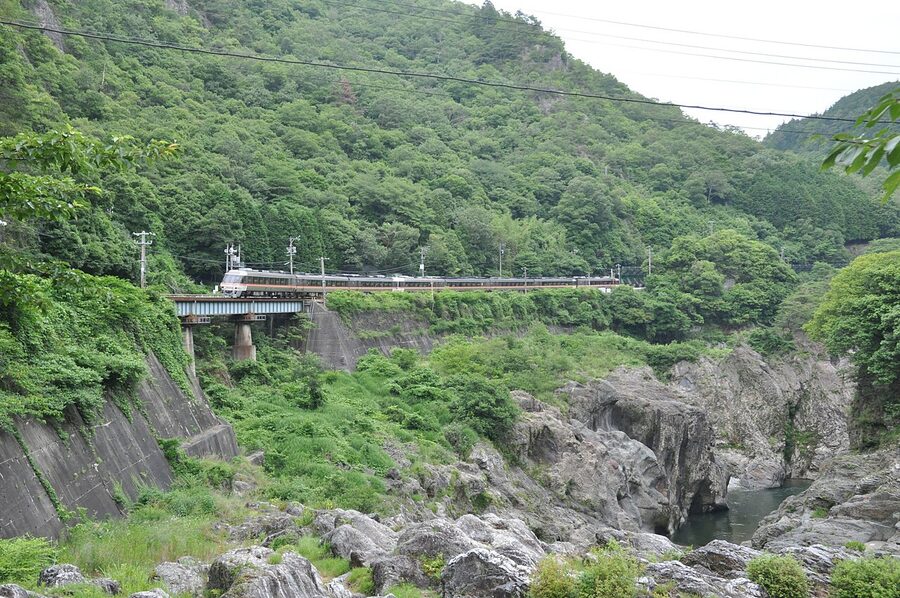
10-Day Deeper Loop — with hiking
For travellers who want to spend time at altitude rather than just see it from a bus. This adds two-and-a-half days of hut-to-hut hiking in the Northern Alps to the 7-day classic. Read the altitude sickness guide before committing.
- Days 1-2: Toyama as above — arrive, glass museum, Iwase, sushi, Kurobe Gorge.
- Day 3: Toyama to Takayama via Nohi Bus.
- Day 4: Takayama old town + Furukawa morning. Bus to Shinhotaka in the late afternoon.
- Day 5-7: Three-day hike from Shinhotaka via the Hotaka traverse to Yarigatake Sanso (3,060m), then descend to Kamikochi via Yarisawa. Hut nights at Karasawa Hutte (2,305m), Hotakadake Sanso (2,983m), Yarigatake Sanso (3,060m). Reserve all three months ahead. Bring proper boots, a layer for 0°C overnight, ¥35,000 in cash for huts.
- Day 8: Recover at Kamikochi (rest day). Bus to Matsumoto in the late afternoon.
- Day 9: Matsumoto castle + Nakamachi.
- Day 10: Narai-juku in Shiojiri, then Azusa back to Tokyo.
This version trades the Tateyama Alpine Route for the multi-day hike. The hike is genuinely demanding (8-10 hours per day, exposed ridges, real altitude) and not for first-time mountain travellers. If the hike isn’t for you, swap it for a slower 7-day route adding extra nights in Toyama and Takayama. The full traverse season is mid-July to early October — outside that window, the high huts are closed.
Seasonal variants
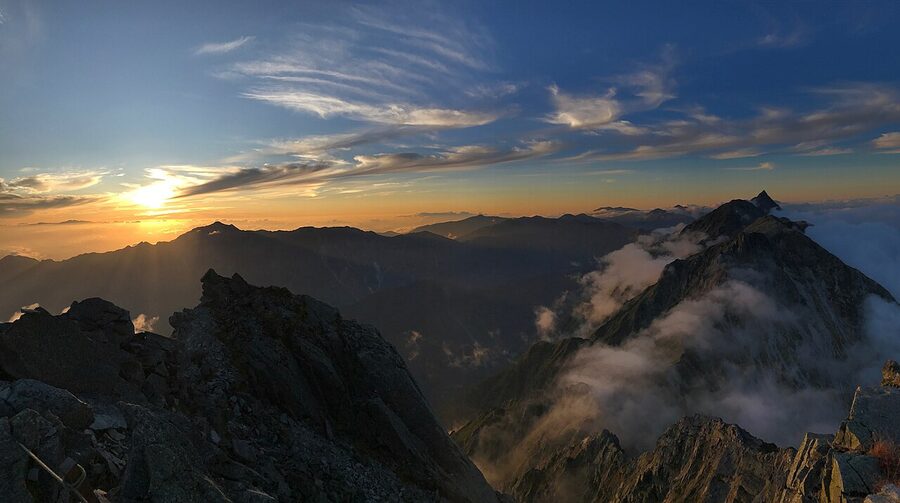
The seven-city loop is genuinely four different trips depending on when you come.
Spring (mid-April to mid-May): Cherry blossom at Matsumoto Castle (early April) and the Tateyama-Kurobe snow corridor (mid-April to late May). The Furukawa Festival (April 19-20) is the absolute peak event — if you can structure the trip around those two days, do it. Downside: Golden Week (April 29-May 5) crowds everything.
Summer (June-August): Best for hiking and Kamikochi (which closes mid-November to mid-April). The mountains are at peak greenery. Cities are humid (28-32°C) but bearable, especially in Toyama with the bay. Mid-August (Obon week) is busy with domestic tourism — book accommodation early.
Autumn (mid-October to mid-November): The connoisseur’s pick. Autumn colour at Kamikochi (mid-October), then descending through the cities through to mid-November. The Takayama Autumn Festival (October 9-10) is the second of the festival peaks. Weather is reliable; air is clear; mountain views from the cities are at their best.
Winter (December-March): The mountains close (Kamikochi, Tateyama-Kurobe Alpine Route, Norikura, Shinhotaka all closed November-April), but the cities are spectacular under snow and the food is at its best (kanburi yellowtail in Toyama, Hida beef hotpot in Takayama, snow crabs across the bay). Combine with skiing at Hakuba (1 hour from Matsumoto) for a full mountain-and-snow trip.
Variant: family-friendly 7 days
If you’re travelling with kids (or older parents) the standard 7-day classic is too logistics-heavy. Adjust as follows: keep the same cities, slow the pace, and add the experiences that work specifically for mixed-age groups.
- Day 1: Tokyo to Matsumoto. Castle (kids climb the keep), Nawate-dori for the frog statues and street food.
- Day 2: Day trip to Daio Wasabi Farm in Azumino (kids love the wasabi ice cream), then back to Matsumoto for the City Museum of Art Kusama room.
- Day 3: Matsumoto to Takayama via Nohi Bus. Hida-no-Sato folk village in the afternoon — the cottages are kid-scale and it’s outdoors.
- Day 4: Day trip to Hida Furukawa — koi feeding at the Seto canals (the headline activity for kids on the whole trip), Festival Hall for the floats, soba lunch.
- Day 5: Day trip to Shirakawa-go via Nohi Bus. Easy walking, gassho-zukuri farmhouse interiors. Back for Hida beef croquettes in the old town.
- Day 6: Takayama to Toyama by Nohi Bus. Glass Museum (interactive sections for children), tram ride to Iwase, casual sushi.
- Day 7: Toyama to Tokyo via Hokuriku Shinkansen.
Skips the Tateyama Alpine Route (long bus day, altitude not great for under-7s), Omachi (less to do for kids), Shiojiri (Narai-juku is brilliant but harder to keep kids interested for a full day). Adds the wasabi farm and Hida koi as the two child-killer attractions everyone remembers.
Variant: solo / quiet 7 days
For solo travellers wanting reflection time over photogenic crowds. The same seven days, leaning into the smaller towns and overnight stays.
- Day 1: Tokyo to Matsumoto. One night, lighter sightseeing.
- Day 2: Matsumoto morning, train south to Shiojiri and on to Narai-juku. Stay overnight in Narai (Iseya or Echigoya). The 4pm-9pm village is the headline.
- Day 3: Walk the Torii Pass section of the Nakasendo (3 hours). Train to Takayama in the late afternoon. Sleep Takayama.
- Day 4: Slow Takayama day — sake breweries, Yoshijima House, dinner at a small izakaya. Sleep Takayama.
- Day 5: Train to Hida Furukawa for the morning, then Nohi Bus to Toyama. Sleep Toyama.
- Day 6: Toyama Iwase district, late lunch, then bus to Hotel Tateyama at Murodo (2,450m). Watch dawn over the alpine plateau in the morning.
- Day 7: Murodo dawn, descend the Tateyama-Kurobe Alpine Route, end at Omachi or transfer back to Tokyo.
The two overnight stays at Narai and Murodo are the headline moves. Both are quiet, both are atmospheric in ways the city ryokans aren’t. Solo travellers who want this kind of trip should book Hotel Tateyama 4-6 months ahead and Iseya 3 months ahead minimum.
What to skip
Some things people add to Japan Alps itineraries that I’d quietly leave out:
- Doing the Tateyama-Kurobe Alpine Route in late April Golden Week. The crowds are unbearable. Wait for the late-May or early-June “snow corridor” window when the snow walls are still high but everyone’s gone home from the holiday.
- Two days in Toyama if you’re not into food or modern art. One day works fine for the highlights. The Glass Museum and Iwase port together fill maybe 4-5 hours; the rest of the city is functional.
- Shirakawa-go on a peak weekend. The village fills with day-trip buses by 11am and you’re shoulder-to-shoulder for the famous viewpoint photos. Either stay overnight (book six months ahead for an original gassho-zukuri farmhouse minshuku) or visit on a weekday before 10am.
- Kanazawa as a Japan Alps stop. Kanazawa is genuinely a great city but it’s on the Sea of Japan side, separate from the Alps loop, and 40 minutes by Shinkansen from Toyama. Treat it as a separate destination, not a Japan Alps city.
Practical planning
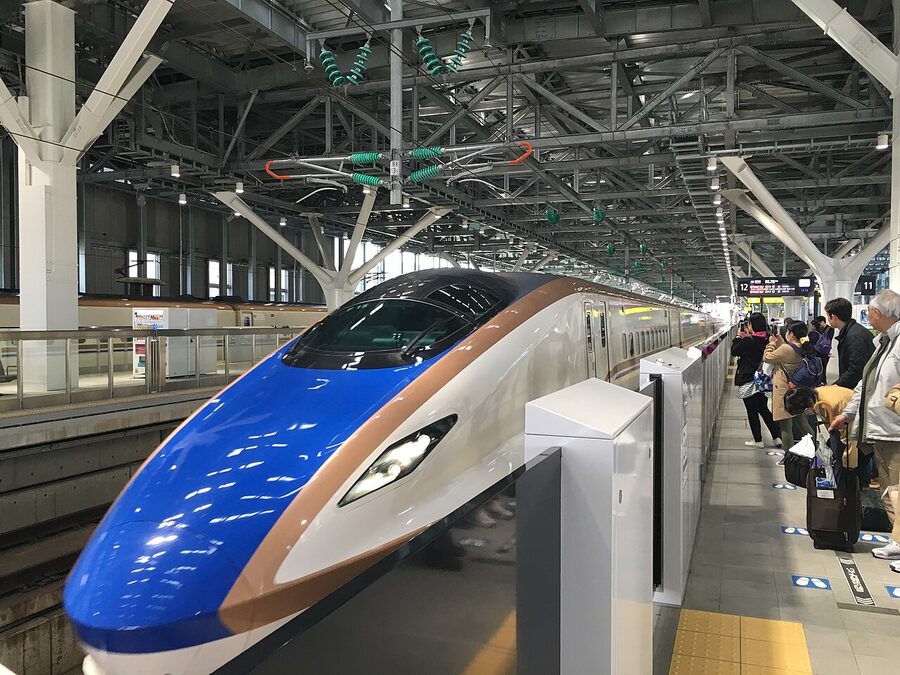
- JR Pass. The 7-day national JR Pass covers most of the loop (Hokuriku Shinkansen, Hida Limited Express, Azusa Limited Express, all local trains). At the current ¥50,000 price tag, it’s borderline value — pencil out the individual ticket costs for your itinerary first. The 5-day Hokuriku Arch Pass (¥30,000) is cheaper and covers Tokyo-Kanazawa-Osaka with side trips, useful if you’re combining the Alps with a Kansai leg.
- Tateyama-Kurobe Option Ticket. Mandatory if you’re crossing the Alpine Route. ¥10,790 one-way, sold separately; book seat reservations via alpen-route.com at least a week ahead in peak periods.
- Buses, not trains, between Toyama-Takayama-Matsumoto. The Nohi Bus network connects the three cities directly; rail routes go via Nagoya and add 2-3 hours. Buses cost less and are faster. Reserve via Nohi Bus website (English available).
- Cash. Mountain huts and many ryokan in the cities still don’t take cards. Take ¥30,000-40,000 in cash per person for the trip; refill at 7-Eleven ATMs in any city.
- Mobile data. Buy a Japan Travel SIM at the airport. Mountain coverage is patchy — download offline Google Maps for any sections away from the cities.
- Luggage forwarding. Use Yamato Transport (kuroneko) to ship a bag between hotels — ¥2,000 per bag, next-day delivery, every business hotel handles it. Saves you carrying a suitcase up to a 3,000m hut.
Budgeting
Real-world numbers based on a 7-day classic loop, two travellers sharing rooms, no extra alpine ticket beyond the Alpine Route, no JR Pass:
- Transport: ¥48,000 per person (Tokyo–Toyama Shinkansen, intercity buses, Tateyama-Kurobe ticket, Azusa back to Tokyo, local trains).
- Accommodation: ¥75,000 per person (mid-tier business hotels and ryokan, ¥10-12k per night average).
- Food: ¥35,000 per person (one ryokan kaiseki dinner, two splurge nights, otherwise ¥3-4k per dinner and ¥1.5k per lunch).
- Sights and museums: ¥9,000 per person (castle, glass museum, Kurobe Dam tour, Daio Wasabi Farm fees, Furukawa Festival Hall, Yoshijima House, etc).
- Total: roughly ¥165,000-180,000 per person all-in for 7 days, excluding international flights.
You can shave 25-30% off the total by staying in business hotels exclusively (¥7-8k a night), using the JR Pass if it nets out cheaper for your specific dates, and skipping the kaiseki dinner. You can spend twice as much by staying in proper ryokan with two meals (¥25-35k per night) at every stop. Both extremes are pleasant; the mid-range I’ve described is what most international travellers actually do.
The shortest possible Japan Alps
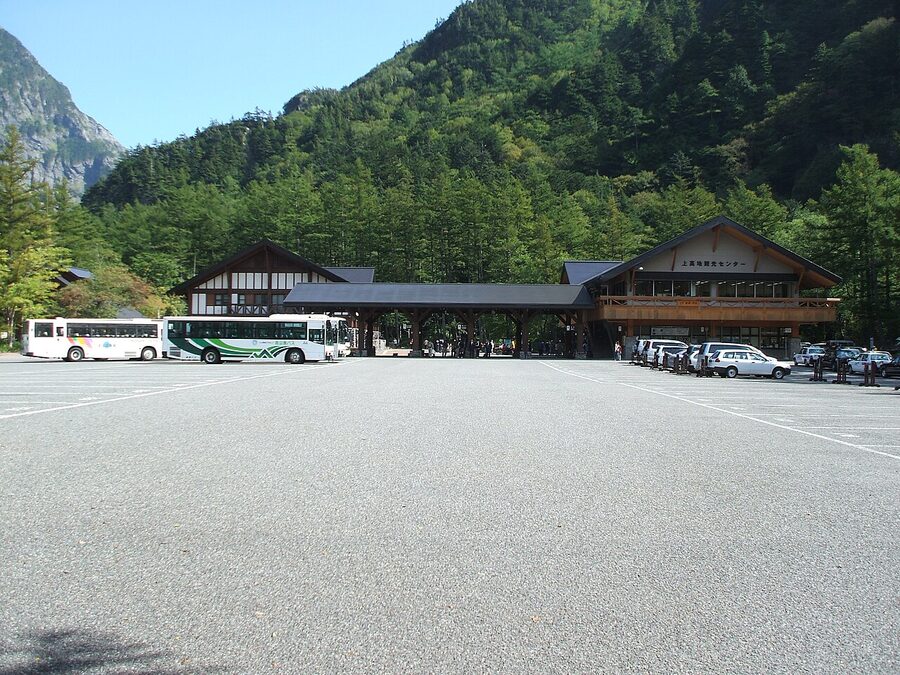
If you’ve only got a long weekend, the version that works is: leave Tokyo Friday morning on the Azusa, arrive Matsumoto noon, castle and Nakamachi in the afternoon. Saturday: 6am bus to Kamikochi, 5-hour valley walk, back in Matsumoto for dinner. Sunday: morning at the markets, take the train back to Tokyo by mid-afternoon. Two nights, three days, two cities. It’s a poor substitute for the full loop but it’s a real introduction.
Where to next
For the individual cities, see the dedicated guides: Matsumoto, Takayama, Toyama, Omachi, Hida City, Azumino, Shiojiri. The transport-only details are in the access guide. And if you’re doing any of the high-altitude bits — Tateyama-Kurobe, Norikura, the Yarigatake or Hotaka traverses, even just the Shinhotaka Ropeway — please read the altitude sickness guide first. Two of the worst stories I’ve heard from this region were avoidable.


_-_Flickr.jpg)


