
It’s 6:40am at the Miyagawa morning market and the pickle vendors are already here. A woman in her seventies is slicing daikon at a folding table, a sake brewer three stalls down is arranging tasting cups that are too small for the amount he pours, and the monk who runs the tea stand at the bridge is trading gossip with the koji merchant about which ryokan has the rudest TripAdvisor reviews this week. Nobody is hurrying. The whole market — maybe fifty stalls along a quarter-mile of the Miyagawa river — will be packed and gone by noon. This is Takayama. It’s the best thing I’ve found in Japan for people who wanted to love Kyoto but arrived to find it unusable.
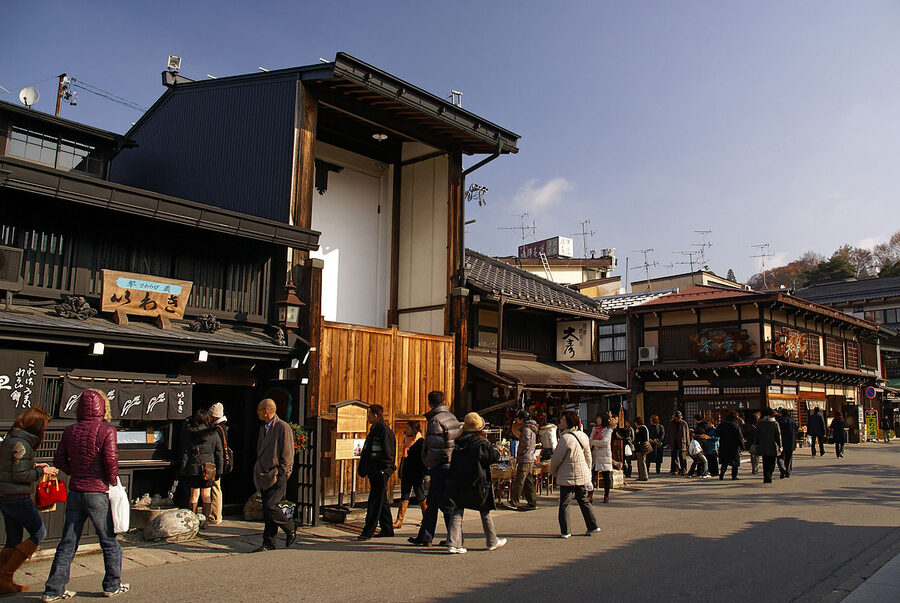
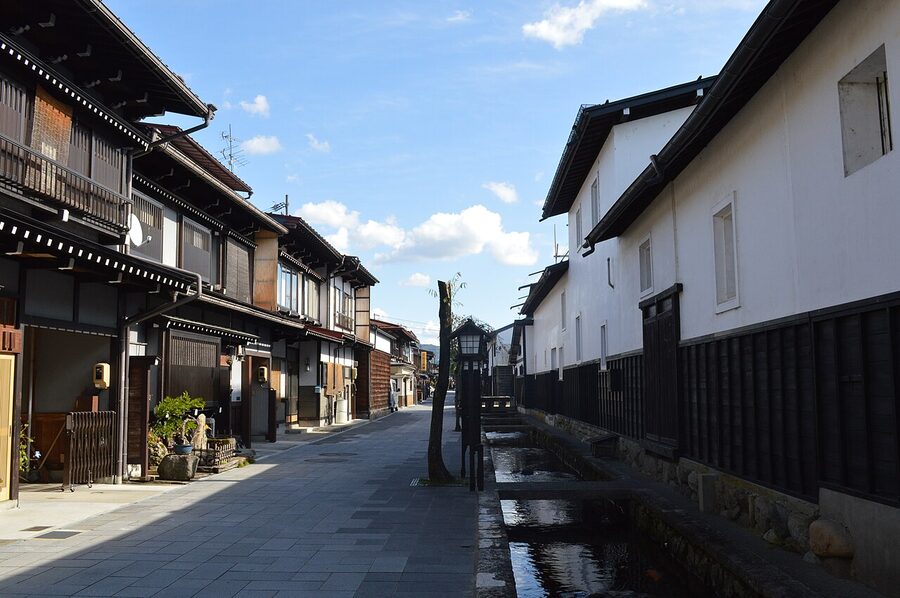
Takayama is a preserved Edo-period castle town at 570m in the Hida mountains of Gifu prefecture. It was rich when it was governed directly from Edo for its timber and mining revenue, which meant it had both the carpenters and the money to build well. The houses that resulted are still standing. The old town — Sanmachi Suji, plus another block across the river — has survived mostly intact because it was too far from anywhere to get bombed in the war, and the ryokan/sake-brewery/craft-shop economy kept the locals from levelling things. Two nights minimum. Three is better.
A thing people undersell: Takayama is also the logistical hub for the south-west of the Japan Alps. It’s the natural base for Shirakawa-go, Shinhotaka, and Hida Furukawa, and the daily Nohi bus to Matsumoto puts the full Hotaka range within reach without backtracking to Nagoya. If you’re working a Japan-wide itinerary and trying to avoid the Tokyo-to-Kyoto trunk, Takayama is the side quest that makes central Japan feel like a different country. Nine out of ten first-time visitors underestimate it by a full day.
In This Article
- The old town, early
- The morning markets (both of them)
- Takayama Jinya — the only one of its kind
- Yoshijima House
- Takayama Matsuri — if you can time it
- Hida-no-Sato Folk Village
- Food — Hida beef, sake, and what to actually eat
- Day trips from Takayama
- When to come
- Crafts and what to actually take home
- Where to stay
- Getting to Takayama
The old town, early
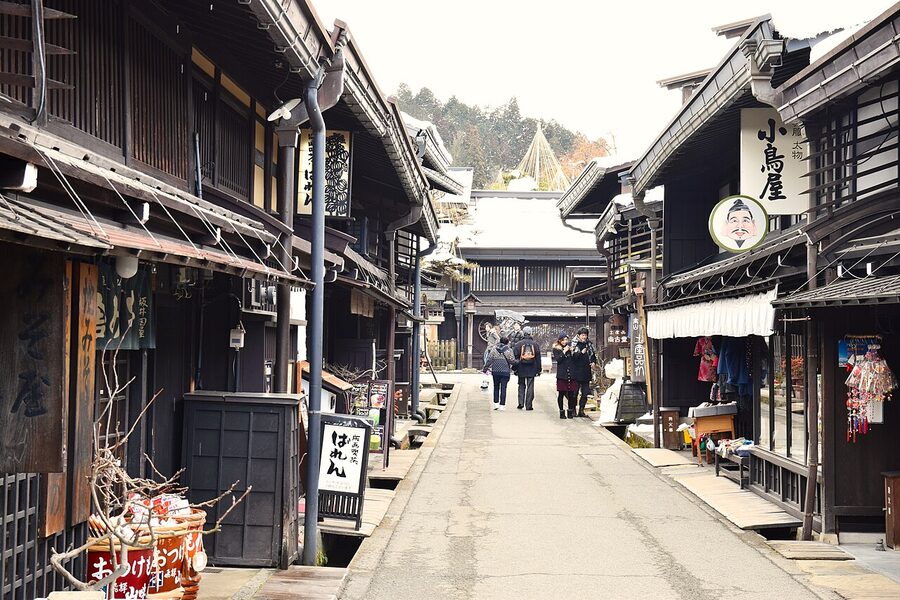
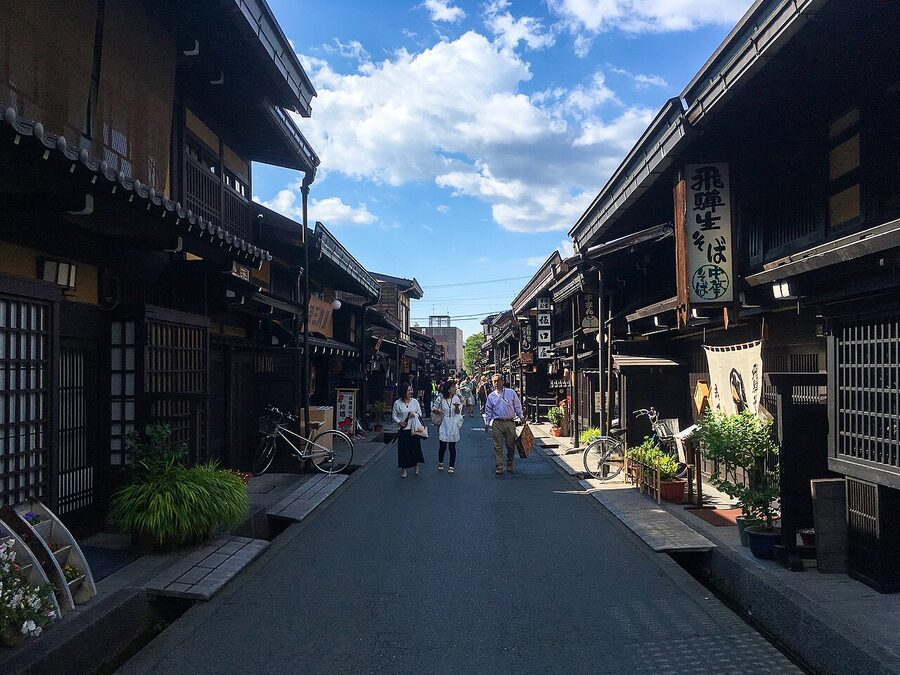
The good bit of the old town runs roughly four blocks east-west, with Sanmachi Suji as the spine and the less-touristed Ninomachi and Ichinomachi streets parallel. You can walk the whole lot in 40 minutes without stopping. You shouldn’t. The whole point is the shops, the sake tasting, and the second floor of Yoshijima House (more on that below).
Do this before 9am. The difference between Sanmachi at 8am and Sanmachi at 11am is the difference between a real working town and a film set. The tour buses come up from Nagoya and Kanazawa in a wave that hits around 10:30 and doesn’t thin out until 4pm. If you stay in the old town itself — Sumiyoshi Ryokan, Honjin Hiranoya, Ryokan Asunaro — you can walk out the door at dawn and the place is genuinely yours.
Seven sake breweries still operate on Sanmachi and the parallel streets. Each has a cedar ball — a sugidama — hanging outside, traditionally turned green when the new year’s sake was ready and slowly bleached as it matured. The ones I’d prioritise: Harada Shuzou for daiginjo tasting (¥500 for a flight of four), Funasaka Shuzou for the historic building alone, and Hirata Shuzou for the namazake (unpasteurised) that they never ship out. Most open at 9am, close around 5pm, and won’t do tastings if you’re obviously drunk from the previous brewery.
The morning markets (both of them)
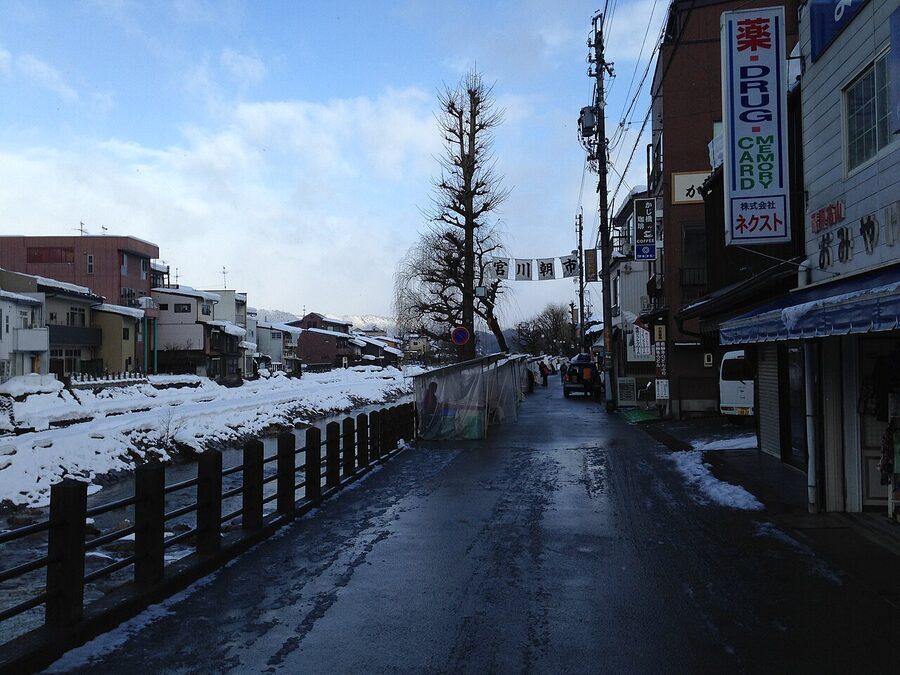
Takayama has two asaichi and you should go to both. Miyagawa Asaichi is the bigger, prettier one along the Miyagawa river — 60-70 stalls, local produce, Hida apples in autumn, pickles year-round, and the best mitarashi dango I’ve eaten in central Japan at a stand called Kosaido (the grandmother there will tell you your tourist Japanese is bad, accept it). Jinya-mae Asaichi is the smaller market in front of the Takayama Jinya building — more farmers, fewer tourists, better flowers.
Both run 7am to noon. Both shrink in winter — December through February you might find 20 stalls on a cold weekday morning instead of 60. Neither accepts credit cards. Take cash. Expect to spend ¥1,000-2,000 on pickles, snacks and one lacquered thing you didn’t think you needed.
Takayama Jinya — the only one of its kind
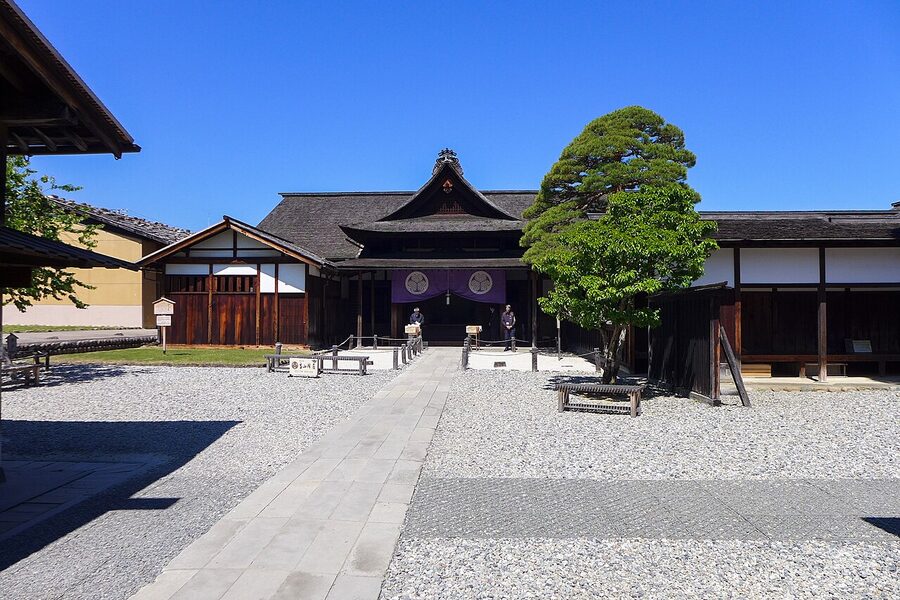
Takayama Jinya is the last surviving Edo-period regional government house in Japan — every other one burned down or was demolished in the Meiji tear-down. The buildings date from 1816 and cover an entire block just south of the old town. Entry is ¥440, open 8:45am to 5pm, closed late December only. You can walk yourself around or join one of the free English tours at 10am and 2pm (genuinely useful — the volunteer guides know the history and will take you into rooms you’d miss).
What makes it more than a museum: the interrogation room and the rice warehouses still stand. The interrogation room has its original torture implements (skip if you’re squeamish) and the rice warehouses have the 17th-century weighing beams still in place. Budget 90 minutes. It’s the one museum in Takayama I’d send someone to even if they were only in town for a day.
Yoshijima House
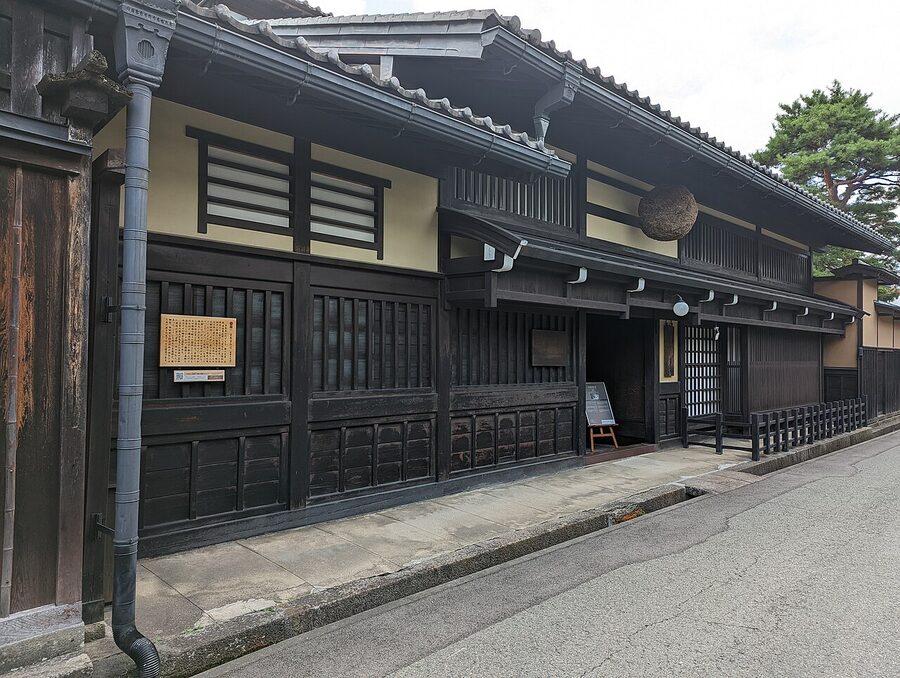
Yoshijima was built in 1907 by a sake-brewing family and it’s the single best piece of traditional architecture in the old town, which is a high bar. From outside it’s an unassuming two-storey merchant house. Inside, the central hall goes up three full storeys in exposed timber, with a massive beam crossing the top under a window that lets one thick bar of sunlight drop the whole height at noon. ¥500. Closed Tuesdays. Spend 45 minutes and try to get there when the light’s good — late morning through early afternoon.
Two doors down is Kusakabe Heritage House, a second merchant home from the same era, slightly more ornate and half as interesting. Skip unless you’re collecting machiya. Yoshijima is the one.
Takayama Matsuri — if you can time it
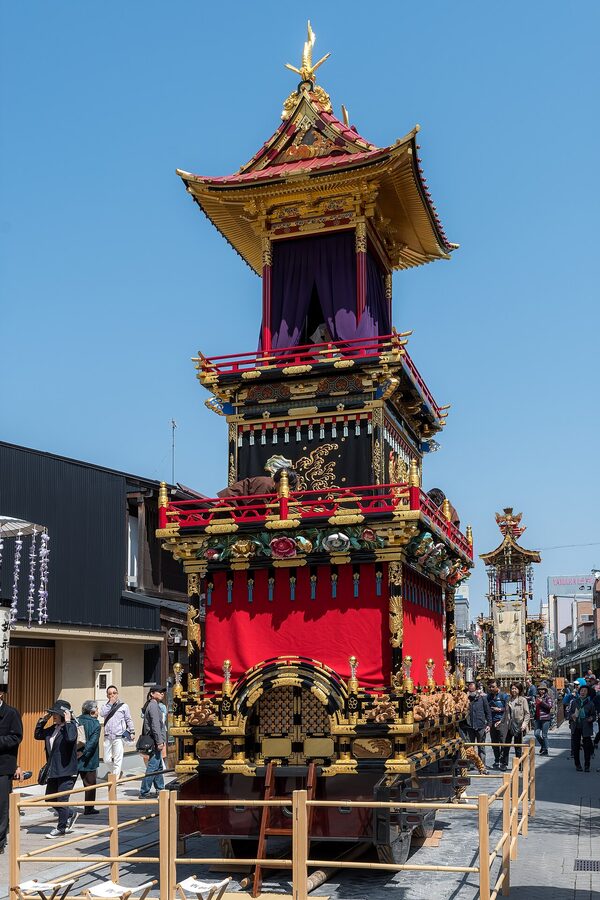
Takayama Matsuri is on the official shortlist of Japan’s three most beautiful festivals (Kyoto’s Gion and Chichibu’s December night festival are the other two). There are two editions: the Sanno Matsuri on April 14-15 celebrates spring, and the Hachiman Matsuri on October 9-10 celebrates the autumn harvest. Both feature 23 yatai — multi-tiered lacquered wooden festival floats, some over 300 years old — paraded through the streets with traditional karakuri mechanical puppet performances at set times.
If you can plan your Japan trip around one of these dates, do. The floats come out of their storehouses, the town is full but not cruise-ship full, and there are night parades with the yatai lit by paper lanterns that are genuinely the closest thing Japan does to a European Christmas market. Accommodation books out 6-9 months ahead for festival dates. Pay what they ask.
If your dates don’t work: the Takayama Matsuri Yatai Kaikan on the north side of town has four of the festival floats on permanent display. ¥1,000 (includes entry to the Sakurayama Hachimangu shrine next door). It’s not the festival — but at least you see the floats up close without a crowd.
Hida-no-Sato Folk Village
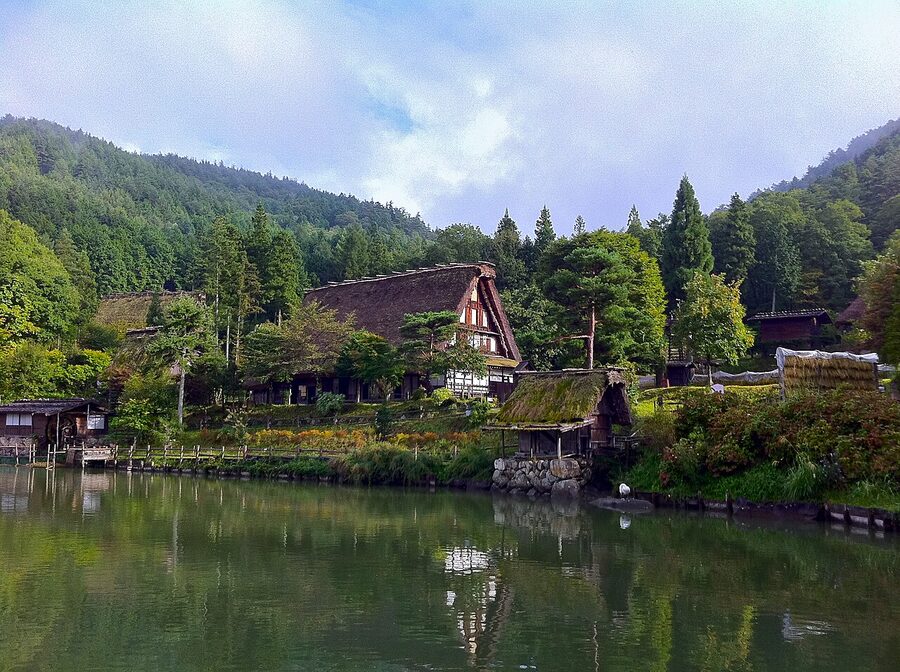
Hida-no-Sato is an open-air museum of 30 traditional Hida farmhouses, relocated from villages around the region before they could rot or be demolished. It’s a 10-minute bus ride from Takayama Station (¥100 on the Sarubobo Bus). ¥700 entry. You can walk inside most of the houses; there are demonstrations of traditional crafts (lacquerware, weaving, soba making) in several of them on weekends.
This is a better way to see thatched-roof gassho-zukuri architecture than Shirakawa-go if you’ve only got half a day — you get the houses without the three-hour round-trip bus ride. The downside: it is a museum. Shirakawa-go is a living village (just). If you’ve got a full day spare, go to Shirakawa-go. If not, Hida-no-Sato does the job in 2-3 hours.
Food — Hida beef, sake, and what to actually eat
Hida beef (Hida-gyu) is one of Japan’s premium wagyu brands. The real stuff has a prefectural mark and a ranch-of-origin certificate; the fake stuff is sold as “Takayama beef” without either. Ask. Le Midi near the red bridge does a proper Hida beef steak lunch for ¥4,800 that’s worth the money if you’re only going to eat it once. Center 4 Hamburgers (yes, really) does a ¥2,500 Hida beef burger that is genuinely one of the great burgers you’ll eat anywhere. Queue from 11am on weekends.
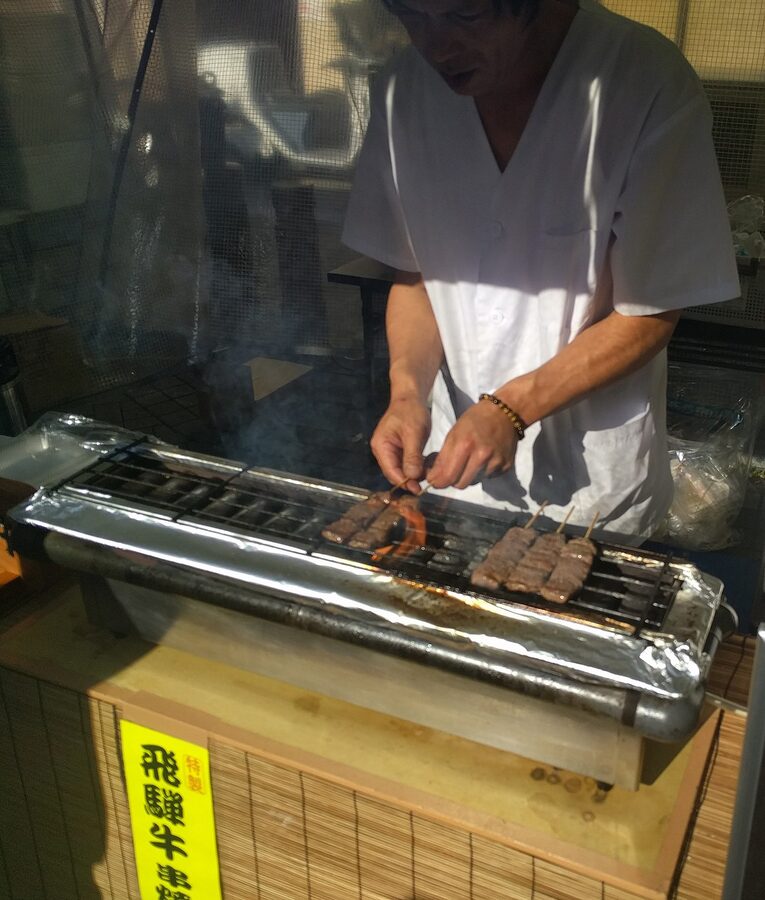
For cheaper: the Hida beef nigiri sushi sold on skewers at the morning markets and throughout the old town is ¥600 for two pieces and it’s fine. Not memorable — fine. Order the Hida beef croquette (¥300) at Kotte-Ushi near the Miyagawa bridge; crunchy breadcrumb, salted beef inside, worth the small queue.
Beyond beef: takayama ramen with its signature thin soy-based broth (Masago and Menya Shirakawa are the best); hoba miso, miso-grilled on a dried magnolia leaf at the table (most izakaya do this); and mitarashi dango on skewers at every second stall. Breakfast at Cafe Mok near the station if you’re desperate for a Western-style morning.
Day trips from Takayama
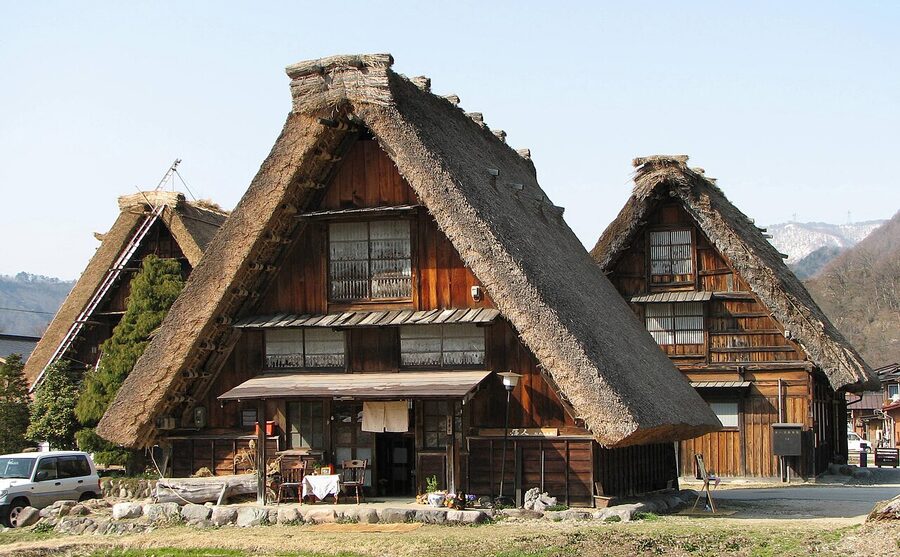
Shirakawa-go is the obvious one. UNESCO World Heritage, 50 minutes by Nohi Bus from Takayama (¥2,600 one-way, book ahead in summer and autumn — the buses sell out). The village of Ogimachi has ~100 gassho-zukuri (steep thatched-roof) farmhouses, many still lived in. The classic view is from the Shiroyama viewpoint above the village; the walk up takes 25 minutes from the bus stop. If you have the option, stay the night at one of the farmhouse minshuku — they book out six months ahead but a cancellation the week of travel is not unusual. The village at dawn is the payoff.
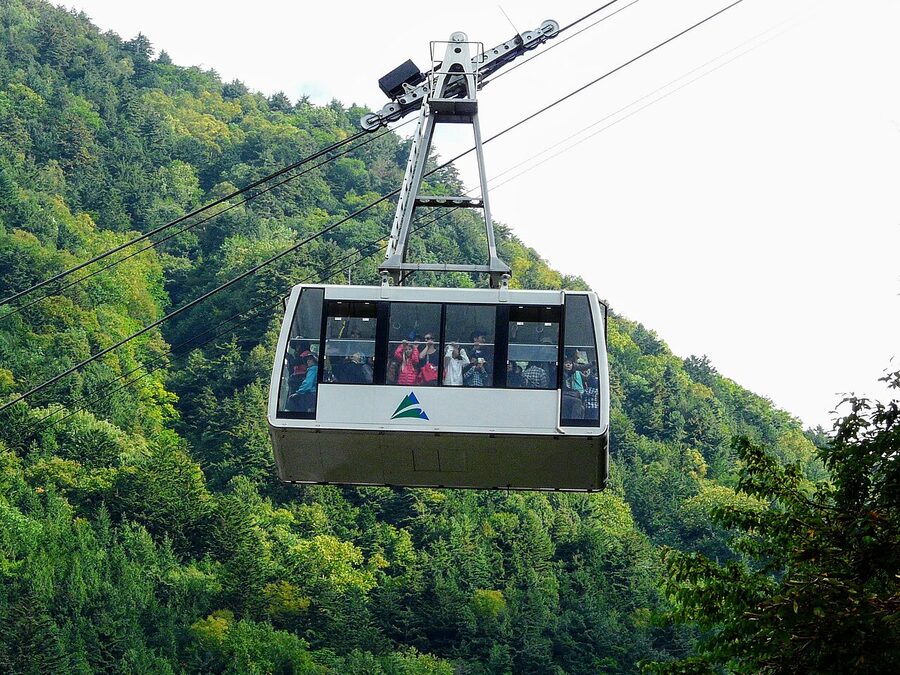
Shinhotaka Ropeway is a completely different day trip: 90 minutes by bus into the Hida mountains, then Japan’s only double-decker cable car up to a 2,156m observation deck. The view of Yarigatake and the Hotaka range from the top is arguably the best 3,000m panorama you can reach without walking. ¥3,800 return. Dress warmly — it’s 10°C colder than down in Takayama, even in July. Factor in altitude too (see the altitude sickness guide) — 2,156m is enough to produce mild headaches in people who’ve come straight up.
Hida Furukawa is my personal favourite day trip because nobody goes. It’s 20 minutes on the JR Hida train from Takayama, a small old town with three surviving sake breweries, a ring of white-walled warehouses around a canal filled with 1,000 koi, and the Furukawa Matsuri in April for a festival that’s genuinely wilder than Takayama’s. Half a day is plenty. ¥420 return.
When to come
Takayama has four distinct seasons and each has a case, but the two festival dates are so much better than everything else that they distort the calendar.
Spring festival (April 14-15) is cherry blossom plus the Sanno Matsuri. The weather is unreliable — expect one day of rain, one day of crisp sunshine — but when the floats come out under the blossom, you’ll remember the trip for decades. Book accommodation by the previous October.
Summer (June-August) is hot in town (28-32°C daytime) but the mountains above — Shinhotaka, Kamikochi on the other side — are the cool escape. This is the one season Shirakawa-go gets properly busy with domestic tourists. Book Shirakawa-go day-trip buses at least a week ahead.
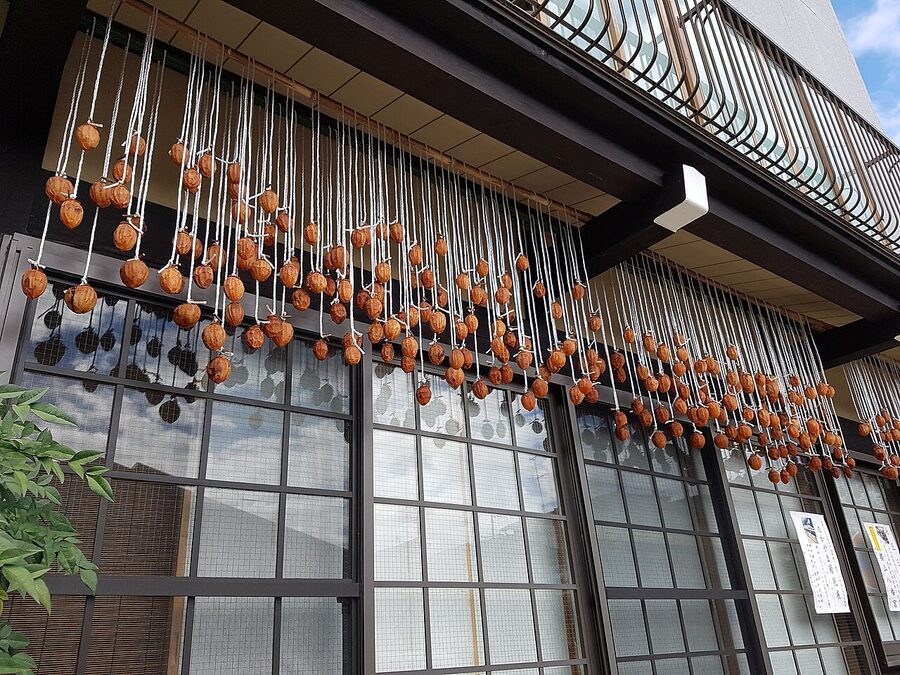
Autumn festival (October 9-10) is the Hachiman Matsuri plus early autumn colour in the surrounding hills. For me it’s the better of the two festival dates — the night parades feel bigger, and the persimmon-drying season starts the same week. Book by the previous April.
Winter (December-February) is cold (-5°C at night is normal) but the old town in snow is spectacular and the crowds thin dramatically. Shirakawa-go becomes the fairy-tale version of itself with the houses under two metres of snow; the village runs occasional night-illumination events on winter Saturdays that require advance reservation and are worth the logistics. Everything in Takayama stays open. This is when I send people who’ve been to Kyoto twice and want a quieter alternative.
Crafts and what to actually take home
Takayama has three craft traditions worth shopping seriously for. Hida lacquerware (shunkei-nuri) uses a semi-transparent amber lacquer that lets the wood grain show through — unlike the opaque black-and-red of most Japanese lacquer. A small tea caddy runs ¥8,000-12,000; a full set of stacking bento boxes can hit ¥50,000. The workshops on Ninomachi are the places to buy, not the gift shops on Sanmachi proper.
Ichi-i ittobori is the local wood carving tradition — Japanese yew hand-carved into small animals, buddhas, and abstract forms with a specific diagonal-chisel finish. Expensive (a small netsuke-size piece starts at ¥15,000) but one of the genuinely distinctive Japanese crafts that hasn’t been industrialised. Sarubobo dolls — red faceless monkey-baby figures — are the Hida folk-art talisman. You’ll see them everywhere for ¥400-2,000; most are mass-produced in Vietnam now. The handmade version from Sannomachi Sakaue is obvious next to the cheap ones and costs ¥3,500.
One thing not to buy: the ¥500 “traditional” fans and chopsticks sold at the approach to Sanmachi. Those are Daiso-tier imports with a Takayama sticker applied. The real stuff is deeper inside the streets and costs more.
Where to stay
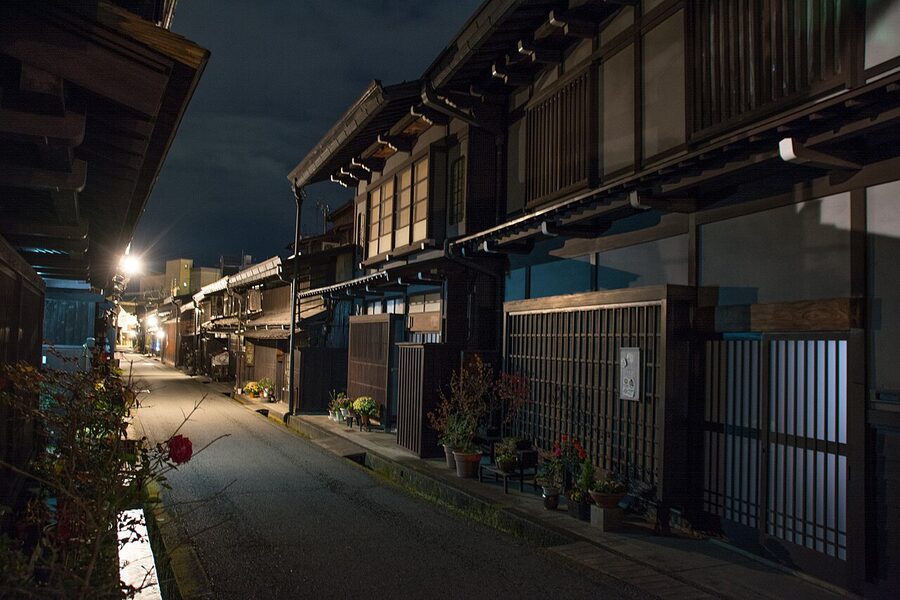
Three tiers. At the top: Honjin Hiranoya Kachoan is a proper ryokan in the old town with an onsen bath and full kaiseki dinner, ¥30,000-40,000 per person. One of the genuinely memorable stays in central Japan — I’d do it once and skip the second night in favour of somewhere cheaper. Hoshokaku is the other ryokan splurge option, further out, same calibre.
Middle tier: Sumiyoshi Ryokan is a 100-year-old wooden ryokan on the Miyagawa river with rooms from ¥14,000 per person with breakfast. Creaky floors, futon on tatami, shared bath. Real ryokan experience at half the luxury-tier price. Oyado Koto no Yume near the station is a modern hotel with onsen baths in every room, around ¥18,000. Good if you want privacy.
Budget: K’s House Takayama is the best hostel, ¥4,500 dorm / ¥9,000 private, central location, friendly staff, a shared kitchen that’s genuinely used by travellers. Guesthouse Ihatov is the quieter alternative. Book via Booking.com or Agoda.
For a fourth option: Zenkoji Temple on the east side of town runs a shukubo — a monk’s lodging — for ¥8,000 per person including dinner, with a 6am meditation session if you want it. Basic, beautiful, one of the few proper shukubo experiences left in a tourist town. Reserve by phone in Japanese only, or ask your hotel in Takayama to call for you.
Getting to Takayama
From Tokyo: Tokaido Shinkansen to Nagoya (1h 40m), then the JR Hida limited express to Takayama (2h 15m). Total about 4 hours, ¥14,000 one-way, covered by JR Pass and JR Central Wide Area Pass.
From Kanazawa (if you’re coming via the Hokuriku Shinkansen): the Nohi Bus runs 4 times daily, 2h 15m, ¥3,500. Direct, scenic, a lot cheaper than rail via Nagoya. Book ahead.
From Matsumoto: one daily direct bus (2h 30m, ¥3,500) and several routes via Hirayu Onsen with an easy change. If you’re doing the full 7-day Japan Alps loop, Matsumoto-Takayama is the middle leg and the bus is better than the detour via Nagoya.
If you’re combining Takayama with Matsumoto, other Japan Alps cities, or planning the full Shinhotaka-Kamikochi hiking week, the access guide has the full Shinkansen and bus breakdown with current times and prices.

.jpg)


.jpg)
.jpg)


.jpeg)