
My first proper night above 2,500m in the Japan Alps was miserable. I’d walked into Tokusawa under a clear September sky, put away a bowl of curry at the hut, and by 10pm my skull felt like it had a vice around it. I couldn’t sleep. I couldn’t stop yawning. I got up three times before dawn convinced I was going to throw up, and didn’t. That’s altitude sickness. It ambushes people who thought they were fit, it ambushes people who thought Japan’s mountains were too short to matter, and it’s the single most common reason trips in this region go sideways.
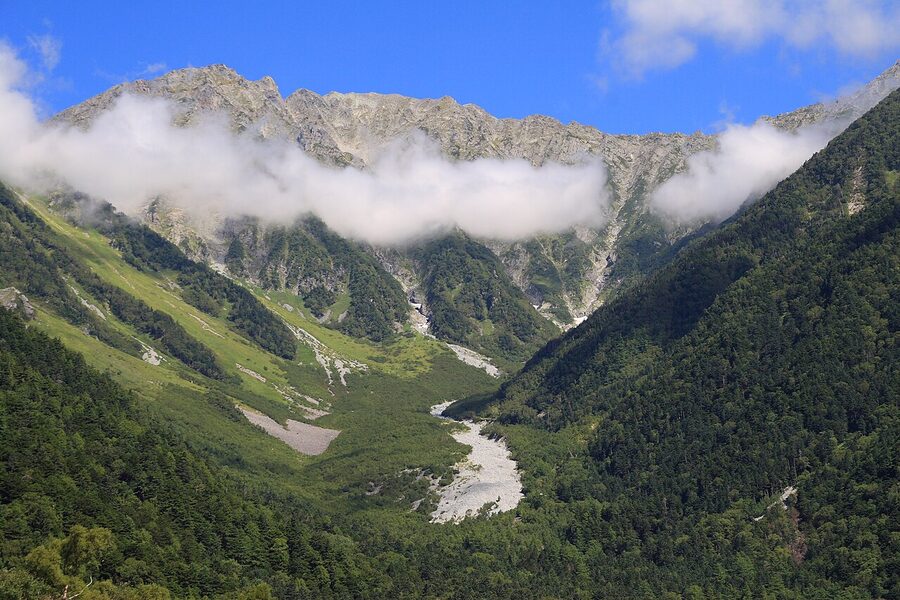
Here’s what you actually need to know before you come, what to watch for while you’re up there, and what to do if it goes wrong. I’ll name the peaks where people get caught out, the symptoms that aren’t just “tired from walking”, and the one Japanese-specific trap — bullet climbing — that turns a manageable ascent into an emergency.
In This Article
- What altitude sickness actually is
- How high is “high” in the Japan Alps?
- The peaks most likely to catch you out
- Tateyama Murodo (2,450m) — the bus-assisted ambush
- Mount Norikura (3,026m) — the drivable 3,000er
- Yarigatake (3,180m) — the ridge with the long exposure
- Kita-dake (3,193m) — the highest in the Alps
- Symptoms to watch for
- What prevention actually looks like
- What to do when you feel it anyway
- The “bullet climbing” trap
- Mountain huts, and why they’re your acclimatisation friend
- Rescue, insurance, and what it costs if it goes wrong
- So should you still go?
What altitude sickness actually is
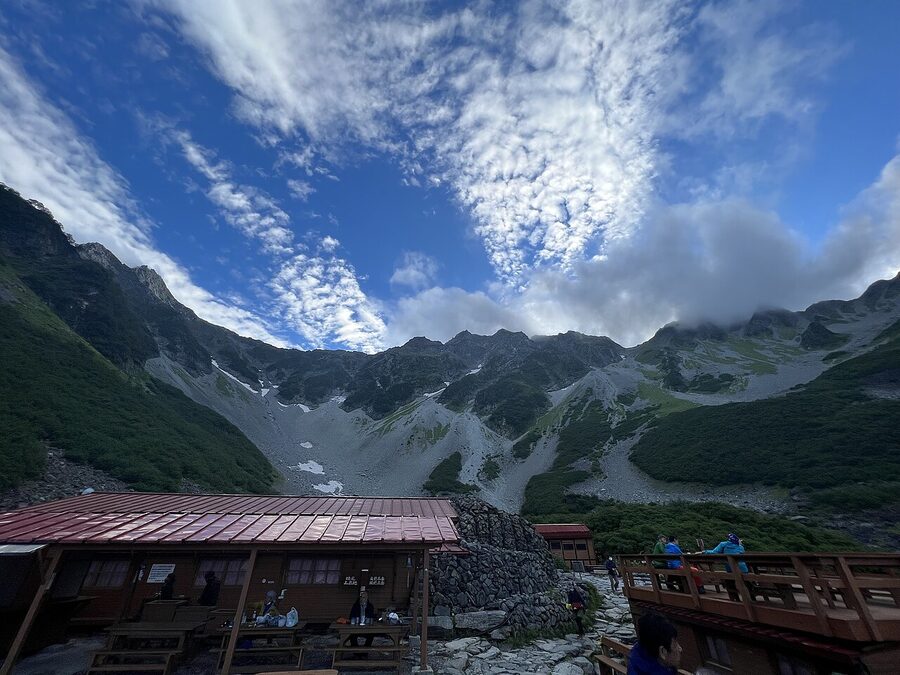
Go up, and the air pressure drops. Every breath contains fewer oxygen molecules than you’re used to at sea level. Above about 2,500m, your body starts to notice. You breathe faster, your heart beats harder, and your kidneys start dumping bicarbonate to let your blood run a bit more acidic — which is the trigger that tells your brain to keep breathing hard while you sleep. That process takes days, not hours. If you outrun it by gaining altitude faster than your physiology can keep up, you get acute mountain sickness (AMS).
AMS comes in three flavours. Mild is the headache-plus-nausea-plus-fatigue combo most people get at some point above 2,500m. It’s uncomfortable, but it goes away if you stop going up. Moderate adds vomiting, breathlessness at rest, and the kind of splitting headache that ibuprofen doesn’t touch. That’s your signal to descend. Severe is high-altitude pulmonary edema (HAPE) or cerebral edema (HACE) — fluid in your lungs or brain. HAPE kills within hours if you don’t get down, and it does happen in the Japan Alps. A 2024 Japanese case report documented HAPE at 3,015m on Tateyama in a 40-year-old climber with no prior history. Altitude does not care how fit you are.
How high is “high” in the Japan Alps?
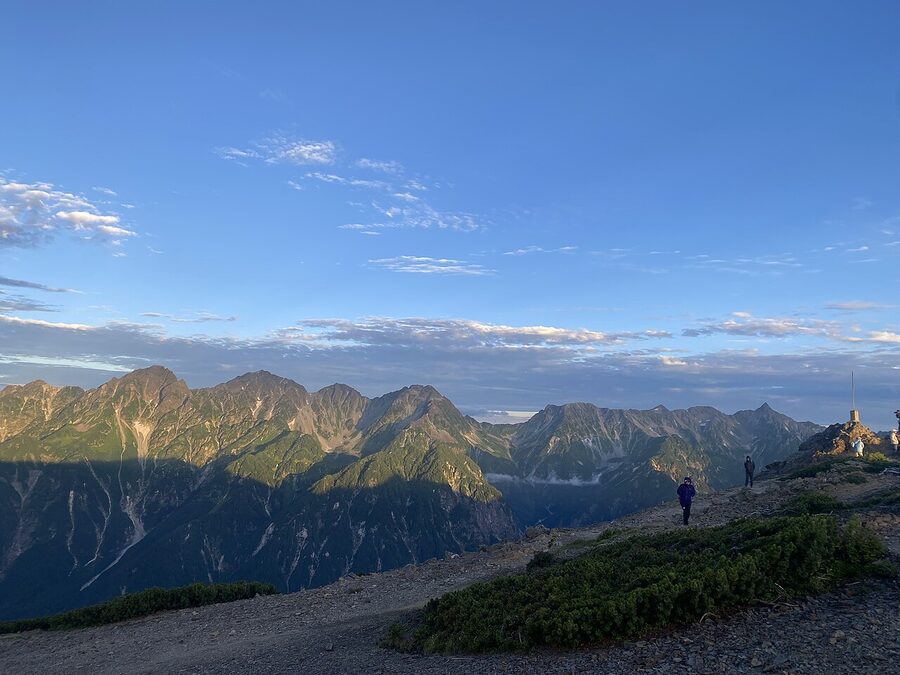
People hear “Japan” and assume gentle. The reality: six of Japan’s nine 3,000-metre peaks are in the Japan Alps. The Southern Alps holds the highest, Kita-dake at 3,193m — the second-highest mountain in Japan after Fuji. The Northern Alps has Okuhotakadake (3,190m), Yarigatake (3,180m), Warusawa (3,141m), Akaishi (3,120m), and a row of others over 3,000. You can stand above 3,000m on a summer hike across this region and never see Mt Fuji at all.
For altitude-sickness purposes, the thresholds to know are:
- 1,500m — Kamikochi’s valley floor. Nobody gets altitude sickness here. You’re fine to sleep in the valley straight off a Tokyo train.
- 2,450m — Murodo on the Tateyama-Kurobe Alpine Route. The point at which altitude becomes a real factor for some people. And Murodo is reached by bus. Which is the trap.
- 2,500–3,000m — the AMS zone. Most people who get sick on this trip get sick somewhere in this band.
- 3,000m+ — genuinely thin air. Mountain huts above 3,000m (Yarigatake Sanso, Kitadake Sanso, Hotakadake Sanso) are where your acclimatisation shows up or it doesn’t.
- 3,500m+ — the HAPE/HACE danger band. Nothing in the Japan Alps reaches this, which is genuinely good news. But “below 3,500m” is not “safe”.
The peaks most likely to catch you out
Not every high peak is equally dangerous. What matters isn’t the summit altitude, it’s the sleep altitude and how fast you got there. These four are the ones I’d flag specifically:
Tateyama Murodo (2,450m) — the bus-assisted ambush
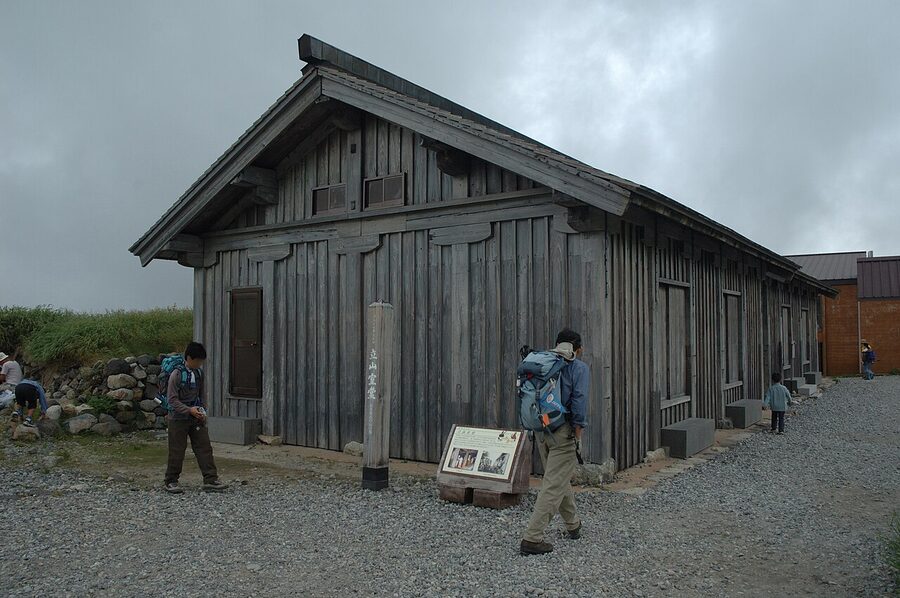
The Tateyama-Kurobe Alpine Route delivers you to 2,450m in a couple of hours of cable cars and buses from the Toyama plain. No effort required. That’s lovely and it’s also why Murodo is where day-trippers most often come unstuck — they’ve had no acclimatisation, no gradual ascent, no physiological warning. A Japanese study on sleep altitude found that around one in five people develop AMS symptoms after rapid transport to 2,500m. If you’re staying the night at Murodo (Hotel Tateyama or the Murodo Sanso hut), that ratio matters. If you’re only there for an hour and going back down, you’ll probably be fine.
Mount Norikura (3,026m) — the drivable 3,000er
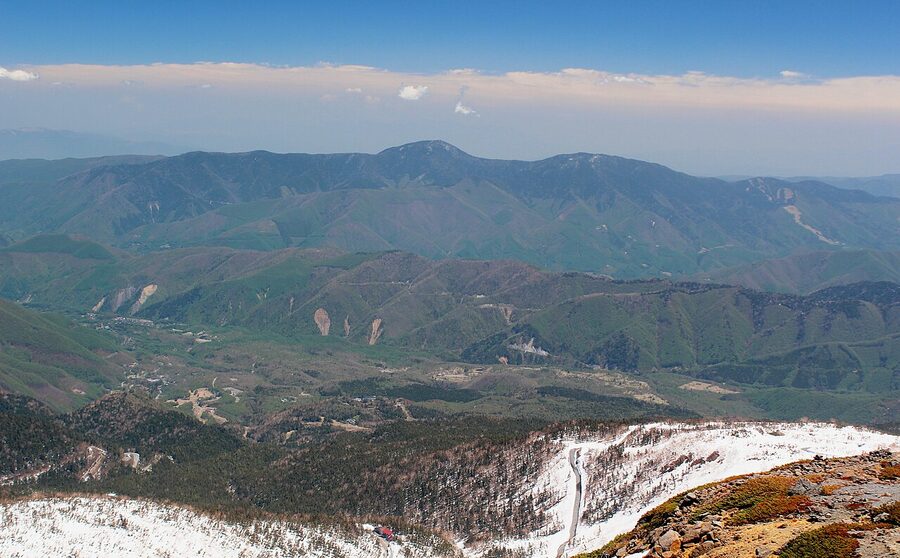
Norikura is Japan’s most accessible 3,000m peak. A bus climbs the Norikura Skyline to Tatamidaira at 2,702m, and from there you’re 40 minutes on foot to the summit at 3,026m. The trail isn’t hard. The altitude is. I’ve watched confident day-walkers get off that bus, march straight for the summit, and need to sit down halfway. If you’re doing Norikura as a day trip from Matsumoto or Takayama, give yourself a long slow pace on the climb and plan to eat lunch at the top before coming down. Not before starting up.
Yarigatake (3,180m) — the ridge with the long exposure
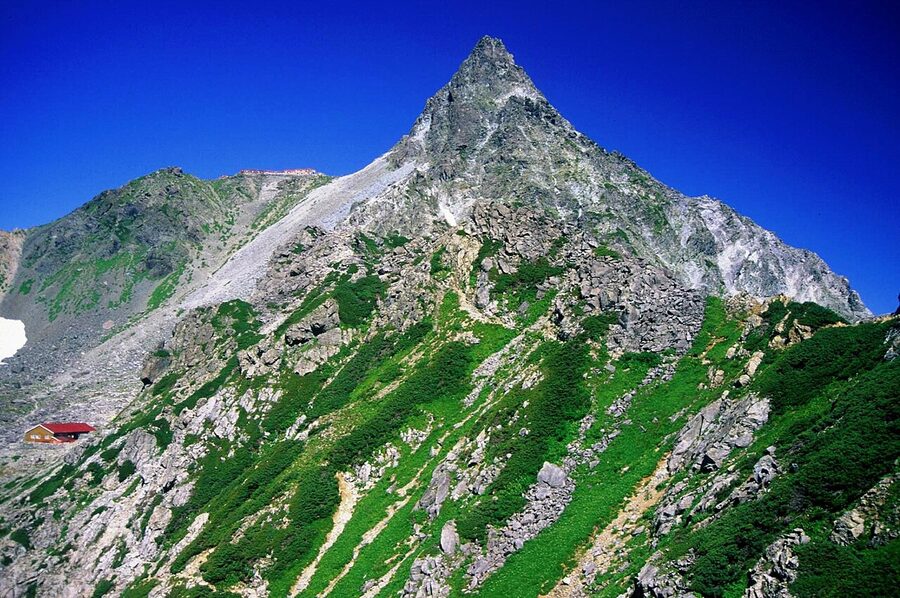
Yarigatake is the most iconic peak in the Japan Alps and also the one where I’ve seen the most people underestimate the altitude. The standard route from Kamikochi is a 2-day climb — a long first day to Yarisawa Hut at around 2,350m, then the final push to the summit at 3,180m. The hut at the base of the summit spire, Yarigatake Sanso, sits at 3,060m. You eat dinner there, you sleep there. That’s where the altitude really lands. Anyone who tells you Yari is “just a long day hike” has either never done it or has acclimatised lungs. Most of us don’t.
Kita-dake (3,193m) — the highest in the Alps
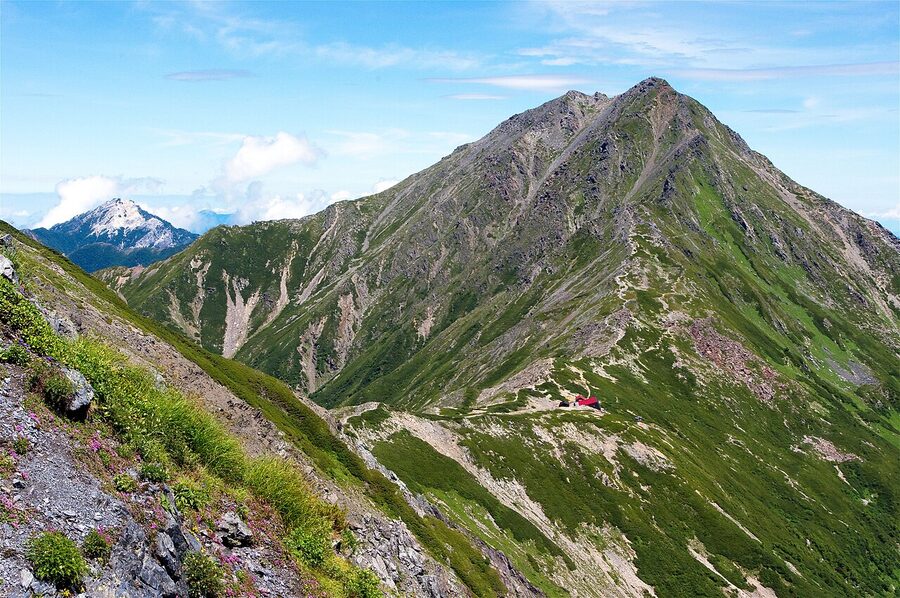
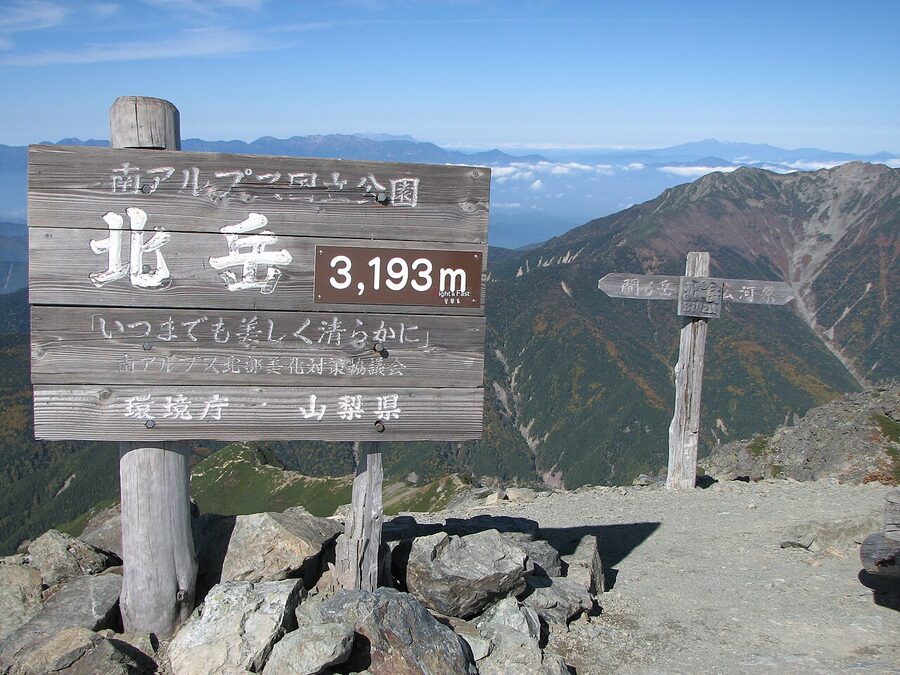
The Southern Alps is quieter than the Northern, which means fewer people and more genuine wilderness. It also means longer approaches and fewer bail-out options. The standard Kita-dake route starts at Hirogawara bus stop (1,520m), climbs through beautiful deep forest to Shirane-oike hut (2,230m), then up steep scree to Kitadake Sanso (3,000m) and on to the summit. Two nights minimum at altitude. If you’re going to get AMS anywhere in the Japan Alps, this is statistically where. Do not rush this route.
Symptoms to watch for
The honest answer is that the first signs of altitude sickness look identical to being tired, dehydrated, and a bit hungover. That’s part of why it catches people — you rationalise the headache as not enough water, the nausea as too much instant noodle, the insomnia as an uncomfortable mattress. Watch for the combination:
- Headache that ibuprofen barely dents and that’s worse when you bend over or wake up
- Nausea without a specific food trigger, sometimes with vomiting
- Dizziness when you stand up or turn your head
- Fatigue that’s disproportionate to the distance walked
- Insomnia with periodic breathing — you wake up gasping like you forgot to breathe
- Loss of appetite that’s unusual for you
Two or more of those together at or above 2,500m is AMS until proven otherwise. A friend who’s an emergency physician told me her rule of thumb: if you’d take ibuprofen and expect to be fine, it’s just a headache. If you’d skip ibuprofen because you feel too sick to swallow a pill, you’re in AMS territory. Pay attention to that distinction.
Severe red flags — and reasons to descend immediately, not tomorrow — are shortness of breath at rest, a cough that produces pink or frothy sputum, inability to walk in a straight line, and confusion. Those are HAPE and HACE. Don’t debate. Go down.
What prevention actually looks like
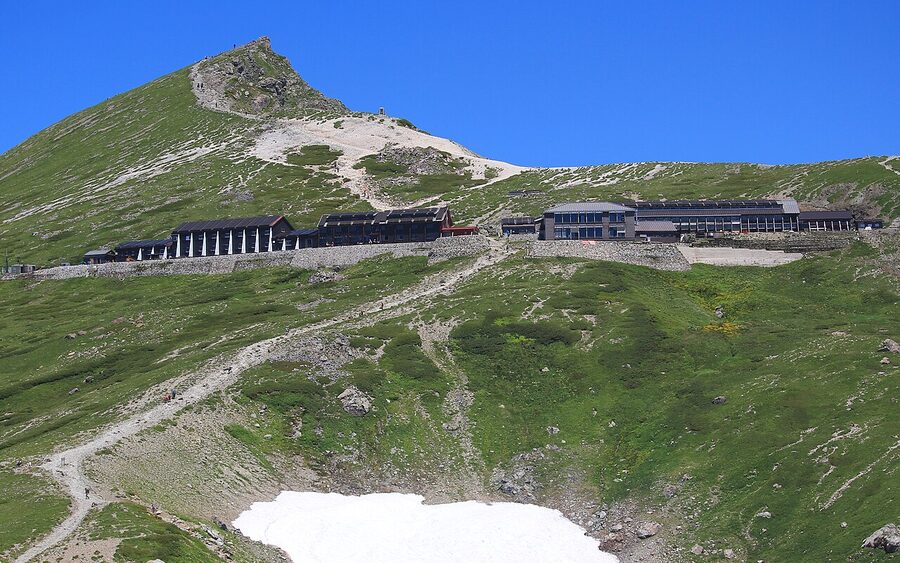
The classic wilderness medicine rule is “climb high, sleep low” and “don’t increase sleep altitude by more than 500m per night above 3,000m.” Both are good advice. But they’re designed for Himalayan expeditions, not a five-day trip to the Japan Alps. What actually works on this trip:
- Build in a buffer day. Spend your first night in the mountains somewhere around 1,500m — Kamikochi, Kurobe Dam, Hakuba village, the Shiraho area below Norikura. Not straight to a 3,000m hut.
- Pace like you’re not in a hurry. The Japanese climbers on the ridge walking slower than you probably know something you don’t. Short strides, steady breathing, regular micro-breaks.
- Drink more water than feels reasonable. Dry mountain air strips fluid quickly. Four litres per climbing day isn’t unusual.
- Skip the beer at the hut. I know, I know. The huts all sell cold Asahi and they’re brilliant. Alcohol at altitude makes AMS worse and disrupts the periodic breathing pattern you need to acclimatise in your sleep.
- Eat, even when you don’t want to. Carbs specifically. Altitude suppresses appetite right when your body needs more fuel.
- Consider Diamox (acetazolamide). Prescription-only in most countries. 125mg twice a day, starting the day before you go high, works for most people. Side effects: tingly fingers, flat-tasting beer (which, given the previous point, might be a feature). Ask your GP before you travel — it won’t be available once you’re in Japan without a Japanese doctor’s visit.
What to do when you feel it anyway
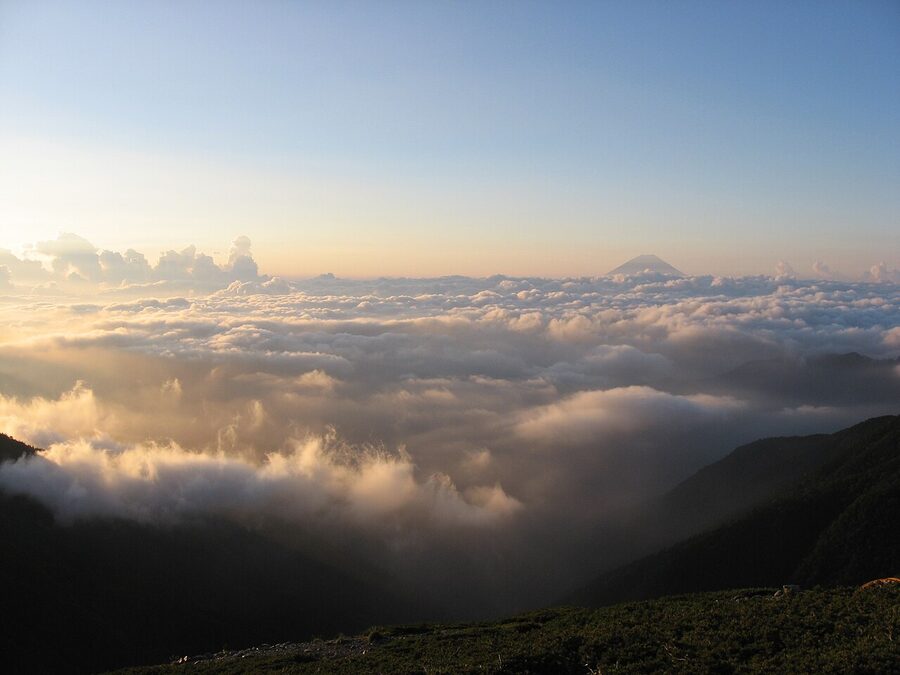
Mild AMS — headache and a bit of nausea — responds to the obvious stuff. Stop ascending. Rest. Drink. Eat a small meal. Ibuprofen for the headache, ginger or anti-nausea tablets (Nauzene, or Japan’s torihatsu motion-sickness meds from any pharmacy) if your stomach’s queasy. Give it 24 hours. If you feel better, carry on cautiously. If you feel the same or worse, go down.
Moderate to severe AMS is not a wait-and-see situation. Descend. Even 500m of descent — which in the Japan Alps usually means an hour of walking — can resolve symptoms completely. Don’t wait for morning. Don’t “see how you feel after dinner.” Mountain huts will not have a doctor on staff, and the older hut-keepers in particular tend to wave off AMS as simple tiredness. Trust your symptoms over their reassurance.
Oxygen canisters are sold at most high-altitude huts in the Japan Alps for around ¥1,500 each and at some convenience stores near trailheads. They’re small enough to buy as insurance. They’re not a treatment — they’re a short-term bridge that buys you maybe 30 minutes of relief while you descend. Don’t use them to keep climbing through symptoms.
The “bullet climbing” trap
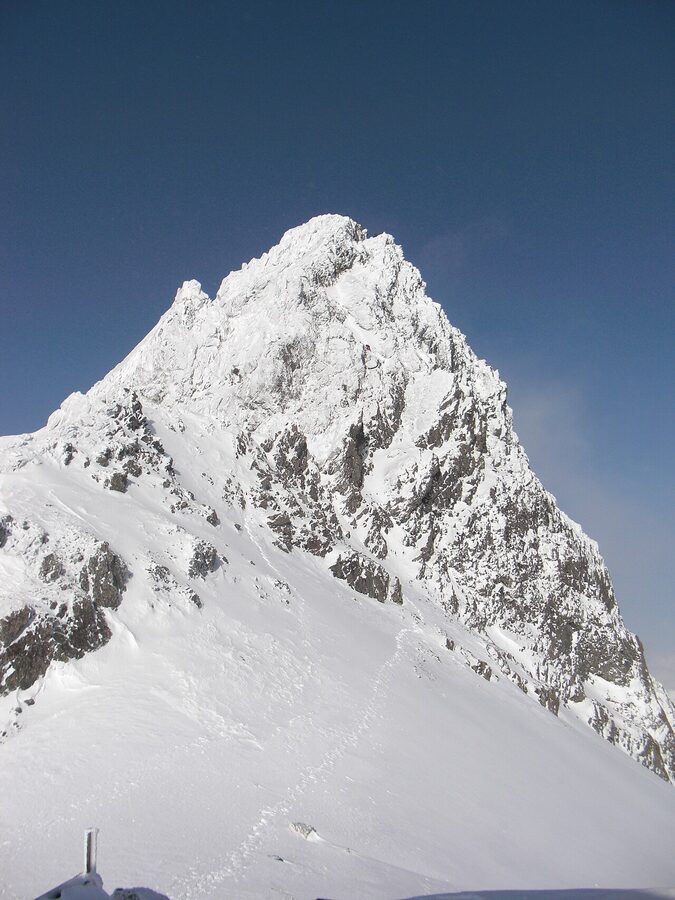
Bullet climbing — danngan tozan — is the Japanese phrase for starting an ascent in the early hours of the morning, summiting at dawn, and descending the same day without sleeping on the mountain. It’s popular because it fits into a long weekend. It’s also the most common factor in altitude-related rescues on Mt Fuji, and it causes problems in the Japan Alps too. Every major hut association in the region specifically discourages it.
The logic fails two ways. First, you’re arriving at altitude sleep-deprived, which magnifies every AMS symptom. Second, you’re going up fast without any acclimatisation, and your body has literally zero hours to adjust. On Fuji the classic story is the 2am summit push, the sickness at the top, the chaotic descent, and the rescue helicopter at the base. On Yarigatake the version I’ve seen is people trying to do Kamikochi to summit and back in a single 16-hour day, and hitting the wall at the hut with no energy left to make safe decisions. If you only have two days, pick a shorter mountain. Don’t bullet climb a 3,000er.
Mountain huts, and why they’re your acclimatisation friend
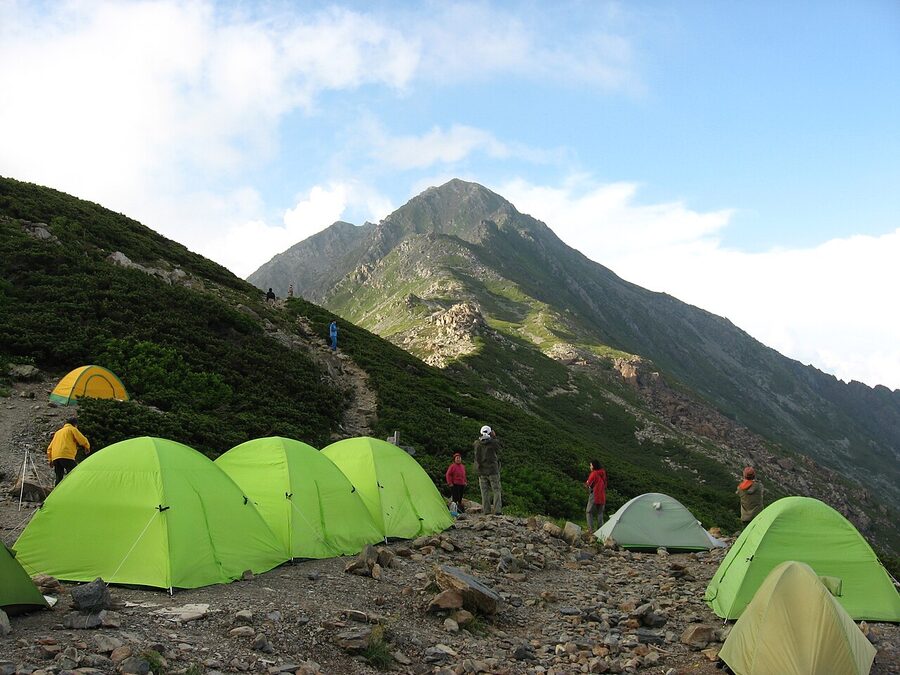
The Japan Alps hut system — sanso or yamagoya — is unusually good. Most huts have hot meals, futons, and somewhere dry to sleep. The big ones (Yarigatake Sanso, Kitadake Sanso, Hakuba Sanso, Tateyama Hotel, Hotakadake Sanso) sleep 150+ people and open from late June to mid-October. Rates are typically ¥13,000 to ¥15,000 per person with dinner and breakfast — expensive for Japan but cheap compared to the same service in the European Alps.
From an altitude standpoint, the huts are the tool that turns a hard trip into a safe one. An extra night at an intermediate hut — adding, say, a night at Yarisawa Hut (2,350m) before the final push to Yarigatake Sanso (3,060m) — is the single biggest prevention lever you have. Reserve them. Most huts in the Japan Alps now require reservations, which changed after 2020. You can book directly through each hut’s website (Yarigatake Sanso at yarigatake.co.jp, Kitadake Sanso at kitadake-sansou.com) or through the Yarigatake hut network. Most have simple English booking forms. If you just show up without a reservation and the hut is full, you’re sleeping outside at 3,000m, which is exactly the scenario altitude sickness hates.
Rescue, insurance, and what it costs if it goes wrong
Japan’s mountain rescue system is organised through the local police. The national emergency number is 110 for police (119 is ambulance — use it too if you need medical advice immediately). Above 1,500m you’ll have patchy phone signal on the main ridges but surprisingly reliable coverage on summits and at huts. Docomo has the best mountain coverage; Softbank and KDDI are weaker. If you can’t get through to 110, the hut-keeper will have a radio link to the ground station.
Prefectural police rescue (by ground team, not helicopter) is free. Helicopter rescue by the prefectural fire service in Nagano, Toyama, or Gifu is currently still free for the patient — this is unusual globally, and there’s been ongoing debate about charging for it, particularly for non-residents and preventable cases. Private helicopter rescue, which sometimes picks up where prefectural capacity is saturated, costs around ¥500,000 to ¥700,000 per flight. That bill will land on you, and Japan does not write it off for foreigners.
Travel insurance is non-negotiable for this trip. Standard travel insurance doesn’t automatically cover hiking above 2,500m — you need an adventure or trekking add-on. World Nomads, SafetyWing, and Japan’s Sompo JTB all offer Japan-specific hiking cover. Read the altitude exclusion carefully. A policy that excludes hiking “above 3,000m” means Kita-dake, Yarigatake, Okuhotakadake, Norikura and half of Tateyama are uncovered. That’s most of the good stuff. Get a policy that covers up to 4,000m; it costs almost nothing more.
So should you still go?
Yes. The Japan Alps are one of the great mountain regions on earth, the cities at their feet (Matsumoto, Takayama, Hida, Omachi, Toyama, Azumino and Shiojiri) are some of the best travel in Japan, and altitude sickness is a manageable problem, not a disqualifying one. Build the time in. Sleep low the first night. Walk slow on the ridge. Book your huts. Skip the beer until you’re back below 2,000m.
If you’re planning a route and want to know which routes work best across multiple days at altitude, my itineraries cover the 5-day, 7-day and 10-day loops that most travellers actually do. If you’re not sure how to get in and out of the region, the access guide has the Shinkansen and bus connections — with times — from Tokyo, Kyoto and Osaka. And if you’re still undecided about whether the Japan Alps are for you, have a look at the about page for what this site is and isn’t.

.jpg)


.jpg)


