
Otari is not Hakuba. That’s the first thing to understand about it. If you’ve flown to Japan specifically to ski or hike the famous Hakuba Valley resorts, some of that description will be technically true of Otari too — it’s on the same valley system, part of the same Hakuba Valley lift pass, administratively a separate village 30 minutes north. But the experience is materially different. There’s no après-ski scene. There are two restaurants. Most of the snow-season tourist infrastructure is locked to the Japanese-domestic market. And the powder — when the wind deposits it on the Otari side of the ridge — is the deepest reliable snow in the valley. Otari is Hakuba’s quieter, deeper, less-English neighbour. If you want everything you came to Hakuba for minus the crowds, this is where to go.
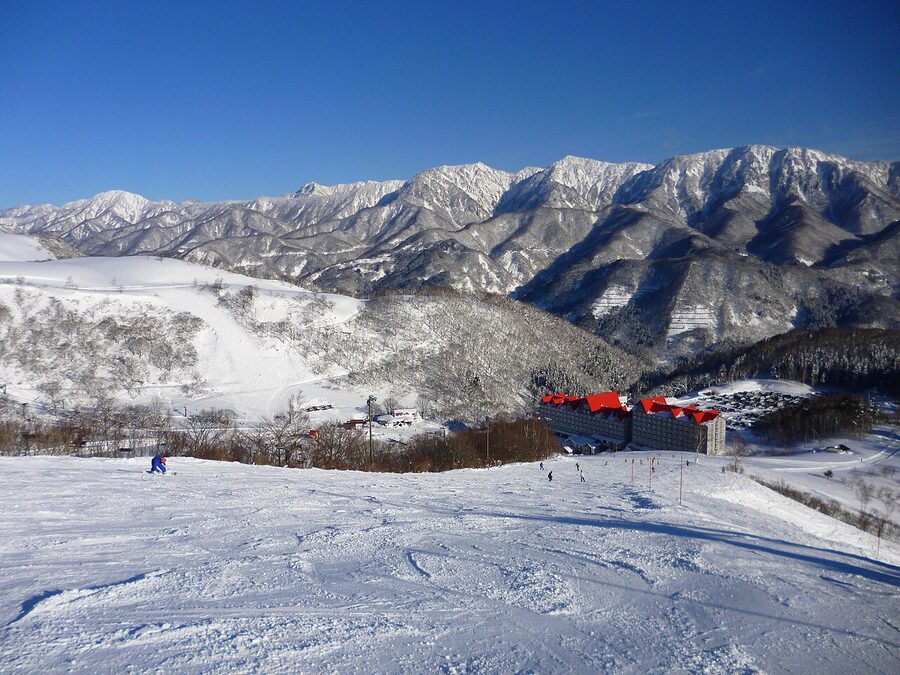
Otari Village (小谷村, population 2,700) sits between Hakuba to the south and the Niigata border to the north, with Route 148 running through the middle and the JR Oito Line parallel to it. Two ski resorts (Cortina, Tsugaike Kogen via the Otari-side gondola, and the smaller Norikura Onsen), one surviving Salt Road post town (Chikuni), three old onsen villages (Kotani, Yamada, Jigatake), and roughly 800 km² of forested mountain. You come here specifically for deep snow, hiking access to the Shirouma ridge from the north, or traditional onsen away from the international crowds.
In This Article
Cortina — the deep-snow resort
Hakuba Cortina is what most first-time Otari visitors come for. It’s the most-northern of the Hakuba Valley resorts, sitting at the head of a bowl that catches the bulk of the westerly winter storms. The result is significantly more snow than the more southerly resorts — reliably 11-14m annually at the top, occasional winters hitting 18m. The tree skiing (juhyo, “snow monsters”) in the back bowls is routinely described as the best in Japan by skiers who’ve done both Hakuba and Hokkaido.
The resort is 11 lifts, 16 runs, 1,000m vertical. Terrain-wise it’s a mix of intermediate mostly-groomed runs and advanced tree-skiing zones; there are no true beginner slopes worth mentioning (stick with Tsugaike Kogen next door if you’re learning). The iconic base-building is the Hotel Green Plaza Hakuba, an Italian-ski-lodge-styled complex that doubles as the resort lobby, cafe, onsen, and accommodation hub — unmistakably 1990s design that has aged surprisingly well.
Lift ticket: ¥7,500 day, or covered by the Hakuba Valley pass (¥7,500 day / ¥40,000 for 5 days). Open late December to late March. Cortina is in the Hakuba Valley lift-pass system, but the shuttle buses from central Hakuba to Cortina run less frequently than the inter-resort shuttles to Happo-one and Goryu — allow 40-50 minutes one-way, plus waiting time. A car, or overnight stay at Green Plaza, helps.
Tsugaike Kogen (Otari side)
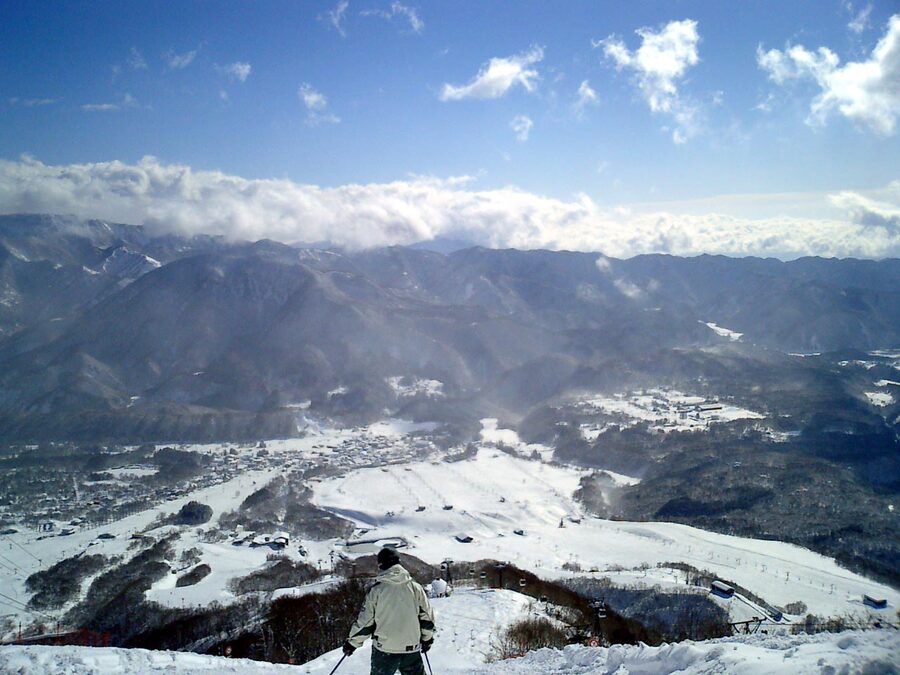
Tsugaike Kogen is the other main Otari-side resort — and the best beginner resort in the whole Hakuba Valley. Wide, gentle lower slopes, long easy runs, a proper ski school with English instructors. The upper bowl (reached by gondola + ropeway) is intermediate-to-advanced terrain with substantial off-piste potential, especially in the trees along the Tsugaike-ike flat lake.
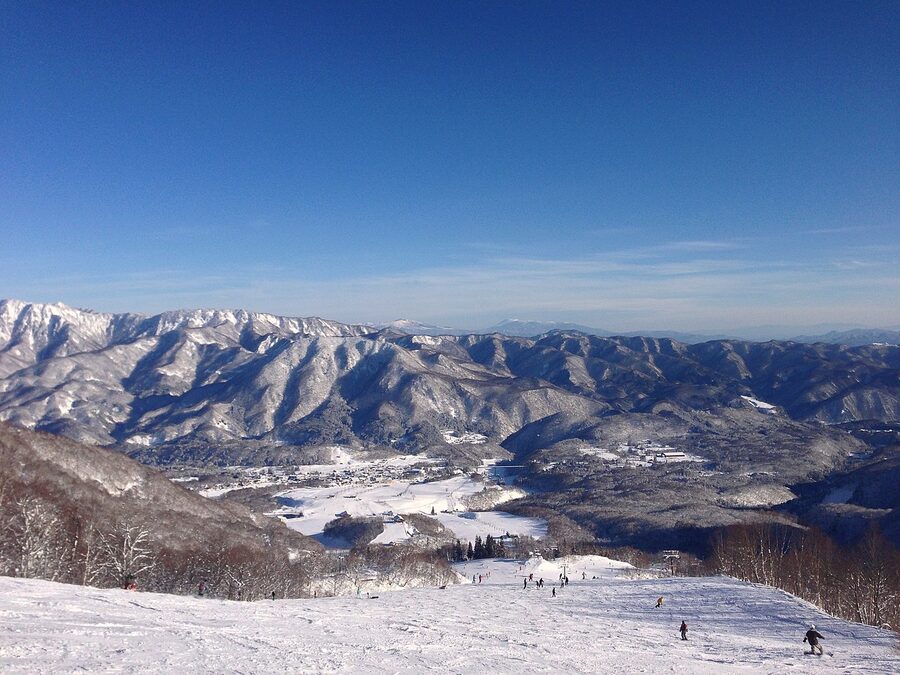
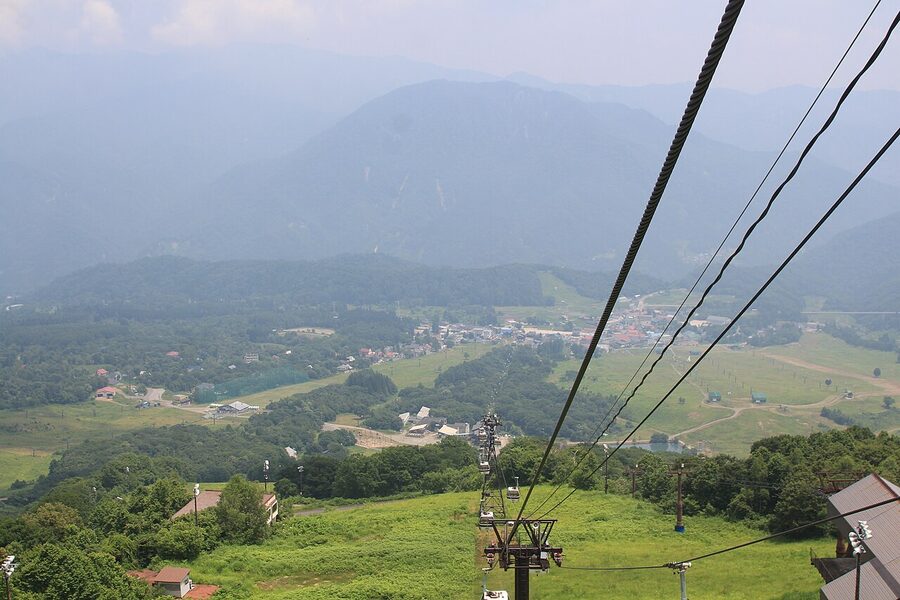
The Tsugaike system has been heavily modernised 2018-2024 — new gondola, new ropeway, new cafe at the summit station. It’s the Hakuba Valley resort most obviously catering to the international family market.
Tsugaike Nature Park — summer
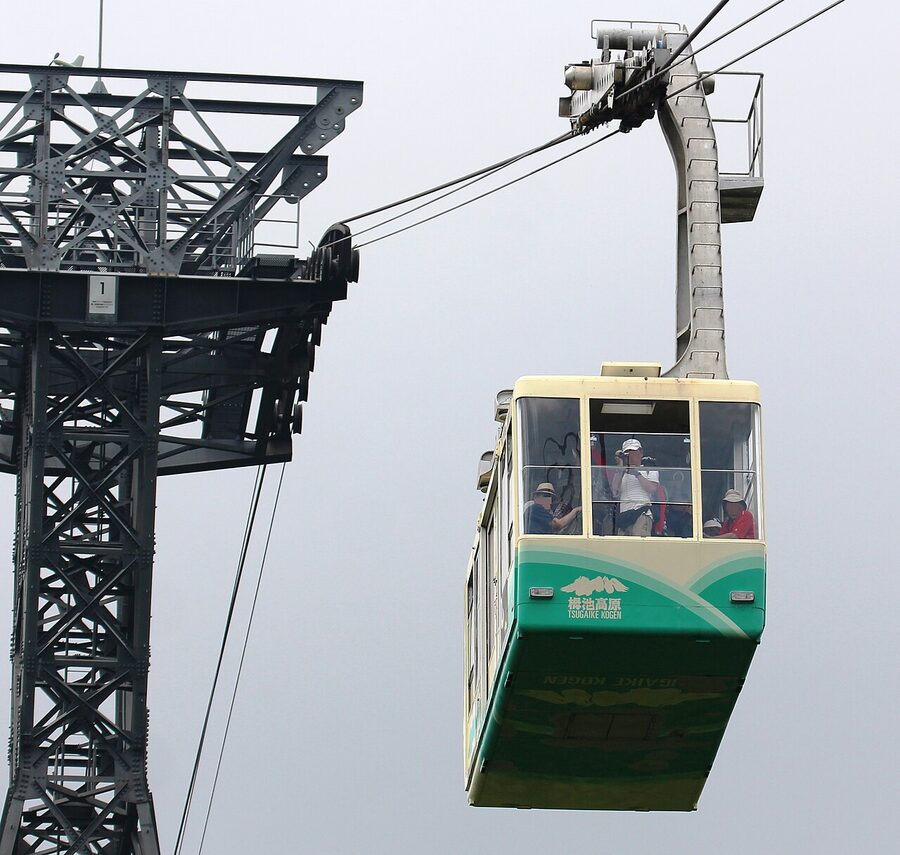
In summer, the Tsugaike gondola + ropeway becomes an access route to Tsugaike Shizen-en (Natural Park), a 100-hectare alpine wetland at 1,900m with a well-maintained boardwalk loop (5.5km, 2-3 hours, flat). Cottongrass, nikko-kisuge lilies, alpine azaleas; a rare mid-altitude wetland ecosystem. ¥3,700 for the combined gondola-ropeway-park ticket. Late June through September.
The park is also the start of the northern approach to the Shirouma ridge — the Shirouma-oike route from Shizen-en is less-travelled than the Sarukura route from Hakuba, and a good choice for experienced hikers wanting to avoid the big Shirouma crowds. Allow 5-6 hours one-way to Shirouma-dake Sanso (the hut at 2,832m); proper gear and altitude acclimatisation required (see the altitude sickness guide).
Chikuni-shuku — the Salt Road survivor
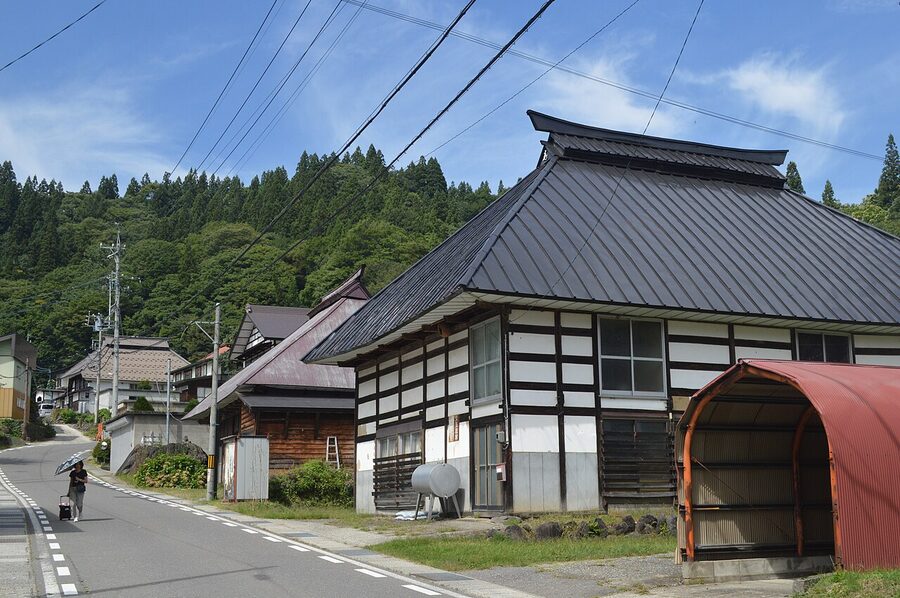
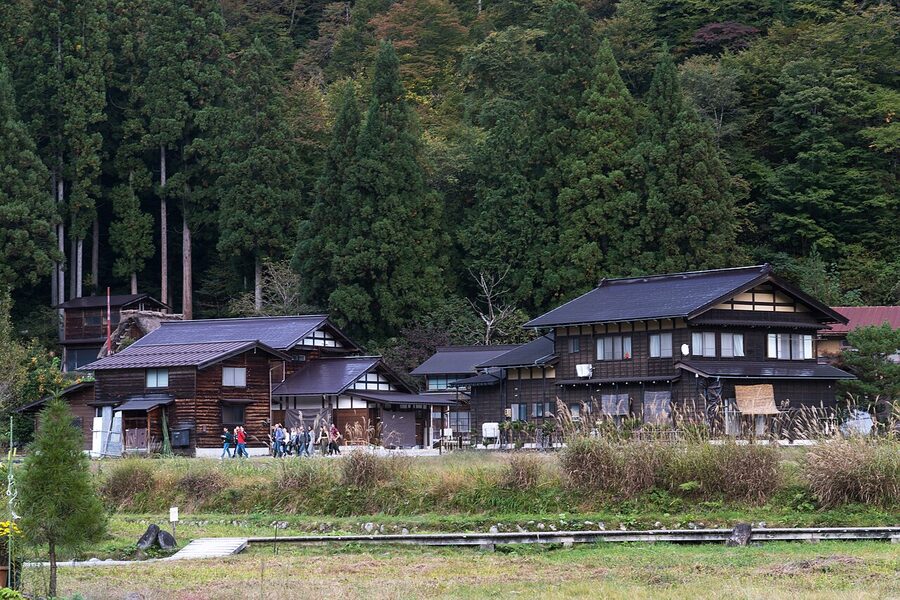
Otari’s single most interesting historic site is Chikuni-shuku, a surviving post town on the Shio no Michi (Salt Road) — the centuries-old pack route that carried sea salt from the Itoigawa coast on the Sea of Japan inland to landlocked Matsumoto and beyond. This is the same route mentioned in the Omachi guide, but Chikuni is the post town nobody writes about.
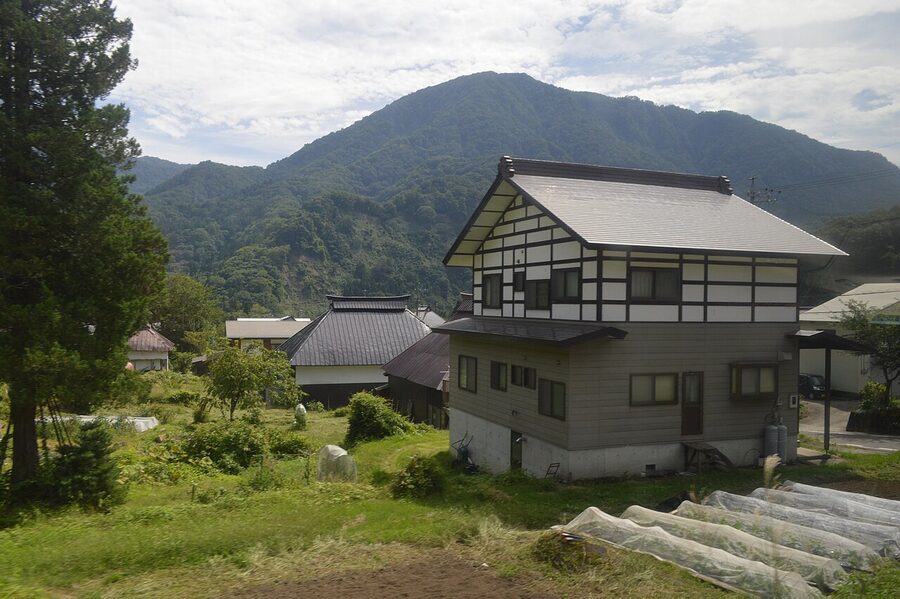
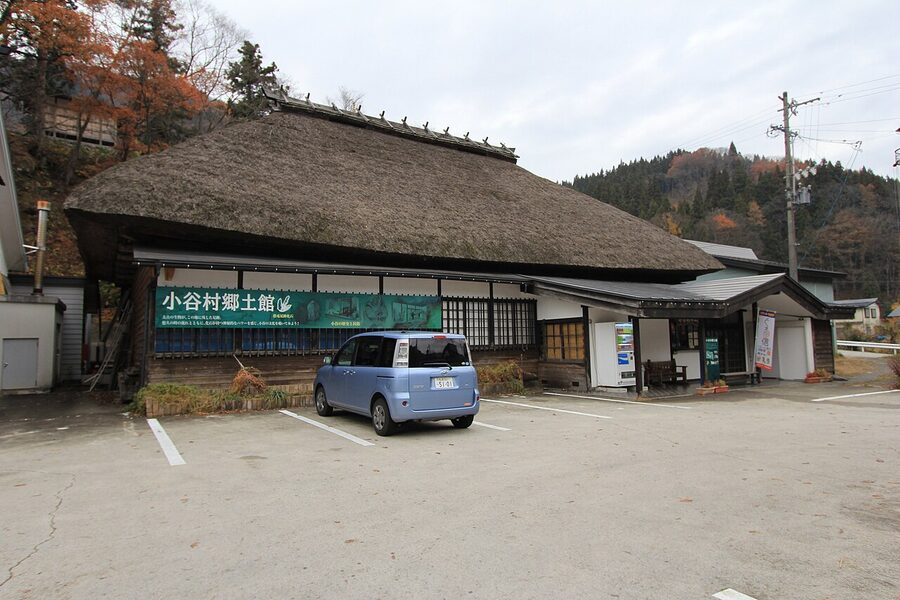
About 15 buildings along a 600m stretch survive more or less intact. No English signage. No dedicated tourist office. No paid museums. The houses are lived-in. The one small folk-life museum (Chikuni Salt Road Museum) is Japanese-language only, ¥300, open 9:00-16:00 May to October, closed in winter.
Go for 45 minutes. Walk the street. Take photos. Read the single English-language interpretive board near the north entrance. Leave. It’s the kind of quiet, unpackaged heritage experience you won’t find in Narai or Tsumago because those have been too thoroughly tourist-ified. Chikuni is an actual rural Japanese village that happens to have Edo-period bones.
The three Otari onsen
Otari has three traditional onsen villages, all of which will be entirely new to 99% of international visitors:
- Kotani Onsen — the village onsen, right next to the Otari Village Hall. Two public bathhouses: Kotani-Yu (¥450) and Yamada-no-Yu (¥500). Small, local, the minshuku-bath experience. Water is sodium-chloride alkaline, tsuyo feeling.
- Kurashige Onsen — 15 minutes north by car. Older traditional ryokan (Kurashige Onsen Ryokan) with an attached day-bath for non-guests (¥600). The outdoor bath (rotenburo) at Kurashige is notable — set in forest, overlooking a small waterfall.
- Yamanoyu Onsen — way up in the hills above Cortina, only open in ski season. Access by minshuku shuttle only if you’re staying at Cortina or have a car with snow tyres. Worth the detour for the snow-bath experience.
None of the Otari onsen has international-traveller infrastructure; they’re small, local, and cash-only. English is minimal. Tattoos will generally be tolerated if covered. The water quality is genuinely exceptional — the iron/sodium balance is distinctive to the area.
The food situation
Realistic expectation: Otari has maybe half a dozen standalone restaurants, most only open for dinner, mostly Japanese-language menus. The village food scene is limited. Your meals will mostly happen at your ryokan or minshuku (half-board is normal) or at the resort restaurants.
- Hakuba Cortina base restaurant — decent ski-lodge meal, ¥1,500-2,500. Lunch and dinner during ski season.
- Tsugaike ropeway summit cafe — new 2022 cafe with reasonable coffee + pastry at 1,900m. Lunch only, summer operational.
- Ryokan dinners — this is where most of your real Otari food experience happens. Typical half-board ryokan dinner: local mountain vegetables (sansai), grilled river fish (iwana or yamame), a kaga-style beef stew, pickles, rice, miso soup. ¥2,000-5,000 value depending on the ryokan tier.
If you’re coming to Otari specifically for food, don’t. It’s a skiing and quiet-landscape destination, not a food one. For food-forward travel in the region, Matsumoto and Takayama are the better bases.
Where to stay
Four main accommodation areas:
- Cortina base: Hotel Green Plaza Hakuba (¥18,000-28,000 per person with two meals, ski-in/ski-out), Hakuba Cortina Ryokan Chibiya (¥14,000 with meals). This is where most international skiers end up.
- Tsugaike base: Tsugaike Sanso (¥12,000-16,000 with meals), plus a cluster of family-run minshuku at ¥8,000-10,000 with meals. Best-value skiing base.
- Kotani Onsen village: Otariso Ryokan (¥14,000 with meals, traditional ryokan experience). More for summer hiking or cultural visitors than skiers.
- Chikuni-shuku: one minshuku (Tsuchiya) operates in the preserved post town, ¥9,000 with meals. Niche but wonderful if you’re into the Salt Road story.
Book via Booking.com for the larger properties; minshuku and the Otariso-level places often require direct reservations by phone through the Otari tourist office.
Getting to Otari
- From Hakuba: JR Oito Line local train 15 minutes to Chikuni or 20 minutes to Minami-Otari (¥240-330). The main village-centre access is Chikuni station for Cortina, Minami-Otari for Tsugaike.
- From Nagano: Alpico Bus direct to Cortina in ski season only (2h, ¥3,500, 2 services daily December-March).
- From Matsumoto: JR Oito Line via Hakuba, total 2h, ¥1,320.
- By car: Route 148 north from Hakuba, 30 minutes. In winter carry chains — the road is narrow, gets proper snow, and the police do check.
When to come
- Ski season (mid-December to late March): the main reason most international visitors come. January and February are the deep-snow weeks; late December and early March are value weeks.
- Summer (late June to early September): Tsugaike Nature Park, Shirouma-oike hiking route, Chikuni-shuku in mild weather. Very quiet.
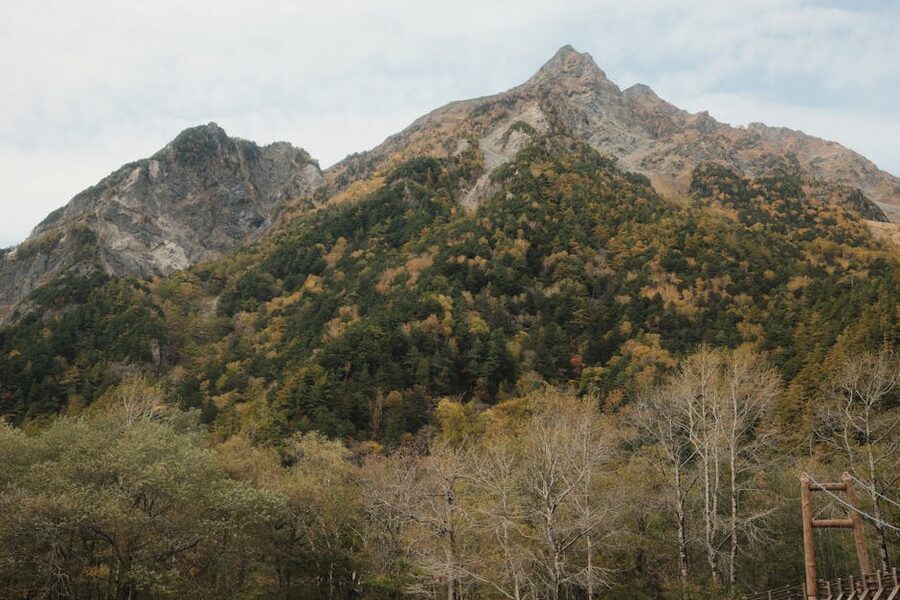
- Autumn (late September to late October): Cortina’s autumn colour is among the best in the valley; the village around Chikuni is also notably quiet and photogenic.
- Shoulder seasons (April-May, November): most things closed. Avoid unless you have a specific reason.
Otari is usually a 2-3 night add to a Hakuba trip rather than a standalone destination; the Cortina powder and the Shizen-en boardwalk are the draws. For planning the larger trip, see the Hakuba guide, the access guide, and the itineraries hub.
.jpg)


.jpg)
.jpg)
