
“Dinner is at six, breakfast at seven,” the ryokan keeper said, walking me to my room down a corridor where every footstep creaked on 180-year-old cedar planks. “In between, the village belongs to whoever is still here.” She was right. By 4:45pm the last coach from Matsumoto had left Narai-juku; by 5pm the day-trippers were all gone; by 5:30pm the lanterns down the 1km of preserved Edo street started lighting, one after the other, in a slow sequence that seemed to be following no schedule I could see. That hour — between the day-trippers leaving and dinner opening — is the reason people stay the night here. This guide is the case for doing that, plus everything else Narai-juku asks of a visitor.
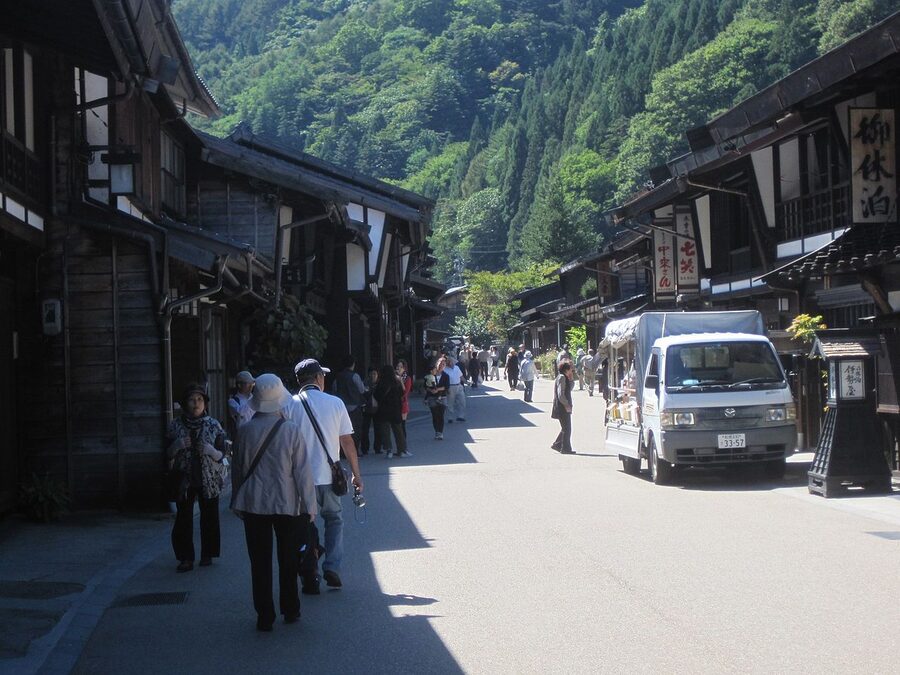
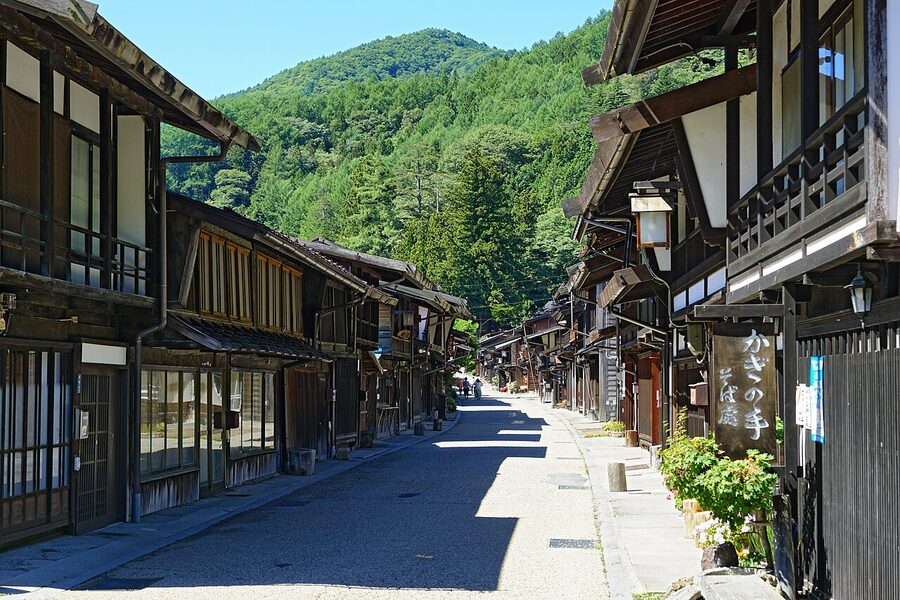
Narai-juku sits in a narrow valley at 900m altitude on what was once the Nakasendo, the mountain highway between Edo (Tokyo) and Kyoto in use from 1603 to 1872. It was the 34th of 69 post stations on the route and sat at the foot of the Torii Pass, the highest point on the road; travellers routinely stopped here to rest before the climb. The modern village is administratively part of Shiojiri City, half an hour south by local train. One kilometre of preserved Edo-period street. Forty-one original buildings. Nobody’s demolished anything that mattered since the Meiji railway killed the road in 1909.
In This Article
Why Narai is the best of the Kiso Road post towns
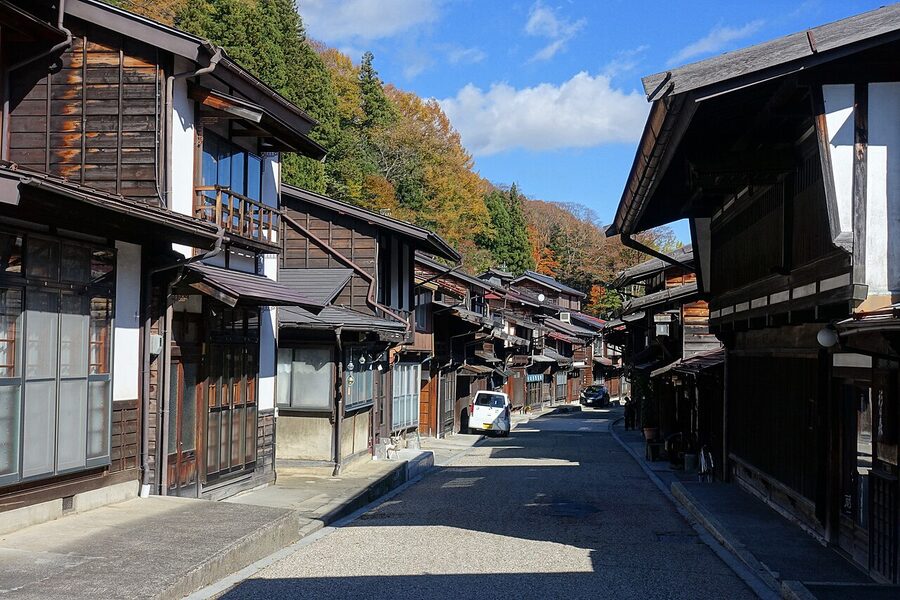
Three of the original 11 Kiso Road post towns are well-preserved today: Magome, Tsumago, and Narai. If you’ve walked the Magome-Tsumago section south of here and are wondering whether Narai adds anything, the answer is yes — and it adds more than the other two combined, for three specific reasons.
- It’s longer. Narai is the longest preserved post-town street in Japan at almost exactly 1km. Magome is ~400m, Tsumago ~500m.
- It’s higher. Narai sits at 900m in a valley with pine and cedar slopes on both sides. The other two are at 400-600m. The mountain feel is different.
- It’s less managed. Magome and Tsumago have heavy day-tourist flow from the Nagoya direction; Narai is quieter because it’s north of the Kiso Valley’s tourism loop. You will have stretches of the street with genuinely no other people, even in the middle of the day in autumn.
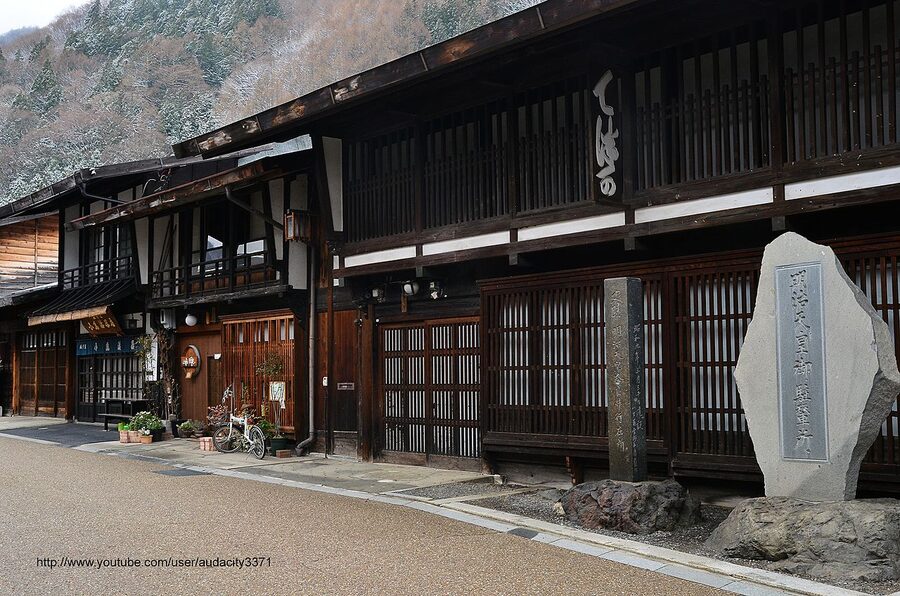
Narai was designated a national heritage preservation zone in 1978, relatively early; the result is the strictest building-modification rules of any Kiso post town. No vending machines visible on the main street. No neon. No chain-store signage. Even the 7-Eleven is hidden two blocks off the main drag with a muted earth-coloured sign.
Walking the village
The main street runs roughly north-south. Walking it at a normal pace is a 15-minute stroll. Walking it the way it should be walked — stopping at shops, reading the history plaques (in English, thankfully), photographing the wooden lattice screens in different light — is two hours minimum. Do it twice, once each direction, because the light hits each side of the buildings differently.
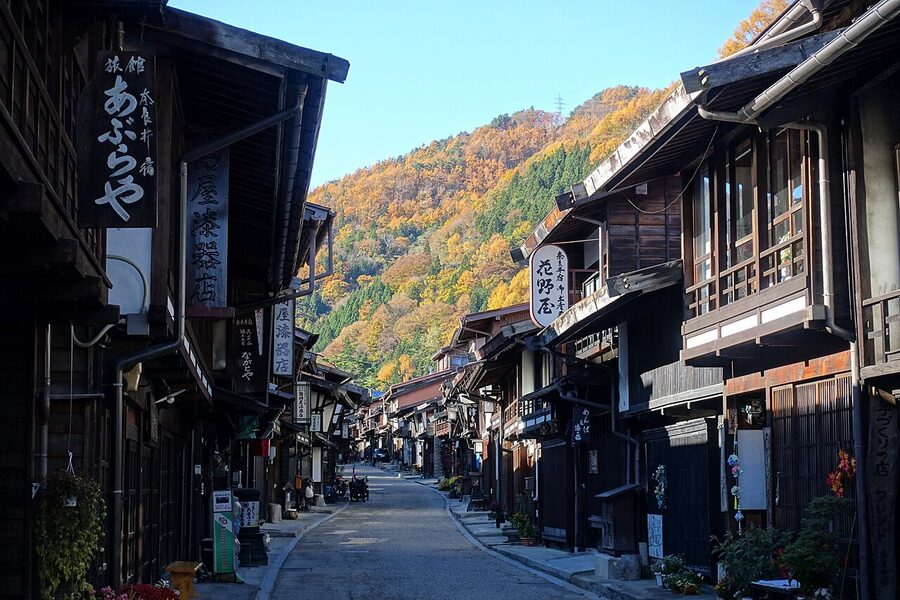
Key stops along the street, roughly north to south:
- Nakamura House (Nakamura-tei) — original 1830s merchant house preserved as a museum. ¥300 entry. Shows the comb-making business that made the family wealthy (Narai was famous for wooden combs and lacquerware). Allow 30 minutes. Great interior detailing.
- Kamidonya Shiryokan — the former village headman’s (head-of-post-town) house, ¥300, with records and original artefacts from the Nakasendo period. Smaller than Nakamura-tei but historically specific.
- Echigoya and Iseya — both still operating as ryokan (see accommodation below). Even if you’re not staying, the facades and the interior you can see from the street are Edo-period preserved.
- Lacquerware shops — Narai’s commercial specialty is still Kiso lacquer (Kiso-shikki), of which the most recognisable is shunkei-nuri, semi-transparent amber that lets the wood grain show through. Small pieces ¥4,000-6,000; proper tea caddies ¥8,000+. The real workshop is 2km north at Kiso-Hirasawa (see below) but the retail presence is strong on Narai’s main street.
- Shizume Shrine at the southern end — small Shinto shrine dating to 1355, dedicated to safe travel. Post-town travellers would stop here for a blessing before attempting the Torii Pass. Free to visit.
The 200 Jizo and the sad bit of history
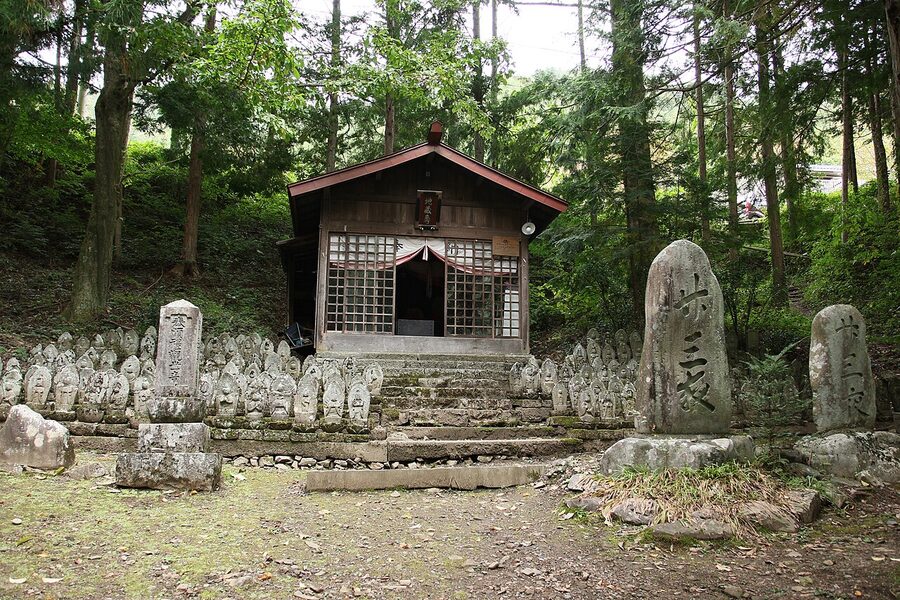
At the northern edge of the village, a short walk past the last house, sits Nihyaku Jizo — 200 small stone statues of Jizo, the Buddhist protector deity of children and travellers. Each has a red-cloth bib, replaced every few years by the village. The collection was assembled gradually during the Edo period, mostly memorialising children who died in the village’s high-altitude winters (Narai sits at 900m and temperatures drop to -15°C in January; infant mortality was high until the 20th century) and travellers who never made it over the Torii Pass. It’s free to visit and it’s one of the most quietly affecting spots in any preserved post town I’ve been to. Ten minutes with a bow at the end feels right.
The Torii Pass walk
The original Nakasendo trail still runs over the Torii Pass from Narai to Yabuhara, the next village to the south. It’s the single most-walked piece of historic Nakasendo in central Japan. The trail surface is mostly the original Edo paving stones, with stretches through cedar forest planted by the Tokugawa-era authorities specifically to shade the road. The climb is 300 vertical metres over 3km to the 1,197m pass, then 3km of descent to Yabuhara on the southern side.
Practical details:
- Distance: 6km one-way, 2-3 hours at a moderate pace.
- Return: from Yabuhara JR Station, local Chuo Line train back to Narai, 5 minutes, ¥200.
- Season: May to October. Closed by snow December through April. Best colour is mid-October.
- Difficulty: moderate — the climb is sustained but not steep; the descent is gravel path with a few rocky sections.
- At the pass: a small Torii shrine and sometimes an open tea-hut serving green tea and pickled plum. Hours unpredictable; assume it’s shut.
- What to bring: water (1 litre minimum), snack, rain shell (this is a mountain and weather changes), good walking shoes (not essential to be boots, but proper lugged soles help on the paving stones when wet).
If you only have half a day in Narai, I’d choose the Torii Pass walk over a second street-walk. You get both the history (original Edo paving stones, cedar shade avenues) and the full Japanese Alps foothill landscape the village sits in. If you have a full day, do the village in the morning, the pass in the afternoon.
Kiso-Hirasawa — the lacquerware village next door
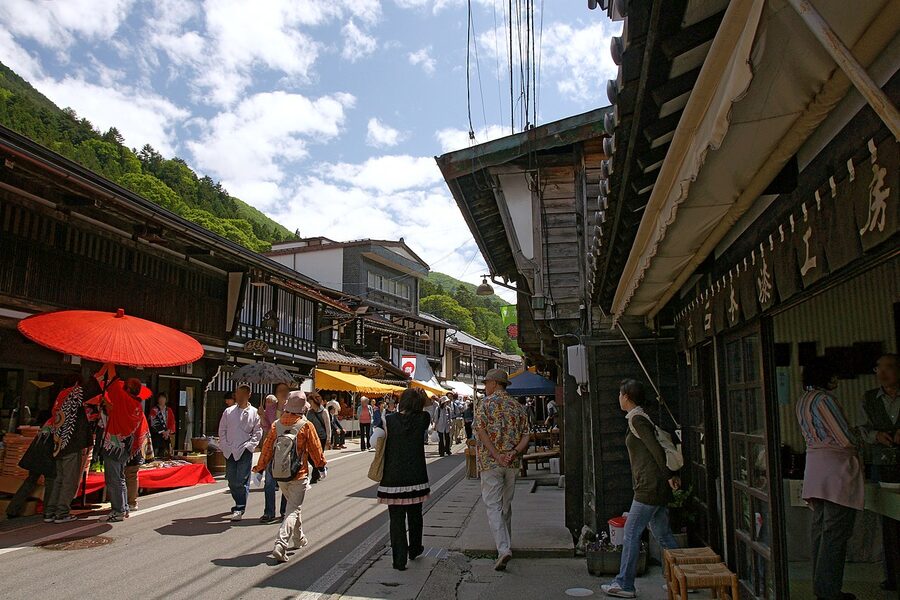
Two kilometres north of Narai — one stop on the JR Chuo Line, or a pleasant 30-minute walk along the Narai River — is Kiso-Hirasawa, a smaller village that’s the centre of the centuries-old Kiso lacquerware trade. About 50 lacquer workshops still operate here. The village itself is less touristed than Narai and the prices are lower for the same-quality craft, because this is the workshop village rather than the retail one.
The Kiso-Hirasawa Lacquerware Festival (first weekend of June) is when most workshops open their doors and you can watch lacquer being applied in real time — about 40 thin coats over six weeks for proper shunkei-nuri. Outside the festival, most are open by prior appointment; the tourist office in Narai can arrange a workshop visit for you in 10 minutes of phone calls.
Where to stay — the whole point
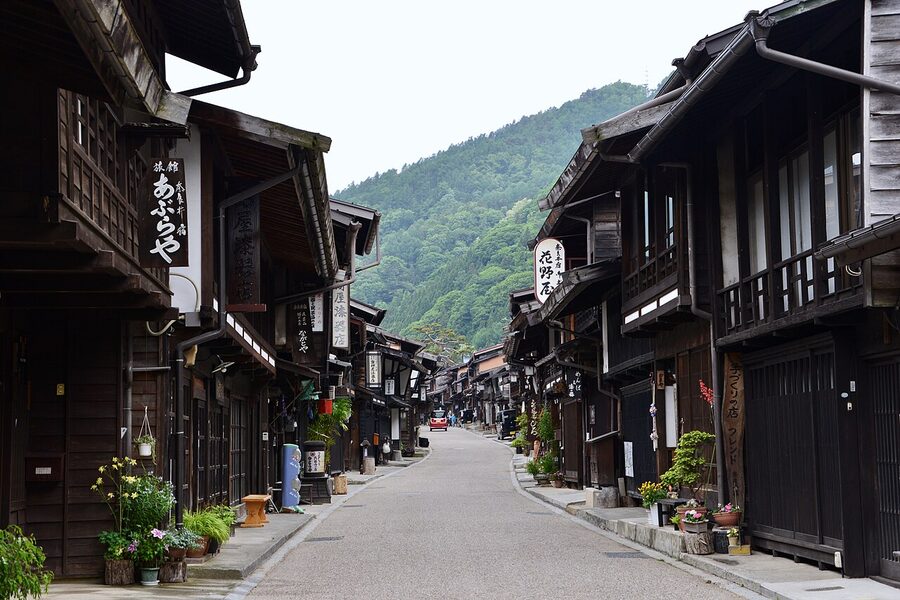
Eight ryokan (traditional inns) currently operate inside the preserved district. A few more sit just outside. Unlike Kyoto or Takayama ryokan, these are genuinely historic buildings operating as inns for overnight visitors — nobody has renovated them into boutique properties; the floors creak, the walls are thin, the baths are shared. This is the point.
- Iseya — ¥18,000-22,000 per person with dinner and breakfast. Original 1818 building, five rooms, cypress bath on well water. The most-booked and the one most travellers want. Three-month lead time minimum for spring and autumn.
- Echigoya — ¥14,000-16,000. Also 19th-century, a few rooms smaller than Iseya, equally atmospheric. Half-board only.
- Matsuya — ¥13,000-15,000. Family-run, simpler meals, slightly newer building (c. 1880). Good option if Iseya and Echigoya are booked.
- Nakamura-tei (the museum above also offers guest accommodation) — ¥18,000. The experience of sleeping in a late-Edo merchant house.
Booking is mostly direct by phone or through the Shiojiri Tourist Office — very few show up on Booking.com or Agoda. Call during office hours (09:00-17:00 JST) or use the tourist office to phone for you. A three-month lead is comfortable for weekends; six months for the first two weeks of October (autumn colour weekends).
What a night looks like: arrive between 14:00 and 16:00, check in, wander the village while it’s still busy with day-trippers, return for dinner at 17:30 or 18:00. Dinner is a full regional kaiseki — mountain vegetables, grilled river trout (iwana), a soba course, pickles, rice. After dinner, walk the street with lanterns lit. Bath before bed. Breakfast at 07:00: grilled salmon, miso soup, rice, pickles, tea. Check out around 10:00.
Food in Narai
Narai has four daytime restaurants, all open roughly 11:00-15:00, all closing well before dinner. Evenings, dinner happens at your ryokan or it doesn’t happen. This is a feature, not a bug — it’s why the village is quiet at night.
- Soba Isoya — handmade ten-wari soba (100% buckwheat, no wheat) using locally-grown Shinshu buckwheat. ¥1,100 for cold zaru soba with a small side of sansai tempura. Lunch only; queue at noon.
- Donguri Bakery — opens at 07:00, closes at 16:00. Fresh bread, apple tart, bean-paste bun. Best breakfast in the village for non-ryokan guests. ¥300-600 items.
- Matsuya Chaten — tea room with matcha sets and wagashi. ¥900 for the tea-and-sweet set. Sit on the engawa (wooden veranda) facing the street.
- Tawaraya Gohei-mochi — not a restaurant but a stall doing flat skewers of pounded rice grilled with miso-walnut paste. ¥250 each, eat them standing outside.
Getting to Narai
From Matsumoto: JR Chuo Line local train direct to JR Narai Station, 30 minutes, ¥770 one-way. Trains roughly every 60-90 minutes. The station is 100m from the southern end of the preserved street.
From Tokyo: Azusa Limited Express from Shinjuku to Matsumoto (2h 40m, ¥6,700), then the Chuo Line connection to Narai (30 min). Total roughly 3h 30m, around ¥7,500. Or via Nagoya: Shinkansen to Nagoya (1h 40m), Shinano Limited Express to Shiojiri (1h 50m), local Chuo Line to Narai (15 min from Shiojiri). Similar time, similar price.
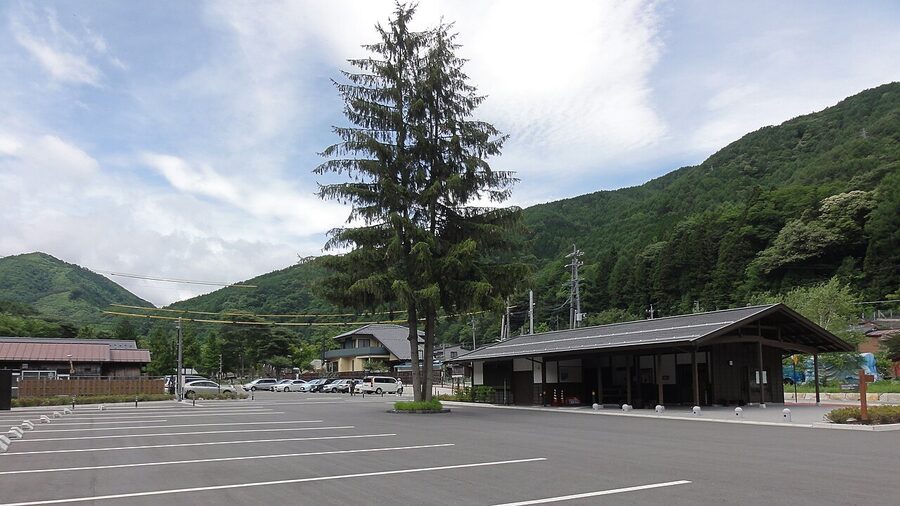
By car: 40 minutes from Matsumoto on Route 19. Free parking at the Michinoeki NaraiKiso roadside station (10-minute walk from the preserved district) or at the Narai Station car park (3-minute walk, ¥500 per day). Driving the Kiso Valley south from Narai to Magome takes another 90 minutes if you want to combine all three Kiso post towns.
When to come
Narai is a four-season destination and the seasons matter more here than in most Japanese towns because the village changes character so much with the weather.
- Spring (mid-April to mid-May): cherry blossom along the Narai River behind the village; the river walk becomes a second attraction for a fortnight. Weather is unreliable; rain happens.
- Summer (June-August): peak greenery, moderately busy with domestic visitors. The Kiso-Hirasawa Lacquerware Festival on the first weekend of June is a highlight worth planning around. Heat is modest (altitude 900m keeps midday to about 26°C).
- Autumn (October-early November): the connoisseur’s pick. The surrounding forest turns gold against the dark wooden buildings. Peak around 20 October. October weekends are the busiest Narai gets; weekdays either side are still quiet.
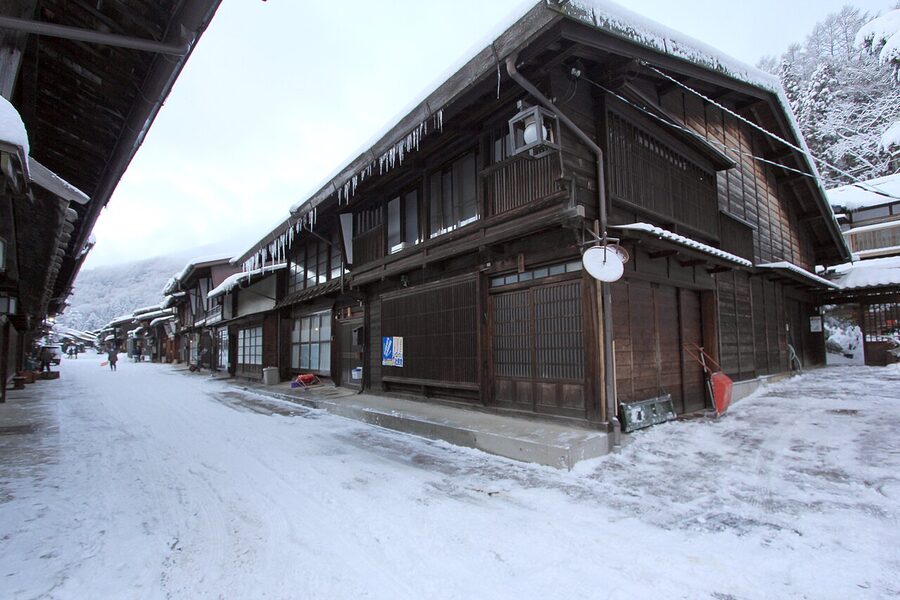
- Winter (December-March): cold (-10°C nights), often snow on the ground. The village under fresh snow on a clear morning is one of the great quiet sights of central Japan. Most restaurants close January-February; 3-4 inns stay open. If you’ve been in summer, come back in winter for a completely different place.
What to combine Narai with
Narai is 30 minutes from Matsumoto, so the standard pairing is Matsumoto + Narai (one day, overnight Matsumoto; or two days, overnight Narai). Better combinations if you have more time:
- Narai + Kiso-Hirasawa + Torii Pass — the full Kiso Valley day. Workshop visit at Hirasawa in the morning, village walk at Narai around noon, Torii Pass walk in the afternoon, back to Narai for the evening.
- Narai + Magome + Tsumago — three post towns in two days. Hire a car in Matsumoto, drive south, stay overnight in Magome or Tsumago, drive back. Long but excellent if you’re into old post towns.
- Narai + Matsumoto + Kamikochi — one day each. The 3-day Matsumoto-base version of the 7-day Japan Alps loop.
For the broader region, Narai is covered as a day trip in the Shiojiri travel guide. Full transport options are in the access guide.
.jpg)

.jpg)


