
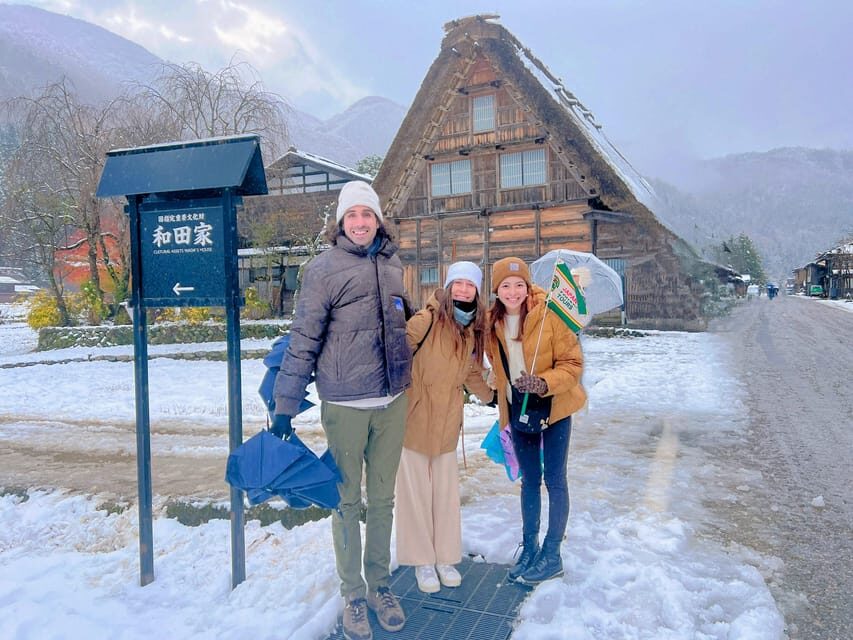
Go early, and Shirakawa-go feels yours. This UNESCO Shirakawa-go morning tour is built around an easy schedule: a direct bus […]
Go early, and Shirakawa-go feels yours. This UNESCO Shirakawa-go morning tour is built around an easy schedule: a direct bus […]

Temple quiet. Monkey chaos. And sake in between. This Nagano day trip works because it gives you three very different
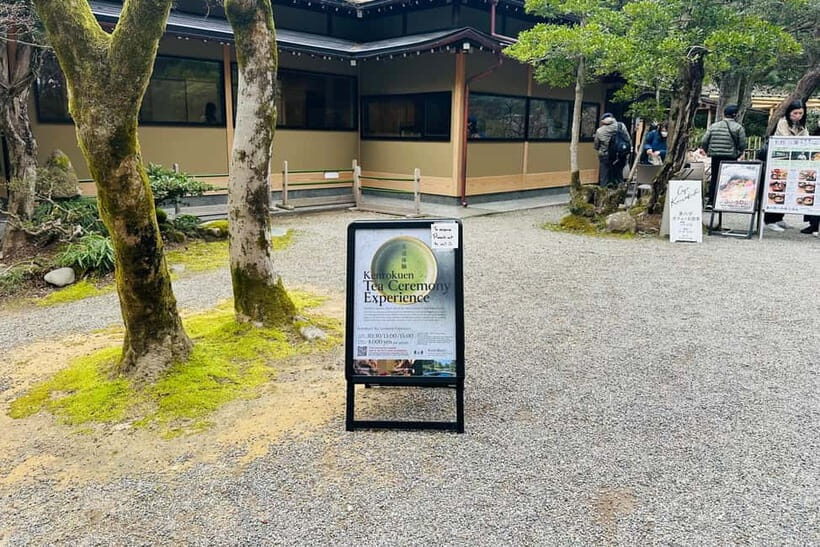
Quiet tea, right inside Kenrokuen. You meet at Kenrokutei, a historic teahouse tied to lord Maeda, then follow a matcha
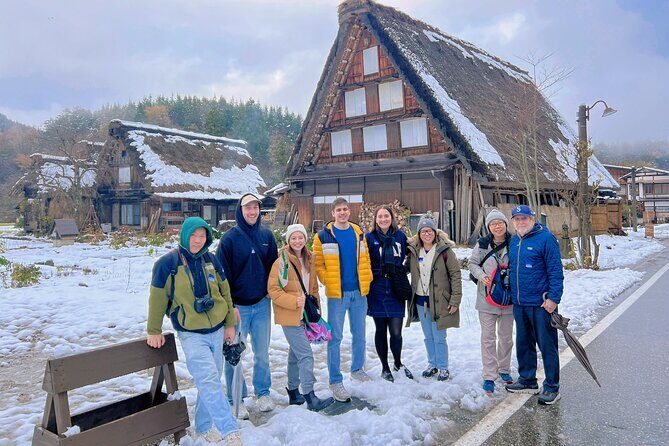
Two world sites, one smooth day. I like the English-speaking guide who keeps Q&A going, and the hands-on wagashi and
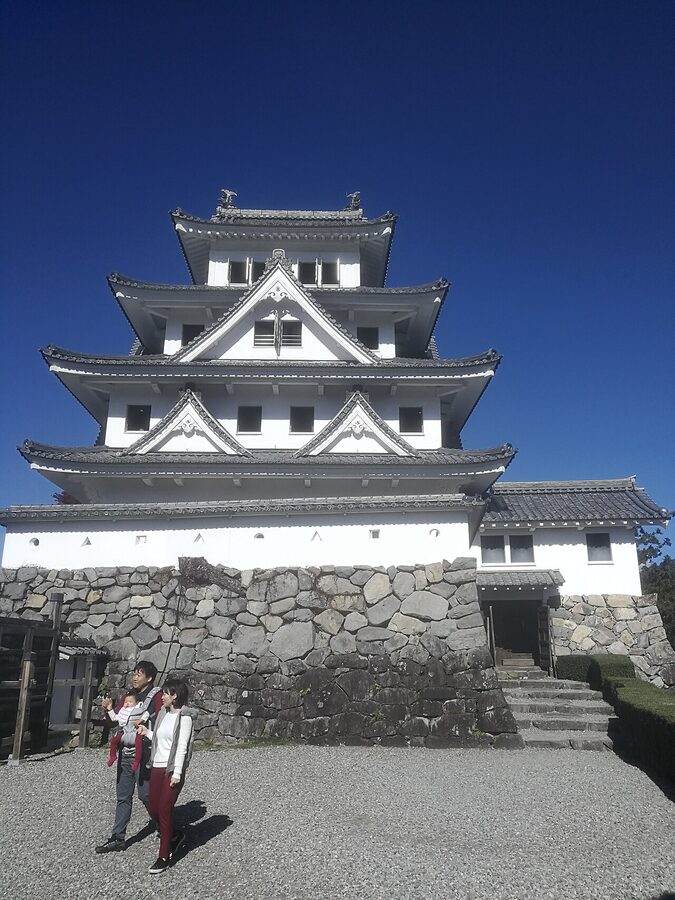
For four consecutive nights every August, the people of a 17,000-strong castle town in Gifu start dancing at 20:00 and
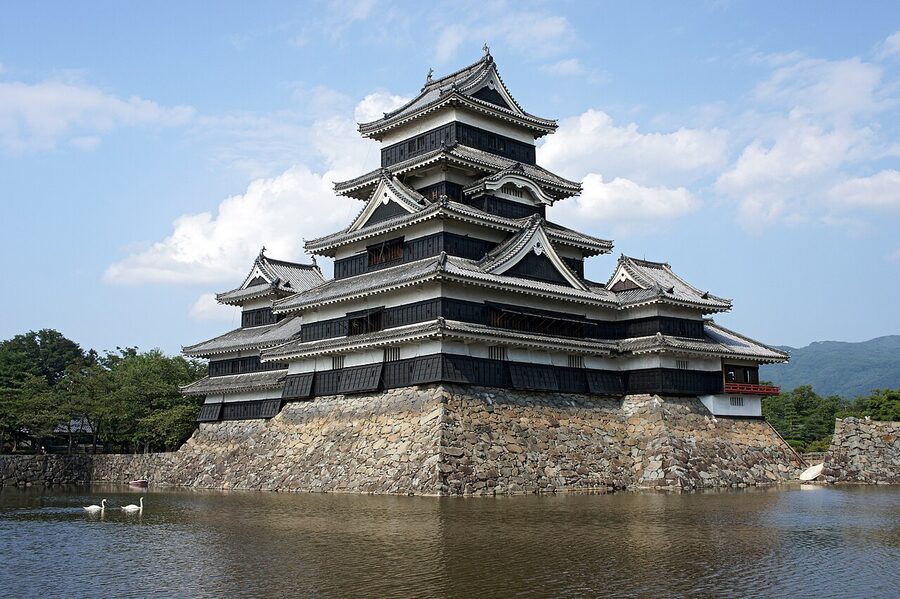
Matsumoto rewards anyone who books a night here over a day-tripper, and the reason is the castle at dawn. By
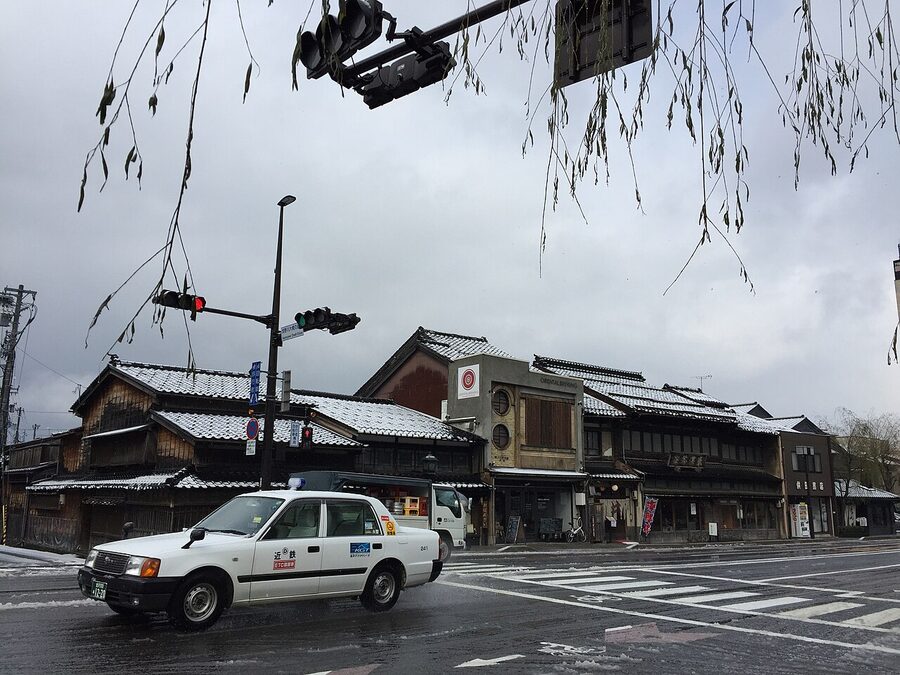
A neighbourhood-by-neighbourhood guide to where to stay in Kanazawa: Korinbo, Omicho Market, Higashi Chaya, the station, and Katamachi. 23 hotels reviewed across luxury, mid-range, and budget tiers, with verified Booking.com and Agoda links and the trade-offs nobody else mentions.
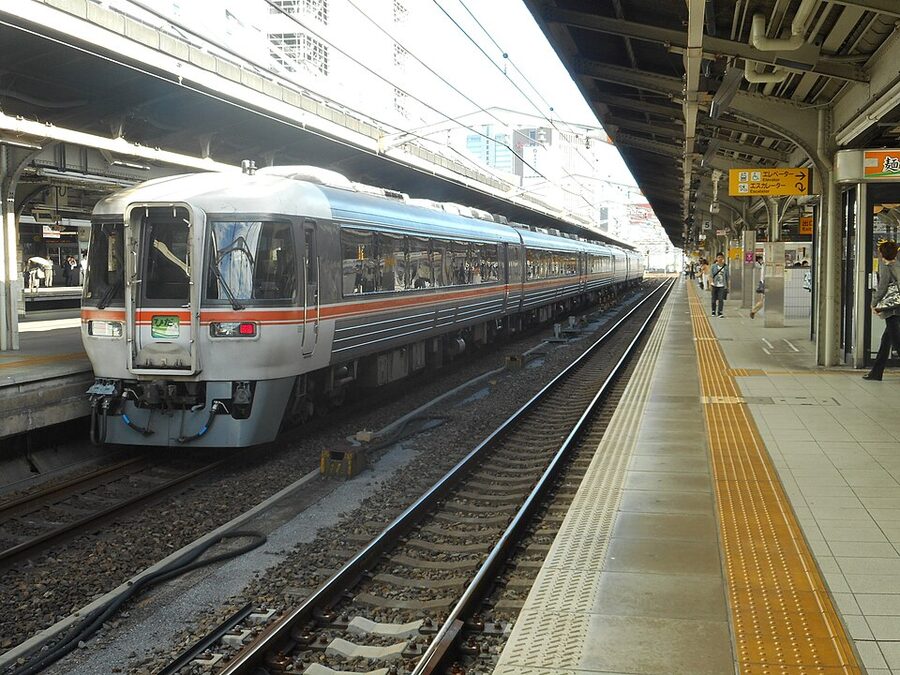
There is no Shinkansen to Takayama. That single fact, more than anything else, decides how you make this trip. The
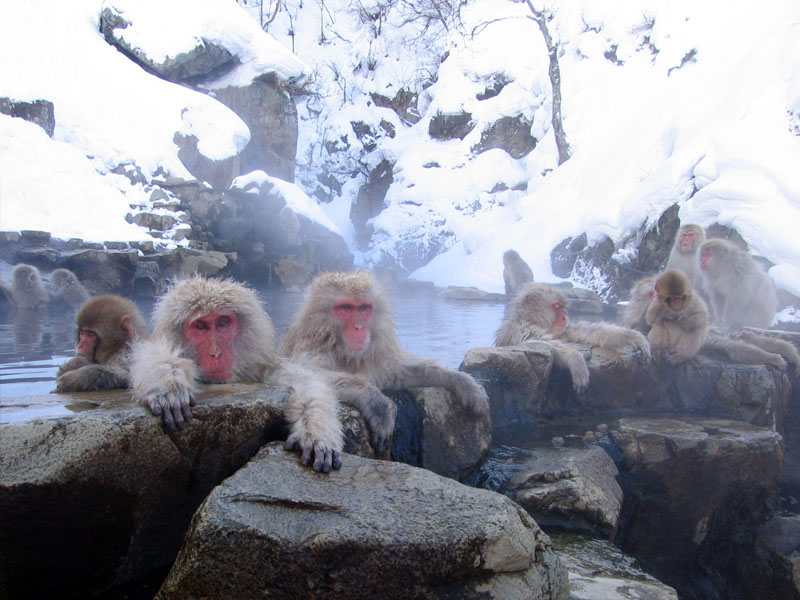
The wild Japanese macaques bathing in the natural onsen at Jigokudani in Yamanouchi, with the practical bits: when to go (winter, first hour), the walk in, Yudanaka and Shibu Onsen at the base, and how it slots into a Japan Alps trip.
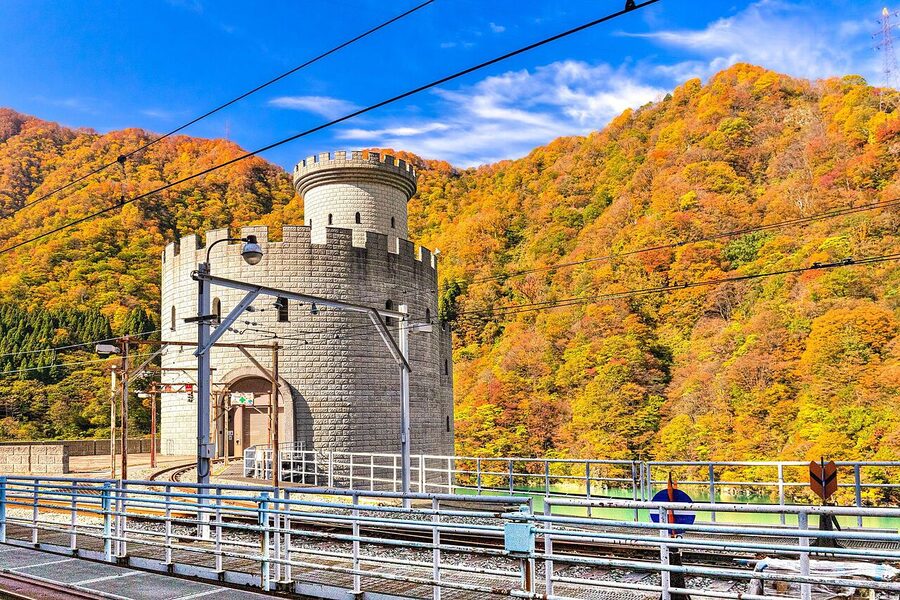
A vintage open-sided narrow-gauge train climbs 20km up one of Japan’s deepest gorges from Unazuki Onsen to Keyakidaira. Here is what to book, when to ride, and what the railway looks like in 2026 with the post-quake bridge works.
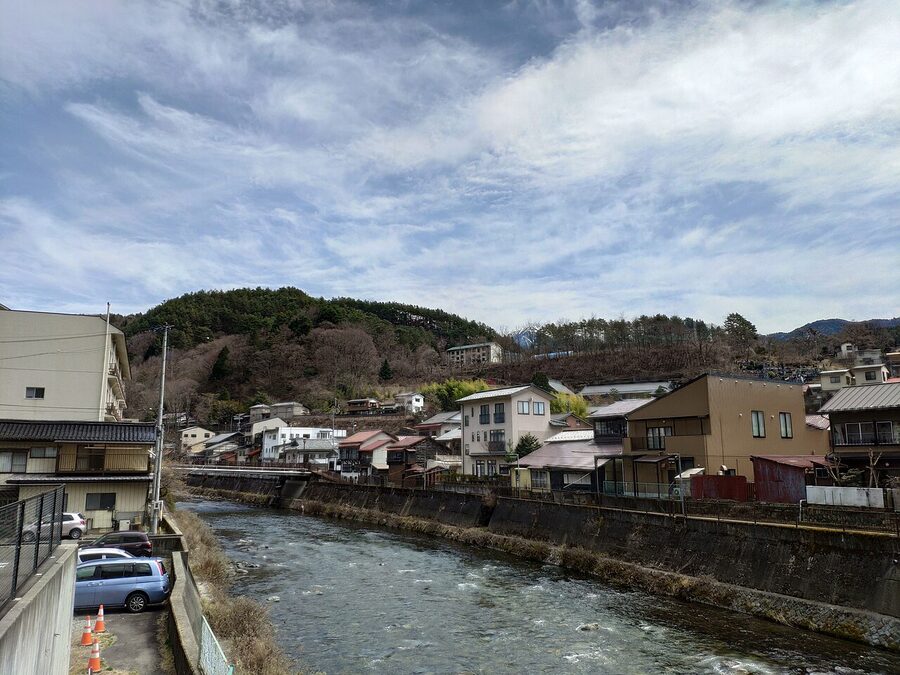
The same Edo-era post-station chain as the Nakasendo walking guide, but treated as a drive: Narai, Yabuhara, Kiso-Fukushima, Agematsu, Tsumago, Magome, with the Akasawa hinoki forest and Mt Ontake side-trips that public transport doesnt reach.
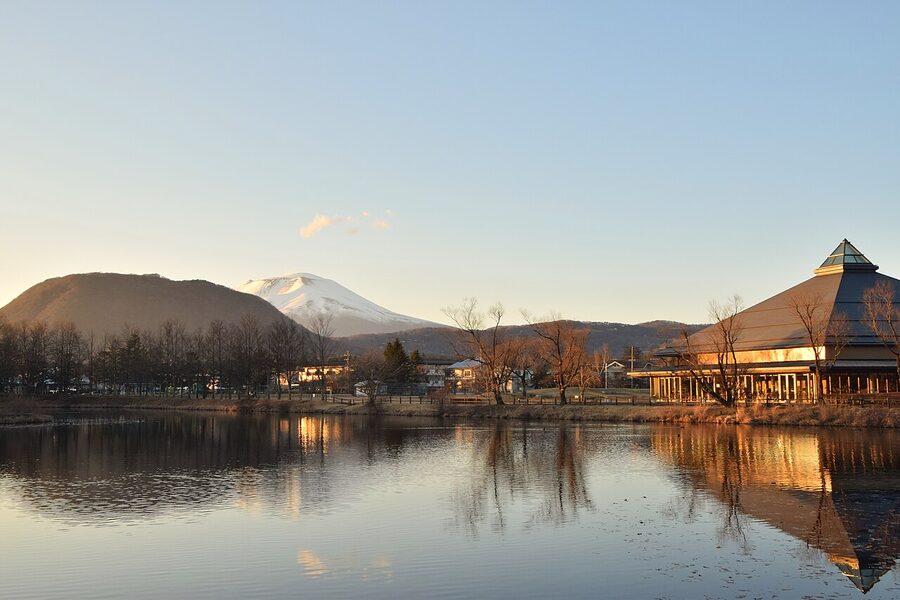
Most foreign coverage paints Karuizawa as a summer escape from Tokyo and stops there. That’s the version every English guide
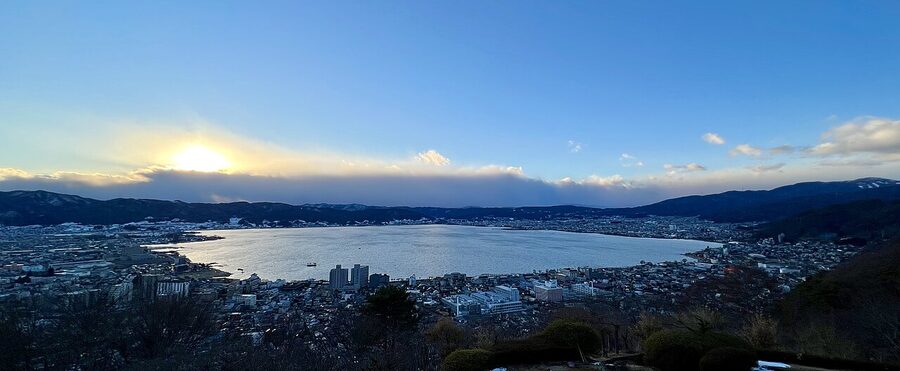
A two-day guide to Suwa: the four-shrine pilgrimage, the lake, the Onbashira festival, the bathhouses, and the sake.
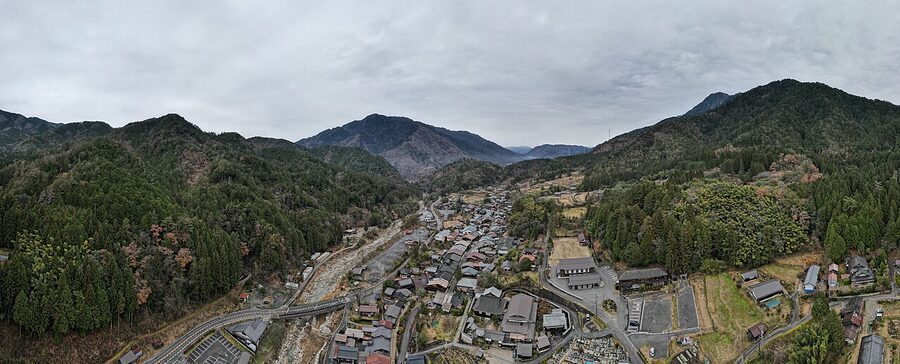
Tsumago is the lower post-town on the Magome to Tsumago section of the Nakasendo, the first place in Japan to enforce a no-modern-signage preservation rule, in 1968.
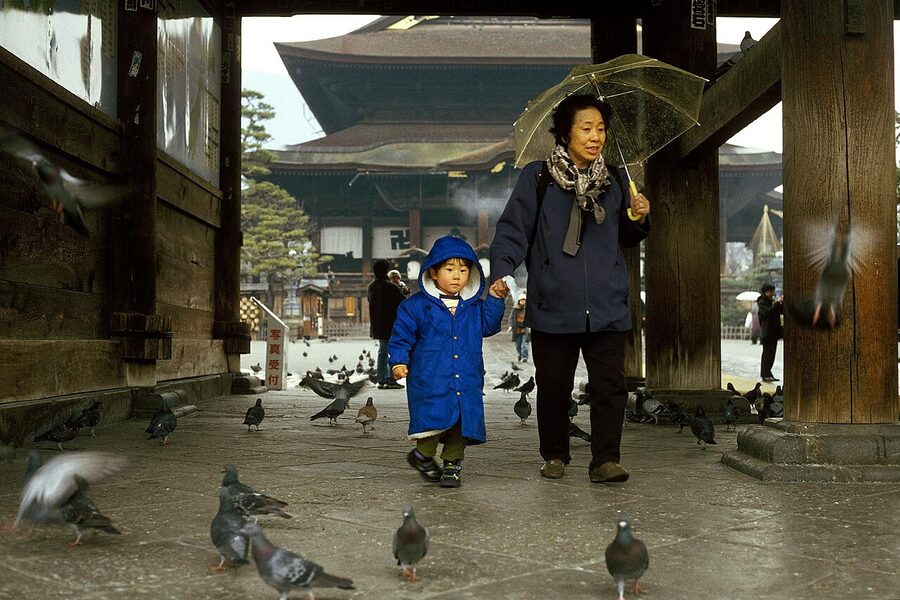
Most foreign visitors think of Nagano as a station you change trains at. The Hokuriku Shinkansen pulls in, half the