How do you visit one shrine that is actually four shrines, two of them on opposite sides of a lake, and the most famous of which has nothing inside it but a mountain and a tree? That is the question Suwa hands you the moment you step off the Azusa at Kami-Suwa, and it explains why most foreign itineraries skip the place. The town doesn’t fit. Suwa Taisha is split across two cities and four sub-shrines, the Onbashira festival only happens twice a decade, and the lake itself is small enough to cycle around in an afternoon, which makes the guidebooks treat it as a stopover. It deserves more than that.
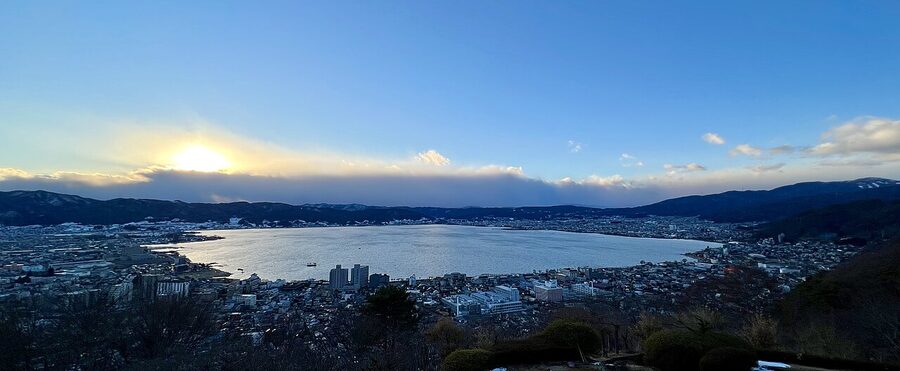
Suwa sits in southern Nagano at 759 metres above sea level, ringed by the Yatsugatake range to the east and Kirigamine highland to the north. The lake is the dominant fact: 15.9 km of shoreline, the largest body of water in Nagano, and the reason every road, train line, ryokan and shrine in the area orients toward it. Three towns sit on the shore: Suwa City to the southeast, Okaya City to the west, Shimo-Suwa Town to the north. They function as one place. The trains call at Kami-Suwa, Shimo-Suwa, Okaya and Chino. Locals refer to the whole basin as Suwa-ko.
The cultural pull is older than anything else in central Japan. Suwa Taisha is named in the Kojiki, Japan’s eighth-century chronicle, and is widely held to be the second-oldest shrine in the country. The Onbashira festival is a millennium older than Edo. The Suwa fireworks show on 15 August launches more than 40,000 shells over the lake, and people come from Tokyo for it. Take Suwa for what it is: a layered place that rewards two days, three if you can spare them, and a base for day-tripping out into the wider Nagano wine country and post-town belt.
In This Article
- Getting to Suwa
- Which station to base yourself at
- Getting around the lake
- Suwa Taisha: the four shrines and the all-day pilgrimage
- Kamisha Honmiya (Upper Shrine, main hall)
- Kamisha Maemiya (Upper Shrine, former hall)
- Shimosha Akimiya (Lower Shrine, autumn hall)
- Shimosha Harumiya (Lower Shrine, spring hall)
- The realistic one-day shrine plan
- Onbashira: the most dangerous festival in Japan
- How the festival is structured
- The next Onbashira: 2028
- Visit Onbashira-kan Yoisa year-round
- Lake Suwa itself
- The 16 km loop on foot or by bike
- The Suwa-ko sightseeing boat and swan paddle boats
- Tateishi Park and the Your Name connection
- Onsen: the lake of seven hot-spring villages
- Katakurakan: the Showa-era marble bathhouse
- Kami-Suwa Onsen ryokan
- Shimo-Suwa Onsen
- Takashima Castle
- The Suwa Lake Fireworks Festival
- Omiwatari: the gods crossing the ice
- Manji no Sekibutsu and the small things in Shimo-Suwa
- The Suwa Geyser Centre
- Sake: the five Kami-Suwa breweries
- What to eat in Suwa
- When to visit Suwa
- Two-day Suwa itinerary
- Day-trip combinations
- Where Suwa sits in a longer Nagano trip
- Practical details, in one place
Getting to Suwa
From Tokyo the JR Limited Express Azusa runs from Shinjuku to Kami-Suwa Station in about 2 hours 20 minutes. The standard fare is ¥5,980 one-way; the Japan Rail Pass and the JR East Nagano-Niigata Area Pass both cover it. Trains depart roughly hourly, and the run east of Otsuki, where the carriage starts climbing into the mountains, is one of the better window seats in central Honshu. If you want to save money the Alpico highway bus from Shinjuku Expressway Bus Terminal takes about 3.5 hours and costs around ¥3,500.
From Matsumoto, Suwa is the next stop south. The local JR Shinonoi Line train takes 40 minutes and costs ¥590; the Azusa does it in 20 minutes for ¥1,350. From Nagoya, the Limited Express Shinano runs to Shiojiri, where you change for Kami-Suwa. From Nagano City you go via Matsumoto. Coming from Kanazawa or Toyama you take the Hokuriku Shinkansen east to Nagano and switch there. Our broader Japan Alps access guide walks through the four ways into the region in more detail.
Which station to base yourself at
The four stations matter. Kami-Suwa is the main hub: most ryokans, the Katakurakan bathhouse, the geyser centre, the lakeside park, and the cluster of five sake breweries are all here. Shimo-Suwa is smaller, quieter and gives you the Lower Shrines and the Nakasendo post-town atmosphere on the doorstep. Chino is the gateway to the Upper Shrines and the Yatsugatake highland. Okaya is the western corner with the Silk Museum and lake views back across the water.
If you are visiting once and not coming back, base yourself at Kami-Suwa. The accommodation density and walkability are unmatched in the area, and the hotels along the lakeshore have rooms with the water view you came for.
Getting around the lake
The 15.9 km lakeside loop is paved, almost entirely flat and built for both walking and cycling. Bicycle rental in Kami-Suwa runs about ¥500 per hour or ¥2,000 for a half-day from the shops near the station. Allow 90 minutes to ride the full loop without stopping; with shrine, geyser and ryokan stops you can stretch it to half a day. Walking the whole thing in a single push takes about four hours and is for people who really want to walk.
For the four-shrine pilgrimage a rental car or a cleverly used Karinchan local bus is fastest. Trains link the four stations frequently, but the actual shrines need bus or taxi connections after you arrive, and the Upper Shrines are 6 km apart from the Lower Shrines as the crow flies. Two days with a bicycle for the lake half and a car or taxi for the Upper Shrines is the practical answer.
Suwa Taisha: the four shrines and the all-day pilgrimage
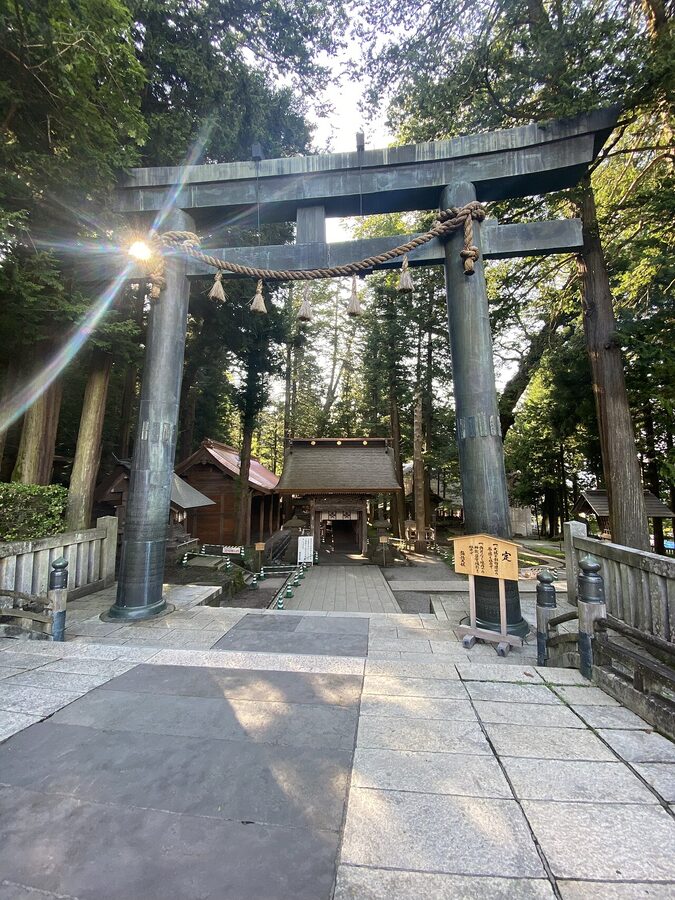
Suwa Taisha is one shrine in name and four sites in practice. The Upper Shrine (Kamisha) is on the south side of the lake in Suwa City and Chino City, made up of Honmiya and Maemiya. The Lower Shrine (Shimosha) sits across the water on the north side in Shimo-Suwa, made up of Akimiya and Harumiya. All four are roughly equal in religious status; the parishioners and the festivals divide between them.
The official deities are Takeminakata at the Upper Shrine and his consort Yasakatome at the Lower Shrine. Look beneath the surface and you find Mishaguji, an older animistic spirit that locals worshipped long before the imperial court arrived. Most of the rituals at Suwa Taisha trace back to Mishaguji, not to the deities the Kojiki later attached to them. None of this is signposted; you’ll be standing at a torii, not in a museum.
The all-four “shisha-mairi” pilgrimage is a real thing. Pick up the four-shrine goshuin folder at the first shrine you visit and have it stamped at all four. Each shrine has its own atmosphere and very different physical layout, so the comparison is the point.
Kamisha Honmiya (Upper Shrine, main hall)
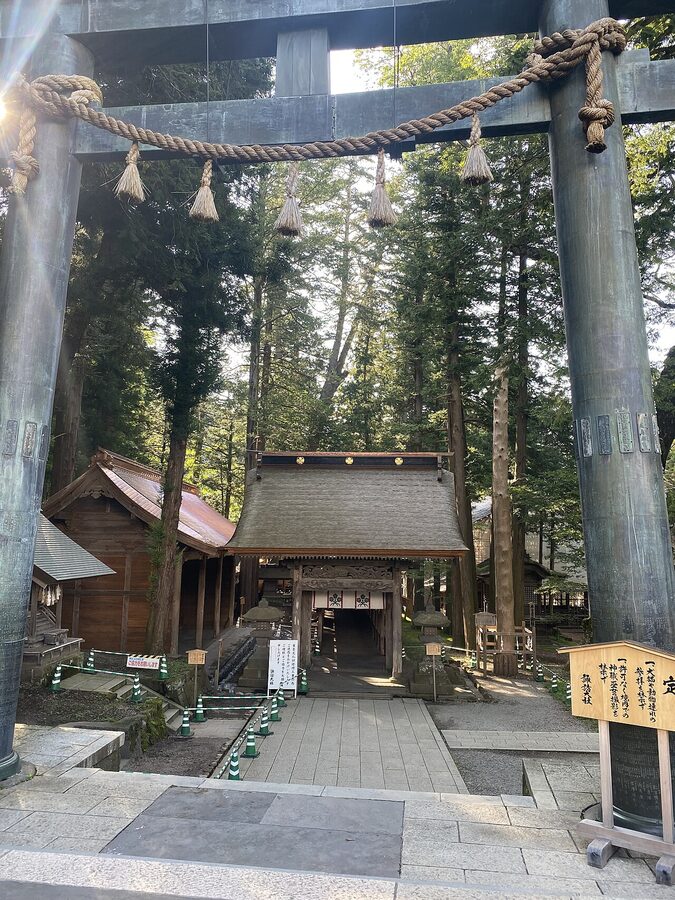
Honmiya is the head shrine of the Upper pair and the most architecturally complete of the four. The compound has the prayer hall (haiden), the four-legged gate (shikyakumon), and the corridor that visitors are supposed to walk under to be ritually purified. There is no honden, no inner sanctum: the “deity body” is Mt Moriya behind the shrine, and the prayer hall faces it. This was how Shinto sites looked before the Kasuga and Ise styles of architecture standardised everything in the medieval period, and it is one of the few places you can still see the older form intact.
Address: Nagano-ken Suwa-shi Nakasu Miyayama 1. Open 5:00 to 18:00, treasure hall 9:00 to 16:00. Treasure hall ¥500 (adult), ¥300 (child). Access: JR Kami-Suwa Station, then Karinchan bus to “Kamisha” stop (about 15 minutes), 3-minute walk. By car: 6 minutes from Suwa IC.
Kamisha Maemiya (Upper Shrine, former hall)
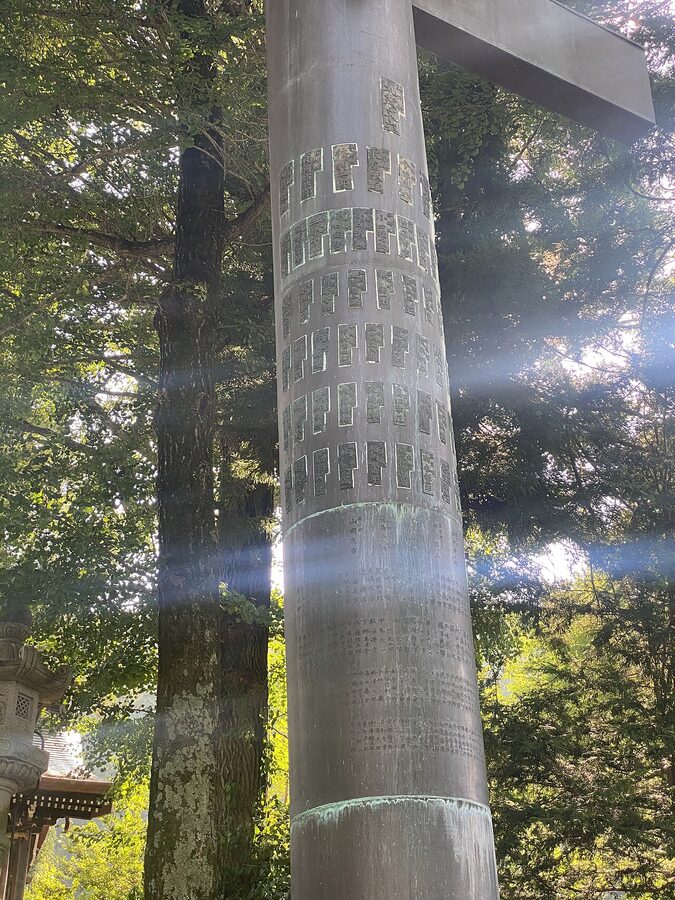
Maemiya is the older sister, the original site, and the only one of the four with a true honden. Walk uphill from the torii through the wooded approach and the precinct opens out onto rice paddies and a small wooden hall. The area was historically called Gobara, “field of the deity”, and was the official residence of the Ohori, the high priest believed to be the worldly incarnation of the Suwa kami. There is something distinctly older here: less polished stone, more moss, the feeling that something has been quietly happening on this land for a very long time.
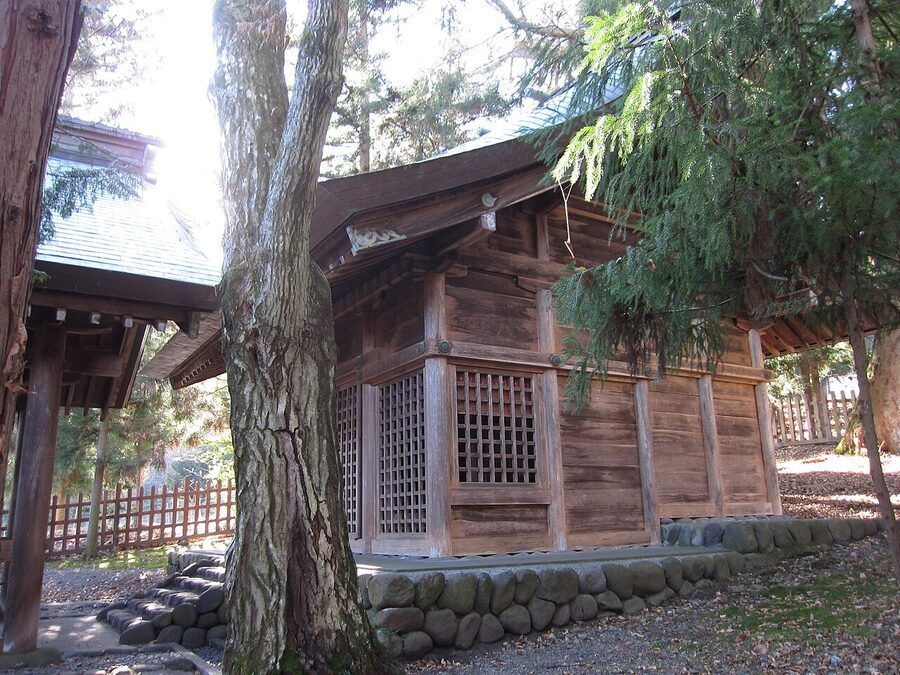
Address: Nagano-ken Chino-shi Miyagawa 2030. Open dawn to dusk; reception 9:00 to 16:30. Free. Access: JR Chino Station, 30-minute walk uphill, or 10 minutes by taxi from Chino. Honmiya and Maemiya are 2 km apart and easily walked between if you have an hour to spare.
Shimosha Akimiya (Lower Shrine, autumn hall)
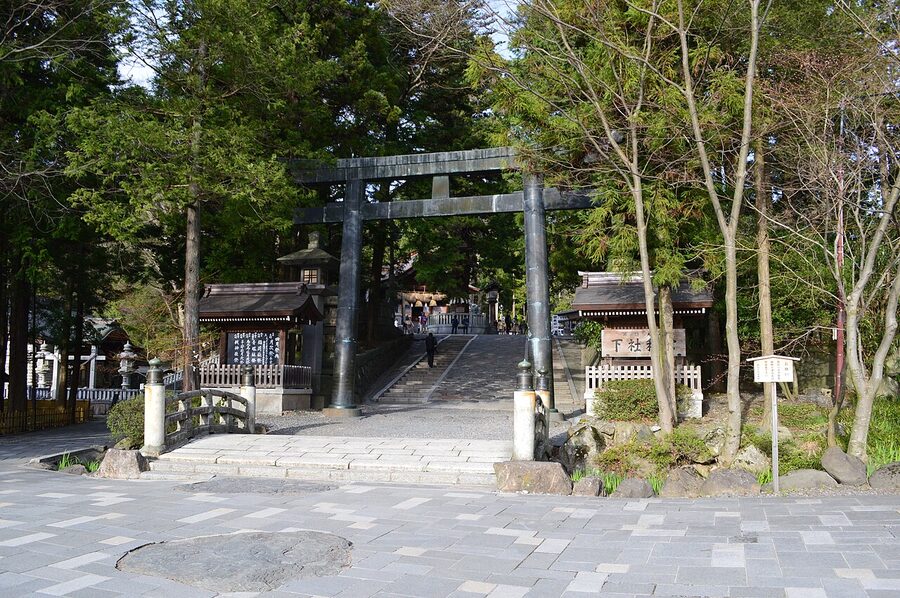
The Lower Shrines house the deity from August to January (Akimiya) then move it across the road to Harumiya for the spring and summer. This is a real ceremony, not a metaphor. The deity is carried in procession from one to the other on 1 February each year. Akimiya is the autumn-and-winter residence and the larger of the two precincts; the kaguraden (sacred dance hall) at Akimiya is one of the photographs you’ll see on every Suwa postcard, with its enormous shimenawa straw rope hanging across the front.
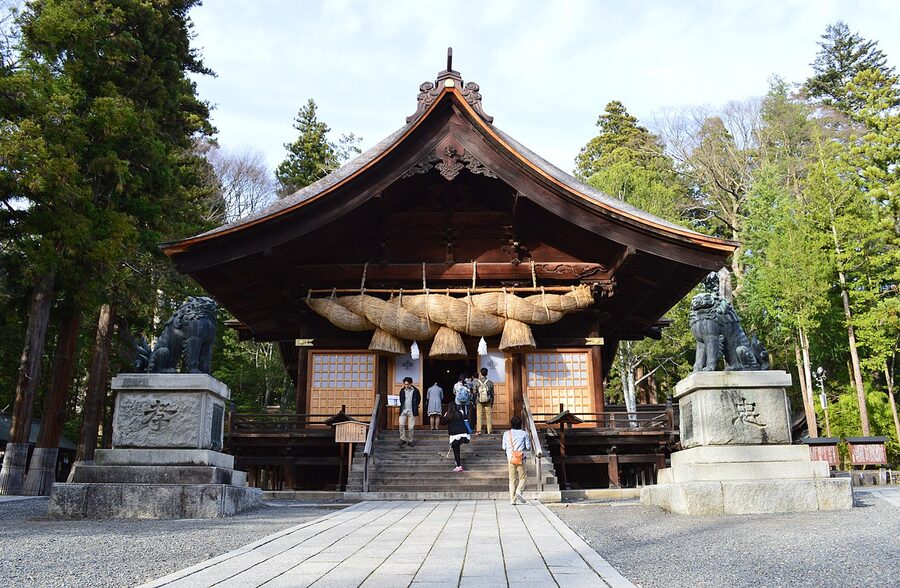
Like Honmiya, Akimiya has no inner sanctum. The object of worship is a Japanese yew tree behind the prayer hall, fenced in but visible. Address: Nagano-ken Suwa-gun Shimosuwa-machi 5828. Open 24 hours; reception 8:30 to 17:00. Free; treasure hall ¥500. Access: JR Shimo-Suwa Station, 15 minutes on foot.
Shimosha Harumiya (Lower Shrine, spring hall)
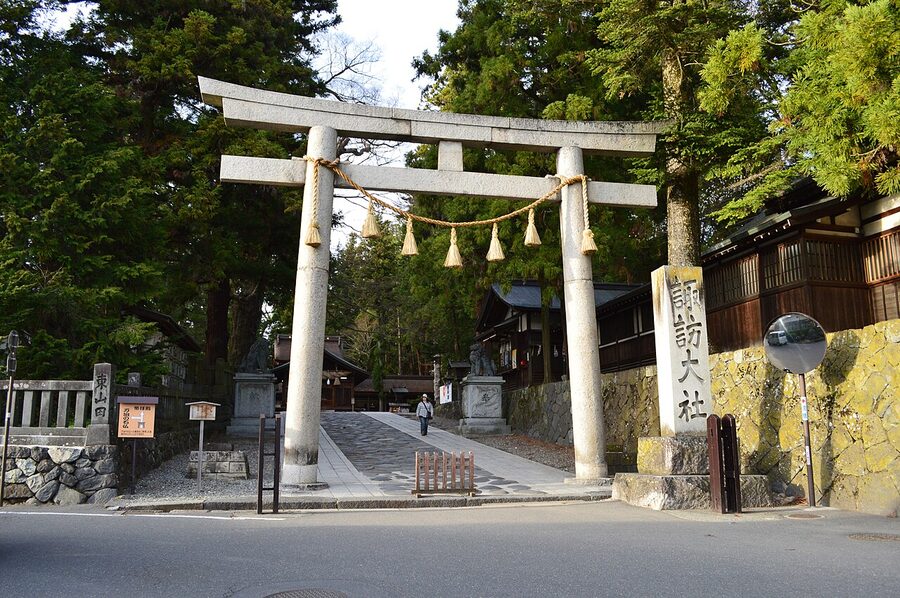
Harumiya is the spring-and-summer residence: the deity lives here from February to August. The architecture mirrors Akimiya almost exactly, which is intentional, and the object of worship here is a great cedar tree. The walk between the two Lower Shrines passes through quiet residential streets that were once the Nakasendo post-town of Shimo-Suwa-juku, the only Nakasendo station with its own hot spring.
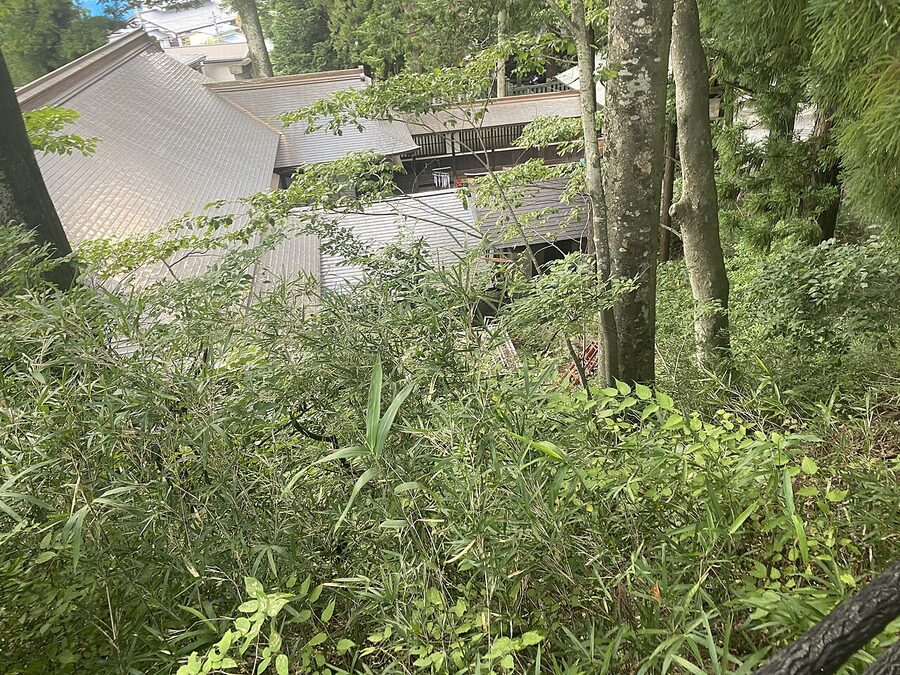
Address: Nagano-ken Suwa-gun Shimosuwa-machi 193. Open 24 hours; reception 8:30 to 16:30. Free. Access: JR Shimo-Suwa Station, 20 minutes on foot, or take the Karinchan bus to Daishadori Yotsukado.
The realistic one-day shrine plan
Doing all four in a single day is achievable if you start early and use a rental car. The order most locals recommend: Maemiya first thing in the morning (the oldest, set the tone), Honmiya next (large precinct, takes longer), then drive around the lake to Akimiya for lunch nearby, then walk to Harumiya, then loop back via the Manji stone Buddha. Total walking and shrine time about six hours, plus driving. Without a car, give it two days and use the trains plus the Karinchan bus.
Onbashira: the most dangerous festival in Japan
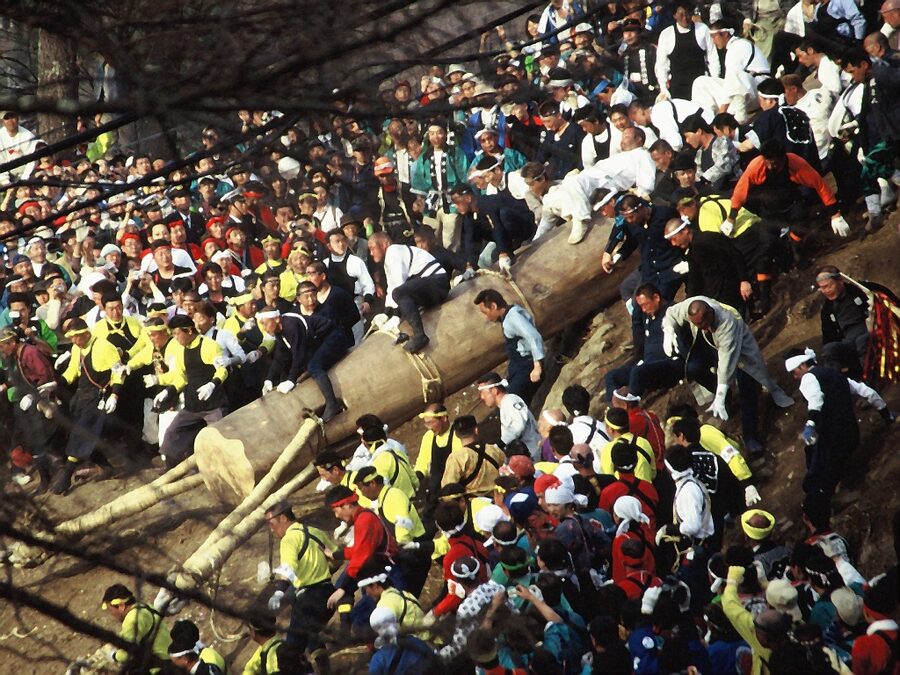
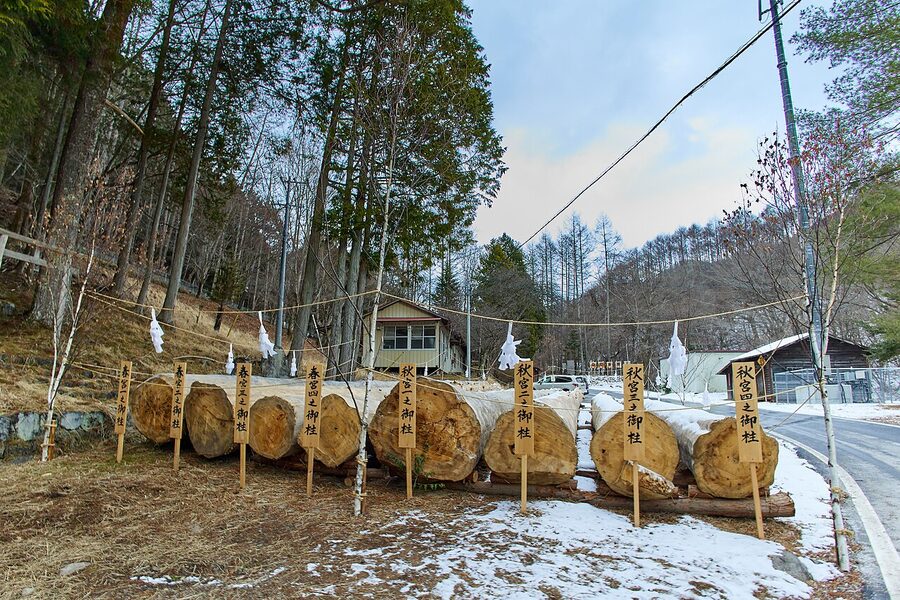
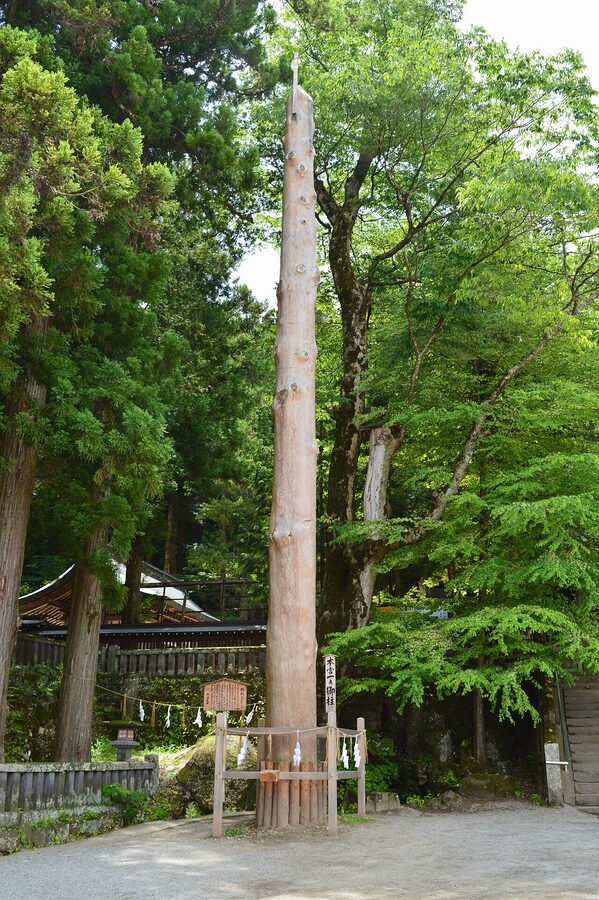
The Onbashira festival, held once every six years in the years of the Tiger and the Monkey, is the reason Suwa exists in most foreign tourists’ awareness at all. Sixteen fir trees, each 17 to 19 metres long and weighing up to 12 tonnes, are felled by hand using ceremonial axes, hauled down from the Yatsugatake foothills to each of the four sub-shrines, and erected at the four corners of each precinct as the new “onbashira” sacred pillars. The festival has been documented continuously since the year 804, which makes it 1,200 years old.
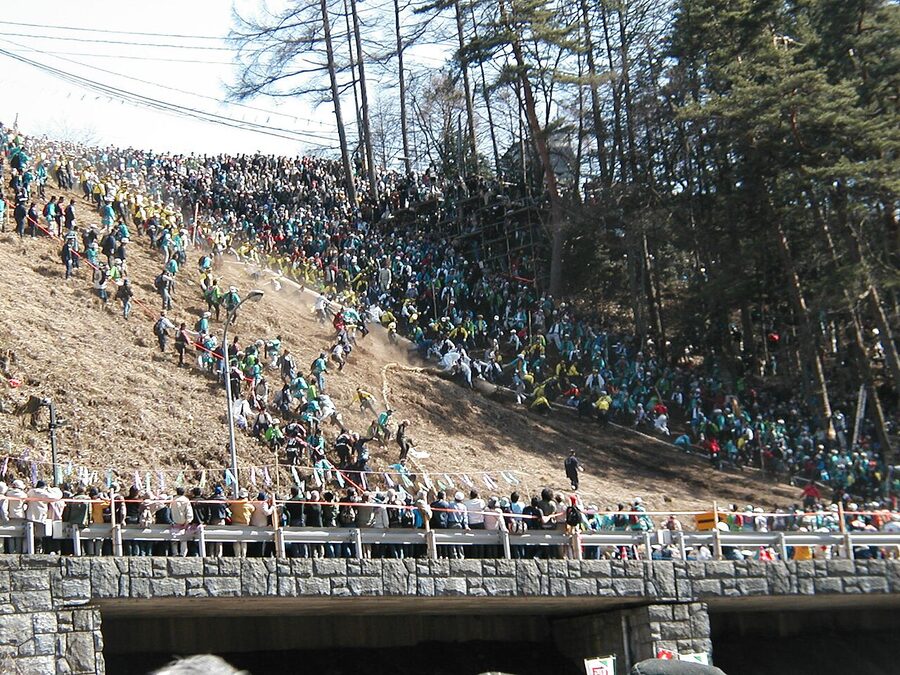
The famous and dangerous part is Kiotoshi, the log-drop, when the trees are slid down a steep hillside at Kisaka (for the Upper Shrines) or at Kiochi-zaka (for the Lower Shrines). Young men ride on top, gripping rope handles, as the log slides down a slope of around 30 degrees. The tradition of riding the log developed in the early twentieth century. People have died doing this in 1980, 1986, 1992, 2010 and 2016. Two more drowned in 1992 when a log was being floated across a river. This is not theatre.
How the festival is structured
Onbashira runs in two phases over April and May. The first phase, Yamadashi, happens in early April: the logs are cut, decorated, and dragged from the mountains down to staging areas near each shrine. Kiotoshi happens during this phase. The second phase, Satobiki, runs in early May: the logs are dragged through town and erected at the four corners of each sub-shrine. The Lower Shrines run their cycle a week or two before the Upper Shrines, so a determined visitor can see both.
The Upper Shrine’s logs come from the Yatsugatake range and are dragged across roughly 18 km of terrain. The Lower Shrine’s logs come from the Higashiyama hills and are dragged about 10 km. Each log is identified by which corner of which sub-shrine it will end up at: ichi-no-mihashira (the largest, north-east corner), ni, san and yon. The selection of trees begins three years before the festival.
The next Onbashira: 2028
The next major festival is in April and May 2028 (Year of the Monkey). If you are planning around this, the official ticket sales for grandstand seating typically open in late 2027 through Travice and the JTB-affiliated agencies; book accommodation in Suwa, Chino or Shimo-Suwa twelve to eighteen months out, because the entire region books up. The official festival schedule is on the Onbashira-sai site. The smaller “Onaomashi” half-festival happens at the Maemiya in 2029, but the big one is 2028.
Visit Onbashira-kan Yoisa year-round
If you’ve come to Suwa outside a festival year, the Onbashira-kan Yoisa museum next to Harumiya in Shimo-Suwa shows festival video footage on a large screen, displays one of the actual ceremonial axes, and has a 1:1 mock-up of an onbashira ride that drops you down a 5-metre slide. Adult entry is ¥620, open 9:00 to 16:30, closed Tuesdays. Worth half an hour either side of a Harumiya visit.
Lake Suwa itself
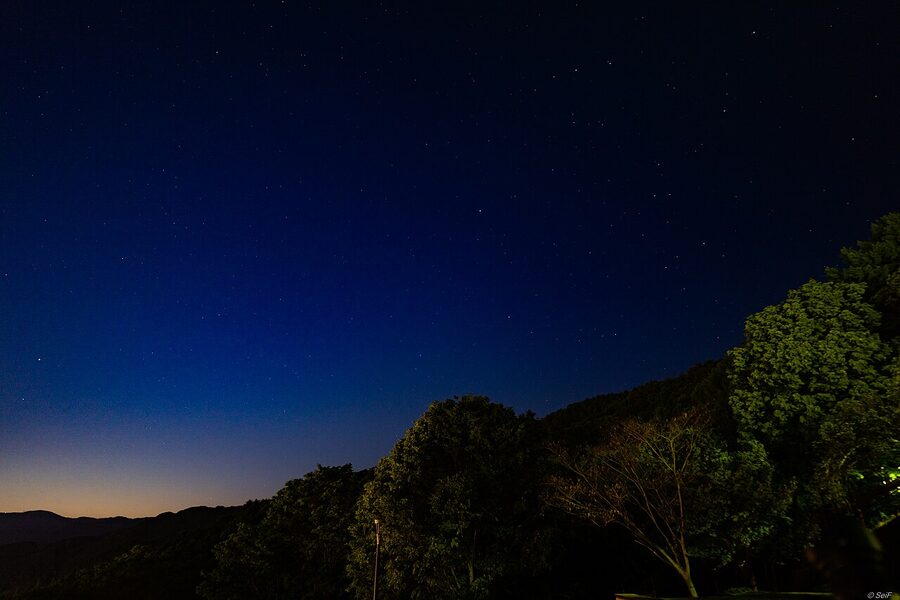
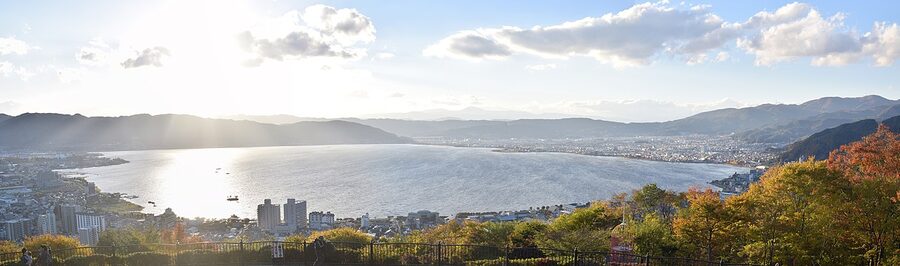
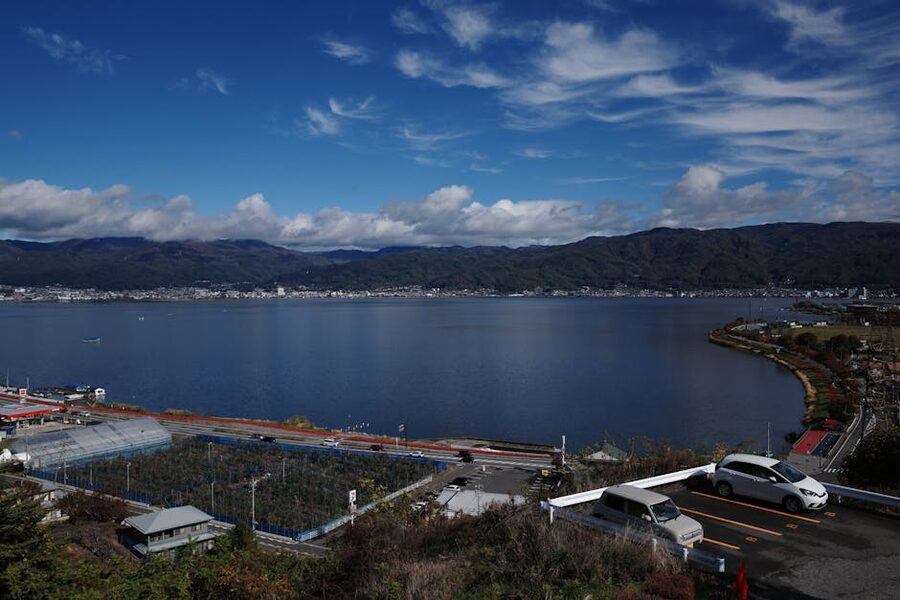
The lake reads small until you walk it. Three towns share the shoreline, and the perimeter loop passes parks, fishing piers, the geyser centre, the Suwa lakeside park, the foot baths, the marina, the highway service area and a long quiet stretch on the western edge where almost no one walks. On a still morning the water mirrors the Yatsugatake range to the east. On a clear winter day you can spot Mt Fuji from the north shore, near Mizube Park, peeking through a notch in the southern mountains.
Lake Suwa is a caldera lake fed by hot springs. It freezes solid in cold winters, which sets up the Omiwatari phenomenon described below. In summer, the steam locomotive D51 549 sits permanently on display next to the geyser centre on the southern shore, a relic of the lakeside line that used to ferry coal and tourists.
The 16 km loop on foot or by bike
If you’re not committing to the full loop, walk the section from Shimo-Suwa Station to the Suwa Lakeside Park in Kami-Suwa. It’s about 5 km, takes an hour with photo stops, passes the marina, and lands you at the foot bath in front of the lakeside park, which is the right place to sit at the end. The west and south shores are flatter and more open, with longer sight lines and fewer benches.
Cycling, the loop is short. Take it slow, stop at the geyser, the lakeside park, the Manji Buddha if you swing through Shimo-Suwa, and you can stretch it to half a day. Bicycle rental shops cluster near Kami-Suwa Station; a basic city bike is ¥500 per hour, ¥2,000 per half-day, ¥3,000 per day with a touring frame.
The Suwa-ko sightseeing boat and swan paddle boats
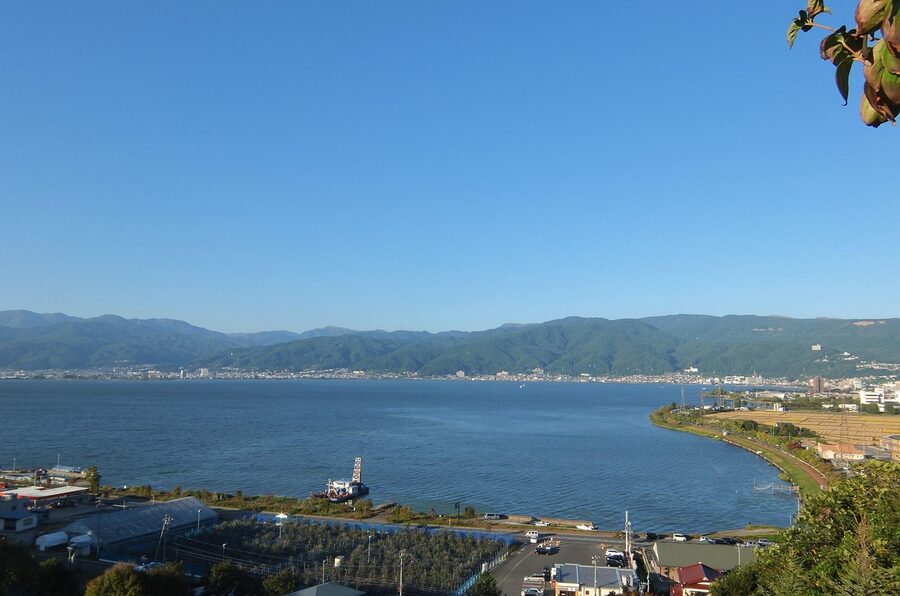
The Suwako Kanko Kisen sightseeing boat departs from the dock next to Suwa Lakeside Park, runs every hour or so, and costs ¥1,100 for a 30-minute round trip. The famous swan-shaped paddle boats next to the dock can be rented for ¥1,000 per 30 minutes for a four-person boat. The lake is calm enough that this is a good option with kids; the kayak tours from Activity Base Cogue (¥5,000 per person, two hours, includes Hatsushima island) are the better option for adults.
Tateishi Park and the Your Name connection
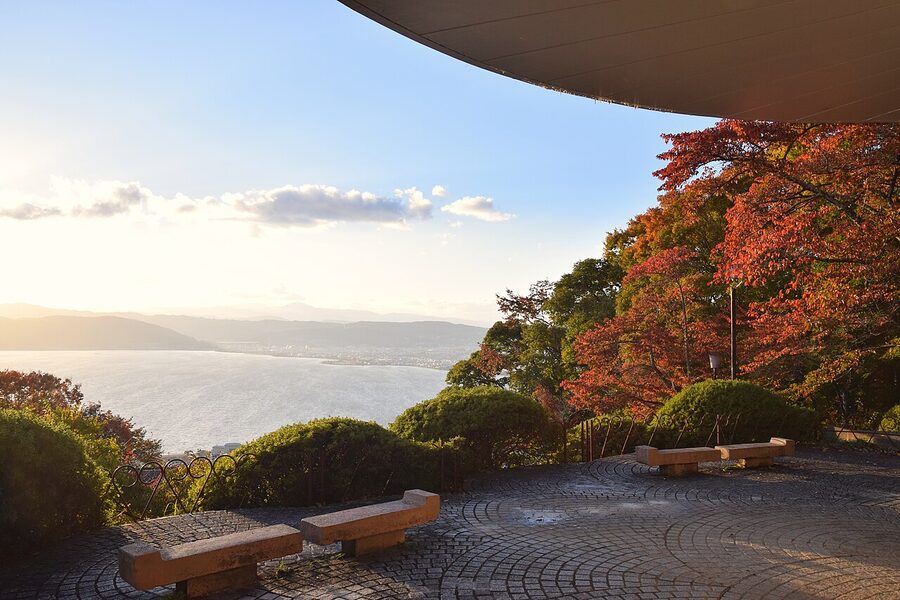
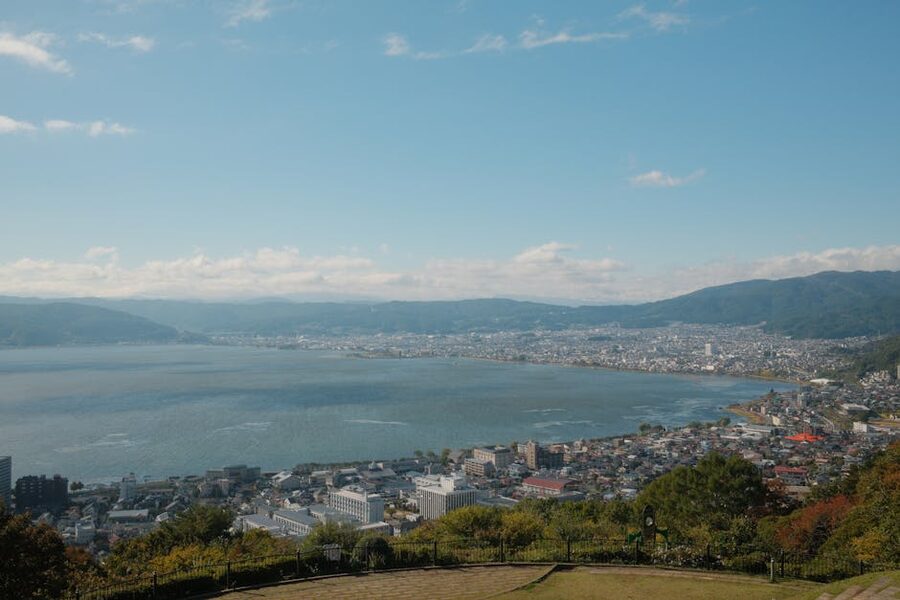
Tateishi Park is the scenic overlook on the eastern side of the lake. It is also the spot most associated with Lake Itomori in the 2016 anime film “Your Name”, which has brought a steady stream of fans up the hill. Whether you’ve seen the film or not, the view is the best in the area: a clear shot across the entire lake with the Yatsugatake range as the backdrop and the Japanese Alps far in the west.
Go at sunset. The light hits the water and the city lights come on as you watch. Bring something to drink and find a wall to sit on. The viewpoint is officially designated as one of “Shinshu’s 100 finest hilltop views” (2018) and there’s a small parking area, public toilet, and a snack vending machine. Access: 30-minute walk uphill from Kami-Suwa Station, or Karinchan bus on the Higashiyama line to Tateishi Machi stop, then 10 minutes on foot.
Onsen: the lake of seven hot-spring villages
Suwa is built on hot water. The Suwa basin produces 26,000 litres of spring water per minute, the highest volume in Nagano Prefecture, and the area has more than 500 active sources. Locally the cluster is called Suwa Onsen-go, the seven hot-spring villages: Kami-Suwa Onsen, Shimo-Suwa Onsen, Higashi-Maki, Yumika, Mukabaki, Kobaki and Akabane. Most foreign visitors will only encounter Kami-Suwa and Shimo-Suwa, which is fine; the others are local-traffic places.
The two big public bathhouses are Katakurakan in Kami-Suwa and the Shin-yu and Asahi-yu in Shimo-Suwa. There are also free foot baths everywhere: at Kami-Suwa Station itself, at Suwa Lakeside Park, at the geyser centre, and several spots along the lakeshore. After a long walk these are not to be missed.
Katakurakan: the Showa-era marble bathhouse
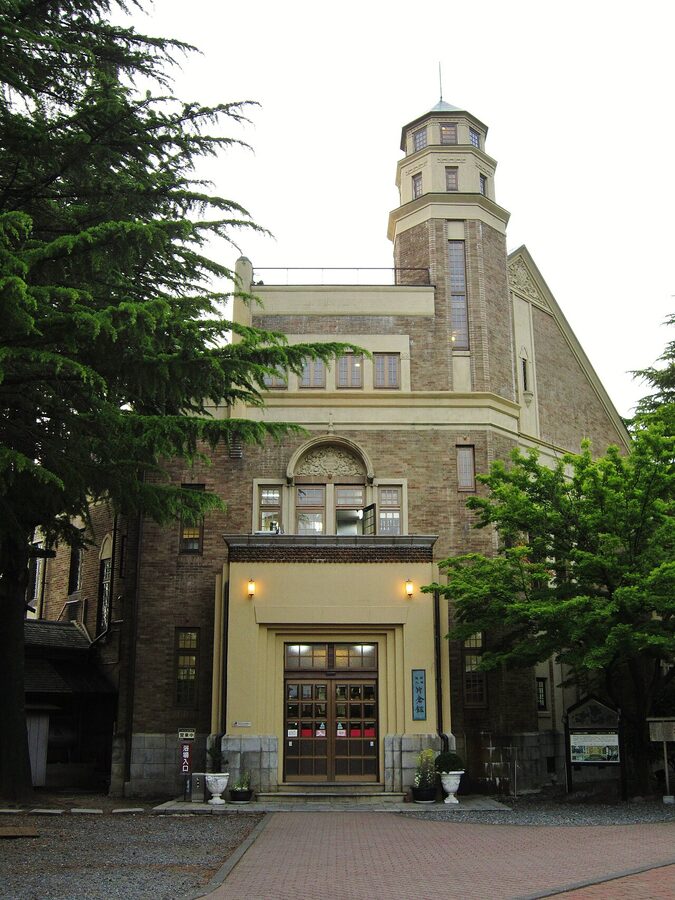
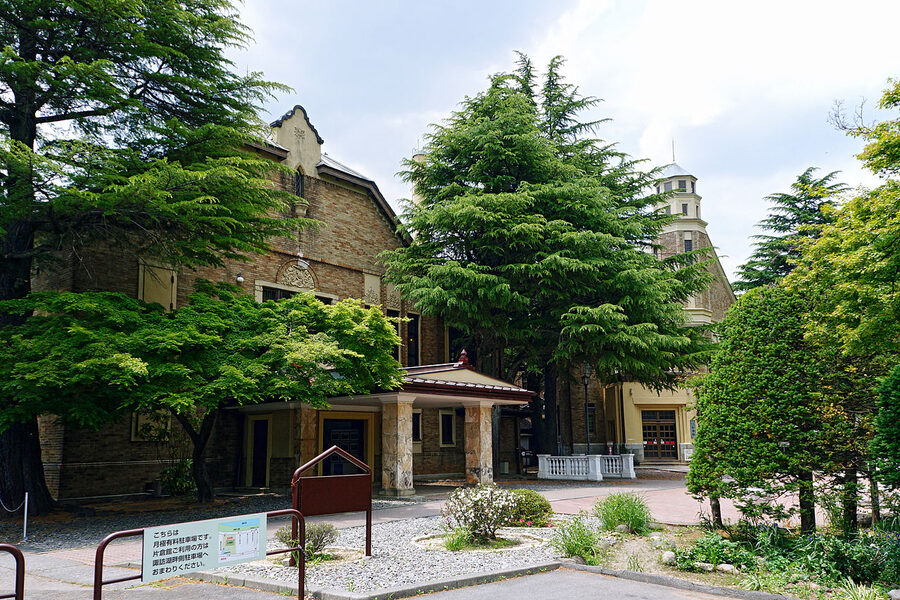
Katakurakan is the headline bath in Kami-Suwa. The brick building dates to 1928 and was funded by the Katakura silk-mill dynasty as a thank-you to local workers. The interior is European-influenced, with stained glass and stone-carved details, and the centrepiece “Sennin-buro” (Thousand-Person Bath) is a marble pool deep enough that bathers stand rather than sit, with smooth pebbles carpeting the floor. It featured in the 2014 film Thermae Romae II if you happen to know it.
Entry ¥850 for adults, ¥400 for children under twelve. Open 10:00 to 21:00, last entry 20:30. Closed second and fourth Tuesdays of the month. There’s also a separate ¥500 building tour if you want to see the upper floors and the original 1928 furnishings. Address: Suwa-shi Kogantori 4-1-9. 8 minutes’ walk from Kami-Suwa Station.
Kami-Suwa Onsen ryokan
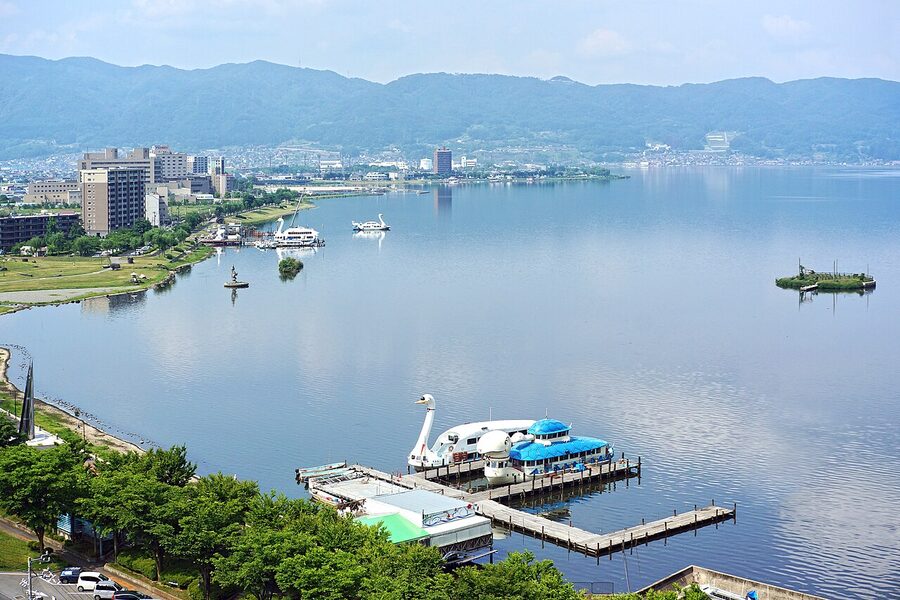
The Kami-Suwa lakefront has roughly twenty ryokan and hotels. The headline names: Hamanoyu for the rooftop bath with the lake view; Suwa Bettei Shuhaku for the small-and-modern aesthetic; Kamisuwa Onsen Shinyu for value; Nunohan for the older-style traditional feel. Expect ¥18,000-30,000 per person per night with two meals at the mid-tier places, ¥35,000-60,000 at the high end. Lake-view rooms cost ¥3,000-8,000 more than mountain-view rooms; in Kami-Suwa it is worth the upgrade because the lake is the point.
Foot bath at Kami-Suwa Station inside the platform area is free and open during station hours. Drying towels available for ¥200 from the kiosk. If you have a 90-minute layover this is the right way to spend it.
Shimo-Suwa Onsen
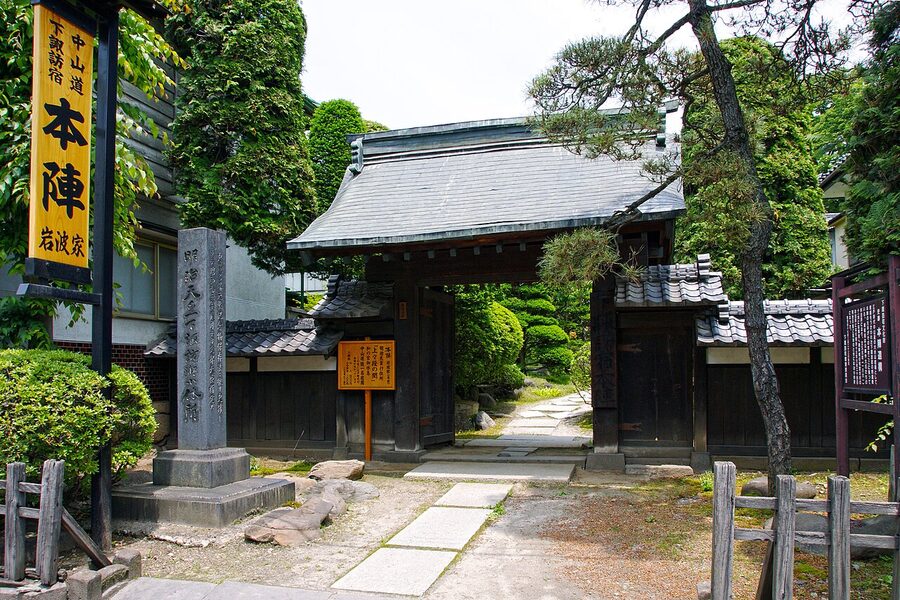
Shimo-Suwa is older and quieter than Kami-Suwa. As a Nakasendo post-town it had its own bath culture for travellers walking the Edo-era highway, and several of those bathhouses are still in use. Shin-yu on the main street takes ¥240 entry; Asahi-yu in the same area is ¥230. Both are tiny, locally-run, and not at all set up for tourists, which is the point. Bring your own small towel; you can buy one for ¥200 at most reception desks if not. Tattoos may or may not be tolerated, ask at reception. The old Iwanami House honjin (a former inn for daimyo travelling the Nakasendo) is on the main street and worth thirty minutes for the garden, which is on the official “100 finest gardens in Japan” list.
Takashima Castle
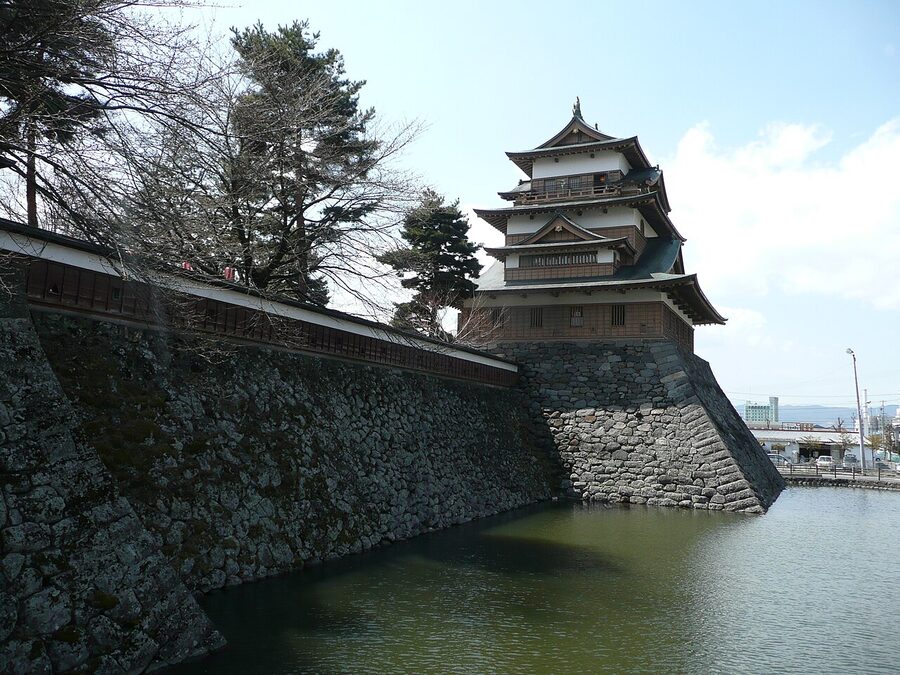
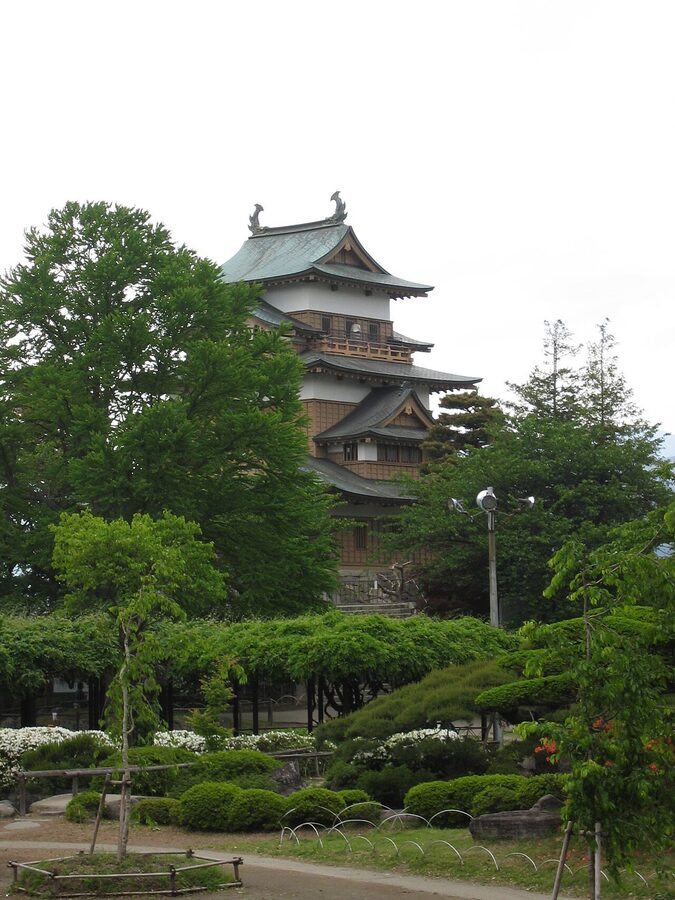
Takashima Castle was built in 1598 by Hineno Takayoshi, a vassal of Toyotomi Hideyoshi. At the time, the lake came right up to the castle walls on three sides and earned it the nickname Suwa no Ukijiro, the “Floating Castle of Suwa”, which is a reasonable thing to put on a postcard. The shoreline has receded since then. The keep was demolished in 1875 during the Meiji-era anti-feudal sweeps and rebuilt in concrete in 1970, which is no different from most reconstructed castles in Japan, but it’s worth saying.
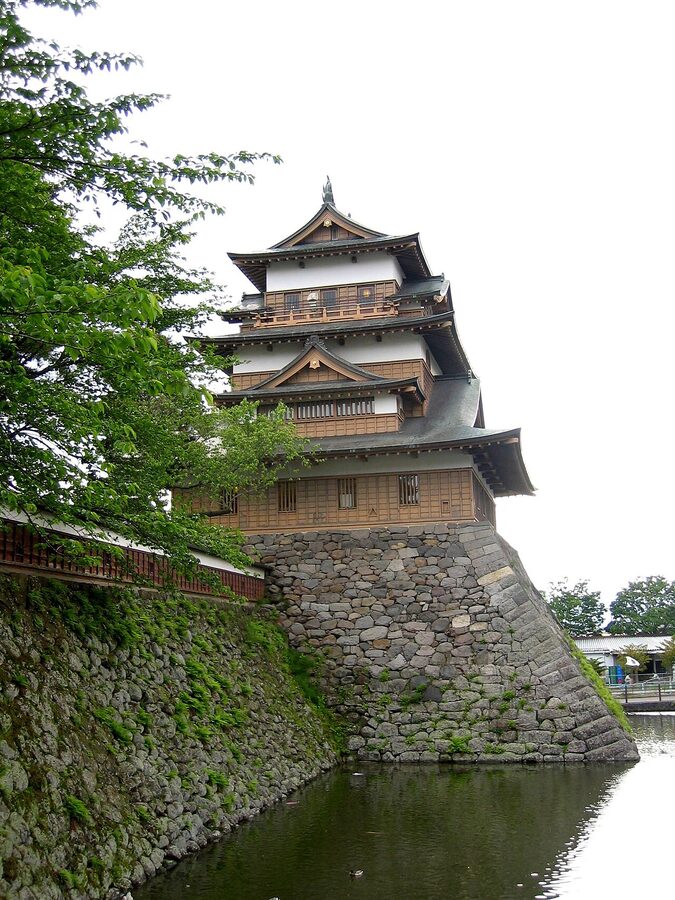
Inside the castle, two floors of small museum cover the Suwa clan and the Edo period; the top floor is a viewing deck looking out over the city and the lake. Entry ¥310 for adults, ¥150 for children. Open 9:00 to 17:30 from April to September, 9:00 to 16:30 from October to March. Closed 26-31 December. Surrounded by Takashima Park, which is one of the better cherry-blossom spots in central Nagano in mid-April and one of the more reliable autumn-leaf spots in early November. Address: Suwa-shi Takashima 1-20-1. 10 minutes on foot from Kami-Suwa Station.
The Suwa Lake Fireworks Festival
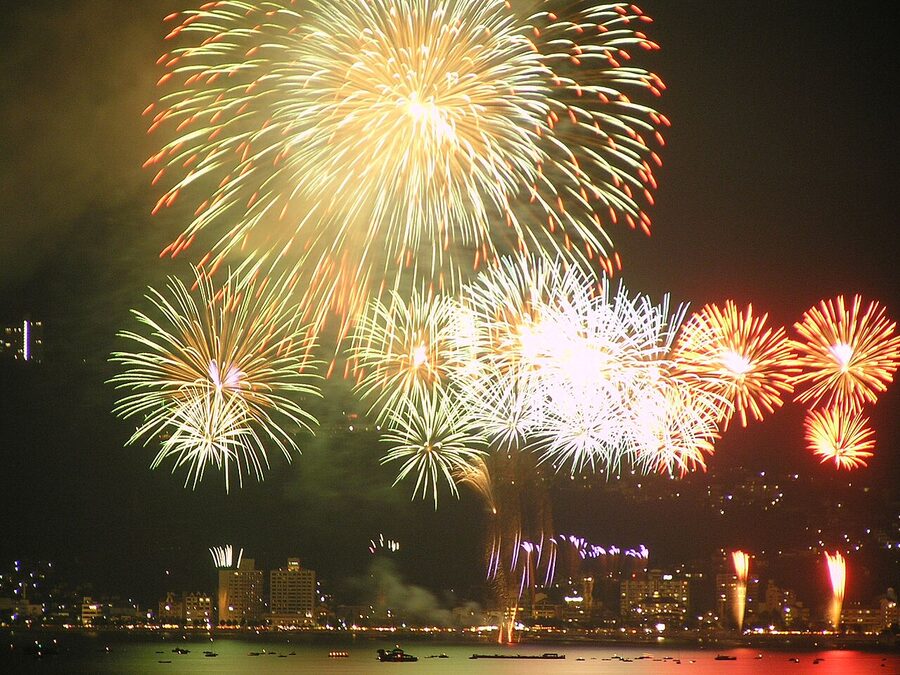
15 August. Two hours, more than 40,000 shells, launched from pontoons in the middle of the lake, watched by something like half a million people. The Suwa Lake Fireworks Festival (Suwako Matsuri Hanabi Taikai) is one of the biggest hanabi events in Japan, and the natural amphitheatre of the basin makes the sound carry like nowhere else. The festival has run since 1949.
If you want to attend, you need a hotel booked 6-12 months in advance and you need to know that the entire region is full. Day trippers from Tokyo can take the Azusa down for the day but will need to leave the venue early to catch the last train back, which means you miss the finale. Better to stay one night, enjoy a slow morning the next day, and travel back when everyone else has already left.
The summer “Lake Suwa Summer Night Hanabi” runs every evening from late July to the end of August, smaller (about 15 minutes), launched from the same pontoons. Even if you can’t be there for the 15 August event, summer evenings on the lakeshore deliver a small fireworks display almost every night.
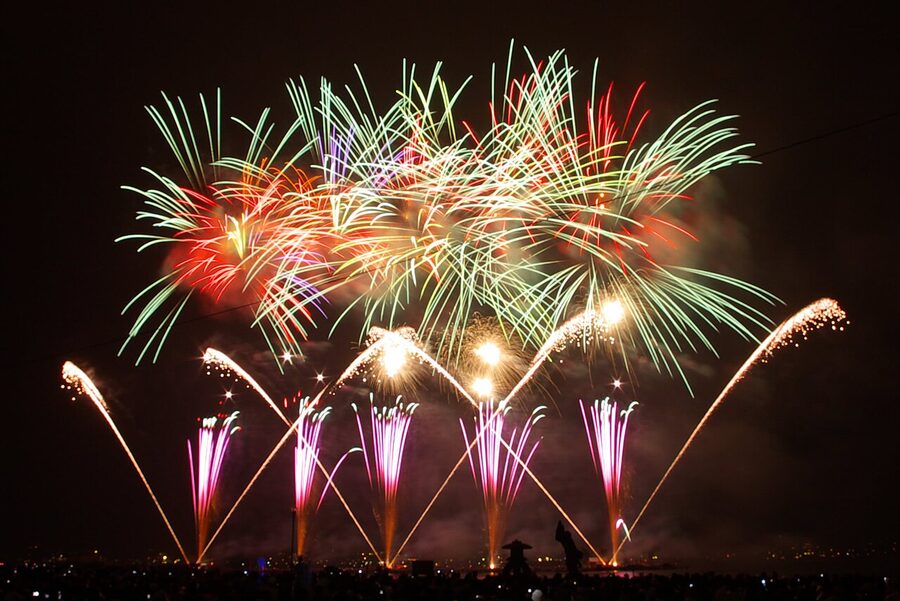
The first weekend of September brings the smaller “Experimental Hanabi” festival: roughly 20,000 shells, fewer crowds, and pyrotechnicians trying out new shapes (jellyfish, mushrooms, cartoon characters). For people who can’t manage the August trip, this is the better one to plan around.
Omiwatari: the gods crossing the ice
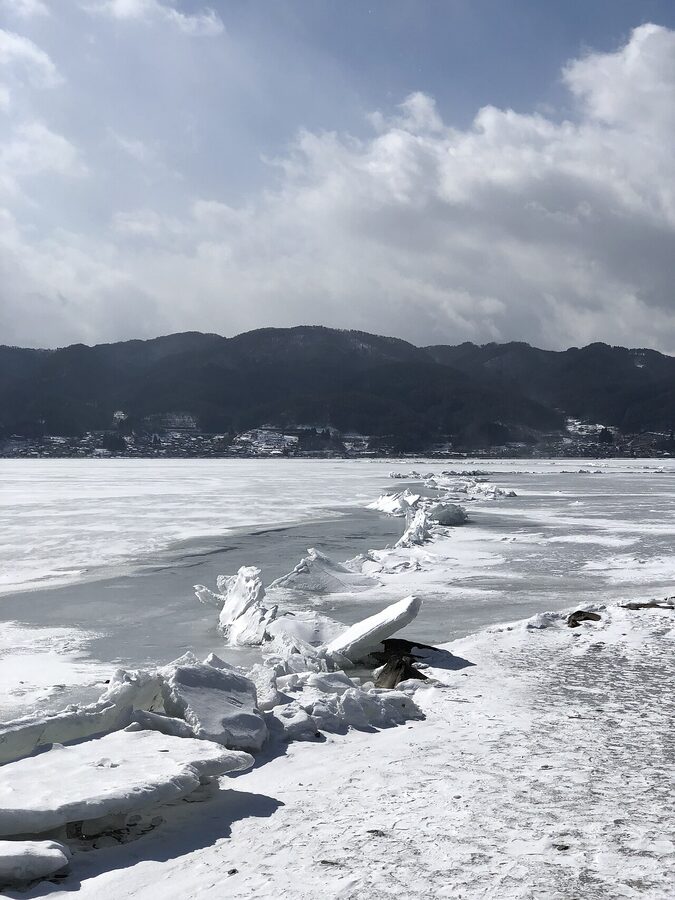
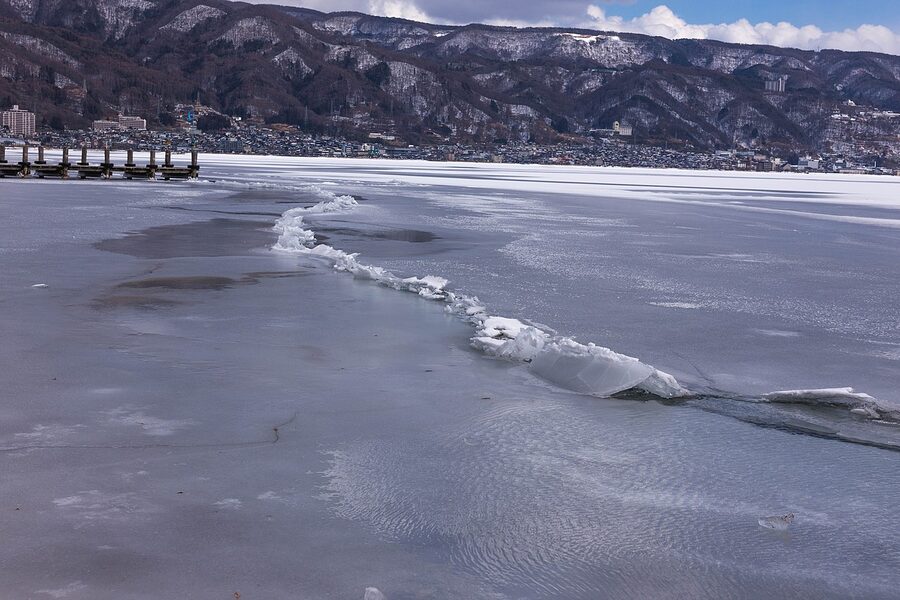
In a really cold winter, Lake Suwa freezes thick. As the ice expands and contracts with the day-night temperature swing, it cracks along a fault line and pushes up a ridge of ice between 30 cm and 1.8 metres high, running diagonally across the lake. The phenomenon is called Omiwatari, the “gods’ crossing”, and the local Yatsurugi Shrine officially declares whether each winter’s ridge counts as a true Omiwatari. The folklore says it’s the male deity from Suwa Taisha Kamisha (Takeminakata) crossing the ice to visit his consort Yasakatome at the Lower Shrine.
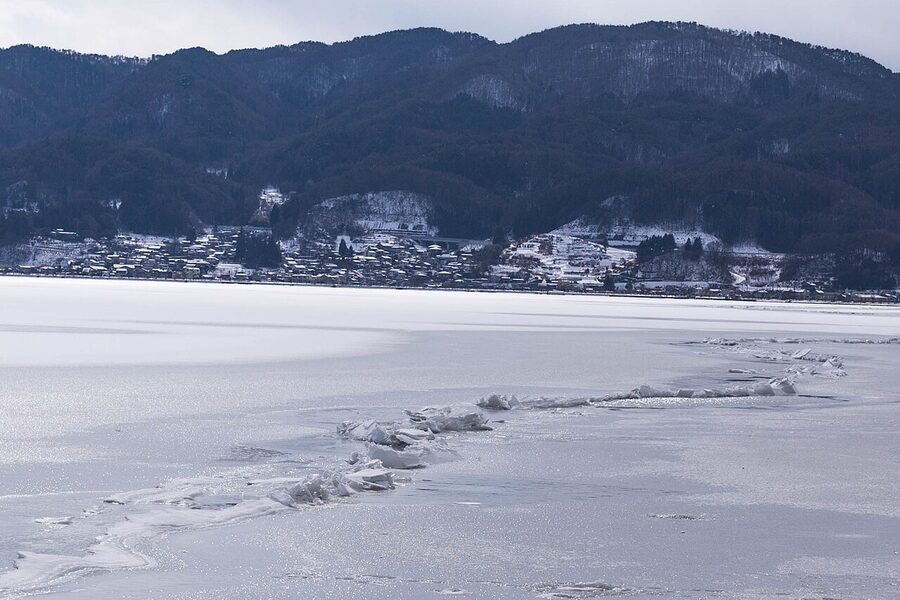
An honest note: Omiwatari is now rare. The lake has fully frozen and produced a true ridge only a handful of times in the past two decades. The local shrine maintains a documented record of every winter going back to 1443, which is one of the longest continuous climate datasets in the world; modern winters are showing the warming trend with painful clarity. If you visit between mid-January and mid-February and want to see it, follow the local news; the news cycle around an Omiwatari sighting moves fast and you may have a 48-hour window.
Manji no Sekibutsu and the small things in Shimo-Suwa
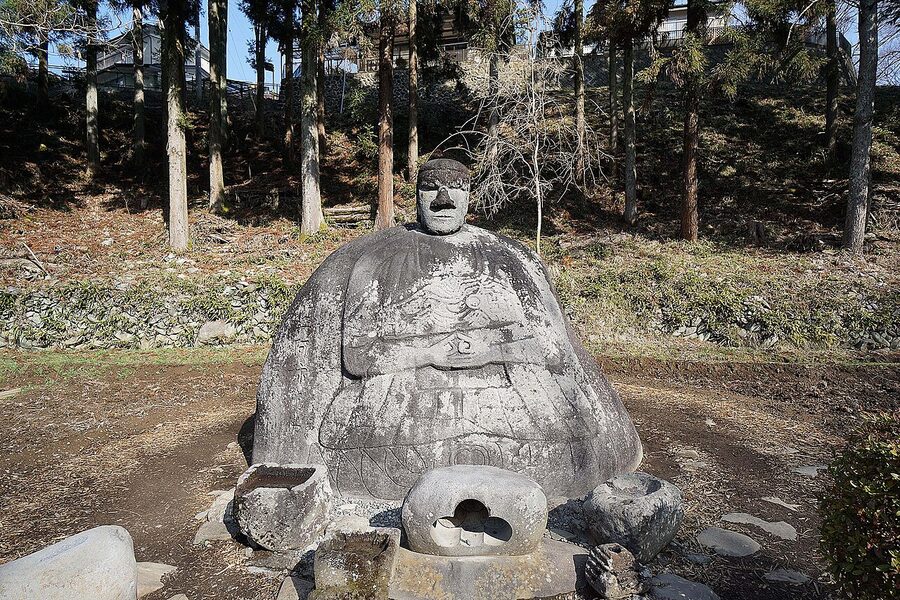
Three minutes’ walk south of Harumiya, across a small bridge over the Toga River and down a path through rice paddies, you arrive at the Manji no Sekibutsu, a stone Buddha carved in 1660. The proportions are deliberately strange: a small triangular head perched on a roughly cuboidal body, as if a child had built it from blocks. The artist Taro Okamoto wrote about it in the 1960s and the writer Niitsu Jiro praised it shortly after, which is what made the figure famous outside Suwa.
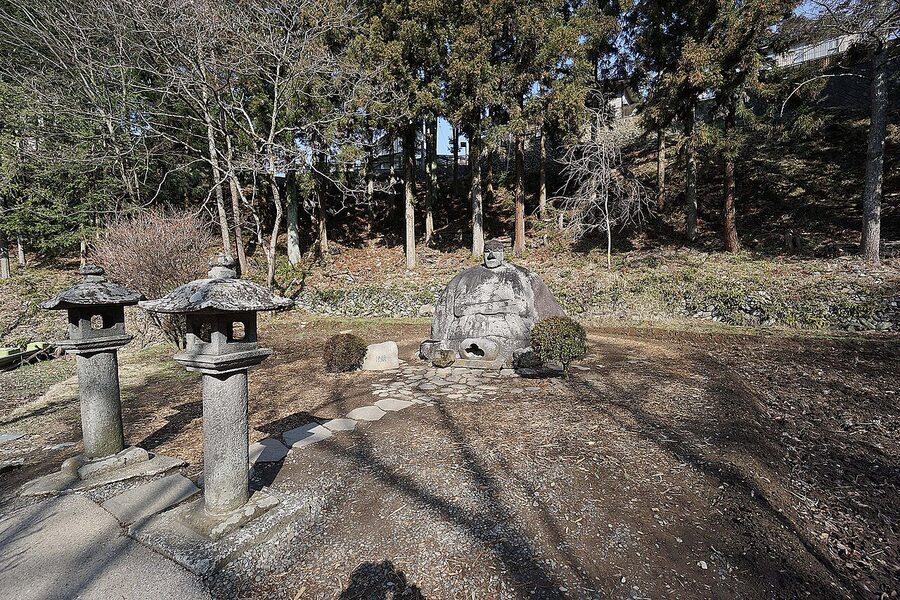
Combine this with the Harumiya visit and the walk between the two Lower Shrines. The whole loop, including stops, takes about 90 minutes from Shimo-Suwa Station. There is a small tea-cake shop nearby that sells Manji-shaped sweets; the joke is part of the experience.
The Suwa Geyser Centre
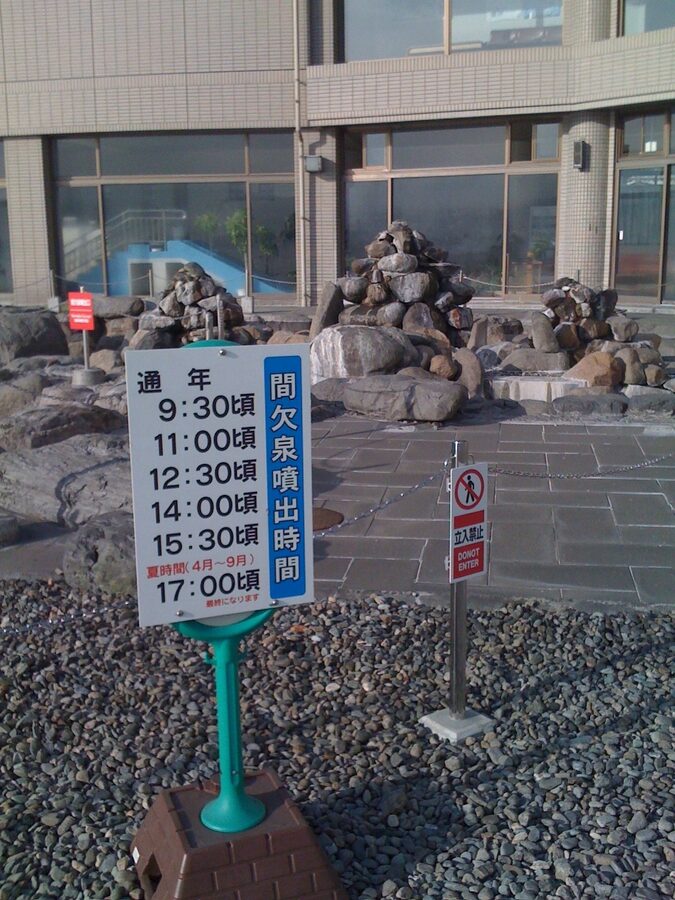
In 1983 a hot-spring drilling crew on the southern lakeshore accidentally tapped a high-pressure source. The geyser that erupted was 50 metres tall, briefly the second-largest in the world, and the city built a visitor centre around it. The natural pressure has dropped over the decades and modern eruptions only reach about 5 metres, helped along by a pump on a fixed schedule. Eruptions happen roughly hourly. There’s a film exhibit on the upper floor about Suwa as a film and TV location, and a small kiosk selling onsen-tamago (eggs cooked in the geothermal water) for a few hundred yen.
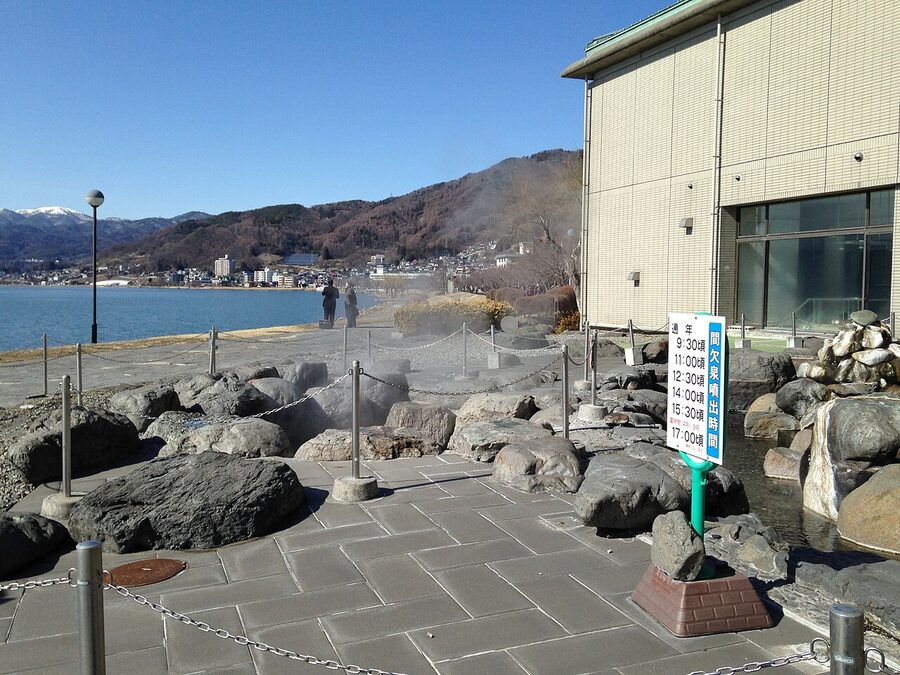
Address: Suwa-shi Kogantori 2-208-90, inside the Suwa Lakeside Park. 13 minutes’ walk from Kami-Suwa Station. Free entry. Closed every 15 August (because of the fireworks festival site setup) and the first Saturday of September.
Sake: the five Kami-Suwa breweries
Just south of Kami-Suwa Station, along what was once the Koshu Kaido road, sit five sake breweries within 700 metres of each other. The cluster is called the Goku-ra, the “five storehouses”. They are: Masumi (founded 1662, the most famous; the brewery shop has a tasting bar at ¥500 for five sake), Reijin (also produces craft beer), Honkin, Yokobue, and Maihime (also produces a plum and apricot wine).
The combined Goku-ra sake-tasting pass (¥3,000) gets you tastings at all five and a small ochoko cup as a souvenir. Buy it online via the Suwa City Tourism Information Centre or in person at the centre inside Kami-Suwa Station. Allow three hours for the full circuit and pace yourself; the staff at most breweries speak basic English and are happy to explain what you’re drinking. Try the namazake (unpasteurised sake) in spring if it’s on the tasting menu, the daiginjo (highly polished, fragrant) at Masumi, and Reijin’s craft beer between sake stops to reset your palate.
What to eat in Suwa
The local kaiseki style centres on three things: lake-fish (wakasagi smelt and koi from the lake itself), mountain vegetables (sansai), and the local miso, which is a comparatively pale Shinshu-style. If you eat at a Kami-Suwa ryokan, expect dinner to feature wakasagi tempura, koi koku (carp simmered in miso), some preparation of horse meat (basashi or sakura nabe; common in Nagano), and a pickled-vegetable platter.
Outside the ryokan, the speciality dishes are Shinshu soba (the buckwheat noodles Nagano is famous for; the Suwa style is on the firmer side), oyaki (the steamed wheat-flour buns filled with vegetables), and uwasa-no-yose-mame (a local soybean sweet). For ramen, Harukiya near Kami-Suwa Station serves the local Suwa-style with miso broth (¥900) and is open until 20:00.
For lunch, the Kurasawa Soba shop on the main approach to Akimiya is the obvious choice: hand-cut zaru soba at ¥950, with the option to add a small tempura plate for ¥500. They open at 11:00 and frequently sell out by 14:00 in autumn, so go early.
When to visit Suwa
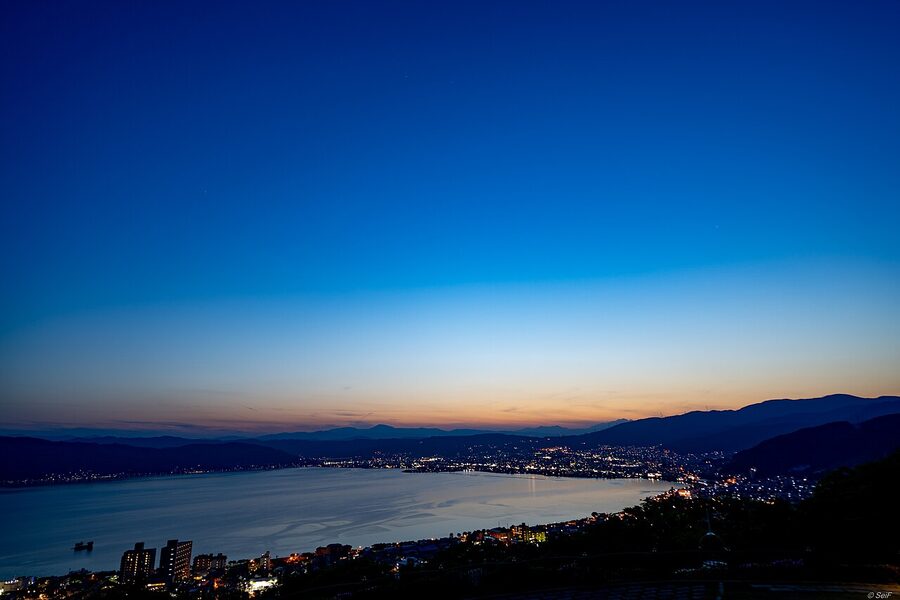
Suwa works year-round, but the seasons each have their case. Spring (mid-April to early June): cherry blossom at Takashima Park around 15 April, fresh greens around the shrines, sake-brewery tasting season in good shape. Summer (July, August): the fireworks every night, the headline 15 August festival, busy and humid; book ahead. Autumn (October-early November): the maples around Honmiya and the lake are at their best around 25 October to 10 November. Winter (mid-January to mid-February): cold, occasionally snowy, with a small chance of the Omiwatari ridge appearing on the lake; the trade-off is far fewer people.
Avoid the school holiday weeks (late April to early May Golden Week, mid-August Obon) unless you have a specific reason to be there: prices double, ryokan are full, and the lake walk gets crowded.
Two-day Suwa itinerary
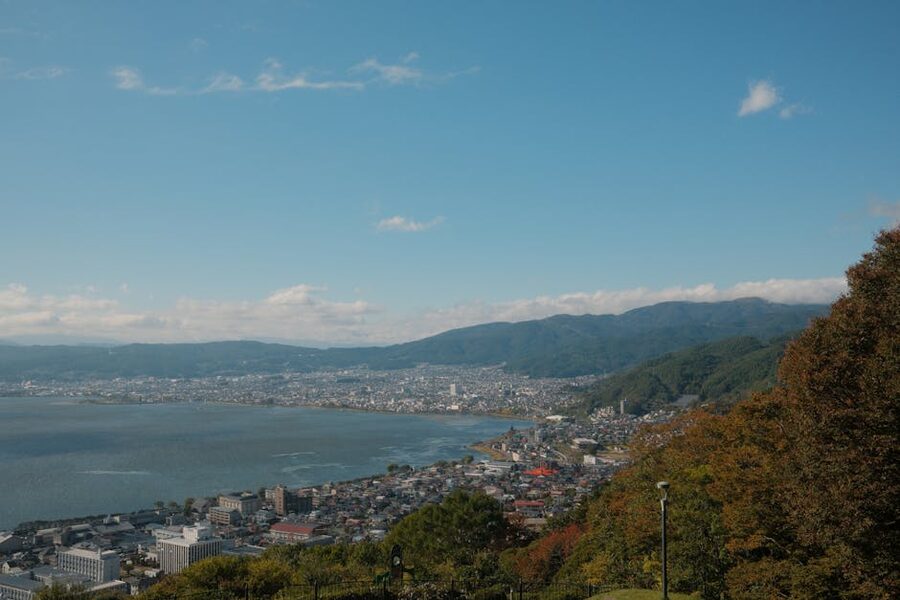
Day 1, Kami-Suwa side. Morning Azusa from Shinjuku, arrive Kami-Suwa around 11:00. Lunch at the station ramen shop or the soba place upstairs. Afternoon: walk to Takashima Castle (15 minutes), then to Katakurakan for the bath (15 more minutes; allow 90 minutes for the bathhouse), then to the geyser centre and Suwa Lakeside Park for the foot bath. Evening: walk the Goku-ra sake circuit (allow 3 hours), dinner at the ryokan or in town. Watch the small evening hanabi from the lakeshore in summer.
Day 2, four-shrine pilgrimage and Shimo-Suwa. Early start. Karinchan bus or taxi to Maemiya (45 minutes), walk the precinct, walk down to Honmiya (20 minutes), allow 90 minutes total for the Upper Shrines. Bus or taxi back to Kami-Suwa Station, train to Shimo-Suwa (15 minutes). Walk to Akimiya (15 minutes), to Harumiya (15 minutes more), detour to the Manji stone Buddha, lunch in Shimo-Suwa, late afternoon train back to Kami-Suwa. Evening Azusa back to Tokyo or onward to Matsumoto.
If you have a third day, add the Tateishi Park sunset, the Onbashira-kan Yoisa museum next to Harumiya, the Kitazawa glass museum on the lakeshore, and a relaxed cycle of the lake loop. Or use it for a day trip to Matsumoto or Shiojiri.
Day-trip combinations
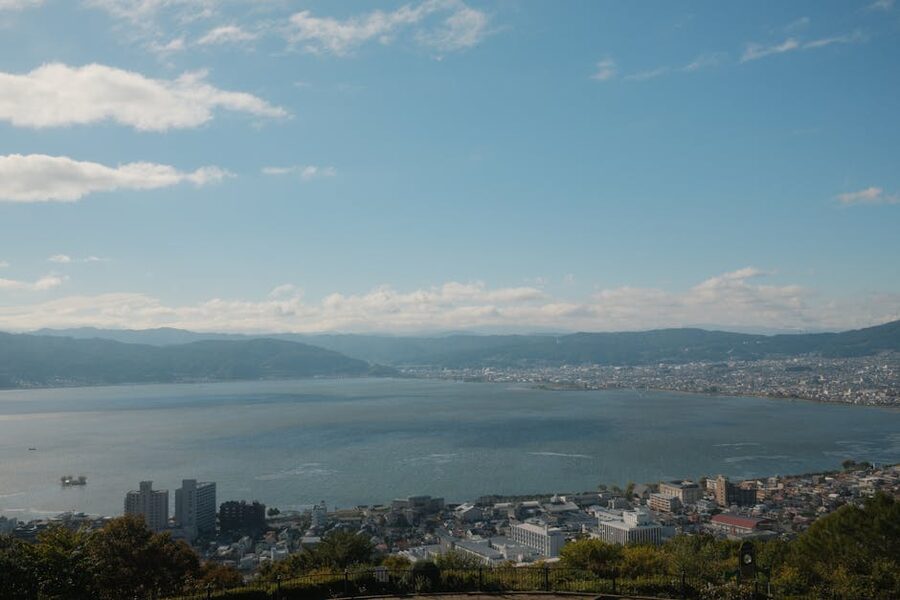
Suwa makes a strong base for spoke trips. Matsumoto is 40 minutes north on the local train, which puts the castle and Nakamachi an easy half-day away. Our Matsumoto guide walks through the priorities. Shiojiri and Narai-juku sit between Suwa and Matsumoto on the same line, so the well-preserved Nakasendo post-town of Narai works as a half-day or even one-third-day side trip; consult our Shiojiri guide for the wineries and the Kiso-Hirasawa lacquerware district.
Heading north, Nagano City is two hours away (Azusa to Matsumoto, then Shinano onward), and Zenko-ji can be done as a long day-trip. East along the Hokuriku Shinkansen, Karuizawa is a longer haul (Azusa back through Tokyo, then Shinkansen) and is better as part of a multi-stop loop than a same-day return.
South of Suwa, the Kiso Valley and the Magome-Tsumago post-town walk reward two days; the access guide details the train and bus connections. To plan a multi-city loop through the seven Japan Alps cities, our itinerary guide sketches 5, 7 and 10-day routes that include Suwa as the cultural pivot in the middle.
Where Suwa sits in a longer Nagano trip
Most travellers fitting Suwa into a Japan Alps loop arrive from Tokyo, do Suwa over two nights, then run the Azusa north to Matsumoto for two more, then the Limited Express Shinano onward to Nagano City for one. Returning travellers sometimes flip this and start at Karuizawa, do Nagano City, then come south through Matsumoto to Suwa, then west to the Kiso Valley. Either direction works. The lake makes Suwa a natural pause-point in the middle of any longer route.
Practical details, in one place
Tourist information centre: Inside Kami-Suwa Station (open 9:00 to 17:30); also branches in Shimo-Suwa, Chino, and Okaya. Pick up the lake-side foot-bath map and the four-shrine goshuin folder here.
Money: ATMs at the post office near Kami-Suwa Station and at the 7-Eleven on the main road accept foreign cards. Most ryokan and museums take cash only; sake breweries take cards.
Connectivity: Free Wi-Fi on the JR limited express, in the station, in the larger ryokan and at the tourist information centre. Mobile signal is solid across the basin.
Walking gear: Sturdy shoes for the shrine paths, especially the climb up to Maemiya and the walk between the Lower Shrines. The lake loop is paved.
Transport: The local Karinchan bus (¥150 flat fare) runs hourly; the Higashiyama line is the one to know if you’re heading to Tateishi Park or the Honmiya area. Taxi rank at Kami-Suwa Station; a taxi from Kami-Suwa to Honmiya is around ¥2,500. Bicycle rental from the shops at Kami-Suwa Station, Shimo-Suwa Station and the Suwa Lakeside Park dock.
The town doesn’t sell itself. It sits there, ringed by mountains, with a 1,200-year-old festival on a six-year cycle and a four-piece shrine that takes a full day to understand. The day-trippers stop for an hour at the geyser. Stay two nights, walk the lake at dawn, sit on the wall at Tateishi Park at sunset, and you’ll know why people who live here don’t bother explaining the place to outsiders.