
Most foreign visitors think of Nagano as a station you change trains at. The Hokuriku Shinkansen pulls in, half the carriage shuffles their luggage, and ninety minutes later the same passengers are standing on a Hakuba snow platform or queueing for the Snow Monkey Park bus, with no memory of the city they passed through. That is, frankly, a stupid way to use a train ticket. Nagano is the seat of one of the oldest and most-visited Buddhist temples in Japan, the host of the 1998 Winter Olympics, and the gateway to a soba region that locals will defend with the seriousness of a wine appellation. You could spend a single packed day here and still leave behind enough to justify a second visit.
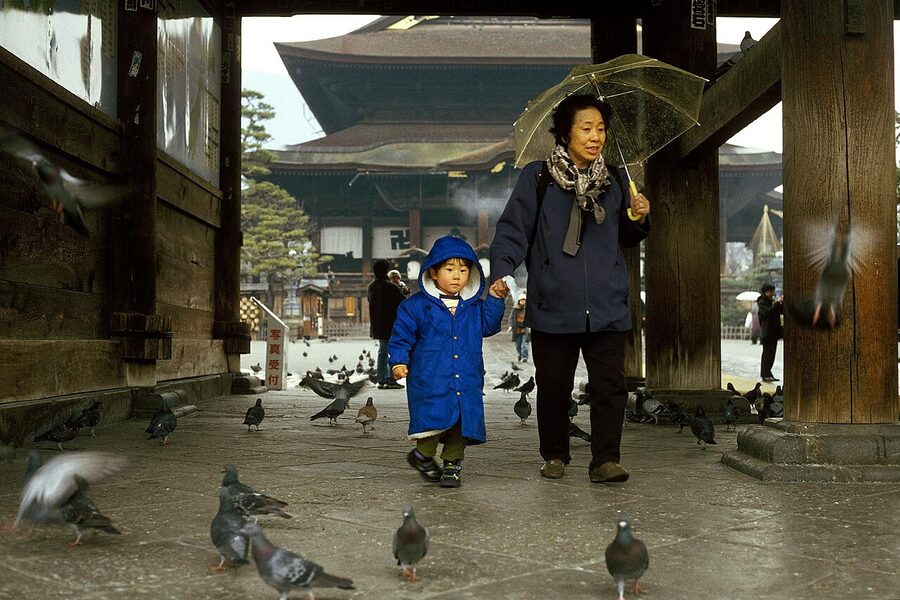
The “transit-only” reading of Nagano isn’t entirely the visitor’s fault. English guidebooks compress the city into a single Zenko-ji paragraph, then jump to the Snow Monkeys in Yamanouchi. JR-East’s own English signage is happy to nudge you straight onto the Nagano Dentetsu line and out of town. But once you give the city a single overnight, the picture changes. Zenko-ji has a daily ritual structure most temples gave up centuries ago. The 1.8km Nakamise approach is the densest stretch of soba shops, miso shops, and sake breweries in Nagano prefecture. And the day-trip cluster, Togakushi to the west and Obuse to the north, is the kind of pairing you can’t easily build elsewhere in central Honshu.
In This Article
- Why Nagano City is worth a night, not just a connection
- Getting there: Hokuriku Shinkansen and the bus alternative
- Getting around the city itself
- Zenko-ji: the temple, the rituals, and what most visitors miss
- The morning service (O-Asaji)
- Okaidan Meguri (the dark passage)
- Binzuru and the rubbing statue
- The grounds, the sub-temples, and the smaller things
- The Nakamise approach: shichimi, oyaki, and miso
- The Olympic legacy: M-Wave and the Olympic Museum
- Soba: the regional argument
- Where to base yourself: the Zenko-ji area or the station area
- Near Zenko-ji
- Near the station
- Togakushi: the soba and the cedar shrines
- The five shrines
- Togakushi soba
- Togakushi in winter
- Obuse: chestnuts, Hokusai, and the unexpected art town
- The Hokusai-kan Museum
- Ganshoin Temple and the Phoenix
- Obuse town walking
- Snow Monkeys at Jigokudani: the half-day add-on
- Matsushiro: samurai and the underground bunker
- What I’d actually do with one or two nights in Nagano
- Practical: when to come, what to bring, what’s open
- What to combine Nagano with
Why Nagano City is worth a night, not just a connection
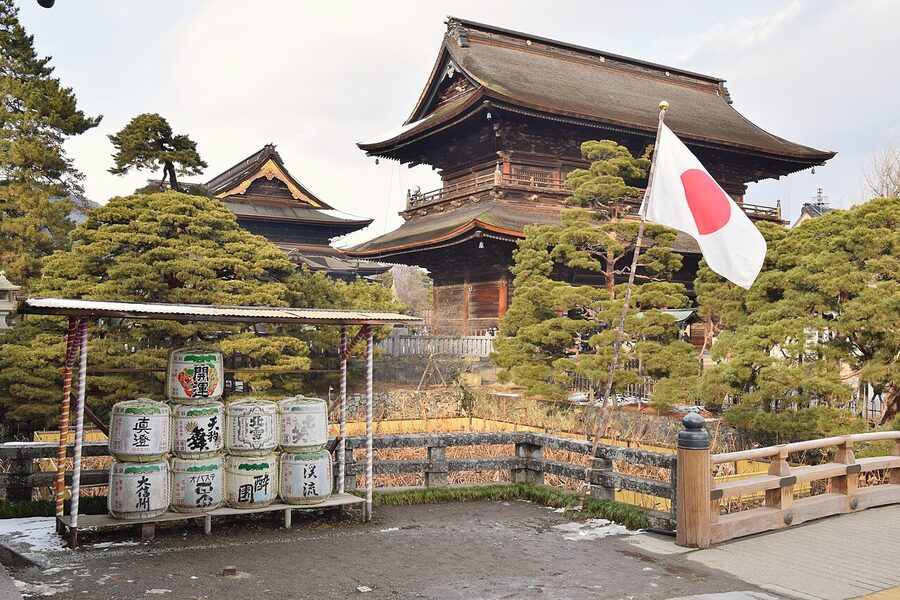
Nagano City exists because Zenko-ji exists. The temple was founded in 644, the city grew up around it as a monzen-machi (a town in front of the gate), and the entire urban grid still tilts north towards the main hall. That gives the city something most other Shinkansen stops don’t have: a single, walkable spine running 1.8km from the station, lined with shops and shrines, that ends at a national-treasure wooden building older than any wooden cathedral in Europe still in use. You can do the spine in a morning. You should not.
The other reason to overnight here is the day-trip geometry. Togakushi is 50 minutes by Alpico bus from Nagano Station, Obuse is 25 minutes by Nagano Dentetsu, and the Snow Monkey Park is 35 minutes plus a short hike. None of those work as side-trips out of Tokyo. They only work if you sleep in Nagano. Skip the night and you skip the whole upper half of the prefecture’s culture, which is the half foreign blogs barely cover.
Getting there: Hokuriku Shinkansen and the bus alternative
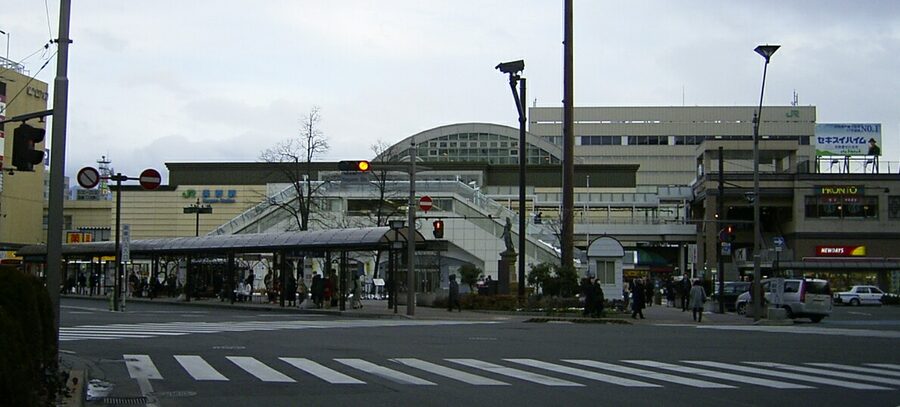
The fast option from Tokyo is the Hokuriku Shinkansen Kagayaki or Hakutaka. About 1 hour 20 minutes door to door from Tokyo Station, around ¥8,400 for an unreserved seat. The Kagayaki only stops at Omiya and Nagano on its way through, so the journey is genuinely fast. The Hakutaka adds Karuizawa and Sakudaira but still gets in under 1h45. From Kanazawa or Toyama, the same line runs in reverse: Toyama-Nagano is about 1 hour, Kanazawa-Nagano about 1h20. If you’ve already bought a JR Pass or the JR East Nagano-Niigata pass, the Shinkansen is included.
The cheap option is the Keio Highway Bus from Shinjuku. About 3h40 minutes, around ¥2,900 booked in advance. It stops at the same Nagano Station east-side terminal, so you arrive in the right place even on a budget. From Osaka the train involves a Nagoya transfer (Tokaido Shinkansen to Nagoya, then the Wide View Shinano limited express up the Kiso Valley), about 4 hours total and a chance to look at Kiso scenery on the way. The Wide View also runs from Matsumoto, 50 minutes for ¥2,900, which is the move if you’re stitching Nagano into a Japan Alps loop.
The full mechanics of the Shinkansen, the limited expresses, and the regional buses are in the Japan Alps access guide. The short version: arrive at the Zenko-ji exit (the north side of the station), not the Higashi exit (the south side), unless you specifically want the Olympic district first.
Getting around the city itself
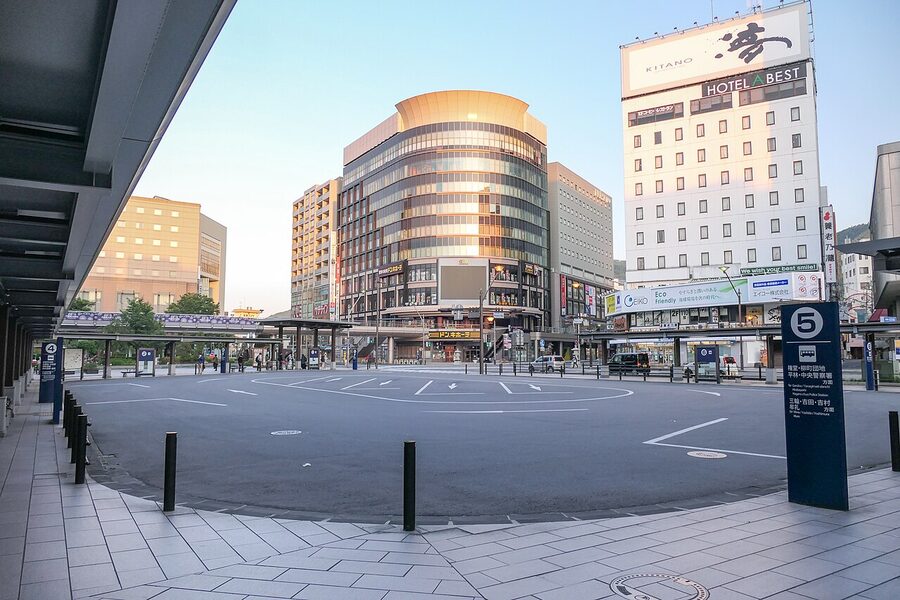
From the station to Zenko-ji is a 30-minute walk, all on the same straight road, gently uphill. Most days it’s a fine walk, with shopfronts and food stalls to slow you down. If you’ve got luggage, take the Alpico Zenkoji-line bus from stop 1, ¥150 flat fare, 10 minutes to Zenkoji-Daimon. The Guruin-go city loop bus is the other useful one, ¥150 a ride or ¥500 for a one-day pass, running every 15 minutes between roughly 09:35 and 18:50. It loops past the Olympic Memorial Arena, the city office, and the major museums.
For Togakushi and the Snow Monkeys, you switch to longer-distance Alpico buses or the Nagano Dentetsu private line. Both leave from the station’s east terminal. Bring 1,000-yen notes and small change. The buses don’t always have card readers.
Zenko-ji: the temple, the rituals, and what most visitors miss
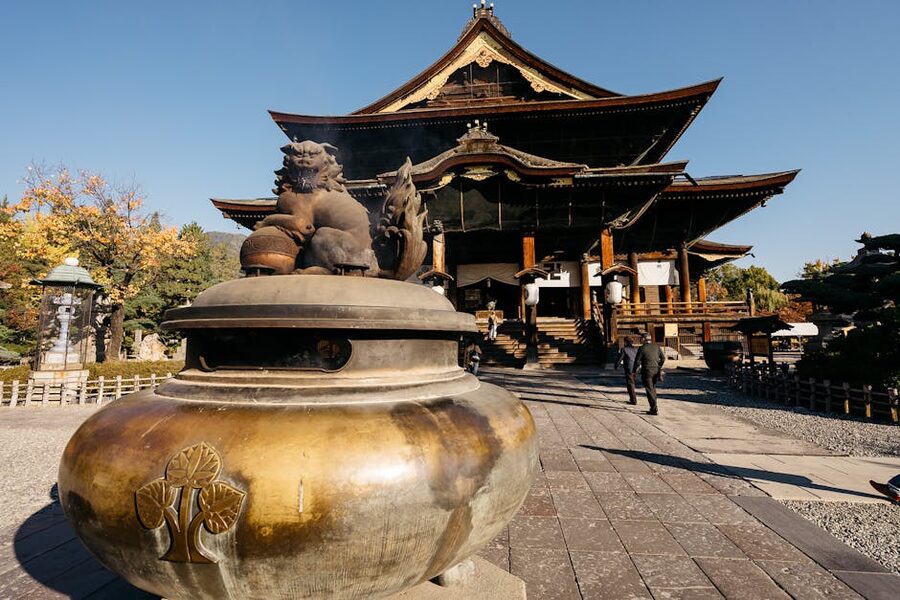
Zenko-ji is unusual on three counts. It pre-dates the major Buddhist sects, which means it’s run jointly by Tendai (the Daikanjin priests) and Jodo-shu (the Daihongan nuns), and it’s open to anyone regardless of denomination. The principal image, an Amida Triad said to have been brought from Korea in the 6th century, is a hibutsu, a hidden Buddha. Nobody alive has seen it. A substitute statue, the Maedachi-honzon, is shown to the public once every seven years during the Gokaicho ceremony. The next one runs from 4 April to 19 June 2027, 77 days. If you can time a visit then, do; the queues are colossal but the atmosphere is unrepeatable. If not, the temple is just as worth visiting in an off-year, and considerably easier to walk through.
The morning service (O-Asaji)
This is the single best reason to overnight in Nagano. Every morning of the year, the head priests of both Daikanjin (Tendai) and Daihongan (Jodo-shu) walk in procession along the main approach to the Hondo, where they conduct a brief Buddhist service. As they walk, kneeling pilgrims bow their heads, and the priests touch each pilgrim’s head with the prayer beads. This ritual, called O-Juzu Choudai, is open to anyone. You don’t need to be Buddhist. You don’t need to book. You do need to be there before the priests arrive, which means roughly 05:30 in summer and 06:30 in winter; the start time follows the sunrise. Check the official Zenko-ji website the night before for the exact time.
The service itself runs about 30 minutes inside the Hondo. Sit on the inner platform if you want a view of the altar. Sit on the outer mats if you want quiet. Either is fine. Photography is not allowed inside.
Okaidan Meguri (the dark passage)

Inside the Hondo, behind the main altar, a stairwell drops into a pitch-black corridor that runs in an L-shape directly beneath the principal hidden image. The aim is to walk through it, in total darkness, with one hand against the right wall, until your fingers find a metal lock-shaped object known as the Key of Paradise. Touch it and you’ve made a karmic connection with the hidden Amida Triad. The corridor is not metaphorical darkness. It is the kind of darkness where you’ll close your eyes and it makes no difference. The whole walk takes about three minutes.
Buy the combined Hondo + Okaidan ticket at the entrance: ¥1,200 for adults, ¥400 for children. The ticket also covers the History Museum on the eastern side of the grounds. Skip the dark passage if you’re claustrophobic; the queue can also stack up at peak hours, so go straight to it after the morning service if you can.
Binzuru and the rubbing statue
To the right of the inner altar sits Binzuru-sonja, a wooden statue of one of Buddha’s sixteen disciples. The custom is to touch the part of his body that corresponds to your own ailment. Centuries of touching have softened the wood; his face is essentially featureless now, and the right hand is worn smooth. He’s said to have been the model for the Buddha statue Asakusa later imported. There’s a small donation box at his feet. Most pilgrims drop a 100-yen coin; nobody is checking.
The grounds, the sub-temples, and the smaller things
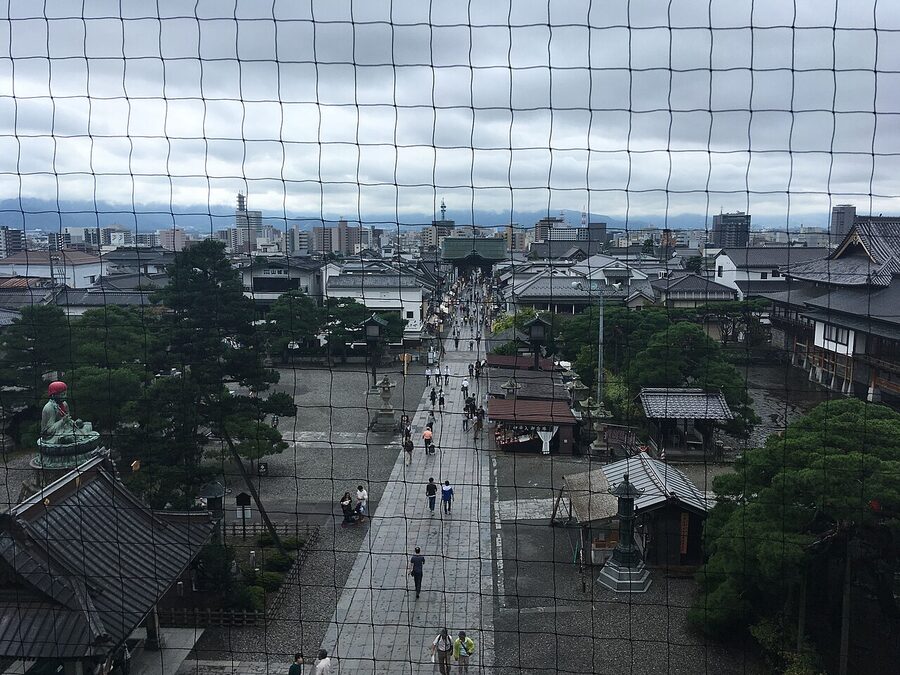
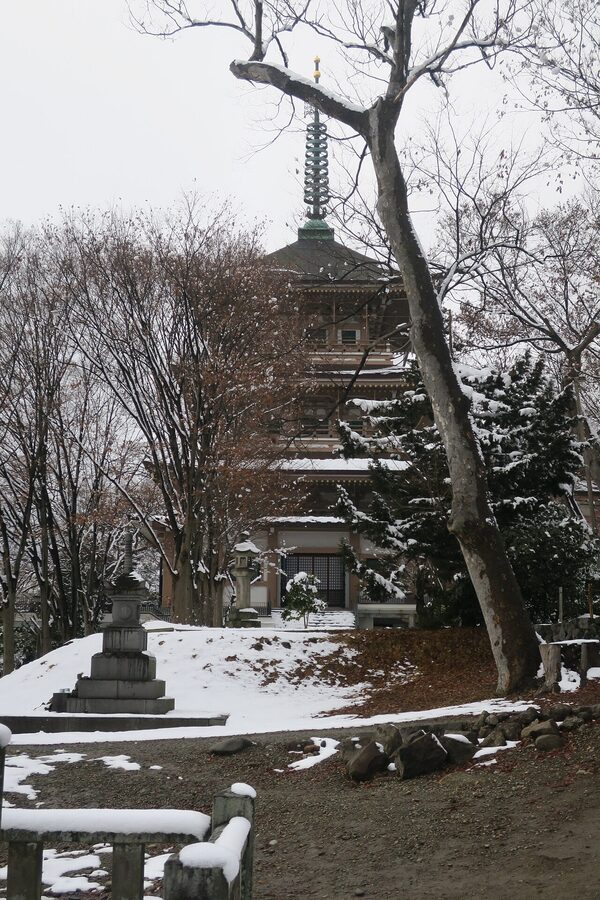
The standing buildings most visitors notice: the Niomon gate at the bottom, the Sanmon gate halfway up (climb it for a fee, ¥500, the view is the second-best photograph in Nagano), the Hondo itself (rebuilt 1707, a National Treasure, and one of the largest wooden buildings in eastern Japan at roughly 27m high and 54m deep), and the three-storey pagoda to the east. Less noticed: the Sutra Repository, a little wooden building containing a hexagonal revolving bookcase called a Rinzo. Push it once, and the religious merit is the same as having read all the sutras inside. Pilgrims throughout history have known a good shortcut when they see one.
There are 39 sub-temples, called shukubo, lining the approach. Many of them function as temple lodgings. About a dozen take overnight guests; rooms are tatami, dinner is shojin ryori (Buddhist vegetarian, mostly seasonal vegetables, soba, and tofu in interesting forms), and breakfast is followed by joining the morning service. Around ¥14,000 to ¥22,000 per person including dinner and breakfast. Saigetsuan, Tokuzenin and Fuchinbo are commonly recommended; book directly through the temple websites or via the Shukubo Association rather than through booking aggregators, which tend to mark prices up.
The Nakamise approach: shichimi, oyaki, and miso
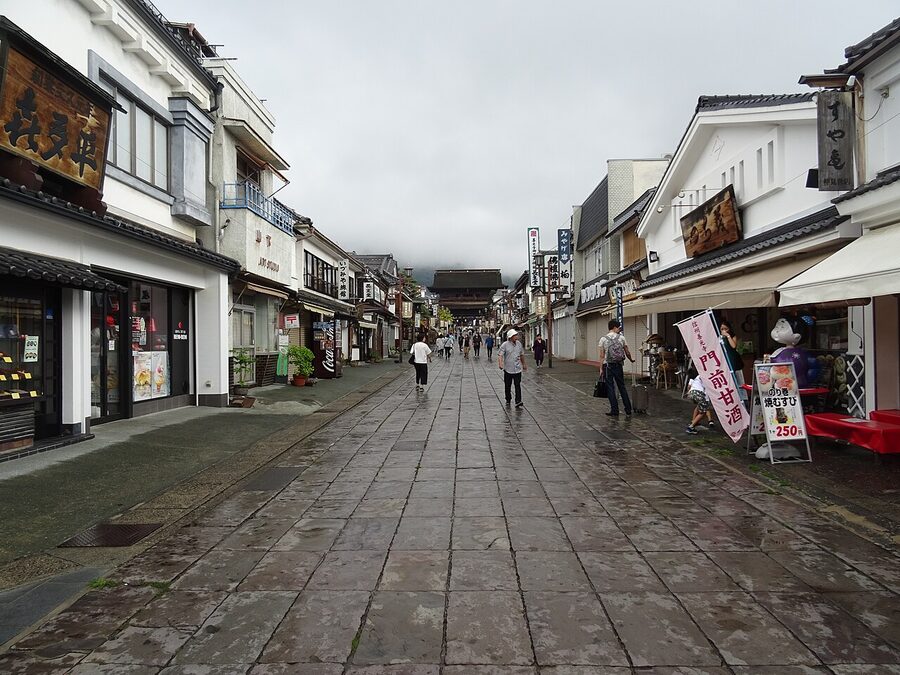
The 400m stretch of Nakamise between the Niomon gate and the Sanmon gate is, by some claims, paved with 7,777 stone slabs. I’ve never counted. What I can say is that it has about 60 shops, and the four worth seeking out are these:
Yawataya Isogoro sells shichimi togarashi, the seven-spice blend that originated in Nagano in 1736 and is now sold across Japan. The original shop is on the left side of Nakamise as you climb. Their tin is the design Japanese kitchens have used for generations. You can blend your own at the counter (pick your ratios of chilli, sansho, ginger, hemp, sesame, shiso, and nori); the blended tin is ¥620, takes five minutes, and is the single best souvenir in Nagano.
Oyaki are the local stuffed dumplings: buckwheat-and-wheat dough wrapped around fillings like nozawana pickles, kabocha squash, eggplant miso, or red bean. They’re either steamed or grilled, you eat them hot, and a good one runs about ¥220. Several shops along Nakamise sell them; the most reliable is Irohado near the top of the slope, which uses local Nagano vegetables. Two oyaki and a green tea is a perfect Zenko-ji lunch.
Marusho Soba, in a side lane, is a working sake brewery you can taste at. Three small cups of three different junmai sakes for ¥500. They use Nagano-grown rice and local water, and the brewer himself often pours the tasting if you ask politely. Open from 10:00 to 17:00.
Marukome, the miso company that turned a Nagano family operation into a national brand, has a small direct-sales shop a 10-minute walk west of Nakamise. Worth a detour for the unflavoured shiro miso, which doesn’t make it into supermarkets outside the prefecture.
The Olympic legacy: M-Wave and the Olympic Museum
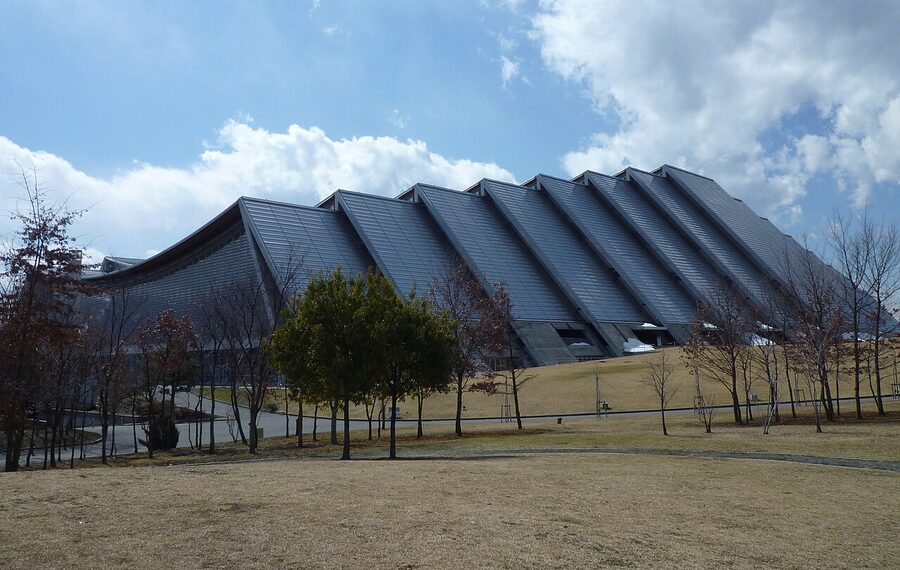
The 1998 Winter Olympics gave Nagano the Hokuriku Shinkansen (built specifically to bring spectators in) and a cluster of permanent venues that the city still uses. The five inside the city limits, in rough order of interest:
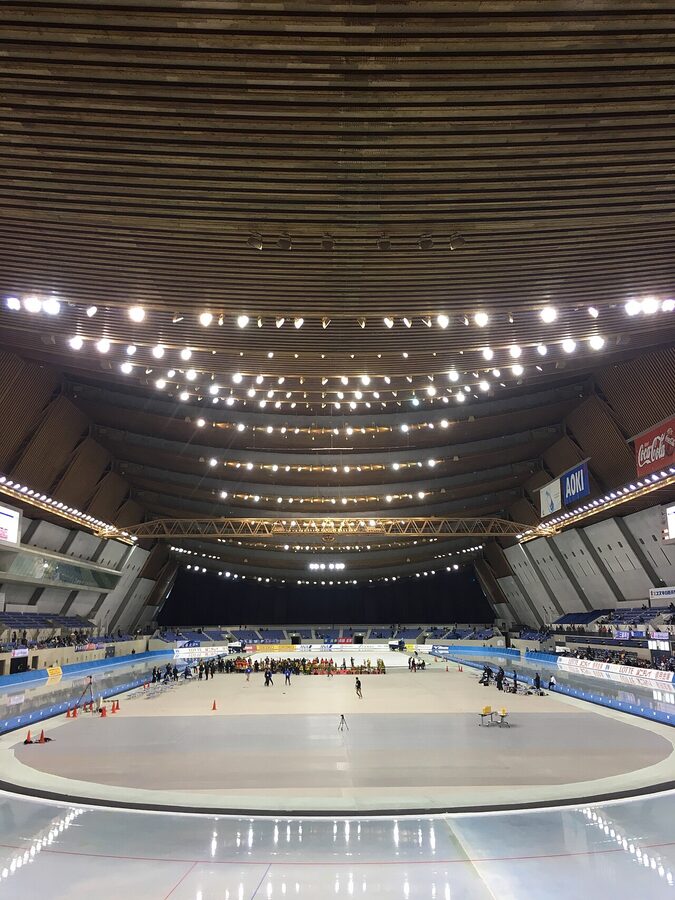
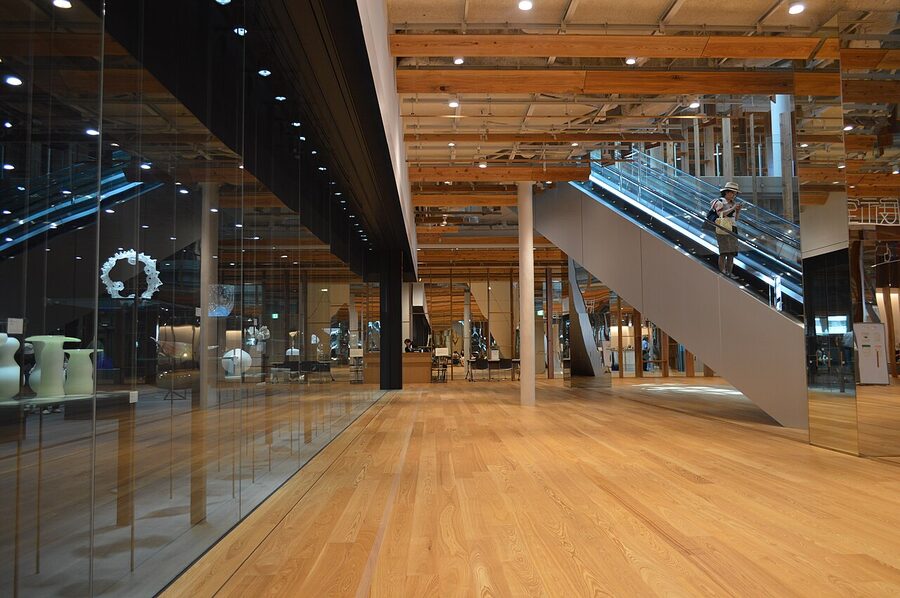
M-Wave Olympic Memorial Arena is the speed-skating oval, with that curved laminated-wood roof that’s still one of the more interesting sports buildings in Japan. The arena hosts skating in winter, concerts and trade shows the rest of the year, and the upper floor houses the small but worthwhile Nagano Olympic Museum. Entry ¥500, open 10:00 to 17:00 (closed Tuesdays). The museum is mostly photographs, torch replicas, and a handful of donated kit. Allow 45 minutes. Reach it by Guruin-go bus from the station, about 12 minutes.
Aqua Wing Arena hosted ice hockey in 1998 and is now the city’s main swimming pool. Largely closed to casual visitors. Fine to look at from outside.
Big Hat hosted the figure skating, and the dome-shaped roof reflects light strangely on overcast days. Now used for handball and concerts. Skip unless an event coincides.
White Ring, also known as the Nagano Spectator Plaza, hosted figure skating finals. The white shell roof is its trademark. Pleasant from the road; not a destination.
Nagano Spiral, the bobsleigh and luge track on the slopes of Mt Iizuna, is now the only Olympic-built track in Japan that’s still operational. You can sometimes book a passenger run on a four-man bobsled in winter (rare and expensive, around ¥33,000); check the Nagano Sports Promotion Center website for the schedule.
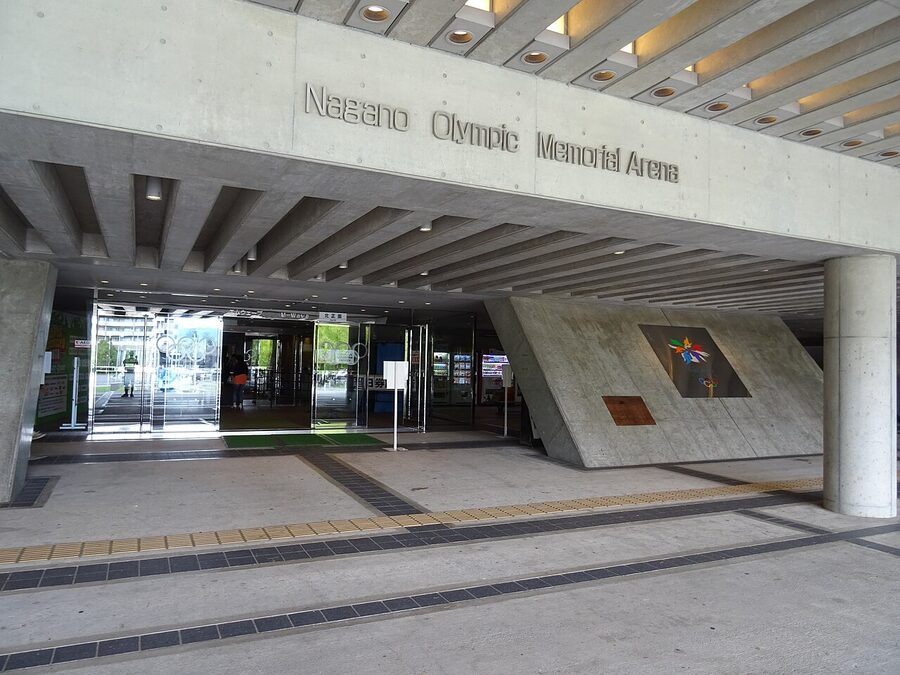
Real verdict: unless you watched the 1998 Games and have specific memories, the Olympic district is a 90-minute detour rather than a half-day. Pair the M-Wave with a soba lunch and move on.
Soba: the regional argument
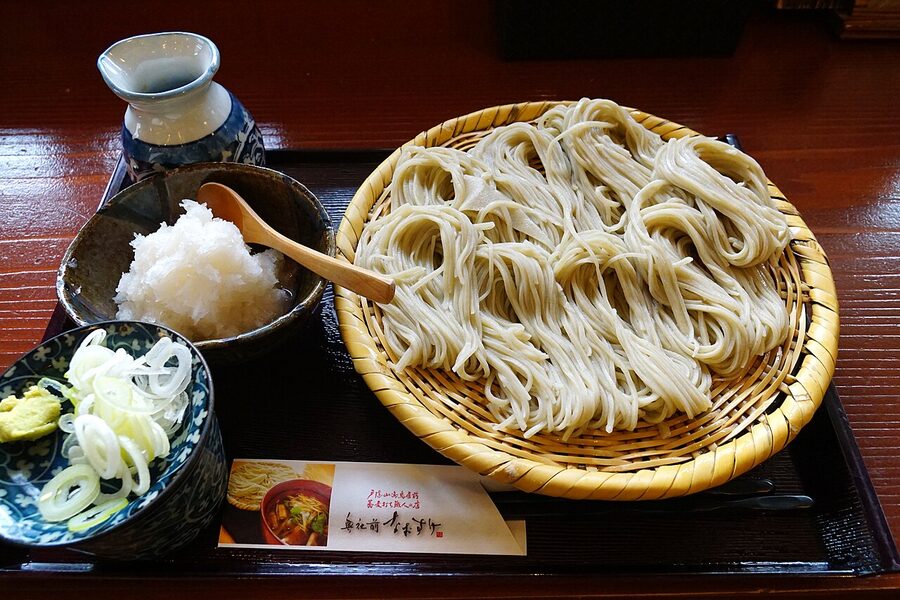
Nagano Prefecture grows more buckwheat than anywhere else in Japan, and the locals are quietly competitive about their three regional styles. Togakushi soba is the famous one (more on it below). Shinshu soba is the catch-all term for Nagano soba in general. Sarashina soba is the white, refined style made from the buckwheat’s inner kernel only. The third one is harder to find but worth ordering when you see it.
For an introduction in Nagano City itself, head to Fujiya Gohonjin, a Meiji-era former honjin inn turned restaurant on the Nakamise approach. The seiro-style soba is ¥1,300, the dipping sauce is shoyu-based with grated daikon, and the building itself is worth the meal: it’s where Emperor Meiji stayed in 1878. Open 11:00 to 14:30 and 17:00 to 21:00.
For a less reverent option, Soba-Dokoro Yamatoya, a five-minute walk west of Zenko-ji, does a strong tempura-soba set for ¥1,580 and a kakitamaru (egg-drop) hot soba for ¥1,100. No reservations, queue politely, the lunch crush ends about 13:30.
The third style, sarashina, is best at Tomihachi, near the Sanmon gate. Their sarashina is white as wet rice and has almost no buckwheat aroma, which is the point. Order it cold, with the lighter sauce, and notice how different it is from the rougher Togakushi style.
Where to base yourself: the Zenko-ji area or the station area
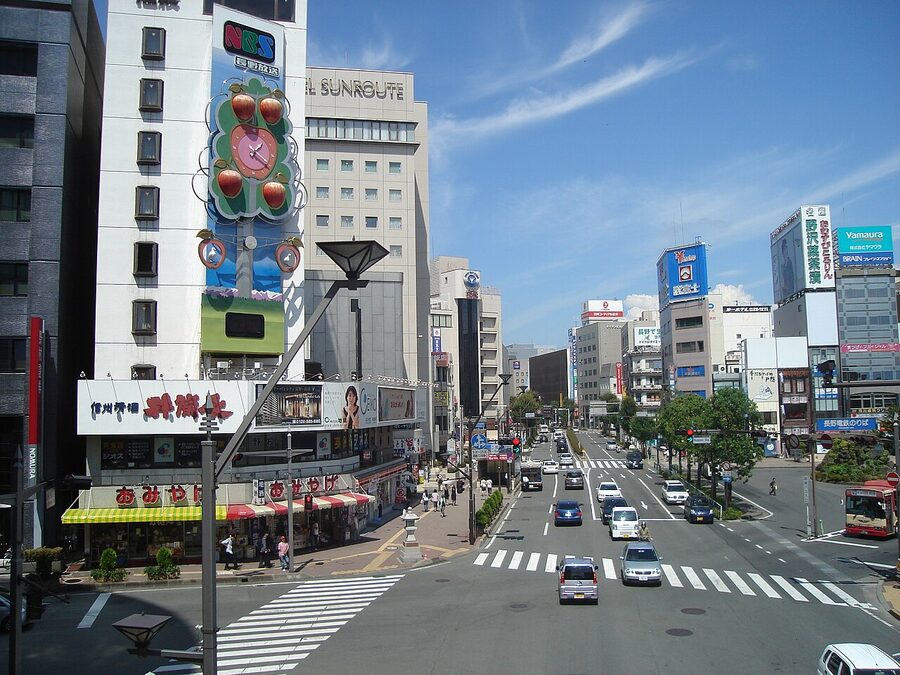
You’re choosing between two clusters. The Zenko-ji area, at the top of the approach, is quieter, more atmospheric, and a 30-minute walk from the station. The Nagano Station area, at the bottom, is loud, convenient, and full of business hotels.
Near Zenko-ji
Saigetsuan Hotaruan is the easiest English-friendly temple lodging at Zenko-ji itself. Tatami rooms, included shojin ryori dinner and breakfast, joining the morning service is built into the stay. Around ¥18,000 per person. Booking is direct via the shukubo network rather than booking.com.
Jizokan Matsuya Ryokan, a five-minute walk from the Niomon gate, is a more conventional ryokan with hot-spring baths drawing on Susobana onsen water. Doubles around ¥28,000 with breakfast. Check rates on Booking.com.
The Fujiya Gohonjin rents three suites above its restaurant. Heritage building, deep wooden baths, breakfast included. From ¥46,000 a night. Book ahead; only three rooms.
Near the station
Hotel Metropolitan Nagano sits directly on top of the Zenko-ji exit. Convenience-first, doubles from ¥15,000, the lobby restaurant has a fair sansai-soba lunch. Check on Booking.com.
Sotetsu Fresa Inn Nagano Zenkojiguchi is a chain business hotel two minutes from the Zenko-ji exit. Singles from ¥7,500 in low season, breakfast extra, but the rooms are larger than typical Japanese business hotels and the location is unbeatable. Check on Booking.com.
Hotel Kokusai 21 is the older mid-range hotel on the way up to Zenko-ji. Larger rooms, slightly dated, but a fair-value stay if the chain hotels are full during festivals.
If you want to compare a similar setup in another Japan Alps gateway city, the Matsumoto guide covers the equivalent split between castle-area ryokan and station-side business hotels.
Togakushi: the soba and the cedar shrines
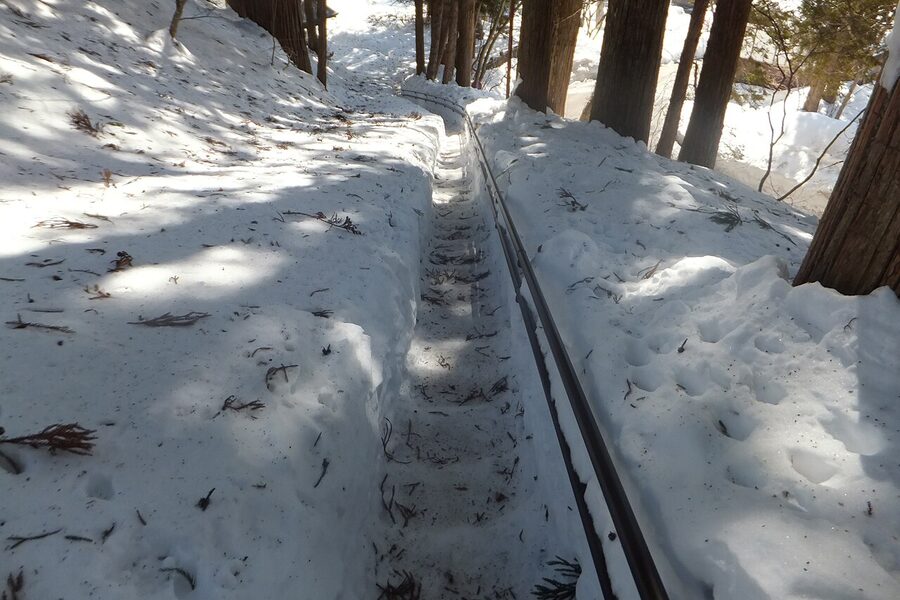
Togakushi is the half-day day-trip that pays off most. Bus from Nagano Station, Alpico Togakushi-line stop 7, about 60 minutes for ¥1,450 each way. The 1-day Togakushi Free Pass is ¥3,000 and includes unlimited rides, which is the move because you’ll need at least two segments. The bus climbs hard from Nagano up to 1,200m, switching back through villages and cedar forest until it reaches the Togakushi plateau.
The five shrines
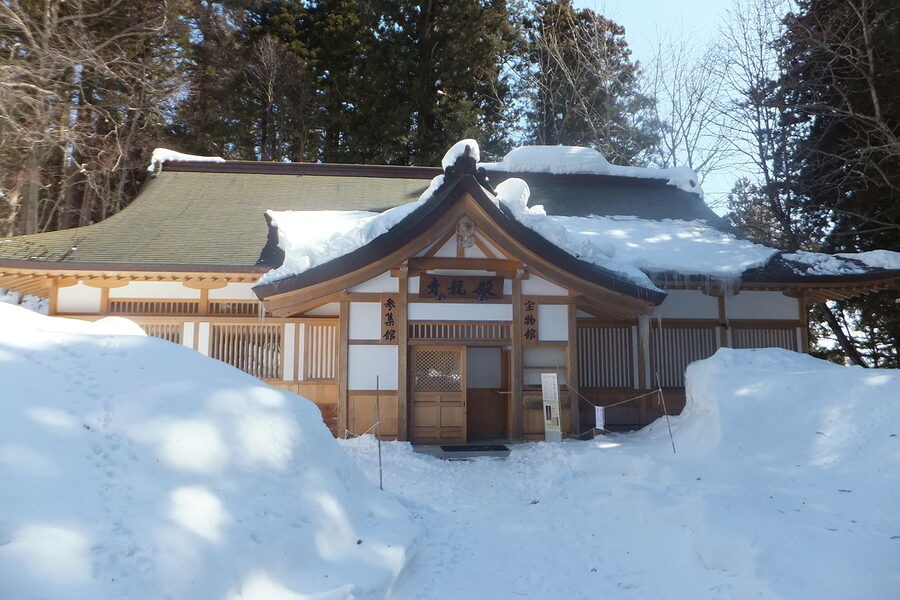
Togakushi-jinja is one shrine spread across five locations: Hokosha (treasure shrine, near the bus stop), Hinomikosha (fire shrine), Chusha (middle shrine, the busy one with the famous sanbonsugi triple cedar), Okusha (inner shrine, the one at the end of the cedar avenue), and Kuzuryusha (nine-headed dragon shrine, also at the end). Walking all five takes about three hours plus pauses. Most visitors do Chusha, then walk the avenue to Okusha and Kuzuryusha, which are next to each other.
The cedar avenue is the headline. After the Zuishinmon gate, the path narrows to a 2km tunnel of 400-year-old cedars. In autumn, the path is covered in red and gold maple leaves; in winter it’s deep snow and you’ll need crampons or, frankly, a different plan. The shrines themselves are simple wooden structures. The walk is the point.
Togakushi soba
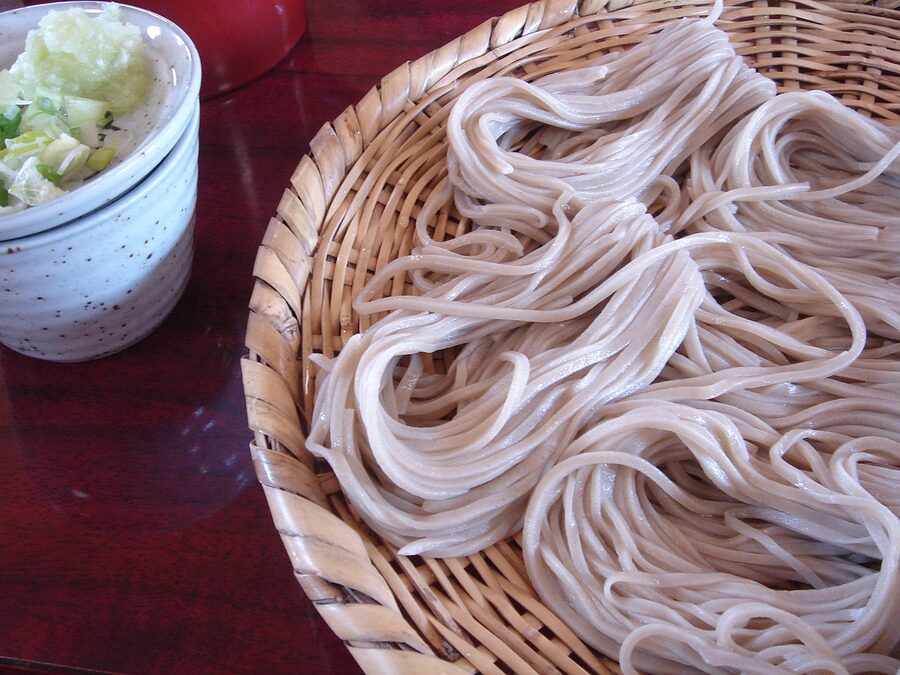
Togakushi soba is one of Japan’s three great soba (alongside Izumo and Wanko). Local buckwheat, local water, the noodles are slightly thicker than Tokyo-style and served bocchi-mori, in five small bundles on a flat tray. The dipping sauce comes with grated daikon, freshly grated wasabi (Nagano grows the country’s best), and shaved leek.
Uzuraya, opposite Chusha, is the famous one. Famous enough that there’s always a queue, and they hand out paper tickets with a 30-90 minute wait. Worth it once. ¥1,400 for the standard zaru. Yamaguchiya, two doors down, is the locals’ alternative: the same quality, half the queue, ¥1,250. Tonkururin, the building shaped like a giant soba spinner, is the official Togakushi Soba Museum. The hands-on noodle-making class runs ¥3,800 per person, takes 90 minutes, and you eat your own noodles at the end. Worth booking a day ahead in season.
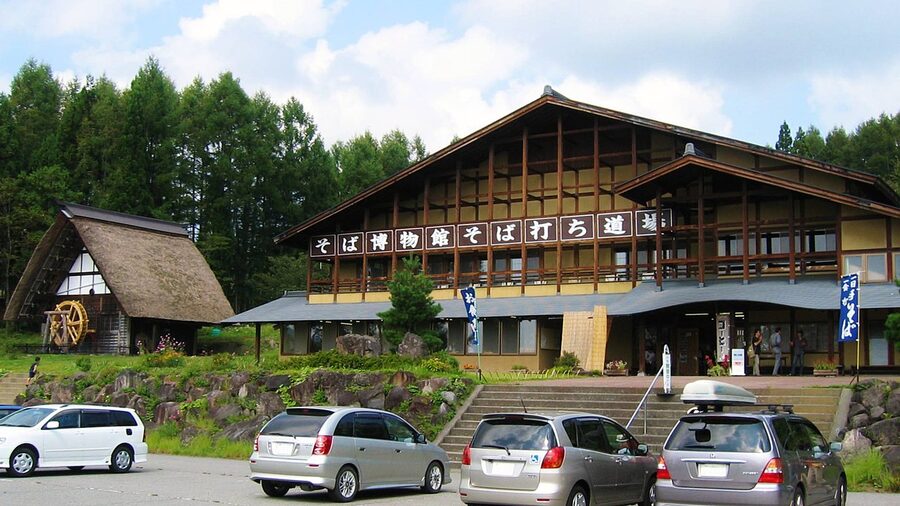
Togakushi in winter
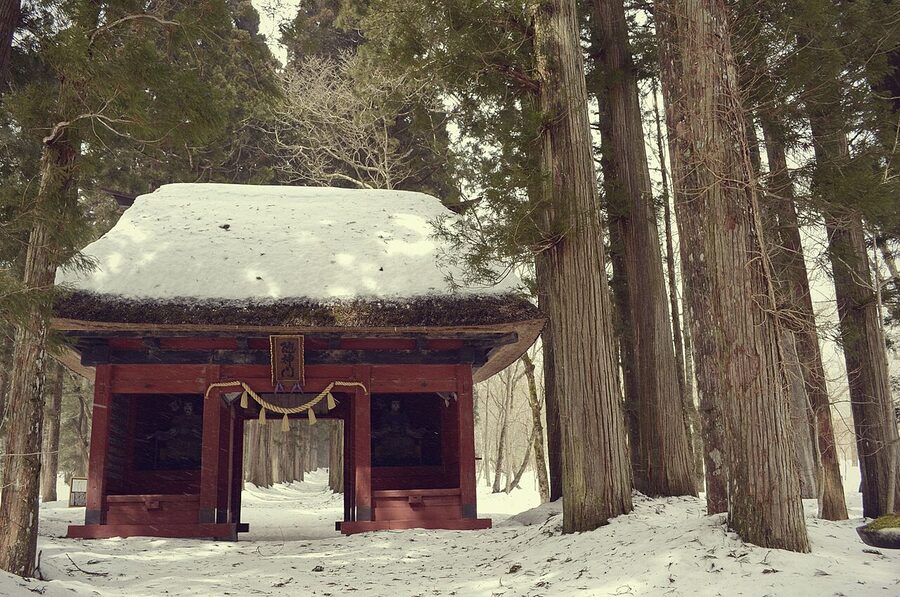
Togakushi has a small ski area, Togakushi Ski Resort, with seven lifts, modest in scale but uncrowded. It’s not a stand-alone ski destination compared to Hakuba, but worth a half-day if you’re already up here. Cross-country skiing on the plateau is the better winter activity, with marked tracks across the Togakushi Forest Botanical Garden plain.
Obuse: chestnuts, Hokusai, and the unexpected art town
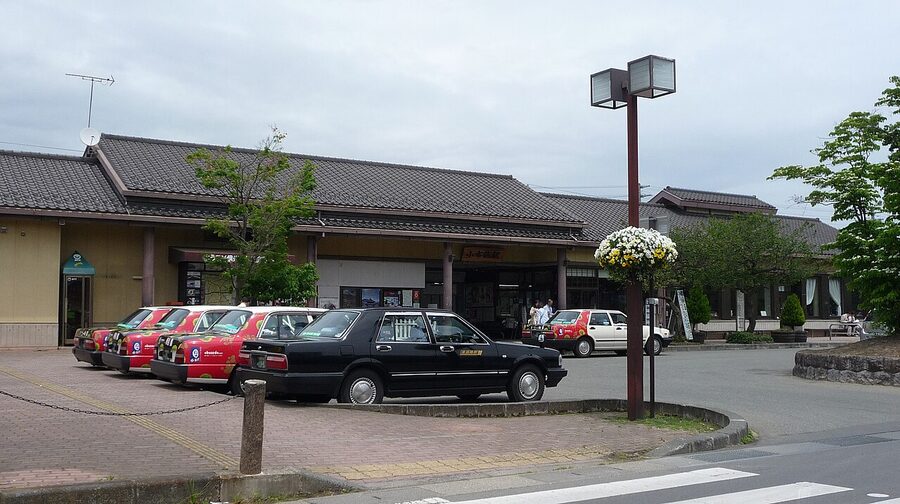
Obuse is the small town to the north of Nagano City that disproportionately rewards a half-day visit. Take the Nagano Dentetsu line from Nagano Station, 25 minutes for ¥680 on the express, 35 minutes on the local. From Obuse station, the centre of town is a 10-minute walk through chestnut-pavement streets. Obuse markets itself, fairly, on three things: the Hokusai connection, the chestnut sweets, and the well-kept Edo-era backstreets.
The Hokusai-kan Museum
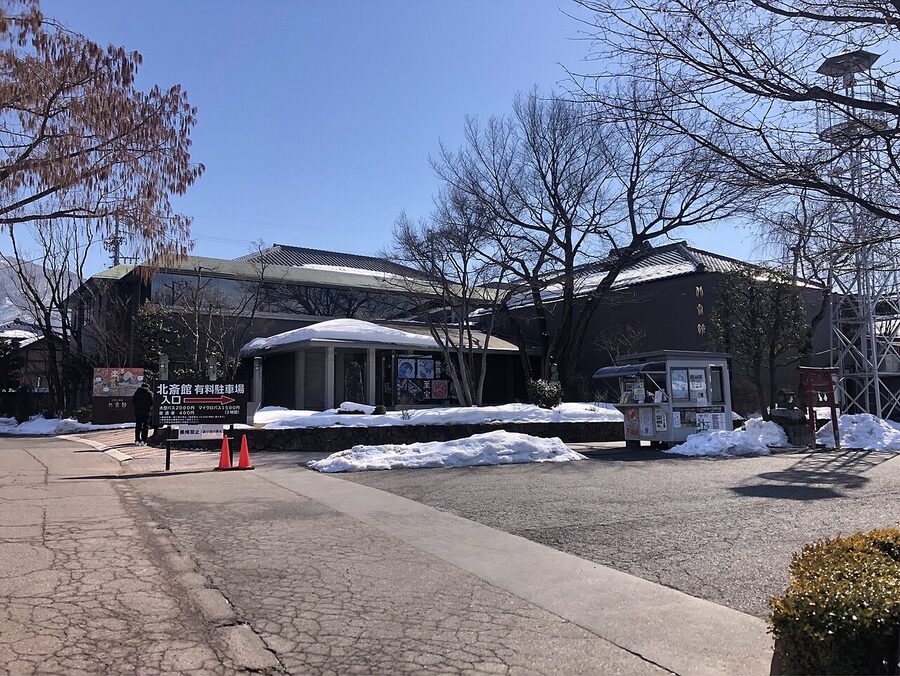
Katsushika Hokusai, the woodblock-print artist who made The Great Wave, visited Obuse four times in the 1840s, by then in his eighties. He came at the invitation of Takai Kozan, a wealthy Obuse merchant and amateur scholar who wanted to commission paintings, not prints. The result is a small but extraordinary body of late-period brushwork: two festival-cart ceiling paintings (Dragon and Phoenix, paired with Male Wave and Female Wave on the upper-town cart), and the spectacular Phoenix ceiling at Ganshoin temple. The Hokusai-kan Museum holds the festival-cart ceilings as its core collection, supplemented by sketches, the rare hand-painted scrolls he made in Obuse rather than the more famous prints, and a temporary exhibit that rotates seasonally. Entry ¥1,000, open 09:00 to 17:00, allow 90 minutes.
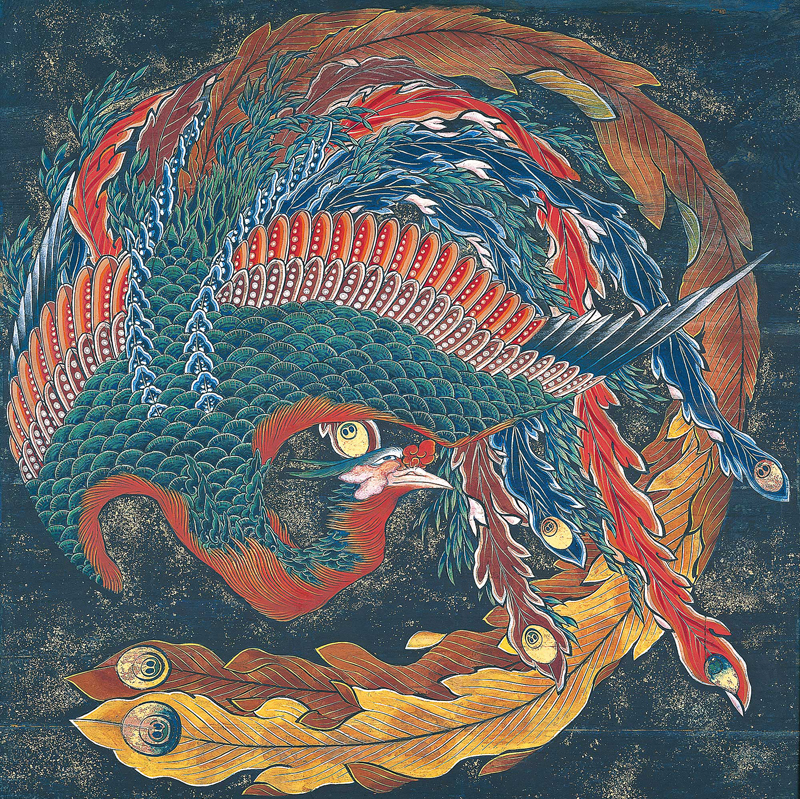
Ganshoin Temple and the Phoenix
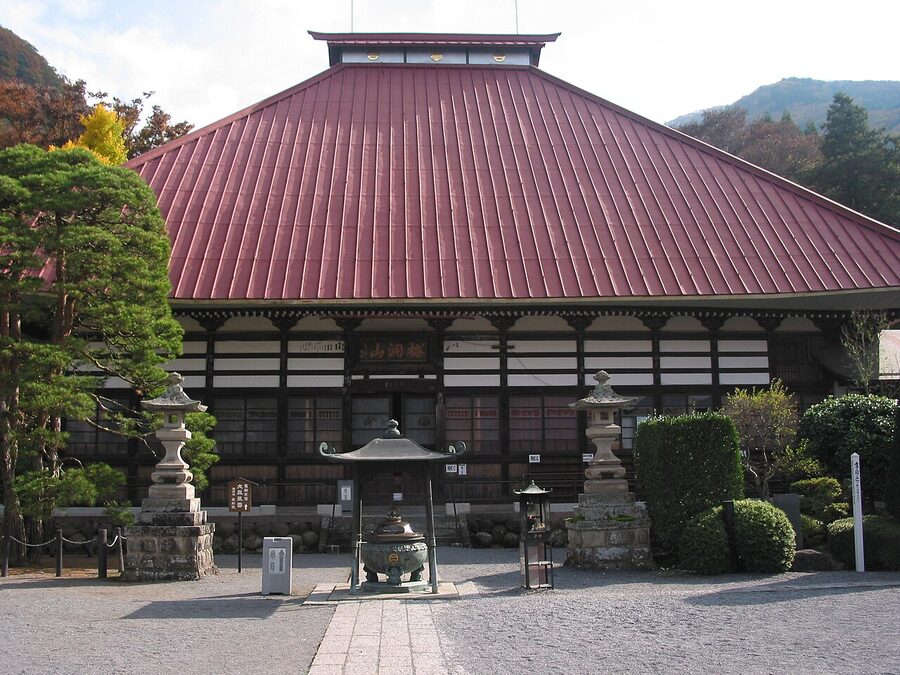
About 25 minutes uphill from the centre of town, Ganshoin is a small Soto Zen temple built into a hillside orchard. Above the altar in the Hondo, Hokusai painted a single, vast phoenix that fills the entire 6.3m-by-5.5m ceiling. He was 89 years old. The bird’s eye seems to follow you wherever you stand, partly an artistic trick, partly a rare frontal-pose composition for the period. Entry to the Hondo is ¥500. The temple closes at 16:30 in winter, 17:00 in summer, and is closed during heavy snow because the road up is unpaved.
Obuse town walking
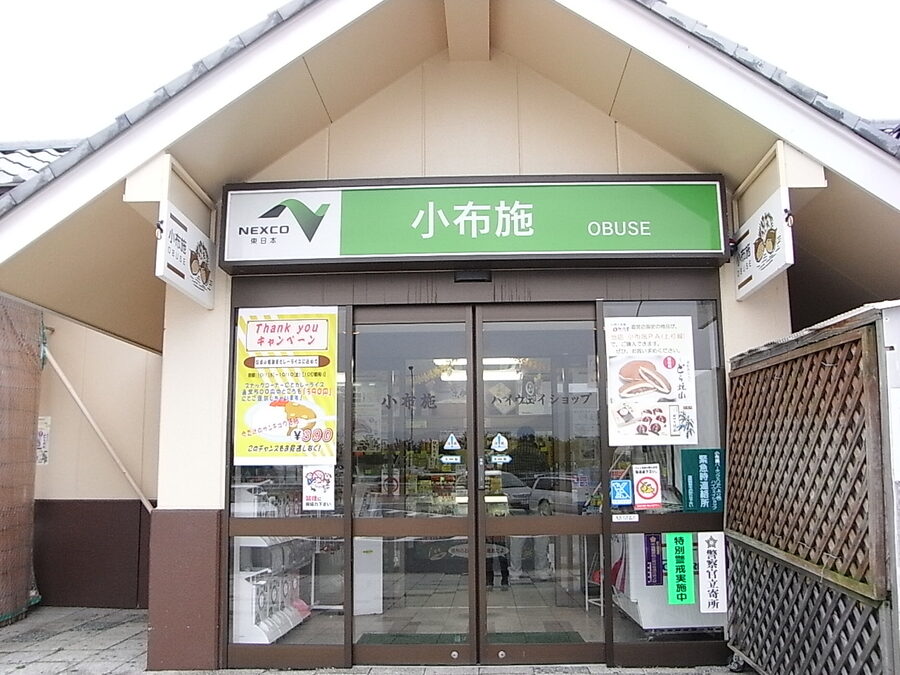
The chestnut sweets are everywhere. Obusedo is the largest of the chestnut shops, with a sit-down restaurant doing a kuri-okowa (chestnut steamed rice) set for ¥1,800. Chikufudo sells kuri kanoko, glazed whole chestnuts in syrup, ¥1,200 a box. Sasaya does the most refined kuri yokan (chestnut bean-paste loaf). Walk the back lanes between these shops and you’ll find Takai Kozan’s old residence, the Obuse Sake Brewery (Masuichi Ichimura, sold by the small glass), and a series of tiny private gardens that owners open during daylight hours under the town’s “open garden” scheme. Pick up the free map at the station information desk.
Snow Monkeys at Jigokudani: the half-day add-on
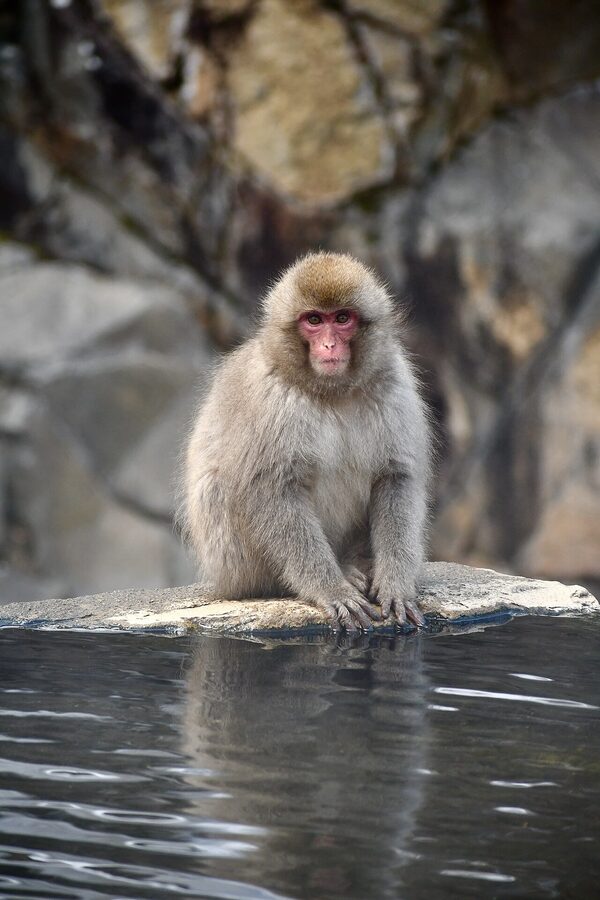
The Jigokudani Yaen-koen, where Japanese macaques bathe in a hot-spring pool surrounded by snow, is famous for good reason but oversold for foreigners as a 4-hour rush from Tokyo. Don’t do it that way. Do it as a half-day from Nagano, leaving you the rest of the day for Zenko-ji or Obuse.
How to get there: Nagano Dentetsu express train from Nagano Station to Yudanaka, 50 minutes for ¥1,290. From Yudanaka, take the Snow Monkey Park-bound bus, 15 minutes, ¥310. The bus stops at the trailhead. From there, you walk 1.6km along a flat, well-maintained forest path, around 30 to 40 minutes. The walk is part of the experience; some visitors get caught out by it because guidebooks often skip the detail.
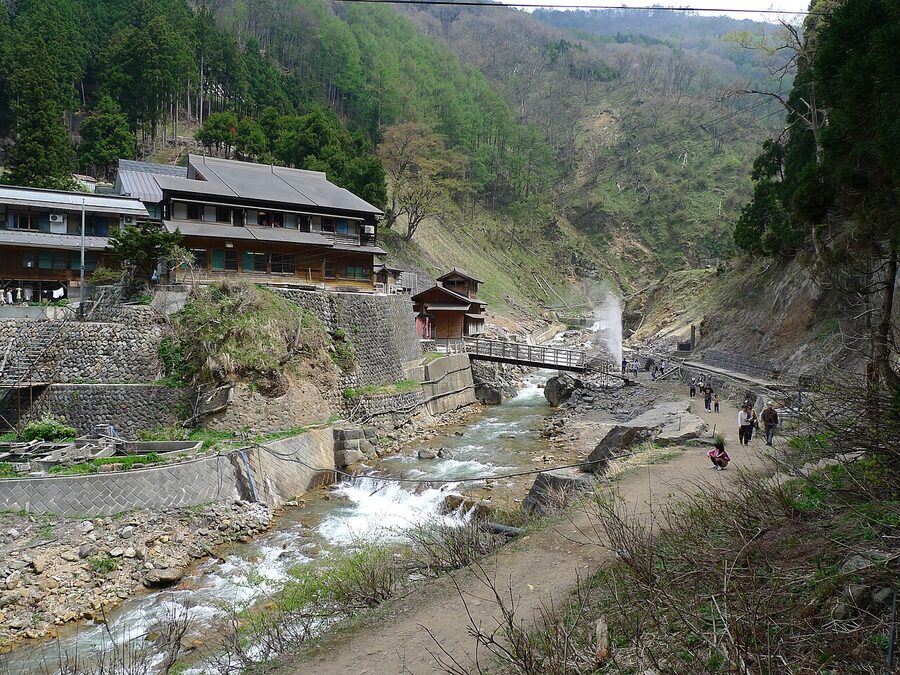
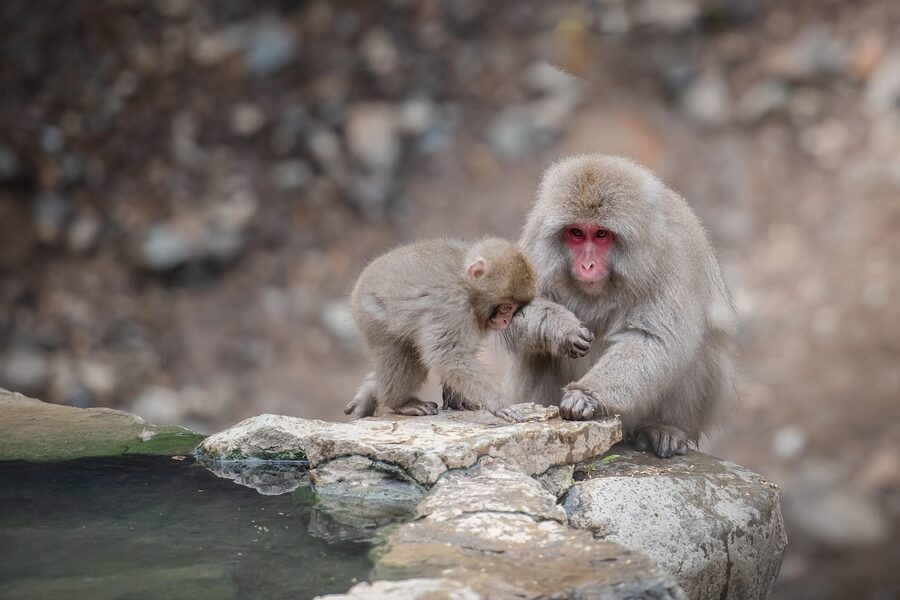
Park entry is ¥800 for adults, ¥400 for children. Open 09:00 to 16:00 in winter (December to March), 08:30 to 17:00 the rest of the year. The macaques are wild; they sometimes don’t show up. The hot pool is busiest with monkeys when the temperature is below 5C, so January and February are the best months. Don’t bring food. Don’t make eye contact with the dominant males. The park staff will tell you this in English on entry.
If you want to extend, Yudanaka and the neighbouring Shibu Onsen district have good ryokan if you’d rather stay overnight. Kanaguya, the wooden ryokan often cited as inspiration for the bathhouse in Spirited Away, is in Shibu. Around ¥28,000 per person with dinner.
Matsushiro: samurai and the underground bunker
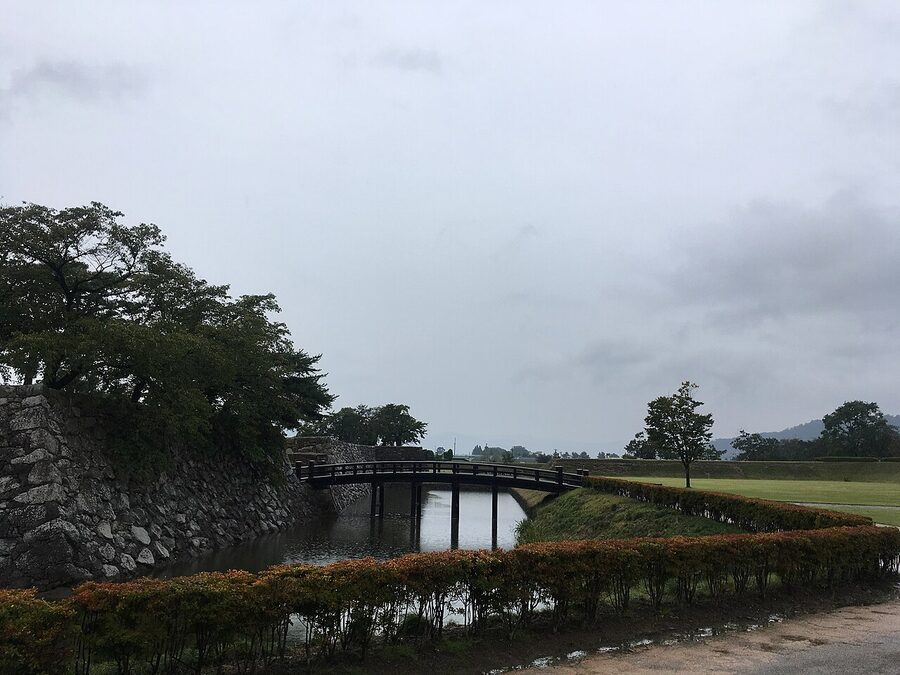
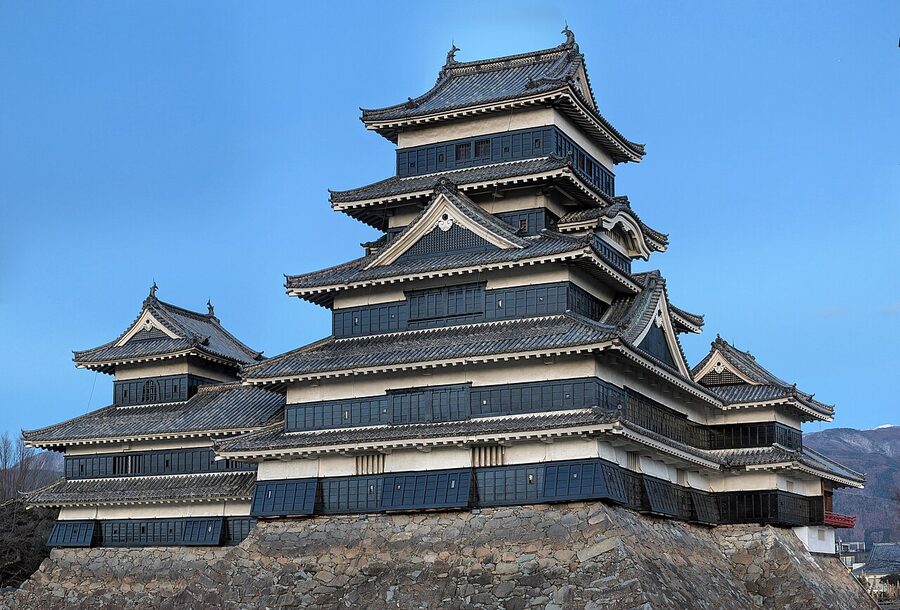
If you’ve already done Zenko-ji and Togakushi and have a half-day left, Matsushiro is the often-overlooked third option. It’s the old Sanada-clan castle town on the south side of Nagano, 30 minutes by Alpico bus from the station, ¥680. The castle’s stone foundations and the rebuilt main gate sit on a moat-wrapped square. The Sanada Residence, the family’s late-Edo private mansion, is open to the public and one of the better-preserved samurai houses in central Honshu. Entry ¥500.
The unusual layer is below ground. During the last months of the Pacific War, the Imperial Army began excavating an underground complex under Mt Maizuru, a kilometre from the castle, intended to house the imperial headquarters in the event of an invasion of mainland Japan. About 500m of the tunnels are now open to visitors as the Matsushiro Daihonei (Underground Imperial Headquarters). The excavation was largely carried out by Korean forced labourers, and the museum acknowledges this directly. It’s a sobering site rather than a sightseeing one. Free entry, open 09:00 to 16:00.
What I’d actually do with one or two nights in Nagano
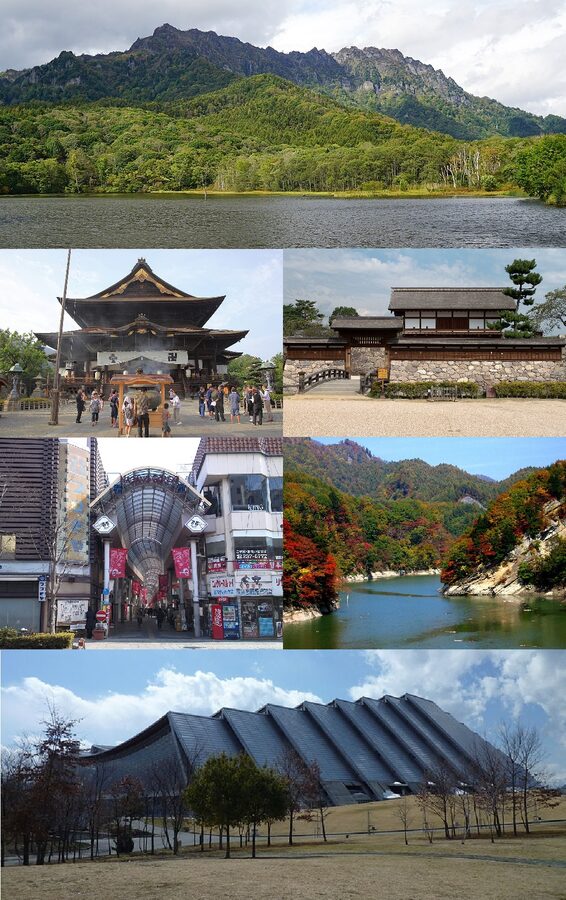
One night, fast version. Arrive midday, walk Nakamise, eat oyaki on the way up, see Zenko-ji in the late afternoon (less busy than morning, surprisingly), early dinner, in bed by 21:00. Up before sunrise for the morning service and Okaidan Meguri. Soba lunch on the approach. Catch the 13:00 train to your next destination. You’ll have skipped Togakushi and Obuse, but you’ve seen the temple in two of its three best lights.
Two nights, the version I’d recommend. Day 1 as above. Day 2: morning service, then bus to Togakushi at 09:00, three shrines and a soba lunch at Yamaguchiya, return bus at 16:30, dinner in town. Day 3: morning train to Obuse at 09:00, Hokusai-kan, Ganshoin, walk the streets, lunch at Obusedo, back to Nagano around 14:00, then either onward to Hakuba, Karuizawa, or Suwa. The Snow Monkeys are an alternative to Obuse if you’re here in winter; either, not both.
If you’re stitching Nagano into a longer Japan Alps loop, the natural connections are westward to Omachi and the Tateyama-Kurobe Alpine Route, southwest to Matsumoto via the Wide View Shinano, or eastward to Karuizawa via the same Hokuriku Shinkansen line you arrived on. The five-, seven- and ten-day itineraries include three options that put Nagano City as a base for two nights rather than treating it as a transit point.
Practical: when to come, what to bring, what’s open
Best time to visit. April for the Zenko-ji cherry blossoms (the temple grounds bloom about a week after Tokyo). October and early November for autumn colour at Togakushi and Obuse, when the cedar avenue picks up red maples. February for snow at Togakushi and the deepest snow-monkey pictures. July and August are humid and hot but the Zenko-ji summer Ennichi festival (mid-August) is one of Nagano’s largest evening events.
What to bring. A torch for the Okaidan dark passage (your phone’s flashlight defeats the point, but having one in your bag is sensible). Layered clothing year-round; the temperature drops fast in the evening even in summer. Cash for the buses and small soba shops. Comfortable walking shoes; the entire city is walkable but uphill from the station, and Togakushi’s cedar avenue is gravel and roots.
What’s closed when. The Okusha trail at Togakushi is closed early November to mid-April due to snow. The Snow Monkeys are visible year-round, but the iconic snow shots only work in January and February. The Olympic venues mostly close on Tuesdays. Most soba shops close between lunch and dinner (14:30 to 17:00), so don’t plan a 15:30 lunch.
What to combine Nagano with
The natural pairings, in order of how well the geography works:
Nagano + Karuizawa. Both on the Hokuriku Shinkansen, 30 minutes apart. Karuizawa is the genteel summer-resort town on the Tokyo side; Nagano is the temple city. Two nights in each makes a tight 4-day Nagano-prefecture loop. The full Karuizawa guide covers the Mampei Hotel, Mt Asama, and the Prince Shopping Plaza side of the equation.
Nagano + Hakuba. Hakuba is 60 minutes by bus or train. A standard split is two nights at Zenko-ji, then three nights skiing at Hakuba in winter or hiking from there in summer. The same bus route also passes through Omachi for the Tateyama-Kurobe Alpine Route.
Nagano + Matsumoto. The Wide View Shinano runs 50 minutes between them. Matsumoto’s castle and the Daio Wasabi Farm fit comfortably as a Nagano day-trip if you’re short on time. See the Matsumoto travel guide for the city itself.
Nagano + Suwa. Less obvious but worth flagging: the Wide View Shinano passes through Shiojiri to Suwa, the lakeside city with the four Suwa Taisha shrines and the every-six-years Onbashira festival. About 90 minutes from Nagano. Pairs well as a four-day cultural loop with Matsumoto in the middle.
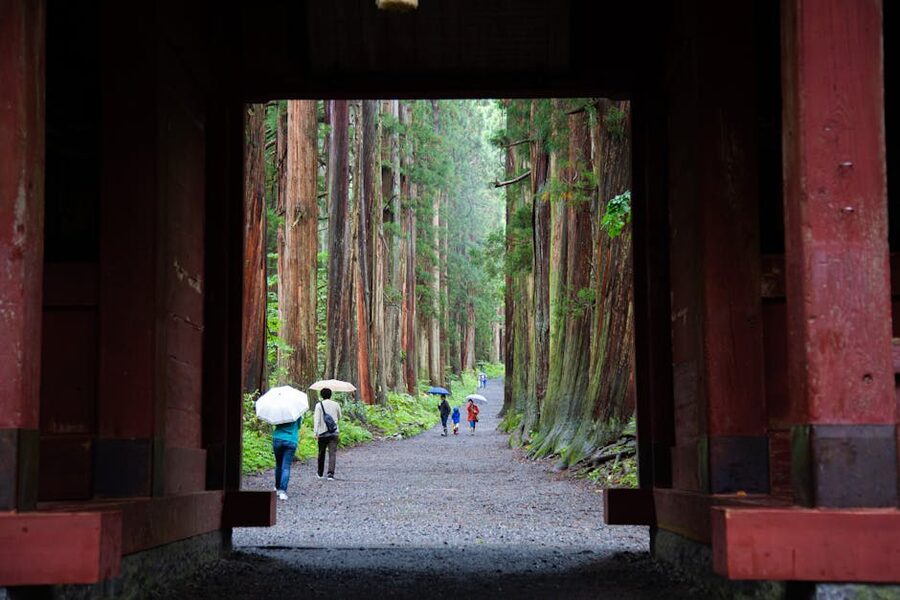
The mistake most people make is ranking Zenko-ji as a 90-minute attraction. The mistake is understandable. The signage and the foreign-language guidebooks both encourage it. But the temple is one of a vanishing handful of places in Japan where the older religious infrastructure (the morning service, the dark passage, the seven-yearly Gokaicho, the 39 sub-temples still functioning) is intact and accessible, plus a city that has quietly arranged itself around a 1.8km approach with shichimi, oyaki, miso, sake, and three styles of soba. Spend a night. Walk the slope before sunrise. Sit in the back of the Hondo while the priests pass. Then catch your train.

.jpg)


.JPG)


_1.jpg)

