
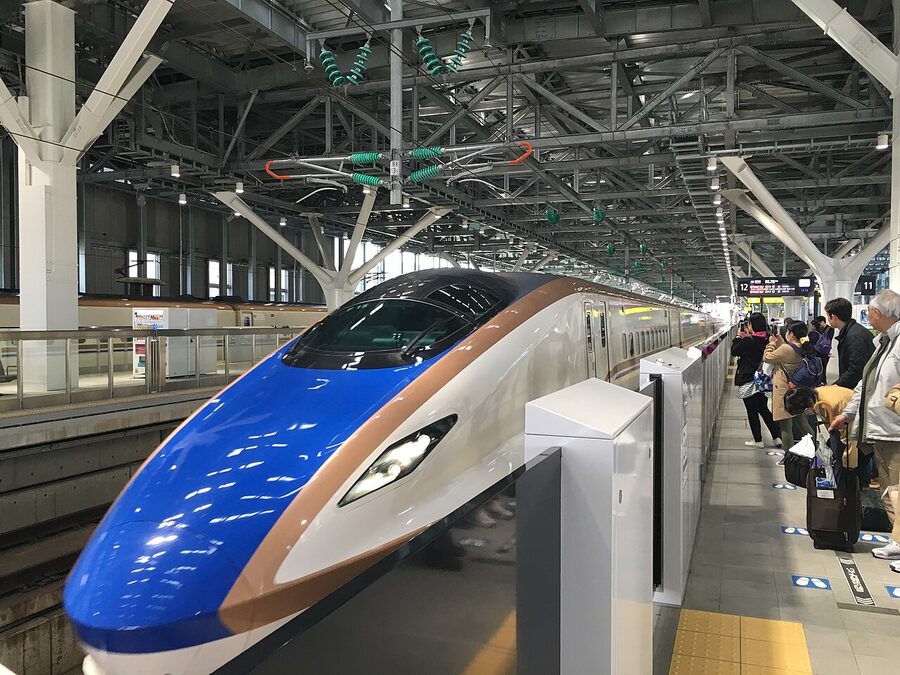
There is no Shinkansen to Takayama. That single fact, more than anything else, decides how you make this trip. The bullet-train network throws you at Nagoya in the south or Toyama in the north and then leaves you on a single-track diesel limited express that climbs into the mountains at a pace the rest of the rail system would consider quaint. Allow about four and a half hours each way, somewhere between ¥8,000 and ¥16,500 depending on what you sit in, and pick the route that fits the rest of your itinerary rather than the route that someone else recommends in a vacuum.
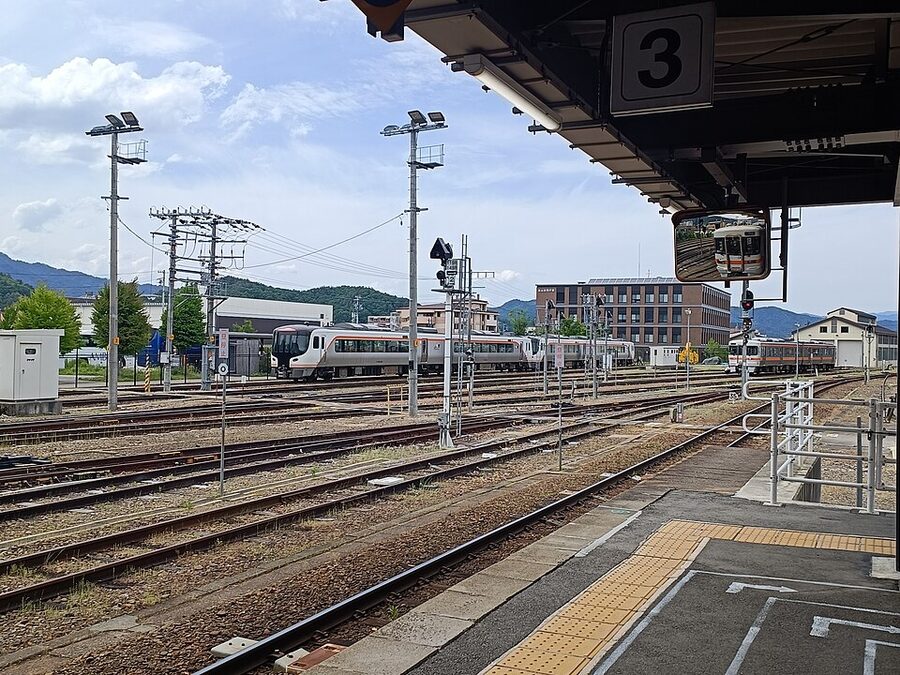
I have done the run from Tokyo to Takayama in every reasonable form: the official JR-recommended way through Nagoya, the slightly faster but riskier northern dogleg via Toyama, the slow scenic crossing of the Northern Alps via Matsumoto, and the overnight bus straight from Shinjuku. None of them is wrong. They each suit a different kind of trip. This guide breaks them down with the actual numbers, then tells you which one I would book if I were you.
| Route | Time | One-way fare (outright) | Best for |
|---|---|---|---|
| 1. Via Nagoya (Tokaido Shinkansen + JR Hida) | ~4h 30m | ¥16,500 reserved | Most reliable; hourly Hida service; the JR-recommended route |
| 2. Via Toyama (Hokuriku Shinkansen + JR Hida south) | ~4h 15m when running | ~¥16,000 reserved | Slightly faster on paper; partial typhoon-related suspension as of mid-2026 |
| 3. Via Matsumoto (Chuo Line Azusa + Alpico bus over Abo Pass) | 5h 30m–6h | ~¥11,500 | Slower but cheaper; the only land approach that crosses the Alps |
| Overnight bus (Sakura/Nohi from Shinjuku) | ~8h overnight | ¥8,000–9,000 | Cheapest; sleep through it; arrives Takayama early morning |
In This Article
- Why there is no bullet train to Takayama
- Route 1: Tokyo → Nagoya → JR Hida (the official recommendation)
- The two legs in detail
- HC85 series: what changed in 2023
- Reserving the Hida from Tokyo
- Route 2: Tokyo → Toyama → JR Hida south (the northern dogleg)
- What the disruption means in practice
- When the Toyama route is the right call
- Route 3: Tokyo → Matsumoto → Alpico bus over Abo Pass
- The Chuo Line leg
- The Alpico bus and the Abo Pass
- Why this route is worth the time
- The direct highway bus from Shinjuku
- Fares and the Web4 multi-ticket
- The actual schedule structure
- The Japan Rail Pass economics, briefly
- IC cards, paper tickets, and what works where
- Sending your bags ahead by takkyubin
- Driving from Tokyo
- Side trips that turn the journey into the trip
- Shin-Hotaka Ropeway from the Matsumoto route
- Norikura Kogen from the Matsumoto route
- Matsumoto Castle stopover
- Which route to actually take
- For most one-way Tokyo–Takayama trips
- If you are budget-conscious and time is flexible
- If the journey itself is part of the trip
- If the JR Hida is suspended when you travel
- Coming back: Takayama to Tokyo
- The verdict
Why there is no bullet train to Takayama
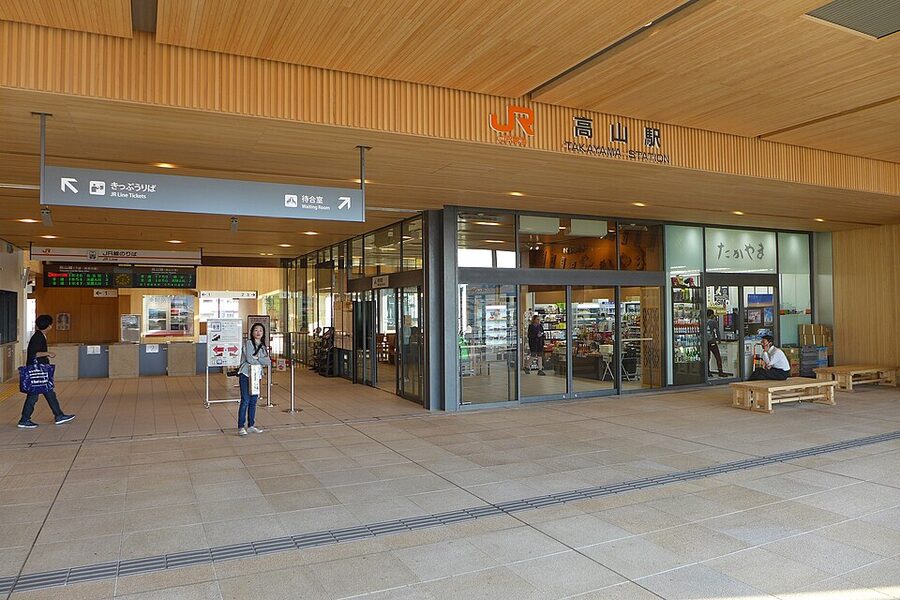
The geography is the answer. Takayama sits at 573 metres in a basin ringed by the Hida Mountains. Building Shinkansen-grade infrastructure into and out of that basin would require punching long tunnels through unstable volcanic rock and crossing several major fault zones, none of which has ever penciled out commercially. Even the conventional Takayama Main Line, which dates from 1934, was a notorious engineering project: hundreds of bridges, more than fifty tunnels in the Hida Gorge alone, and it still gets knocked out periodically by landslides and floods.
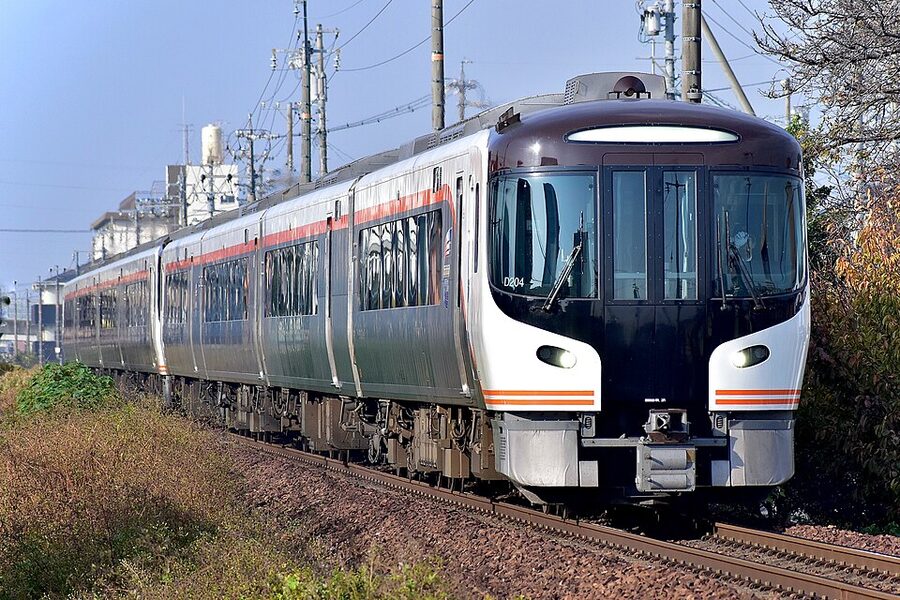
So you take a bullet train to a connecting city, then change to the JR Hida limited express, which is a three- or four-car diesel-electric hybrid called the HC85. It tops out at about 120 km/h on the better stretches and crawls through the gorges. That gives you the scenery as compensation for the time, but it also means the trip cannot really be made faster, only differently. The slow part of Tokyo–Takayama is, and will be, the last 165 km.
If you need a longer regional orientation before booking, the cluster Japan Alps access guide covers every gateway into the seven cities, including the routes from Osaka, Nagoya, and Kanazawa.
Route 1: Tokyo → Nagoya → JR Hida (the official recommendation)
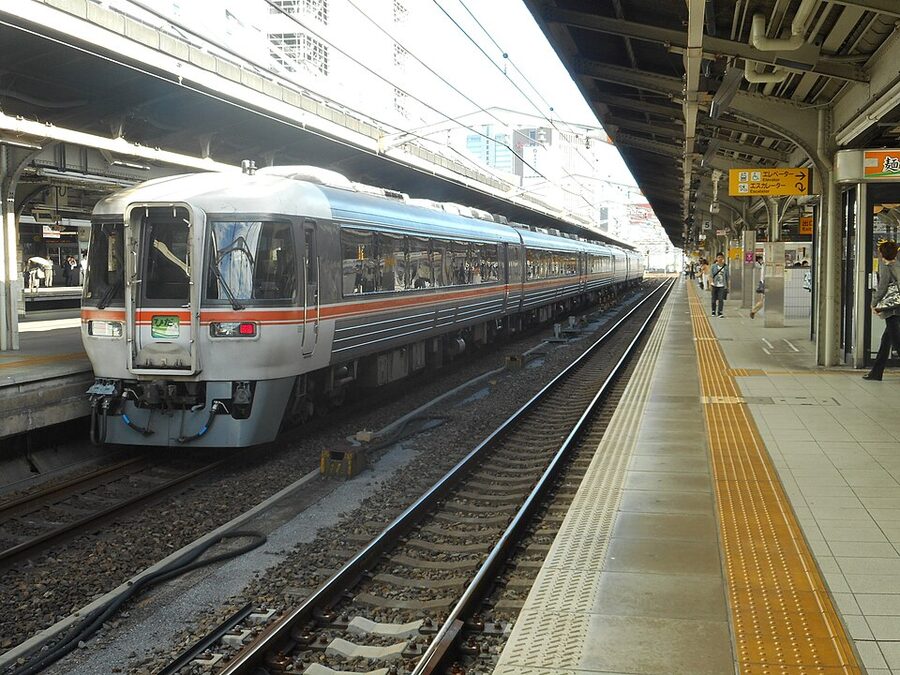
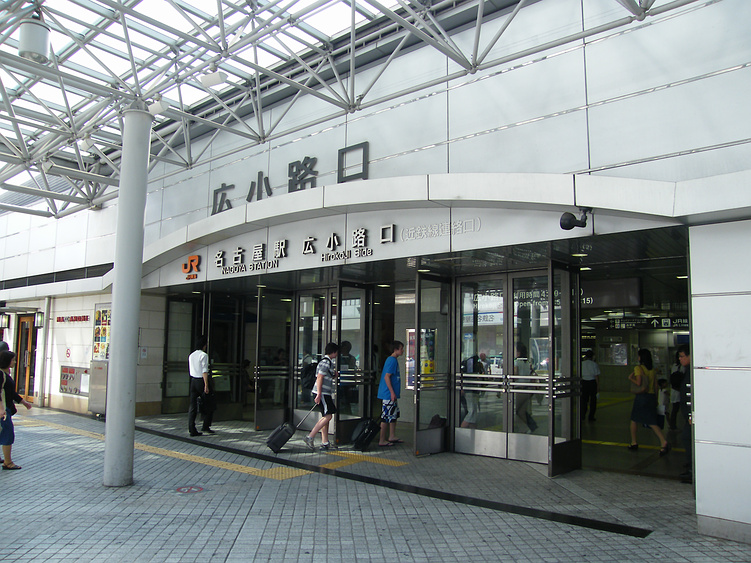
This is the route JR West and JR Central will recommend if you ask at any ticket window in Tokyo, and for good reason: it is the most frequent and the most reliable. About one Hida limited express runs every hour from Nagoya to Takayama from morning to early evening, which means a missed connection costs you 60 minutes, not three hours.
The two legs in detail
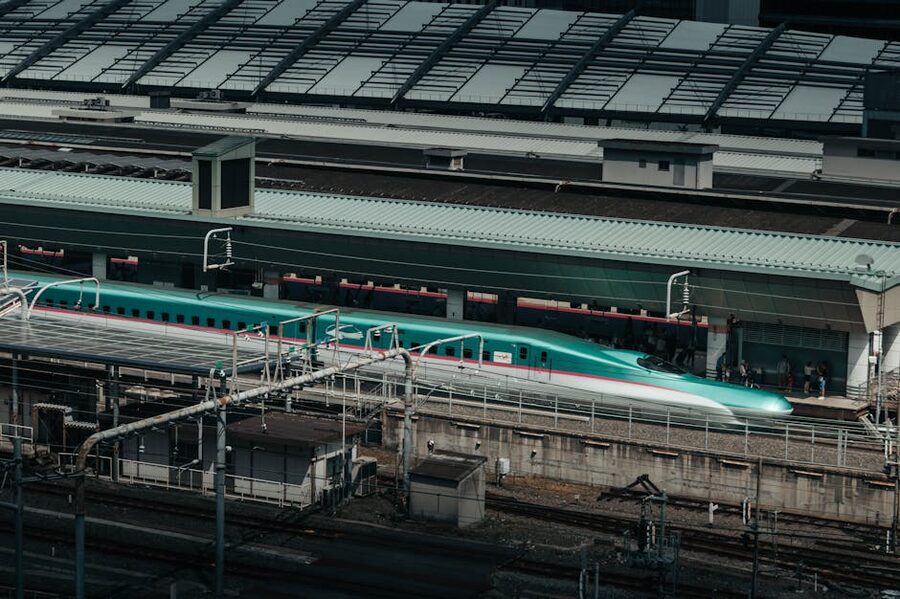
Tokyo Station to Nagoya Station, on the Tokaido Shinkansen. Nozomi takes about 1h 40m and runs every 10 minutes. Hikari takes 1h 50m and runs roughly twice an hour. Kodama takes 2h 40m and stops everywhere. Reserved-seat fare on the Nozomi is ¥11,300; non-reserved on the Hikari runs ¥10,560. If you are travelling on a JR Pass, the pass does not cover the Nozomi; take the Hikari instead, which costs you nothing extra and adds maybe 12 minutes.
Nagoya Station to Takayama Station, on the JR Hida limited express. About 2h 20m by the schedule, sometimes 2h 30m if signal-dependent stops add a few minutes in the gorges. The reserved-seat fare is ¥5,940 (non-reserved was discontinued on most Hida runs in March 2024, so plan to reserve). Total Tokyo–Takayama: roughly 4h 30m, ¥16,500 if you pay outright on Hikari + Hida reserved.
HC85 series: what changed in 2023
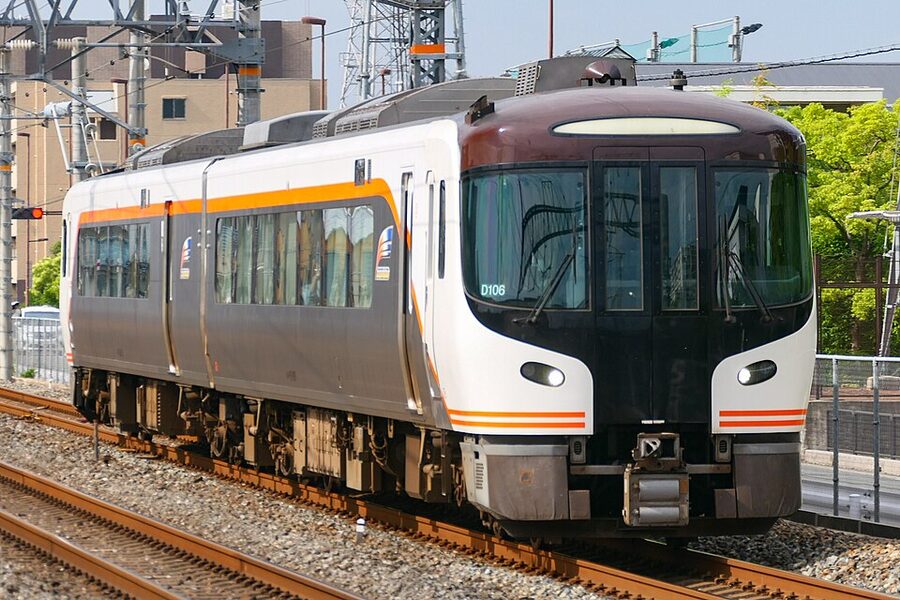
If you have travelled this route before, the rolling stock changed in 2023. The kiha 85 series, marketed as “Wide View Hida” for thirty years, was retired and replaced by the HC85 hybrid. Same gauge, same line, same scenery, but the new train is significantly quieter, has Wi-Fi and USB-C charging, and uses a regenerative diesel-battery system that smooths out the engine note in the slow sections. The picture-window proportions are similar, so the photography is just as good.
One small consequence: the Hida no longer has a dedicated non-reserved car on most departures. Reserve in advance, especially in cherry-blossom and autumn-colour season when school groups fill the train.
Reserving the Hida from Tokyo
You can buy the Tokyo–Nagoya and Nagoya–Takayama tickets in one transaction at any JR ticket window or on the Smart EX app. If you reserve at the JR ticket office in Tokyo Station, ask for a connecting ticket (乗り継ぎ, noritsugi); the staff will give you a 30–40-minute buffer at Nagoya by default, which is usually right. Online via Smart EX, you reserve each leg yourself: I would not pick anything tighter than a 25-minute change, because the Tokaido Shinkansen runs to within seconds of schedule but the Hida occasionally arrives at Nagoya from a Kii Peninsula run that has its own delay risk.
For an overall view of how this connects to the rest of the network, the Japan Alps itineraries guide shows where Takayama sits in five-, seven- and ten-day routes through central Honshu.
Route 2: Tokyo → Toyama → JR Hida south (the northern dogleg)
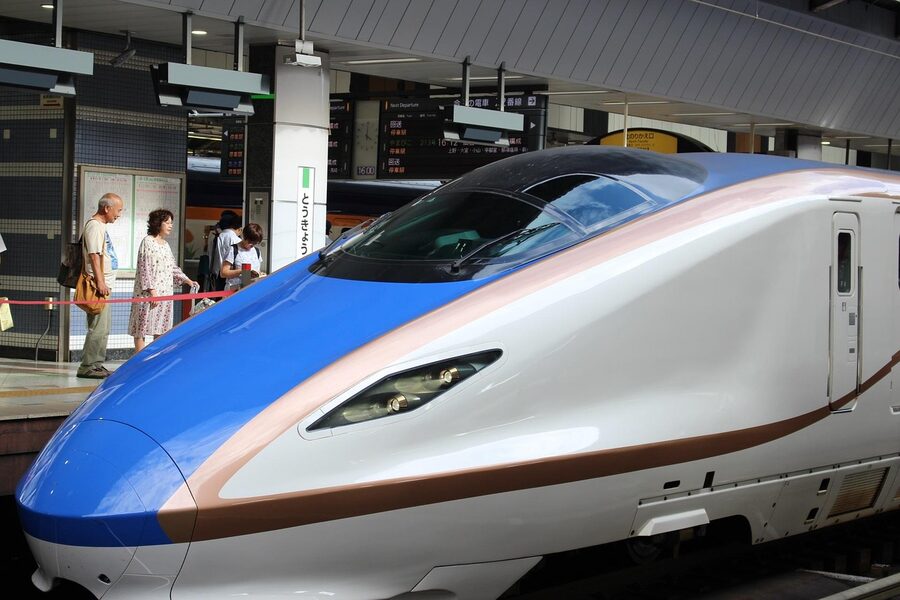
The northern route uses the Hokuriku Shinkansen to Toyama, then the JR Hida south to Takayama. On paper it is a few minutes faster than the Nagoya route when the connections line up. In practice it has fewer connections per day, and the schedule is currently complicated by an active service suspension on the Toyama–Inotani section after typhoon damage in 2024 that is still under repair as of mid-2026.
What the disruption means in practice
JR Central confirmed in March 2026 that the bridge repair between Sasazu and Inotani will continue until at least late May 2026, and possibly into the summer. While the work is in progress, no limited express trains run between Toyama and Takayama. You can still complete the trip with local trains and a substitute bus through the affected section, but the journey from Toyama takes about three hours instead of 90 minutes, and the connections are infrequent.
If you read this article and the line is back to normal, ignore the rest of this paragraph. If the line is still suspended when you travel, take Route 1 through Nagoya. The Toyama detour stops being faster the moment you have to wait an hour at a substitute bus stand in the rain.
When the Toyama route is the right call
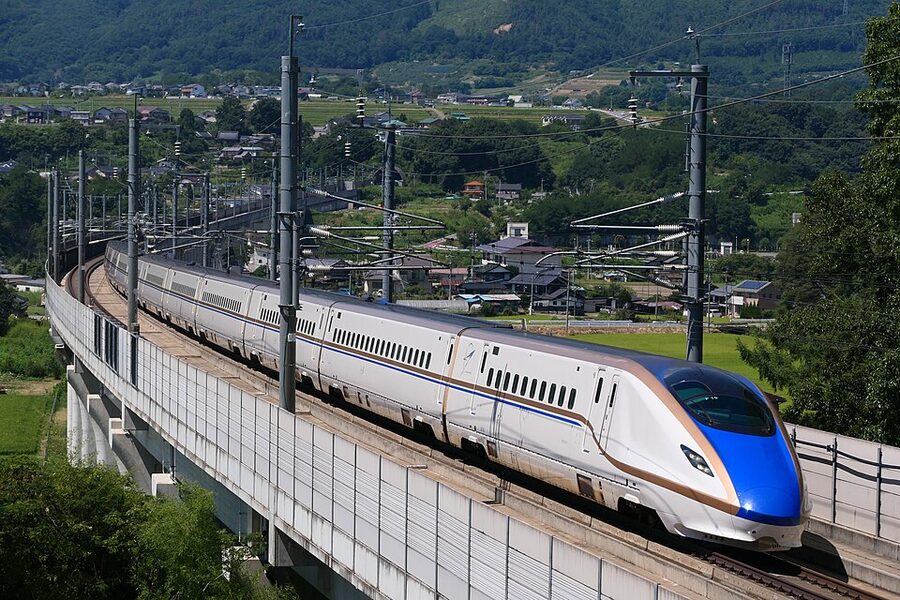
Even when the Hida service is restored, I would only pick the Toyama route in three situations:
- You are travelling onward to Toyama after Takayama and want to use the same Hokuriku Shinkansen ticket twice (you cannot, but the geography of the trip aligns).
- You are coming from northern Tokyo (Ueno, Omiya) where the Hokuriku Shinkansen is more convenient than backtracking south to Tokyo Station for the Tokaido.
- You want to ride the gran-class car on the Kagayaki, which is genuinely worth it once.
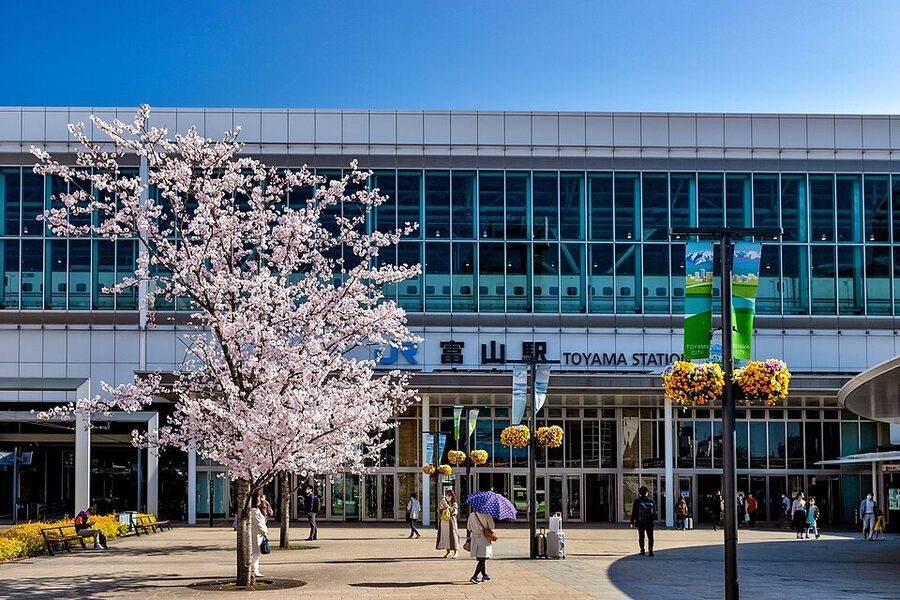
Tokyo to Toyama on the Kagayaki takes 2h 5m. Hakutaka takes 2h 30m. Both run hourly. Toyama to Takayama on the Hida used to take 90 minutes for ¥3,920 reserved; restored, it would put the total at about 4h 15m, ¥16,000. That makes it nominally the fastest option, but only by 15 minutes. I would not optimise the trip around this.
Route 3: Tokyo → Matsumoto → Alpico bus over Abo Pass
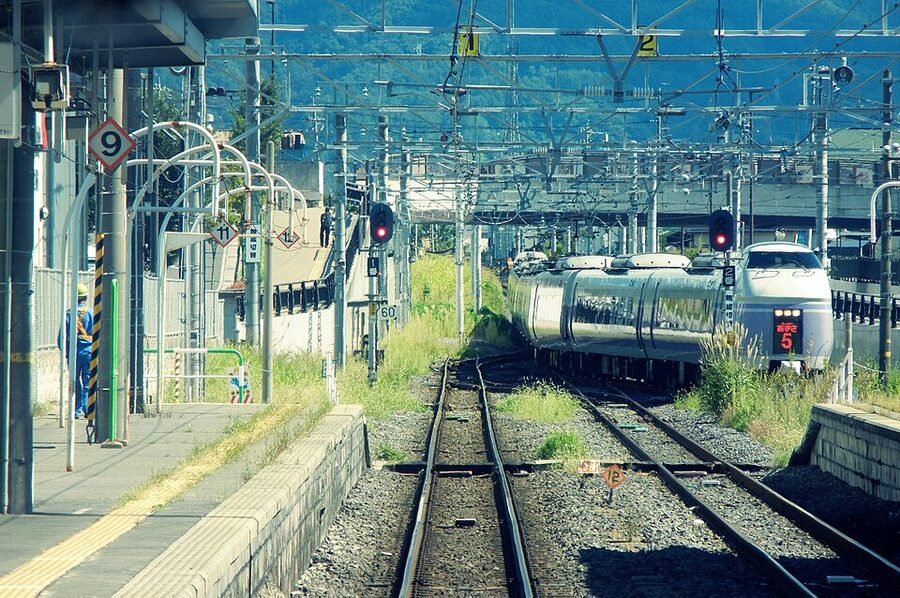
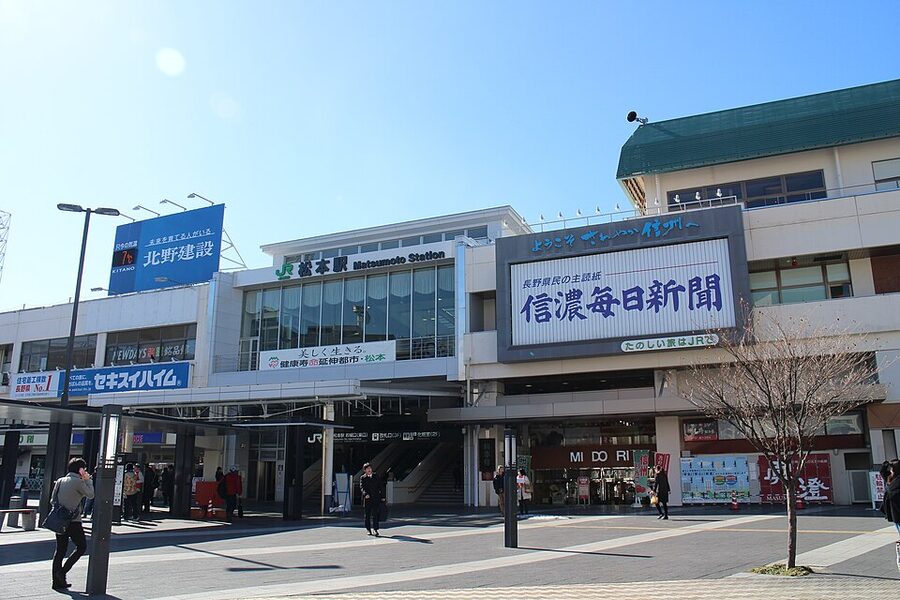
The third legitimate route ignores both Shinkansen lines and takes you west across the country on the Chuo Line, then south over the Northern Alps by bus. Total time: about 5h 30m to 6 hours, with a forced 20- to 40-minute layover at Hirayu Onsen. Total cost outright: about ¥11,500. It is slower than either rail route and slightly cheaper. What you buy with the time is the only land approach to Takayama that lets you actually see the Alps from below as you cross them.
The Chuo Line leg
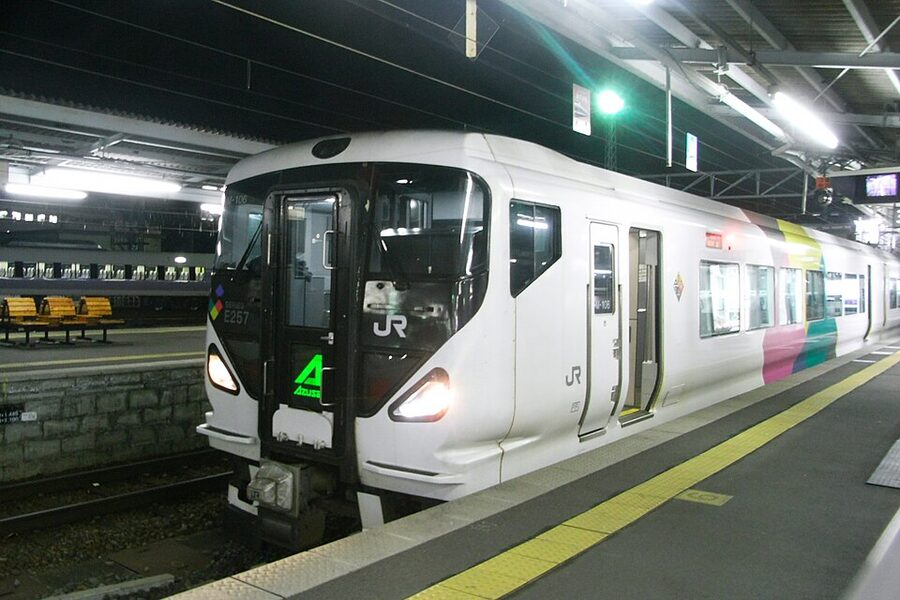
From Shinjuku, the Azusa limited express runs every 30 minutes during the day and reaches Matsumoto in 2h 35m to 2h 50m. Reserved seat ¥6,620, JR Pass-covered. Sit on the right-hand side coming from Shinjuku for the river views around Otsuki and the bridge crossings near Kobuchizawa. The Azusa skips a lot of intermediate stops; the slower Kaiji also runs the same track but only as far as Kofu, which is no use for Takayama.
The Alpico bus and the Abo Pass
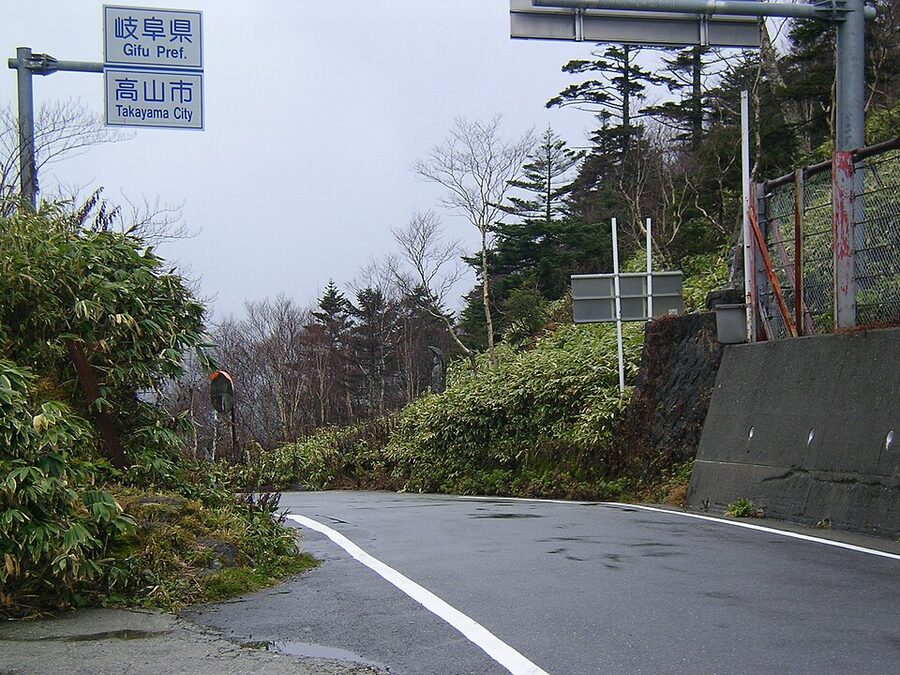
From Matsumoto, you take an Alpico Highway Bus over the Abo Pass to Takayama. There are roughly five departures a day in summer (April–November), three in winter, and the route is occasionally suspended in heavy snow. The fare is ¥3,500. Travel time is about 2h 30m, of which most is climbing the Norikura Skyline approach to Hirayu Onsen, then dropping into the Hida basin from the west.
Most services require a transfer at Hirayu Onsen, which is the bus interchange for the entire Okuhida region. The original Abo Pass road, the one over the top, is closed to most traffic; you go through the Abo Tunnel instead, 5,600 metres of straight darkness, and the bus emerges into the Norikura side of the Hida Mountains. The transfer is timed at Hirayu, but in practice you walk across the bay and re-board after 15 minutes.
Why this route is worth the time
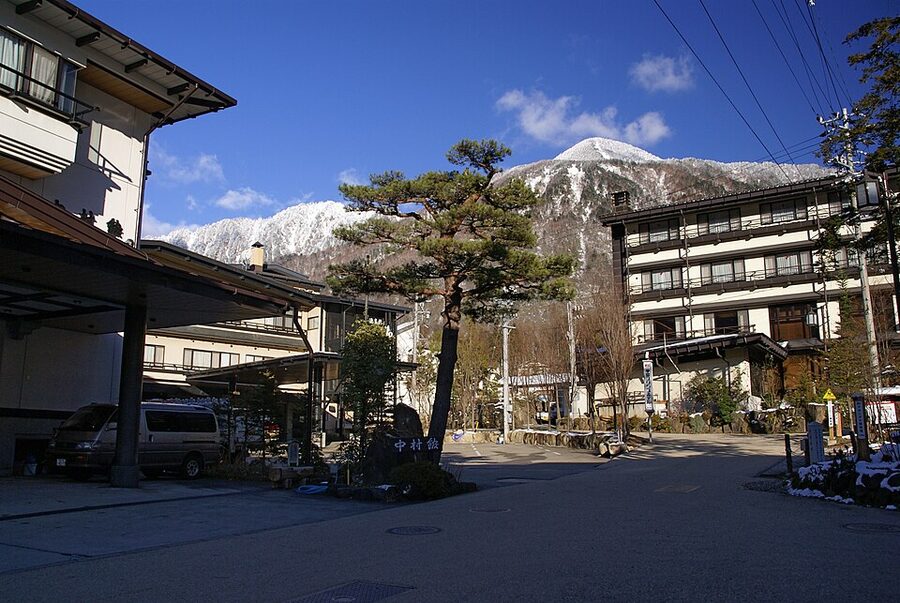
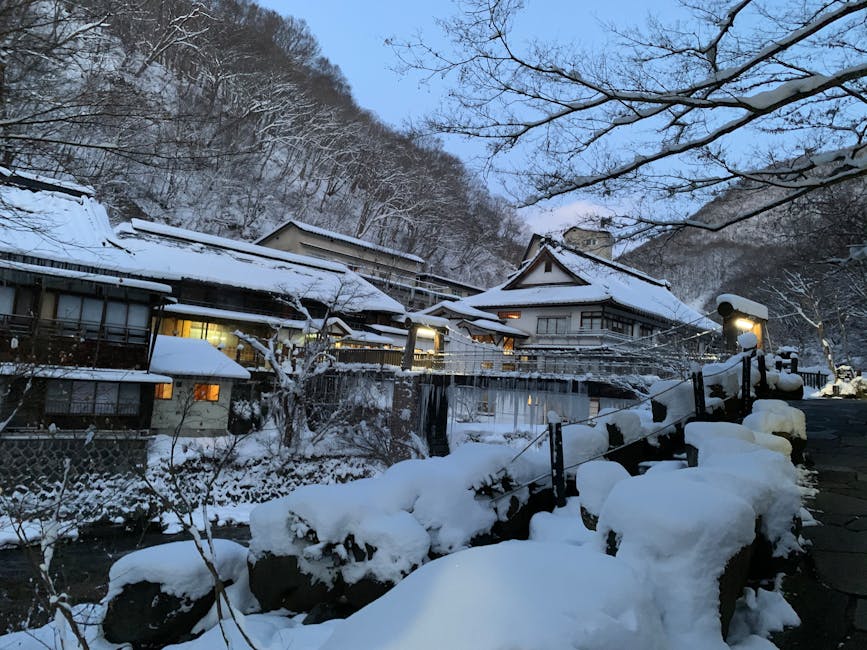
The Matsumoto route puts you at the foot of the Kamikochi approach. If your trip already includes Kamikochi, Norikura, or the Okuhida onsen villages, you can break the journey at Hirayu Onsen, spend a night, and continue to Takayama the next morning. That turns Tokyo–Takayama from a transit day into a pair of half-days with a hot spring in between, and the cost difference compared to the express options largely vanishes.
This is also the route that lets you fold in the Norikura Kogen high plateau in shoulder season, and it puts you on the right side of the country to combine with the Tateyama-Kurobe Alpine Route later in your trip via the Matsumoto–Toyama loop.
The direct highway bus from Shinjuku
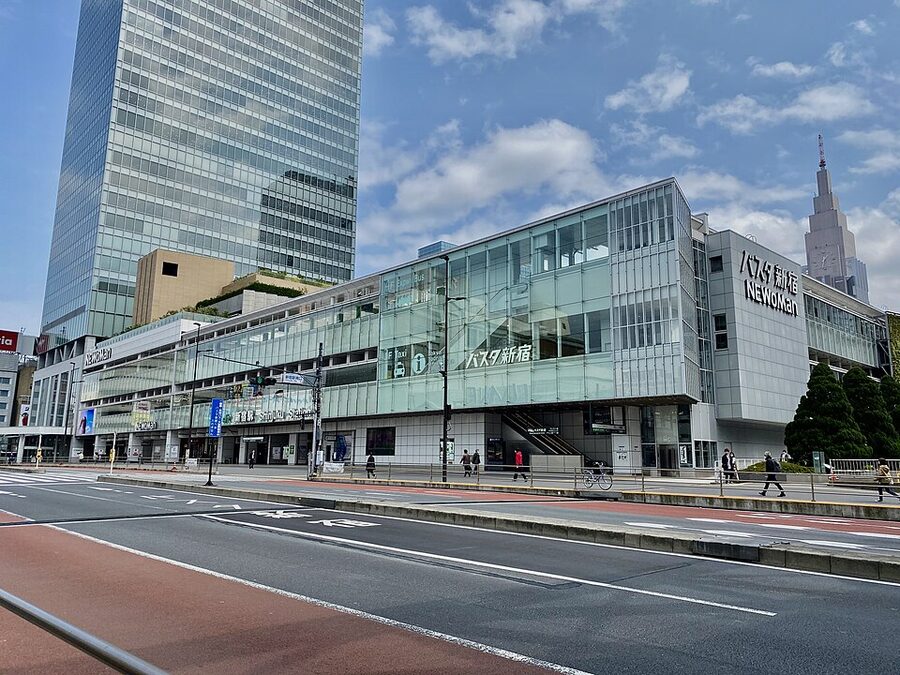
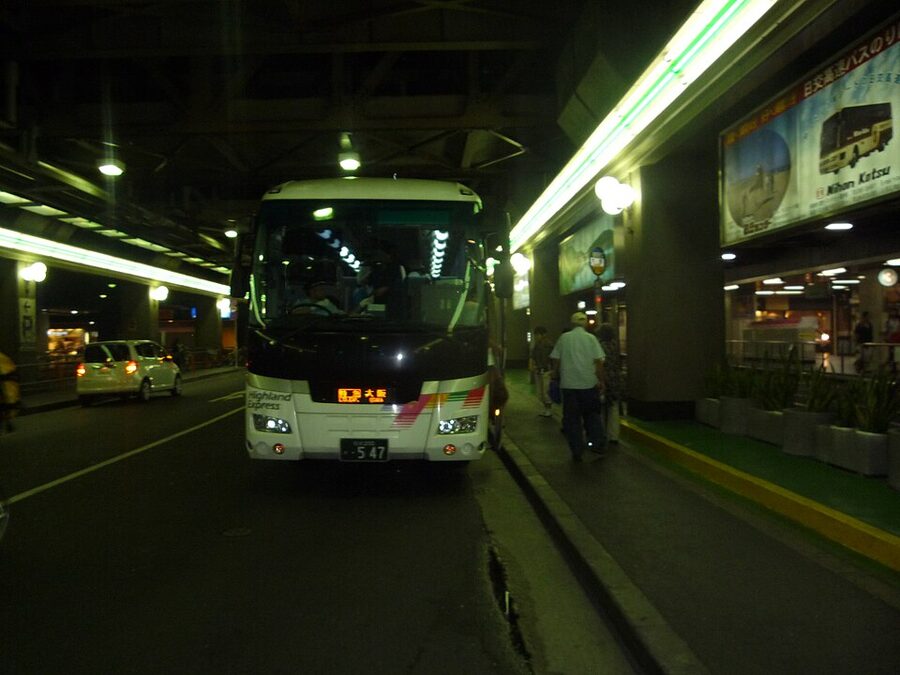
If price matters more than time, the direct bus from Shinjuku to Takayama is the cheapest legitimate option. Nohi Bus and Keio operate it jointly, with five or six daytime departures and one or two seasonal night services. Door-to-door takes 5h 30m to 5h 45m on the daytime runs, longer overnight. The route covers 303 km, almost entirely on the Chuo Expressway and the Sasago Tunnel route west.
Fares and the Web4 multi-ticket
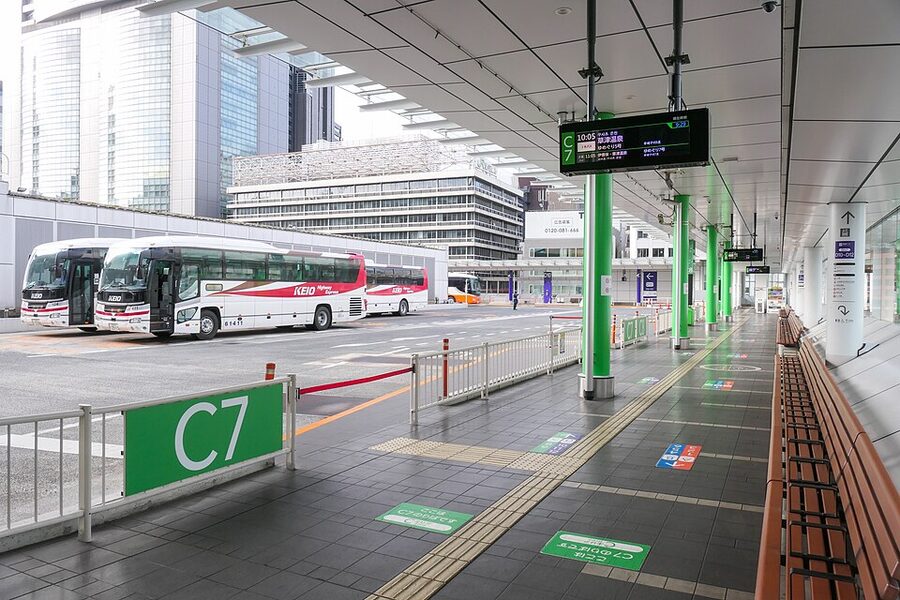
The standard one-way fare for the daytime bus is ¥8,000. Night service adds ¥1,000 (so ¥9,000). If you book through Highway Bus Dot Com and pay by credit card, you save ¥500 on the WEB-Wari discount. There is also a four-trip pack, the Web4-mai Kaisuken, for ¥24,000 (so ¥6,000 per ride), which only makes sense if you are doing two return trips in a year. For a single Tokyo–Takayama traveller it is irrelevant, but if you are basing in Takayama and need to come back to Tokyo for a flight, it pays for itself on the second journey.
One option that surprised me on a recent run: for ¥3,000 extra you can book a “hitori dake” single-occupancy seat, which gives you the equivalent of business-class spacing on the Nohi coaches. Worth it on the night service.
The actual schedule structure
From Busta Shinjuku, daytime departures are roughly 07:05, 08:15, 09:15, 11:05, and 16:05. There is also a Tokyo Yaesu departure at 08:30 that loops via Shinjuku at 09:15. The seasonal night service leaves Yaesu at 22:10 / Shinjuku at 22:55 and arrives at Takayama Nohi Bus Center around 05:00. From Takayama back to Shinjuku, the run-pattern is similar: regular morning, midday, and afternoon services, plus the seasonal late-evening departure.
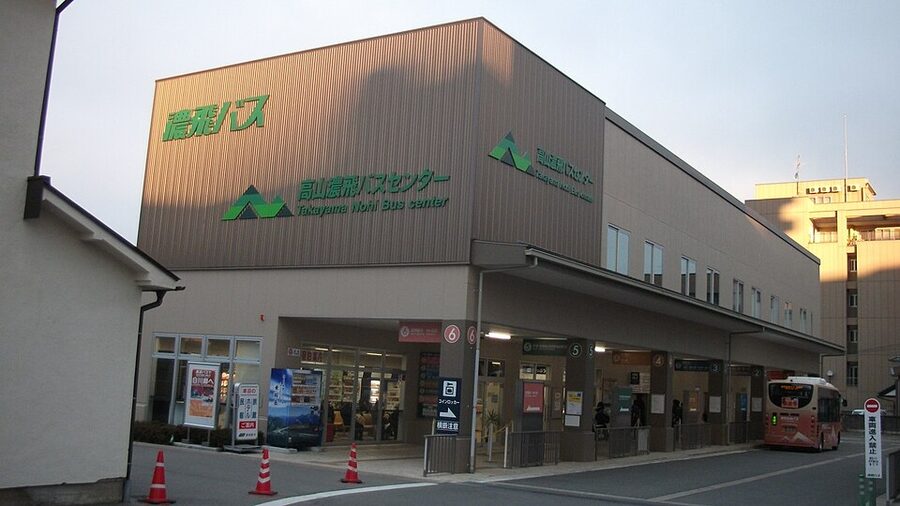
The bus drops you at Takayama Nohi Bus Center, which sits 30 seconds from the JR station and 10 minutes on foot from the old town. There is no need to transfer to a city bus on arrival.
The Japan Rail Pass economics, briefly
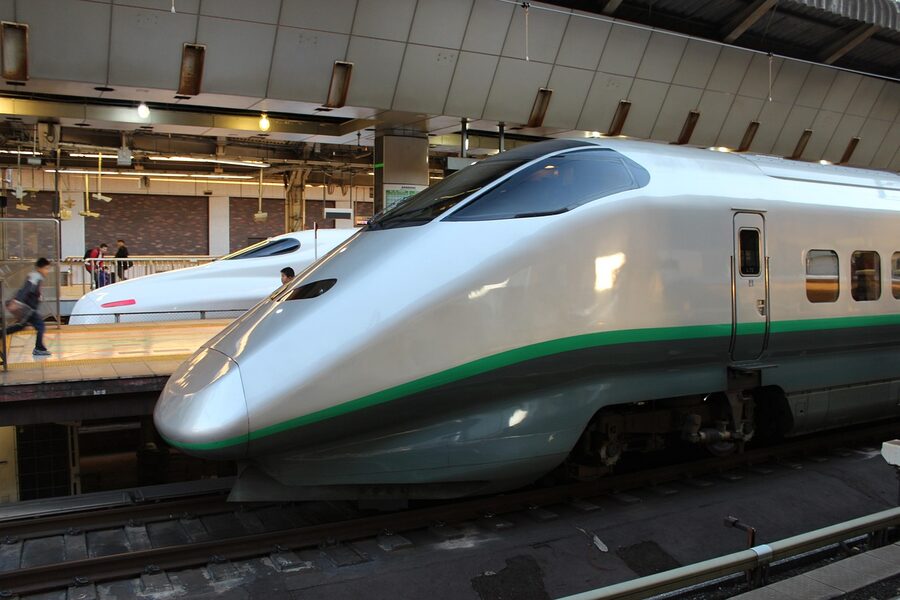
The 7-day national Japan Rail Pass costs ¥50,000 in the standard cabin, ¥70,000 in green-car. A return Tokyo–Takayama on Hikari + Hida reserved comes to roughly ¥33,000. So the JR Pass starts paying for itself if you are also doing two more long Shinkansen rides during the same week, for example Tokyo–Kyoto–Tokyo, or Tokyo–Hiroshima.
For Takayama-only, a regional pass is usually better value. The Takayama-Hokuriku Area Tourist Pass covers the Tokaido Shinkansen between Nagoya and the Kansai cities, the Hokuriku Shinkansen as far as Kanazawa, the JR Hida limited express, and the Nohi buses to Shirakawa-go and Kanazawa. Five days, ¥19,800. If your itinerary is Tokyo round-trip with Takayama, Shirakawa-go, and Kanazawa as the major stops, it pays for itself easily. The catch: you cannot use it on the Tokyo–Nagoya Shinkansen leg, so you still pay the ¥10,560 for that segment outright.
The narrower JR Tokai Tour Hidaji Pass exists too, covering Nagoya–Takayama on the Hida only, but it is sold only outside Japan and the discount is small. Skip it unless you are buying a packaged itinerary.
IC cards, paper tickets, and what works where
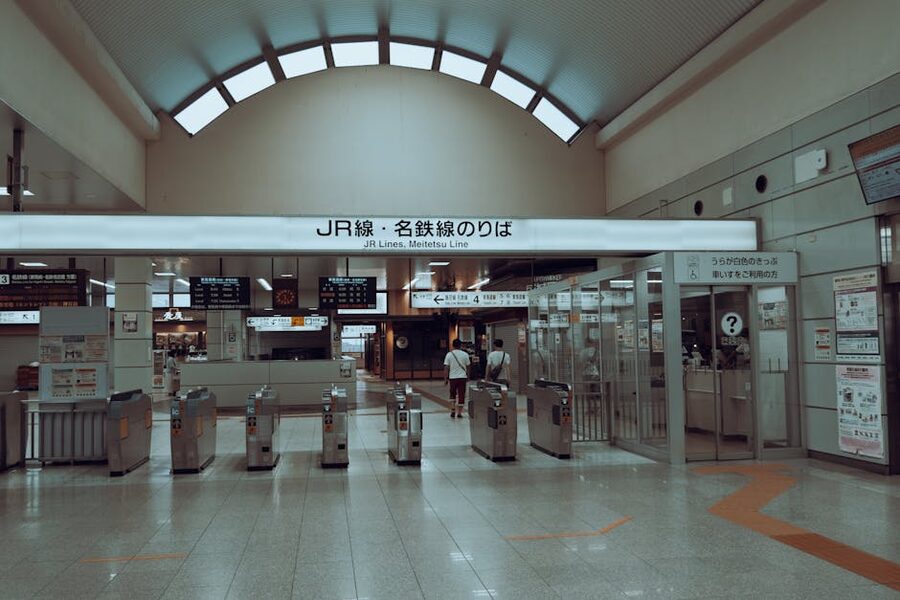
This is the part that catches first-time visitors. Suica, Pasmo, ICOCA, and the other IC cards work for getting around Tokyo (the metro, the Yamanote Line, the bus to Tokyo Station), and they work in the JR ticket gates at most major stations including Nagoya and Toyama. They do not work as a fare medium on the JR Hida limited express. You need a paper ticket: a basic fare ticket plus a limited-express supplement. Both are issued at any JR ticket office or via the Smart EX app on your phone.
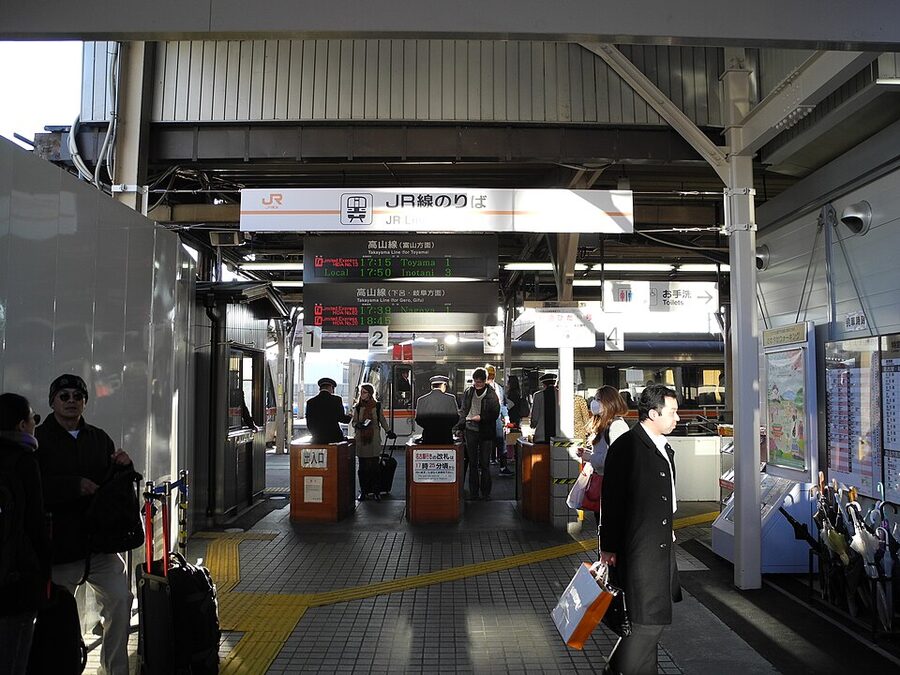
Paper tickets are also more useful on this trip than people expect. The Hida runs through several intermediate stations where the conductor checks tickets seat-by-seat; an IC-card-only traveller has nothing to show. If you reserved through Smart EX, you can either collect the paper ticket at any JR ticket vending machine or use the digital pass on your phone, but the digital version is not yet accepted at all gates on the Hida route. I carry the paper ticket every time on this run.
For local transport once you arrive, the Takayama city loop buses are still cash-only or paper-day-pass: the Sarubobo Bus is ¥100 per ride or ¥500 for a one-day pass that covers all four city lines.
Sending your bags ahead by takkyubin
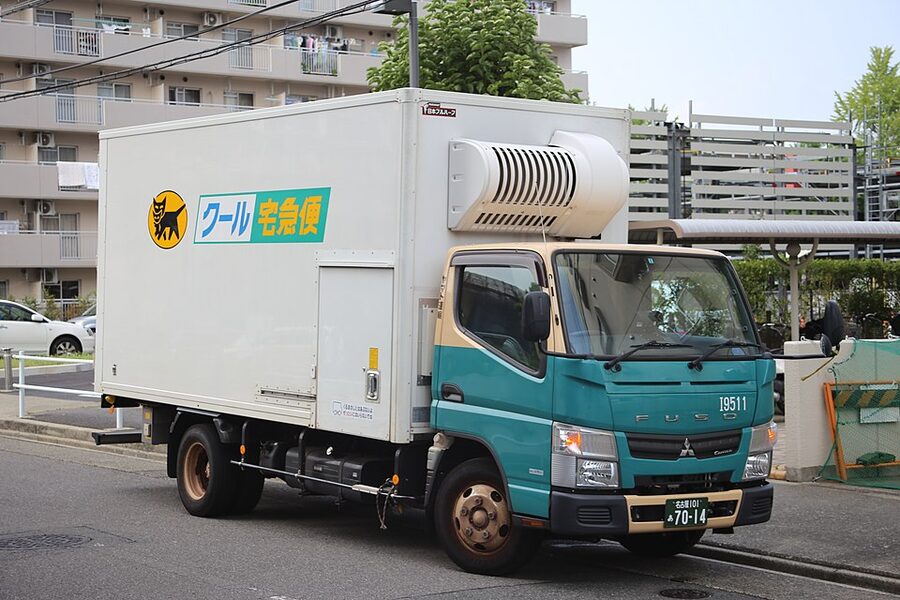
If you are coming with anything bigger than a daypack, send it ahead. The luggage racks above the Hida seats hold roughly a 30-litre cabin bag and not much more; full-size suitcases end up in the aisles or in the small luggage zone at the end of each car, which fills up fast on the morning departures. The same problem applies on the bus, where overhead racks are similarly small.
The standard solution is takkyubin: courier service, run by Yamato Transport (the black-cat company), with same-day pick-up at any hotel front desk in Tokyo and next-day delivery to Takayama before 14:00. Cost for a typical 25-litre case is around ¥2,200, paid in cash at pick-up. Most ryokan and business hotels in Takayama accept advance deliveries with the booking name; just give them a heads-up at booking.
The one wrinkle: takkyubin from Tokyo to Takayama is officially next-day, but in winter it sometimes runs to two days because of road closures over the passes. Build a buffer if you absolutely need the bag on day one.
Driving from Tokyo
You can drive Tokyo to Takayama, and the route is basically the Chuo Expressway to Matsumoto, then Route 158 over Abo Tunnel and down into the Hida basin. About 4h 30m one way without stops, ¥8,300 in tolls.
I would not recommend it for most readers. Japanese expressway tolls eat into the savings against the bus, the parking situation in Takayama old town is tight (¥500–700 per hour at city centre lots), and the Abo Tunnel approach is a single-lane mountain road with snow chains required from December to March. If you are planning a longer Hida road trip with side stops at Shirakawa-go, the Kiso Valley, or the Okuhida onsen villages, then yes, rent the car. For Tokyo to Takayama and back, the train or bus is faster, cheaper, and less stressful.
Side trips that turn the journey into the trip
Each route lets you fold in something on the way. Three I rate highly:
Shin-Hotaka Ropeway from the Matsumoto route
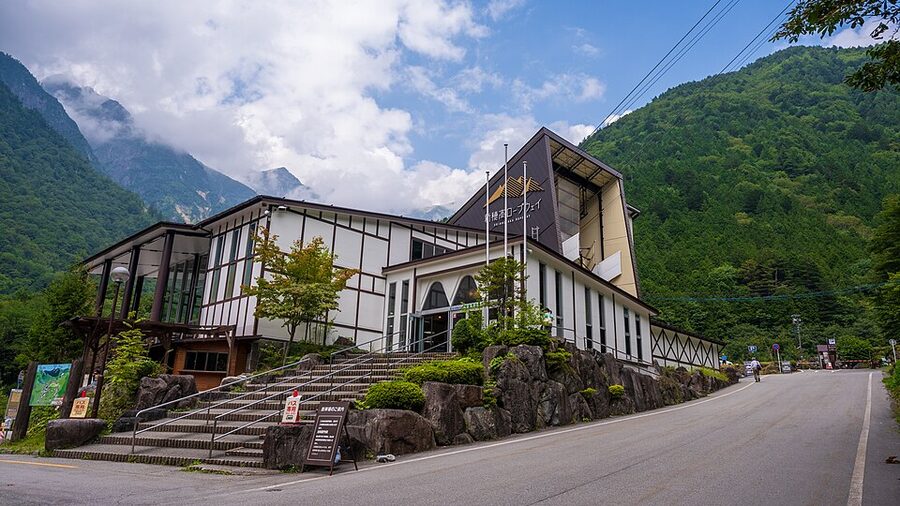
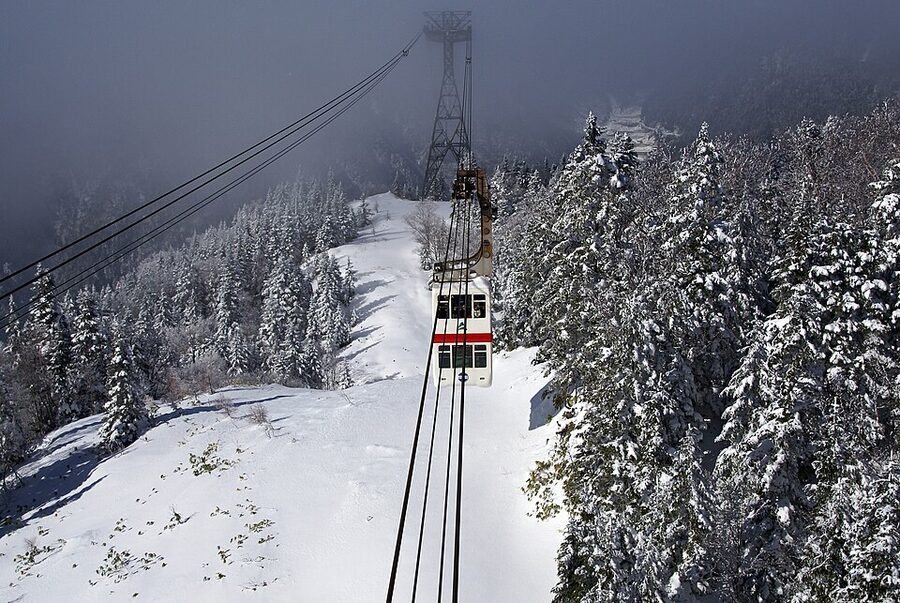
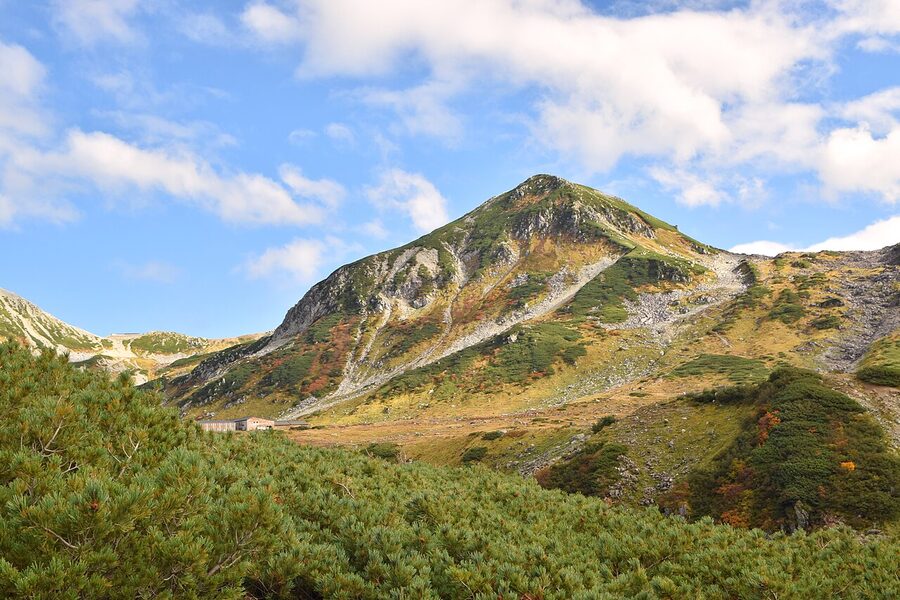
If you are taking Route 3 and break at Hirayu Onsen, the Shin-Hotaka Ropeway is 30 minutes further on by bus and gives you a panoramic platform at 2,156 metres on the Northern Alps ridge. Round-trip ropeway fare is ¥3,800, and you can do the whole detour in three to four hours from Hirayu. Open year-round except for maintenance windows in late November and late April.
Norikura Kogen from the Matsumoto route
From Hirayu, the Norikura Kogen plateau is a separate hour by bus south, and worth the diversion in late September when the autumn colours turn. The full Norikura Kogen guide covers logistics in detail. In summer the Norikura Skyline bus links it to the Tateyama-Kurobe Alpine Route system at Tatamidaira, opening up the longer “Tokyo via the Alps” itinerary.
Matsumoto Castle stopover
If you are taking the Chuo Line, you arrive at Matsumoto Station with the option of stashing your bag in a station locker (¥700 for a large one) and walking 15 minutes to Matsumoto Castle. The earliest sensible Alpico bus to Takayama leaves around 11:00 most days, so an early Azusa from Shinjuku gives you 90 minutes for the castle and a quick lunch. This is the rare case where the slow route gives you more, not less, of a trip.
Which route to actually take
Three tiers, in order of when each fits.
For most one-way Tokyo–Takayama trips
Take Route 1 through Nagoya. It is the most reliable, most frequent, and least likely to leave you stranded. If you have a JR Pass already, the marginal cost is essentially zero. If you do not, the ¥16,500 outright is the price you pay for getting it done in 4h 30m and not thinking about it again.
If you are budget-conscious and time is flexible
Take the Shinjuku bus. ¥8,000 instead of ¥16,500 is a real difference, the seats are reclining, the toilets work, and Wi-Fi is on most of the recent coaches. The night service especially turns Tokyo–Takayama into a sleeper run that arrives at 05:00, gives you a full first day in the city, and saves a hotel night. The downside is six hours of sitting plus the unpredictability of the Chuo Expressway in heavy traffic.
If the journey itself is part of the trip
Take Route 3 over Matsumoto and Abo Pass, and break it at Hirayu Onsen for a night. This turns the day in transit into a stay in the Okuhida onsen villages, and you arrive in Takayama relaxed instead of jet-lagged. It costs about the same as the Nagoya rail route once you account for the Hirayu accommodation, but the experience is fundamentally different. I would do this once, anyway, even if your default is Route 1.
If the JR Hida is suspended when you travel
Take Route 1 through Nagoya, regardless of which option you would otherwise prefer. The Nagoya leg of the Hida route is unaffected by the Toyama bridge issue. Confirm the day before by checking the JR Central operations page or, if your Japanese reading is up to it, the JR Tokai live service map.
Coming back: Takayama to Tokyo
The reverse trip is symmetric in time and price, with one wrinkle: the last Hida from Takayama to Nagoya leaves around 18:30. After that, the only way back to Tokyo the same evening is the night bus, which gets you to Shinjuku at first light. If you are flying out of Haneda or Narita the next morning, do the train return the day before and overnight in Tokyo. Same-day Takayama-to-airport is technically possible but only with a 06:00 departure, and the morning Hida fills up faster than any other train of the day in cherry-blossom season.
From Takayama, the Nohi Bus Center handles all return options at one counter. Same-day reservations for the bus back to Shinjuku usually clear except on holiday weekends and during the spring and autumn Takayama Matsuri, when both buses and Hida trains book out a week in advance.
The verdict
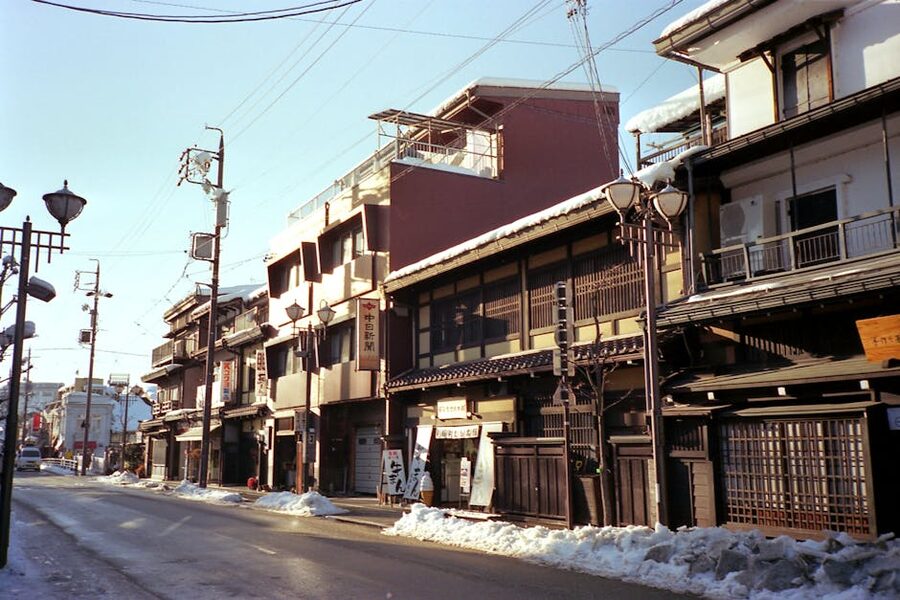
Takayama is one of the cities in central Honshu that punishes the day-trip itinerary and rewards an overnight. The transit cost is real (4h 30m each way is not nothing) and that pushes the trip into the “at least one night, ideally two” bucket. Pair Takayama with Shirakawa-go on the second morning by Nohi Bus, then come back over Hida Folk Village and the morning markets on day three before the train back, and the trip pays itself off many times over.
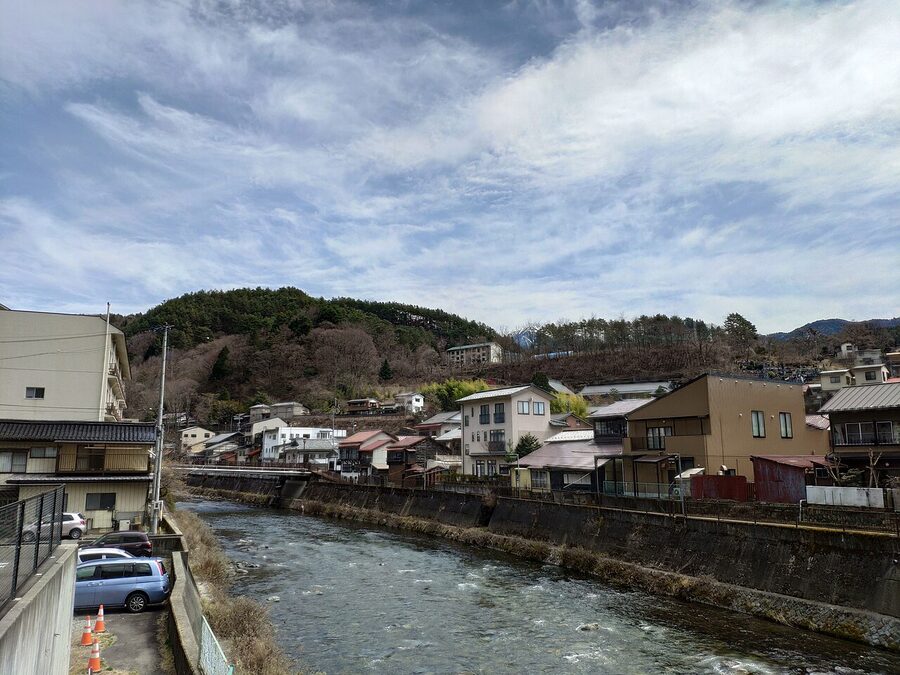
The journey is the slowest part, but the journey is also where the Hida Mountains start to feel like a place rather than a backdrop. The HC85 climbs through Gero with the Hida River running grey-green below the windows. The Alpico bus drops out of Abo Tunnel into a basin that looks like a bowl of conifers. Even the Shinjuku night bus, which I have done four times now and would happily do again, comes over the last ridge into Takayama at 04:30 with the lights of the bus center clicking on one by one. None of it is fast. None of it needs to be.


.jpg)


.jpg)


