
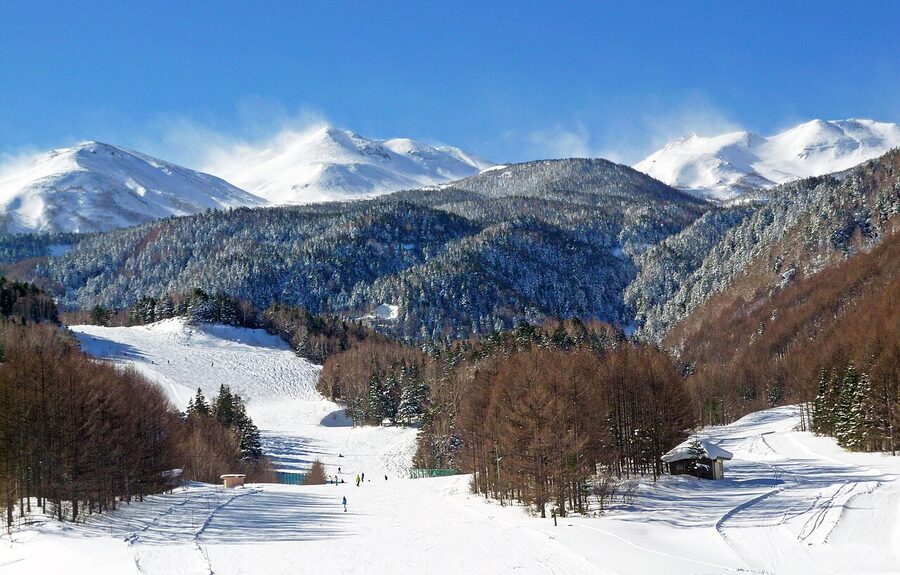
Norikura Kogen is two places at once: a 1,500m onsen plateau and a 3,026m volcano you can reach by bus. How to make sense of both, when to come, and the four walks that earn their distance.
Norikura Kogen is two places at once: a 1,500m onsen plateau and a 3,026m volcano you can reach by bus. How to make sense of both, when to come, and the four walks that earn their distance.
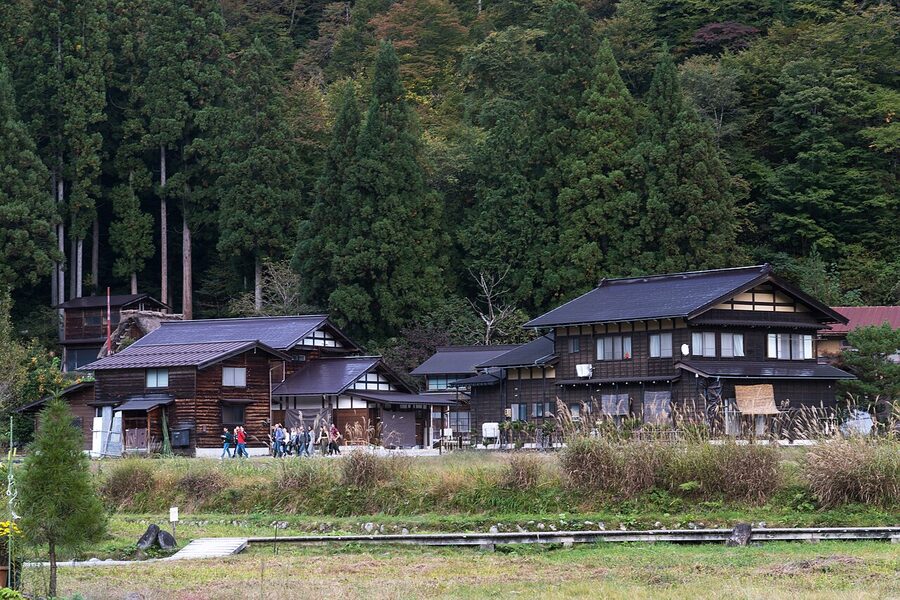
Most guides will tell you Shirakawa-go is best as a day trip. The Japanese guides say the opposite. A practical guide to the gassho-zukuri village, when to come, how to come without a car, and the case for staying overnight.
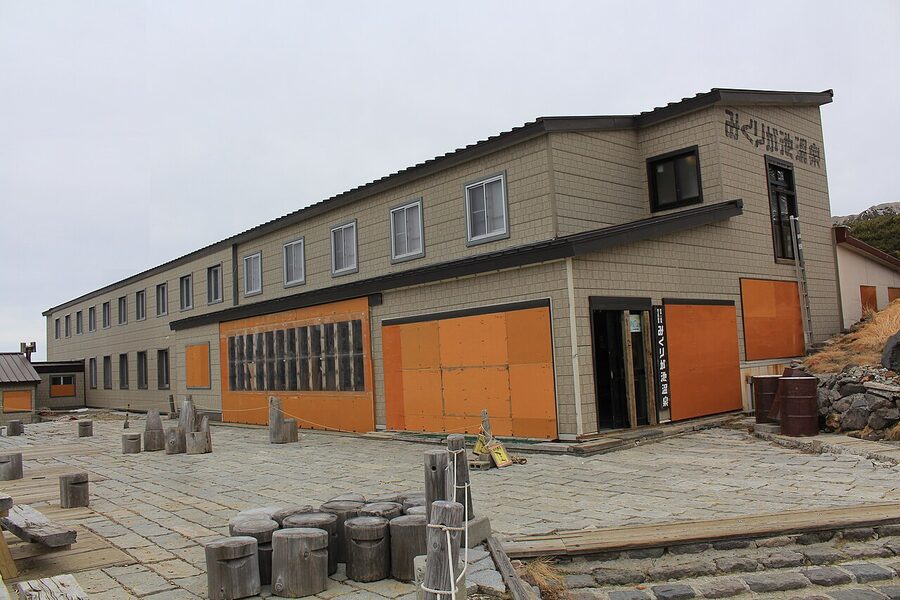
The Japan Alps onsen scene: Mikurigaike at 2,410m (highest in Japan), milky-white Shirahone, mountain-hut Nakabusa, Shinhotaka, Hirayu, Norikura, plus ski-resort baths. Eight that matter, what real onsen water is vs the cheap kind, and tattoo policy for 2025.
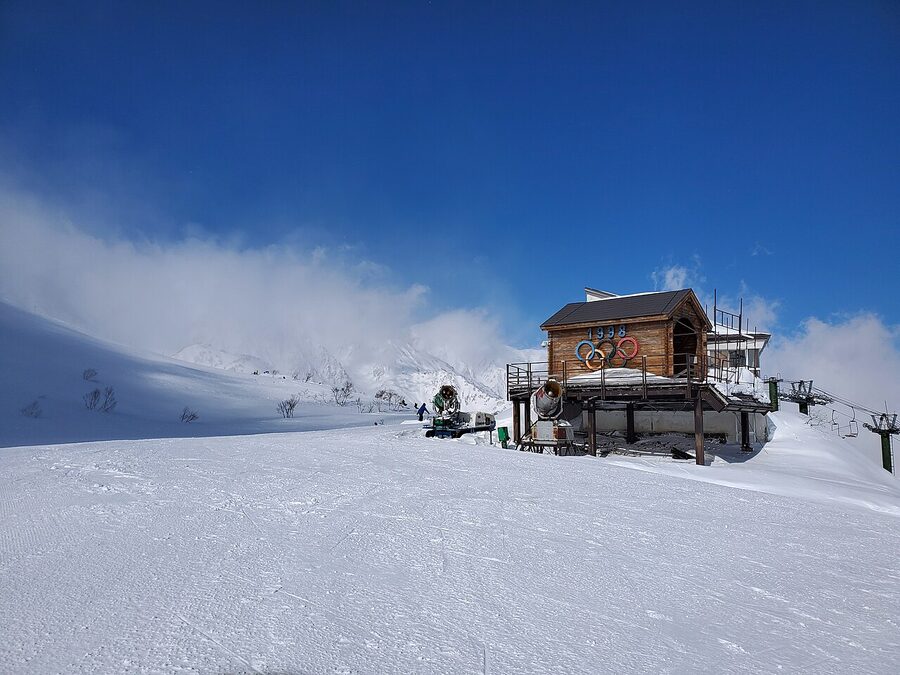
The Japan Alps ski region: Hakuba Valley ten-resort lift pass, Norikura, Shiga Kogen, Nozawa. How it differs from Hokkaido and Europe, when the powder actually comes, pass pricing, avalanche reality, and three itineraries from 4 days to 10.
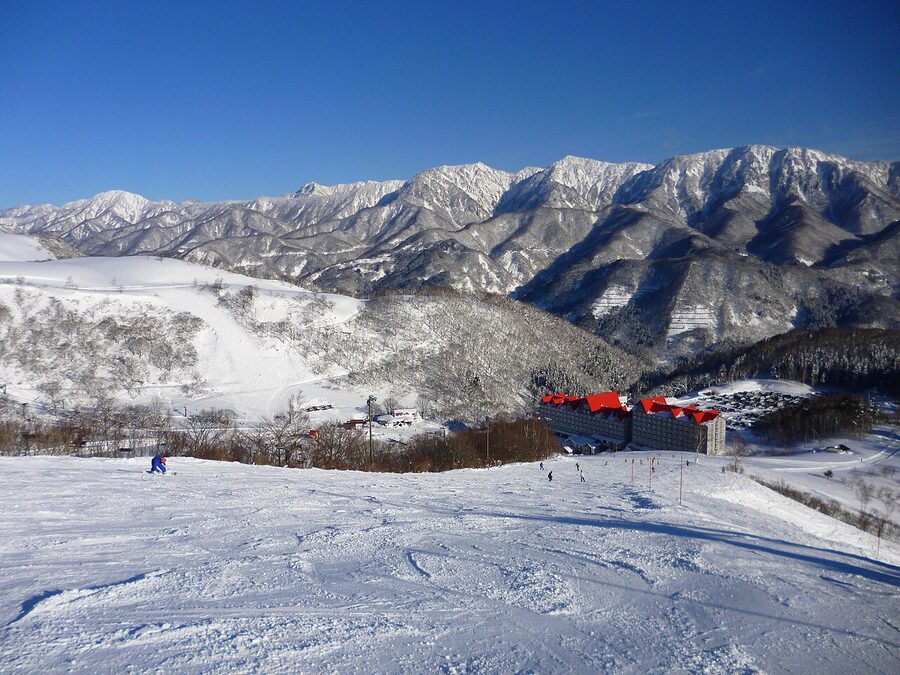
Otari is Hakuba quieter, deeper, and more Japanese neighbour — the Hakuba Cortina ski resort with the deepest reliable snow in the valley, the Tsugaike Nature Park, Chikuni-shuku Salt Road survivor post town, and three traditional onsen. Skip for food, come for powder and unpackaged rural Japan.
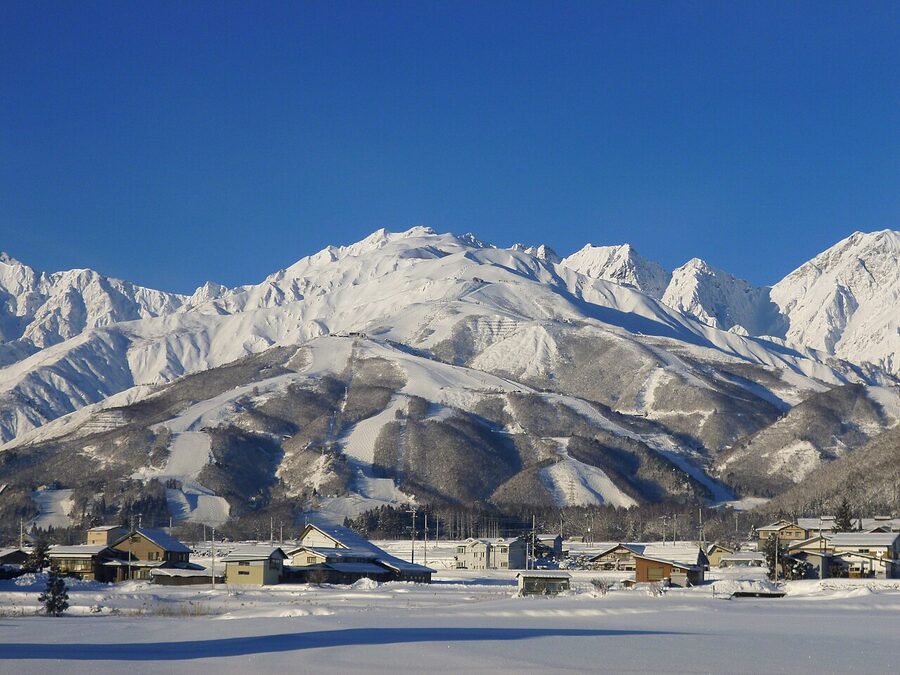
Ten ski resorts, 11m of annual snow, the 1998 Olympic legacy and the Northern Alps trailhead all in one Nagano valley. Where to ski, where to stay, the named Hakuba Valley pass economics, the summer alpine hikes, and what makes Hakuba different from the rest of Japan.
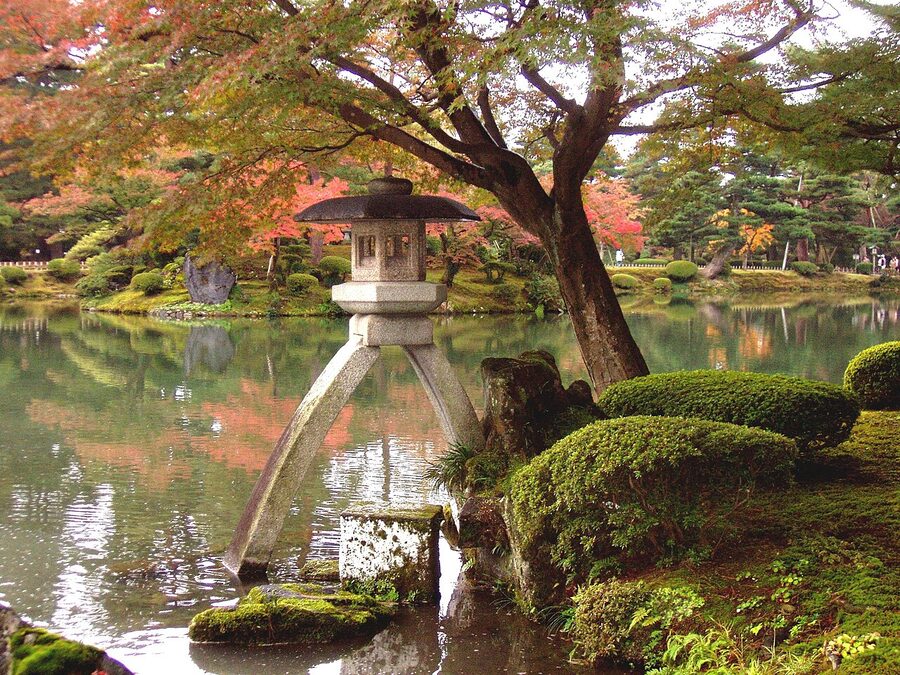
Kanazawa is not strictly a Japan Alps city — it is 23 minutes east on the Sea of Japan coast — but it is the natural pairing for any Japan Alps trip. Kenrokuen Garden, the Maeda castle, three surviving geisha districts, the Nagamachi samurai quarter, 99% of Japan gold leaf, and a SANAA-designed contemporary art museum in a compact two-day centre.
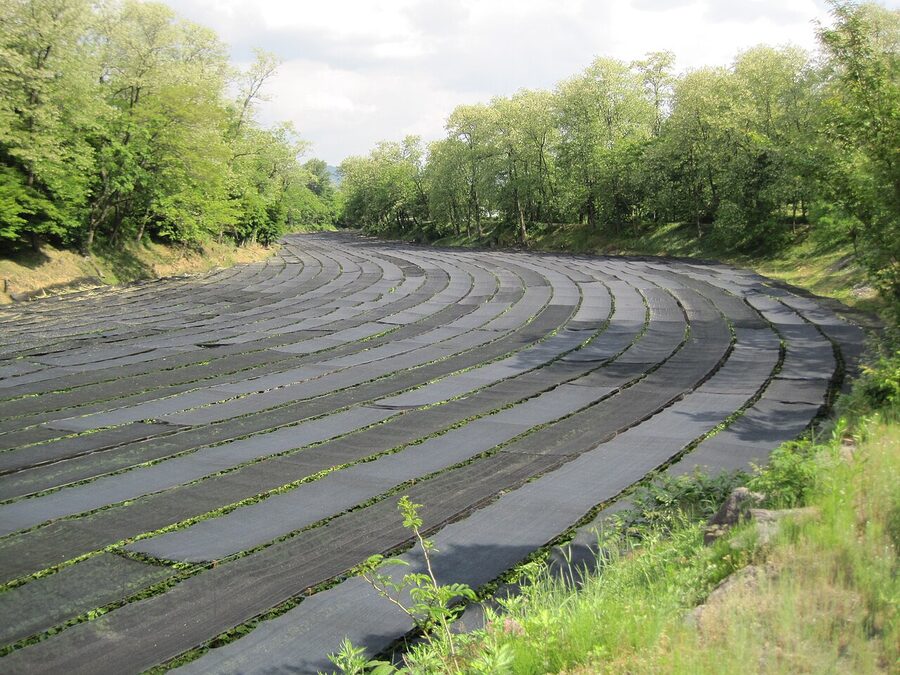
Japan’s largest wasabi farm uses 120,000 tonnes of spring water a day to cultivate 500,000 wasabi plants. Here is how the farm works, when to see the iconic green-rows photograph (not summer), what to eat on site, what to buy, and whether you can take fresh wasabi home.
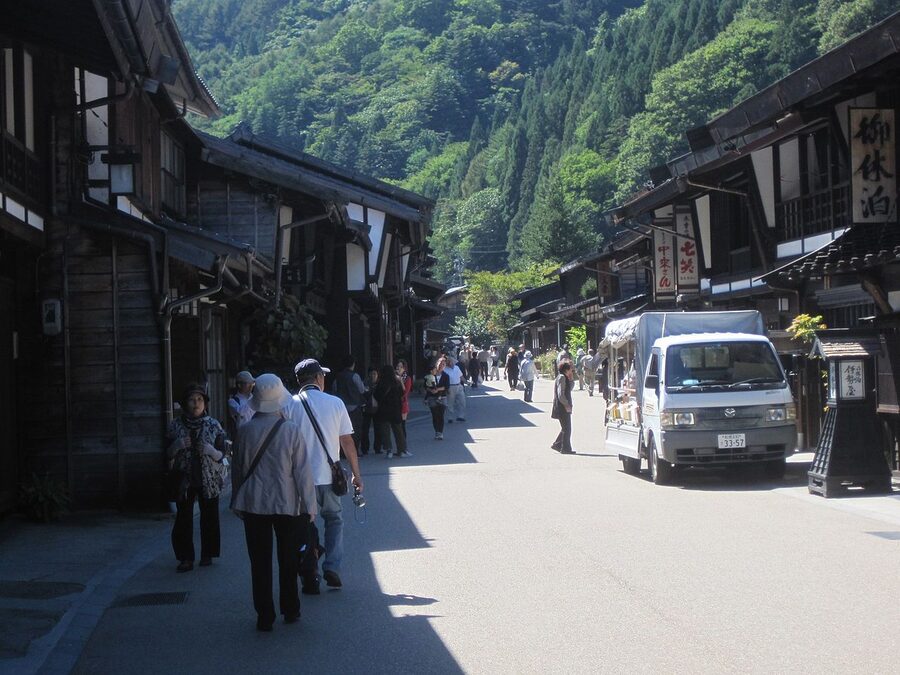
Narai-juku is the longest-preserved Edo-period post town in Japan — a 1km street of 41 surviving 19th-century buildings on the old Nakasendo highway. Stay overnight in one of the working ryokan to have the village after 4:30pm, walk the Torii Pass to Yabuhara, and browse Kiso lacquerware where it is actually made.
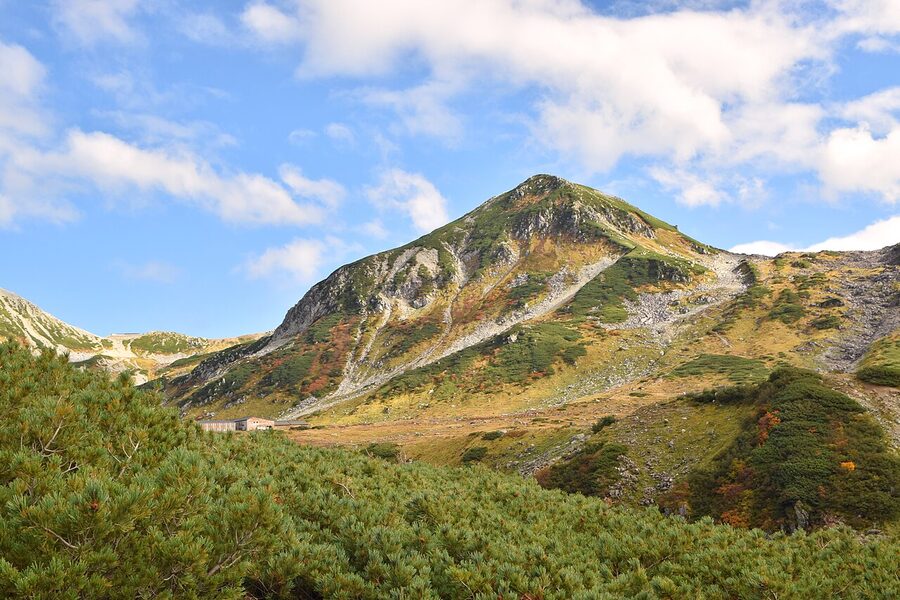
Murodo handles around one million visitors a year, and the headline is a wall of compacted snow up to 20m tall. The full Tateyama-Kurobe Alpine Route guide: nine transit stages, when to come, how to book, and what each major stop is actually like.
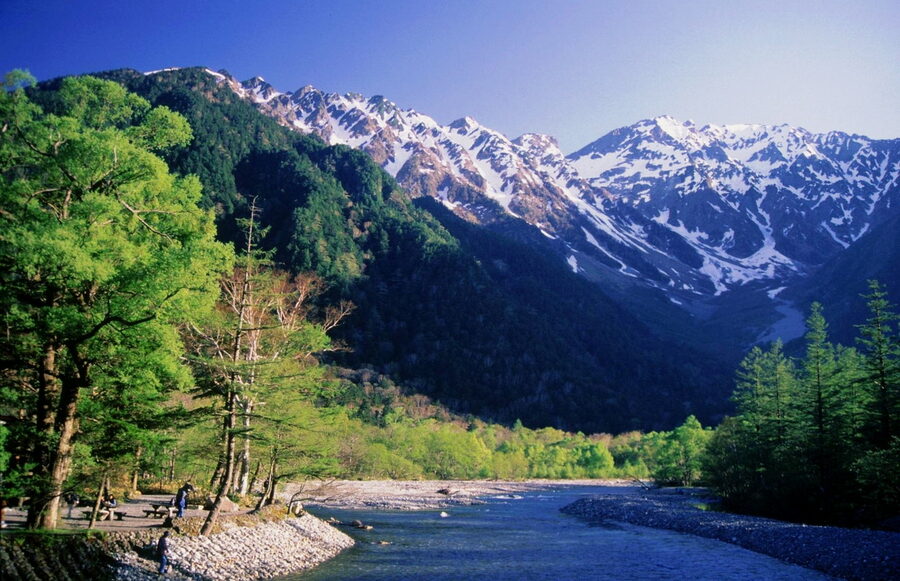
Kamikochi is a 15km protected river valley at 1,500m in the Northern Alps. Private cars banned since 1975, open mid-April to mid-November. Here is the access from Matsumoto and Takayama, the three pond walks (Taisho-ike, Kappa-bashi, Myojin-ike), the Hotaka and Yari trailhead status, the Imperial Hotel and the lodge cluster, the morning photography window, and the Walter Weston connection.
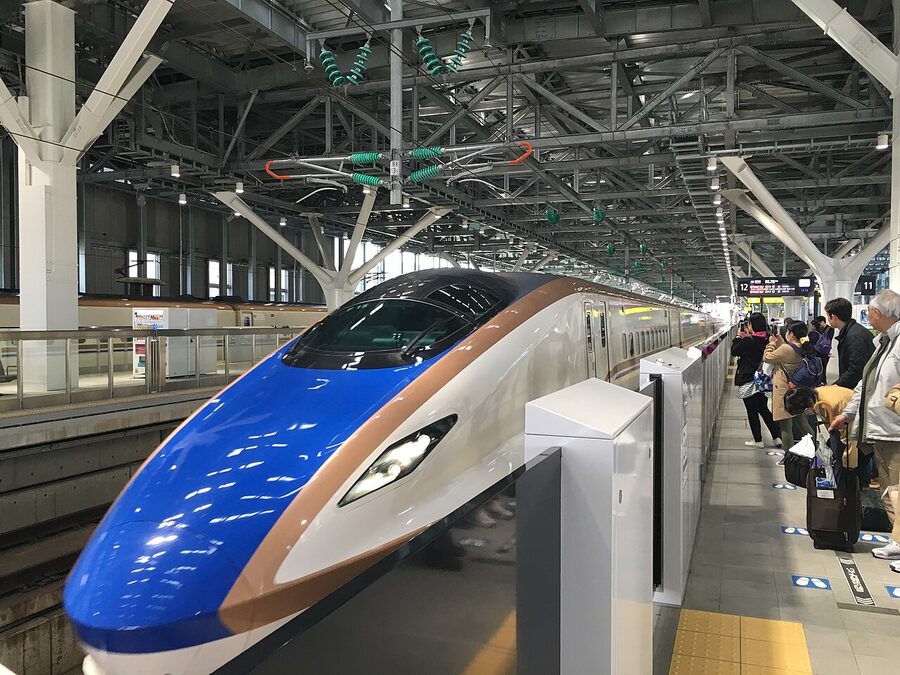
There are four ways into the Japan Alps from outside the region — the Hokuriku Shinkansen to Toyama, the Azusa Limited Express to Matsumoto, the Hida Limited Express to Takayama via Nagoya, and the Nohi Bus from Kanazawa. This is the route-by-route breakdown with current times, prices, the inter-city connections inside the loop, and which JR Pass actually pays off.
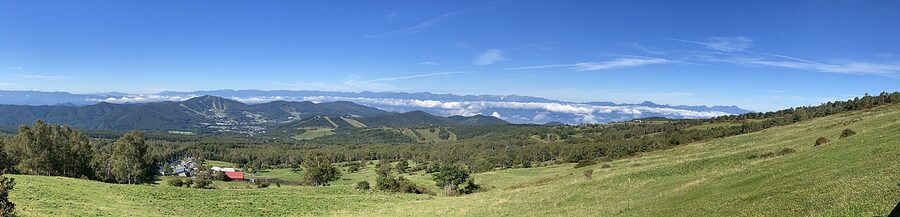
Three core itineraries for the Japan Alps loop: a 5-day quick run, a 7-day classic with the Tateyama-Kurobe Alpine Route, and a 10-day deeper version with hut-to-hut hiking in the Northern Alps. Plus seasonal variants, family and solo versions, what to skip, and a real-world budget breakdown.
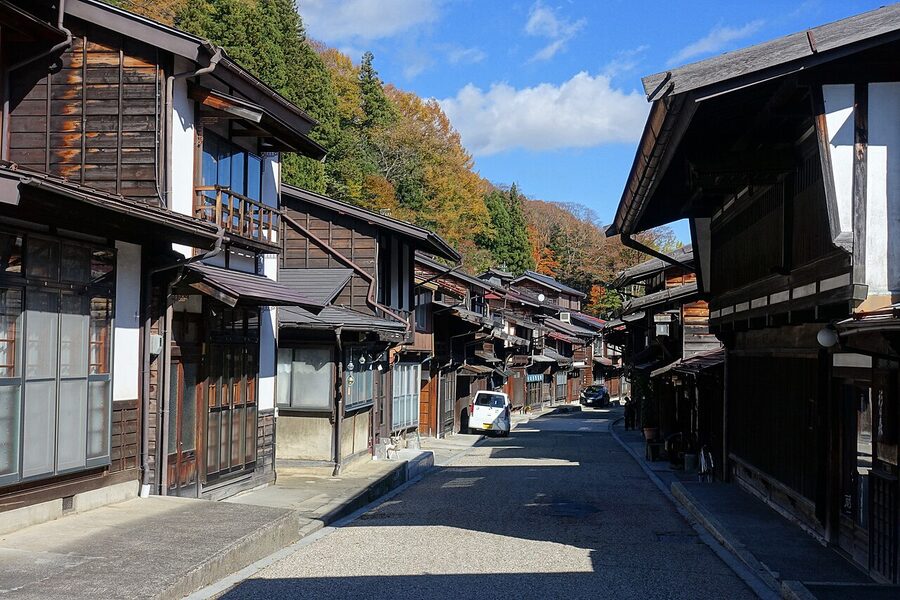
Shiojiri’s Narai-juku is the longest preserved Edo-period post town in Japan, and the lacquerware workshops at Kiso-Hirasawa next door are still working. Plus the wineries on the Kikyogahara plateau and the original Nakasendo trail over the Torii Pass. Stay overnight in Narai for the village after 4pm.
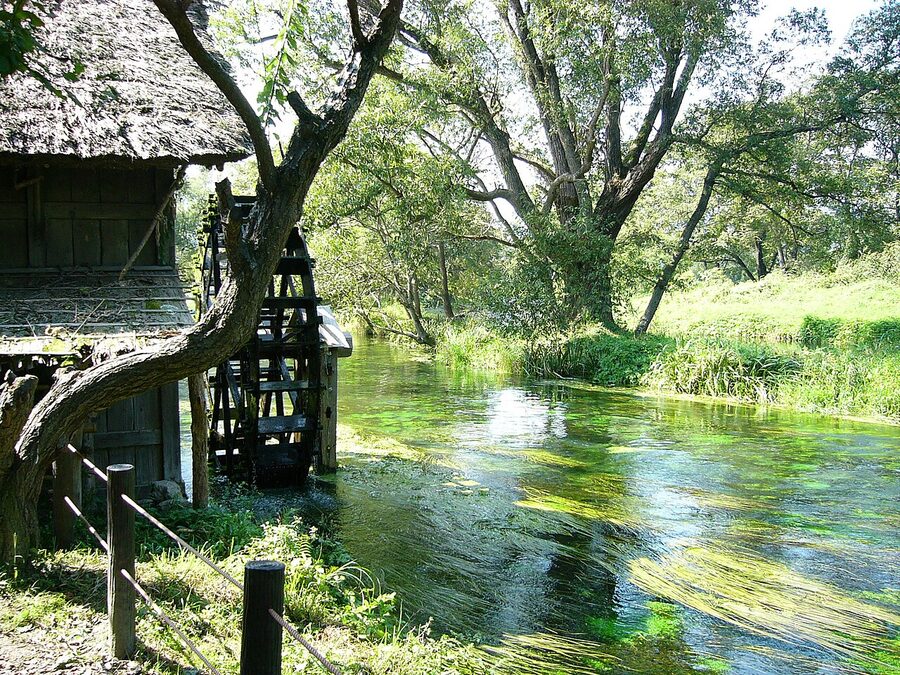
Azumino is not Japan’s Switzerland and it’s not the wasabi capital of the country. What it is: a quiet farming plain at the foot of the Hotaka range, with one excellent wasabi farm, an early-20th-century sculpture museum, an Engishiki shrine, and 200km of cycling-friendly back roads. Half a day to a day, plus the option of Nakabusa Onsen overnight.