Step onto a historic trail fast. This easy Magome–Tsumago Nakasendo day hike is built for people who want a real walking experience without committing to a full-day grind. I love that you get a licensed local English-speaking guide who puts the route into context (not just directions). You’ll also appreciate the two preserved villages—Magome-juku and Tsumago-juku—each with a different feel. One thing to plan for: transport costs extra, so you’ll need cash, and the tour package does not include transit, lunch, or most entrances.
You can expect about a 6-hour outing with roughly two hours of walking between the villages. It’s an ideal fit if you want “Japan on foot” in a manageable chunk. Just note the season limit: this hike isn’t offered from December through the end of February because of icy conditions.
In This Review
- Key highlights to look for
- Why Magome to Tsumago feels special on a guided hike
- The guide experience: what you actually get on the ground
- How long it takes and what the 8 km walk feels like
- Magome-juku: slope views, stone walkway, and town craft
- Tsumago-juku: unpaved streets and the inn life of the Honjin
- What you can expect along the way (and what might not show up)
- Price and value: what $155 buys you (and what to budget extra)
- When to go: the Dec to Feb ice reality
- Who should book this Magome–Tsumago hike
- Should you book this guided day hike
- FAQ
- How long is the Magome & Tsumago Nakasendo Trail day hike?
- Is the hike difficult?
- What’s included in the tour price?
- What costs extra that I should budget for?
- Is lunch included?
- When is the hike not available?
Key highlights to look for
- Government-licensed English guide: you’re not guessing, and the stories make the stone paths make sense
- Easy 8 km between villages: good pace for most people, with time for stops and photos
- Magome-juku on a slope: broad stone walkway, trees, craft shops, and valley views
- Tsumago-juku on near-flat ground: unpaved streets, traditional inns like the Honjin
- Free-time village wandering: snack or museum time as you want it, with guidance to choose well
- Cash-based public transport: bring it since transport is not included
Why Magome to Tsumago feels special on a guided hike
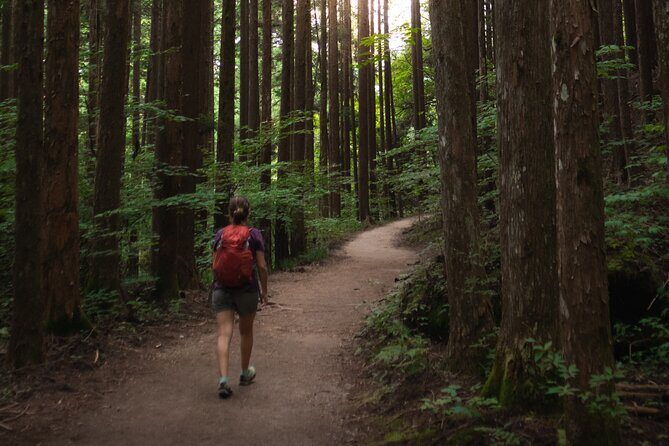
The Nakasendo was one of Japan’s major routes in the days of travel by foot and horseback. Today, you can still walk sections that feel close to that old rhythm. What makes this segment worth your time is the contrast: Magome-juku rises and views open out, while Tsumago-juku feels calmer and more level, with the details of old traveler life preserved right in the streets.
I like that the hike is short enough to stay fun. You’re not spending the whole day “fighting the trail.” Instead, you get enough walking to feel like you did something, then you can focus on what you’re seeing—architecture, town planning, and how travelers lived and moved.
A guide matters here because Nakasendo isn’t just pretty scenery. It’s about logistics—why these towns were built, how inns worked, and why the villages look the way they do now. When your guide sets that up, you notice details you’d otherwise miss, like the significance of the old inns and the notice-board role in the travel system.
Other Magome-Tsumago Nakasendo walks near Gifu Prefecture
The guide experience: what you actually get on the ground
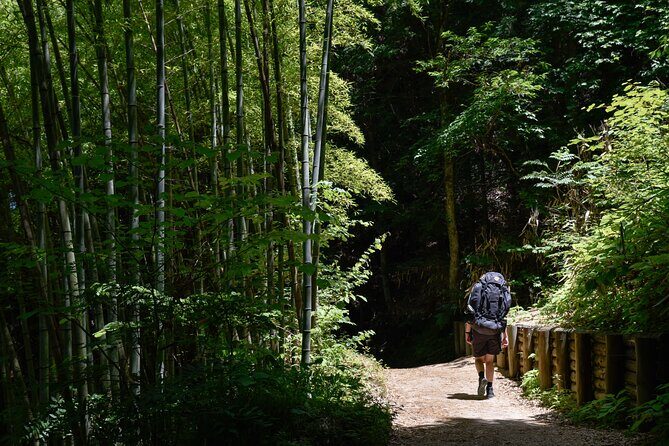
This is a private tour/activity for your group, led by a licensed local English-speaking guide. You meet the guide on foot at a designated meeting point, which is convenient once you’re already in the right area.
A key value of having a guide is pacing. On a route like this, it’s easy to get swept up by other independent walkers. With a guide, the stops make more sense: where to pause for views, when to look at buildings close-up, and what to read in the historical spaces without wasting time translating everything yourself.
From past guide styles, two things tend to land well:
- A history-first start that gives you context so the walk feels connected, not random.
- A friendly, practical approach to the day, including time for food if you want it.
You’ll also hear explanations tailored to what you’re walking past: in Magome, why the slopes and walkway layout matter; in Tsumago, why the preservation looks intentional rather than staged. That’s the difference between taking photos and actually understanding what the photos show.
How long it takes and what the 8 km walk feels like
The hiking portion is about 5 miles (8 kilometers) total, and the overall experience is around 6 hours. That time includes village time and stops—not just moving forward.
This is described as an easy hike, and that matches what most people need on a “between towns” day. The terrain is manageable, but it’s still a walking tour. Wear real walking shoes, not just city sneakers, especially if the stones feel slick after rain or if the weather changes.
Here’s a practical way to think about the timing:
- You’ll spend about two hours in the Magome-juku area.
- You’ll spend about two hours in the Tsumago-juku area.
- The route between them is where the main walking happens, with breaks along the way.
If you’re the type who likes to stop for photos, you’ll likely feel grateful for the structure. If you’re the type who only wants the fastest path from A to B, you can still move at a steady pace, but you’ll likely enjoy the guided pauses more than you expected.
Magome-juku: slope views, stone walkway, and town craft
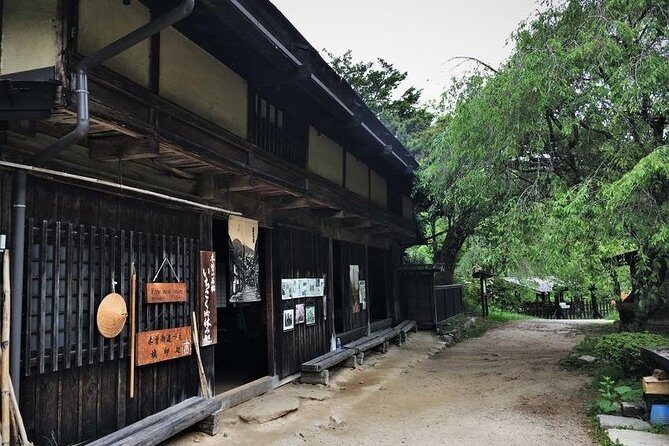
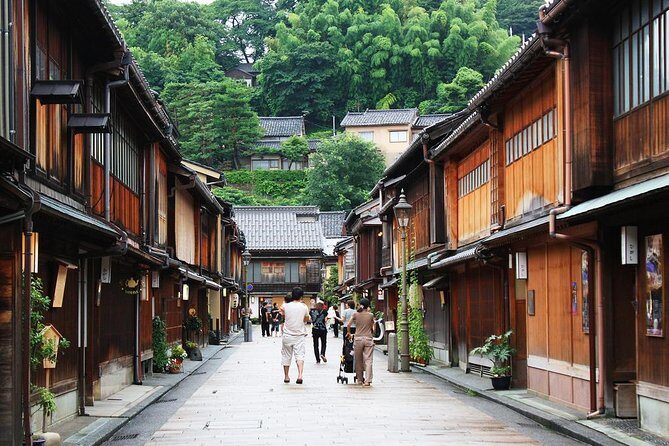
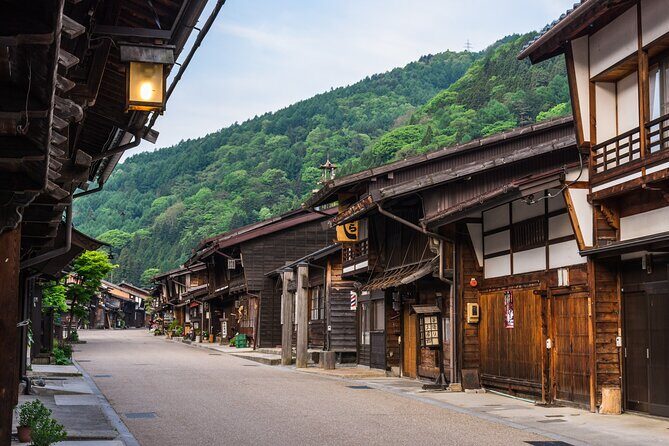
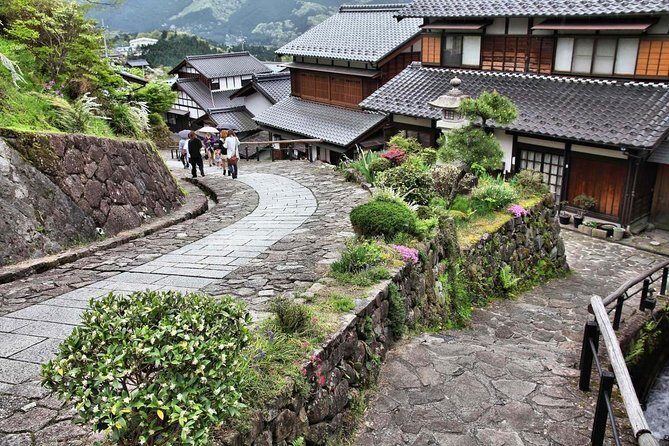
Magome-juku feels like the hillside version of old travel life. You’ll notice the broad stone walkway lined with trees and traditional houses and craft shops. This town served travelers with services and supplies, but its modern look is preserved and restored in a distinct way.
What I really like about Magome for first-time Nakasendo walkers is the viewpoint advantage. Since the village is on a slope, the angle changes as you go. The route opens up to valley views, so you get those “I’m walking in the countryside” moments without having to tackle a tough hike.
You’ll also find small museums in the area that help you connect what you’re seeing to real life back then—artists who lived there, and details about daily living. If you want a more relaxed pace, Magome is a good place to linger.
Food tip that’s easy to use: grab something at the restaurants near the top of the village if you want the view. Or head toward the lower part if you’d rather mix more with local everyday flow.
Possible drawback: because it’s a slope and includes town streets, you’ll still be on your feet a lot. If your mobility is limited, you’ll want comfortable shoes and a willingness to slow down rather than push through.
Tsumago-juku: unpaved streets and the inn life of the Honjin
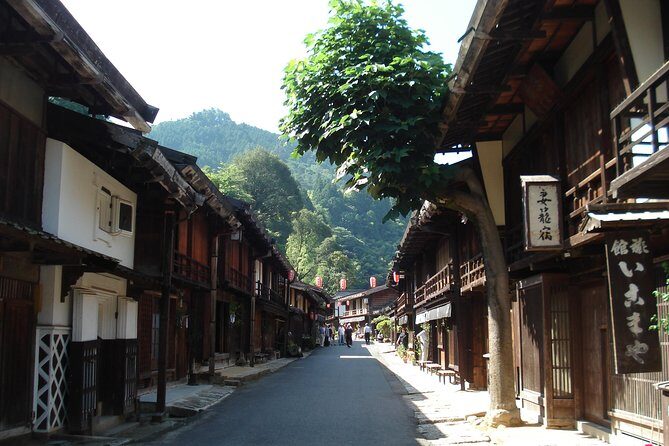
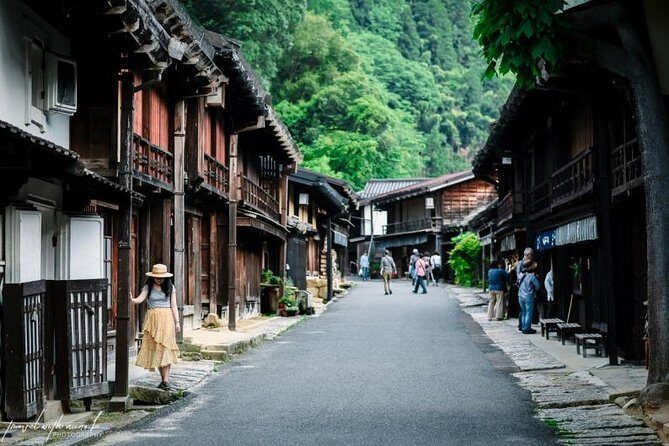
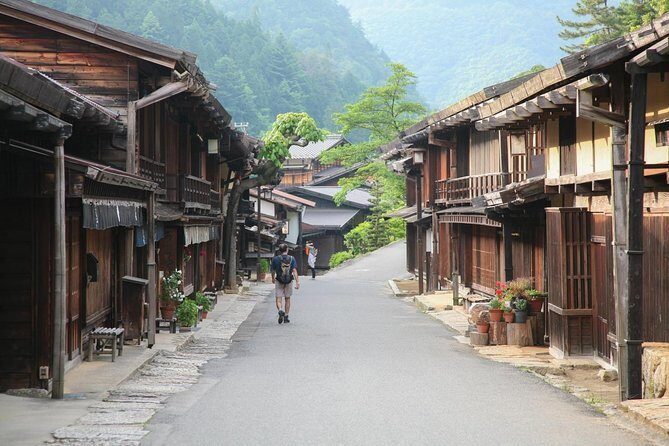
Tsumago-juku offers a more level, calm-feeling walk through a preserved historic setting. The streets are unpaved, and the town aims for a traditional ambience, including the use of concealed cables so the modern look stays out of frame.
This village is famous for preservation efforts—one of the earliest in Japan, and the vibe is that you’re stepping into an earlier travel era. When you walk it, you can see why: traditional houses remain, and major elements tied to traveler accommodation are still legible.
Some specific highlights you can plan to look for:
- The Honjin, the original inn that welcomed merchants traveling the Nakasendo
- The Wakihonjin, the secondary inn
- The notice board area used to publish Shogun decrees
- A Buddhist temple built during the 16th century
Tsumago is also a place where timing changes your experience. Night lantern lighting can shift the atmosphere to something quieter and more spell-like—though the exact evening experience can depend on the day and what’s open.
Practical note: it’s charming in daylight too. If you can’t time the evening, don’t worry—you’ll still get the street feel, the house forms, and the slow-travel mood that makes Nakasendo special.



What you can expect along the way (and what might not show up)
The magic of a guided Nakasendo walk is that it turns small details into a full story. You’ll likely get pauses for explanations that connect the villages to the travel system: why towns were placed where they were, how information moved via official postings, and how inns worked for different types of travelers.
You may also encounter viewpoints that depend on trees, weather, and exact walking conditions. One past participant noted a planned waterfall viewpoint didn’t really offer much due to tree cover. So even when a stop is on the plan, don’t assume every view will be camera-ready. If you keep expectations realistic, you’ll enjoy the walk for what it is: a historic route on foot with two preserved villages at the center.
If it’s rainy, the route is still doable, but take extra care on stones. If it’s windy, you’ll feel it more in open valley sections. If it’s cold in shoulder seasons, dress in layers so you can adjust as you walk.
Price and value: what $155 buys you (and what to budget extra)
At $155.22 per person, the big value isn’t just that you have someone leading you. It’s that you have a government-licensed guide who can translate what you’re seeing into meaning—especially at Magome and Tsumago, where details matter.
Included:
- Licensed local English-speaking guide
- Meet up with the guide on foot at a designated meeting point
Not included (so you’ll plan for it):
- Transportation fees
- Entrance fees
- Lunch and other personal expenses
- Private vehicle
- The tour cannot be combined with other tour groups
Also, bring cash for public transport since it costs extra. That’s not a tiny detail. In Japan, transit often runs smoothly—if you show up prepared with the right payment method.
How I’d judge the value:
- If you’re curious about history and want the route explained, the guide cost tends to pay off quickly.
- If you only want the photos and wouldn’t mind reading basic signs, you might feel the price more. But Magome and Tsumago rewards attention, so even then, a guide often helps.
When to go: the Dec to Feb ice reality
This hike is not available from December until the end of February because of icy conditions. If your trip falls in that window, you’ll need a different approach, and the information provided notes that you must use the bus and won’t be able to hike.
Outside that blocked period, weather still affects comfort. Plan for rain or cool temps in cooler months, and heat in summer. The route is easy, but weather can change how long you’ll want to linger in villages and how often you’ll want breaks.
If you’re choosing between spring and autumn, both are popular for a reason: the route is still walkable, and the villages look especially good during seasonal changes. (And if you love photos, you’ll appreciate the shifting light on the slopes.)
Who should book this Magome–Tsumago hike
This is a good match if:
- You want an easy, short Nakasendo experience rather than a longer mountain trek
- You like history that you can see with your eyes (inns, temple, official postings)
- You prefer a guided structure instead of wandering and guessing
- You want a private group feel, with attention from your guide
It may be less ideal if:
- You’re trying to minimize costs and you’d rather self-navigate
- You’re visiting during the winter blackout period (Dec to Feb), when hiking isn’t offered
- You’re extremely time-boxed, since the village time is part of the experience
If you’re traveling with kids, seniors, or anyone who likes a slower pace, the “easy hike” format generally works well—just remember it’s still a walking tour and you should plan for time on your feet.
Should you book this guided day hike
If you’re aiming to get the Nakasendo experience without spending all day on a demanding trail, I think this is a strong booking choice. The combination of easy walking, two very different preserved towns, and a licensed English-speaking guide makes it more than a scenic stroll.
Book it if you want to understand the place while you’re there—Magome’s slope-town structure and Tsumago’s inn-and-notice-board story are exactly the kind of details that a guide helps you catch in real time. Skip it only if you’re traveling in the icy-season blackout months or you already know you won’t care about historical context.
In short: this is a practical, high-reward day hike for people who want Japan on foot with meaning, not just motion.
FAQ
How long is the Magome & Tsumago Nakasendo Trail day hike?
The total experience is about 6 hours. The time is split between the two villages, with roughly 2 hours at Magome-juku and about 2 hours at Tsumago-juku.
Is the hike difficult?
It’s described as an easy hike, about 5 miles (8 kilometers) in total. It’s a walking tour, so you’ll want good footwear, but it’s not presented as a strenuous trek.
What’s included in the tour price?
The price includes a licensed local English-speaking guide and meeting the guide on foot at a designated meeting point.
What costs extra that I should budget for?
Transportation fees, entrance fees, lunch, and other personal expenses are not included. Public transport costs extra, and you should bring cash.
Is lunch included?
No, lunch isn’t included. However, your guide may help arrange time for food stops at local places during the day.
When is the hike not available?
This hiking tour is not available from December until the end of February due to icy conditions. In that season, you’d need to use the bus and you won’t be able to hike.