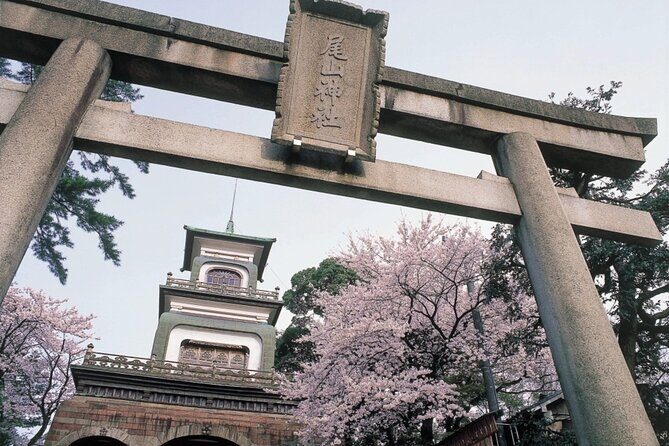
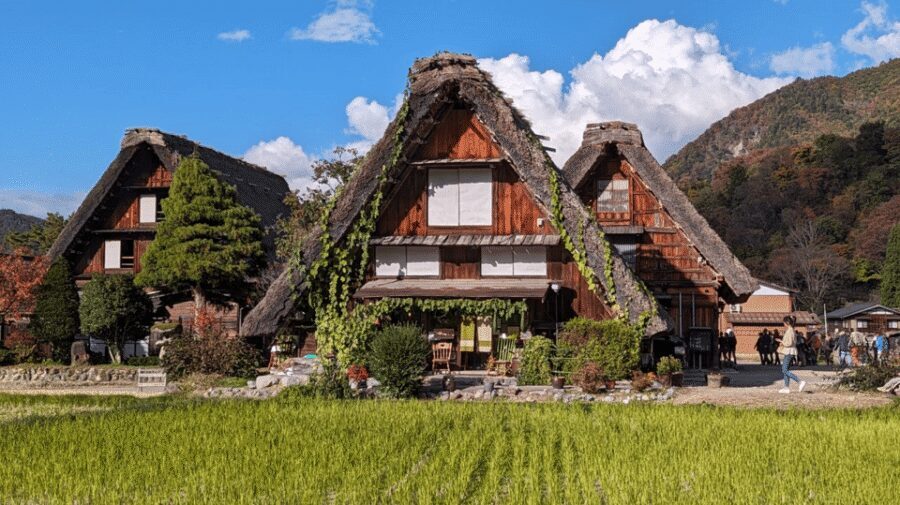
The combo of monkeys and blossoms works.
This Nagano 1-day tour strings together two of Japan’s most specific seasonal pleasures: Jigokudani snow monkeys and hanami cherry blossom viewing in northern Nagano. I love that the day is built around real places, not just quick photo stops, and that the route connects everything from Nagano Station to the mountains in a smooth, timed way. The trade-off is simple: it’s a long day, and at least one leg involves walking trails at the monkey site.
What I like most is the practical pacing.
You get time at Jigokudani Monkey Park to actually watch the troop’s behavior, then you refuel with a Japanese lunch (vegetarian options available if you tell them ahead). Later, you’re taken to cherry blossom viewpoints chosen based on what’s blooming on your date—so you’re not stuck hoping for the best without a plan.
One consideration before you book: spring can be unpredictable.
If cherry blossoms aren’t in bloom, you’ll pivot to Zenko-ji Temple with sake tasting instead (you’ll be notified 3 days in advance). Also, in spring the monkeys may not be in the hot spring, and on a few days they might not come down to the park—so it’s best to go with the right mindset: great nature viewing, not guaranteed perfection.
In This Review
- Key points that matter before you go
- The real appeal: spring in Nagano is not Tokyo
- From Nagano Station to Jigokudani: the day gets moving fast
- Jigokudani Monkey Park: watching macaques like wildlife, not a show
- The included lunch: where the long day becomes tolerable
- Cherry blossom viewpoint time: how northern Nagano changes the odds
- If the blossoms are not in bloom, you shift to Zenko-ji
- Bus time and pacing: you’ll enjoy it more if you manage expectations
- Price and value: what $135 buys in the real world
- Who should book this snow monkeys and hanami day?
- Should you book this tour?
- FAQ
- How long is the tour?
- Where do I meet for the tour?
- What is included in the price?
- Are bullet train tickets included?
- What is the main activity schedule during the day?
- What if cherry blossoms are not in bloom during my tour date?
- Is lunch included, and can I request a vegetarian option?
- Will I definitely see the snow monkeys in the hot spring?
- Are the monkeys always coming down to the park?
- When does the tour return to Nagano Station?
Key points that matter before you go
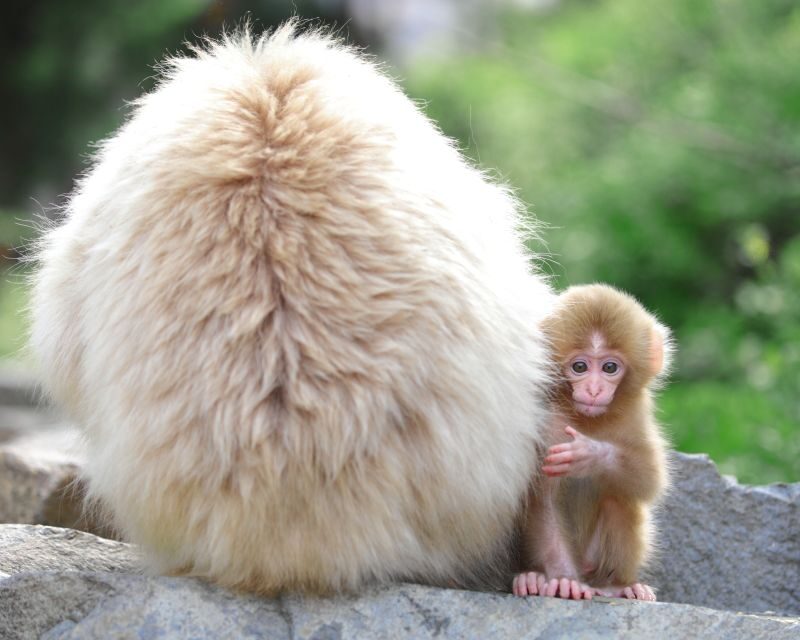
- Close-up Jigokudani viewing with a guided plan that keeps you respectful around the macaques.
- Hanami spots picked for your date, since northern Nagano usually blooms later than Tokyo/Kyoto.
- A proper lunch included, plus vegetarian meals available if you pre-request.
- English-speaking guides who manage groups and keep you moving on time (I saw names like Dai, Kevin, and Kunihiko Endo in the guide roster people mention).
- Backup plan for blossoms: Zenko-ji + sake tasting if the sakura aren’t ready.
- Shoes matter—there’s walking involved at the monkey park, and the uphill trail can feel longer than you’d expect.
The real appeal: spring in Nagano is not Tokyo
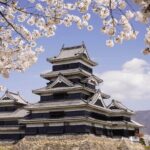
Japan does cherry blossoms everywhere, but northern Nagano has a different tempo. In this region, sakura typically come into bloom around mid-April, which means you often get sightings after the big-city crowds have moved on. That timing also affects the tour’s feel: it’s calmer and more seasonal, like you’re stepping into the exact month the mountains decide to wake up.
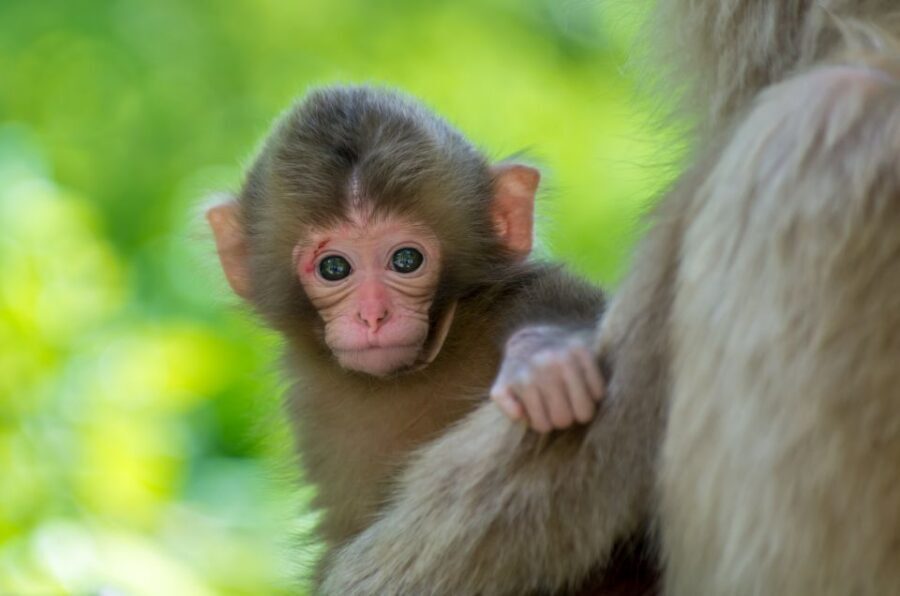
Then there are the snow monkeys. Jigokudani is famous because the Japanese macaques live in a wild setting that still feels shockingly close. And in spring, you’re not just looking for a gimmick like hot spring photos. You’re watching animals choose where to go, how to interact, and when to move—new babies are part of the seasonal rhythm too.
This is why the tour works as a single day: it gives you the Japanese spring storyline in one loop—cold mountain life first, then hanami afterwards—without you needing to plan two separate excursions.
Other snow monkey tours we've reviewed in Nagano

From Nagano Station to Jigokudani: the day gets moving fast
You start at Nagano JR Station, right in front of the Information Board opposite the shinkansen gates. The tour is set up to run about 9 hours total, and it aims to return you to Nagano Station by 6:30 PM.
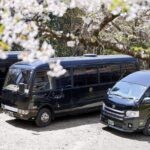
The drive from Nagano to the monkey area takes about 80 minutes by bus/coach. You don’t just get transportation—you get a guide-led transition, which helps a lot if you’re not fluent in the area. Even with a full schedule, the tour’s structure keeps the day from turning into a series of awkward timing checks on your phone.
There’s also a simple reality here: winter-to-spring travel in Nagano means you’ll feel the chill, even if you’re optimistic about the cherry blossoms later. Bring the mindset that you’re dressing for mountain weather, not city afternoons.
Jigokudani Monkey Park: watching macaques like wildlife, not a show
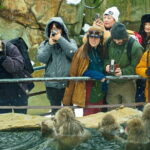
At Jigokudani Monkey Park, you’ll spend about 2 hours and 10 minutes with a guided visit, plus walking and wildlife viewing time. The tour’s goal is to let you see macaques in their own rhythm while still keeping things orderly with a group.
Here’s what makes this stop special in practice:
You’re not stuck behind a fence with a vague view. People describe getting up close while still keeping respectful distance, and that matters because macaques react to their environment, not to your camera.
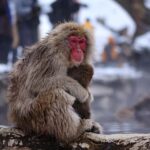
Spring adds extra emotional pull because it’s often the season when newborn babies arrive. The information shared for the tour notes that there can be roughly 20 to 30 babies born each spring. Seeing the troop with young animals gives you a sense of momentum—this isn’t just winter survival; it’s the start of a new cycle.
About the hot spring part: during winter, macaques are commonly seen in the hot spring. From spring through autumn, they may play in the water, but there’s no guarantee they’ll be in the hot spring during your visit. Also, on a few days a year, monkeys might not come down to the park. That’s not a failure—nature is nature. If you treat this as wildlife viewing first, you’ll enjoy it more.
One more practical note from experience on similar tours: the trail walk can be real. One person specifically mentioned a walk of about 1.6 km that felt much longer once you factor in the pacing and terrain. Wear shoes you trust on uneven ground, and don’t plan on doing this in thin sneakers.
The included lunch: where the long day becomes tolerable
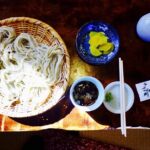
Lunch is scheduled as a 1-hour break at a local restaurant. Vegetarian options are available, but you need to make that known beforehand, not after you arrive.
Why do I care about lunch on a day like this? Because this tour mixes mountain walking and seasonal sightseeing, and the rhythm matters. If lunch is late or rushed, the afternoon can turn into fatigue plus photos. Here, the lunch timing gives you enough reset to enjoy the later viewpoint stop without feeling wrecked.
From feedback people shared, the lunch selection has been described as delicious and well-paced, which is exactly what you want on a tight schedule.
Cherry blossom viewpoint time: how northern Nagano changes the odds
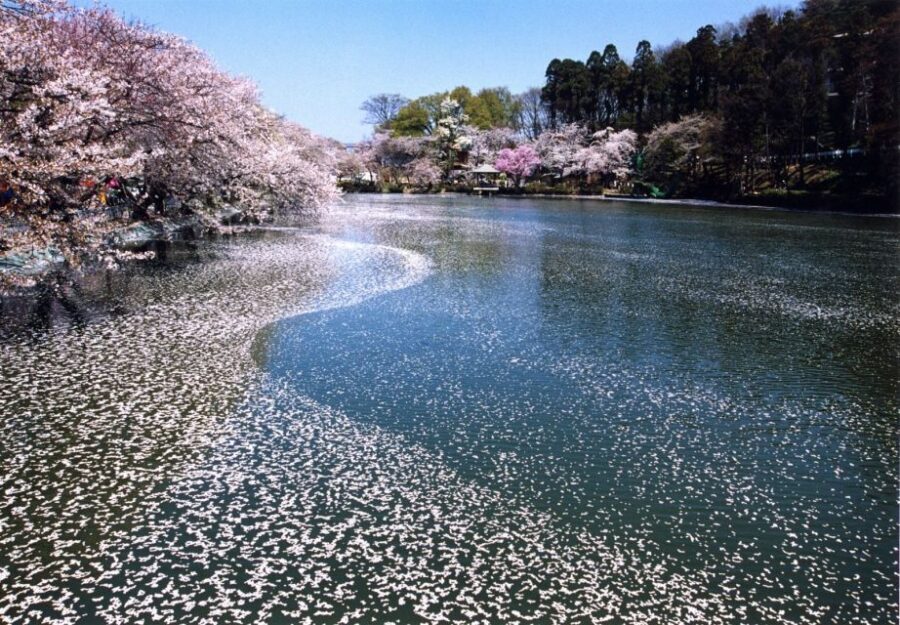
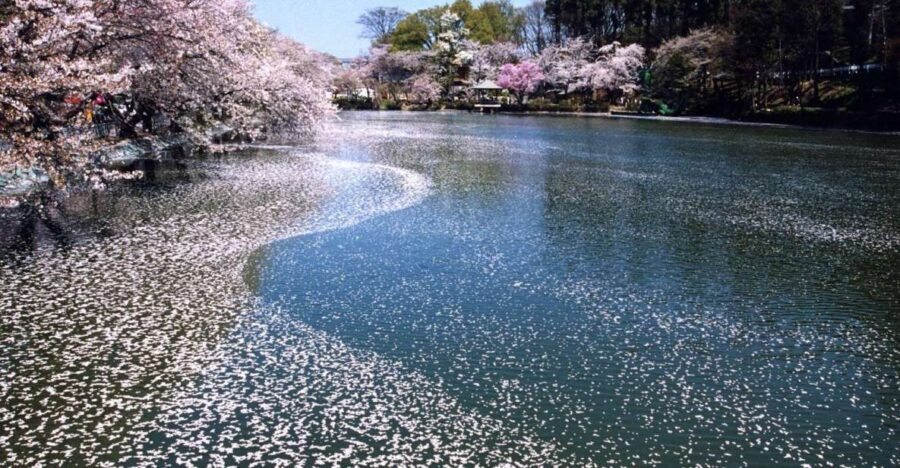
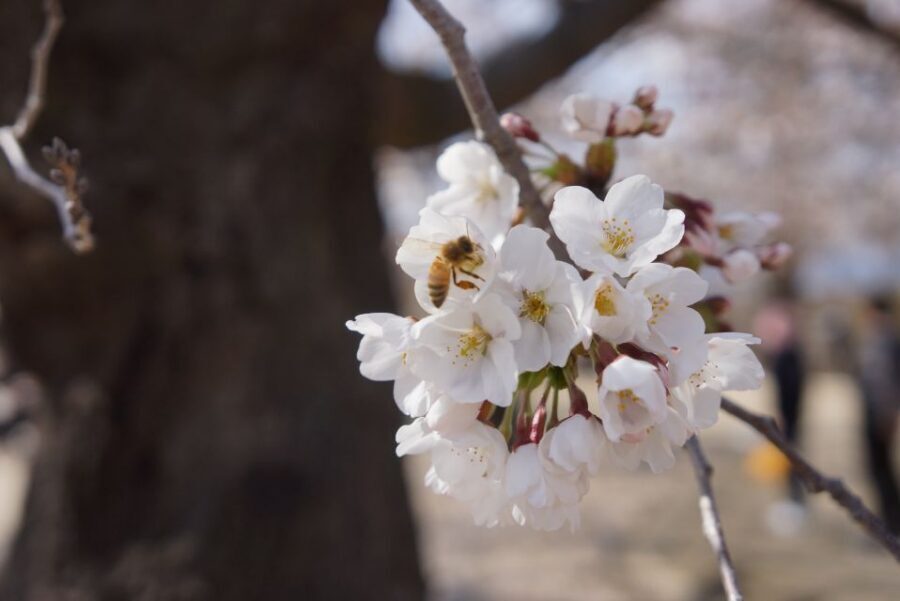
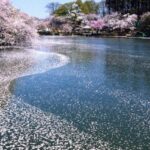
After lunch, you take another bus/coach ride (about 1.5 hours) to the hanami area. Then you have around 2 hours for guided sightseeing at a viewpoint.
The tour doesn’t promise one single spot regardless of weather. Instead, the cherry blossom stops are selected depending on how much the sakura are blooming on your date. The information provided also notes that there are more than 500 to 1000 cherry trees across these areas, with different cherry types along the way. Translation: you’re likely to see a satisfying range of blooms, not just one row of pretty branches.
A big reason to pick this tour over DIY is that northern Nagano can bloom later than the famous cities. If you’re traveling during a narrow window, being guided to the right viewing level that day can be the difference between wow and meh.
And if spring throws a curveball, you’re covered.
Other Nagano tours and day trips
If the blossoms are not in bloom, you shift to Zenko-ji
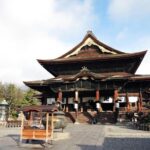
If cherry blossoms aren’t blooming, the tour provides an alternative afternoon visit to Zenko-ji Temple with sake tasting. You’ll be notified about this change 3 days in advance, so you can adjust your expectations early rather than scrambling mid-trip.
This backup plan is a smart move because it keeps the tour in “Japanese spring mode” even when the sakura calendar doesn’t cooperate. Plus, Zenko-ji is a major cultural stop that fits naturally after a morning in the mountains—different mood, same region, no wasted afternoon.
Bus time and pacing: you’ll enjoy it more if you manage expectations
The schedule is structured: bus to the monkeys, time there, lunch, bus to the viewpoint, then bus back. The final bus ride is about 1 hour back to Nagano Station.
In a group day like this, pacing is everything. People mention guides who kept everyone accounted for and stayed on time, even with large groups. One guide name that came up clearly was Kevin, who managed a group of about 40. Others mentioned guides like Dai and Kunihiko Endo, with praise for being patient and helpful.
That’s good news for you because group days can go two ways: chaos or control. The strongest reviews point to control: guides who keep you moving, answer questions, and keep the day on schedule without feeling like cattle.
If you’re sensitive to audio on buses, here’s one practical “heads up” based on feedback: one person said the bus speaker could have been louder to hear commentary. If you rely on audio narration, consider bringing earplugs or planning to enjoy the scenery between announcements.
Price and value: what $135 buys in the real world
At $135 per person for about 9 hours, this tour is priced like a convenience plus guided access package. Here’s what you’re paying for that matters:
- Transportation from Nagano Station to the snow monkey area and between attractions
- Snow Monkey Park entrance
- Lunch (with vegetarian options available if requested)
- English-speaking guide for the day
The one thing not included is bullet train tickets. If you’re coming from another city and would use the shinkansen anyway, plan that part separately. But within Nagano and the mountain day itself, this tour covers the moving pieces.
Is it worth it? If you’d otherwise have to coordinate local buses, figure out timing between monkey viewing and hanami, and hunt down the right guidance for where blossoms are actually best, then the bundled price starts to look reasonable. You’re buying a reliable flow—and in spring, reliability is worth money.
If you’re a confident independent traveler who already has local transit sorted and you’re happy with flexibility, you might DIY. But you’d still be paying with time and stress, especially if your dates sit near peak blooming.
Who should book this snow monkeys and hanami day?
I think this is a strong pick if you meet any of these:
- You want two iconic experiences in one day: Jigokudani and hanami.
- You’re traveling in mid-April or around then, when northern Nagano is likely to have blossoms.
- You prefer a guided structure because spring timing can swing fast.
- You want wildlife viewing that includes instruction on respectful viewing and how to experience the park sensibly.
It’s less ideal if you dislike walking trails or you hate the idea that cherry blossoms could be swapped for Zenko-ji depending on bloom conditions. Also, if you need guaranteed hot spring sightings from the macaques, remember: it’s not guaranteed.
Should you book this tour?
If your priority is a well-run day that covers Jigokudani and spring cherry blossoms in Nagano without you juggling logistics, then I’d book it. The value comes from the included transport, park entry, lunch, and an English-speaking guide who keeps the day on track, with real backup planning if the sakura aren’t ready.
I’d recommend it especially if you’re the type who likes to see nature first, then celebrate the season afterward. This tour nails that two-part vibe—cold mountain macaques in the morning, then spring flowers (or Zenko-ji and sake) in the afternoon—done in one smooth loop.
FAQ
How long is the tour?
The tour lasts about 9 hours.
Where do I meet for the tour?
Meet at Nagano JR Station in front of the Information Board directly opposite the shinkansen gates.
What is included in the price?
Included are transportation fees between the activities, the Snow Monkey Park entrance fee, lunch (with vegetarian options available if requested), and an English-speaking guide.
Are bullet train tickets included?
No. Bullet train tickets are not included.
What is the main activity schedule during the day?
You travel from Nagano Station to Jigokudani Monkey Park, spend time there, have lunch, then go to a cherry blossom viewpoint for sightseeing, and return to Nagano Station.
What if cherry blossoms are not in bloom during my tour date?
If the blossoms are not in bloom, the tour provides an alternative afternoon visit to Zenko-ji Temple with sake tasting. You’ll be notified 3 days in advance.
Is lunch included, and can I request a vegetarian option?
Lunch is included, and vegetarian options are available if you tell the operator beforehand.
Will I definitely see the snow monkeys in the hot spring?
No. During spring and onward, monkeys may play in the water, but there is no guarantee they will be in the hot spring.
Are the monkeys always coming down to the park?
On a few days each year, the monkeys might not come down to the park. It’s not guaranteed every day.
When does the tour return to Nagano Station?
The tour is scheduled to conclude at JR Nagano Station by 6:30 PM.