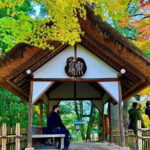
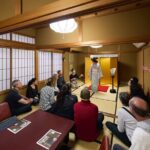
Kanazawa hits hard in one day. This tour strings together the Nagamachi samurai district, the Kenroku-en garden, and Kanazawa’s famous tea-house streets with smart breaks and a real sense of place. I love that it mixes Edo-era life with distinctly modern Kanazawa details right from the station area, and I also like that the day doesn’t feel like a race.
One thing to plan for: it’s a long outdoor day. You’ll walk several hours, often in weather you can’t control, so wear proper shoes and bring rain gear.
In This Review
- Key takeaways before you go
- Kanazawa in one long walk: what this full day really covers
- Starting at Kanazawa Station and the Tsuzumi-mon gate moment
- Nagamachi Samurai District: seeing how modest samurai lived
- Oyama Shrine’s stained glass and the koi-pond pause
- Gyokusen-an tea house: matcha with castle-garden views
- Kenroku-en garden: how to read a 200-year-old design
- Higashi-chaya tea district: time to wander the red tea-house streets
- Geisha house Shima: the heritage stop and matcha-and-sweets finish
- Lunch on your own and market time near the castle route
- Price and value: what $156 buys you (and what it doesn’t)
- What to wear: the long-day reality (rain and cold are part of the plan)
- Who should book this Kanazawa tour (and who might not love it)
- Should you book the Kanazawa Samurai, Matcha, Gardens and Geisha Full-Day Tour?
- FAQ
- Where do I meet my guide for this tour in Kanazawa?
- What time does the tour start?
- How long is the tour, and is it a full-day experience?
- Is lunch included in the price?
- What is included in the tour besides the guide?
- Does the tour include visits to both the samurai and geisha areas?
- How much walking should I expect?
- Is the tea experience at Gyokusen-an always in the same place?
- Is the tour offered in English?
- What’s the cancellation and payment flexibility like?
Key takeaways before you go
- Samurai life you can step into: you get access to modest homes from the Nagamachi samurai neighborhood, not just a photo-stop.
- Oyama Shrine’s East-meets-West design: stained glass and a fusion look you don’t see every day in Japan.
- Matcha twice in different moods: a tea ceremony at Gyokusen-an, plus a matcha and sweets experience at Shima.
- Kenroku-en with a guide’s map in your head: you’ll learn what you’re looking at while you walk.
- Higashi-chaya is more than scenery: you get time to wander, shop, and soak up the preserved streetscape.
- Comfort beats effort: this is great, but only if you dress for walking and changing weather.
Kanazawa in one long walk: what this full day really covers
This is a classic Kanazawa sampler day, but with a useful twist: it’s built around neighborhoods and entry-ticket moments, not just a list of landmarks. You start in the station area, then you move through four main “feelings” of Kanazawa—samurai streets, a castle-garden setting, elegant tea-house culture, and a heritage geisha tea experience—while your guide adds context as you go.
Because it’s walking-heavy, the big value isn’t just what you see. It’s the way you move between eras. One minute you’re in an old district with crooked lanes and old residences. The next you’re in a garden world designed to be read slowly, and then you’re back among wooden tea houses and quiet backstreets.
The pacing also matters. You do have guided time, but you also get freedom to move at your own pace in places like Nagamachi and Higashi-chaya—so you can linger when something catches your eye.
Other Kanazawa tours and samurai-district walks


Starting at Kanazawa Station and the Tsuzumi-mon gate moment
Meet up is easy if you arrive with a little buffer: meet outside the Shinkansen ticket gates, in front of the information center. If you’re leaving through the gates, look forward and to the right. You’ll spot four large sumo wrestlers nearby—this is your visual cue. If you’re coming from outside, the sumo wrestlers are immediately inside the East Entrance of Kanazawa Station.
As soon as you leave, one of the first things you’ll see is the Tsuzumi-mon gate—a modern take on traditional gate styling. For me, that’s a perfect opener because Kanazawa often feels like a city that knows both worlds: old symbols, reused and reinterpreted.
Nagamachi Samurai District: seeing how modest samurai lived
Nagamachi is the heart of the day’s samurai theme. You start by walking toward the district along side streets lined with local residences and occasional wooden temples. This is where you get your “slow approach” into the neighborhood instead of getting dropped at a single gate and rushed onward.
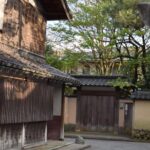
Then you reach the Nagamachi area itself, known for its crooked lanes. The standout moment here is the chance to step into samurai homes from modest means—not just the big, grand version of samurai life. Inside, you’ll see how everyday households were set up, and you’ll get context for what mattered to lower-ranking warriors: practical space, family rhythm, and the reality of living inside a social system.
Practical tip: if you’re the type who likes to take photos, do it early. Once you’re inside residences, you’ll want your time for reading signs and listening to your guide.
Oyama Shrine’s stained glass and the koi-pond pause
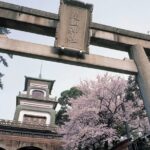
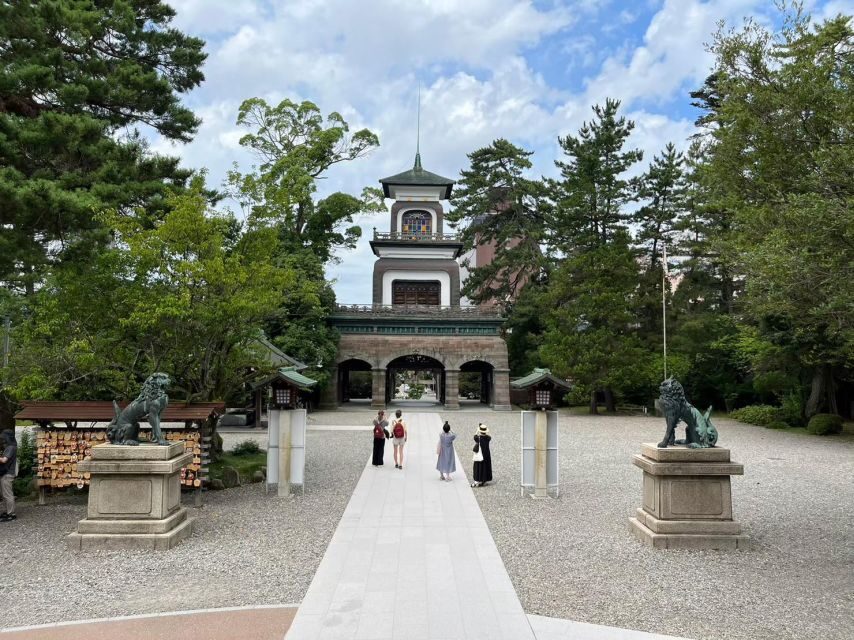
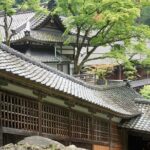
Next comes Oyama Shrine, and it’s not the typical shrine layout you might expect. This is the fusion angle—Japanese and Western elements blended in a way that reflects Kanazawa’s 19th-century history. The stained glass is the first big visual hook, and it helps you understand why this stop works even if you’re not a “shrine person.”
After you explore the shrine grounds, the back area is where you slow down a bit. You’ll find a koi pond, a small garden, and a path that leads to a big wooden bridge. Crossing that bridge gives you a nice visual reset before the next stage: the castle.
If you’re traveling with someone who gets antsy during quiet stops, this one is a win. It’s calm, but the design details keep it interesting.
Gyokusen-an tea house: matcha with castle-garden views
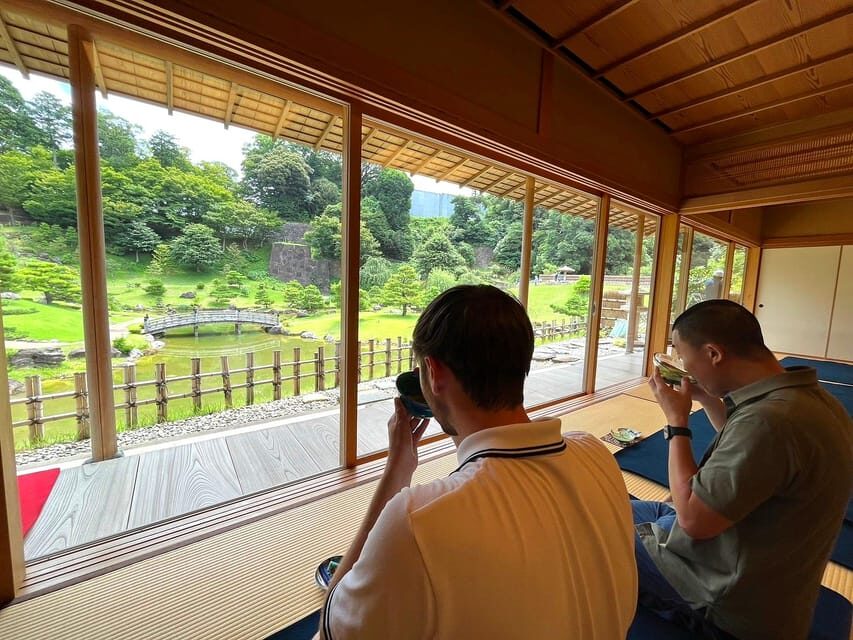
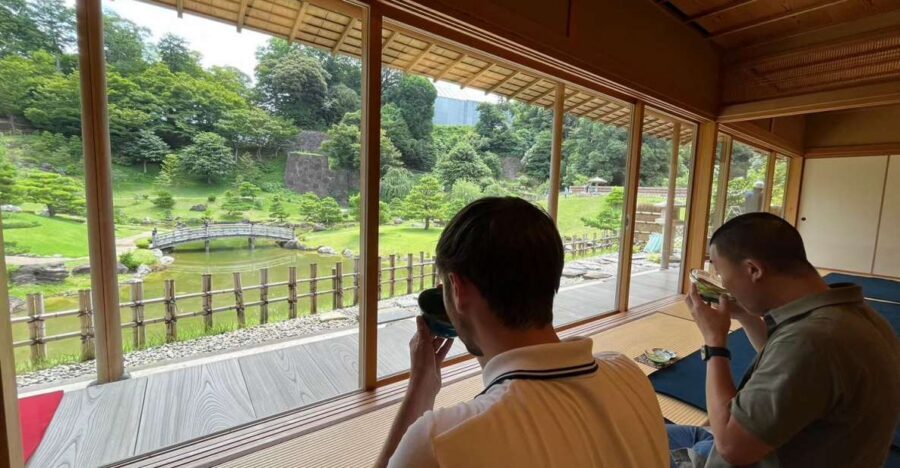
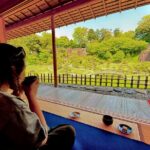
After Oyama, you enter the Kanazawa Castle grounds and move toward Gyokusen-an, a tea house stop with views over a garden at the base of the massive stone walls. This is one of those moments where the location does half the work for the experience. You’re sitting in a traditional setting while the castle’s scale frames the view.
Inside, you’ll get the tea setting experience: matcha and Japanese sweets (wagashi) served by kimono-clad staff. Your guide also shows you the proper way to drink matcha. Even if you’ve had matcha before, this part is more about etiquette and pace—how to treat the cup like a small ceremony instead of a drink.
One heads-up: occasionally, special events can mean your matcha tasting shifts to another location. The good news is the experience still happens; it’s just a venue change.
If you're still narrowing it down, here are other tours in Kanazawa we've reviewed

Kenroku-en garden: how to read a 200-year-old design
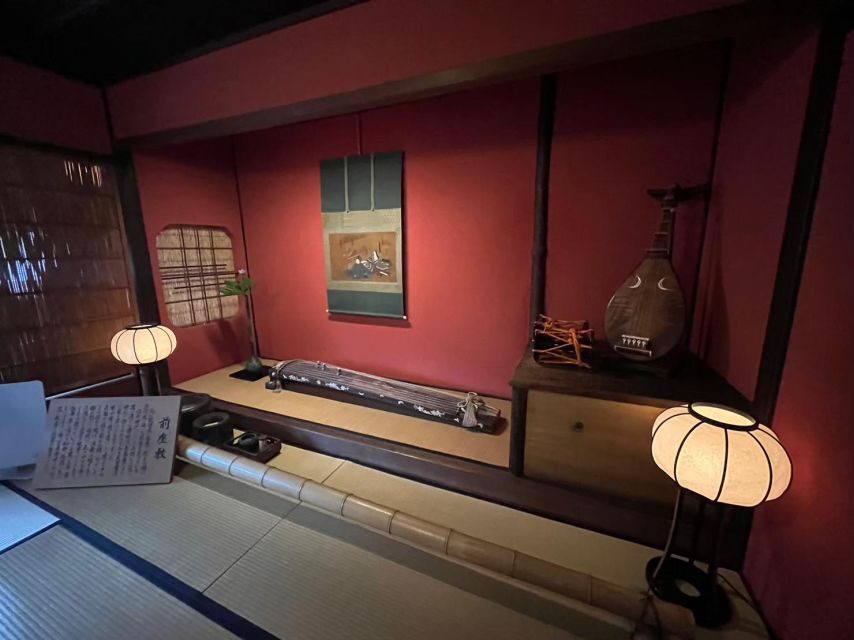
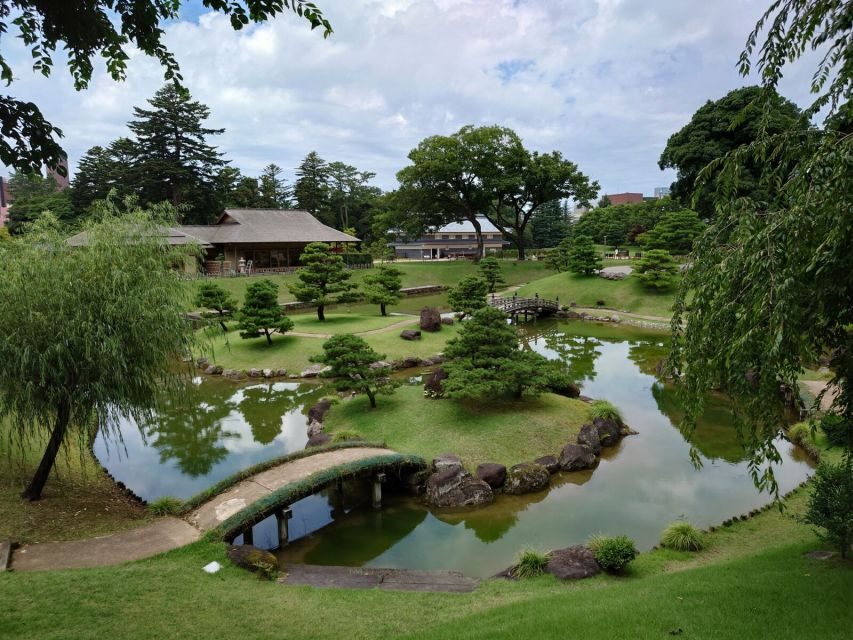
Kenroku-en is often listed among Japan’s top gardens for a reason. Here, you don’t just walk through it—you learn how it was designed and built over 200 years ago, created on the order of the Lord of Kanazawa Castle.
What I like about having a guide in Kenroku-en is simple: you stop guessing. You’ll know what you’re looking at—how paths, viewpoints, and seasonal design ideas tie together. Gardens like this reward attention, and a guide helps you notice details you’d otherwise miss.
Also, Kenroku-en is flexible in feel. On misty or rainy days, the atmosphere can turn magical fast. If you’re there in such weather, keep your umbrella handy but try to keep moving—short pauses to look are better than long stops that cut the day short.
Higashi-chaya tea district: time to wander the red tea-house streets
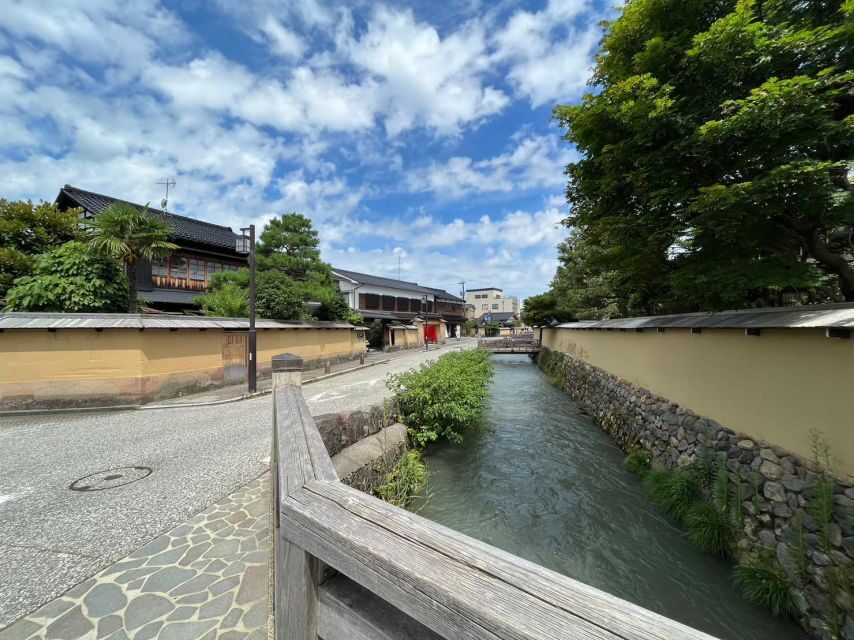
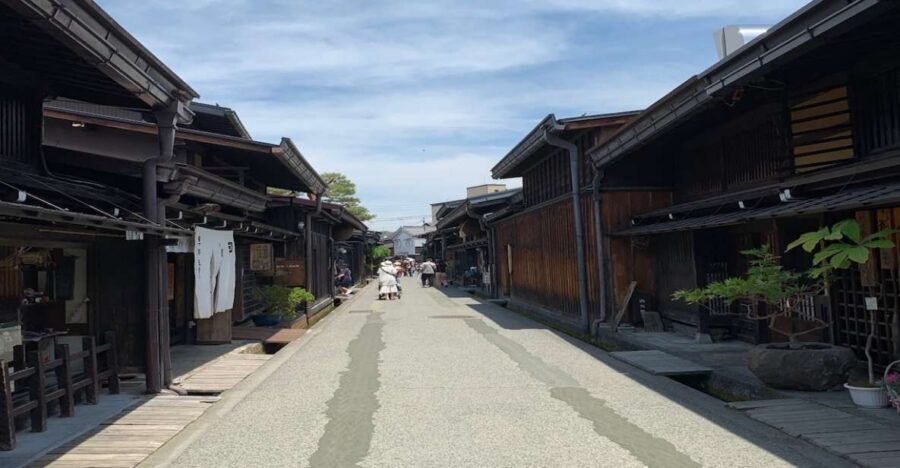
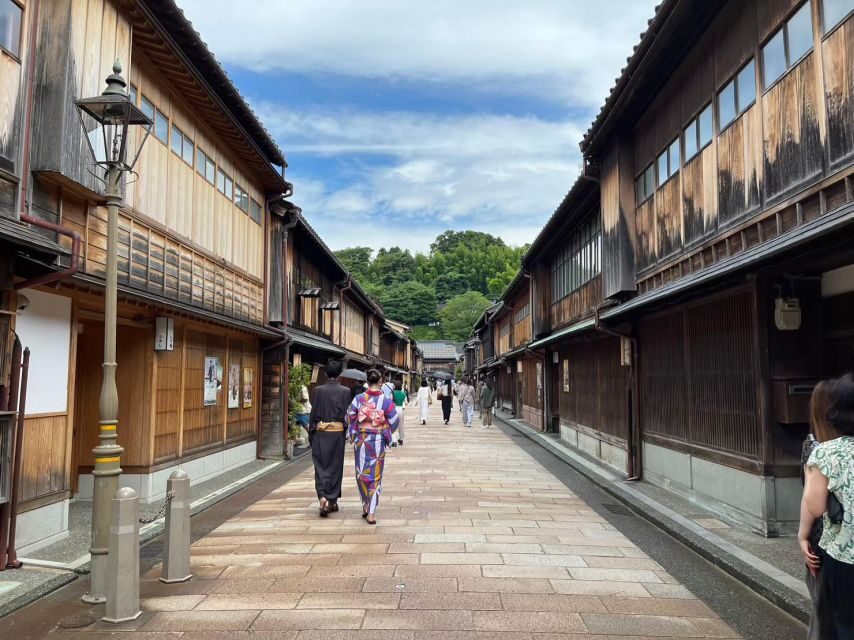
Higashi-chaya is the “tea district” everyone recognizes outside of Kyoto. This area is built around two-story wooden tea houses, including some painted red—a design feature associated with Kanazawa.
Your guide gives you the basics first, then you get free time to explore. This is the moment I think you should use intentionally:
- wander the side lanes slowly
- pause for shopping if you want local crafts
- take your time with photos, especially where the street lines compress and open again
Even with shops and visitors around, the streets retain a lived-in calm. You’ll feel the contrast between the formal garden world and the human-scale tea-house streets.
Geisha house Shima: the heritage stop and matcha-and-sweets finish
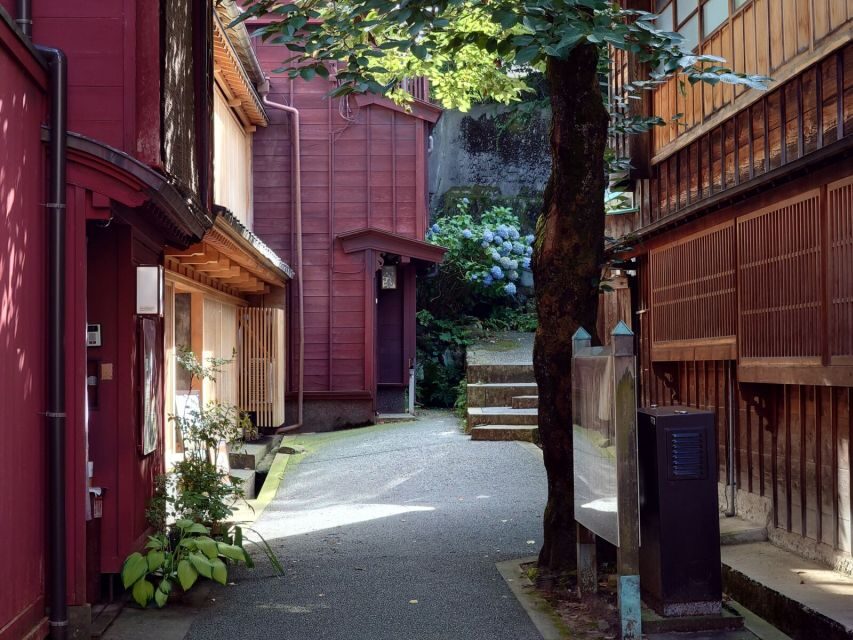
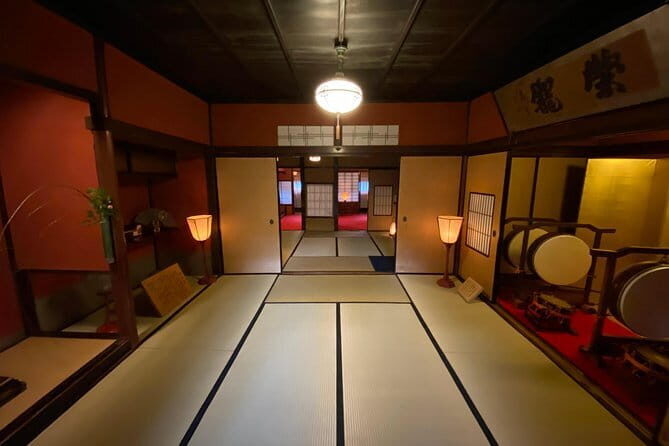
The last major culture stop is the geisha house Shima. This isn’t just a quick peek; you’ll get a guided visit in a heritage site setting with classic architecture. It’s a good closing choice because it brings the day’s themes—tea, aesthetics, and historical lifestyle—back together.
You’ll also have your matcha and sweets experience here (included), and the guide will keep the focus on the tea-house manners and the feel of the environment. It’s a respectful cultural stop designed for visitors, so you’re not just touring a building—you’re learning how the space is meant to be experienced.
Lunch on your own and market time near the castle route
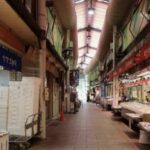
Lunch isn’t included, but the tour is planned so you still get a chance to eat without feeling stranded. You’ll have time along the way to enjoy markets and grab a bite.
If you want a practical plan, consider using the market areas close to the route to choose from lots of options in one place. A popular pick is Omicho Market, which many people highlight as a go-to lunch stop. Ask your guide what’s easiest to reach from where you are, since timing can change with walking pace and weather.
My advice: pick something fast but satisfying. This tour is long, and a weak lunch can turn the last third into a slog.
Price and value: what $156 buys you (and what it doesn’t)
At $156 per person, the price feels fair because you’re not paying only for walking. You’re paying for a live guide, two tea-focused experiences (one tied to Gyokusen-an, one at Shima), and paid entry into Kenroku-en plus admission connected to the geisha tea-house visit.
What you’re not getting is lunch. That’s normal for tours, but it matters for value: you’ll still need to budget for your meal separately.
Why I think this tour is good value for the price:
- You cover multiple ticketed sights in a single day.
- The guide adds context to sites that can otherwise blur together (castle grounds, shrine grounds, garden design).
- You get free time for shopping and self-paced wandering without losing the structure.
If you were trying to recreate this day on your own, you’d likely spend time figuring out route flow, timing, and which buildings are worth your effort. This tour buys you that decision-making time back.
What to wear: the long-day reality (rain and cold are part of the plan)
This is one of those “pack for comfort” tours. The tour runs outdoors for several hours, so check the forecast before you head to Kanazawa Station. Bring:
- comfortable shoes
- warm clothing
- an umbrella and rain gear
- weather-appropriate socks and footwear
In winter, temperatures can drop below 10°C, with morning/evening near or below 0°C. There may be snow and ice on sidewalks too, so use non-slippery shoes.
If you hate getting wet, you’ll still have a good day. But you need to treat this like a hike plus culture stops, not like a light stroll.
Who should book this Kanazawa tour (and who might not love it)
I’d book this tour if you want:
- a strong first visit to Kanazawa with the main cultural beats handled
- tea culture plus garden time plus samurai district wandering
- a guided explanation that helps you actually understand what you’re seeing
You might skip it if:
- you’re sensitive to walking and you don’t have the right shoes or stamina
- you want a slower day with fewer stops and more downtime
- you dislike rain or cold and can’t dress for it
The tour also works well for different group vibes because you’ll have guided structure and open time. In the real world, that means fewer arguments about what to do next.
Should you book the Kanazawa Samurai, Matcha, Gardens and Geisha Full-Day Tour?
Yes, I think you should book it if this is your first real look at Kanazawa and you want a day that links the city’s eras into one storyline. The mix of Nagamachi, Kenroku-en, Higashi-chaya, and a heritage tea-house visit at Shima gives you more than a photo loop—you get context, etiquette, and design details.
If you do book, do the boring stuff well: wear shoes you trust, bring rain gear, and plan to eat a real lunch on your own. Then you’ll be free to enjoy the best part, which is moving through Kanazawa’s old neighborhoods with a guide translating what you’d otherwise have to guess.
FAQ
Where do I meet my guide for this tour in Kanazawa?
Meet outside the Shinkansen ticket gates in front of the information center. Look for the four large sumo wrestlers. If you’re entering from outside, you’ll find the sumo wrestlers at the East Entrance of Kanazawa Station.
What time does the tour start?
The tour starts at 9:00 AM.
How long is the tour, and is it a full-day experience?
It’s listed as 1 day, and it’s designed as a full-day walking tour.
Is lunch included in the price?
No. Lunch is not included.
What is included in the tour besides the guide?
The matcha experience, entry fee for Kenroku-en, and entry fee for Shima are included.
Does the tour include visits to both the samurai and geisha areas?
Yes. You’ll visit the Nagamachi Samurai District and also stop at the geisha tea house Shima, plus time in the Higashi-chaya Tea District.
How much walking should I expect?
You’ll spend several hours walking outdoors. The day includes long stretches between districts, so wear comfortable shoes and dress for weather.
Is the tea experience at Gyokusen-an always in the same place?
Occasionally special events can require changing the matcha tea tasting to a different location, but the matcha experience still happens.
Is the tour offered in English?
Yes, the live tour guide provides the tour in English.
What’s the cancellation and payment flexibility like?
Free cancellation is available up to 24 hours in advance for a full refund. You can also reserve now and pay later.
![[Day trip bus tour from Kanazawa Station] Weekend only! World Heritage Shirakawago Day Bus Tour - Route and timing: the 09:30 depart and 15:30 return rhythm](https://www.japan-alps.com/wp-content/uploads/2026/05/day-trip-bus-tour-from-kanazawa-station-weekend-only-world-heritage-shirakawago-day-bus-tour.jpg)