
What does a Takayama food day actually look like? Most first-time visitors arrive thinking they’ll book one expensive Hida beef dinner and call it done. The locals have a different word for it, tabearuki, food-walking, and it’s the gravity centre of how this town eats. You graze your way along Sanmachi-suji on five-bite portions, you stop at a brewery for two thimbles of sake, you dip into a side-street ramen shop for a bowl of chuka soba, and the headline beef course is one beat in a longer rhythm. This is a guide written for that rhythm: a four-hour food crawl through Takayama’s old quarter, with deep-dives on the restaurants worth booking and the small things you’d otherwise miss.
The town’s food identity sits on five legs: the beef, the ramen, the dango, the sake, and the pickled mountain vegetables. Layer in the breakfast question (rice, miso soup, and grilled fish, but where exactly?) and the morning markets, and you’ve got the whole map. Hida-Takayama is a city of 86,000 with six working sake breweries, four headline ramen shops, more than 30 restaurants licensed to slice A5-grade Hida beef, and one of the most dense concentrations of food-stall walking culture in central Honshu. There’s no shortage. The question is sequencing.
In This Article
- How to plan the day
- Hida beef, five ways, five places
- Hida beef sushi at Kotteushi (or its Sanmachi cousin)
- Gyu-don and yakiniku at Maruaki (Hida-gyu Hanten)
- A5 ribeye at Kitchen Hida
- Kushiyaki street skewers at Tenagaashi-naga
- Sukiyaki at Kakushou
- Takayama ramen, properly
- Menya Shirakawa, the queue shop
- Hida Chuka Soba Takasago
- Tsuzumi Soba
- Yayoi Soba
- Mitarashi dango on every corner
- Where dango fits in the day
- Six working sake breweries
- Funasaka Shuzo
- Hirata Shuzo
- Hirase Shuzo
- Niki Shuzo, Harada Shuzo, Kawajiri Shuzo
- Brewery hop, the rough route
- The pickles, the sembei, the leaves
- Breakfast, and where to get one
- The four-hour Sanmachi food crawl
- What to skip
- One more thing, the Hida-Furukawa option
- The breakfast question, answered
- If you only have ninety minutes
How to plan the day
Here’s the trap. People arrive at 11am, head straight to the most-Instagrammed Hida beef sushi stall, queue 35 minutes, eat two pieces, then wander Sanmachi feeling bloated and unsure what to do next. You can do better than that.
Build the day around a 7am market start, a mid-morning tabearuki session, a sit-down lunch at a ramen counter, an afternoon brewery hop, and one anchor dinner. That’s six eating moments stretched across roughly nine hours. You won’t be hungry. You also won’t burn out by 1pm with nothing left to taste.
If you only have half a day, drop the morning markets and the brewery hop and keep the rest. If you have two days, repeat the crawl, the queues are different each day, and you’ll catch what you missed. Which markets, and how to get to them, are covered in the morning markets guide; the wider city orientation lives in the Takayama overview.
Hida beef, five ways, five places
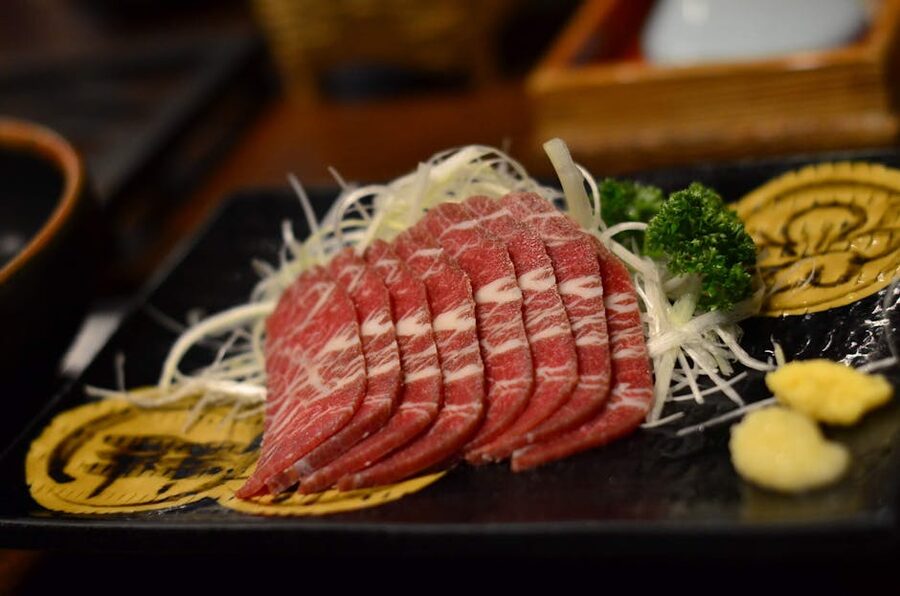
Hida beef (Hida-gyu) is the regional brand of black-haired wagyu. The cattle have to be raised in Gifu Prefecture for at least 14 months, slaughtered through the Hida Meat Centre, and graded at a marbling score of 3 or above. The top of the curve is A5, the same grade that drives the Kobe price tag, and Takayama is the cheapest place in Japan to eat it. A premium ribeye that costs ¥18,000 in Tokyo can be on your plate here for ¥7,000 to ¥9,000.
The mistake is treating it as one dish. It’s five.
Hida beef sushi at Kotteushi (or its Sanmachi cousin)
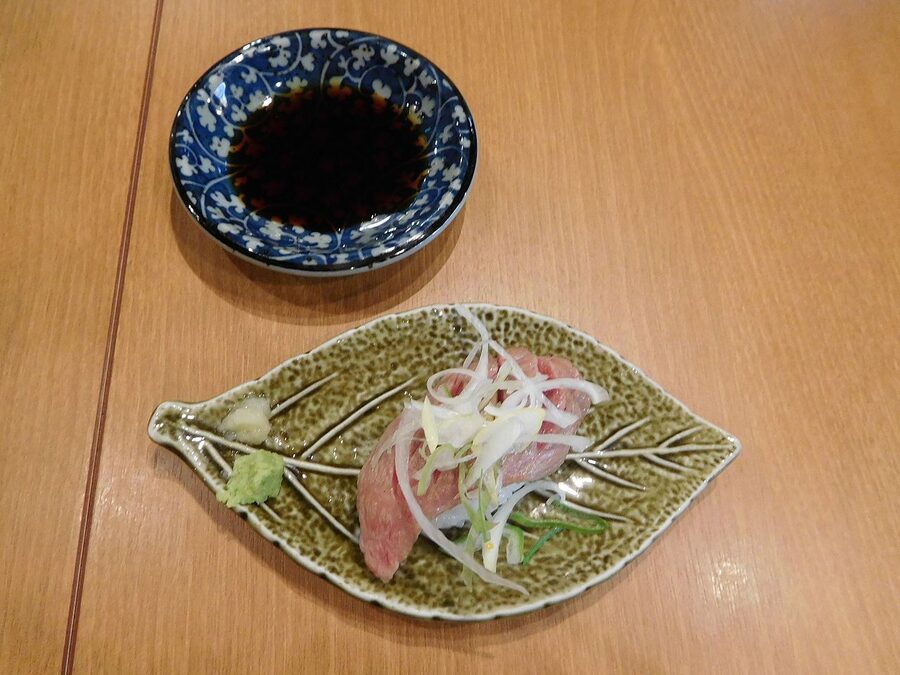
This is the gateway dish. Two pieces of seared aburi beef on a small mound of rice, served on a shrimp-rice cracker that you eat as the plate. Kotteushi (sometimes spelled Kottegyu) on Kami-Ninomachi runs ¥800–¥1,200 for a two-piece set depending on cut, and the queue moves quickly because everyone takes the same five minutes to eat it standing up. Aim for 10:30am if you want to skip the lunch wave.
Don’t bother debating which of the five sushi stalls is “best”, they’re all using broadly similar A5 trim, and the queue length is a good proxy for cut quality on any given day. If one stall has a queue of 25 and another has three people, eat at the second one and save 30 minutes.
Gyu-don and yakiniku at Maruaki (Hida-gyu Hanten)
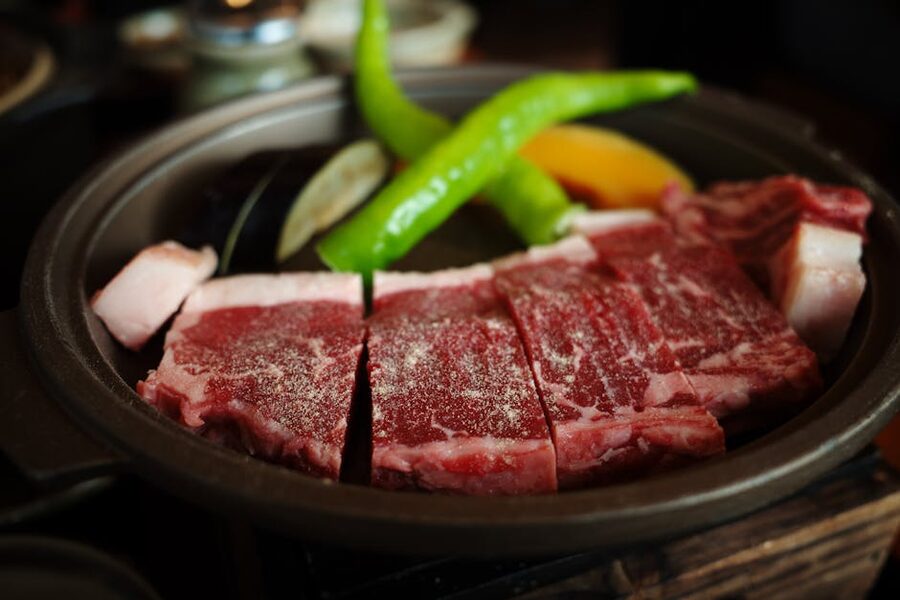
Maruaki (丸明) on Tenmancho is a butcher counter downstairs and a yakiniku-and-sukiyaki restaurant upstairs. The lunch gyu-don, thinly sliced Hida beef fanned over rice with a simple shoyu glaze, is around ¥1,500 and is the cheapest sit-down Hida beef meal in the city that still uses real A4-grade meat. Dinner is yakiniku, with assorted-cut sets running ¥5,500–¥9,000 per person. Reserve for dinner. Lunch is walk-in but the queue at 12:30 on a Saturday will be 40 minutes.
If you want a more upscale yakiniku room, Ajikura Tengoku does the same cuts at a higher price point with a quieter atmosphere; if you want a more old-Takayama dining room, Kakushou serves a famous seven-course Hida-gyu sukiyaki for around ¥14,000 in a building from 1879. Different rooms, same beef.
A5 ribeye at Kitchen Hida
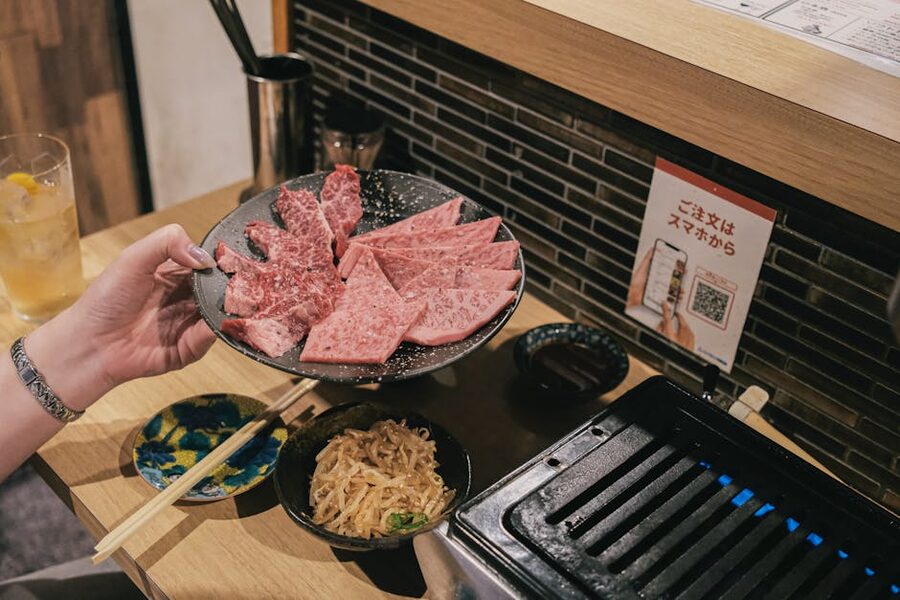
Kitchen Hida (キッチン飛騨) on Honmachi is the unfussy version of the steak experience. No tasting menu, no English-only theatre. You sit at a small counter or a four-top, you order the steak set you want (typical sets ¥6,000–¥9,000 for 150–200g of A5 ribeye, with rice, miso soup, salad, and a tea), and the chef cooks it on a teppan in front of you. It’s open lunch and dinner, closed Tuesdays. Reserve for dinner if you can.
It’s the place I’d send a beef sceptic. The portion is generous, the price is honest, the room is small enough that the meal feels personal, and you walk out for ¥7,500 instead of ¥14,000.
Kushiyaki street skewers at Tenagaashi-naga
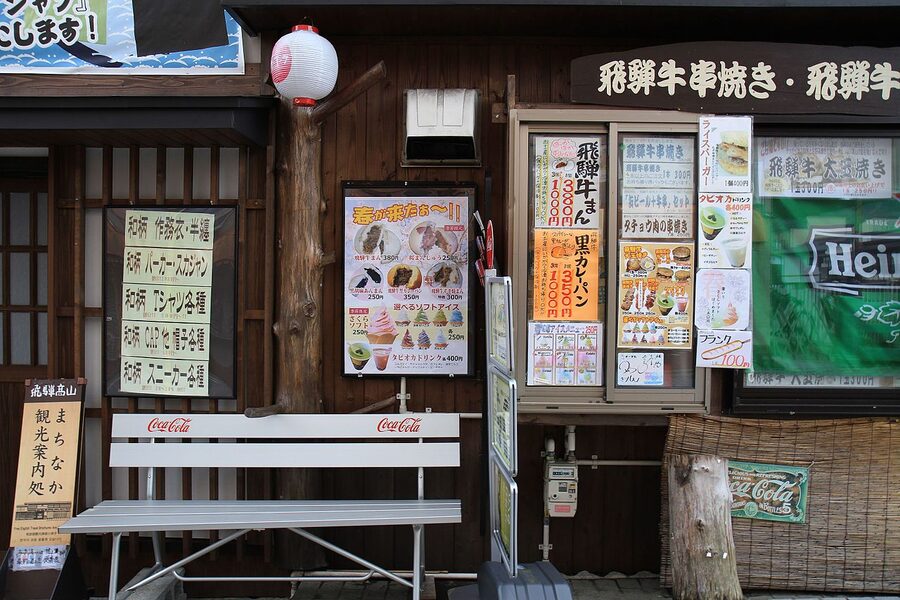
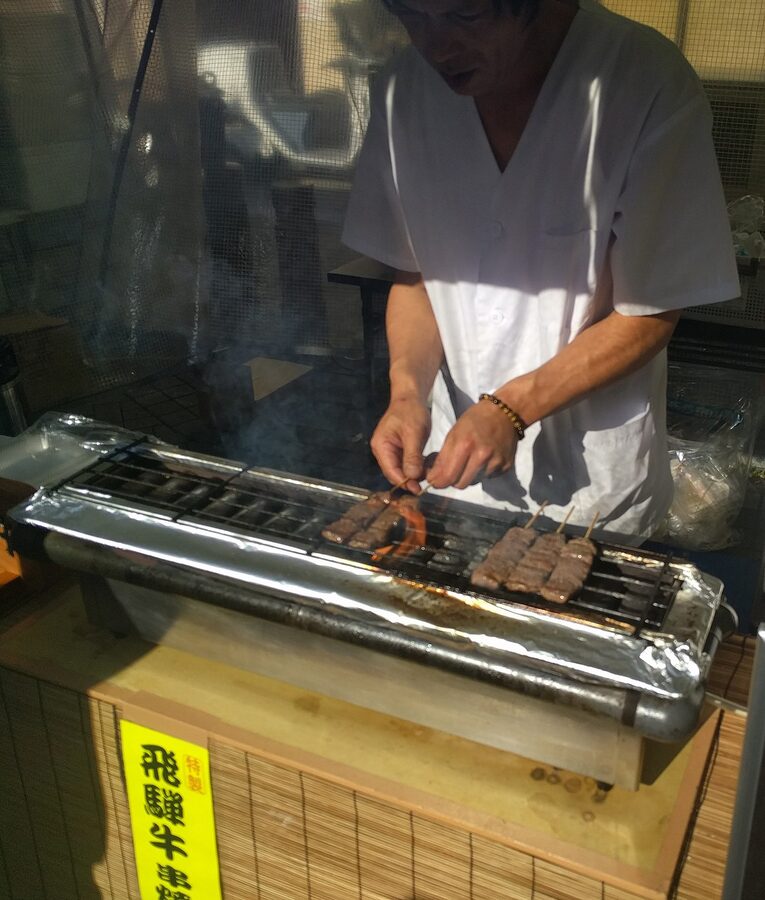
Tenagaashi-naga (手長足長) sits on the corner of Kami-Ichinomachi and runs a kushiyaki window from late morning through the afternoon. Three cuts, lean (赤身), loin, and premium marbled (霜降り), with the price climbing ¥400, ¥700, ¥1,000 depending on grade. The premium one is small and dissolves in your mouth in three chews. The lean one is meatier and more satisfying as actual food.
The other walk-up stall worth a stop is Jugemu, two streets over. Same idea, different sauce profile (theirs has a sweeter shoyu glaze). If both have queues, take whichever is shorter.
Sukiyaki at Kakushou
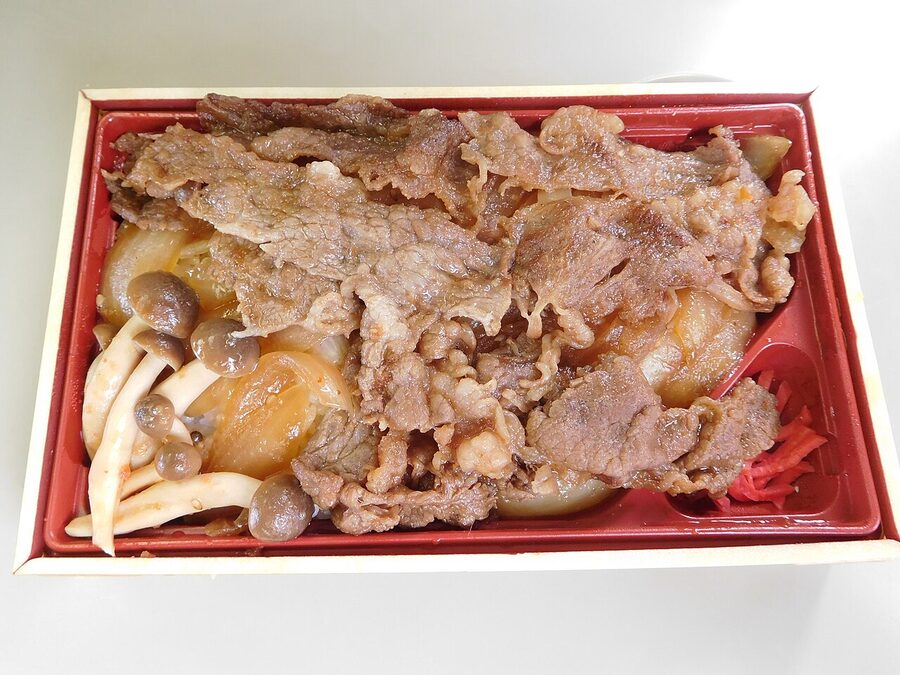
Kakushou (角正) is the splurge. The building is a registered cultural property dating to 1879, the dining rooms are tatami, and the seven- or eight-course Hida-gyu sukiyaki dinner runs around ¥14,000 per person without drinks. You sit on cushions, the okami pours, the iron pot comes to the table, and the meat is cooked tableside in a soy-mirin-sugar broth with shungiku, tofu, and shirataki. It’s a genuinely special meal and you’ll need to reserve at least two weeks ahead in high season. Lunch is cheaper (around ¥5,500 for a smaller version) and easier to get into.
If ¥14,000 sounds wrong, the equivalent experience in Tokyo is ¥28,000. Takayama prices the splurge at half the city rate.
Takayama ramen, properly
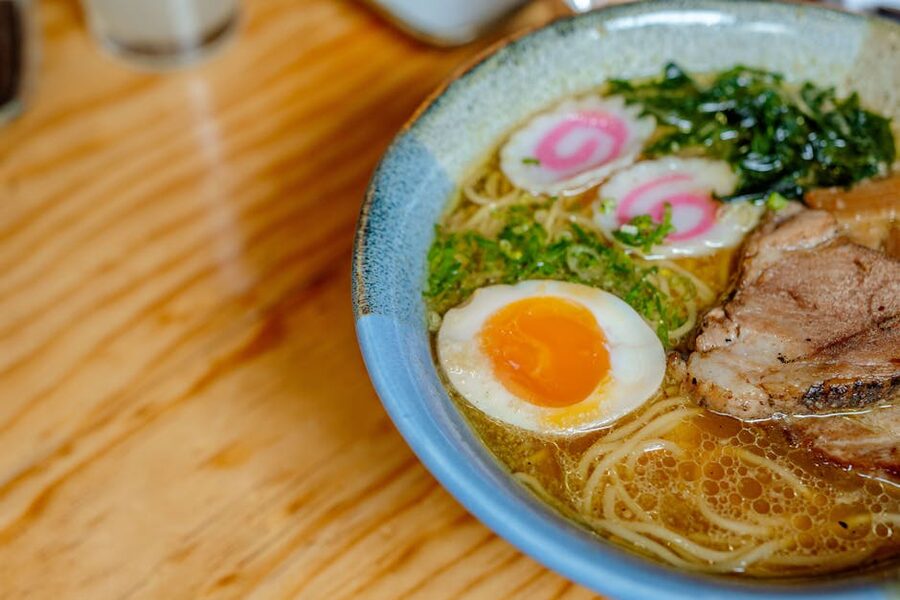
The local name for it is chuka soba, not ramen. If you ask a Takayama person where to eat ramen, they’ll tell you the city is famous for chuka soba and ramen is something different. Same dish, different naming convention. The locals call it chuka soba so reliably that “soba” on a Takayama menu often means ramen, not buckwheat noodles, which trips up first-time visitors expecting zaru soba.
The style is a clear shoyu-based broth made from chicken bones, dried sardines (niboshi), and bonito flakes. Thin curly noodles, three or four hours in the pot, sometimes with a beef-bone variation. It’s lighter than almost any other regional Japanese ramen. People who “don’t like ramen because it’s too heavy” usually like Takayama-style.
Menya Shirakawa, the queue shop
Shirakawa runs a 10-hour broth and a one-item menu (chuka soba). Locals and tourists both queue daily. Aim for an off-peak slot, 11:30 or 14:00, to keep the wait under 20 minutes. The bowl is around ¥900; the aji-tama egg topping is ¥120 extra and worth it. The ginger-and-pork rice bowl on the side is good value if you skipped breakfast.
Hida Chuka Soba Takasago
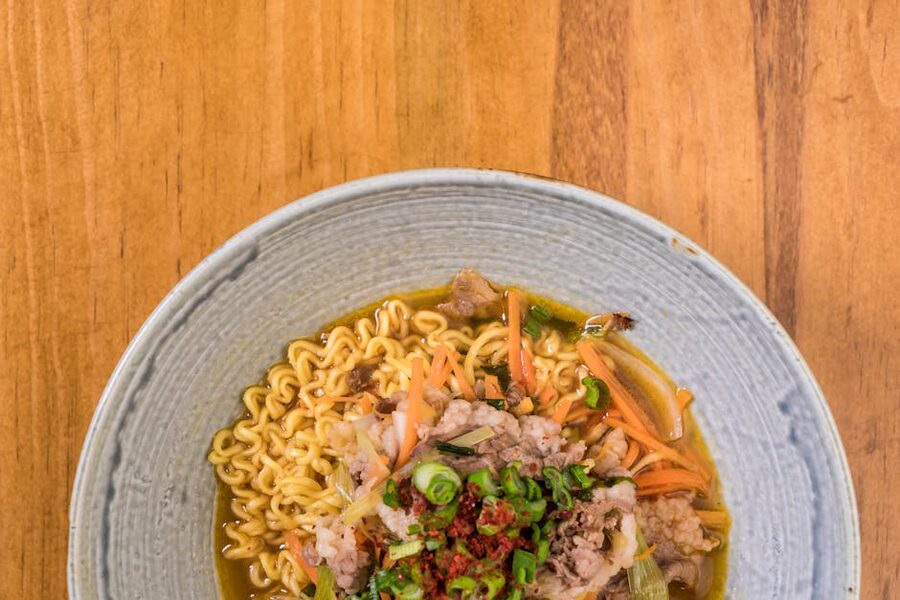
Takasago (高砂) is further from the station and gets less of the queue traffic, which is a feature. The dashi is built on Hokkaido kombu and sardines from the Sea of Japan. They serve every bowl with a small plate of akakabu red turnip pickle, which doubles as a palate reset. Expect a 15-minute wait at lunch, none at 14:30. Bowl ¥850.
Tsuzumi Soba
Founded in 1956 (Showa 31), Tsuzumi runs a recipe that hasn’t changed in three generations. The bowl is ¥800, and you should also order the wantan-men (wonton ramen) at ¥1,000 if it’s your first time. Closed Tuesdays. Walking distance from the station, eight minutes east. This is also the late-night option for the Takayama nightlife district, the kitchen runs until 9pm.
Yayoi Soba
Yayoi (やよいそば) opened in 1948 and claims the longest-running Takayama-ramen counter in town. The broth is sweeter than Takasago, the noodles a touch thicker, and the chashu pork has a slight char from being seared before the slice. ¥800 for chuka soba; ¥950 for the ajiage version with a tofu pouch.
If you only have time for one bowl, pick on geography: Shirakawa or Tsuzumi if you’re walking from the station, Takasago if you’ve rented a car or taken a taxi out. Yayoi if you happen to be in the Hanazaki block already.
Mitarashi dango on every corner
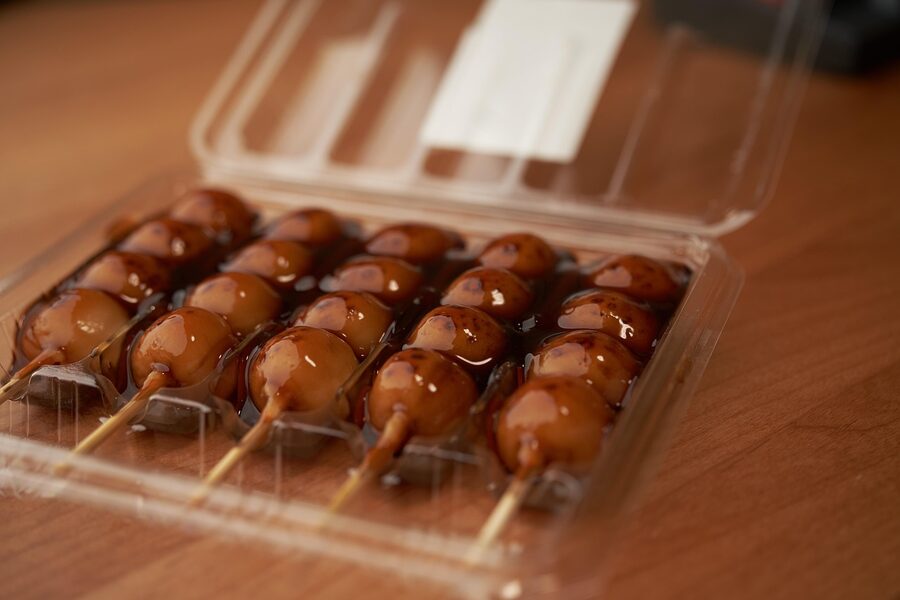
This is the dish that defines tabearuki. A skewer of three small rice-flour dumplings, basted in shoyu and sugar, then grilled over coals until the outside crisps. Mitarashi dango in most of Japan is sweet (the glaze is sugar-heavy and sometimes sticky); the Hida version is savoury, more soy than sugar, and the grill char is the point. The smell catches you from 10 metres away, that browned-soy smoke is one of the actual sense memories you’ll take home from this town.
You can buy them on most blocks of Sanmachi-suji and Kami-Ichinomachi for ¥100 a skewer. The Funasaka brewery’s storefront sells them along with sake; the corner shop near Nakabashi Bridge has a charcoal grill working from 9am; the Higashiyama-side stall does a slightly browner glaze. They’re all ¥100. They all taste roughly the same. Don’t agonise.
Where dango fits in the day
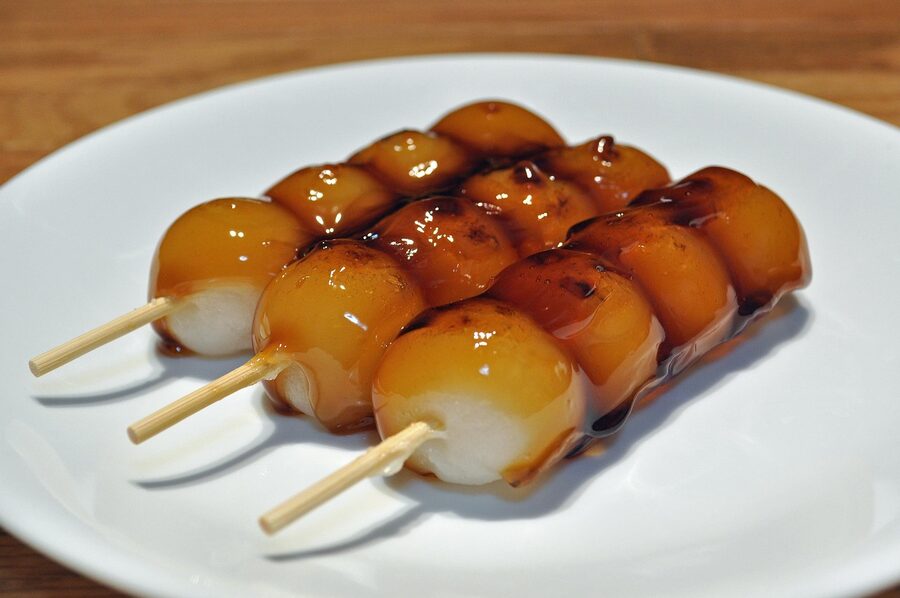
Dango bridges the gaps. After the morning market and before lunch, between sake stops, between the markets and Hida Folk Village. Don’t try to eat one as a meal. Eat it as a punctuation mark.
Six working sake breweries
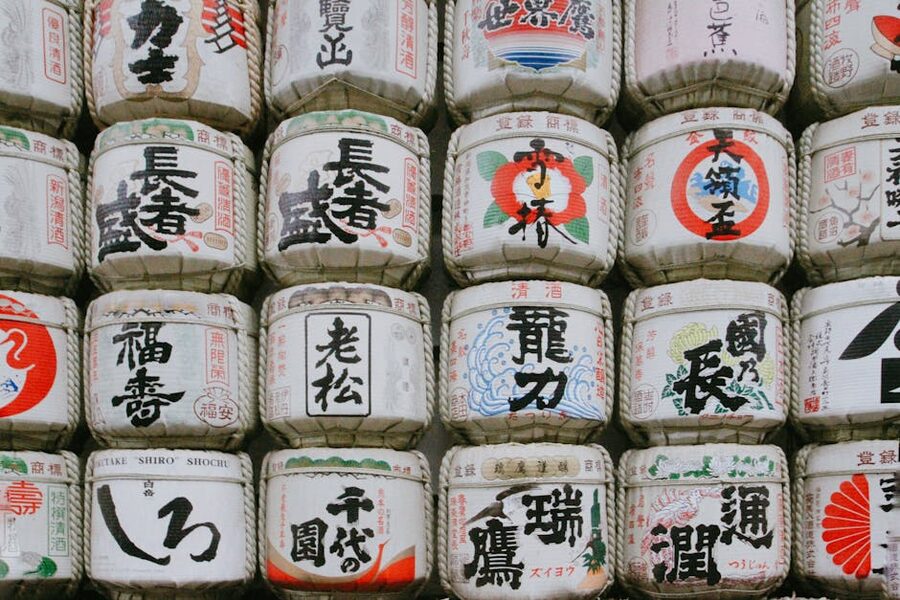
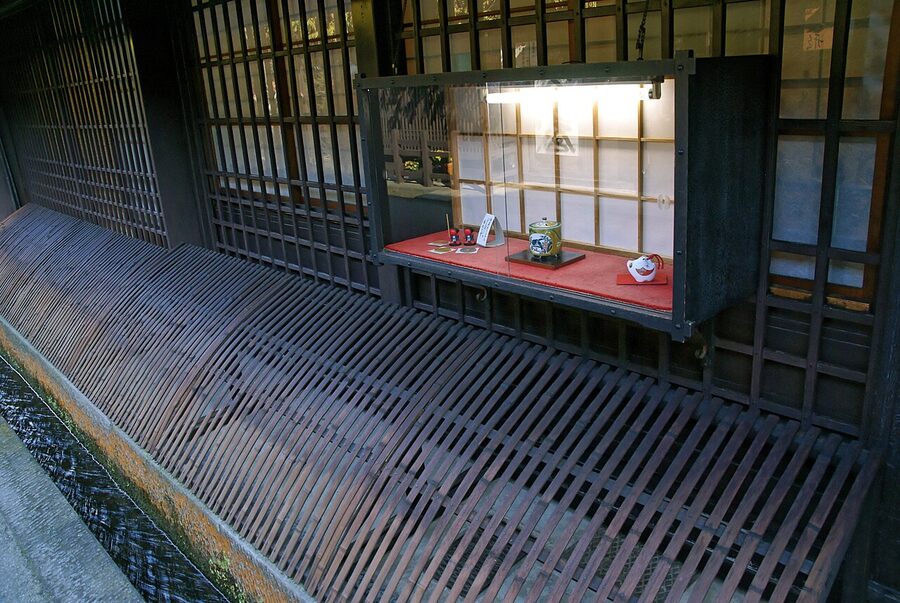
Takayama has six active sake breweries inside the old town, all walking distance from each other. The mountain water is unusually clean here, the Hida region’s snowmelt feeds the Miyagawa, and the breweries draw from the underground table. Most run a small tasting room with a flight of three to five sake for ¥300–¥500. You’re looking for a green cedar ball (sugidama) hanging above the door, that’s the brewery sign. A brown cedar ball means the sake from this winter’s brew has matured.
You can hit all six in two hours if you walk briskly and don’t dwell. You probably shouldn’t try. Pace yourself: three breweries in 90 minutes, with water in between, is the sustainable rhythm.
Funasaka Shuzo
Funasaka (船坂) on Kami-Sannomachi has the most polished tasting room of the six. They’ve turned the front of the brewery into a cafe-bar, sell ¥500 flights of three, and run an English-friendly menu. Try the junmai ginjo if you only have one. The Takayama Beer brand brewed in the same compound is on tap if sake’s not your thing.
Hirata Shuzo
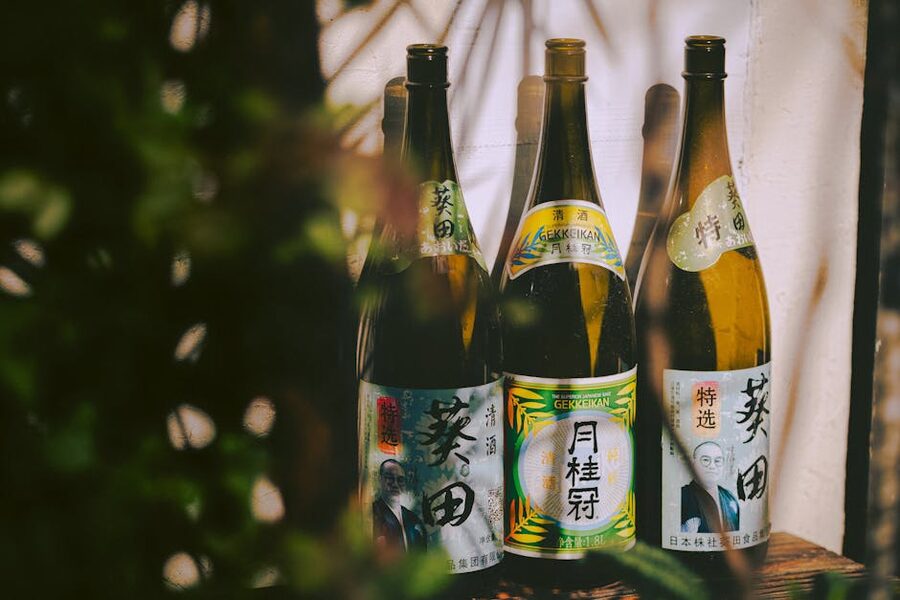
Hirata (平田酒造) is the smallest of the six and the one I’d send sake nerds to. They specialise in dry junmai with a longer pressing time, and the staff will explain the koji process if asked. Tasting flight ¥300 for three. Closed Wednesdays.
Hirase Shuzo
Hirase (平瀬酒造店) is a Kuhei-Hide brand and is the oldest brewery in the old town, founded 1623. Their genshu is undiluted at 18% ABV and worth a sip if you’re sake-curious. The atmosphere is more reverent than Funasaka’s; treat this stop as the museum visit of your brewery hop.
Niki Shuzo, Harada Shuzo, Kawajiri Shuzo
The three remaining are smaller and rotate which is open for tasting based on staffing. Niki (二木酒造) and Harada (原田酒造場) usually open mornings; Kawajiri (川尻酒造場) is more reliably afternoon-only. If you walk Sanmachi-suji and you see a sugidama ball over a door that’s open, walk in. The owners will pour you something. The whole thing is more relaxed than the wine-tasting equivalent in Europe.
Brewery hop, the rough route
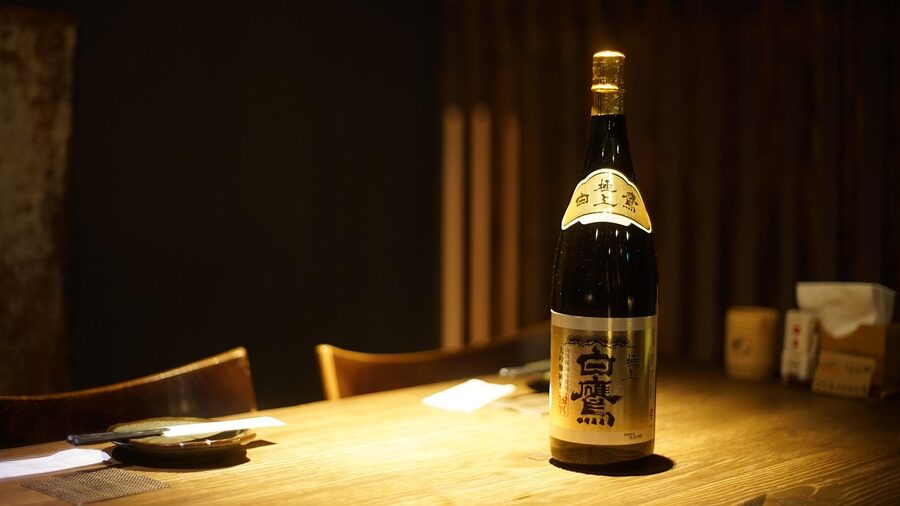
Start at Funasaka because it’s the most foreigner-friendly and you’ll get the brewing process explained in English. Walk south five minutes to Hirata. From there it’s another six minutes to Hirase. That’s three breweries inside 90 minutes with the in-between time used for the sugidama cedar-ball photographs everyone takes. Close out with a mitarashi dango on the walk back, the soy glaze cuts through the alcohol surprisingly well.
The pickles, the sembei, the leaves
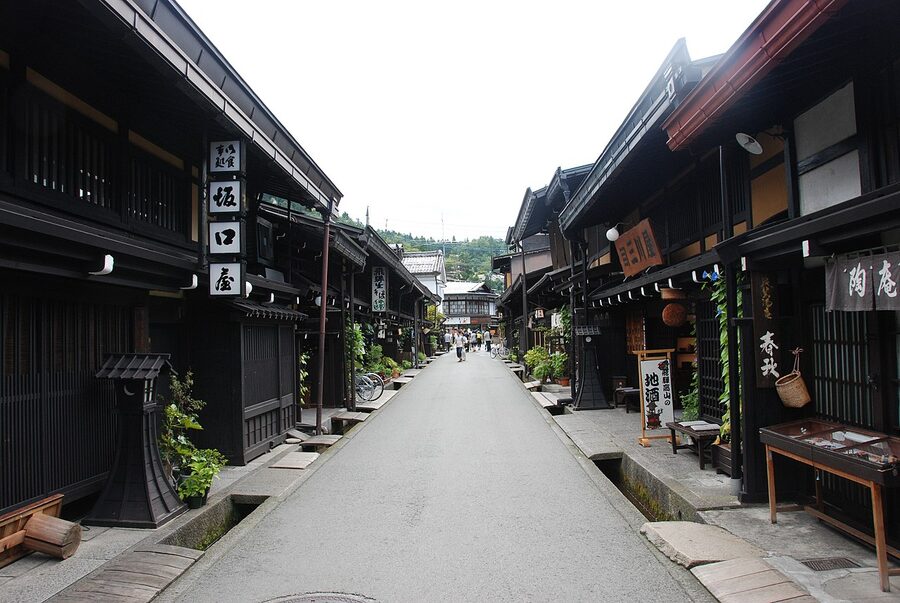
The supporting cast in Takayama is bigger than the headliners.
Akakabu-zuke is the red turnip pickle that comes free with most ramen bowls and most ryokan breakfasts. It’s vinegar-pickled with a touch of sugar and turns the daikon a deep magenta. Buy a small jar at any of the Sanmachi pickle shops, ¥500 for a 200g jar that holds for a month at room temperature. The most famous brand is Funasaka’s own (yes, the brewery sells pickles too), but most local makes are similarly good.
Sansai-zuke is mountain-vegetable pickle, usually a mix of warabi bracken, fuki butterbur, and zenmai royal fern, all foraged in the Hida hills, salt-pickled, and sold in vacuum bags. This one is more interesting and harder to find back home. ¥800 for a 150g pack.
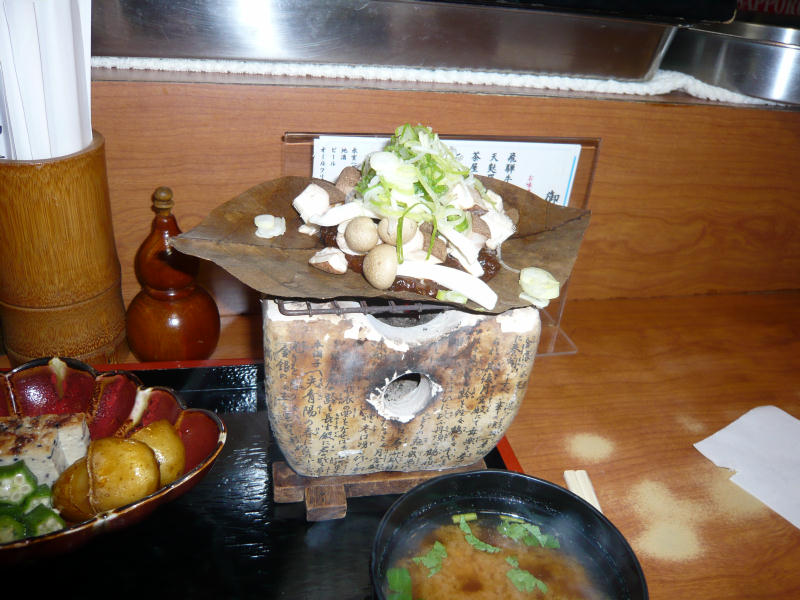
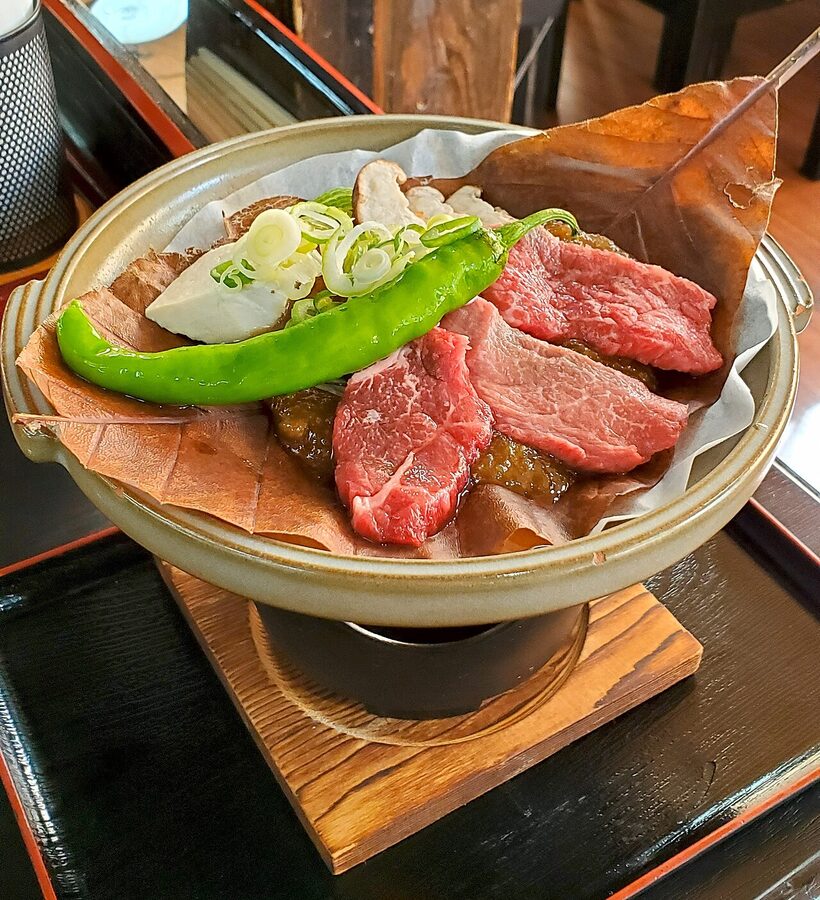
Hoba miso is miso paste mixed with chopped scallions, ginger, and sometimes mushrooms or beef, then grilled on a dried magnolia leaf over a small charcoal stove at your table. It’s the breakfast dish at most ryokan in this region and the side dish that comes with most Hida-gyu lunch sets. The leaf is the cooking vessel and isn’t eaten; the miso is what you scrape off and serve over rice.
Sembei (rice crackers) are everywhere but the ones to try are at Yamabushi Sankai, a tiny stall on Kami-Ichinomachi that grills them to order over charcoal. ¥200 a piece, the savoury soy-glazed version is the one to start with. They’re hot when you get them and lose 20% of their charm by the time they cool. Eat them standing.
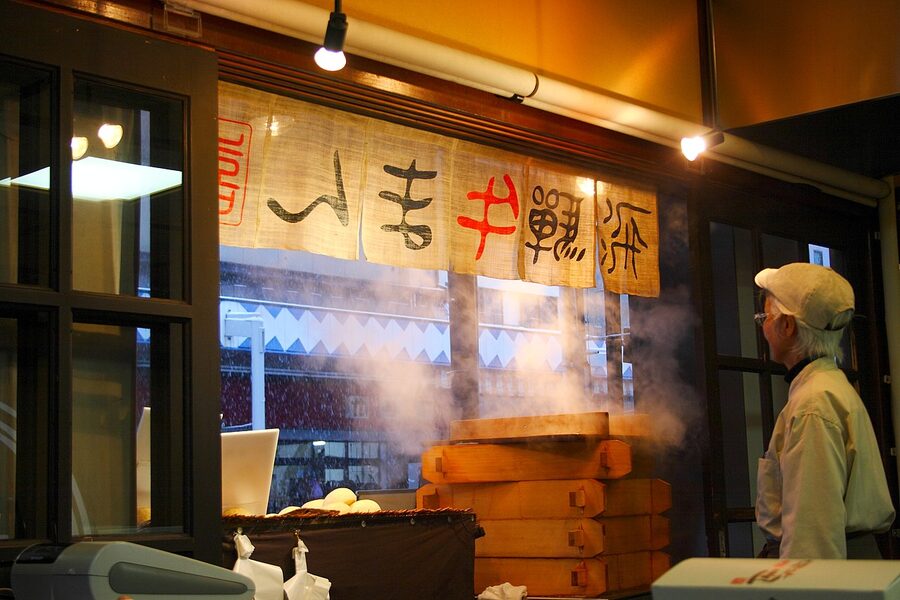
Hida-gyu steamed buns (nikuman) are the cold-day move. Minced Hida beef and chopped vegetables in a hot, slightly sweet bun, ¥500 each. They’re sold at the same shops as the kushiyaki skewers. On a January morning when the temperature is below zero, this is the best Hida beef product in the city.
Breakfast, and where to get one
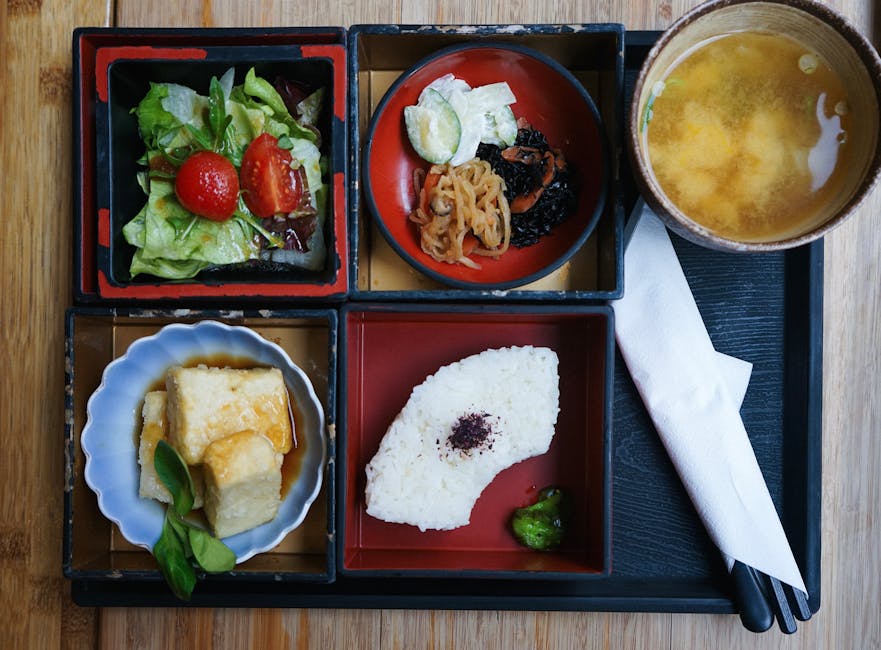
If you’re staying in a ryokan with breakfast included, the standard tray is a small ceremony, rice, miso soup, grilled mountain trout (iwana or amago), tamago-yaki, hoba miso on its leaf, three pickle dishes, sometimes a small chawanmushi. It’s the best meal of your day and it’s also enormous. If you’re trying to graze your way through Sanmachi afterwards, you’ll fail. Skip lunch on a ryokan-breakfast day or eat tabearuki instead of either.
If your hotel doesn’t include breakfast (most of the modern Western-style hotels around Takayama Station don’t), the options are sparser than you’d expect. Western-style chain breakfast at the station hotels is mostly toast-and-egg buffet for ¥1,500 and not worth eating in this city. Your three better moves:
Eat the morning markets. Both Miyagawa Asaichi and Jinya-mae open at 7am and run multiple food stalls, hot pumpkin soup at ¥300, mitarashi dango at ¥100 a skewer, sweet potato grilled-over-charcoal at ¥400, fresh tofu at ¥200, miso soup with mountain vegetables at ¥400. You can do a full breakfast for under ¥1,500 walking the river. The market structure is in the morning markets piece.
Sit down at Center4 Hamburgers. Yes, it’s a hamburger shop, but they open for a breakfast set (eggs, sausage, toast, and a thin slice of Hida beef) for around ¥1,400 and the room is small and warm and welcoming. Also the only breakfast place in town where the staff speak full English without flinching.
Eat a vending-machine onigiri. Japan’s 7-Elevens make better breakfast onigiri than most cafes do. The akakabu pickle and salmon roe versions are both ¥180. Pair with a hot bottled green tea from the same machine and you’ve spent ¥380 and saved your appetite for the food walk.
The four-hour Sanmachi food crawl
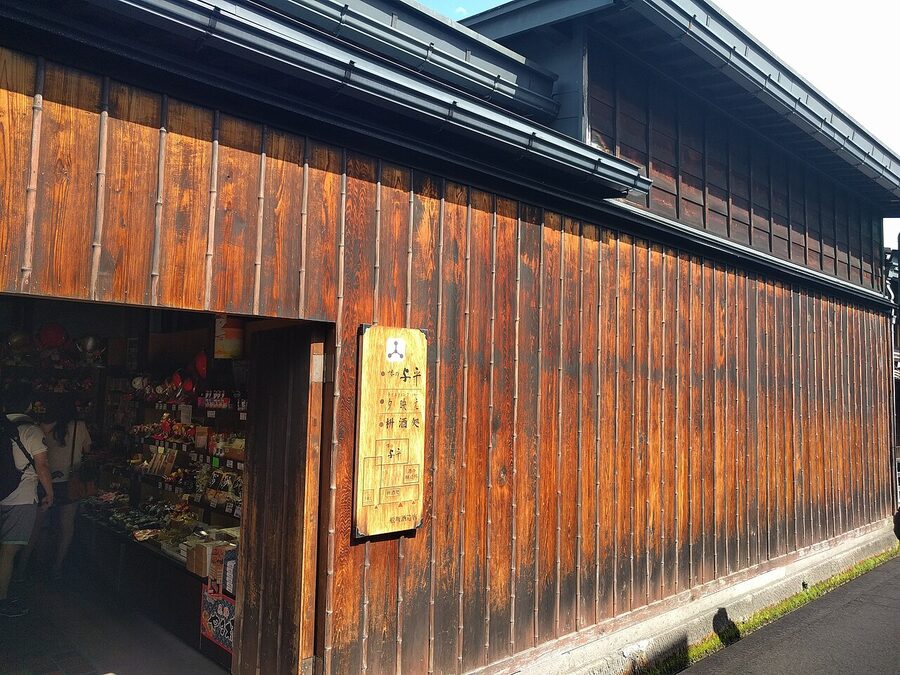
Here’s the crawl I’d run for a first-time visitor with one full day in town. It assumes a 7am start at the morning markets and a 6pm dinner reservation; you can collapse it to three hours if you skip the breweries.
07:00, Miyagawa Asaichi. Walk the river side first, eat a hot pumpkin soup (¥300), buy a small jar of akakabu pickle (¥500). Cross the Kaji Bridge at 07:45. Get a bag of three mitarashi dango (¥300) on the Sanmachi side and eat one walking.
08:30, Sanmachi pre-tour. Sanmachi shops mostly open at 9am or 9:30. Use this gap to walk the lane in both directions, scout queue placements, photograph the sugidama balls. Buy a sembei from Yamabushi Sankai (opens 09:00, ¥200).
10:00, Hida beef sushi at Kotteushi. Two pieces, ¥1,000. Eaten standing, five minutes total. Walk one block north to the Funasaka brewery for the first sake stop.
10:45, Funasaka Shuzo tasting. Three-sake flight, ¥500. Buy a small ¥1,200 ginjo bottle if you want a souvenir.
11:30, Walk to Menya Shirakawa for ramen. Queue 15–20 minutes. Bowl of chuka soba with aji-tama, ¥1,020. Out by 12:30.
13:00, Kushiyaki at Tenagaashi-naga. One premium skewer (¥1,000) and one lean skewer (¥400). Eat in front of the stall.
13:30, Hirata Shuzo tasting. Three-sake flight, ¥300. Different style from Funasaka, drier, more rice-forward.
14:30, Coffee break. The brewery hop is starting to bite. Sit somewhere with a window for 30 minutes. Order a cold barley tea, not another sake.
15:30, Hirase Shuzo or a third brewery. Optional. Skip if you’re done.
16:00, Mitarashi dango on the walk back. The shoyu glaze cuts the alcohol better than water does.
18:00, Anchor dinner. Kitchen Hida if you want focused steak; Kakushou if you want the splurge; Maruaki if you want yakiniku and a buzzy room. All three need reservations the same week.
That’s two beef dishes, one ramen, two breweries, two dango stops, one sembei, and a market breakfast across nine hours. You’ve spent roughly ¥9,000 in food and tasting fees and you’ve eaten more memorable things than most travellers eat in a week.
What to skip
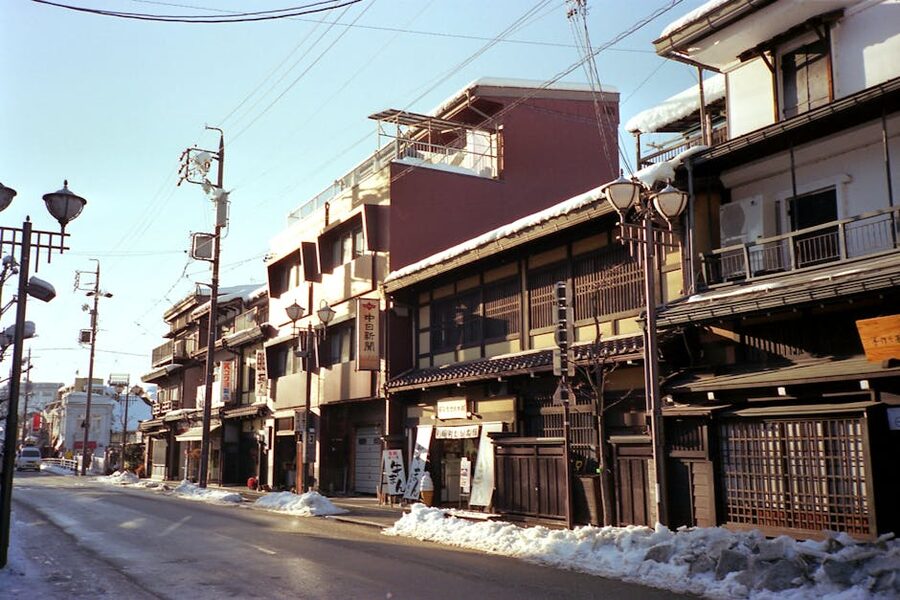
A few honest dis-recommendations.
The Hida beef croquettes are mostly potato. They’re ¥400, they’re fine, and the marketing implies real beef chunks that aren’t there. If you want a fried-beef thing, the Hida-gyu menchi katsu (minced and breaded patty) at the same stalls has a higher beef-to-binder ratio.
“Hida beef” hot dogs and burritos. Several Sanmachi stalls run novelty crossover items aimed at tour buses. The beef in them is grade C trim. Eat the kushiyaki instead and pay the same money for a better cut.
The famous tour-bus bento. The hot Hida-gyu bento on the train is genuinely good if you’re heading out of town anyway. The same brand at a Sanmachi stall, eaten cold, is overpriced and underwhelming. Save it for the actual train.
Apple soft-serve. Apple ice cream is a Hida regional thing because of nearby Hirayu apple orchards, but it’s typically vanilla soft-serve with apple syrup. Skip it. The Hida milk soft-serve at the same shops uses a real local dairy and is materially better.
The English-menu coffee chains around the station. Use the chain coffee shops to wait out a queue elsewhere, not as a destination. The two indie cafes worth your time are both inside Sanmachi proper.
One more thing, the Hida-Furukawa option
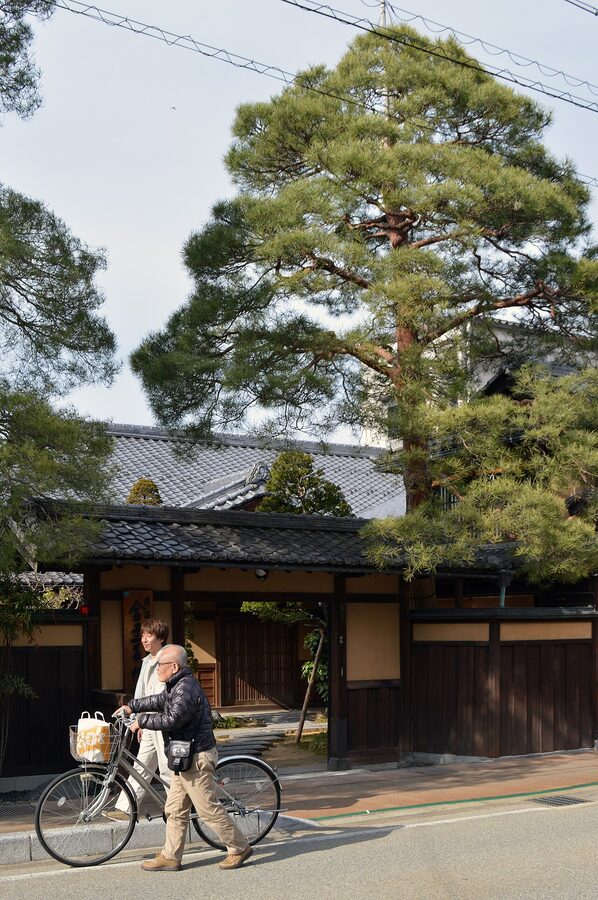
If you have a second day and you’ve already done the Takayama crawl, take the JR Hida Line 15 minutes north to Hida-Furukawa for a smaller, less-crowded version of the same food culture. Same Hida beef, same sake (Furukawa has its own three breweries), same chuka soba, half the queues. The detail on Furukawa’s specific food scene sits inside the Hida City guide; the rail logistics are in the access guide. A morning in Furukawa and an afternoon back in Takayama is a perfectly balanced day if you’re staying multiple nights.
And if you’re trying to fit Takayama food into a tight itinerary, one night, two meals, the time pressure of a Shirakawa-go day trip pulling at the schedule, the Japan Alps itinerary page has the rough timings worked out for the most common combinations. Hida Folk Village pairs naturally with a Sanmachi food walk; the route is in the Folk Village guide.
The breakfast question, answered
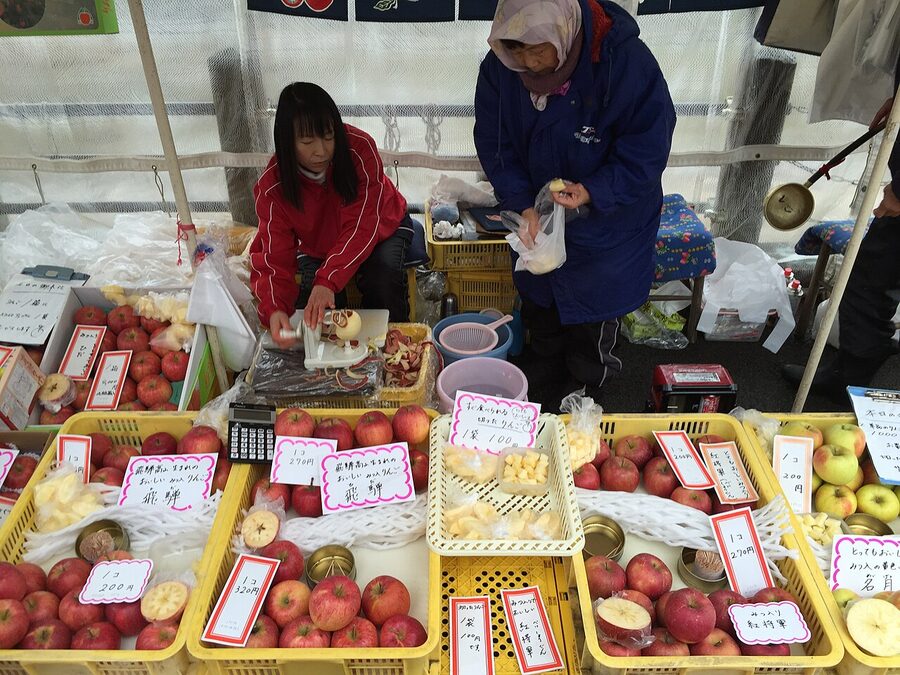
If you’re staying somewhere that doesn’t include breakfast and you’re willing to skip the Western buffet, the Miyagawa morning market is the answer. The stall economy assumes you’re eating breakfast there. Hot soup, freshly-pressed apple juice (real, not the soft-serve syrup version), grilled rice cakes, a small cup of sake at 8am if you’re the type, and a paper bag of pickled vegetables for the train ride later. It costs less than a hotel breakfast and you’ve already started the food walk before most people are out of bed.
Where to stay determines whether the breakfast question is even relevant. The accommodation guide breaks down which hotels include breakfast, which ryokan are worth the kaiseki dinner-and-breakfast splurge, and which budget rooms put you within five minutes of the markets so a 7am market breakfast is genuinely walkable.
If you only have ninety minutes
Sometimes you arrive on the 11:30 train and you’re booked on the 13:30 bus to Shirakawa-go. You have ninety minutes and you want the highest-density Takayama food experience the schedule allows.
Here’s the route. Hida beef sushi at the first stall with a queue under 15 (Kotteushi or any Sanmachi cousin), ¥1,000, eight minutes. One mitarashi dango skewer on the walk south, ¥100, three minutes. A 30-minute lunch teishoku at Kitchen Hida or Maruaki: small Hida-gyu lunch set with rice, miso, pickles, and salad, ¥1,800–¥2,500, sit-down. One quick three-sake tasting at Funasaka, ¥500, twelve minutes including the photograph. One sembei from Yamabushi Sankai eaten on the walk back to the station, ¥200.
That’s five food experiences in ninety minutes for under ¥5,000. Not the four-hour version, but enough Takayama to know what the city actually tastes like.
If you’ve come during one of the festival weeks, the food rules change, restaurants book out months ahead and the kushiyaki stalls run double shifts. The food-walking still works but the brewery hop becomes harder. The detail is in the Takayama Matsuri guide. And if you’re using the Sanmachi food crawl as the eating half of a longer Sanmachi-and-Jinya walking day, the route ties in with the old town walking guide.
The headline beef gets the marketing, and the dango gets the photographs, but if you want to remember Takayama by one taste it’ll probably be the soy-grill smell coming off the kushiyaki stalls at 11am, with the cedar balls visible above the brewery doors and the Miyagawa running a few hundred metres east. That’s the dish the town actually serves.
_(35910429046).jpg)


_-_Panoramio_73593016.jpg)

.jpg)

.jpg)
_(35819349621).jpg)
.jpg)