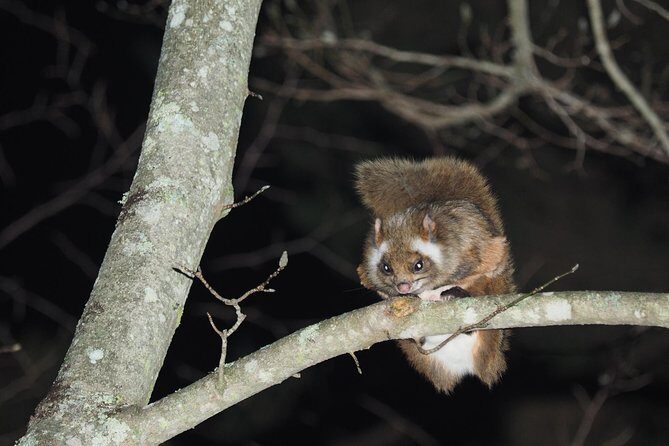
If you love nature surprises, this hits. This guided Japanese giant flying squirrel tour in Karuizawa turns you from a casual watcher into someone who knows what to look for—and then you step outside and enjoy the real silence of gliding wildlife.
I like that the experience is paced well: a short, clear Picchio Visitor Center briefing first, then an outdoor watching block where your guide points you to the best spots. I also love the small touches that make it practical, like binoculars included and a group size capped at 30.
One thing to keep in mind: this is weather-dependent, and sightings aren’t guaranteed. If Musasabi don’t show up (or conditions are poor), you may be offered a different date or a refund.
In This Review
- Key things I’d plan around
- Karuizawa Musasabi Watching Starts at the Wild Bird Sanctuary
- Picchio Visitor Center: Learn the Musasabi Playbook Before You Look
- The Hoshino Area Outdoor Watching: Enjoy the Silence (and the Gasp Moments)
- Binoculars and a Small Group: Better Sighting Odds, Less Chaos
- Price and Value: What You’re Really Paying For
- Weather, Wildlife Timing, and How to Prepare for a Real Nature Tour
- Who This Tour Fits Best (and Who Might Feel Restless)
- Should You Book This Musasabi Tour in Nagano?
- FAQ
- FAQ
- What time does the tour start?
- How long is the tour?
- Where do I meet the guide?
- Where does the tour end?
- How much does it cost?
- Do I need to print a ticket?
- Are binoculars provided?
- Is the talk available in English?
- What’s the group size?
- What’s the cancellation plan if weather is bad?
Key things I’d plan around
- A two-part format: indoor education at Picchio, then quiet outdoor watching
- Guide-led spotting: you’re not just wandering, you’re directed to where to look
- Binoculars included: less hassle, more actual squirrel time
- Small group limit (30 max): easier to hear, easier to see
- English support via subtitles: even if your guide’s English is limited, the slides carry you
Karuizawa Musasabi Watching Starts at the Wild Bird Sanctuary
The tour meets at the Karuizawa Wild Bird Sanctuary (Nagakura, Hoshino 2148), and it starts at 4:00 pm. I like that the meeting place is clearly set and it ends back at the same spot, so you’re not stuck figuring out transport afterward.
The timing matters. Late-day viewing is when you’ll want your attention switched on and your expectations set to slow, patient watching—not constant action. The overall duration is about 1 hour 30 minutes, which is long enough to do the education piece and then settle into the outside session.
Because it’s near public transportation, you won’t need a private car to make this work. The only physical note: the tour asks for moderate physical fitness, which usually means you’ll be walking/standing enough to stay comfortable during the outdoor part.
Other Nagano tours and day trips
Picchio Visitor Center: Learn the Musasabi Playbook Before You Look
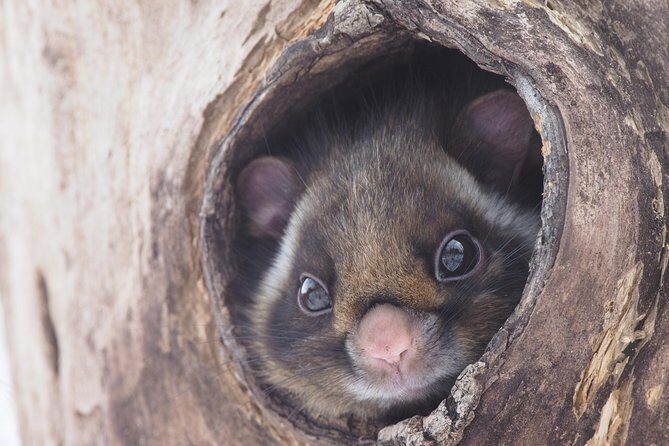
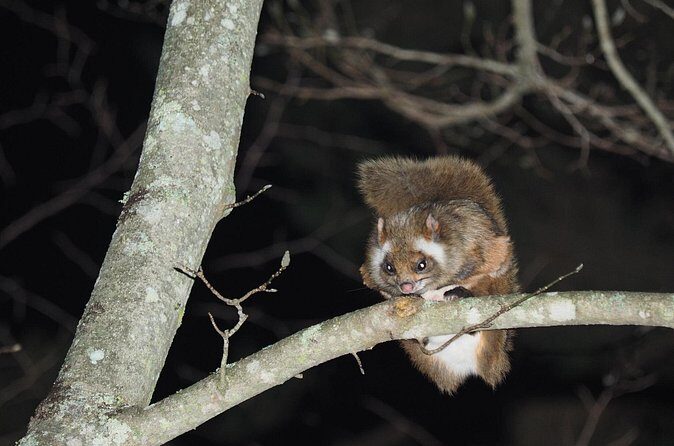
Your first stop is Picchio—Picchio Nature Tours and Conservation—a visitor-center briefing that sets up the entire experience. The guide explains the ecology of the Japanese giant flying squirrel: things like diet, size, and flying distance. This is the part that makes the later “wait and watch” time feel productive instead of random.
Admission here is free as part of the stop. You’ll get a slide-based talk, and it’s built to help you understand what you’re seeing in the trees and why it happens. Even if the guide’s spoken English is limited, the lecture slides have English subtitles, which is a big help for non-Japanese speakers.
What I find especially useful: once you understand the squirrel’s habits, your brain stops treating every movement as a maybe. You start scanning with purpose—eyes up, attention steady, and your ears listening for the rhythm of the activity.
The Hoshino Area Outdoor Watching: Enjoy the Silence (and the Gasp Moments)
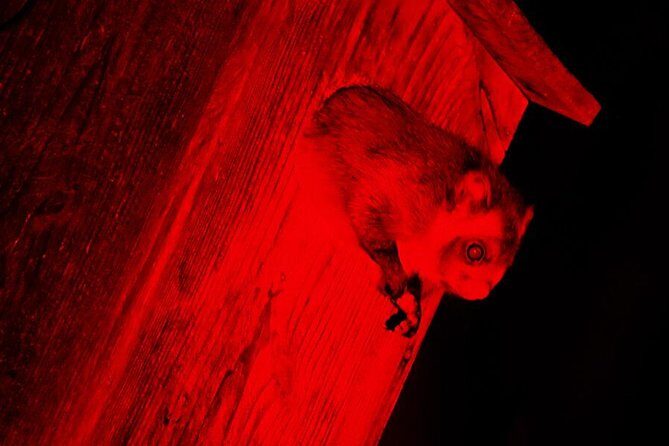
After the briefing, you head outside for the Karuizawa Hoshino area observation. This is about one hour, and it’s structured around real watching rather than a rushed highlight walk.
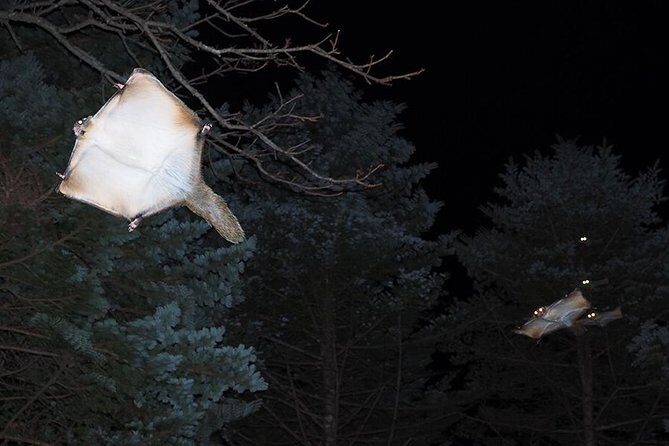
This part is where the tour earns its name. You’re searching for the elegant gliding behavior of the Japanese giant flying squirrel (often called Musasabi). Your guide knows the best areas to look, so you’re not left with guesswork like What do I do with my eyes?
The outdoor session is also about atmosphere. The tour emphasizes the quiet time—there’s a real difference between noisy sightseeing and a calmer, respectful nature watch. If you’re the kind of person who enjoys wildlife photography or slow travel, you’ll probably find this section surprisingly satisfying even on a first-time Musasabi visit.
Potential drawback in this exact part: even with a good guide, wildlife viewing depends on conditions. If flying squirrels are quiet or inactive, your hour may feel more like careful observation than a guaranteed show.
Binoculars and a Small Group: Better Sighting Odds, Less Chaos
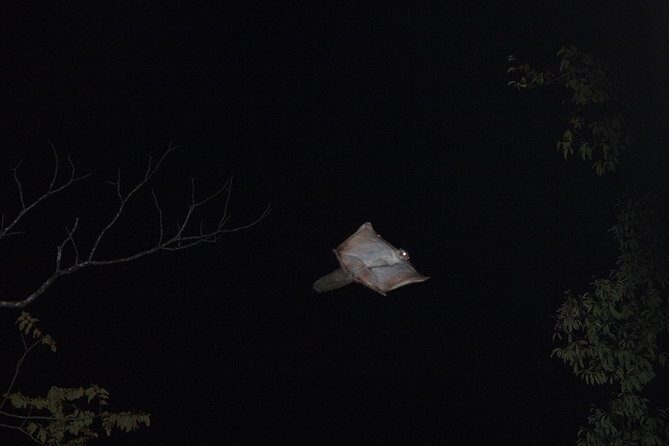
Binoculars are included, which is one of those “why don’t more tours do this” items. Bringing your own gear is always an option, but having binoculars provided means you arrive ready without extra packing.
The tour also limits the group to 30 travelers. I like small groups for wildlife watching because it reduces crowding and keeps the guide’s attention where it matters: to you, to the trees, and to the spots where movement shows up.
Language support is practical. Some guides may not speak English much, but the tour uses lecture slides with English subtitles, so you’re not totally cut off. For the outdoor part, you’ll still be able to follow along because the guiding is mostly about positioning, scanning, and timing cues rather than long explanations.
Price and Value: What You’re Really Paying For
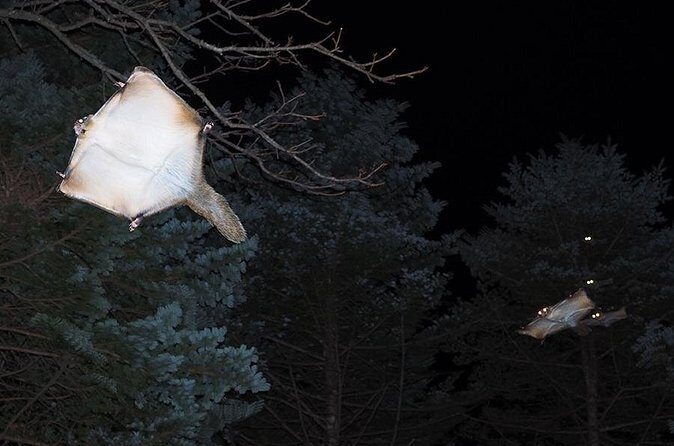
At $28.69 per person, this tour is relatively affordable for a guided wildlife experience that includes both education and viewing support. The value isn’t just that you might see a Musasabi; it’s that you get guided context that makes the sighting (or near-sighting) more meaningful.
A big chunk of the value is the structure:
- a short ecology briefing at Picchio so you know what patterns to watch for
- a guide-led outdoor session where your scanning becomes more targeted
- binoculars included, so you can see more clearly without extra cost
Also, the tour tends to book out ahead—on average, it’s booked about 28 days in advance. That usually signals steady demand for a small, time-based nature window, not some mass-market gimmick.
Weather, Wildlife Timing, and How to Prepare for a Real Nature Tour
This experience is weather-dependent. The tour data specifically notes that it requires good weather, and if it’s canceled due to poor weather, you’ll be offered a different date or a full refund. That tells you how seriously they take animal conditions and safety.
So what should you do? Aim to dress for the outdoors and be ready for slow, cool waiting. Even if you don’t know exact local conditions, treat this like a calm late-day walk: comfortable shoes, layers, and patience.
One more practical tip: go in with quiet expectations. This isn’t a loud park attraction. The experience leans into silence and careful viewing, which means your best results usually come from steady attention rather than constant repositioning.
Who This Tour Fits Best (and Who Might Feel Restless)

This is a great fit if you:
- like nature watching where the reward is spotting something rare, not speed-running an itinerary
- want a guided explanation of animal behavior before you look
- appreciate a calm, respectful outdoor vibe
It may not be your best match if you:
- need guaranteed wildlife sightings no matter what (no nature tour can promise that)
- get frustrated when watching takes time and the pace stays slow
- aren’t comfortable with moderate physical fitness expectations during the outdoor segment
Group size and guide style also matter. If you prefer highly detailed narration in perfect English, note that some guides may not speak English much, though slides have English subtitles for the educational portion.
Should You Book This Musasabi Tour in Nagano?

I’d book it if you want a focused wildlife experience that respects how real sightings happen: with preparation, guidance, and calm outdoor watching. The mix of a Picchio briefing plus a guided outdoor hour makes this feel like more than a random nature walk—and the binoculars included remove a common friction point.
Skip it if you’re visiting on shaky weather days and you’d feel disappointed by the possibility of a reschedule or refund. But if you can be flexible and you enjoy patient observation, this is the kind of tour that turns a region into a story you’ll remember.
FAQ
FAQ
What time does the tour start?
It starts at 4:00 pm.
How long is the tour?
The duration is about 1 hour 30 minutes.
Where do I meet the guide?
You meet at the Karuizawa Wild Bird Sanctuary, Nagakura, Kitasaku District, Karuizawa, Nagano 389-0111.
Where does the tour end?
The activity ends back at the meeting point.
How much does it cost?
The price is $28.69 per person.
Do I need to print a ticket?
No, the tour uses a mobile ticket.
Are binoculars provided?
Yes, binoculars are included for convenience.
Is the talk available in English?
Guides may not speak English much, but the lecture slides have English subtitles.
What’s the group size?
The tour has a maximum of 30 travelers.
What’s the cancellation plan if weather is bad?
The experience requires good weather. If it’s canceled due to poor weather, you’ll be offered a different date or a full refund. You can also cancel for a full refund if you cancel at least 24 hours before the start time.
![[One-day bus tour departing from Kanazawa Station] Shirakawa-go and Gokayama - Two World Heritage Villages Enjoyable Bus Tour - Michi-no-Eki Shirakawago: a quick orientation stop with real souvenir fuel](https://www.japan-alps.com/wp-content/uploads/2026/05/one-day-bus-tour-departing-from-kanazawa-station-shirakawa-go-and-gokayama-two-world-heritage-villages-enjoyable-bus-tour.jpg)