That quiet house pulls you in fast. In Kanazawa’s Nagamachi Samurai District, the Nomura Family Samurai Residence is one of the few spots where you can walk through a 400-year-old samurai home and garden at an actual, public pace.
I love how much of the experience is focused—this is not a big museum maze. You get the real architecture details and a calm garden stroll right inside a former residence tied to Nomura Denbei Nobusada, a loyal retainer of Maeda Toshiie. One possible drawback: the rules are strict (no touching, no food/drinks, and shoes must come off), so it’s best if you enjoy quiet, careful visiting.
Price-wise, it’s inexpensive for what you see: $3.55 per person for a 1-day ticket. But do plan for the practical stuff up front—your time can feel short, and some areas may not be wheelchair accessible because the building is historic.
In This Review
- Quick hits before you go
- Nomura Family Samurai Residence in Nagamachi: what you’re actually seeing
- Entering the residence: shoes off, quiet voices, and careful viewing
- The 400-year-old home: architecture details that reward slow walking
- The Japanese garden: calm structure, not just pretty plants
- Samurai artifacts and displays: what to focus on (and what not to)
- Photo rules and etiquette: how to avoid the most common headaches
- Price and value: is $3.55 a good deal for this 1-day ticket?
- How to plan your visit: meeting point and on-the-ground timing
- Should you book this Nomura Samurai Residence admission?
- FAQ
- How long is the ticket valid?
- Where do I go to redeem my admission?
- How much does it cost?
- Can I get a refund if my plans change?
- Are food and drinks allowed inside?
- Is flash photography permitted?
- Do I need to remove my shoes?
- Are umbrellas allowed?
- Is the residence wheelchair accessible?
Quick hits before you go
- Nagamachi Samurai District access: This is the only publicly accessible building and garden in the area.
- Nomura Denbei Nobusada’s home: A former residence linked to Maeda Toshiie through a loyal retainer.
- Garden time that feels slow: A serene stroll that matches the house’s rhythm.
- Architecture you can read: Built-in design details that explain how people actually lived.
- Strict etiquette inside: Shoes off, quiet voices, no touching artifacts or displays.
- Low-cost, high-focus visit: $3.55 is a bargain if you like culture that’s hands-on, not crowded.
Nomura Family Samurai Residence in Nagamachi: what you’re actually seeing
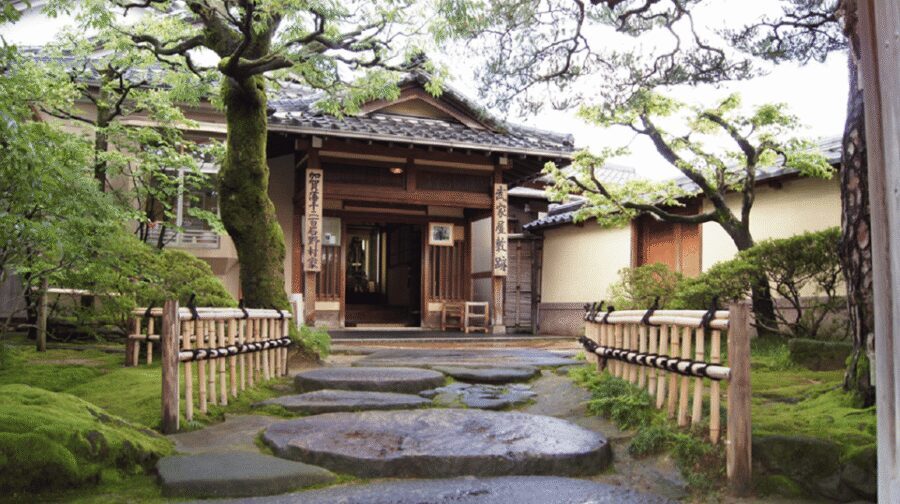
Kanazawa’s Nagamachi Samurai District is one of those places where you’re meant to look at more than just walls. The samurai lived here with clear boundaries between public and private space, and the Nomura residence is the rare surviving piece where you can step into that world with a ticket.
The experience centers on the home of Nomura Denbei Nobusada, known as a loyal retainer of Maeda Toshiie. That name matters because it turns the visit from generic samurai sightseeing into a more specific story: this is not just “samurai-era vibes,” it’s tied to a particular household role within the domain’s power structure.
What you’ll like most is how compact it feels. You’re guided by what’s in front of you—house rooms, the garden, and displays—rather than by a long, crowded loop. The residence and garden together create a complete feeling: daily life, status, and nature all in one place.
Other Kanazawa tours and samurai-district walks


Entering the residence: shoes off, quiet voices, and careful viewing
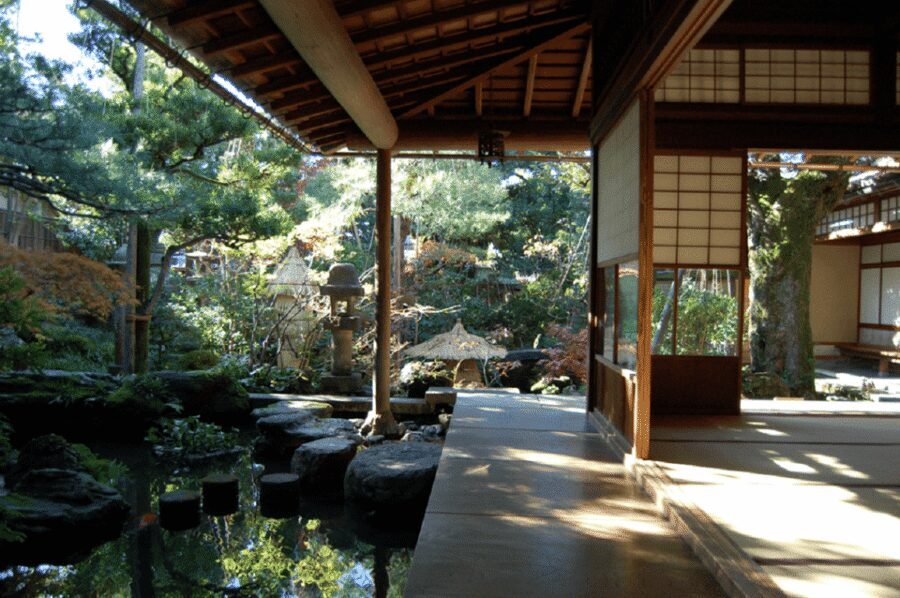
Before you even reach the rooms, you’ll notice how the etiquette sets the mood. Shoes must be removed before entering, and the rules ask you to be quiet and respectful inside the residence. This is the kind of site where the staff instructions matter, and they’re not there to be picky—quiet keeps the historical spaces from feeling like a theme park.
You’ll also want to plan your behavior around the restrictions:
- No touching artifacts, furniture, or displays.
- No smoking.
- No food or drinks.
- Flash photography isn’t allowed, and tripods aren’t allowed.
- Umbrellas aren’t allowed.
This may sound like a lot, but it’s exactly why the visit stays peaceful. You’ll spend your attention where it belongs: on the details you can see, not on what you’re not supposed to do.
Practical tip: bring socks you’ll feel good walking in and keep your day bag light. Large bags and luggage aren’t allowed, so you’ll want to travel with minimal carry-on for an easy entry.
The 400-year-old home: architecture details that reward slow walking
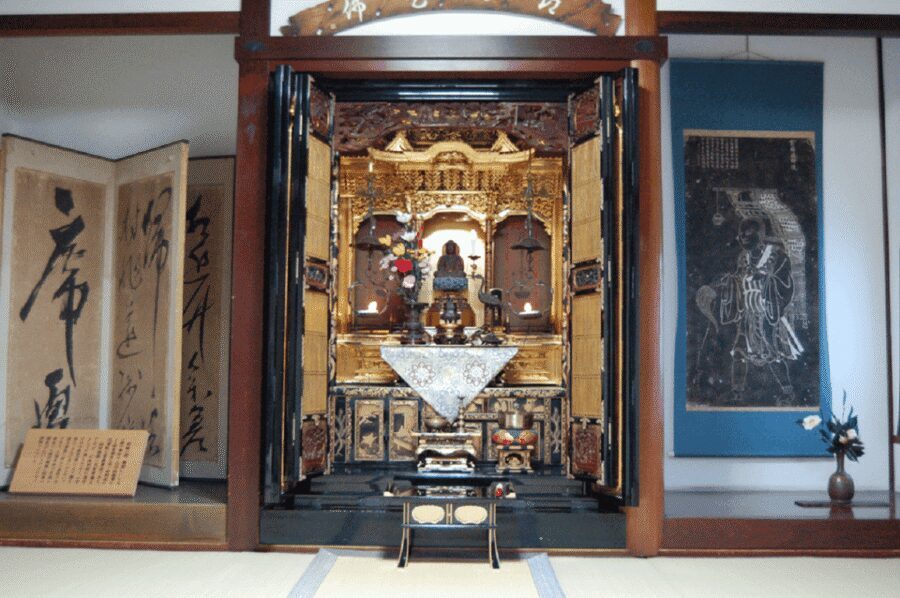
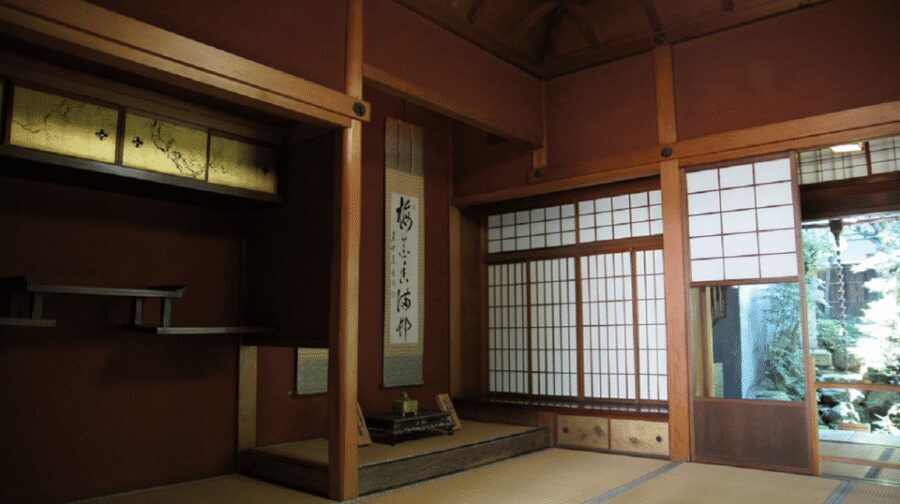
The main event here is the house itself—described as beautifully preserved and over 400 years old. In practice, that means the structure feels built for daily use, not rebuilt for show.
As you move through the rooms and viewing areas, focus on the architectural details. You’ll likely notice how the residence is organized around privacy and function: areas feel separated, transitions feel intentional, and the design helps define roles—what’s for visitors, what’s for household life, and what’s meant to be quiet and controlled.
This is where the visit gives you more than photos.
You can’t touch things, and you can’t speed through the rules. So instead, you slow down and “read” the space with your eyes. Even without a long script, the residence teaches you how form and status worked together.
A balanced thought: because it’s a historic structure, not every corner may be easy to access. Some areas may not be wheelchair accessible due to the building design. If mobility is a concern, consider going with someone who can help you move around safely.
The Japanese garden: calm structure, not just pretty plants
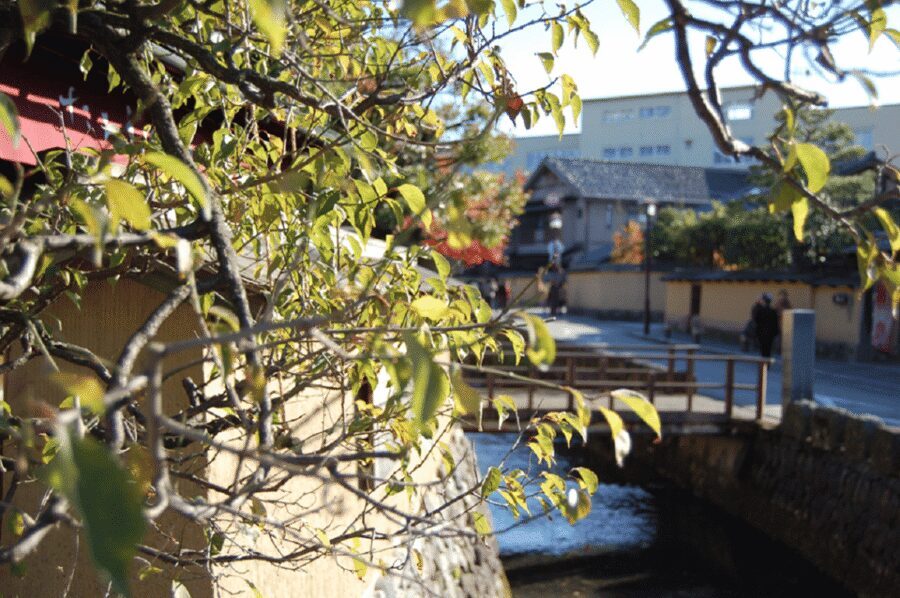
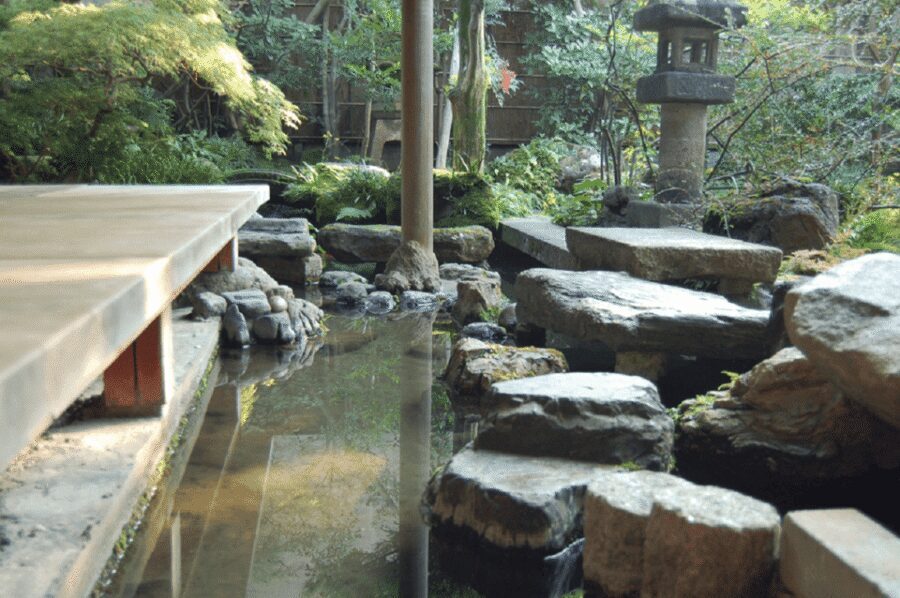
After you’ve taken in the rooms, the garden is the perfect second half. The experience highlights a serene Japanese garden, and that’s exactly the right word for the pacing here.
A garden in a samurai residence isn’t only decoration. It’s part of how you experience time: where you look from, how the paths guide your movement, and how nature and built elements coordinate. In other words, you don’t just walk in circles—you get a sequence of views that match the calm tone of the home.
If you like gardens, you’ll enjoy the fact that it’s not separated from the residence experience. The garden works like a continuation of the household’s design philosophy. You’ll likely find yourself watching for details in stone, shaping, and the way the layout frames space.
Also, note a small perk that came up in the experiences shared: there’s a chance to have tea in a private area. That’s a nice pacing tool if you’re tired from walking around Kanazawa and want a quiet pause that matches the setting.
Samurai artifacts and displays: what to focus on (and what not to)
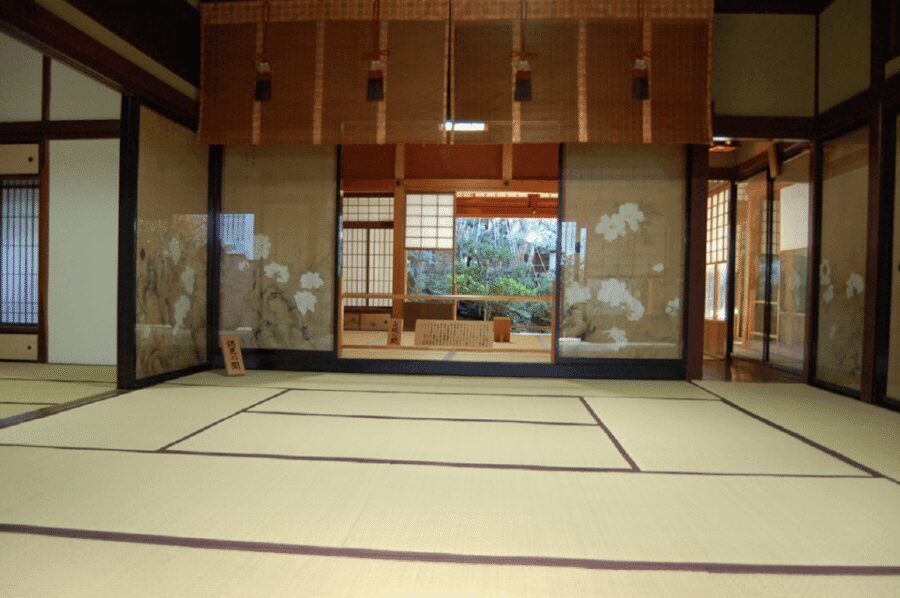
The residence includes fascinating historical samurai artifacts. Because touching isn’t allowed, you’ll do what the site asks: look closely from the allowed viewpoints and spend your time on how objects connect to the life of a samurai household.
To get the most out of the displays, I recommend a simple approach:
1) Start with the largest, most obvious objects (armor pieces, weapon-adjacent items, or household artifacts if shown).
2) Then shift your attention to smaller details—textures, construction, and arrangement.
3) Finally, connect what you see to what you just observed in the rooms and architecture.
That flow makes the artifacts feel less like random objects and more like “this is how status and work lived side by side.”
One important reminder: photography is allowed, but no flash. That means your best photos will come from good angles and steadier hands. Avoid tripods inside, too—keep it respectful and quick.





Photo rules and etiquette: how to avoid the most common headaches
If you’re the photo-taking type, you can still capture plenty here—but you need to follow the rules. Flash photography isn’t allowed, and tripods aren’t allowed inside. Commercial photography or filming requires prior approval, so treat this as a personal-photo stop.
Because the site is quiet and rules-heavy, it’s also smart to think about your timing. Go when you can keep your voice down and move smoothly, not when you’re rushing between trains.
One real-world caution: there’s at least one reported case where entry was denied because no QR code was provided. I can’t predict how your ticket will work, but I recommend you verify your confirmation details before you head out. If your voucher is supposed to generate a code, make sure you can access it on your phone offline or on paper.
In short: bring what you need to redeem your admission cleanly.
Price and value: is $3.55 a good deal for this 1-day ticket?
At $3.55 per person, this is priced like a budget ticket—but it doesn’t feel budget in focus. You’re paying for access to the Nomura family home and garden in a district where public access is limited.
The value comes from three things:
- Uniqueness: it’s described as the only publicly accessible building and garden in Nagamachi.
- Time well spent: a single 1-day ticket fits easily into a Kanazawa day without eating your schedule.
- Conservation level: the emphasis is on a preserved home and intact setting, not just recreated rooms.
A small reality check: it’s not a multi-hour extravaganza. This is a focused visit where the quality is in the details and the calm pace. If you love long “hands-on” museum experiences, you may want to pair it with other nearby Kanazawa sights. If you love short, meaningful cultural stops, this fits beautifully.
How to plan your visit: meeting point and on-the-ground timing
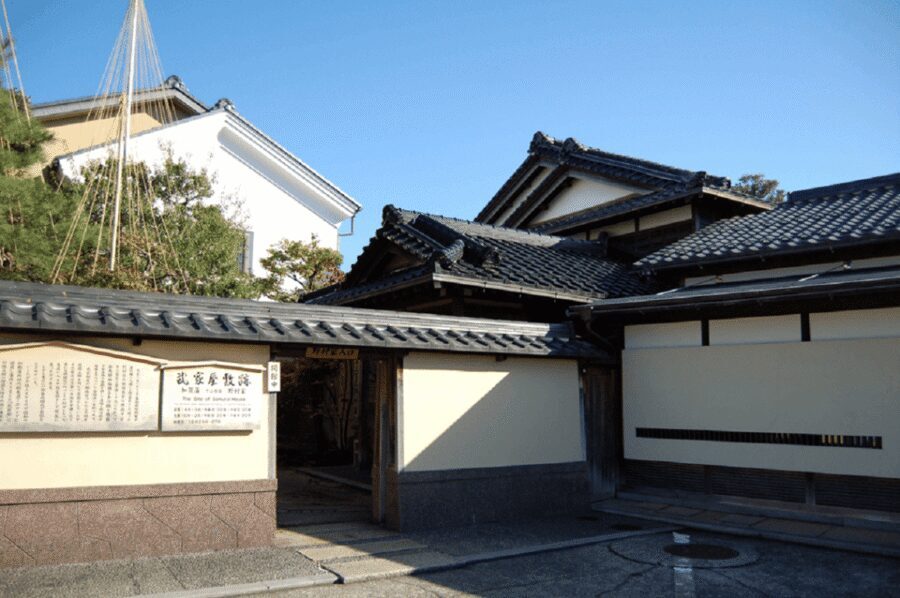
Redemption is simple: proceed directly to the Kanazawa Samurai Residence for redemption. The coordinates are 36.5642325, 136.6501985 if you’re using a map app.
Your ticket is valid for 1 day, and starting times depend on availability. So I suggest you aim for a time when you can slow down—this isn’t the place to sprint through under pressure.
Also, keep in mind what’s not allowed, because it affects how you travel:
- No large luggage or bags
- No umbrellas
- No food/drinks
So plan your snacks and rain gear accordingly, and keep your kit light.
Should you book this Nomura Samurai Residence admission?
I’d book it if you:
- want an authentic samurai home setting in Nagamachi
- care about architecture and how spaces are arranged
- enjoy Japanese gardens and prefer calm, respectful visiting
- want a low-cost ticket that doesn’t swallow your whole day
I’d think twice if you:
- need food/drink on-site (it isn’t allowed)
- rely on umbrellas and don’t want to deal with that restriction
- need guaranteed full wheelchair access (some areas may not be accessible due to the historic layout)
- dislike strict rules (quiet, no-touch, no flash, no tripods)
If you like careful, detail-focused cultural stops, this is a small-ticket win in Kanazawa.
FAQ
How long is the ticket valid?
The admission is valid for 1 day.
Where do I go to redeem my admission?
Please proceed directly to Kanazawa Samurai Residence for redemption. Coordinates: 36.5642325, 136.6501985.
How much does it cost?
The price is listed as $3.55 per person.
Can I get a refund if my plans change?
No. This activity is non-refundable.
Are food and drinks allowed inside?
No. Food and drinks are not allowed.
Is flash photography permitted?
No. Flash photography is not allowed. Photography is allowed, but without flash, and tripods aren’t allowed inside.
Do I need to remove my shoes?
Yes. Shoes must be removed before entering.
Are umbrellas allowed?
No. Umbrellas are not allowed.
Is the residence wheelchair accessible?
Some areas may not be wheelchair accessible due to the historic design.