Niigata feels quieter than Kyoto, so a guide matters more. This private custom tour is built for real time in the places that give the region its personality, from Yahiko Shrine up on Mount Yahiko to metalwork streets in Tsubame-Sanjo. You also get the bonus of planning your own mix of highlights around Niigata City, instead of getting swept into a fixed route.
I especially like the way the tour stays personal while still running like a professional day plan. Two things I loved most were the English-speaking local guide and the ability to customize the itinerary so the pacing matches you. One possible drawback: lunch, entrance fees, and transit costs are not included, so you’ll want a little extra flexibility in your budget.
In This Review
- Key highlights you’ll feel on the day
- Why this Niigata private custom tour is such a smart half-day
- Yahiko Shrine and Mount Yahiko ropeway views
- Tsubame-Sanjo: metalcraft streets and traditional workshop culture
- Teradomari coast: seafood market energy and an onsen reset
- How Niigata City highlights may work into your route
- Public transportation on purpose, and when to switch to a private vehicle
- The local guide factor: what makes it feel like Niigata, not Japan
- Price and value: is $153 per person a fair deal?
- Who should book this Niigata private tour (and who might not)
- Should you book this Niigata Private Custom Tour?
- FAQ
- How long is the Niigata private custom tour?
- Is this tour private?
- Does the guide speak English?
- Can I customize the itinerary?
- Is pickup from Niigata City included?
- What’s included in the tour price?
- What’s not included?
- Do you use public transportation?
- Is the tour wheelchair accessible?
Key highlights you’ll feel on the day

- Yahiko Shrine + ropeway viewpoints for calm scenery and big panoramas
- Tsubame-Sanjo metalcraft workshops with hands-on explanations you can actually picture
- Teradomari coastal strolls with a seafood market vibe and salt-air downtime
- Onsen time as an option if you want a slow reset instead of more walking
- Custom route planning with a private guide who adjusts the day to your interests
Why this Niigata private custom tour is such a smart half-day
A lot of city tours feel like a checklist. This one doesn’t. With a private group and an English-speaking local guide, you get a day that feels like someone is showing you their neighborhood and nearby favorites, not escorting you through a route they’ve done a thousand times.
You’ll also notice the difference in how the day is paced. It’s designed for 4–6 hours, long enough to hit multiple areas, but not so long that you feel chained to your watch. And because it’s custom, you can prioritize what matters to you: shrine views, craftsmanship, seaside food energy, or a soak at a local hot spring.
The tour uses public transportation by default, which helps you experience the rhythm of daily life. If you’d rather reduce transfers or keep things easy for mobility needs, private vehicle arrangements can be made upon request.
Yahiko Shrine and Mount Yahiko ropeway views
One of the best ways to start a Niigata outing is by leaving the city grid behind. The tour begins at Yahiko Shrine, set in the foothills of Mount Yahiko. Even if you only spend a short time there, the atmosphere is the point: it’s quieter than you’d expect, and the shrine gives you an immediate sense of how people in the area connect with the landscape.
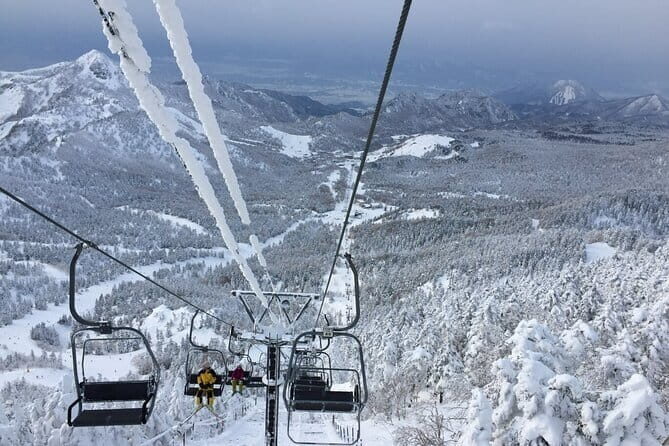
From there, you can take the ropeway up for panoramic views from the mountaintop. This is the kind of stop I love because it gives you a “bigger picture” look at the region without requiring a full-day hike. On a half-day schedule, it’s an efficient way to get scenery that feels worth leaving town for.
What to keep in mind:
- Ropeway weather can change fast. If it’s cloudy or rainy, you still get the shrine experience, but the views may be limited.
- Wear shoes you’re comfortable walking in. Even if you keep it relaxed, you’ll be moving through shrine grounds and viewpoints.
Tsubame-Sanjo: metalcraft streets and traditional workshop culture

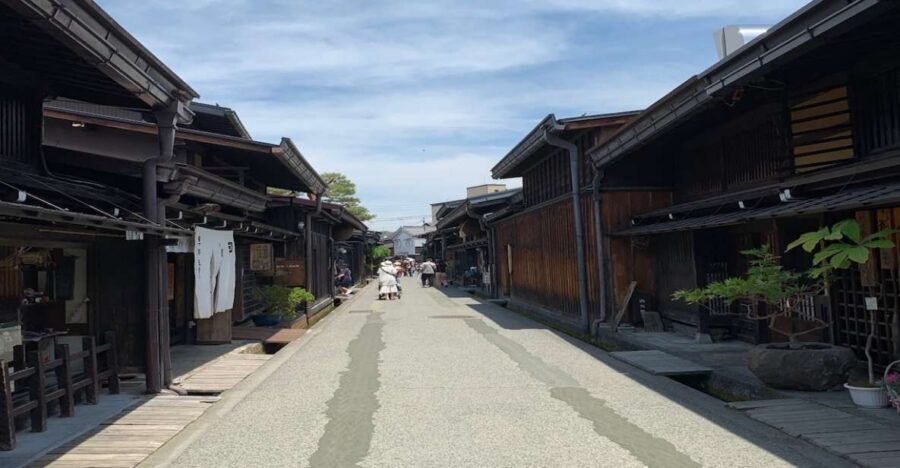
After the mountain air, the tour shifts to a completely different Niigata personality: Tsubame-Sanjo, known for high-quality metalcraft. This is one of those regional specialties that’s easy to miss if you only do the big-name sights. With a guide, the streets and workshops make more sense because you’re not just looking at objects—you’re hearing how craft traditions shape daily life.
As you walk through the charming streets, your guide can point out what makes the metalwork here different, and why so many people associate Tsubame-Sanjo with tools, tableware, and careful workmanship. This stop is valuable even if you’re not buying anything. You’ll come away with a clearer sense of why the region built a reputation in metalcraft, and how those skills show up in practical, everyday items.
A couple of practical tips:
- If you’re interested in purchasing, plan to keep some budget aside for small souvenirs like kitchen-related items. The tour doesn’t include spending money, and shopping is optional but common here.
- If you prefer minimal shopping, tell your guide early. You can still get the storytelling and workshop atmosphere without feeling pressured.
Teradomari coast: seafood market energy and an onsen reset
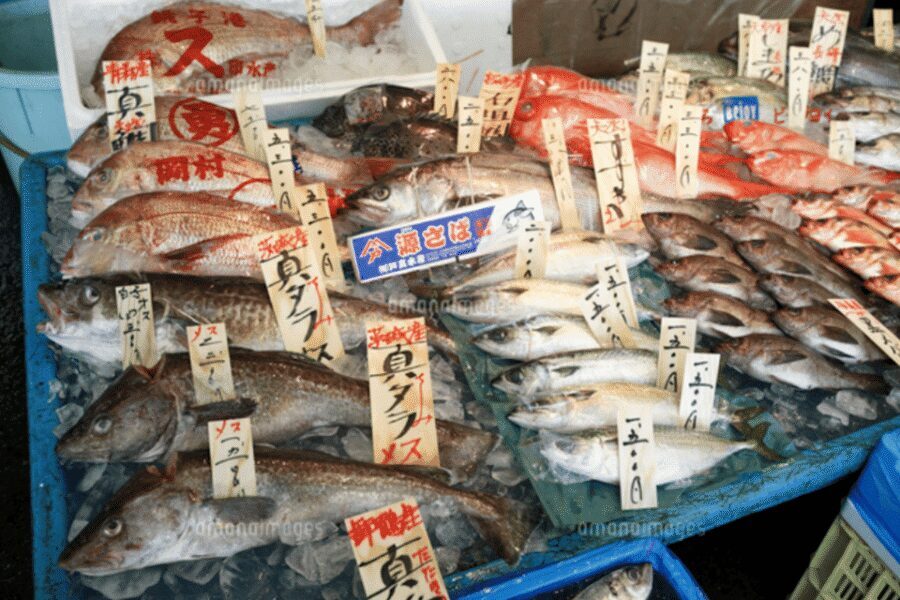
Next comes the coast, and the feeling changes again. The tour includes Teradomari, a scenic area known for its seafood market. If you like simple, sensory travel—smells of the sea, a lively market atmosphere, people doing normal everyday things—this is a great match.
This is also a smart place to slow down. Coastal time doesn’t need to be packed with “attractions.” Even a peaceful stroll can feel like the highlight because it balances the morning’s viewpoints and craftsmanship.
And here’s the flexibility that makes this tour better than a fixed package: you can also opt for local onsen hot springs. If your travel style includes restorative time, this choice can turn a busy day into a memorable one. On a 4–6 hour tour, onsen time works best if you keep it simple—change, soak, and enjoy the calm. You’ll leave feeling fresh instead of tired.
How Niigata City highlights may work into your route
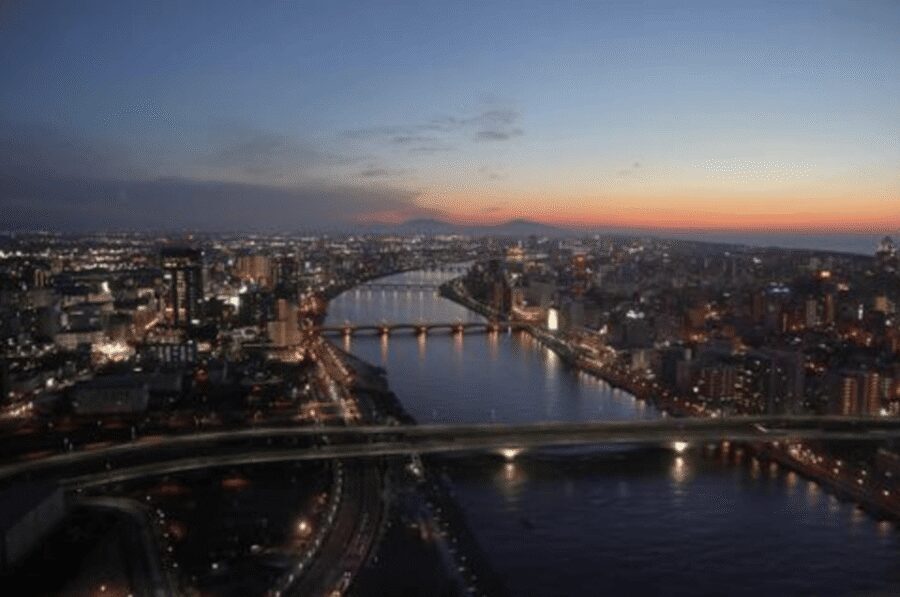
You’re not limited to the “classic” outside-city stops. Because the tour is customizable and private, your guide can shape the day around what you want to see in and around Niigata City.
For example, your guide may suggest a Niigata Station area start like Ponshukan, where you can try local sake. One great reference point from past experiences: people have done a tasting of multiple kinds (five varieties) there for a small set price, and it makes a nice, quick culture-and-flavor stop before heading out to sights.
From there, a city-and-river walk can include places like Bandai Bridge, the Niigata Former Customs Building, and waterfront-style landmarks such as the Mediaship area. If your route stretches upward, your guide may also bring in viewpoint buildings like Tokki Messe (and then continue on toward food stops around areas like Pia Bandai, including sushi and ramen options).
I’m sharing these as examples of the kinds of city add-ons that can fit. Whether these exact spots are part of your day depends on your timing and what you pick—but the value is consistent: your guide can connect the city flavor with the scenic outside areas instead of treating them like two separate trips.
Public transportation on purpose, and when to switch to a private vehicle
This tour is built around using public transportation. That’s not an accident. It’s how you get a more local feel without needing to rent a car or worry about parking.
You’ll still want to think about your priorities:
- If you like watching daily life unfold and you’re comfortable with short rides and transfers, public transport keeps the experience authentic and often faster than it sounds.
- If your group has mobility needs, if weather is rough, or if you just want fewer steps and less coordination, ask about private vehicle arrangements. Even for short transfers, that switch can make the day feel easier.
Because the tour duration is only 4–6 hours, your best strategy is to be decisive about how many changes you want. A good guide will help you keep things smooth, but your preferences matter.
The local guide factor: what makes it feel like Niigata, not Japan
In a good private tour, the guide isn’t just translating signs. They connect the dots.
English support is clear here: the guide is English-speaking, and past experiences have highlighted guides who communicate naturally and keep the explanations practical. Another detail I like is the way you can prepare ahead. In at least some cases, guides have gone further than a simple message chain—like doing a short video call to confirm plans and make sure the day feels right. That kind of attention is small, but it reduces stress when you arrive in a new city.
The biggest benefit is how the guide helps you understand the “why” behind what you’re seeing:
- Why Yahiko Shrine matters to the landscape and seasonal feeling of the area
- Why Tsubame-Sanjo’s metalcraft reputation is tied to generations of workshop work
- Why Teradomari’s market energy is less about being flashy and more about being local
That’s what turns a list of stops into a story you can actually remember.
Price and value: is $153 per person a fair deal?
At $153 per person for a private 4–6 hour tour, the value depends on how you travel. If you’re used to group tours, this may feel higher. If you want a guide who can adjust to your pace, it makes more sense fast.
Here’s how I think about the value:
- You’re paying for private time with an English-speaking local guide, not just entry-level sightseeing.
- You get itinerary customization, which is a real money-saver in the long run. Instead of taking extra half-days or doing separate DIY research, you let the guide shape a workable route.
- The tour can include multiple distinct areas outside the city, so you’re compressing logistics into one plan.
What to watch for: this price doesn’t include lunch, entrance fees, or transportation. Since public transport is used, you’ll likely pay for transit fares and any admission tickets on top. For most people, that’s normal. Just factor it in so you don’t end the day surprised.
Also, consider timing. A shorter day can be great if you want a taste. A longer day gives your guide room to add an extra stop like a city add-on or more time around the coast/onsen.
Who should book this Niigata private tour (and who might not)
This tour is a great fit if you:
- Want a private, English-speaking guide without a rigid schedule
- Care about regional culture—shrines, craft traditions, local food culture
- Like short walking days and scenic viewpoints more than museum marathons
- Prefer public transport for authenticity, but still want someone to handle the moving parts
You might skip it if you:
- Want a self-guided tour with no guide cost at all
- Are only chasing a few “must-see” spots and nothing else
- Have a tight schedule that can’t handle weather changes for ropeway or coastal time
The best part is flexibility. With a custom itinerary, you can match the day to your interests instead of pretending you want everything equally.
Should you book this Niigata Private Custom Tour?
I’d book it if you want a meaningful half-day in Niigata that doesn’t feel like a rushed box-check. The combination of Yahiko Shrine viewpoints, the craftsmanship focus in Tsubame-Sanjo, and the calm coastal or onsen option gives you variety without wasting time.
Before you decide, do two quick checks: confirm what you want most (views, craft, coast/food, or onsen), and plan a budget for lunch, transit, and any admissions. If you’re good with that, this tour is a solid way to see more of Niigata with less stress.
FAQ
How long is the Niigata private custom tour?
It runs for about 4 to 6 hours, depending on your itinerary and the time you select.
Is this tour private?
Yes. It’s a private group tour, so you’re not sharing the experience with strangers.
Does the guide speak English?
Yes, the tour includes an English-speaking local guide.
Can I customize the itinerary?
Yes. The itinerary can be customized.
Is pickup from Niigata City included?
Pickup from your accommodation in Niigata City is available if you want it.
What’s included in the tour price?
The tour includes a private tour, walking tour, an English-speaking local guide, customization, and optional pickup from Niigata City.
What’s not included?
Lunch, entrance fees, and transportation are not included.
Do you use public transportation?
Yes, public transportation is used. Private vehicle arrangements can be made upon request.
Is the tour wheelchair accessible?
Yes, it’s listed as wheelchair accessible.