Kanazawa clicks into place on foot. This full-day walk strings together samurai-era neighborhoods, then slows down for tea, and ends in the old geisha districts—so you see how Kanazawa actually feels in sequence, not like a checklist. I love the max 15 group size, and I love the matcha and wagashi tea-house break as a real reset, not just a photo stop. The one real drawback: it is a walking tour, and it can add up fast (one guide-level review clocked it around 10–12 km), so pace yourself on day-one legs.
The tour starts at Kanazawa Station at 9:00 am and uses a mobile ticket. You get an English-speaking guide, and the style can matter: several reviews singled out guides like Mike, Akari, Garrett, Lee, Mohammed, Daniel, and Fadir for good humor and clear explanations that make the place easier to remember.
In This Review
- Key Highlights You’ll Actually Feel
- Ashigaru Museum and Nagamachi: Samurai Life at Street Level
- Oyama Shrine and the Walk Toward Kanazawa Castle
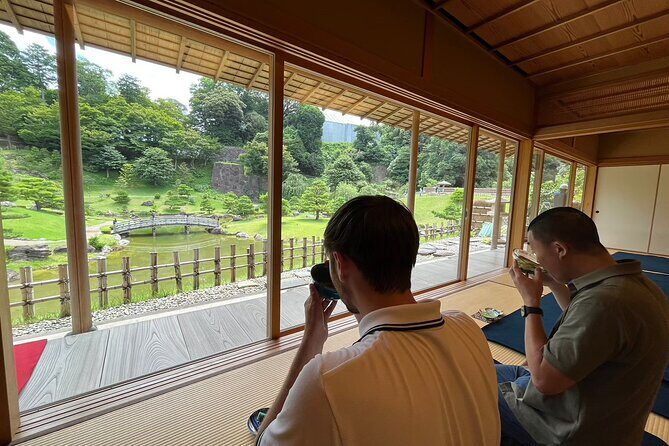
- Gyokusen-an Matcha Break: The Garden View Part of the Lesson
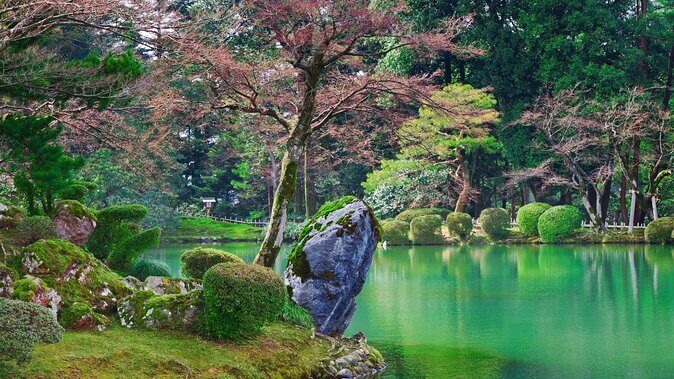
- Kenrokuen Garden: Stroll Time With Real Kanazawa Atmosphere
- Higashi Chaya District and Ochaya Shima: Geisha Culture You Can Step Into
- Kazuemachi Chayagai: A Less-Crowded Tea District Breather
- Price and Pace: Is $151.30 Worth It?
- What to Expect From Your Guide (And Why It Matters Here)
- Getting the Best Day Out of It
- Should You Book This Kanazawa Walking Tour?
- FAQ
- How long is the full-day tour?
- What is included in the ticket price?
- Is lunch included?
- How many people are in the group?
- Where do I meet, and where does it end?
- What time does the tour start?
- Is the tour mostly walking?
- What happens if the weather is bad?
Key Highlights You’ll Actually Feel
- Ashigaru Museum homes give context for the lower-ranking samurai world, not just big castles and banners.
- Nagamachi Bukeyashiki streets look and read like a preserved samurai district as you walk through it.
- Matcha and wagashi at Gyokusen-an comes with garden views, so the break feels like part of the sightseeing.
- Kenrokuen Garden entry included, with time to stroll and soak in ponds and teahouses (and sometimes cherry blossoms when timing lines up).
- Higashi-chaya and Ochaya Shima shift from history talk to real tea-house interiors tied to geisha culture.
- A second tea district stop at Kazuemachi Chayagai helps you see the scene without as much crowd pressure as the most famous area.
Ashigaru Museum and Nagamachi: Samurai Life at Street Level
I like how this tour starts with the smaller, more human side of samurai Japan. At the Ashigaru Museum, you step into two preserved homes connected to ashigaru—low-ranking samurai. Even if you only know the word from pop culture, the setting helps you picture how people lived at different ranks, not just the top commanders.
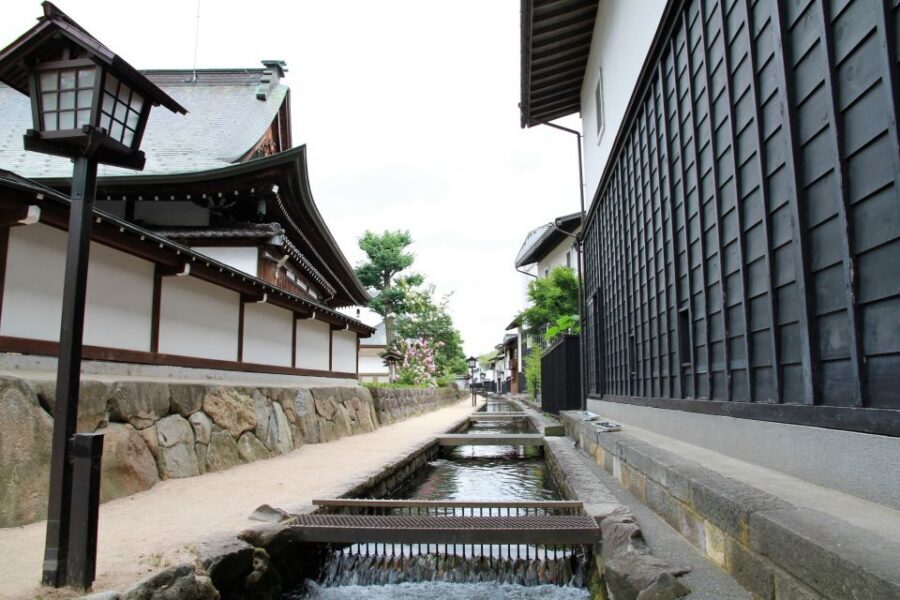
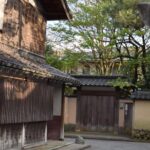
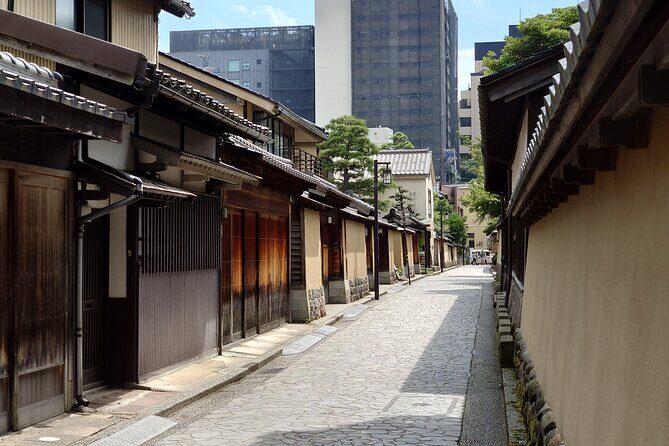
Next comes Ruins of Nagamachi Bukeyashiki, the former samurai district. This is where the tour earns its walking-tour badge. As you move along the streets, the layout and atmosphere do more work than pictures ever do. One big win here is that you’re not just looking at one building. You’re seeing how the district’s street rhythm still carries a sense of order from the old era.
Practical thought: wear shoes you don’t mind getting a workout. The first stops are easier than the later ones, but you’re building momentum. If you’re the type who likes to stop and people-watch, you’ll also appreciate having a guide to keep you moving without rushing you.
Other Kanazawa tours and samurai-district walks


Oyama Shrine and the Walk Toward Kanazawa Castle
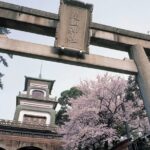
After Nagamachi, the route leads you toward Oyama Shrine on the way to Kanazawa Castle. The detail I’d bookmark is the gate: instead of the typical wood look you might expect, this shrine has a brick entry gate, which makes it feel unusual and very “Kanazawa.”
Then you’re funneled into the castle area in a way that feels like a transition, not a separate sightseeing assignment. You’ll pass through the grounds and get a chance to notice the restored buildings sitting over a wide lawn. Even if castles aren’t your thing, Kanazawa’s castle zone helps connect the earlier samurai district story to the later garden and tea district stops.
Time check: this section isn’t long—think short and scenic. It’s designed so you don’t lose the thread, and it sets you up for Kenrokuen when your feet are still cooperating.
Gyokusen-an Matcha Break: The Garden View Part of the Lesson
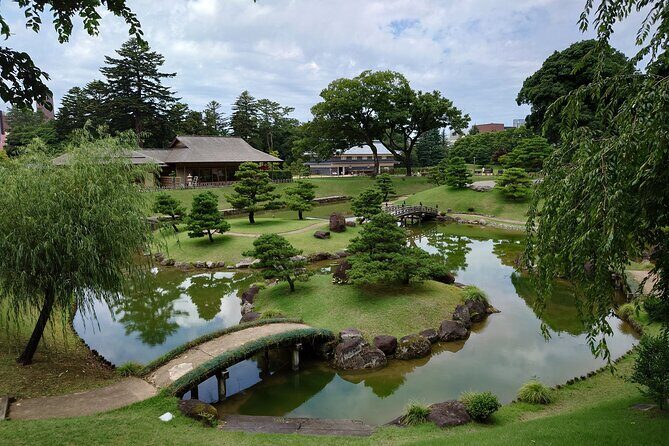
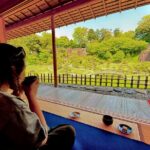
If you’re a matcha fan, this is a good moment to be excited. At Gyokusen-an, you get matcha and wagashi while enjoying views over a garden that dates back through centuries of design.
I like tea-house stops on walking tours when they do two things:
1) They slow you down long enough to reset your brain.
2) They add meaning to what you’re seeing next.
This one does. The matcha pause sits right before Kenrokuen, so the experience feels like you’re moving from samurai streets into garden thinking—spacing, water, and planted time. In a handful of reviews, the matcha moment showed up as a favorite because it’s served in a traditional Japanese style, not just poured and forgotten.
One practical tip: if you’re visiting in warmer months, use the tea break to check in with your energy level. This is a built-in rhythm stop, not a detour.
Kenrokuen Garden: Stroll Time With Real Kanazawa Atmosphere
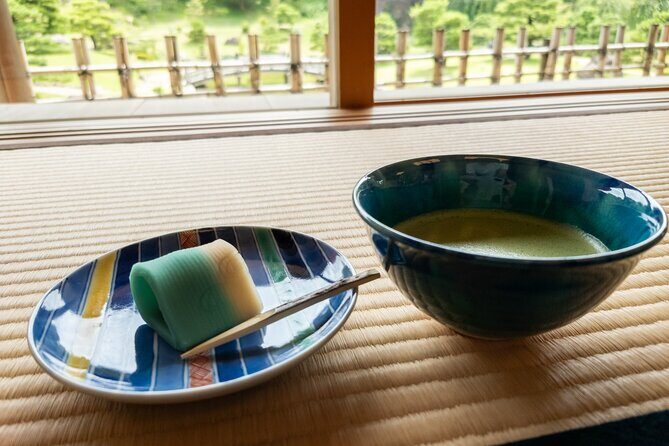
Next up is Kenrokuen Garden, and you’ll have about 1.5 hours to walk it. This isn’t rushed. The tour gives you a chance to stroll and actually take in how the garden is laid out, including ponds, teahouses, and different trees—and, depending on your dates, you might even catch cherry blossoms when conditions line up (one review mentioned early bloom).
Kenrokuen matters because it’s a signature of Kanazawa’s culture of refinement. And unlike some “see it, then leave” garden stops, you’re not alone in the garden-thinking moment. Your guide’s explanations give you something to notice beyond what you’d get from wandering with your phone.
The watch-out: gardens can tempt you to linger, which is fine. Just keep track of where you are in the day. The later geisha district portion is where walking fatigue can show up for some people.
Higashi Chaya District and Ochaya Shima: Geisha Culture You Can Step Into
Now the tour shifts gears to the old tea districts, where the streets and buildings do the storytelling.
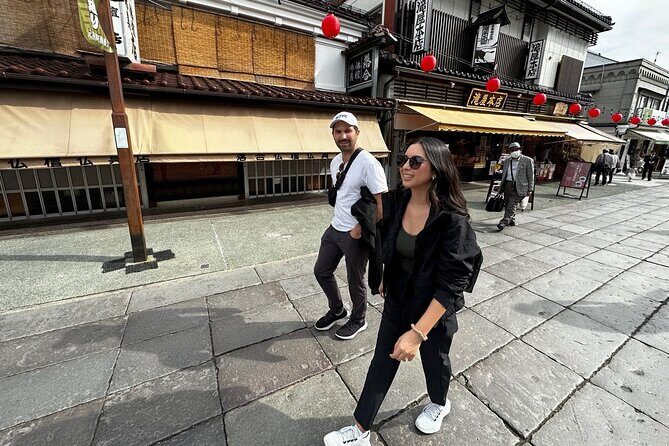
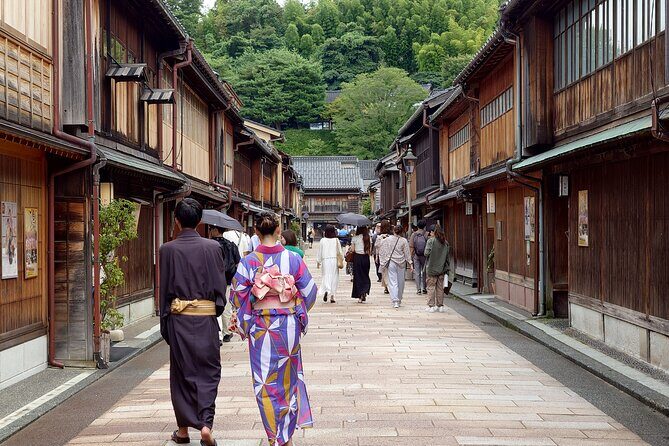
First is Higashi Chaya District. The streets are lined with historic tea houses, and the area is also full of everyday texture—places to eat and browse craft shops. You’ll get free time here, which is useful because it lets you absorb the atmosphere without your guide narrating every step.
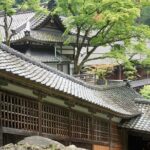
Then comes Ochaya Shima, a preserved tea house once inhabited by geisha and visited by wealthy patrons. What I like about this stop is that it isn’t just outside sightseeing. You go inside, and you can see details that hint at the period’s comfort and status—one review called out colorful walls and musical instruments used to reflect that social world.
If you’re wondering whether this feels like a museum or a living tradition: you’ll likely experience it as something in-between. It’s set up to show history, but it’s also part of a neighborhood that still has a tea-house identity. That blend is often the “aha” moment for first-time Kanazawa visitors.
If you're still narrowing it down, here are other tours in Kanazawa we've reviewed

Kazuemachi Chayagai: A Less-Crowded Tea District Breather
After Higashi Chaya, the tour includes Kazuemachi Chayagai as you head back toward the station. This district is often quieter than Higashi, which is a gift on a day when you’ve already walked a lot and you want a calmer look at the same cultural thread.
The tour passes you through and gives context around the area’s tea-house culture. One helpful detail from the provided info: if you’re lucky, you may catch geisha entertaining customers here—nothing is guaranteed, but it frames why this district feels different from a street of shops.
This stop is also about managing the day emotionally. You’ll have seen the big-name geisha scene already. Here, you get a chance to notice smaller differences in vibe and spacing.
Price and Pace: Is $151.30 Worth It?
At $151.30 per person, you’re paying for a full guided day that covers major Kanazawa anchors without you having to plan the order yourself. The value comes from three places:
- Coverage that hangs together: samurai districts → castle grounds → Kenrokuen → tea districts. You’re not bouncing randomly around the city.
- Included experiences: matcha and wagashi, Kenrokuen Garden entry, and entry to Shima Chaya are built in.
- Small-group handling: maximum 15 people means your guide can keep the flow human-sized.
Now the pace question. This is where you should be honest with yourself. One review explicitly framed it as a totally walking tour and mentioned roughly 10–12 km. Another mentioned exhaustion in the second half, and seniors can handle it, but they may need to slow down at their own comfort level. The good news is the guide can often adapt pacing—several reviews praised guides like Garrett and Lee for matching the group’s speed and adjusting when needed.
So here’s my practical take:
- If you love walking and want a strong Kanazawa orientation in one day, this price starts to feel fair.
- If you prefer transit between sights, you’ll want to mentally budget for foot time.
Also note: lunch is not included, though there is a 1-hour lunch break within the tour. During that time you pick your own restaurant, with recommendations from the guide. That’s a smart approach for food variety, but it does mean you’ll need to decide something rather than being handed a set meal.
What to Expect From Your Guide (And Why It Matters Here)
This tour relies on the guide to connect the dots. The stops are varied—samurai homes, shrine architecture, a garden, then tea-house interiors—and that only feels effortless when the narration makes the connections.
The reviews gave a consistent picture: guides like Mike and Garrett brought history to life with humor and clear context. Akari and Lee were praised for making Kanazawa’s development understandable, including how it became a powerful alternative to Kyoto. Mohammed, Daniel, and Fadir also got credit for knowledge and friendly pacing.
What you can do: show up ready to ask a question or two. If you’re curious about rank (like ashigaru), garden design thinking, or why the tea districts look the way they do, you’ll get more out of the day than someone who just follows the route.
Getting the Best Day Out of It
Here are the practical things that will make or break your experience.
- Bring proper walking shoes and plan on several hours of steady walking.
- Plan for weather. The experience requires good weather, and the operator notes that if poor weather cancels the tour, you’ll be offered a different date or a full refund.
- Use the matcha break wisely. It’s your structured reset; don’t waste it checking your phone the whole time.
- Treat lunch time as part of the tour. If you let the guide’s recommendation help, you’ll spend less time hunting and more time eating something that fits the day.
Also: you’ll start near public transportation at Kanazawa Station, which is helpful if you’re juggling other plans in the city.
Should You Book This Kanazawa Walking Tour?
I think this is a strong first full day in Kanazawa—especially if you want a coherent sampler platter of samurai districts, gardens, and geisha-era tea houses without doing route planning.
Book it if:
- You like walking tours and don’t mind 10–12 km territory.
- You want Kenrokuen plus both major tea-house areas in one day.
- You care about understanding what you’re seeing (the guide component really matters here).
Skip or rethink it if:
- You dislike long walks and need frequent breaks beyond what’s built in.
- You’re visiting and expecting lots of sitting time between stops. This isn’t that kind of tour.
If your main goal is to get oriented fast, eat well at a guided lunch break, and come away with a Kanazawa story you can retell, this one is easy to recommend.
FAQ
How long is the full-day tour?
The tour runs for about 9 hours. The tour info also notes there is a 1-hour lunch break included, so the guided portion may feel closer to 8 hours.
What is included in the ticket price?
Your ticket includes matcha tea and wagashi, entry to Kenrokuen Garden, entry to the Shima Chaya preserved geisha house, and an English-speaking guide.
Is lunch included?
Lunch is not included. You’ll get a 1-hour lunch break during the day, and you can choose your own restaurant with recommendations from the guide.
How many people are in the group?
The tour has a maximum of 15 travelers.
Where do I meet, and where does it end?
You start at Kanazawa Station (Kanazawa, Japan) and the tour ends back at the meeting point.
What time does the tour start?
Start time is 9:00 am.
Is the tour mostly walking?
Yes. It is a walking tour, and you should be prepared for a long day on your feet.
What happens if the weather is bad?
The experience requires good weather. If it’s canceled due to poor weather, you’ll be offered a different date or a full refund.