Snow monkeys and miso in one day. That combo is the whole point. You’ll go from a traditional miso brewery tied to centuries of Japanese food culture to the Japanese macaques that brave winter hot springs at Jigokudani, with an English-speaking guide keeping everything understandable.
I love two things most: the mix of hands-on food tradition and real wildlife viewing, and the fact that the day is led by a nationally licensed guide-interpreter with local insight. One potential drawback to plan for is the winter walking: the route up to the monkey park can be icy, and you’ll need warm clothes and non-slip footwear.
In This Review
- Key points at a glance
- Nagano’s best one-day pairing: miso culture plus Jigokudani macaques
- Price and what you actually get for $176.04
- Getting oriented: where you meet, how the day flows
- Stop 1: Shioya Brewing and the miso-making behind everyday Japanese food
- Stop 2: Obuse free time for streets, Hokusai links, and chestnuts
- Stop 3: Jigokudani Monkey Park and the hot-spring macaques close-up
- Seasonal monkey viewing: what changes from winter to spring to summer
- The hard part isn’t the monkeys. It’s the walking and cold.
- How the guide makes the whole day feel usable in English
- Group size, bus seating, and timing reality
- Who should book this tour (and who should think twice)
- Should you book it? My practical take
- FAQ
- Is lunch included on this tour?
- What time does the tour start and end?
- Where do I meet for the tour?
- Is the tour in English?
- How long do I spend at Jigokudani Monkey Park?
- Does the tour include miso brewery admission?
- Will I always see the monkeys soaking in hot springs?
- What should I wear for the hike to the monkey park?
Key points at a glance
- English licensed guide-interpreter to translate food culture and monkey behavior clearly
- Miso brewery visit with the traditional process behind this everyday staple
- Obuse free time to enjoy a historic streetscape and chestnut town vibes
- Jigokudani Snow Monkey Park admission included plus a long enough visit to actually watch the monkeys
- Seasonal viewing changes a lot (especially spring babies and winter hot-spring soaks)
- Cold-weather prep matters because the walking route is cooler and can get slippery
Nagano’s best one-day pairing: miso culture plus Jigokudani macaques
This tour works because it doesn’t force you to choose between food and wildlife. Nagano can do both, and doing them in one day keeps the trip feeling efficient without turning it into a rushed checklist.
The day starts with something most people eat but few understand: miso. You see how it’s made at a historic brewery, then you get a breather in Obuse, a town known for its traditional street feel and chestnuts. After lunch time (not included), the focus switches to the main event: Jigokudani Monkey Park, where Japanese macaques are famous for warm hot-spring bathing in winter.
Other snow monkey tours we've reviewed in Nagano

Price and what you actually get for $176.04
At $176.04 per person, you’re paying for more than just entry tickets. The big value is that the tour bundles the things that are annoying to coordinate yourself: a licensed English guide-interpreter, transportation, and multiple admission/fee items—so you’re not spending your energy decoding schedules.
What’s included is clear:
- the guide-interpreter
- transportation and listed fees
- miso brewery visit and Jigokudani Monkey Park admission
What’s not included:
- lunch
That last point is important. You’ll need to plan for a meal on your own, so it helps to go in with a simple strategy: grab something practical near Obuse or carry a snack for the bus ride gaps. The tour also runs about 8 hours, so you’ll want food you can eat without slowing the day down too much.
Getting oriented: where you meet, how the day flows
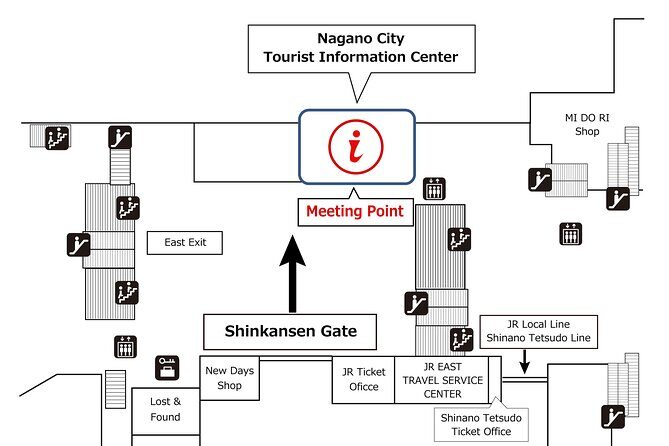
You start at the Nagano Tourist Information Center (Nagano, Kurita, North河原) at 9:50 am. The tour returns to Nagano Station East Exit around 6:00 pm. If you want to step off closer to Zenko-ji, you can request a drop near Nakamise Shopping Street—just know many shops close around 5:00 pm.
A couple logistics points that help you feel calm:
- Seating on the bus may not be designated.
- The order of activities can shift depending on road conditions and congestion.
- It’s built around scheduled travel time, so don’t expect every stop to run to the minute.
Also, this is capped at 20 people. That’s a size where you can still hear the guide and keep track of the group without feeling squeezed.
Stop 1: Shioya Brewing and the miso-making behind everyday Japanese food
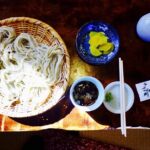
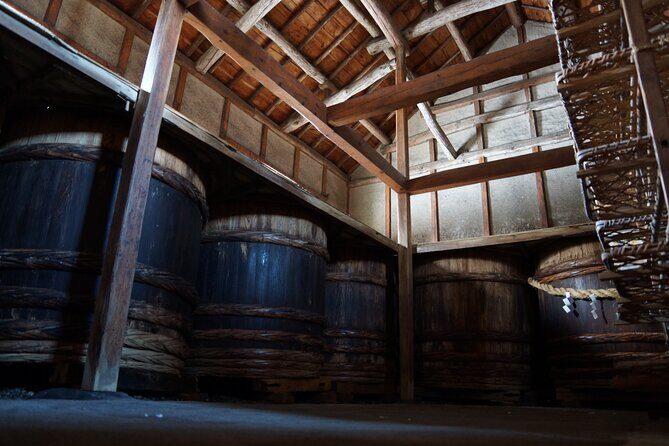
The miso stop is 40 minutes and it’s not just a photo-op. The goal is to understand miso as a cornerstone of Japanese cuisine—something that’s been part of eating habits for centuries.
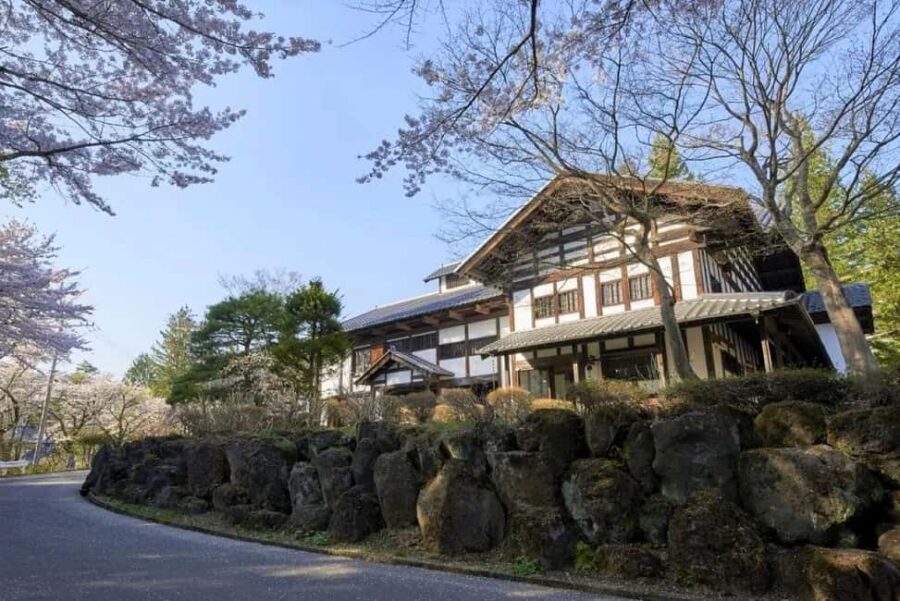
At this historic brewery (about 300 years), you’ll learn how the brewery frames miso as a key ingredient in Japanese food culture, tied to washoku, which has been recognized as an intangible cultural property. Even if you’ve eaten miso soup your whole life, it helps to see what’s behind that familiar taste.
Here’s what I’d focus on while you’re there:
- how the brewery explains the purpose of the process (not only the steps)
- the idea of miso as a staple, not a fancy add-on
- any explanations that connect food, time, and craft
One practical note: the tour doesn’t include lunch, so use this morning stretch as your “learn and reset” portion. If you’re into cooking or food history, this stop scratches that itch without demanding hours of museum time.
Stop 2: Obuse free time for streets, Hokusai links, and chestnuts
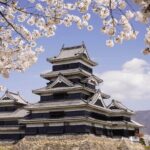
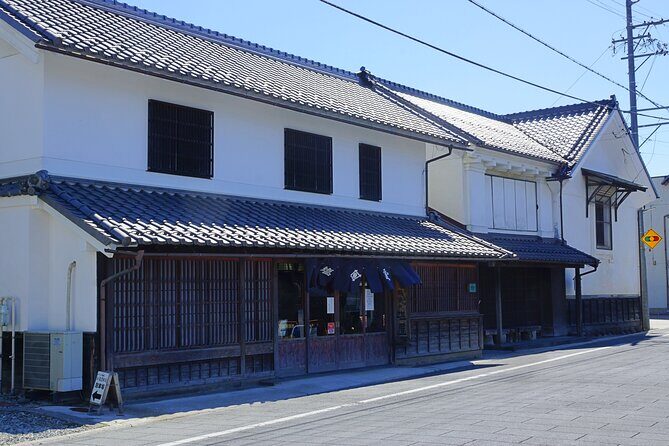
After miso, you get 1 hour 20 minutes in Obuse-machi. This is your low-stress window: wander at your own pace, take in the traditional streetscape feel, and eat when you’re hungry.
Two reasons Obuse is worth your attention:
- It’s connected to artist Katsushika Hokusai, who spent his twilight years there.
- Obuse is known for chestnuts, so expect chestnut-flavored snacks and treats to show up everywhere.
This part of the day is where you can slow down and do your own choosing. If you want a light meal to cover lunch, it’s usually easier to use Obuse time for food because you’re not stuck trying to find something at the far end of the trip.
Other Nagano tours and day trips
Stop 3: Jigokudani Monkey Park and the hot-spring macaques close-up
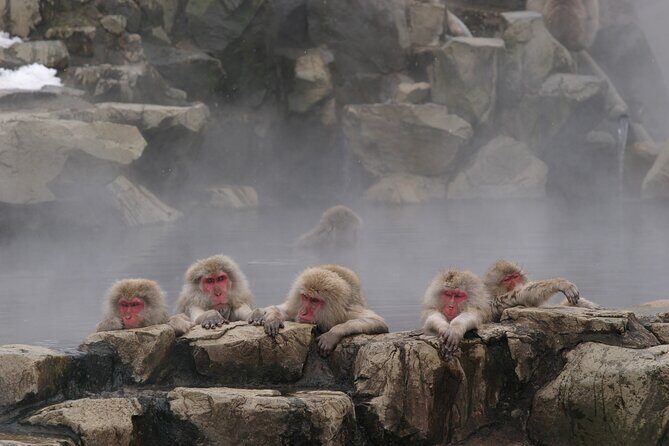
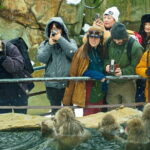
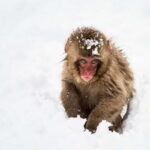
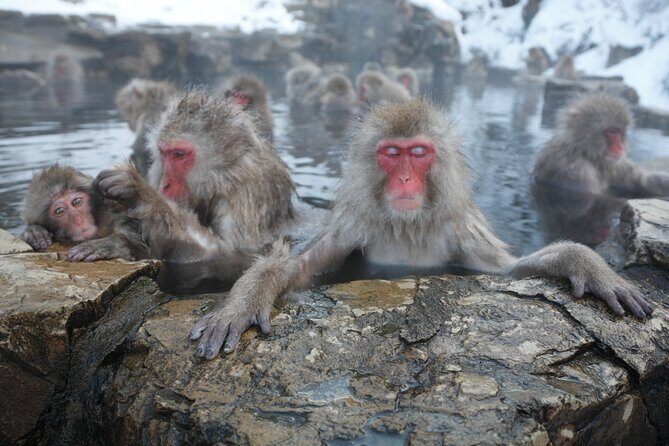
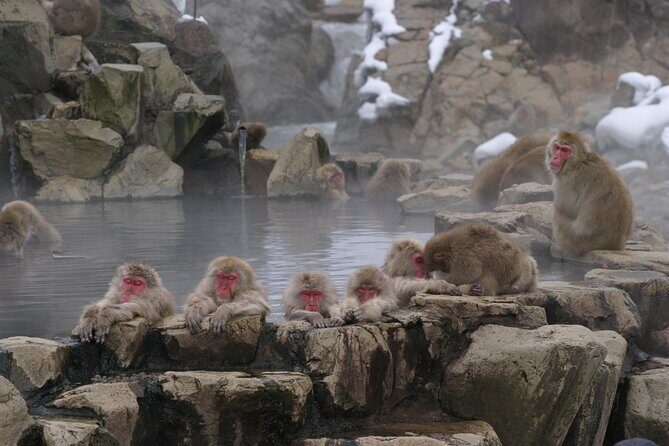
Now for the star. Jigokudani Monkey Park is where you come for the Japanese macaques, often called snow monkeys. Your visit is 2 hours 30 minutes, which is plenty of time to watch behavior shift as the day changes.
The park experience is built around the idea that you’re seeing wild animals that still follow their own patterns. That means you get up close without it turning into an animal show.
A few realities to know before you go:
- The hot-spring soaking you associate with snow monkeys can be seasonal and weather dependent. You might see it until around March, but you won’t get a refund if the hot-spring soaking isn’t visible for this reason.
- The park can close suddenly due to weather, seasonal conditions, or monkey behavior. If the tour itself is canceled, you receive a full refund.
When you’re inside the park, spend time watching the “small stuff,” not only the biggest headline moment. Look for how monkeys move through areas, how they interact, and how groups cluster or separate. Those rhythms are what make the visit feel real.
Seasonal monkey viewing: what changes from winter to spring to summer
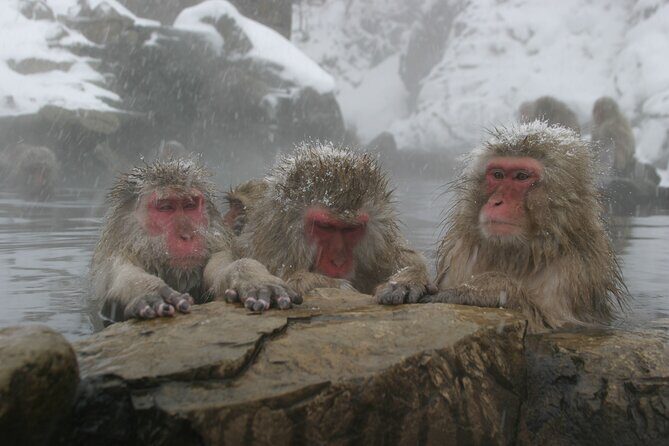
Jigokudani is not one fixed show. It changes with the season, and the tour frames that well.
- Winter: this is when the hot-spring bathing is most closely associated with snow monkey fame.
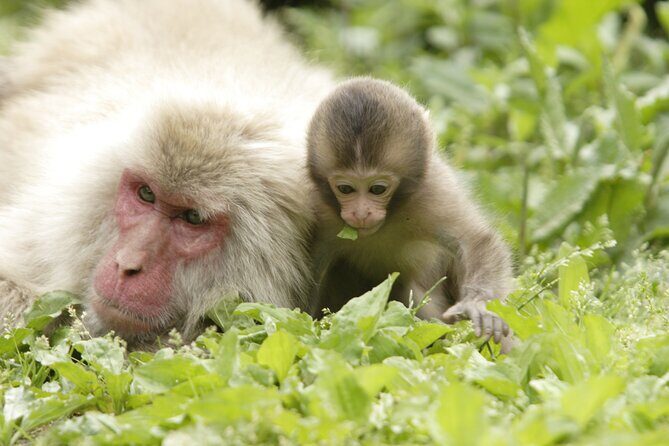
- Spring: this is a strong time for seeing baby monkeys, including adorable newborns.
- Spring and summer: expect more playful behavior and young monkey activity.
The park is also at about 850 meters above sea level, which means it can feel noticeably cooler than the plain. Temperature swings can affect both you and what the monkeys choose to do.
The hard part isn’t the monkeys. It’s the walking and cold.
The tour calls this a hard walking day for good reason. You’ll cover about 50 minutes of walking each way between Shiga Kogen Roman Museum and Jigokudani Monkey Park. That’s a meaningful hike, even if you’re used to city strolling.
Add altitude and winter conditions:
- The area is cooler than the plain.
- If there’s snow, the path may be frozen and slippery.
- Bring warm clothing.
- Wear winter boots or other non-slip footwear.
If the guide decides your cold-weather gear isn’t enough, you might be advised to rent equipment from a rental shop near Jigokudani Monkey Park. That rental cost would be on you.
If you’re planning this trip and you’re unsure about winter trekking, think honestly about your comfort level on uneven, possibly icy paths. This isn’t a gentle promenade.
How the guide makes the whole day feel usable in English
A big part of the value is the guide-interpreter experience. You’re not just buying translations. You’re getting someone who can connect what you see to context you can actually use.
In past departures, guides have been described as friendly and locally minded, and one example is Humiko, who stands out for sharing lots of Japanese details and fun facts while also giving practical recommendations. Even if you don’t get the same guide, you should expect that tone: explain first, then let you enjoy the stops.
This matters most at:
- the miso brewery, where the process can otherwise feel like a list of steps
- Jigokudani, where understanding seasonal monkey behavior helps you know what you’re looking at
- the walk itself, where timing and group flow affect how much you enjoy the view and animals
Group size, bus seating, and timing reality
With a max group size of 20, you get a small-tour feel without the stress of an extremely tight group.
That said, bus seating may not be assigned, so if you hate being stuck with limited leg room, dress for comfort and pack a small layer for temperature changes between vehicles and outdoors.
Also, the tour duration is “around 8 hours,” and travel time is included in that number. Don’t expect every stop to run late, but do expect the schedule to breathe a little.
Who should book this tour (and who should think twice)
This tour is a great fit if you want:
- one day that hits both cultural food (miso) and a major animal attraction (snow monkeys)
- an English guide for context
- a plan with clear included admissions so you can focus on experience
It’s a less ideal fit if:
- you dislike long walking days. The hike up and back is real.
- you have trouble walking or need special mobility support; the tour says it can’t provide special support for people with walking trouble.
- you’re traveling with small children. The tour notes it can’t provide special support for small children, and parental permission in writing is required for everyone under 18.
For kids, there’s also a clear rule: anyone under 15 or not yet in middle school must be joined by a parent or guardian on the tour.
Should you book it? My practical take
Book this tour if you want a structured day that’s strong on two things: Japanese food craft and up-close snow monkey viewing. The included admissions and licensed guide-interpreter make it feel like less hassle than building the day yourself—especially with a location like Jigokudani, where weather and walking demands can change the experience.
Think twice if you’re not comfortable with winter conditions and steady uphill walking. The tour can be wonderful, but it’s not a light outing. If you’re unsure, you’ll sleep better deciding before you arrive in Nagano.
FAQ
Is lunch included on this tour?
No. Lunch is not included, so you’ll need to plan a meal on your own during free time or between activities.
What time does the tour start and end?
It starts at 9:50 am and ends around 6:00 pm at Nagano Station East Exit.
Where do I meet for the tour?
You meet at the Nagano Tourist Information Center in Nagano (Kurita, Kita-Gawara).
Is the tour in English?
Yes. It’s led by a nationally licensed English guide-interpreter.
How long do I spend at Jigokudani Monkey Park?
You’ll have about 2 hours 30 minutes at Jigokudani Snow Monkey Park, and admission is included.
Does the tour include miso brewery admission?
The miso brewery stop includes the admission portion as part of the tour, with admission ticket noted as free.
Will I always see the monkeys soaking in hot springs?
You can see hot-spring soaking until around March, but it may also not be seen depending on weather and time. The tour notes that refunds will not be issued if the hot-spring soaking is not visible for that reason.
What should I wear for the hike to the monkey park?
The walking path can be frozen and slippery in winter. Wear warm clothing and winter boots or other non-slip footwear. If your gear is judged insufficient, you may be advised to rent equipment nearby at your own expense.