Five dishes, one shared kitchen mood.
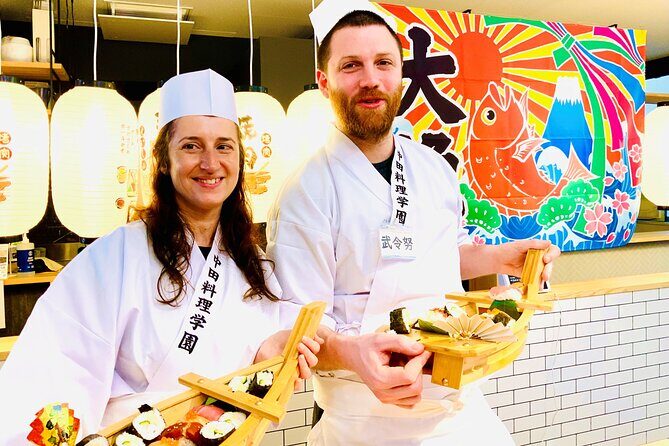
This Kanazawa class runs at a long-established culinary school a quick walk from the station, and it is hands-on from start to finish. You swap into a sushi chef uniform, learn as you cook, and use real-time AI translation so the chef can guide you in English-friendly steps.
I especially like the ingredient quality: you work with Omicho Market seafood for the nigiri, so the sushi tastes like Kanazawa, not a generic lesson. I also like the practical skill focus, especially dashi and dashi-based cooking, because you leave with methods you can repeat at home.
One consideration: this class cannot accommodate vegan diets or guests avoiding fish-based dashi. If that matters to you, plan another kind of experience.
In This Review
- Key highlights worth marking on your trip plan
- Getting Cooking Mode Fast at Nakata Cooking School near Kanazawa Station
- Five Dishes You’ll Cook: Nigiri, Jibuni, Tamago, Dashi, and Miso
- Omicho Market Ingredients and the Sushi Routine
- Dashi-Maki Tamago and Dashi Broth: The Sauce Behind the Whole Meal
- Jibuni Chicken Stew: Kanazawa Flavor With Samurai-Era Roots
- Translation on a Big Screen and the Small-Group Flow
- Knives, Photos, and Your Named Certificate
- Price and Value: Is $99.10 a Good Deal?
- Should You Book This Kanazawa Sushi and Japanese Cooking Class?
- FAQ
- How long is the Kanazawa sushi and Japanese cooking class?
- Where does the class meet in Kanazawa?
- How many dishes will I cook?
- Is this a hands-on class or a demonstration?
- Is there English support during the class?
- Can vegans or people who avoid fish-based dashi participate?
- What do I receive at the end of the class?
- Are knives and knife shopping included?
Key highlights worth marking on your trip plan
- You cook five dishes yourself, including nigiri sushi, Jibuni, and dashi-maki tamago
- AI translation on a big screen keeps instructions (and humor) clear in English
- Omicho Market seafood supports a real local Kanazawa flavor profile
- Premium Japanese knives are provided for the class, with optional purchases
- Photos plus a named completion certificate make the experience feel official
Getting Cooking Mode Fast at Nakata Cooking School near Kanazawa Station
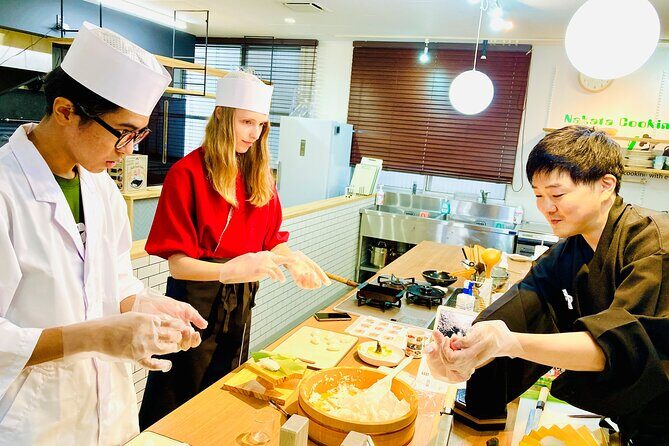
You start at Nakata Cooking School & Knife Shop, by appointment only, in Konohanamachi. The big win here is the location: the school is about 3 minutes from Kanazawa Station, which matters if your day is already packed with markets and gardens.
Once you arrive, you change into a sushi chef uniform and get settled in a kitchen setup built for actual cooking, not watching. The group size is capped at 8 travelers, so you are not stuck waiting your turn for basic instructions. This feels important because techniques like sushi shaping and rolled omelets are easier when you can ask for a quick fix.
You do need to show up knowing you will be active for about 2 hours 30 minutes. There is no long formal lecture segment to stretch things out. You’ll move from skill points to cooking stations, dish by dish, with real-time guidance.
One other practical note: transportation to and from the meeting point is not included. If you’re already staying near the station, you’re set; if not, keep travel time tight so you don’t rush into a cooking session.
Other Kanazawa tours and samurai-district walks


Five Dishes You’ll Cook: Nigiri, Jibuni, Tamago, Dashi, and Miso
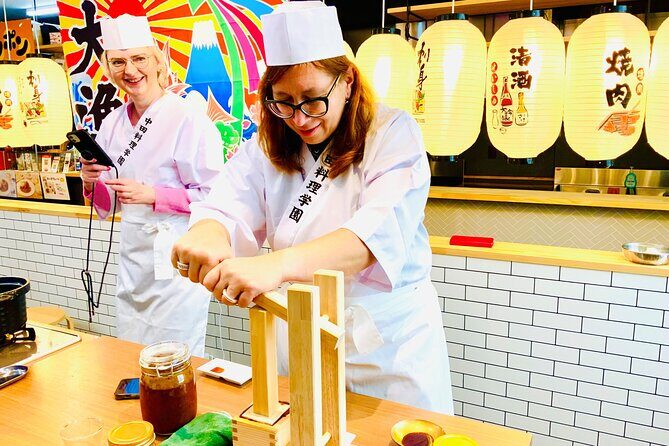
This is a full meal-building class. You prepare and then taste five dishes, so you’re not just learning one technique and calling it a day.
Here’s the lineup you can expect:
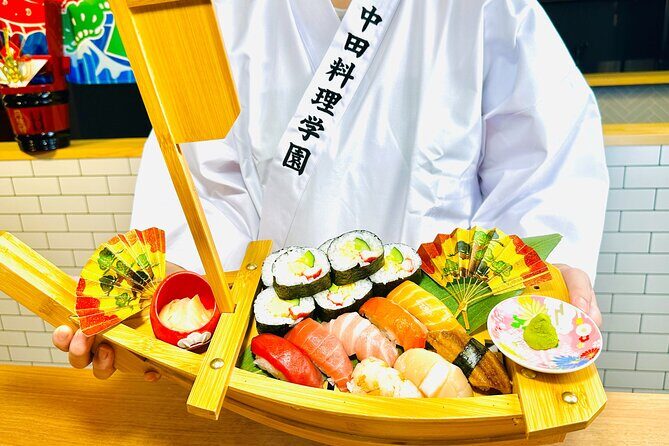
- Nigiri Sushi with wild fish sourced from Omicho Market
- Jibuni, a Kanazawa specialty chicken stew with samurai-era roots
- Dashi-Maki Tamago, a soft rolled omelet taught with a Michelin-style approach
- Dashi Broth, traditional stock made with bonito and kelp
- A seasonal side dish plus miso soup
What makes this menu smart for value is that it teaches the “logic” behind Japanese flavor. You start with sushi structure (rice and fish balance), then move into stock-based cooking (dashi), then into texture work (tamago), and finally into regional comfort food (Jibuni). Even if you are not a beginner, this kind of progression helps your home cooking make more sense.
You also get a small aperitif with your meal, either Kanazawa plum wine or local sake. It’s a small line item, but it helps the class feel like an evening out at a focused local spot rather than a rushed workshop.
Omicho Market Ingredients and the Sushi Routine
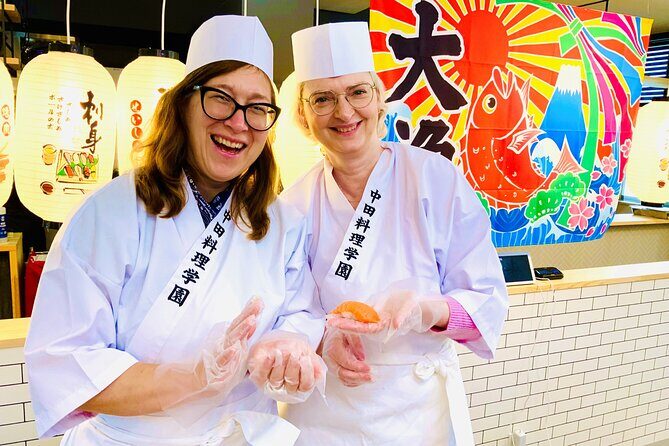
The sushi portion matters because it’s not just about making nigiri—it’s about learning how sushi tastes when the ingredients are chosen for that purpose. You’ll shape nigiri using wild fish from Omicho Market, the kind of sourcing top Kanazawa restaurants rely on.
You should come away with a workable plan for how to handle sushi rice and assemble nigiri. The class format is step-by-step and personalized, which is the difference between learning a move and learning the timing. Sushi shaping is one of those skills where tiny details—pressure, portion, alignment—change the outcome. In a small group, you can actually get correction before you lock in bad habits.
I also like that the class doesn’t treat sushi as a sealed-off topic. You’ll get cultural context around each dish, so when you taste your own nigiri, you understand why it’s built the way it is. That makes the whole meal more satisfying afterward, not just during the cooking.
If you’re hoping for a fully raw-fish experience only, double-check what is included for your exact session. The class description is clear about nigiri made with fish from Omicho Market, but it also sets dietary limits for fish-based dashi. If that sounds relevant to your situation, you’ll want to address it at booking.
Dashi-Maki Tamago and Dashi Broth: The Sauce Behind the Whole Meal
A lot of Japanese cooking gets explained away with shortcuts. This class avoids that. You’ll make dashi broth using bonito and kelp, then use dashi in cooking steps like dashi-maki tamago and more of the meal.
That matters because dashi is the foundation for flavor across many dishes. If you learn it, you stop guessing. You can also adjust future home cooking with confidence, like knowing what changes when stock is stronger or when balance shifts.
The tamago portion teaches something that sounds simple on paper and is surprisingly picky in real life: a soft rolled omelet with a technique approach compared to a Michelin-style recipe. Rolled omelets are all about texture—how you heat, how you pour layers, and when you roll. In this class, you’re not just shown a finished omelet. You’re actively shaping and rolling while the chef guides your pacing.
And yes, you will eat what you make. That immediate tasting is a huge help. You can connect your process to the result right away, which makes it easier to remember what to do next time.
Jibuni Chicken Stew: Kanazawa Flavor With Samurai-Era Roots
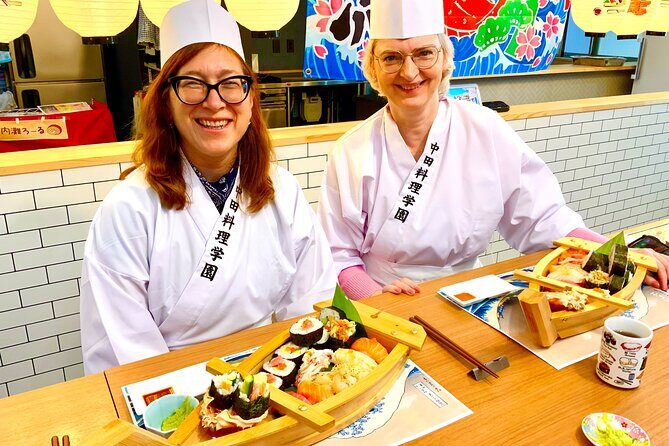
Jibuni is the Kanazawa specialty that brings warmth and personality to the meal. The class teaches Jibuni, described as a signature chicken stew with samurai-era roots. That historical note is not just trivia; it helps explain why the dish feels hearty and comforting rather than delicate.
In practical terms, this is where your lesson shifts from technique-heavy cooking to flavor building and balance. Stews reward patience—heat control, timing, and letting ingredients develop. Even if you’re not the most confident home cook, this part tends to click because you can smell what is happening and adjust as directed.
What I like here is that Jibuni rounds out the meal. You’re not stuck in sushi-only mode. By the time you sit down, you’ve tasted your way through different Japanese categories: vinegar rice comfort, stock-driven depth, and stew-based satisfaction.
Other historical tours in Kanazawa




Translation on a Big Screen and the Small-Group Flow
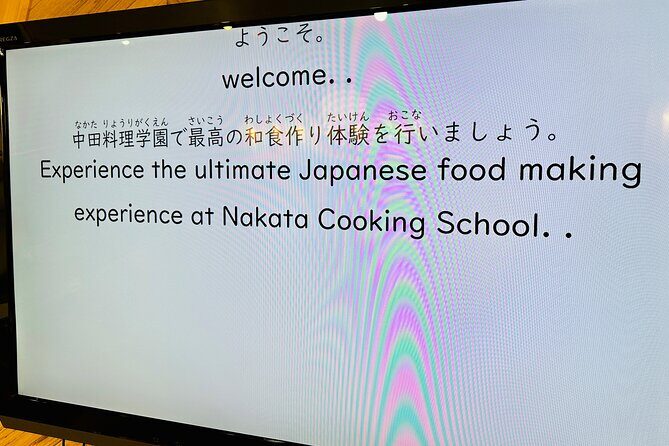
English support is one of the reasons this class is so smooth. You get real-time AI translation with both voice and text on a large screen, so you can follow explanations without playing catch-up.
This setup changes the vibe. Instead of hand signals and silence, you hear what the chef means, and you see it on screen too. That matters when instructions are technical—like sushi rice handling or rolled omelet timing—because you need the exact wording for what to watch.
It also helps with humor and personality. The chef-instructor, Seiji, is described as funny and engaging, and the translation system makes those exchanges actually land. Ikumi is part of the teaching team as well, and the tone coming through is friendly and patient, not stiff.
The small group size is another big deal. With a max of 8 travelers, you can ask questions and get direct feedback. You are not waiting for a crowd to move on before you fix your technique.
Knives, Photos, and Your Named Certificate
This class includes more than just cooking time—it’s built around tools and keepsakes.
You get premium Japanese kitchen knives to use during the class, plus an apron rental so you feel like a real cook in that moment. If you’re the type who always wants to buy a knife on trips, there’s an option here: participants can purchase premium Japanese knives during or around the experience.
If you want to go further, there is also an in-house Knife Museum option. The museum opening is listed as July 2025, and participants get a 10% discount on knives. That’s a nice add-on if your interest runs deeper than just cooking.
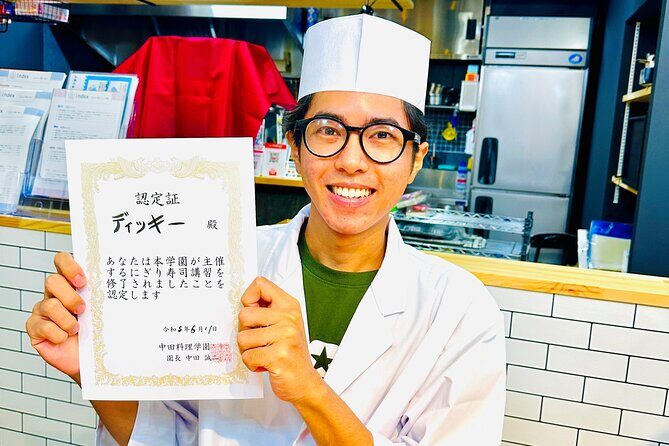
Then there are the photos and proof. Photos are taken during the class, and you receive a Japanese Certificate of Completion with your name. In the experience rhythm, this feels better than a random souvenir because it marks the work you did. You also get an English recipe emailed to you the day before, which is great for recall and for planning what to cook after you’re home.
Price and Value: Is $99.10 a Good Deal?
For $99.10 per person, you’re paying for a specific kind of experience: a short, intensive cooking session where you prepare five dishes, use premium knives, get translation support, eat everything you make, and receive recipes plus photos.
If you compare it to the usual cooking class pricing, this is strongest when you factor in three things:
- You leave with methods, not just a meal
- Ingredient quality is part of the lesson, especially with Omicho Market seafood
- You get the whole package: aperitif, tasting, recipe, photos, and a certificate
It’s not the cheapest option in Japan, but it also isn’t the kind of class where you just stand by while someone cooks. Here, you do the work. That’s what makes it feel like value rather than a ticket to eat.
One more value point: you’re near the station, which saves you time on a day when time is often the real cost. When schedules are tight, being 3 minutes away changes your whole plan.
Also, additional drinks are available for purchase, and tips are noted as not required. If you want a more relaxed meal vibe, the aperitif is already included.
Should You Book This Kanazawa Sushi and Japanese Cooking Class?
Book it if you want a hands-on Kanazawa food experience you can recreate later. You’ll likely love it if you care about sushi technique, want to understand dashi-based cooking, and enjoy learning regional dishes like Jibuni instead of only generic Japanese basics.
Skip it (or choose carefully) if you avoid fish-based dashi or need a vegan menu. The class states these dietary needs cannot be accommodated, and you cannot rely on same-day changes for other restrictions.
If your trip includes Kanazawa Station mornings or evenings, I’d also say yes because the location is so close. You can slot this in without turning your schedule into a stress test. And since free cancellation is available up to 24 hours before, you can book confidently and adjust if plans change.
FAQ
How long is the Kanazawa sushi and Japanese cooking class?
The class runs for about 2 hours 30 minutes.
Where does the class meet in Kanazawa?
You meet at Nakata Cooking School & Knife Shop, by appointment only, near Kanazawa Station (about 3 minutes away).
How many dishes will I cook?
You’ll cook and then taste five dishes: nigiri sushi, Jibuni, dashi-maki tamago, dashi broth, and a seasonal side dish plus miso soup.
Is this a hands-on class or a demonstration?
It is hands-on. You cook every dish with step-by-step guidance.
Is there English support during the class?
Yes. There is real-time AI translation (voice and text) shown on a large screen.
Can vegans or people who avoid fish-based dashi participate?
No. Vegan diets and guests avoiding fish-based dashi cannot be accommodated.
What do I receive at the end of the class?
You’ll receive a photo service during the experience and a Japanese Certificate of Completion with your name, plus an English recipe emailed to you the day before.
Are knives and knife shopping included?
Premium Japanese knives are used during the class, and there is an option for participants to purchase premium Japanese knives. An in-house Knife Museum option is also listed as opening in July 2025, with a 10% discount for participants.