Two places in one calm day. This private Nagoya to Shirakawa-go experience is built for flexibility: you get an English-speaking driver, door-to-door pickup and drop-off, and a 10-hour window where you choose how long you want to linger. You’ll also get a route that strings together Takayama sights, several regional food stops, and time in UNESCO Shirakawa-go for photos and sunset views.
I like two things most. First, the pacing is in your hands—short breaks, self-guided time, and room to adjust on the fly instead of being forced into a strict script. Second, the day is loaded with bite-sized regional experiences, from a morning market visit to multiple Hida-area food stops before you head to Shirakawa-go. The main drawback to keep in mind: this trip includes long road time, and the day format is more transport-plus-essential-info than a true walking guide, so if you want more hands-on guidance, you’ll need to request the Premium Guide add-on.
In This Review
- Key Things to Know Before You Go
- A 10-Hour Day From Nagoya You Can Actually Shape
- Private Driver vs. Full Walking Guide: What You’ll Really Get
- Long Road Time: Comfort Planning for Hot Days
- Takayama Break: Where the Day Starts to Feel Like Travel
- Miyagawa Morning Market: A Taste-First Stop
- Ajikura Tengoku: The Stop That’s Built for Breathers
- Hida Kotte Ushi and Hidagyu Maruaki: Food Stops With a Mission
- Ochuudo: A Short Food Finish Before Shirakawa-go
- UNESCO Shirakawa-go: Photos, Walking, and That Sunset Timing
- Price and Value: Is $548 Reasonable?
- Small Rules That Change How Smooth the Day Feels
- Who This Tour Fits Best
- Should You Book This Nagoya and Shirakawa-go Private Day?
- FAQ
- How long is the tour?
- Does this include an English-speaking driver?
- Where does the pickup happen?
- How much time do I get at Shirakawa-go?
- What is the overtime fee if I want more time?
- What languages can the driver speak?
- Is food included?
- Are there any rules about food or drinks in the vehicle?
- Are there child seat rules?
- What if my pickup is delayed?
- Is the tour wheelchair accessible?
Key Things to Know Before You Go
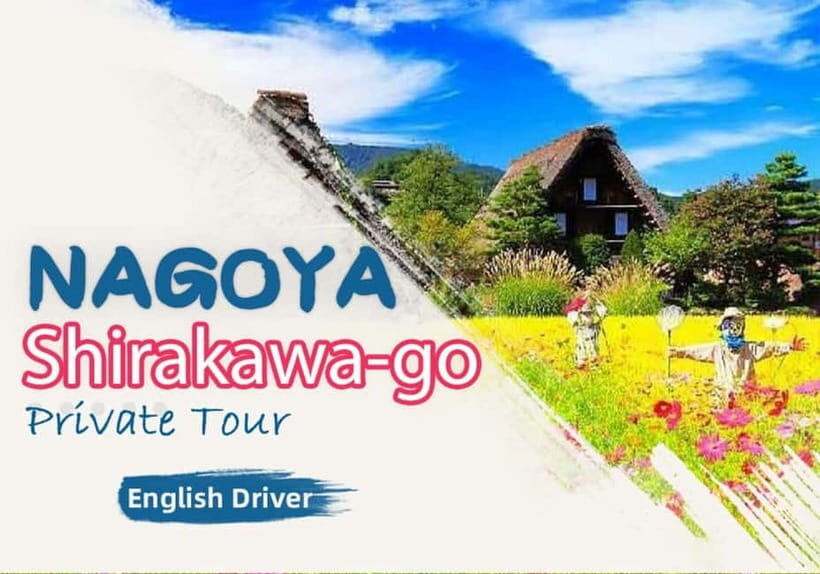
- English-speaking driver + your control: You choose stops and your pace, within a 10-hour window.
- UNESCO Shirakawa-go time for photos and walking: Sunset and scenic views are built in.
- Food-focused rhythm: Morning market and several regional tasting stops break up the day.
- Long travel legs: Expect several hours on the road; plan for heat and comfort.
- Not a full guided tour by default: You’ll get essential info, but not constant narration everywhere.
A 10-Hour Day From Nagoya You Can Actually Shape
This isn’t one of those tours where the schedule owns you. The heart of the experience is the private English-speaking driver and a flexible 10-hour block that starts at pickup. If you pick up at 9:00 AM, you’re looking at about a 7:00 PM finish. If you want more time on-site, you can extend by ¥5,000 per extra hour, paid in cash to the driver.
That structure matters because Nagoya and Shirakawa-go aren’t “quick in and out” places. You’ll want time to wander, take photos without rushing, and shop if something catches your eye. The driver also handles navigation and traffic so you can focus on the day instead of constantly checking maps.
One small but important point: punctuality rules apply. Your 10-hour window shortens if the pickup starts late, so it’s worth being ready on time at the pickup spot.
Other Shirakawa-go and gassho-zukuri village tours in Shirakawa
Private Driver vs. Full Walking Guide: What You’ll Really Get
Here’s the clear trade-off. The driver is there for safe transport and essential information, not a nonstop, in-depth guide service at every stop. You’ll get enough context to know what to look for, but your time in places like markets and village streets is largely self-guided.
If you were imagining the guide holding your hand through every viewpoint and explaining details sentence-by-sentence, adjust your expectations. One strong way to get what you want is to ask for the Premium Guide add-on for deeper, on-the-ground guidance.
Also, the language setup is flexible: the driver can speak Chinese, English, Japanese, or Traditional Chinese. Practically, that means your communication should be smooth as long as you confirm preferences during planning and use the WhatsApp chat for day-of coordination.
Long Road Time: Comfort Planning for Hot Days
The route has big travel blocks—several hours of road time each direction. The day format includes coach-style travel segments as part of the overall plan, and that can feel very different depending on the season and the vehicle’s air-conditioning strength.
If you’re going in summer (especially August), plan like you’re already expecting heat. Wear breathable layers, bring water outside the vehicle rules, and have a light way to cool down during breaks. It’s also smart to keep your day organized: snacks for yourself are not included, and food or drinks aren’t allowed inside the vehicle, so you’ll want to use market and tasting stops to fuel up.
Takayama Break: Where the Day Starts to Feel Like Travel
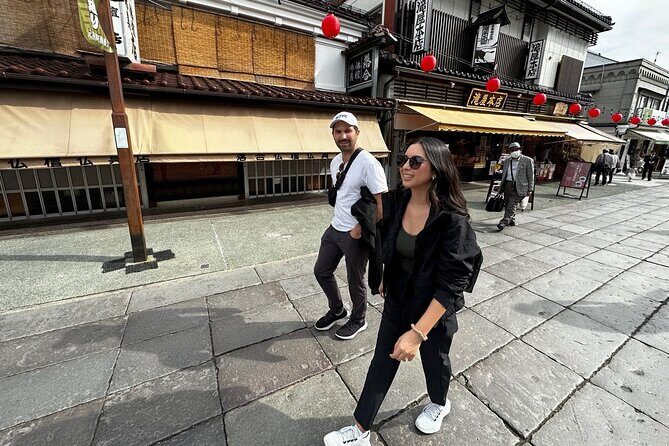
Takayama is one of the most satisfying ways to break up the drive from Nagoya toward the mountains. You’ll get about 2.5 hours here, including free time, sightseeing, walking, and shopping. It’s a decent chunk of time—not so long that you feel trapped in one town, and not so short that you can only take photos and run.
What makes this stop valuable is that it puts you into “old-town Japan” mode before you head into the UNESCO village experience. You can browse at your speed, pause for regional snacks, and get a feel for mountain-town pacing. If you like discovering side streets and small shops, this is where you can do it without feeling like you must hit every single sight.
The realistic drawback: during longer travel days, Takayama can end up feeling like a well-paced break rather than a deep exploration. That’s not bad—it’s just the correct mental model for this tour style.
Miyagawa Morning Market: A Taste-First Stop
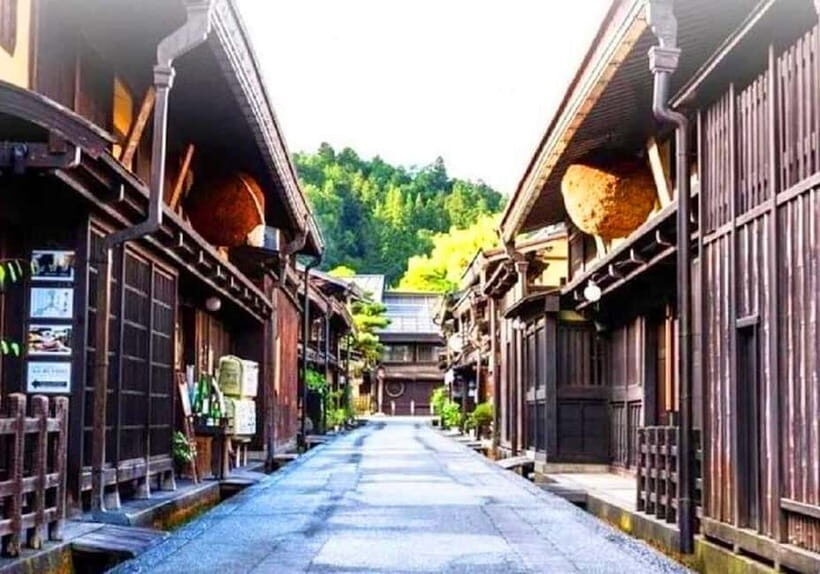
After Takayama, the day turns food-forward with a visit to Miyagawa Morning Market (about 1 hour). This is the kind of stop you’ll appreciate if you like grazing—trying a few things, watching what’s being prepared, and picking up small souvenirs.
Because the time is limited, go in with a simple plan: decide what you’re willing to try, not everything. You’ll get the most out of it by sampling a couple of items you can actually finish and saving room for the later tasting stops.
Also, the market atmosphere is exactly the kind of place where being hungry helps. If you arrive already full from Takayama snacks, you might feel rushed. If you arrive hungry (within reason), you’ll enjoy the experience more.
Ajikura Tengoku: The Stop That’s Built for Breathers
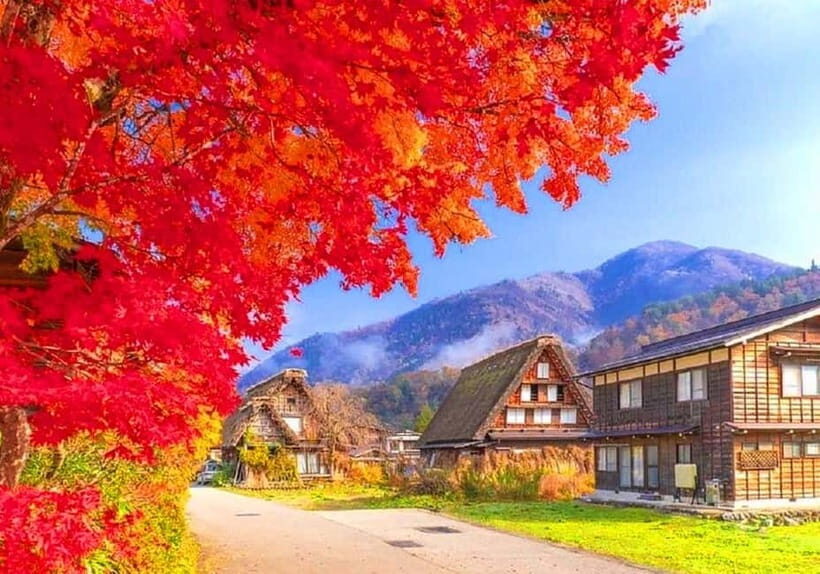
Next up is Ajikura Tengoku with about 1 hour including a break and free time. There’s also regional food tasting here. Think of this as a reset point in the middle of the long day: stretch your legs, step away from the travel rhythm, and take photos if the viewpoint is offering good angles.
Because the schedule is tight, you’ll want to treat this like a practical pause, not a “linger for hours” attraction. Still, stops like this are a big deal on a day that’s otherwise heavy on road time.
Hida Kotte Ushi and Hidagyu Maruaki: Food Stops With a Mission
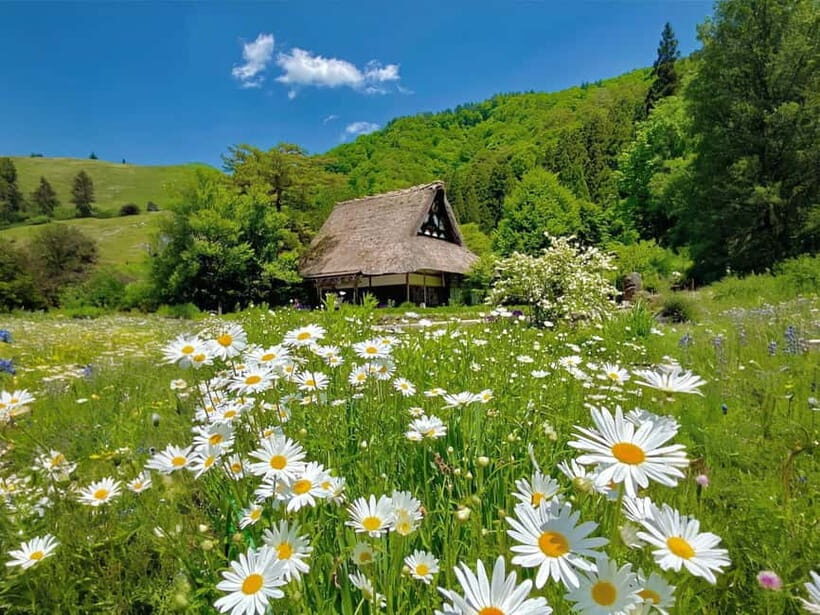
Two of the tasting blocks are clearly aimed at meat-and-food lovers: Hida Kotte Ushi and Hidagyu Maruaki. Each gets about 1 hour, with food tasting and time to explore the area.
Here’s how to get value from stops like these: don’t approach them like a menu-shopping expedition. Approach them like sampling stations. Pick what seems popular or best suited to your tastes, try one or two items, and move on. If you try to do too much, you’ll lose the joy and end up eating slower than planned.
One more thing: your food options are at your expense. The tour is built around the opportunity to taste and snack, but it doesn’t provide your full meal plan. Budget so you don’t feel stuck later in the day.
Ochuudo: A Short Food Finish Before Shirakawa-go
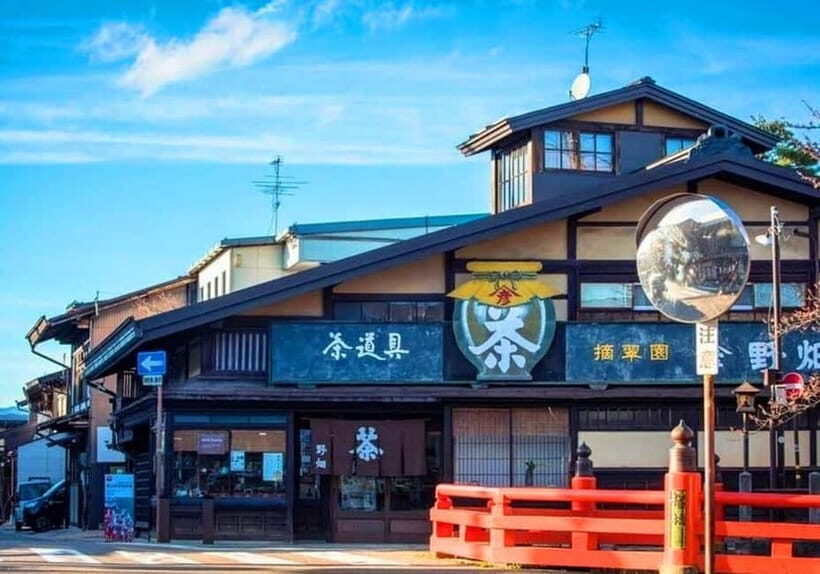
You’ll finish with Ochuudo for about 45 minutes, including a visit and food tasting time. This stop works like a bridge—enough time to grab something, but not enough time to overcommit.
If you’re the type who wants to shop in Shirakawa-go, this is the moment to balance your energy. Eat enough so you can enjoy walking in the village. Don’t go so heavy that you feel slow on the cobblestones and scenic paths.
UNESCO Shirakawa-go: Photos, Walking, and That Sunset Timing
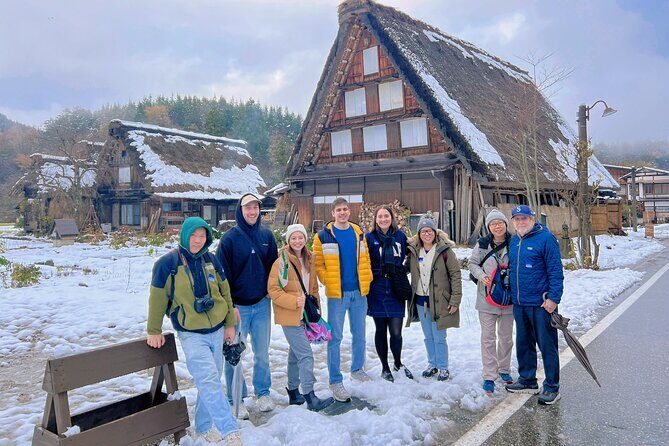
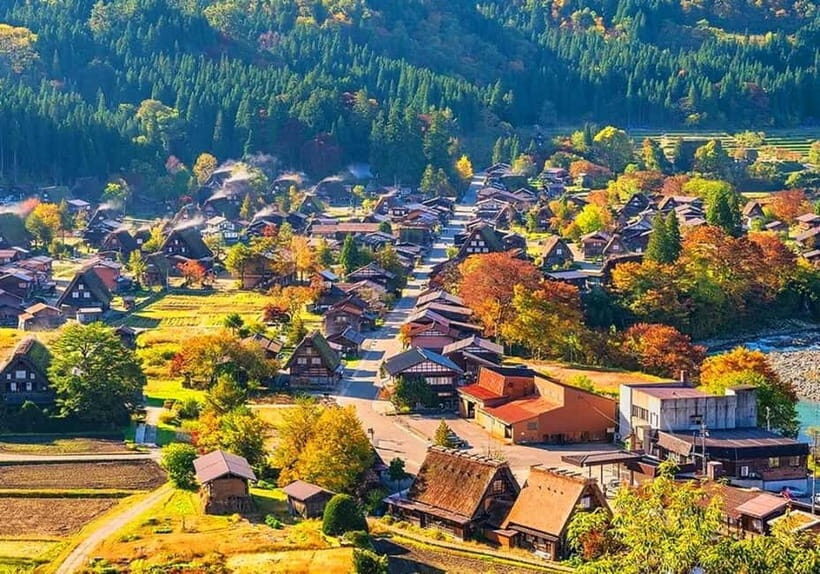
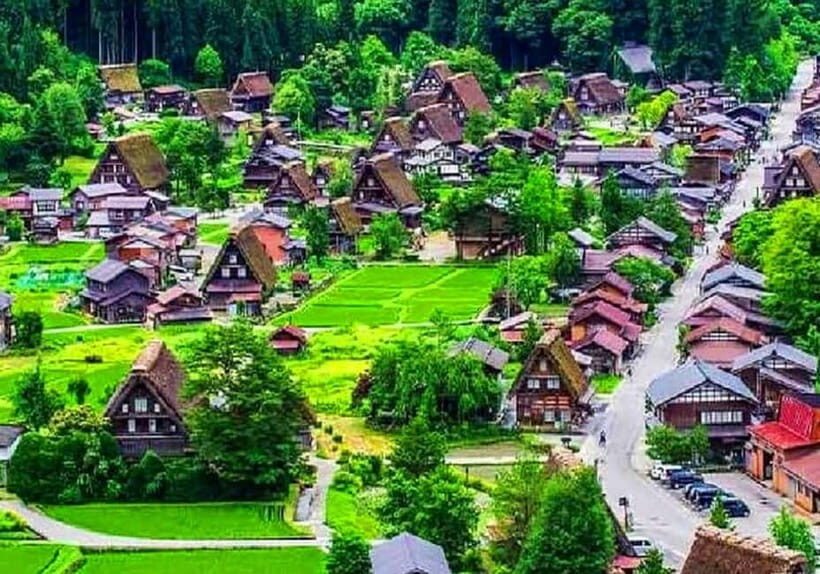
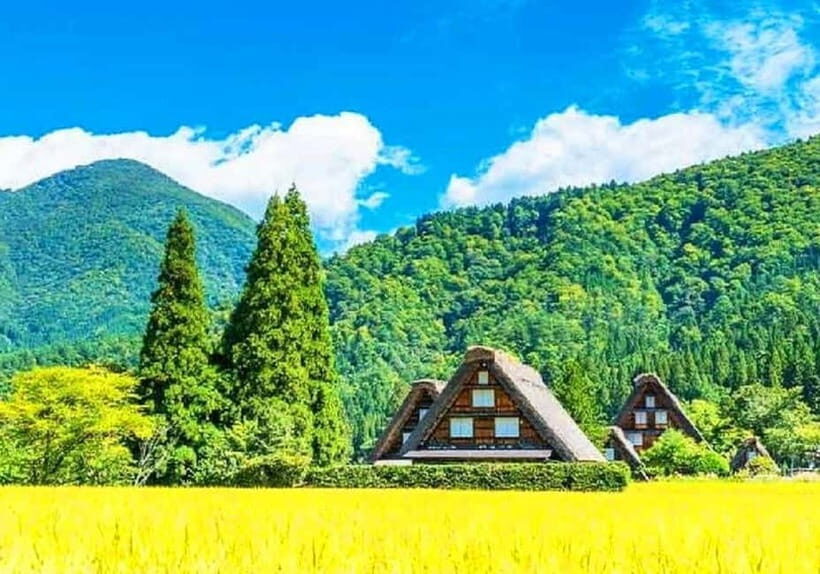
Then you arrive at Shirakawa-go, with about 1.5 hours. This includes free time, sightseeing, walking, and time built around sunset and scenic views on the way in.
This is the portion of the day where the payoff becomes obvious. Even without a constant narration, the village atmosphere gives you natural “pause points.” You can wander at your own speed, photograph freely, and use the sunset timing for those softer light shots.
Practical tip: treat your 1.5 hours like it’s two mini-chunks—time to walk and see, then time to settle into photos. If you spend the first half only locating viewpoints, you might rush the sunset window.
Also, keep in mind you’ll likely be in cooler mountain air as the day ends, even if Nagoya felt warm. Bring layers you can peel on and off.
Price and Value: Is $548 Reasonable?
At $548 per person for a 10-hour private day with an English-speaking driver, this price makes sense if you value three things:
- Door-to-door convenience. You don’t have to coordinate transit timing from Nagoya to get to Takayama-area stops and then into Shirakawa-go.
- Flexibility. You aren’t locked into a rigid timetable for every minute. You can spend more time where you care most.
- Language support. Even if you’re comfortable with basic travel phrases, having a driver who can handle communication and essential explanations removes stress.
That said, this price won’t feel like a bargain if what you want is a full guide-led tour with long, guided walks at every stop. By design, the driver is transport + essential info, not a constant guide service. If you’re a hands-on sightseeing person, the Premium Guide add-on may be worth considering.
Small Rules That Change How Smooth the Day Feels
A few “quiet” logistics matter more than you’d think.
- No smoking, no alcohol, and no food or drinks inside the vehicle. Plan to handle snacks at the stops.
- Seat rules matter: everyone needs a seat; no lap-sitting for safety. If you travel with an infant under 3 and you request it, car seats are free.
- WhatsApp coordination: after booking, you should share your WhatsApp number so they can set up a one-on-one chat for day-of updates. Keep WhatsApp active for real-time changes.
- Wheelchair accessible: the tour is listed as wheelchair accessible, but it’s not suitable for people over 95 years old.
These aren’t just policy fine print. They affect comfort, planning, and how smoothly the driver can manage timing.
Who This Tour Fits Best
This experience is a strong fit if you:
- Want a private, English-support day without the stress of transfers and navigation.
- Prefer self-guided freedom at key stops, especially in Shirakawa-go.
- Enjoy regional food moments and want planned tasting breaks across Hida-area stops.
- Like road-trip days as long as the driver handles the driving, timing, and traffic.
It’s less ideal if you:
- Want a full walking guide at every site by default.
- Get uncomfortable with long road time and quick stop turnover.
- Need maximum on-site time for Shirakawa-go specifically (1.5 hours is nice, but it’s still limited—extensions are possible).
Should You Book This Nagoya and Shirakawa-go Private Day?
I’d book this if you want an easy, flexible day that connects Nagoya with UNESCO Shirakawa-go without complicated planning. The private driver, the English support, and the ability to extend time in cash make it practical.
I’d think twice if you’re the type who expects the guide to act like a full-time storyteller at every stop. In that case, consider adding the Premium Guide so the day matches your style.
If you’re going with your own pace in mind—walk, photograph, snack, repeat—this is a good way to spend 10 hours in central Japan without turning the day into a logistics puzzle.
FAQ
How long is the tour?
The private tour is set for a 10-hour window, starting at your pickup time and ending 10 hours later unless you extend.
Does this include an English-speaking driver?
Yes. You’ll have a private English-speaking driver and vehicle, with essential info provided during the day.
Where does the pickup happen?
Pickup and drop-off are from Nagoya (your pickup location is provided as Nagoya in the plan).
How much time do I get at Shirakawa-go?
You get about 1.5 hours at Shirakawa-go, including free time, sightseeing, walking, and sunset/scenic-view time.
What is the overtime fee if I want more time?
You can extend the tour for ¥5,000 per extra hour. This is payable in cash to the driver.
What languages can the driver speak?
The driver can speak Chinese, English, Japanese, and Traditional Chinese.
Is food included?
Food and beverage are not included at your expense. There are tasting opportunities at several stops, but you pay for what you eat.
Are there any rules about food or drinks in the vehicle?
Yes. Smoking, alcoholic drinks, and food and drinks in the vehicle are not allowed.
Are there child seat rules?
Yes. Children aged and above need full-price seats (no lap-sitting). Car seats for infants under 3 are free when requested.
What if my pickup is delayed?
The 10-hour window starts at pickup time. Any delay will shorten your tour, though you can add extra time if you need it later.
Is the tour wheelchair accessible?
It is listed as wheelchair accessible. However, it is not suitable for people over 95 years old.