Thatched roofs and Edo streets in one day.
This tour stitches together Shirakawa-go’s UNESCO quiet and Hida-Takayama’s old-town charm with round-trip bus comfort from Nagoya, so you don’t have to juggle trains and transfers. It’s a long day, but the pace is designed to keep you moving between photo stops and real wandering time.
I love two things most: the chance to walk inside the world of Gassho-zukuri farmhouses, and the freedom to browse Sanmachi Old Town District shops at your own rhythm. You also get a multilingual guide and a driver, which matters on a day when timing is everything.
One possible drawback: meals are on your own, and the whole schedule is tight. Add weather (or traffic), and you’ll want to be flexible—especially around the optional observation deck, which has specific closure dates.
In This Review
- Key points I’d plan around
- Why Shirakawa-go and Takayama make sense in a single day
- Nagoya pickup: the part that decides whether the day feels easy
- Hida-Takayama: Sanmachi Old Town, crafts, and a real food mission
- Shirakawa-go Gassho Village: steep roofs, snow logic, and museum-style learning
- Shiroyama Viewpoint and the optional Tenshukaku observation deck
- Ochudo Café: the One Piece stop that still feels cozy
- Price and value: what $57 covers (and what it doesn’t)
- Tips that make the schedule feel smoother
- Should you book this Nagoya Shirakawa-go & Takayama day trip?
- FAQ
- What time does the tour start in Nagoya, and where do I meet?
- How long is the day trip?
- How much time will I have in Takayama and Shirakawa-go?
- Is lunch or other food included?
- Is the Shiroyama observation deck included?
- What languages does the guide speak?
- What should I bring, and is food allowed on the bus?
Key points I’d plan around
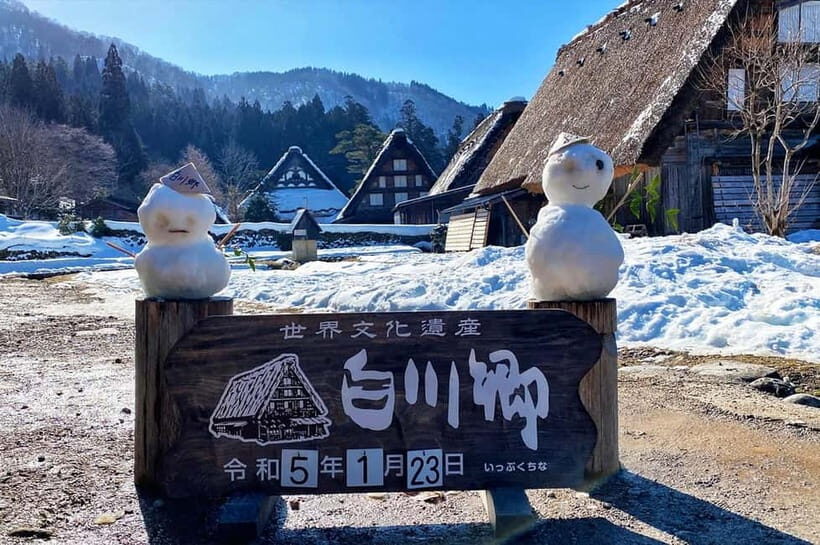
- UNESCO Shirakawa-go time: Steep thatched farmhouses, traditional houses, and a viewpoint that frames the village from above.
- Hida-Takayama old-town wandering: Preserved wooden merchant streets, craft shops, and classic local foods.
- A guide that helps you find the best bits: Explanations in English/Chinese/Japanese, plus help spotting photo-friendly spots.
- Optional Shiroyama observation deck: Access is only included if you select that option, and it can close on set dates.
- No food on the bus: You’ll want cash and snacks planned for between stops.
- Email the night before: Vehicle and guide details arrive between 20:00 and 21:00, and missing it can make pickup feel stressful.
Why Shirakawa-go and Takayama make sense in a single day
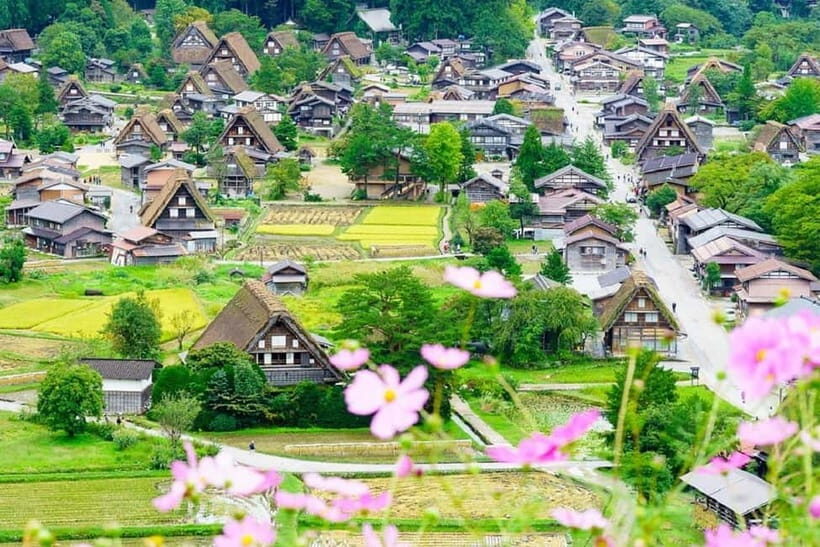
Pairing these two places is smart. Hida-Takayama gives you the human-scale side of old Japan—wooden townhouses, small craft shops, and streets that feel made for strolling. Then Shirakawa-go switches the setting to mountain rural life, with Gassho-zukuri farmhouses built to handle heavy snow. Together, they show you two sides of Japan’s “traditional” culture: town craftsmanship first, then country architecture.
For you, the big win is logistics. Traveling from Nagoya to remote mountain towns is the kind of thing that can turn into stress if you go DIY. This tour handles the long coach rides and parking, so you can focus on walking, looking, and eating.
Other Shirakawa-go and gassho-zukuri village tours in Shirakawa
Nagoya pickup: the part that decides whether the day feels easy
The tour starts at 9:00AM. Meet your guide at MINISTOP, behind BIC CAMERA on the West Exit of Nagoya Station. Your guide will be holding a yellow flag.
Here’s the practical tip that can save your morning: the company sends an email between 20:00 and 21:00 the day before with vehicle and guide details. That message can get sorted into junk mail, so check both inbox and spam. On a shared group tour, the pickup spot stays the same—but the bus type can vary based on headcount.
Once you’re on board, the ride is air-conditioned and straight. The schedule includes a couple of coach legs (so you can rest your feet), and the guide can adjust how long you stay at scenic points if weather or traffic runs the day long. That flexibility matters in the mountains.
Hida-Takayama: Sanmachi Old Town, crafts, and a real food mission
You’ll spend about 2.5 hours in Takayama—enough time to get your bearings, grab a meal, and actually browse instead of just snapping photos while walking fast.
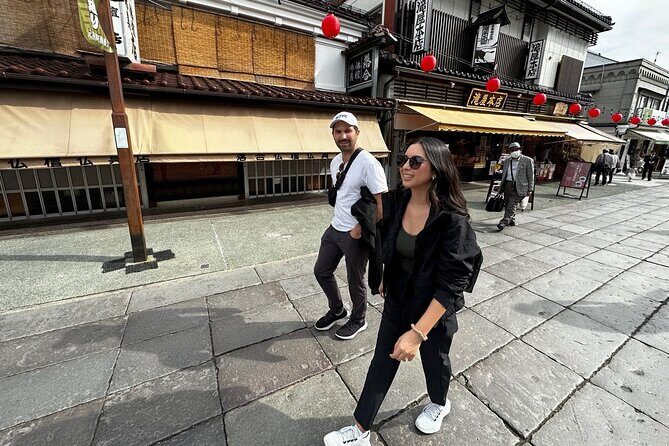
Expect preserved old streets with wooden merchant houses and shopfronts that make the whole area feel like an Edo-era corridor. There’s even a gentle sense of water running alongside the roads, which adds that calm “old town” atmosphere you’re looking for.
Sanmachi Old Town District is the center of it all. This is where you’ll find:
- Craft shops with traditional items (woodwork, lacquerware, and handmade lanterns)
- Photo-friendly streets where you can slow down
- Local food you can treat like a snack-hunt
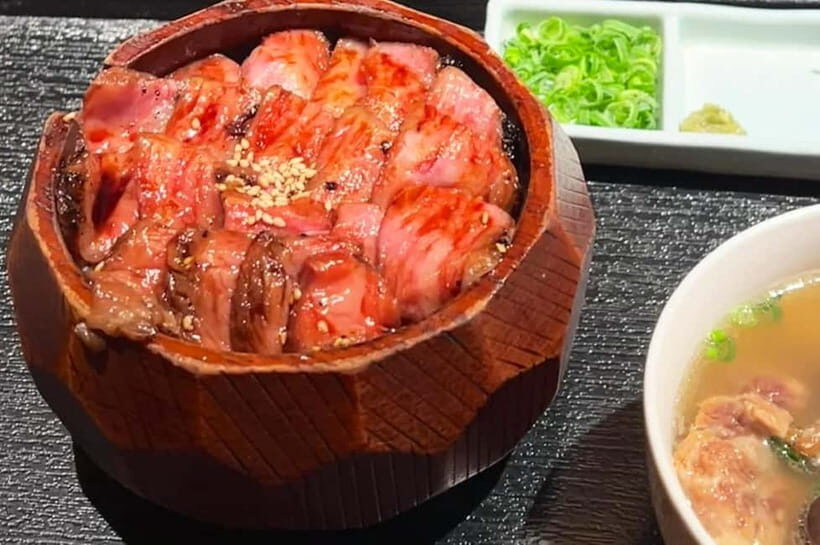
Your food options here are specific and genuinely worth planning around, like Hida beef sushi, Takayama ramen, and sweet rice dumplings. Since food isn’t included, I recommend setting aside some cash for lunch or mid-afternoon bites. If you eat lightly before the trip, you’ll enjoy this stop more because you’ll be able to taste more than one thing without feeling stuffed.
A small timing note: you’ll also have a photo stop before free time begins. If you’re traveling with a camera, keep it ready early. This is the kind of day where you’ll get the best shots when you don’t waste time fiddling with bags.
Shirakawa-go Gassho Village: steep roofs, snow logic, and museum-style learning
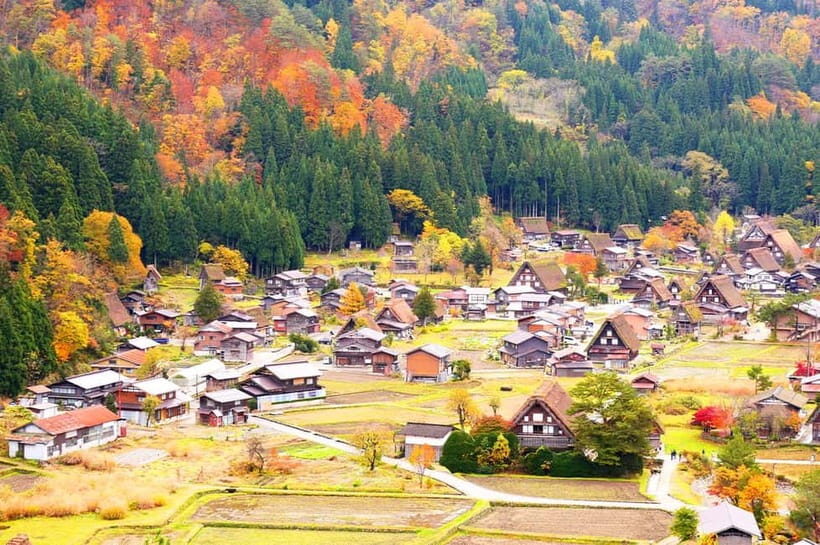
After Takayama, the coach heads into Gifu’s mountain area. In Shirakawa-go, you’ll have about 1.5 hours for photo time, visiting, and sightseeing. That’s short, but it’s not random—this stop is built around the village’s key story: architecture that evolved to survive extreme winter weather.
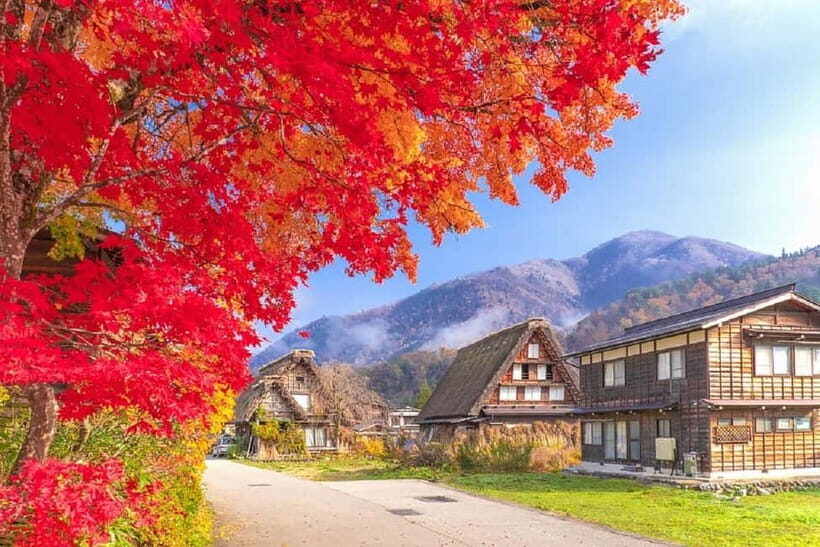
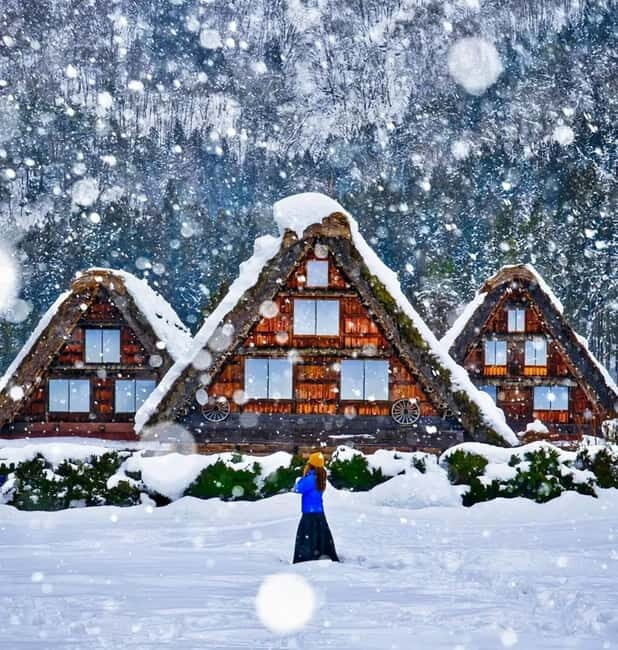
Look up first. The Gassho-zukuri thatched roofs are the headline. These are steep roofs designed for heavy snow load, and seeing them in person gives you a better feel for why they’re shaped the way they are. Then look closer at the houses themselves—traditional construction and layout reflect rural life, not just “pretty scenery.”
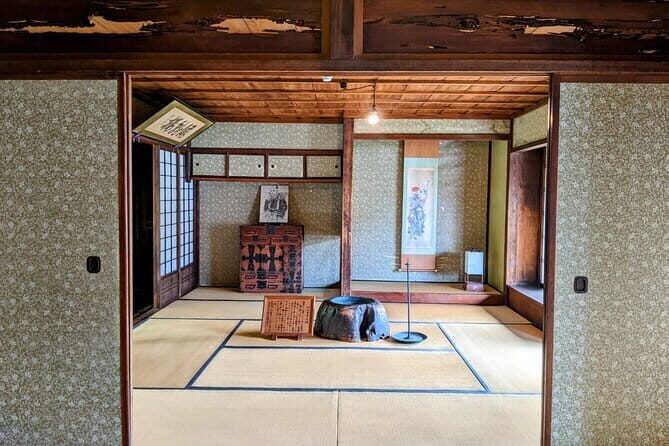
Inside the village area, you can also check out traditional houses and local museums to understand how people lived and how the buildings were designed and maintained. Even if you only skim the exhibits, you’ll come away with a clearer sense of the village as a living place in the past, not just a theme-park set.
One thing to consider: because winter conditions can shape the atmosphere, you might find paths busier or visibility changes with weather. Wear comfortable shoes and plan for uneven ground. Bring your camera, but don’t let it steal your entire stop—walk a few lanes slowly to get those roof-to-roof viewpoints that feel different from the obvious photo spots.
Shiroyama Viewpoint and the optional Tenshukaku observation deck
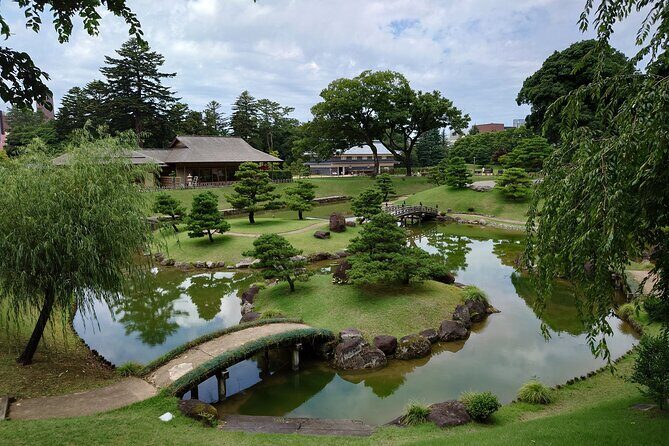
This is where the day turns scenic. The tour includes a photo stop at Shiroyama and a viewpoint moment where you can see the village from above. The view is often described as a panorama framed by distant snowy peaks, and even when it isn’t fully snowy, being higher makes Shirakawa-go feel like a complete scene.
There’s also an optional add-on for access to the Shiroyama Tenshukaku Observation Deck. You have to select that option; it’s not automatic. And access can be closed on specific dates that change irregularly. The listed closure dates include:
- June 18, 25
- July 2, 9, 10, 14, 15, 16, 23, 30
- August 6, 20, 27
So if you’re traveling around those periods, double-check before you go. If the deck is closed and you didn’t select the access option (or it’s unavailable), you’ll still have the viewpoint photo time—just without the extra height.
Practical move: if the weather looks clear, this is a great point to swap from “walking shoes” brain to “tripod-free photo brain.” Get your angles quickly, then give yourself time to enjoy the view without rushing every frame.
Ochudo Café: the One Piece stop that still feels cozy
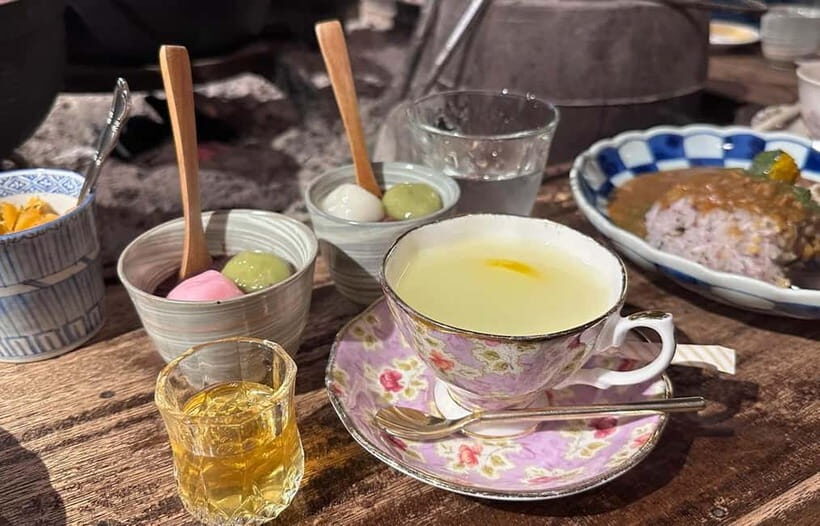
One of the most fun surprises on this tour is Ochudo Café, a fan favorite connected to One Piece. The café appeared in One Piece Chapter 566, and artwork gifted by the creator Eiichiro Oda is part of what you can see when you stop in.
Instead of treating it like a checklist stop, treat it like a breather. You can sip sweet red bean porridge by the hearth, which pairs nicely with a mountain day when temperatures can feel cooler than in the city. The manga connection adds energy, but the comfort factor is what makes it land.
If you’re a fan, you’ll appreciate the extra context. If you’re not, you can still enjoy the café as a warm pause between outdoor views. Either way, it’s a good moment to reset.
Price and value: what $57 covers (and what it doesn’t)
At about $57 per person for a 10-hour day, this isn’t trying to be a budget-only ride. The value comes from what’s included:
- Round-trip pickup and drop-off at your Nagoya meeting point
- A multilingual live guide (English, Chinese, Japanese)
- A driver and air-conditioned bus transportation
- Parking fees
- Group pacing that reduces the stress of connections
What’s not included is just as important: food and drinks are on your own. That means you control what you eat (and how adventurous you want to be), but you should budget for it. Also, food isn’t allowed in the vehicle, so plan to eat at the stops, not while rolling along.
In real terms, you’re paying for time and reduced friction. If you’ve ever tried to coordinate Nagoya-to-mountain travel on your own, you already know the hidden costs: taxi hassles, schedule risk, and the time you lose between transfers. For many people, that’s where the $57 turns into a fair deal.
Tips that make the schedule feel smoother
A long day trip is only enjoyable if you make it easy on yourself. Here’s what I’d do with your day:
Wear comfortable shoes. Shirakawa-go and viewpoint areas involve walking and some uneven footing. Bring a camera, but also bring patience—these stops are designed around short windows where you need to be ready quickly.
Take some cash for personal expenses. Since food and drinks aren’t included, cash helps you avoid any last-minute scrambling when you decide you want to try another snack.
Dress for weather. Mountain areas can shift fast. Even if you think you’re going for a “picturesque day,” you’ll want weather-appropriate clothing so you can enjoy viewpoints without feeling miserable.
Finally, follow the guide instructions at pickup and during transitions. You’re in a shared group tour with people from different countries, and the guide uses multiple languages. That’s great—but it also means everyone moves together, so stay alert when the coach is ready to depart.
Should you book this Nagoya Shirakawa-go & Takayama day trip?
I’d book it if you want traditional Japan without the planning headache. This is a strong choice if:
- You’re short on time in Nagoya and want a full day in the mountains
- You like guided context (why roofs look the way they do, what old streets represent)
- You want to walk through both a town district and a UNESCO village in one shot
I’d think twice if:
- You’re very food-focused and want a fully planned meal experience (since food isn’t included)
- You hate tight schedules and prefer long, slow stays
- You need wheelchair accessibility (this tour isn’t suitable for wheelchair users)
One last practical note: do not ignore that night-before email. Even when everything goes smoothly, this kind of group pickup works best when you arrive knowing which vehicle you’re getting on.
If you’re going to prioritize atmosphere over ticking boxes, you’ll come away with a memorable contrast: wooden streets in Hida-Takayama, then the snow-ready farmhouses of Shirakawa-go, capped by a warm café stop tied to One Piece.
FAQ
What time does the tour start in Nagoya, and where do I meet?
The tour departs at 9:00AM. Meet your guide at MINISTOP, behind BIC CAMERA on the West Exit of Nagoya Station. The guide will be holding a yellow flag.
How long is the day trip?
The duration is 10 hours, including round-trip transportation.
How much time will I have in Takayama and Shirakawa-go?
You’ll have about 2.5 hours in Takayama and about 1.5 hours in Shirakawa-go, with the rest of the time used for bus travel, photo stops, and the viewpoint.
Is lunch or other food included?
No. Food and drinks are not included. You can buy meals and snacks at the stops.
Is the Shiroyama observation deck included?
Access to the Shiroyama Tenshukaku Observation Deck is optional. You need to select the option that includes access. The deck can be closed on specific dates, including June 18 and 25, and multiple dates in July and August listed in the tour details.
What languages does the guide speak?
The live guide provides English, Chinese, and Japanese.
What should I bring, and is food allowed on the bus?
Bring comfortable shoes, a camera, and weather-appropriate clothing. Food is not allowed in the vehicle. Also, take some cash for personal expenses.