Takayama can feel like a museum you can walk through. This private full-day tour is built around getting your bearings fast, using Japan’s public transport, and then zooming in on the places that actually explain Takayama’s old-town character. I like that you’re not locked into a one-size itinerary: you’ll customize the day by choosing 3–4 sites from a menu, so your time matches your interests.
The main thing to keep in mind is that this is a walking tour, and while some stops are free, you’ll pay extra for transportation and any admissions tied to the sites you pick (plus lunch is on your own tab).
In This Review
- Key highlights at a glance
- Why Takayama feels different with a licensed guide
- Price and logistics: what you’re paying for (and what you still cover)
- The 9am meetup and how the day moves (without exhausting you)
- Choosing your 3–4 stops: how to make the day match your interests
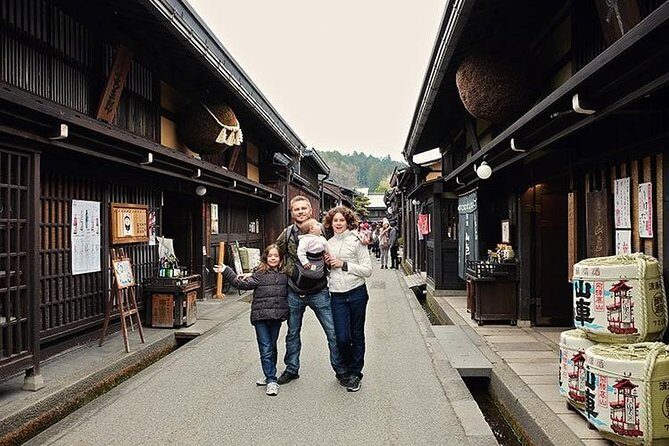
- Sanmachi Street: Edo-era streets that teach you how Takayama lived
- Hida no Sato: the open-air museum that makes farming culture real
- Takayama Jinya: where timber wealth turned into government power
- Teramachi and Shiroyama: the relaxed Higashiyama walking course
- Takayama Festival season energy: floats, replicas, and meaning
- Morning markets: Miyagawa Asaichi for everyday Takayama flavor
- Temples and shrines that connect to the festival
- Hida Kokubun-ji Temple and its iconic pagoda
- Sakurayama Hachimangu Shrine and the autumn festival connection
- Folk museums and heritage houses: Kusakabe and Yoshijima
- Kusakabe Folk Museum
- Yoshijima Heritage House
- Showa-kan and Retro Museum: a fun break from only old Japan
- Lunch and Hida beef: how to plan without overspending
- The best fit: who this Takayama private day works for
- Should you book this Takayama private tour?
- FAQ
- Is this a walking tour?
- How many stops can I choose?
- Are entrance fees and lunch included?
- How long is the tour?
- Is it private?
- What can I expect the guide to handle?
Key highlights at a glance

- Licensed local English guide who can translate more than just signs
- Pick 3–4 sites from a strong mix of old town, culture, and festival-linked stops
- Free sights sprinkled throughout, so you’re not paying every few blocks
- Takayama Festival focus via the float halls and festival museums
- Morning market timing (daily from about 7:00 to noon, with a winter shift) for real local energy
- Showa nostalgia options if you’d rather see modern-era culture than only feudal Japan
Why Takayama feels different with a licensed guide
Takayama rewards slow attention. Without context, you can end up speed-reading doorways, plaques, and wooden beams like it’s a homework assignment. With a licensed guide, you get the “why” behind what you’re seeing—especially in places like government buildings, temple complexes, and the float-related museum spaces.
This tour is private, so you can ask questions as you go. And the guide support is real: named guides associated with this experience include Akane Ito, Yuriko (Lily), and Elvis—people who, based on past guests’ notes, kept the day lively and tailored.
One more practical win: Takayama’s best spots are close enough to connect, but far enough apart that a route built on local logic saves you time and energy. I like that this experience is designed around that rhythm instead of treating the day like a checklist sprint.
Other Takayama walking tours and old-town experiences
Price and logistics: what you’re paying for (and what you still cover)
At $153.50 per person for about 6 hours, the value is mainly in the private guide time plus the ability to shape your day. You’re also getting the convenience of a planned structure, a meetup point in Takayama, and a guide who escorts you between stops.
Here’s the cost reality you should plan for:
- Transportation fees are not included, and your guide uses public transport with an extra fee. (So budget a bit for transit.)
- Entrance fees vary by stop. Some key sights are free; others are not included.
- Lunch isn’t included, and any food like Hida beef is on you.
- You can’t merge groups, so this is truly kept to your party.
Is it worth it? If you want a guided flow—history, festival meaning, and local explanations—this price can be fair. If you’re the type who prefers to wander alone with a map and a phone translation app, you might feel the guide adds less. That’s not a bad thing. It’s just a fit question.
The 9am meetup and how the day moves (without exhausting you)
You meet your guide at 9:00am and pickup is offered on foot within a designated area. That sounds small, but it matters. You’re not dealing with a complicated vehicle transfer. You’re starting your day in walkable Takayama zones and building momentum right away.
Because it’s a private tour, your pace can adjust to your group. You’ll also notice the itinerary is built around clusters:
- old-town streets and traditional buildings
- festival-focused sites that connect visually and thematically
- markets plus a few museum stops for context
The tour is near public transportation, and service animals are allowed. Most people can participate, but if you have limited mobility, the walking-heavy nature is worth considering before booking. You’ll likely want to choose fewer sites and keep breaks in mind.
Choosing your 3–4 stops: how to make the day match your interests
The tour is customizable, so you’re effectively assembling your own “Takayama story.” The best way to decide is to pick your theme first:
- Old-town Edo atmosphere: Sanmachi Street + a folk museum (Hida no Sato or Kusakabe)
- Festival culture: Takayama Festival Floats Exhibition Hall + the festival museum areas
- Local daily life: Miyagawa Morning Market
- Temples and shrines: Higashiyama Walking Course, Hida Kokubun-ji, Sakurayama Hachimangu
- Time-travel mode: Showa-kan or Hida Takayama Retro Museum
If you’re choosing only 3 stops, I’d mix one “exterior streets” area (easy photos), one “structure/meaning” site (jinya, temple, shrine), and one “festival or market” stop. It keeps the day from feeling either too static or too hectic.
Sanmachi Street: Edo-era streets that teach you how Takayama lived
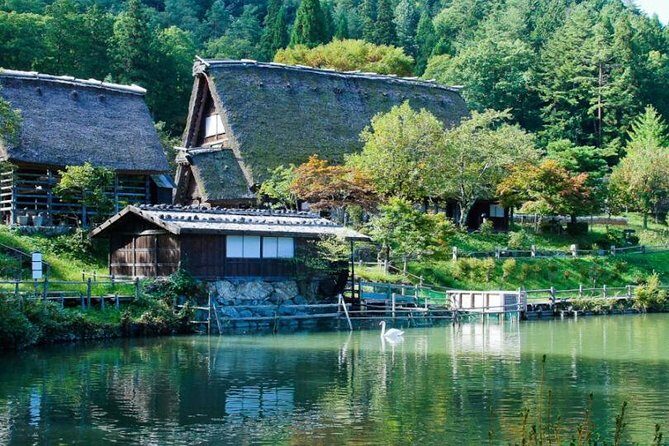
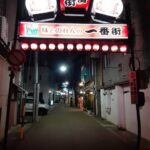
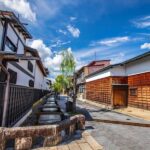
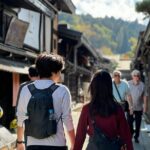
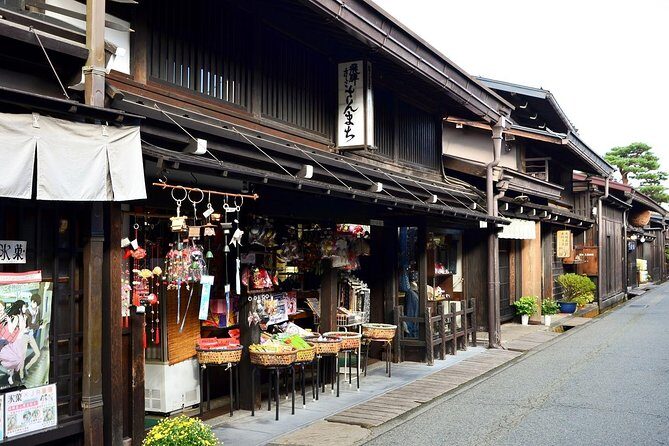
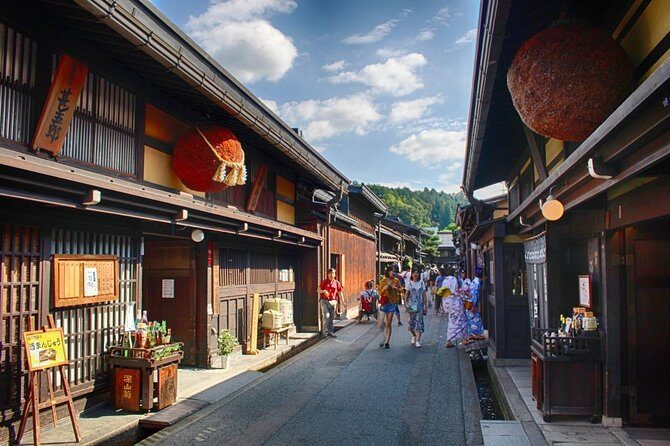
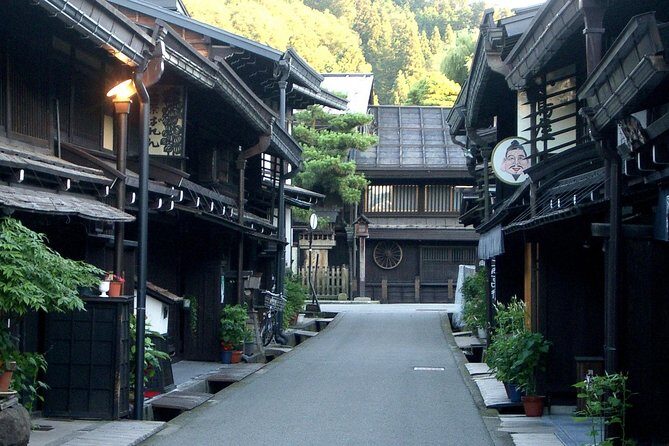
Sanmachi Street (Sanmachi Suji) is a classic old-town sightseeing area with houses and shops from the Edo period (1603–1868). The layout is the point. As you walk, you’ll notice how shopfronts and home designs line up, and how goods and daily life were built into the street plan.
This stop is listed with free admission, so it’s a great starting block. It’s also one of those places where a guide can help you look past the obvious postcard views. You’ll get more out of it if you ask what types of local specialties show up here and why these buildings remained important.
A small caution: Sanmachi is popular, so it can feel busy depending on when you go. Still, it’s worth doing early in the day—before you’ve accumulated museum fatigue.
Other guided tours in Takayama



Hida no Sato: the open-air museum that makes farming culture real
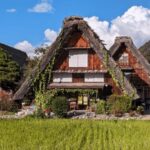
Hida no Sato (Hida Folk Village) is an open-air museum showing over 30 traditional houses from the Hida region around Takayama. Instead of reading about rural life in a chapter, you walk through the physical spaces.
The big value here is understanding how architecture adapts to a mountainous climate and a working landscape. Even if you’re not an “architecture person,” the variety of houses gives you an intuitive sense of local life patterns.
This stop is also marked free admission, which makes it an easy win. Downside? Open-air museums reward time. If you’re trying to cram too many stops, this one can feel like it needs an extra half-hour to fully click.
Takayama Jinya: where timber wealth turned into government power
Takayama Jinya was the local government office under direct control of the Tokugawa shogunate, tied to the value of the Hida region’s timber resources in 1692. That fact alone adds weight to the buildings. This is not just a pretty preserved site—it’s an explanation of how resources shaped authority.
This stop has admission not included, so plan for an extra cost if you choose it. But it’s also a strong “meaning stop,” the kind that makes the rest of your walk feel less random.
If you only pick one “history-heavy” location, jinya is a great candidate. It anchors the day in why Takayama mattered beyond tourism.
Teramachi and Shiroyama: the relaxed Higashiyama walking course
The Higashiyama Walking Course is a pleasant stroll through Takayama’s temple town (Teramachi), the city’s rural-feeling outskirts, and Shiroyama Park on a wooded hill. The tone is different from old streets and museums. It’s quieter. More breathing room.
This stop is free admission, and that’s part of its charm. You can treat it like the “reset button” during the day—especially if your other choices are ticketed and indoors.
The potential drawback is the word walking. If you’re taking photos constantly, that’s great. If your legs are already tired, you may want to pair it with fewer stops overall and plan a short rest before heading to markets or museums.
Takayama Festival season energy: floats, replicas, and meaning
If you love festivals—or even just enjoy seeing how craftsmanship becomes civic pride—make space for the float and festival stops.
You have two festival-linked directions in the itinerary:
- Takayama Festival Floats Exhibition Hall (Yatai Kaikan area): a focused look at Takayama Festival floats, tied to spring (April 14–15) and autumn (Oct 9–10). Admission is not included.
- Hida Takayama Art and Festa Forest / Matsuri no Mori (Festival Forest Museum): this area showcases key aspects of the festival and features full-sized replica floats with decorative materials like gold leaf and lacquer. Admission is not included.
In other words, you’re not only seeing festival objects. You’re learning how the festival fits into local identity. A good guide can point out details you might otherwise miss—like the difference between replicas meant for interpretation versus the real operational tradition.
The caution: these two are closely related. If you choose both, you might overlap content. If your time is limited to 3 sites, pick the one that matches your vibe:
- want the floats in a more museum-like setting? choose the float exhibition hall
- want the broader festival explanation and replica experience? choose the festival forest museum
Morning markets: Miyagawa Asaichi for everyday Takayama flavor
Hida-Takayama Miyagawa Morning Market (Miyagawa Asaichi) runs daily from around 7:00 to noon (with a winter schedule shifting to about 8:00). There’s also mention of another market near Jinya-mae, so you’re likely to encounter market rhythm even if you don’t hit every stall.
This is marked free admission, and it’s worth treating as your “food and people-watching” stop. Expect a mix of local goods and snacks. The market is also a natural break between older buildings and ticketed cultural sites.
Practical advice: markets move fast. If you want souvenirs, start early. If you just want atmosphere, you can browse at a slower pace without feeling like you missed the best items.
Temples and shrines that connect to the festival
Two of the standout spiritual stops in the itinerary are close enough to feel like part of one story.
Hida Kokubun-ji Temple and its iconic pagoda
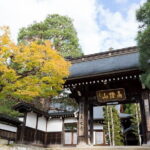
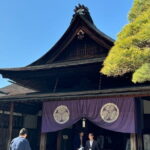
Hida Kokubun-ji Temple is about a five-minute walk from JR Takayama Station. It’s known for an iconic three-storied pagoda constructed in 1820. This stop is free admission.
If you like visual anchors, this is a strong choice. The pagoda gives you a focal point, which makes the rest of the area easier to understand.
Sakurayama Hachimangu Shrine and the autumn festival connection
Sakurayama Hachimangu Shrine is the venue for the Takayama Festival in autumn. Next to the shrine is the Takayama Festival Floats Exhibition Hall, where you can see floats tied to that tradition. This stop is also free admission.
If you want to connect the dots between festival dates and where the action belongs, this is a clean pairing. The only downside is that shrine and festival spaces can feel similar in layout if you’re already seeing festival museums that same hour—so choose based on what you want most.
Folk museums and heritage houses: Kusakabe and Yoshijima
These are the “slow down and look at the details” picks.
Kusakabe Folk Museum
Kusakabe Folk Museum is a historic private residence built in the Meiji period in Edo architectural style. It’s listed with admission not included, so again, this is for your “I want the building story” side.
This kind of museum works best when you pause and watch how the building is arranged—because the architecture is the lesson. If you’re trying to keep the day super short, this can be one too many indoor-ticket stops.
Yoshijima Heritage House
Yoshijima Heritage House was built in Meiji 41 (1908). It’s been a sake brewery since olden times, and you’ll see a large sakabayashi sign made of Japanese cedar leaves hanging under the shop. Admission is not included.
I like this stop because it connects craft, trade, and daily life. It’s not abstract. It’s a business story you can literally point to.
If you’re a culture-and-food traveler, Yoshijima plus one market stop can feel like your day’s theme has a taste.
Showa-kan and Retro Museum: a fun break from only old Japan
Takayama isn’t only feudal-era charm. This itinerary includes two time-leaning museums:
- Takayama Showa-kan Museum: retro streets of the 1950s reconstructed inside the museum, with nostalgic lifestyle culture revived. It also includes items like Midget Alley, a barbershop, and photo-related setups mentioned in the description. Admission is not included.
- Hida Takayama Retro Museum: old-school atmosphere with Showa movies, plus interactive elements where you can see, snap, and play with items like magazines, posters, toys, games, and Showa retro pachinko. Admission is not included.
If your interest is photography, kitschy nostalgia, or social history of everyday consumer life, these can be surprisingly enjoyable. The downside is that they’re museum time. If your day already includes multiple ticketed indoor sites, these may feel like the “same type of room” back-to-back.
A smart move: if you pick a Showa museum, you might skip one of the festival museums to keep your day balanced.
Lunch and Hida beef: how to plan without overspending
Lunch is not included. The itinerary suggests you can try Hida beef if you want, but it’s your expense.
Here’s the practical approach I recommend: use the guide to help you make a good choice based on what you’re trying to do that day. If you’ve picked a lot of ticketed sites, go for a straightforward meal that doesn’t steal two hours. If you’re doing markets early, you might even do a lighter lunch and let your food spending show up later in Takayama.
Since your guide escorts you via public transport, they can also help you avoid the classic trap: paying for a meal that’s convenient but not worth the cost.
The best fit: who this Takayama private day works for
This tour fits you if you want:
- a private, government-licensed English guide
- a day shaped around 3–4 chosen stops
- a strong mix of old streets, festival-related sites, markets, and a couple of deeper cultural museums
- help moving between areas efficiently using public transport
It’s also a good fit for people who enjoy explanation—how and why things became what they are. You’ll get more from temples, shrines, and government-era sites when someone can translate the significance without you hunting for every detail yourself.
If you’re the type who wants maximum freedom with zero structure, or you hate walking, you may want to consider a self-guided plan and only buy tickets for the one or two places you care about most.
Should you book this Takayama private tour?
I’d book it if you want a guided Takayama day that mixes the big-name cultural hits with flexible choices—without turning your time into a stress spiral. The licensed guide plus the ability to pick your own 3–4 stops is the core value, and the itinerary’s mix of Sanmachi streets, market life, festival sites, and heritage buildings gives you a rounded picture fast.
I wouldn’t book it if you’re planning to visit only free outdoor sights and you’d rather keep all decisions independent. In that case, the guide may feel less necessary, especially since you still cover transport, lunch, and admissions for some stops.
If you’re on the fence, choose based on one question: do you want explanations and route logic, or do you just want to wander? This tour is built for the first answer.
FAQ
Is this a walking tour?
Yes. It’s described as a walking tour, and pickup is on foot. You’ll meet your guide at 9am within a designated area.
How many stops can I choose?
The tour is customizable, and you choose 3–4 sites from the available list of attractions.
Are entrance fees and lunch included?
No. Transportation fees, entrance fees (for sites that require them), lunch, and other personal expenses are not included.
How long is the tour?
The tour is approximately 6 hours.
Is it private?
Yes. It’s a private tour/activity, so only your group participates.
What can I expect the guide to handle?
You’ll have a licensed local English-speaking guide, and the guide escorts you on public transportation between chosen sights. You meet on foot within the designated meetup area.