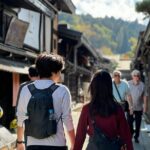
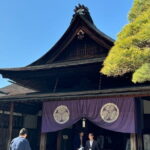
Quiet villages, one long bus ride.
This is a day trip built for people who want UNESCO gassho-zukuri scenery without the headache of getting there on your own. I like that the Nohi Bus guide gives you context as you ride, then turns you loose with clear timing and practical tips—names like Yamashia and Ikuichinami show up in the mix, and they’re the kind of guides who help you get oriented fast. The ride is also air-conditioned, which matters more than you think in Hida region weather.
My favorite part is the contrast: Ainokura feels quieter and more tucked into the mountains, while Shirakawa-go is the famous, postcard-heavy stop. The one drawback to consider is that the Shirakawa-go time window can feel tight if you lose time to lunch queues or decide you want extra museum time on top of the village walk.
In This Review
- Key highlights you’ll actually feel
- The real value: why this bus trip beats DIY
- A quick rundown of the day (and how to manage it)
- Stop 1: Ainokura Gassho Community in Gokayama (your quieter warm-up)
- Stop 2: Historic Shirakawa-go village walk (where the posters come from)
- Stop 3: Shirakawago Gassho-zukuri Minkaen (the entry that helps you read the village)
- Stop 4: Tenshukakau Observatory (the view you’ve seen before)
- What the guide actually does (and what you should do with it)
- Lunch in Shirakawa-go: not included, but it’s part of the plan
- What you should wear and pack (so the day feels easy)
- Booking reality check: read the voucher instructions
- Who this tour is best for
- Should you book this bus day trip?
- FAQ
- What time does the tour start?
- Where is the meeting point in Takayama?
- How long is the tour?
- Is air-conditioned transportation included?
- Is lunch included?
- How much time do I get at Ainokura Gassho Community?
- Are entrance fees included for the museum and observatory?
- What if the weather is bad?
Key highlights you’ll actually feel
![Departing from Takayama [Regular sightseeing bus] World Heritage Sites Shirakawago and Gokayama Ainokura - Key highlights you’ll actually feel](https://www.japan-alps.com/wp-content/uploads/2026/05/departing-from-takayama-regular-sightseeing-bus-world-heritage-sites-shirakawago-and-gokayama-ainokura-1.jpg)
- Two UNESCO villages in one day: Ainokura (Gokayama) first, then Shirakawa-go (Shirakawa-go)
- Guided ride, self-guided walking: you get the story and a map, then you roam
- Free village entry, paid sights handled: key entrances like Minkaen and the observatory are covered
- Timed stops that balance views and wandering: you’re not stuck in one place all day
- Air-conditioned medium/large bus that makes the long drive easier
- Weather-dependent experience: the day runs best with good conditions
The real value: why this bus trip beats DIY
![Departing from Takayama [Regular sightseeing bus] World Heritage Sites Shirakawago and Gokayama Ainokura - The real value: why this bus trip beats DIY](https://www.japan-alps.com/wp-content/uploads/2026/05/departing-from-takayama-regular-sightseeing-bus-world-heritage-sites-shirakawago-and-gokayama-ainokura-2.jpg)
Takayama is a great base, but Gokayama and Shirakawa-go are the kind of places that punish DIY planning. Roads are remote, access is awkward, and you don’t want to burn half your vacation on transfers and timetables.
This tour solves that problem in a simple way: you board in Takayama and ride in a comfortable, air-conditioned bus to two world-famous villages built with steep thatched roofs designed for heavy snow—gassho-zukuri houses. Your guide also gives you wayfinding help and “what to look for” before you reach each village, so the time on the ground feels intentional instead of random.
At $64.80 per person for about 7 hours 20 minutes, you’re paying mostly for transportation plus structured sightseeing. The good news: the tour isn’t trying to cram you into ten micro-stops. You get a sensible sequence and enough on-site time to actually enjoy walking, photos, and browsing.
Other Shirakawa-go and gassho-zukuri village tours in Takayama
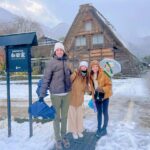
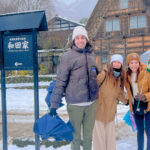
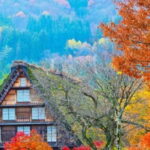
A quick rundown of the day (and how to manage it)
The day starts at 8:30 am and you meet at 6-chōme-125 Hanasatomachi, Takayama, Gifu 506-0026. The tour ends back at the same meeting point.
It’s a shared experience on a medium or large bus, so think “organized day trip,” not private guide service. Also, there’s a note that you may be turned away if seats are full for day-of joining—so if you’re rolling the dice, don’t plan your whole itinerary around last-minute hope.
Once you arrive, the schedule is straightforward:
- Ainokura Gassho Community (about 50 minutes)
- Historic villages of Shirakawa-go gassho houses (about 2 hours)
- Shirakawago Gassho-zukuri Minkaen (about 30 minutes, entrance included)
- Tenshukakau Observatory (about 20 minutes, ticket included)
Lunch is not included, but you’re expected to eat in Shirakawa-go.
That’s the pacing: shorter first stop, bigger second stop, plus two “adds-on” that help you understand what you’re seeing.
Stop 1: Ainokura Gassho Community in Gokayama (your quieter warm-up)
![Departing from Takayama [Regular sightseeing bus] World Heritage Sites Shirakawago and Gokayama Ainokura - Stop 1: Ainokura Gassho Community in Gokayama (your quieter warm-up)](https://www.japan-alps.com/wp-content/uploads/2026/05/departing-from-takayama-regular-sightseeing-bus-world-heritage-sites-shirakawago-and-gokayama-ainokura.jpg)
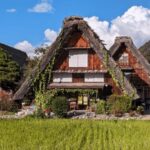
You start with Ainokura Gassho-zukuri Village in Nanto City, Toyama Prefecture—part of the Gokayama UNESCO area. Expect a compact village feel: about 20 gassho-zukuri houses are still in existence here, which gives it a more intimate vibe than the larger, more crowded photo magnet.
Timing is about 50 minutes, and that’s a sweet spot for this kind of place. Enough time to:
- walk through the main lanes,
- spot the steep triangular roofs and wooden structures,
- and soak in the mountain setting without feeling rushed.
Practical note: this is the stop where comfortable shoes pay off. You’ll likely be walking uneven ground and along slopes around the houses.
If you’re sensitive to crowds, Ainokura is your emotional insurance policy. It’s the “storybook quiet” feeling that makes the later famous village more interesting instead of overwhelming.
Stop 2: Historic Shirakawa-go village walk (where the posters come from)
![Departing from Takayama [Regular sightseeing bus] World Heritage Sites Shirakawago and Gokayama Ainokura - Stop 2: Historic Shirakawa-go village walk (where the posters come from)](https://www.japan-alps.com/wp-content/uploads/2026/05/departing-from-takayama-regular-sightseeing-bus-world-heritage-sites-shirakawago-and-gokayama-ainokura-4.jpg)
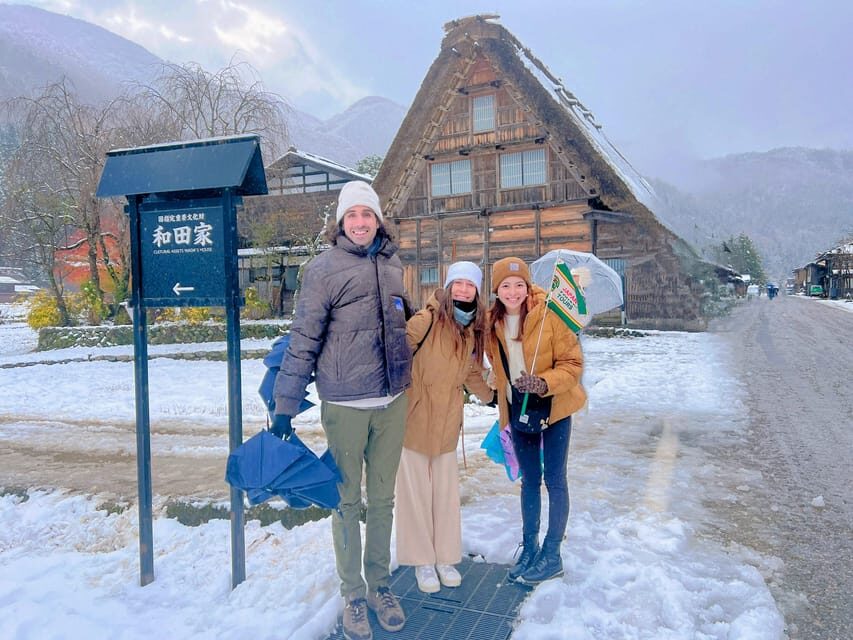
After Ainokura, you’ll head to Shirakawa-go, the bigger name. The historic village here holds 114 thatched gassho-zukuri houses, and the old-Japan nostalgia effect is real the moment you step into the area.
You get about 2 hours for the Historic Villages of Shirakawa-go Gassho Style Houses. Admission is free for this main village area in the tour structure, which is nice because your time is the main cost.
Why this stop is worth the effort:
- the houses are arranged in a way that makes the rooflines and village layout feel coherent,
- you can see how the steep roofs match the heavy-snow reality,
- and you can choose your pace: slow photo walk, short loop, or a more targeted route toward the most classic viewpoints.
One thing to plan for: Shirakawa-go can get busy. You’re also supposed to eat lunch here, and lunch lines can eat into your village time. If you want both the best views and the museum add-ons, I’d treat lunch as a “do it early” mission rather than a sit-and-stare event.
Stop 3: Shirakawago Gassho-zukuri Minkaen (the entry that helps you read the village)
Next comes Shirakawago Gassho-zukuri Minkaen, an open-air style site where you can walk and enter buildings. Entrance is included in the tour, and you’ll have about 30 minutes.
This stop matters because the village streets are charming, but they don’t always explain what you’re looking at. Minkaen helps you interpret the houses beyond their looks—how the structures work, how people lived inside, and why this style survived long enough to become UNESCO.
There’s a timing rule to know: the park is closed Thursdays from December to March. If it’s closed on your day, the tour says you’ll get an original mascot instead. That’s not the same as walking the grounds, but it prevents the day from feeling like you missed something important.
Other Gokayama UNESCO village tours
Stop 4: Tenshukakau Observatory (the view you’ve seen before)
![Departing from Takayama [Regular sightseeing bus] World Heritage Sites Shirakawago and Gokayama Ainokura - Stop 4: Tenshukakau Observatory (the view you’ve seen before)](https://www.japan-alps.com/wp-content/uploads/2026/05/departing-from-takayama-regular-sightseeing-bus-world-heritage-sites-shirakawago-and-gokayama-ainokura-5.jpg)
Your final on-site stop is Tenshukakau Observatory, about 20 minutes, with the observatory ticket included.
This is on a hill in the northwest of Shirakawa-go, and it’s famous for giving you the kind of wide view you often see on posters—an overhead-feeling look at the village’s rooflines and layout.
Even in good weather, 20 minutes can pass fast. Use it like a quick checklist:
- grab your main view,
- pause for photos,
- then decide if you want a second angle from a nearby spot.
If the weather is foggy or rainy, this is exactly where the “weather-dependent” note becomes important. If visibility is poor, the observatory can feel like a scenic bonus that didn’t fully deliver.
What the guide actually does (and what you should do with it)
The tour’s guide role isn’t just announcement mode. You’ll get information during the ride about what to look for once you arrive, plus help with the layout and timing. Many reviews also mention that the guide explains in both English and Japanese, and that the pace doesn’t feel like nonstop lecturing.
My advice: listen on the bus, then use that info immediately. For example:
- when the guide tells you where the best walking lanes are, don’t treat it like trivia—use it to decide where you start,
- when the guide offers tips on how to spend your time, pick one or two suggestions rather than trying to do everything.
That’s how you avoid the most common tour-day problem: spending 30 minutes trying to decide instead of spending 60 minutes enjoying.
And yes, the guide experience can vary. If you get a guide like Yamashia or Ikuichinami, you’re likely to get clear directions plus helpful recommendations that keep you moving efficiently.
Lunch in Shirakawa-go: not included, but it’s part of the plan
Lunch isn’t included in the price, but the tour is designed so that you’ll eat at Gassho Village in Shirakawago.
That matters because Shirakawa-go is compact. If you wait too long, you’ll likely be choosing from whatever’s left—and if you go at the busiest time, queues can cost you some of your village time.
If you want to stay flexible:
- decide what kind of lunch you want fast,
- and don’t plan on a long sit-down meal if you also care about the museums and views.
If you’d rather bring your own food, you can—but then you’re carrying extra logistics. This tour is optimized for eating in the village area.
What you should wear and pack (so the day feels easy)
This is a long drive day with walking in a historic village. A few practical tweaks make the difference between “great day” and “why are my feet angry?”
- Wear comfortable, grippy shoes. Roofwalks aren’t the activity, but the terrain can be uneven and sloped.
- Dress for cold. The villages are known for snow scenery, and even if you’re going in a warmer month, temperatures can feel cooler up in the mountains.
- Bring a light layer you can add/remove. You’ll bounce between warm bus and cooler open air.
- If you’re visiting in snow or shoulder seasons, consider gloves and a warm hat so you can actually enjoy the outdoor time instead of rushing inside.
Also, keep in mind the tour requires good weather. That doesn’t mean every day is perfect, but it’s not the kind of activity you want to bet on when skies look rough.
Booking reality check: read the voucher instructions
One repeated theme is that you need to handle ticket exchange in person. People have reported confusion around redeeming vouchers, and the fix is simple: make sure you know where to go to exchange your voucher for tickets before you start the day.
Separately, there’s also a heads-up from one review about a price mismatch between what was indicated in an email and what was charged on a credit card when booked through a platform. The tour operator itself seems to have worked fine, but it’s still smart to double-check your charge details when you book anywhere.
This is boring advice, but it prevents the one thing that ruins a day trip: arriving ready to go, only to find out you’re not actually ticketed.
Who this tour is best for
This is a strong pick if you:
- want two UNESCO villages without complicated transfers,
- like guided context and then flexible exploration,
- are traveling with limited time in the Takayama area,
- don’t want to rent a car for a single scenic day.
It’s less ideal if you:
- hate group pacing and prefer long unstructured stays,
- want to linger for hours at one village (the schedule is timed),
- or you’re extremely sensitive to crowding and expect the second stop to feel calm.
Should you book this bus day trip?
If your goal is a smooth, structured day that gets you to Ainokura and Shirakawa-go with the right amount of guidance, I think this one is worth it. The best part is the blend: a comfortable ride plus real orientation before you wander, so you don’t just “see houses,” you understand why they matter.
My “yes, book it” checklist:
- You’re okay with a paced itinerary and shared bus day.
- You’re willing to plan lunch fast in Shirakawa-go.
- You want the classic poster view from Tenshukakau at the end.
If you’re hoping for a slow, uncrowded, stay-all-day vibe, consider that Shirakawa-go is the famous one for a reason. You’ll still get a great experience, but the schedule won’t turn it into a leisurely afternoon fantasy.
FAQ
What time does the tour start?
The tour starts at 8:30 am.
Where is the meeting point in Takayama?
You meet at 6-chōme-125 Hanasatomachi, Takayama, Gifu 506-0026, Japan.
How long is the tour?
The duration is about 7 hours 20 minutes.
Is air-conditioned transportation included?
Yes. The tour includes an air-conditioned vehicle.
Is lunch included?
No. Lunch is not included, and you’re expected to eat at Gassho Village in Shirakawago.
How much time do I get at Ainokura Gassho Community?
About 50 minutes, and admission ticket is free for that stop.
Are entrance fees included for the museum and observatory?
Yes. Entrance to Shirakawago Gassho-zukuri Minkaen and tickets for Tenshukakau Observatory are included.
What if the weather is bad?
The tour requires good weather. If it’s canceled due to poor weather, you’ll be offered a different date or a full refund.