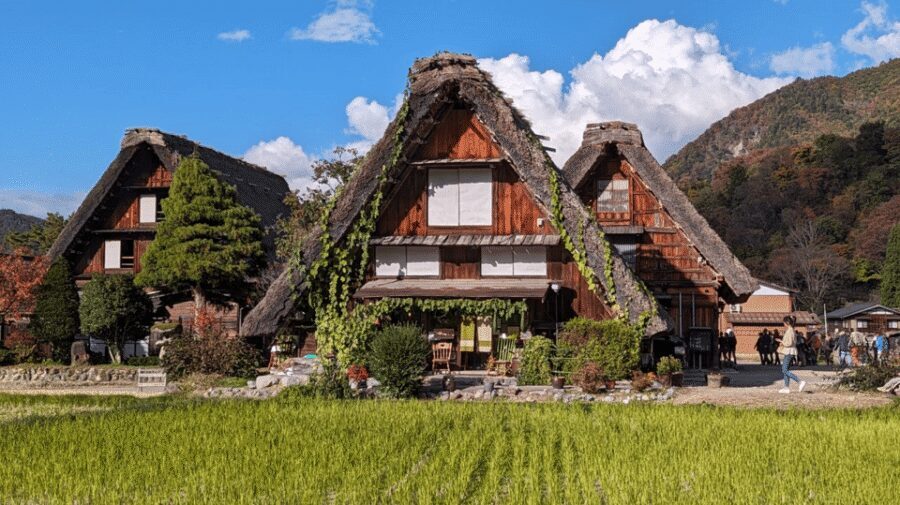
Hot spring monkeys snap you awake fast. This private day trip turns Nagano into a real day of contrasts: Jigokudani Snow Monkey Park for those wild macaques bathing in hot springs, and Zenkoji Temple with its deep history and that spooky-feeling underground passage. I also like that you get Japan’s quieter mountain side instead of just repeating Tokyo sights, but yes, the tradeoff is time. You’re committing to a long day, about 10–12 hours including the commute.
What makes this one practical is the door-to-door setup. You’re picked up from your Tokyo hotel, driven in a Jeep or SUV, and moved efficiently between stops. And the food culture piece is solid: Obuse’s miso traditions plus a miso factory visit where you can smell the fermentation process and taste different types. The main consideration is simple: you’ll walk a fair bit in warm layers and cold air, so plan for comfortable shoes and patience with winter conditions.
In This Review
- Key things I’d focus on before you go
- Nagano in One Day: Why This Route Feels Like Two Trips
- Private door-to-door transport from Tokyo (and what you actually get)
- Jigokudani Snow Monkey Park: the forest walk and what to watch
- A quick practicality note
- Zenkoji Temple and Nakamise Street: calm history, then snack chaos
- The winter stops: Kamakura Snow Dome Village and Yamanochi’s slower pace
- Matsushiro Castle Ruins: history with open-air perspective
- Obuse for miso: why the fermentation smell is half the attraction
- Timing reality check
- Shibu Onsen: the old hot-spring town finish
- Tickets, meals, and planning your comfort
- Who should pay extra attention to comfort
- Price and value: $412 per group up to 6 people
- The driver experience: punctual, safe, and flexible
- Should you book this Nagano private day trip?
- FAQ
- FAQ
- How long is the tour?
- How much does it cost and how big is the group?
- Where will pickup and drop-off happen in Tokyo?
- What’s included in the tour price?
- Are entry tickets and meals included?
- Which stops are part of the day?
- Is the tour wheelchair accessible?
- What should I bring?
- Is free cancellation available?
Key things I’d focus on before you go
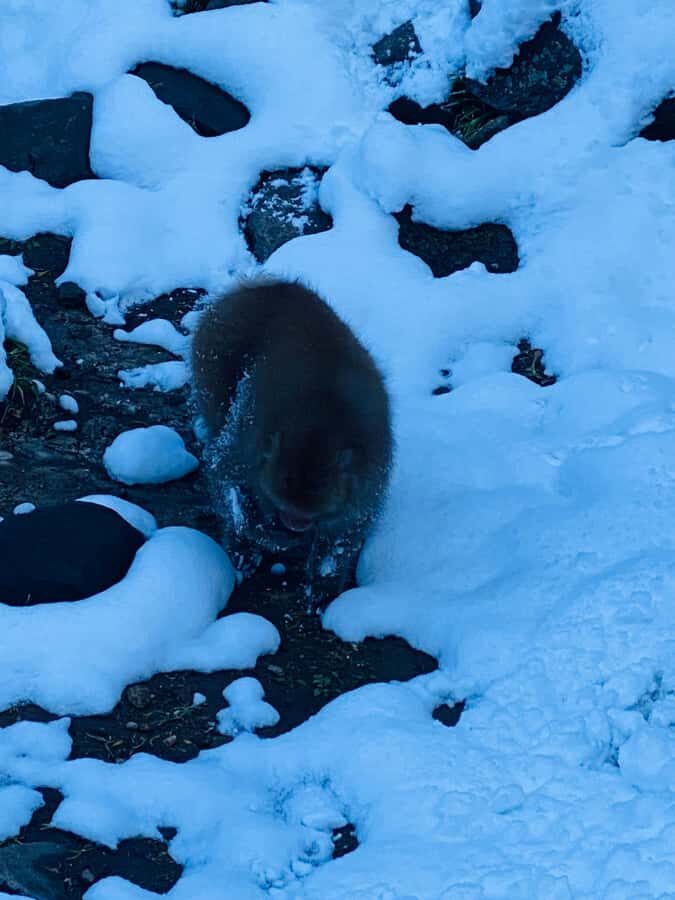
- Snow Monkey Park hot-spring valley with a 25-minute forest walk to the viewing area
- Zenkoji Temple’s 1,400+ years plus Nakamise Street snack time right outside
- Obuse miso factory tasting where you can compare light, sweet, and rich savory misos
- Winter add-on: Kamakura Snow Dome Village for a short guided stop
- Shibu Onsen’s nostalgic streets for shopping and atmosphere, even if you skip bathing
- Door-to-door private transport in a Jeep/SUV, with coffee, water, and help with photos if needed
Nagano in One Day: Why This Route Feels Like Two Trips
Nagano is the kind of place that changes the mood quickly. One moment you’re riding out of Tokyo toward mountains and misty roads. The next, you’re in a valley where wild monkeys act like they own the place. Then the day shifts again: temple gates, bell sounds, snack stalls, and old-school town streets.
This tour works well because it doesn’t treat Nagano like a list of photo stops. The order makes sense. You get the most iconic animal moment first, when your energy is highest. Then you move into culture and history, and you finish with hot-spring town vibes when you’re ready to slow down.
Private door-to-door transport from Tokyo (and what you actually get)
The biggest win here is not having to coordinate trains, buses, and transfers while you’re tired. Your driver picks you up from your accommodation in Tokyo’s 23 wards (the Chuo, Chiyoda, Minato, Shibuya, Shinjuku, and the rest of the central areas are included). That matters because Nagano days can get messy fast if you have to squeeze in platform changes and ticket lines.
You’ll ride in a Jeep or SUV. The tour includes parking fees and fuel charges, plus water bottles and coffee. If you need it, there’s also Wi‑Fi in the vehicle. On top of that, the driver can help with video or picture-making if you want that extra hand getting the shot.
A small but real detail: the driver is scheduled to contact you the afternoon before (usually) to reconfirm pickup details. And you should be ready about 10 minutes early in your lobby. They wait, but not forever—drivers wait no longer than 60 minutes after the scheduled pickup time. So keep your morning tight and you’ll feel relaxed instead of rushed.
Jigokudani Snow Monkey Park: the forest walk and what to watch
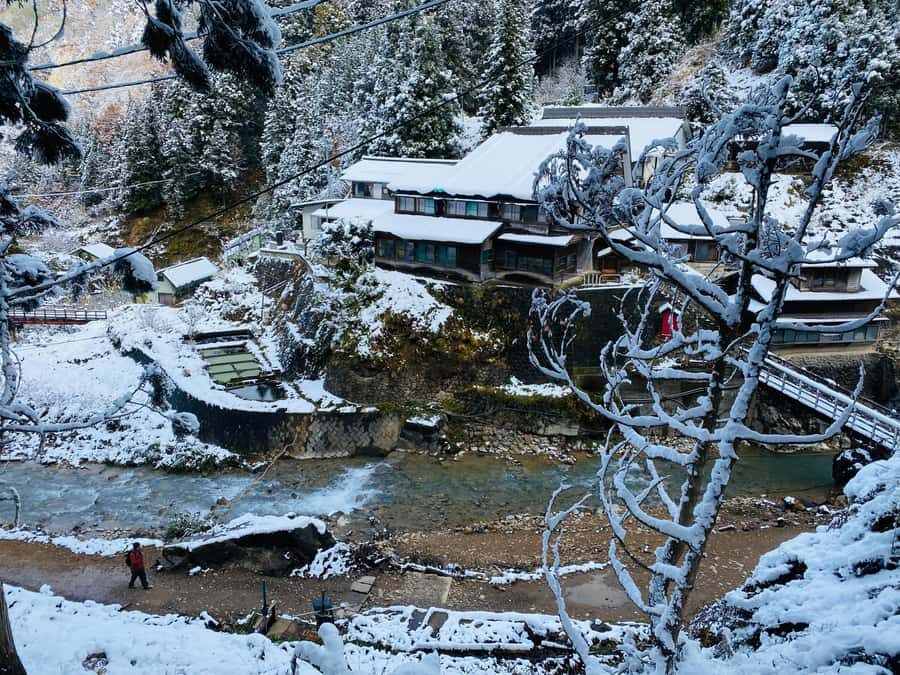
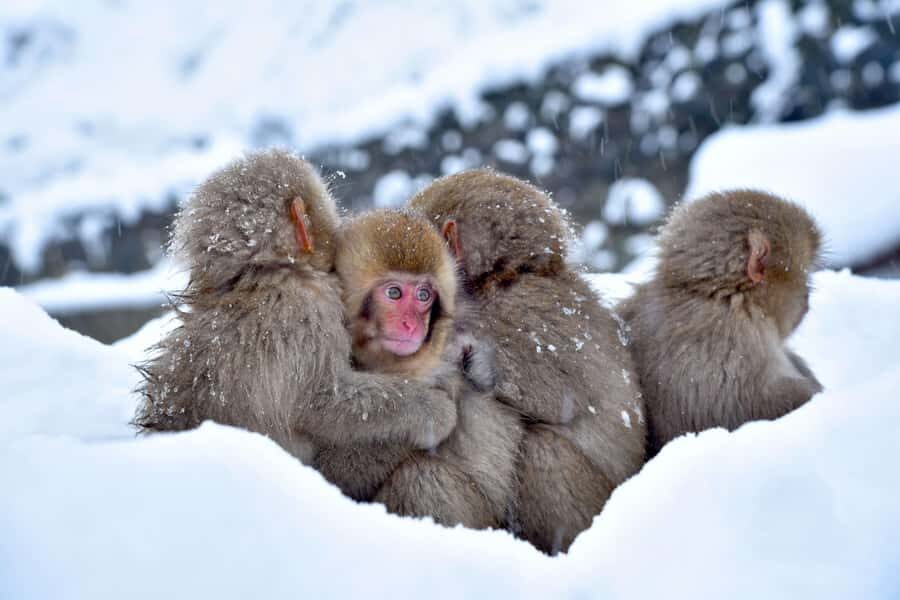
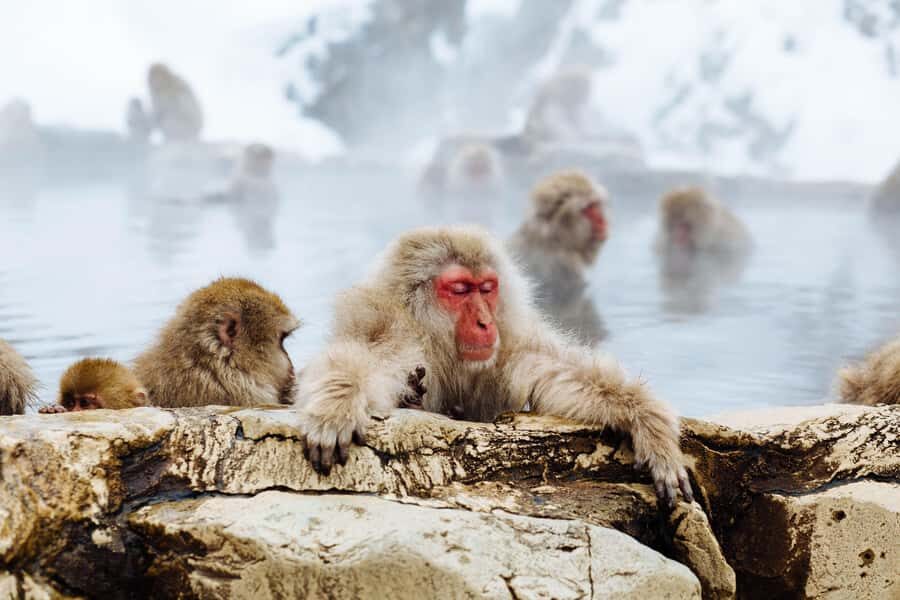
If you’re coming for one thing, make it this. Jigokudani is where Japan’s wild macaques come to bathe in hot springs. You’re going for the moment when you realize you’re watching something that looks almost scripted: monkeys grooming, relaxing, and wandering like they’re taking turns at the spa.
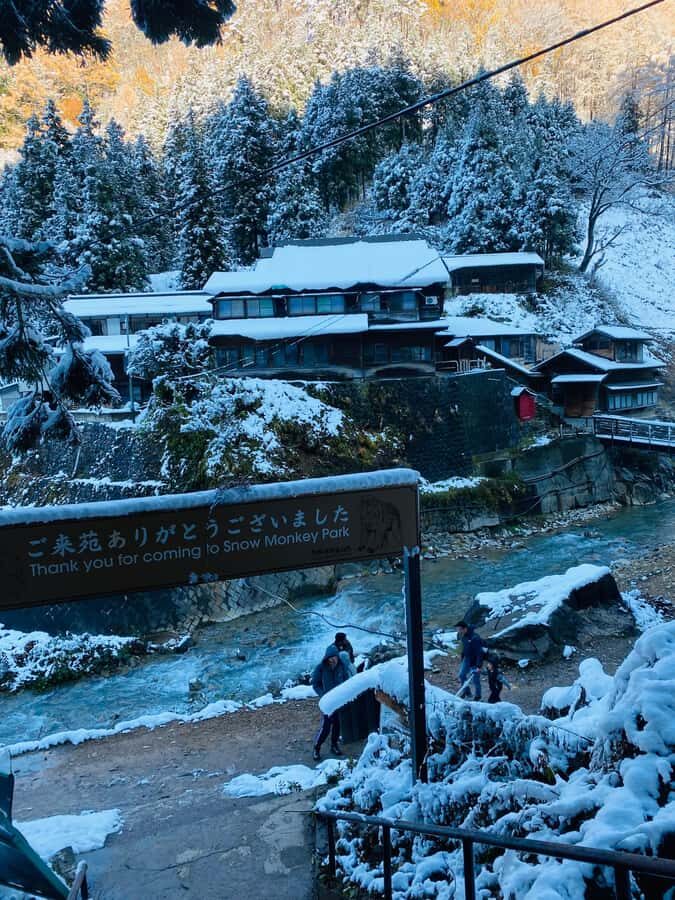
The park visit includes a scenic walk through the valley—about 25 minutes through the forest to reach the onsen area. That walk is part of the experience, not just a warm-up. It sets the mood and gets you to the right vantage point before the main viewing area.
What I’d watch for during your time there:
- how close the macaques are to the viewing spots
- how many are already soaking versus moving around
- the rhythm of activity—some periods are calmer, others have more social behavior
Photo tip: bring a camera that can handle low winter light. Even if it’s bright, mountain valleys can shift quickly. And if you want help with framing, the tour includes assistance for videos or photos if needed.
A quick practicality note
This stop is walk-heavy and weather-dependent in the real world. The tour asks you to bring warm clothing and comfortable shoes, so treat those as non-negotiables rather than extras.
Zenkoji Temple and Nakamise Street: calm history, then snack chaos
After the monkeys, Zenkoji feels like a deep breath. Zenkoji is one of Japan’s oldest and most important temples, with over 1,400 years of history. You’ll see the main wooden gates and hear the bell atmosphere as you enter the complex.
One of the more memorable elements is the dark underground passage said to be connected to enlightenment. That detail matters because it turns Zenkoji from a quick sight into a moment you’ll remember. It’s also why a quiet temple visit often works better after seeing wild animals—your senses are switched, and the calm feels earned.
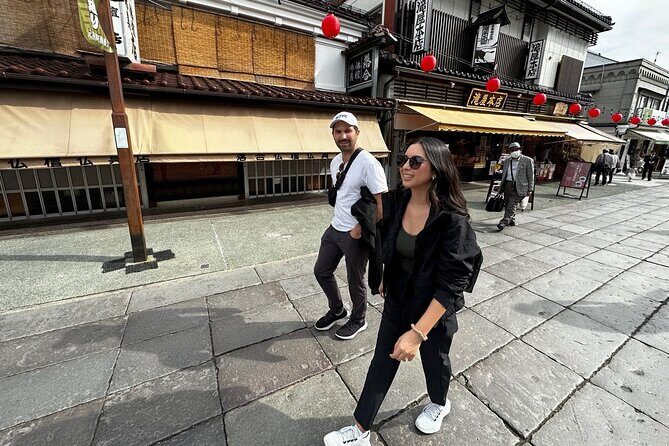
Outside the temple, you’ll hit Nakamise Street, known for souvenirs and snacks. It’s a good time to try Nagano-style apple sweets and freshly steamed dumplings. You’ll walk it at your own pace, so you can choose how much shopping you want versus how much eating you want.
The winter stops: Kamakura Snow Dome Village and Yamanochi’s slower pace
This tour includes a winter special: Kamakura Snow Dome Village. You’ll get a short visit with a guided component and time to walk around—about 30 minutes. It’s not the main event, but it adds seasonal flavor and a different kind of visual payoff compared with temples and hot springs.
Then you move into Yamanochi. The day includes a guided portion plus free time, and there’s a safety briefing as well. That mix is helpful. It means you’re not just dropped in the middle of a place you don’t understand—you get enough context to move around comfortably.
Why these stops are valuable:
- They break up the heavy-hitting sights so the day doesn’t feel like one nonstop line.
- They give you a “local winter vibe” that’s different from city sightseeing.
Matsushiro Castle Ruins: history with open-air perspective
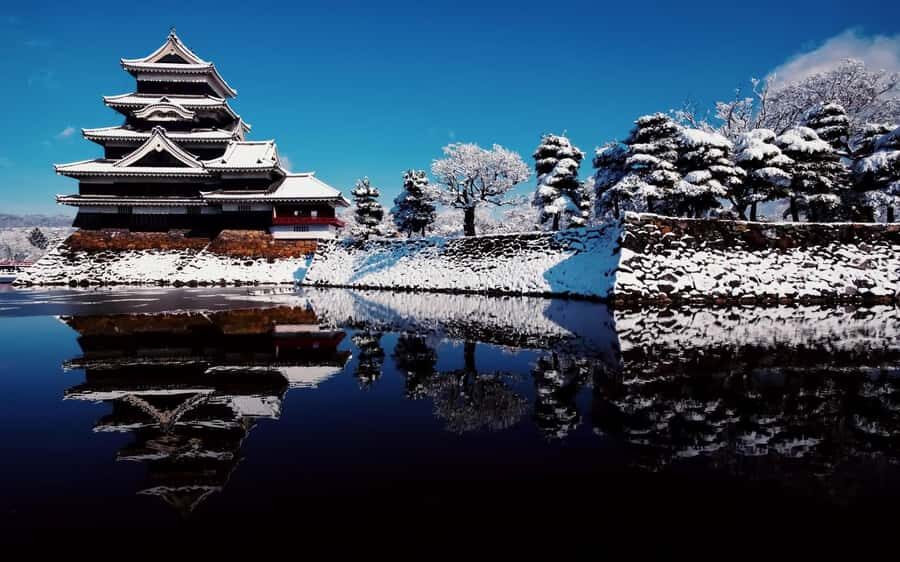
Matsushiro Castle Ruins add a different kind of Nagano energy. Instead of the enclosed hush of a temple, this stop is about atmosphere and historical intrigue. You’ll have time for photos, a visit, and sightseeing—about one hour at this point in the day.
This portion of the tour is a smart counterweight to the earlier intensity. By the time you reach Matsushiro, your brain is processing earlier sights, and ruins are a way to slow down without going fully passive. The outdoors also tends to help you shake off the stiffness from the morning walk.
If you like history but don’t want museum-bloating, ruins are often the sweet spot. You get story without needing a full-day commitment.
Obuse for miso: why the fermentation smell is half the attraction
Obuse is known for traditional miso, and this tour builds in time for that side of Nagano rather than leaving it as a vague background note. You’ll spend around 30 minutes in Obuse for sightseeing.
What makes it more than a quick stop is the miso factory visit experience described in the tour plan. You’re not just buying a souvenir jar and moving on. You learn how soybeans are fermented and aged in wooden barrels. And you taste different kinds of miso, from lighter and sweeter types to deeper, richer savory styles.
I like this approach because it helps you understand what you’re tasting. When miso is explained as a fermentation and aging process, it turns from a condiment into a food culture story. Plus, the smell during fermentation is part of the deal. It’s one of those sensory cues that makes the whole day feel real.
Timing reality check
Because meals are not included, you may want to plan to eat something either before or after Obuse, depending on the timing of the day. If you leave this stop hungry, miso tasting can feel more like a lesson than a comfort.
Shibu Onsen: the old hot-spring town finish
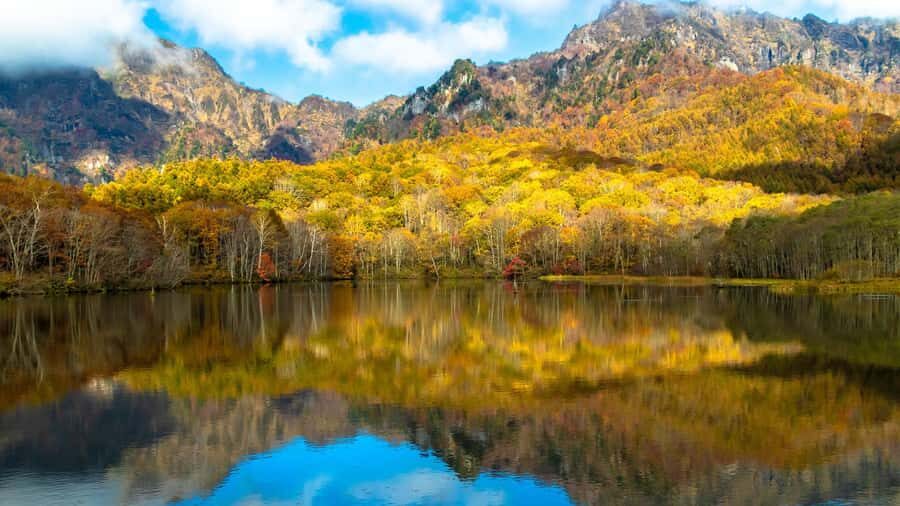
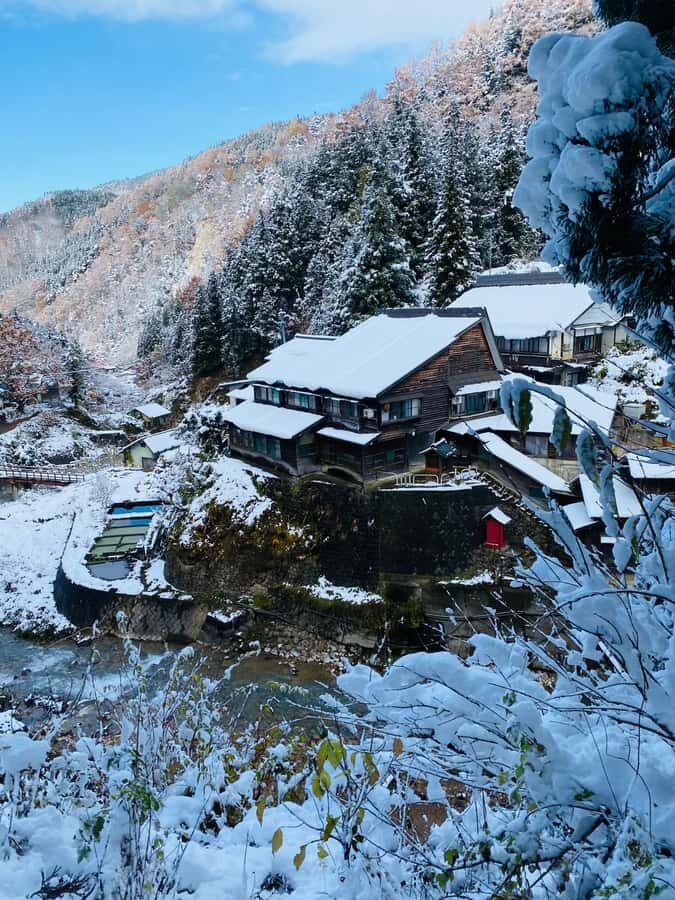
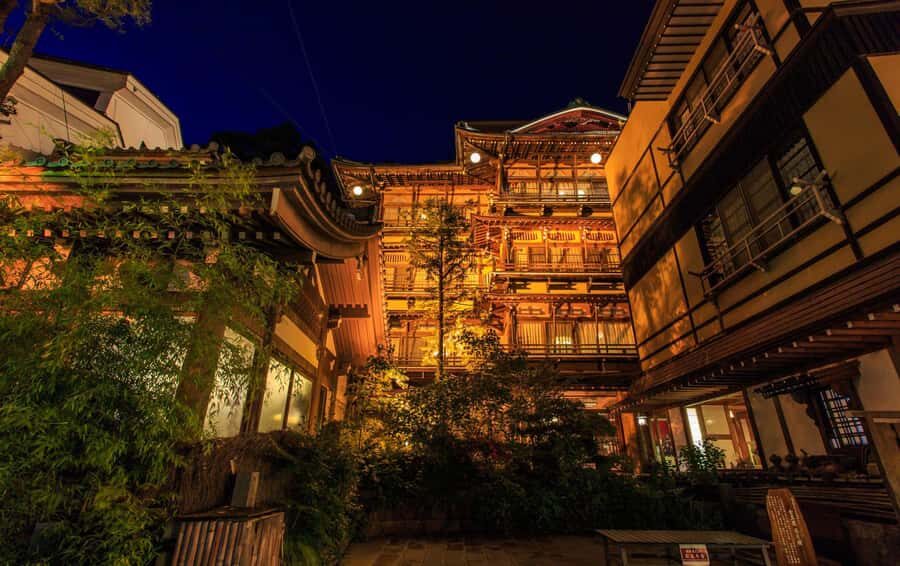
Shibu Onsen is a strong way to end the day. The tour schedules about one hour for visiting, free time, shopping, and a walk. Even if you don’t bathe, the town’s vibe is the point: narrow streets, traditional wooden inns, and steam from baths.
What I like about ending here is that it matches the natural rhythm of a long Nagano day. After temple and ruins, your legs want something calmer. A hot-spring village gives you atmosphere without requiring a big additional commitment.
You may find onsen snacks like onsen manju and local sake options around town. The tour doesn’t guarantee specific meals here, but the shopping streets are exactly the kind of place where you can pick up small comfort-food bites.
If it’s winter, your body will appreciate the warmth from nearby baths and the chance to sit for a few minutes. Even a short break changes how you experience the last stretch.
Tickets, meals, and planning your comfort
Here’s the most useful planning detail: entry tickets and meals are not included. So you’ll want a budget for admissions and food on top of the tour price. The tour includes coffee and water in the vehicle, but that’s not the same as a full meal.
Also, the tour asks you to bring:
- passport
- comfortable shoes
- warm clothing
- camera
- cash
- a charged smartphone
And there are practical restrictions: oversize luggage and large bags aren’t allowed, and no alcohol or drugs are permitted in the vehicle.
Who should pay extra attention to comfort
The tour isn’t suitable for pregnant women and people with back problems. That’s not just legal language. Between the forest walk to the monkey park and temple and walking time in towns, it’s a day that can be hard on mobility.
Even if you’re fine with walking, you’ll still want to go in with realistic expectations. This is a full-day outing. It’s not a slow, flexible stroll.
Price and value: $412 per group up to 6 people
The price is listed as $412 per group, with up to 6 people. That pricing model is where the value comes in.
If you max it out at 6, that’s about $69 per person for a private day with door-to-door transfers, parking, fuel charges, and an English-speaking driver. You’re also getting the added convenience of not worrying about transit schedules across multiple stops.
Is $412 “cheap”? Not really. But it can be good value when you compare it to the cost and stress of doing the same route independently, especially once you factor in the time wasted on trains, buses, and transfers.
It also matters for couples and small families. If it’s just two of you, it’s still a premium price—but you buy comfort, efficiency, and the ability to focus on the sights instead of the logistics.
The driver experience: punctual, safe, and flexible
What really makes a private tour feel worth it is how smoothly the day runs in the real world. The tour plan clearly emphasizes being picked up from your hotel, and the driver reconfirming pickup details the day before. That reduces the “where is my driver” stress that ruins first-day plans.
From example bookings tied to this tour, drivers like Ali and Kashif are praised for being punctual, friendly, and easy to work with. There’s also a pattern of safe driving and being accommodating about photo stops. One guide named Mirza is noted for helping with translation when needed, including into Japanese.
That kind of flexibility matters on a day like this. You’re moving across multiple locations, and small changes—like taking an extra moment to photograph—add up fast.
And yes, the tour includes water bottles and coffee, which sounds basic until you’re sitting in a cold car on a long day.
Should you book this Nagano private day trip?
Book it if you want:
- a single day that combines monkeys, temples, hot-spring town atmosphere, and miso culture
- the convenience of door-to-door private transport
- an experience that’s structured enough to keep you moving, but not so tight you can’t enjoy each stop
Skip it (or consider a lighter plan) if:
- you have back issues or need low-walking days
- you don’t want a long commute day
- you prefer fully self-guided travel where you control every timing detail
FAQ
FAQ
How long is the tour?
The duration is about 10–12 hours, inclusive of commuting time. The plan notes approximately 10 hours in total with travel.
How much does it cost and how big is the group?
It’s $412 per group for up to 6 people. It’s a private group, meaning only your group participates.
Where will pickup and drop-off happen in Tokyo?
Pickup and drop-off are provided to accommodations (including Airbnb) in Tokyo’s 23 wards. Pickup is not provided at airports or ports.
What’s included in the tour price?
Pickup and drop-off at your hotel, a professional fluent English-speaking driver, parking fees and fuel charges, water bottles, coffee, and Wi‑Fi if needed. The tour also includes video or picture-making assistance if you want it.
Are entry tickets and meals included?
No. Entry tickets and meals are not included.
Which stops are part of the day?
The day includes Jigokudani Snow Monkey Park, Zenkoji Temple, Kamakura Snow Dome Village (winter special), Yamanochi, Matsushiro Castle Ruins, Obuse (miso-related), and Shibu Onsen.
Is the tour wheelchair accessible?
Yes, the tour lists wheelchair accessibility.
What should I bring?
Bring your passport, comfortable shoes, warm clothing, a camera, cash, and a charged smartphone.
Is free cancellation available?
Yes. Free cancellation is offered up to 24 hours in advance for a full refund.
![[One-day bus tour departing from Kanazawa Station] Shirakawa-go/Takayama tour platinum route bus tour - Getting on board: meeting at Kanazawa Station West Exit](https://www.japan-alps.com/wp-content/uploads/2026/05/one-day-bus-tour-departing-from-kanazawa-station-shirakawa-go-takayama-tour-platinum-route-bus-tour.jpg)