Two world sites, one smooth day. I like the English-speaking guide who keeps Q&A going, and the hands-on wagashi and gold leaf workshops. The trade-off is a packed schedule, and you’ll handle lunch on your own in Shirakawa-go.
I’d also plan for an early start: the tour begins at 7:50 am at Kanazawa Station West Plaza. You ride in an air-conditioned vehicle with Wi-Fi, and you’ll get multilingual audio guidance on top of the live guide (guides I’ve heard praised include Yasushi and Aiko).
In This Review
- Key things to know before you go
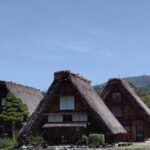
- Morning clouds over Shirakawa-go’s gassho farmhouses
- How the day stays efficient from Kanazawa Station
- Kenrokuen Garden: the one-hour reset you’ll be glad you have
- Wagashi making (or Daruma painting) at Ishikawa Local Products Center
- Gold leaf time: the craft you’ll recognize in Kanazawa
- Higashi Chaya District: geisha district strolling with short timing
- What you’re really paying for (the value check)
- Who should book this Shirakawa-go and Kanazawa day tour
- Should you book it?
- FAQ
- Where is the meeting point and what time does the tour start?
- Is lunch included?
- What’s included in the Kenrokuen Garden visit?
- What will I do during the Japanese sweets experience?
- Do I get Wi-Fi and audio guidance?
- How large is the group?
Key things to know before you go
- UNESCO Shirakawa-go in the morning with time to walk the village at your own pace
- Kanazawa highlights in one day: Kenrokuen Garden and Higashi Chaya District
- Hands-on cultural stops: wagashi (or Daruma painting) plus a gold leaf workshop
- Comfort on the road: air-conditioned transportation with Wi-Fi and audio guidance
- Small-enough group feel with a maximum of 38 travelers
- Tight timing means a shorter lunch and you’ll want to stay on schedule
Morning clouds over Shirakawa-go’s gassho farmhouses
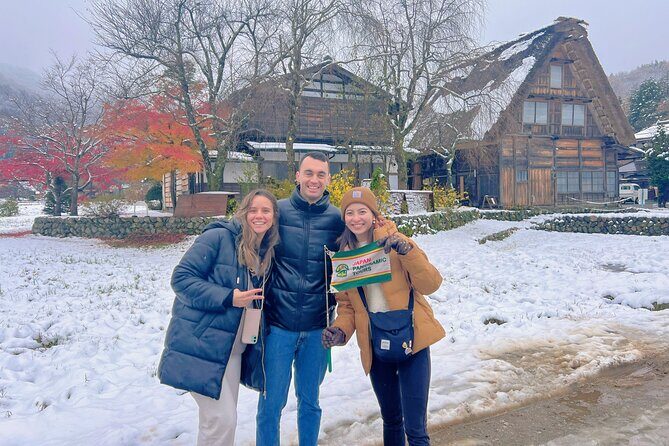
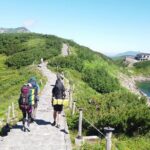
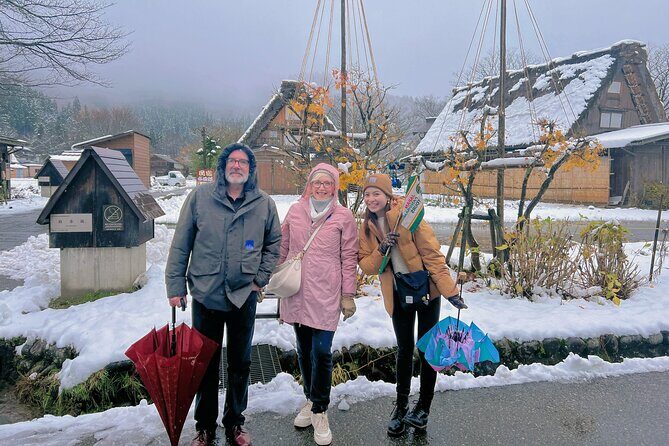
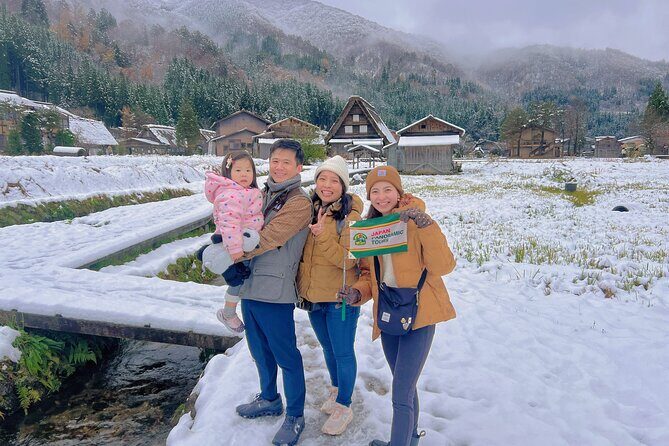
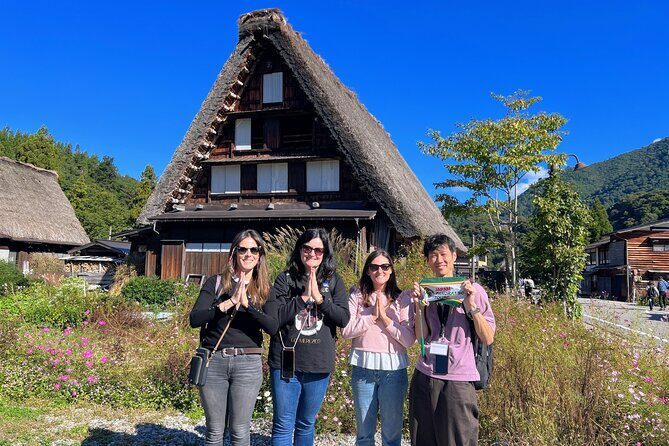
Shirakawa-go is the kind of place that makes you lower your phone and look up. The village is known for gassho-zukuri farmhouses—those steep, triangular rooflines made to handle heavy winter snow. You get about 2 hours there, which is enough time to wander the main area without feeling like you’re sprinting.
The tour also includes the Ogimachi Castle Old Site Observatory, a short stop with unimpeded views over the central settlement in Shirakawa-go. Even if you’ve seen photos, the scale hits differently when you’re above the rooftops. There’s also a “walk pass” style segment, which usually works well for quick photo stops and easy orientation.
My practical tip: wear shoes you can walk in for a bit of uneven village ground. A day like this moves fast, and good footwear keeps you comfortable during the longer outdoor stretches.
Other Shirakawa-go and gassho-zukuri village tours in Kanazawa



How the day stays efficient from Kanazawa Station
This tour is built around a simple reality: if you want Shirakawa-go and Kanazawa in one day, you can’t waste time. Meeting happens at Kanazawa Station West Plaza (short-term car park), and you’ll return to the same meeting point at the end.
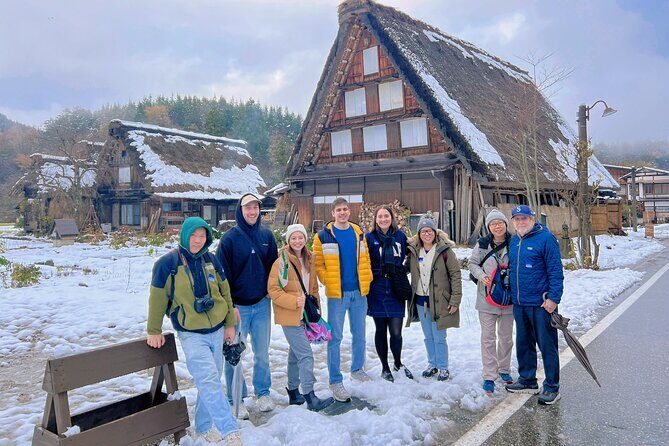
Transport is part of the value here. You’re in an air-conditioned vehicle, with Wi-Fi on board, and the group size caps at 38 travelers, which helps the ride feel organized instead of chaotic. Most of the day is timed, and the order can shift based on traffic, weather, or operational needs.
That timing matters because several places involve walking and a firm schedule. If you’re the type who likes to linger for 45 minutes to watch one thing, you may feel a little rushed. On the other hand, if you’re a first-time visitor and want the biggest cultural hits in limited time, this structure is exactly what you’re looking for.
One more heads-up: late arrivals aren’t handled, and joining midway isn’t feasible. So if your train timing is tight, build in buffer time before you meet.
Kenrokuen Garden: the one-hour reset you’ll be glad you have
After Shirakawa-go, the day pivots into Kanazawa’s slower, landscaped side at Kenrokuen Garden. You’ll have about 1 hour, and garden admission is included.
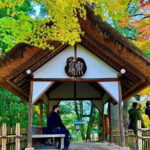
Kenrokuen is famous for being one of Japan’s top garden designs, and the tour description highlights the beauty across the four seasons. In practice, that means you don’t just see one angle of greenery—you get a feel for how the garden is composed to look good from multiple paths and viewpoints.
One-hour garden time sounds short, but it’s workable if you use your time intentionally. I’d walk with purpose at first, then slow down for the spots that grab you. If it starts to rain or weather turns, you’ll appreciate the fact that the day already has indoor-style activities planned afterward.
Wagashi making (or Daruma painting) at Ishikawa Local Products Center

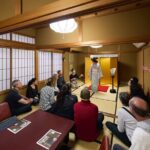
This is one of the smartest parts of the itinerary because it turns sightseeing into something you do with your hands. At the Ishikawa Local Products Center, you’ll spend about 50 minutes on Japanese sweet-making (wagashi) with a professional craftsperson.
The tour details say you’ll enjoy making traditional Japanese sweets and you’ll taste what you make. That’s a big deal for value. Buying a snack is nice; making it and understanding what goes into it is another level. You also get a built-in break from walking.
There’s also a backup option: depending on the craftsperson’s schedule, the activity may be painting Daruma dolls instead of wagashi. Either way, you’re getting a hands-on cultural workshop rather than just watching.
If you have dietary worries: the tour data doesn’t spell out ingredients or restrictions, so keep that in mind. If food allergies are a concern, it’s worth asking ahead when you book, since the exact workshop can vary.
Gold leaf time: the craft you’ll recognize in Kanazawa
Kanazawa is strongly associated with gold leaf, and this tour gives you a real chance to try it. At Kanazawa Bikazari Asano, the gold leaf experience runs about 40 minutes and is included.
This is the kind of activity that’s hard to fully appreciate from photos. You’re learning how gold leaf works as a traditional craft—something you’ll see echoed later in Kanazawa shops and sweets. And yes, it’s fun even if you’re not arts-and-crafts person.
Many people also pair this with a very Kanazawa moment in the geisha district later, where gold leaf treats often show up. The tour doesn’t include a specific dessert, but it does note that you can try a gold leaf ice cream in Higashi Chaya District.
My tip: if you’re planning to buy souvenirs, do it after the workshop. You’ll have better context for what you’re looking at, and you’ll know which items are tied to the gold leaf craft.
Other Kanazawa tours and samurai-district walks



Higashi Chaya District: geisha district strolling with short timing
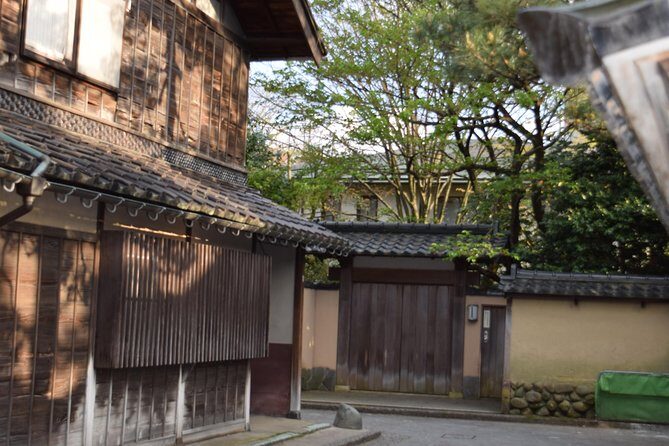
The last sightseeing stop is Higashi Chaya District, with about 30 minutes allocated. This is one of Kanazawa’s major geisha districts, and it’s a great place to finish the day because the atmosphere feels different from the formal garden and the mountain village.
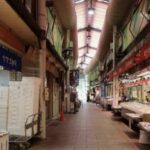
You’ll likely get just enough time to walk the main streets and take in the old-style merchant and tea-house vibe. And because you’ve already done the gold leaf workshop, the area’s gold-leaf-related offerings make more sense.
Practical reality: 30 minutes is not long. So prioritize what you want—photos, a quick look inside shops, or stopping for a snack. If you spread your time too thin, you can miss the best stretch.
If the day’s weather was rough earlier, this can still be a good ending. The district is outdoors, but it’s easy to pop into shops for a minute and reset.
What you’re really paying for (the value check)

At $122.45 per person, you’re paying for more than transportation. The tour includes a professional English and Japanese-speaking guide, air-conditioned bus service, Wi-Fi, and multilingual audio guidance. It also includes admission to Kenrokuen Garden, plus both the Japanese sweets (wagashi) or Daruma painting workshop and the gold leaf experience.
Lunch isn’t included. The Shirakawa-go part explicitly notes that you can enjoy lunch by yourself in the village. That means you’ll probably spend money there anyway, but at least you have flexibility to choose what fits your taste.
So where’s the value? It’s in the fact that you’re getting:
- A guided UNESCO village visit (including an observatory stop)
- A major Kanazawa garden with admission handled
- Two craft experiences that would be time-consuming to organize on your own
- Comfort features that make a long day manageable
If you were to DIY this, you’d spend time figuring out timing, transit, and ticket logistics. Here, the structure does the heavy lifting.
Also, you’ll use a mobile ticket, which is handy. It reduces paper hassle and makes last-minute organization easier.
Who should book this Shirakawa-go and Kanazawa day tour
This tour is a strong fit if you:
- Have limited time in the Kanazawa area and want the big cultural stops
- Enjoy having a guide explain context while you move between places
- Like hands-on experiences, not just photo stops
- Want a comfortable day with air-conditioning and Wi-Fi
You might skip it if you:
- Need a long, unhurried lunch break
- Hate tight schedules and hate being time-managed
- Prefer to travel completely at your own pace
One thing I really appreciate about the way this is run is the guide support. Reviews praised guides like Yasushi for being energetic and informative, and Aiko for being interactive and knowledgeable. Even if your guide isn’t the same person, the format is designed to keep the bus ride informative rather than dead time.
Should you book it?
If your goal is to cover UNESCO Shirakawa-go plus major Kanazawa highlights in a single day—while also doing real crafts—this is an easy yes. The included workshops (wagashi or Daruma, plus gold leaf) turn the day into more than sightseeing, and the comfort features help with the long travel between mountain village and city.
If you’re the kind of traveler who wants a slow morning, a long lunch, and hours of wandering without a timetable, you may feel constrained. In that case, you could plan Shirakawa-go separately and give Kanazawa more time. But for most first-timers with limited days, the mix here is a smart use of time.
FAQ
Where is the meeting point and what time does the tour start?
The tour meets at Kanazawa Station West Plaza (short-term car park). The start time is 7:50 am, and the tour ends back at the meeting point.
Is lunch included?
No. Lunch is not included, and you’ll have time to eat on your own in Shirakawa-go village.
What’s included in the Kenrokuen Garden visit?
Kenrokuen Garden admission is included, and you’ll have about 1 hour to explore.
What will I do during the Japanese sweets experience?
You’ll either make wagashi (Japanese sweets) with a professional craftsperson or, depending on the schedule, you may do painting of Daruma dolls.
Do I get Wi-Fi and audio guidance?
Yes. The tour includes Wi-Fi on the bus and multilingual audio guidance. The audio guide is available in English, Spanish, French, Italian, Germany, Portuguese, and Ukrainian.
How large is the group?
The tour has a maximum of 38 travelers.