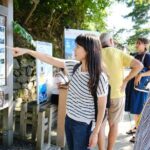
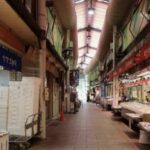
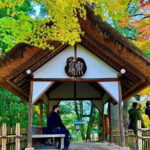
Kanazawa walks better than it reads. This half-day tour strings together the city’s big icons with the human stories behind them, from the samurai past in Nagamachi-era streets to the teahouse world in Higashi Chaya. I especially like the small group pace (max six, and up to seven total on this activity), because you spend less time herding and more time asking questions.
I also love that the highlights aren’t just sightseeing stops. You get hands-on time at a Kaga Yuzen studio, then slow down with matcha in a quiet setting and end in Higashi Chaya District along the Asano River. One possible drawback: if you need gluten-free, this tour cannot accommodate it, and vegetarian options are limited—so plan your food expectations early.
In This Review
- Key Things You’ll Notice on This Kanazawa Tour
- A 5-Hour Kanazawa Walk That Uses Your Time Well
- Starting at Kanazawa Shrine: The Name-Story Warm-Up
- Kenrokuen Garden: A Calm Reset You Actually Have Time For
- Kanazawa Castle Area: How Small Details Become Clues
- Kaga Yuzen Studio: Watching Craft Up Close (and Trying It)
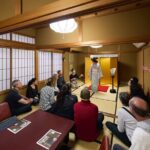
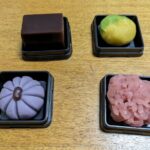
- Matcha at a Hidden Samurai Residence: Quiet Time With Context
- Geisha-Style House: Teahouse Culture From the Inside
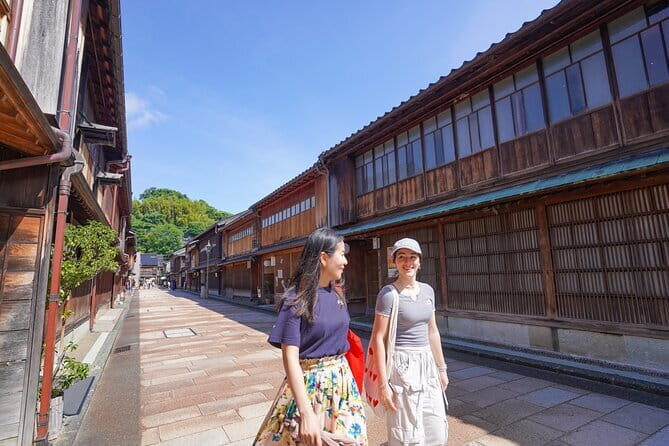
- Finishing in Higashi Chaya District by the Asano River
- Who This Tour Suits Best (and Who Might Want Another Option)
- Practical Tips to Get More Out of the Day
- Should You Book This Kanazawa Half-Day Tour?
- FAQ
- How long is the Kanazawa half-day tour?
- What group size should I expect?
- Where does the tour start and end?
- Is the tour mostly walking, and is there a strict start time?
- What’s included in terms of admission tickets?
- Does the tour include food or drinks?
- Can I request vegetarian options or dietary accommodations?
- Is the tour gluten-free friendly?
- Can I cancel for a full refund?
Key Things You’ll Notice on This Kanazawa Tour
- Kenrokuen Garden admission is included, so you can focus on the experience instead of ticket logistics.
- Gold-leaf ice cream is part of the route, a fun Kanazawa flavor break that keeps the energy up.
- Kaga Yuzen craft time lets you see artisans at work, not just watch from a distance.
- Matcha in a samurai residence gives you a calmer feel away from the main crowds.
- Geisha-style house visit adds teahouse culture details you don’t get just from walking streets.
- Higashi Chaya District finish positions you right where you can keep exploring after the tour.
A 5-Hour Kanazawa Walk That Uses Your Time Well
This tour is built for people who want a lot of Kanazawa in one compact block. It runs about 5 hours, which is long enough to see meaningful sites (and have a real snack break), but not so long that your feet feel ruined by hour three.
The format matters. It’s a guided walking route with short stops and a few “slow down” moments. That’s ideal if you’re the type who likes understanding why a place exists, not just taking photos. Plus, with the group kept small, the guide can adjust the pace when people have questions.
Price-wise, at $75.12 per person, you’re not paying only for entry tickets. You’re also paying for context: the route connects name origins, cultural districts, and craft traditions into one story. If you’ve already got a hotel base and want a guided “greatest hits + meaning” plan, this is a strong value.
Other Kanazawa tours and samurai-district walks


Starting at Kanazawa Shrine: The Name-Story Warm-Up
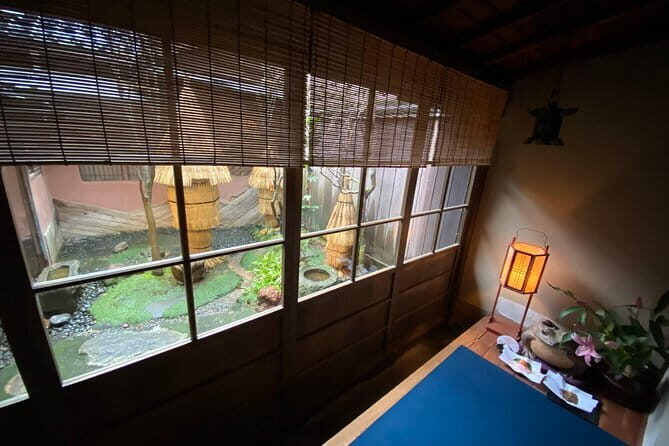
You meet your guide at the FamilyMart+Drug Komeya Kanazawa Musashi Store, then head to Kanazawa Shrine, starting in front of the large red torii gate.
This stop is short, but it does a useful job: it sets the tone. Kanazawa Shrine is tied to Sugawara no Michizane, known as Japan’s patron of learning. You’ll also hear how this area connects to the origin of Kanazawa’s name—exactly the kind of background that makes the rest of the day feel less random.
Practical note: this is an easy first step, because there’s no deep climb or long wandering required before you get your bearings.
Kenrokuen Garden: A Calm Reset You Actually Have Time For
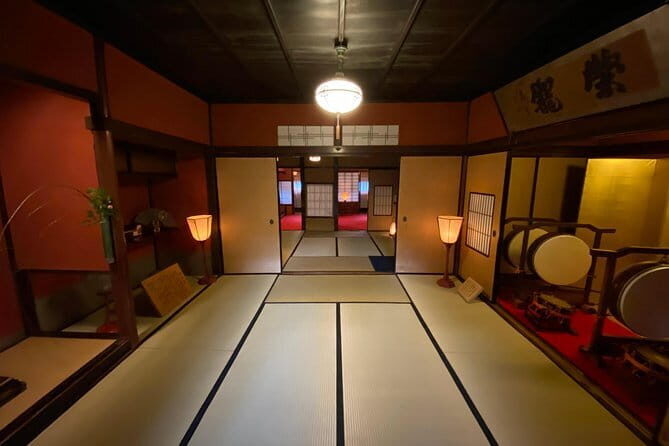
Kenrokuen is the big one, and it’s handled well here because the stop is focused: a 30-minute visit with admission included. That means you’re not forced to rush through the whole garden, and you’re not stuck waiting around while others take their time.
Kenrokuen is nurtured over generations by the Kaga Domain, and the guide’s job is to help you read the space. Gardens can feel like background decoration if you don’t know what to look for, but on this tour you get the historical framing that turns a walk into understanding.
What to watch for during your time there:
- Places where the garden feels like it’s “composed” rather than random
- How water and pathways guide your viewpoint
- The overall mood shift from busy streets to calmer ground
Best of all, this garden stop gives you a mental reset before the more structured history stops later.
Kanazawa Castle Area: How Small Details Become Clues

Next you walk through the Kanazawa Castle area. The time here is about 30 minutes, and the admission is free for the areas you visit.
This is one of my favorite types of stops: the guide helps you notice the stonework, gates, and layout—things most people walk right past without a second thought. When those details click into place, you stop seeing ruins and start seeing strategy: where people would have moved, how space was organized, and why certain areas mattered.
The drawback to know: castle grounds can be a bit exposed depending on season. If weather is extreme, you’ll want to use layers and stay hydrated. This is still a walking tour, so build in some comfort.
Kaga Yuzen Studio: Watching Craft Up Close (and Trying It)
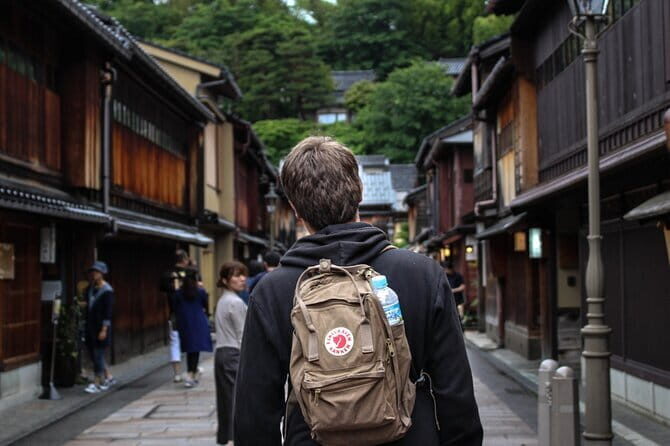
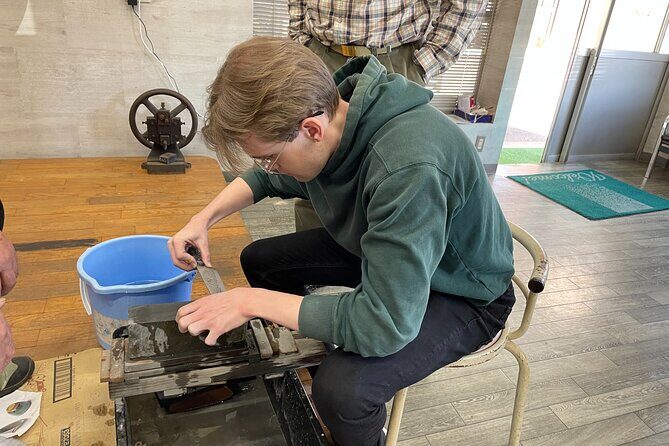
Then comes a craft stop that feels more grounded than a typical museum visit. You go to a Kaga Yuzen studio where artisans and apprentices create by hand.
Your time here is about 40 minutes, and the admission is free. The big value is that you get to learn, see, and try the craft up close. Even if you only do a small activity, the point is connection: you’re not just looking at finished pieces; you’re watching how work gets made.
Kaga Yuzen is a dyeing and textile tradition, and what you’ll likely appreciate most is the discipline in the process. You can feel why it took time historically to make clothing and why designs have specific patterns rather than random decoration.
One consideration: this portion can be popular with people who like hands-on activities, but it also means you’ll want to be mentally ready to participate, not just take photos.
If you're still narrowing it down, here are other tours in Kanazawa we've reviewed

Matcha at a Hidden Samurai Residence: Quiet Time With Context
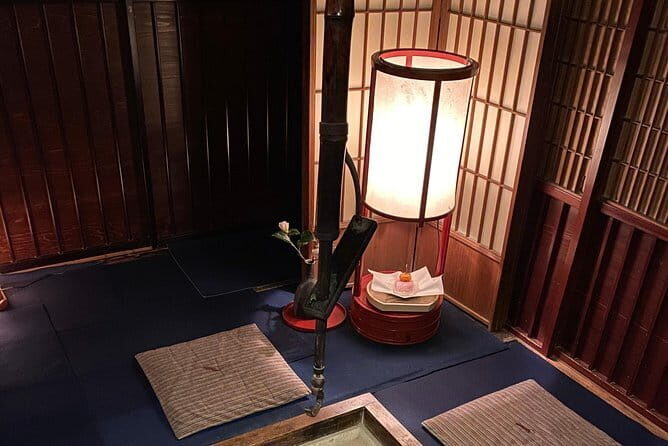
After craft, the tour slows down again with matcha in a hidden samurai residence. This stop is about 30 minutes, admission is free, and the tone shifts into something calmer and more private.
The point here isn’t just drinking matcha. It’s what the setting suggests: samurai homes had a kind of built-in routine—space, garden views, and everyday rituals that shaped life. Your guide will help you notice that the garden moment isn’t decorative; it’s part of how the residence functioned emotionally and socially.
If you’re worried about feeling like you’re being rushed: this is typically the part of the day where you’ll feel you can breathe. I like that it’s not another “look and go” stop.
Geisha-Style House: Teahouse Culture From the Inside
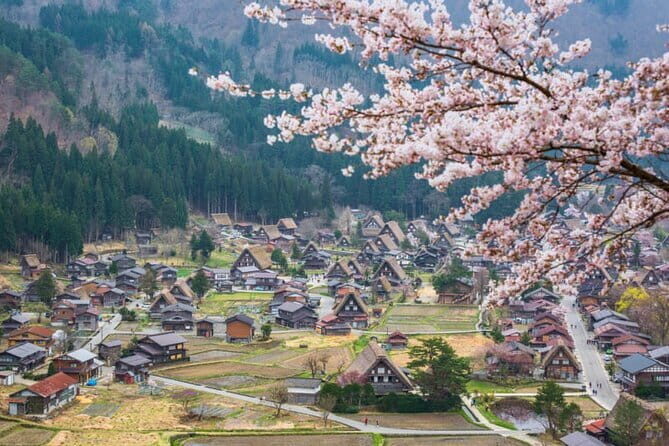
Next you step into a geisha-style house for a 30-minute visit. Admission is free for this component.
This is a culturally important stop because it gives you a sense of teahouse life beyond street-level postcards. The guide’s explanations connect the rooms and customs to how hospitality worked, so you’re not just staring at rooms; you’re learning how they were meant to be used.
When you’re done, you’ll understand why Higashi Chaya isn’t only about buildings. It’s about social tradition, performance culture, and the choreography of entertaining.
Finishing in Higashi Chaya District by the Asano River
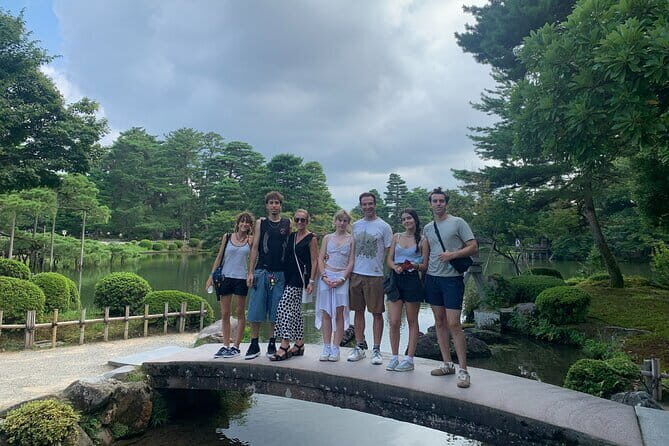
The tour ends in Higashi Chaya District, about 40 minutes for this final stretch, with admission included.
This is the “iki” and “hana” side of Kanazawa’s teahouse world—word choices that matter because they point to a specific style and attitude. Asano River is part of the route too. The guide connects the river to a tradition of rinsing dyed fabrics, which ties back to craft earlier in the day. It’s a nice loop: dyeing becomes culture, and culture becomes place.
Why the ending matters: you’re dropped right where you can keep going at your own pace afterward. If you want snacks, souvenirs, or a last wander toward photo spots, your feet will thank you for this convenience.
Who This Tour Suits Best (and Who Might Want Another Option)
This is a great fit if you want:
- A tight route through Kenrokuen, castle area, crafts, and teahouse districts in one morning-to-afternoon block
- A guide to connect sites to stories of geisha and samurai
- Time for a few “slower” cultural moments like matcha and indoor visits
- A small-group day so you can ask questions without waiting
It may feel less ideal if you:
- Need gluten-free meals or strict dietary certainty (the tour can’t accommodate gluten-free requests)
- Want a guaranteed wide variety of vegetarian options (vegetarian choice is limited, and Japanese restaurants often don’t have full vegetarian menus ready)
If you’re traveling in very hot or very cold conditions, come prepared. The tour notes that Japan’s weather has become more extreme, with summers that can reach 40°C (110°F) and winter lows around -5°C (20°F), and the tour might be canceled for safety if conditions are unsuitable.
Practical Tips to Get More Out of the Day
A walking tour is only “half-day” if you walk comfortably. Here’s how to make the route feel easy:
- Wear shoes you trust on uneven pavement and museum-like entrances.
- Bring water and a light layer. Even when the day starts comfortable, garden and river areas can shift.
- Go into the Kaga Yuzen stop ready to participate. It’s one of the best value parts because you’re doing something, not just watching.
Also, timing matters. The experience states it must start on time, and if you arrive late and miss the group, you can’t join, refund, or reschedule.
Finally, use the ending. Your guide shares recommendations for lunch or dinner depending on whether you’re on a morning or afternoon tour. That advice can save you time hunting for good food near where you end up.
Should You Book This Kanazawa Half-Day Tour?
Yes—if you want a compact Kanazawa plan that balances Kenrokuen beauty with craft and district storytelling, this tour is a strong choice. The small group size, craft-focused studio time, and the sequence of history-to-culture stops create a day that feels connected, not just crowded with landmarks.
I’d hold off or choose another option if gluten-free is non-negotiable, or if your diet is strict and you can’t manage limited vegetarian offerings. If food flexibility is your biggest concern, make that call before you book.
If you’re trying to decide between “see sights” and “understand Kanazawa,” this one leans toward the second. It’s a tidy way to get your bearings fast and leave with more than photos.
FAQ
How long is the Kanazawa half-day tour?
It lasts about 5 hours.
What group size should I expect?
It has a maximum of 7 travelers, and it is described as a small-group experience (maximum six).
Where does the tour start and end?
It starts at FamilyMart+Drug Komeya Kanazawa Musashi Store in Kanazawa and ends in Higashi Chaya District (1 Chome-13 Higashiyama, Kanazawa).
Is the tour mostly walking, and is there a strict start time?
Yes, it’s a walking route and it must start on time. If you are late and miss the group, you won’t be able to join and you won’t receive a refund or reschedule.
What’s included in terms of admission tickets?
Kenrokuen Garden admission is included, and Higashi Chaya District includes an admission ticket. Other stops listed include free admission.
Does the tour include food or drinks?
Yes. You’ll get gold leaf ice cream during the tour, and there is matcha included at a samurai residence. (Vegetarian and dietary options are limited.)
Can I request vegetarian options or dietary accommodations?
You can request vegetarian options, but the tour provides only a limited selection. For any dietary requests or allergies, you must inform them at least one day before the tour. Requests made on the day can’t be accommodated.
Is the tour gluten-free friendly?
No. The tour states it is unable to accommodate gluten-free requests.
Can I cancel for a full refund?
Yes. Free cancellation is available up to 24 hours in advance for a full refund. Cancel less than 24 hours before the start time, and you won’t get a refund.