Kanazawa feels like a slow-blooming classic, especially with a local guide steering. I love the licensed, English-speaking guide and the customizable route that fits your time and interests. One consideration: entrance fees and food are not included, so you’ll likely add a bit to the $119-per-person price.
You can meet your guide at your hotel, then spend the next 4 to 6 hours hopping between Kanazawa’s top sights—gardens, castle grounds, markets, and the Edo-era tea districts. The tour runs rain or shine, and it’s set up as a private experience, so you’re not stuck watching from the back of a group.
In This Review
- Key highlights worth building your day around
- A private Kanazawa walk that saves you from guesswork
- How the tour actually runs: meet, choose, then follow the plan
- Kenroku-en: the garden that makes sense when someone explains it
- What I’d watch for here
- Possible drawback
- Kanazawa Castle Park and the rebuilt fortress story
- The best use of your time
- Omicho Market lunch: where Kanazawa tastes like Kanazawa
- If you’re food picky
- Chaya District (Higashi Chaya): Edo-era charm plus real craft stops
- Craft shopping that makes sense in context
- 4 hours vs 6 hours: pacing that actually helps
- Tip that helps in real life
- Your guide is the product: English support and flexibility
- Rain or shine: how to prepare so the day stays fun
- Wheelchair accessible, but still ask about walking expectations
- Price and value: $119 per person and what you’re really buying
- Who gets the best value
- Should you book this private Kanazawa tour?
- FAQ
- How long is the Kanazawa private tour?
- Where does the tour start?
- Is the guide available in English?
- Is the tour private or shared?
- Are entrance fees included?
- Is lunch included?
- Does the tour run in bad weather?
- Do I need to bring cash?
- How does cancellation work?
- Is it wheelchair accessible?
Key highlights worth building your day around
- Hotel pickup by a licensed guide: meet in the lobby, with a clear pre-meet timing so you don’t waste daylight.
- Kenroku-en in the right order: you’ll get the garden story, not just the postcard views.
- Kanazawa Castle Park and rebuilt spaces: the site is presented with context, including the recent reconstructions.
- Omicho Market lunch stop: fresh seafood and local vegetables, with an easy place to refuel.
- Higashi Chaya District walk: Edo-era atmosphere plus craft shopping like folkcraft and Kaga Yuzen.
- Flexibility between 4 and 6 hours: you can choose what matters most and adjust the pacing.
A private Kanazawa walk that saves you from guesswork
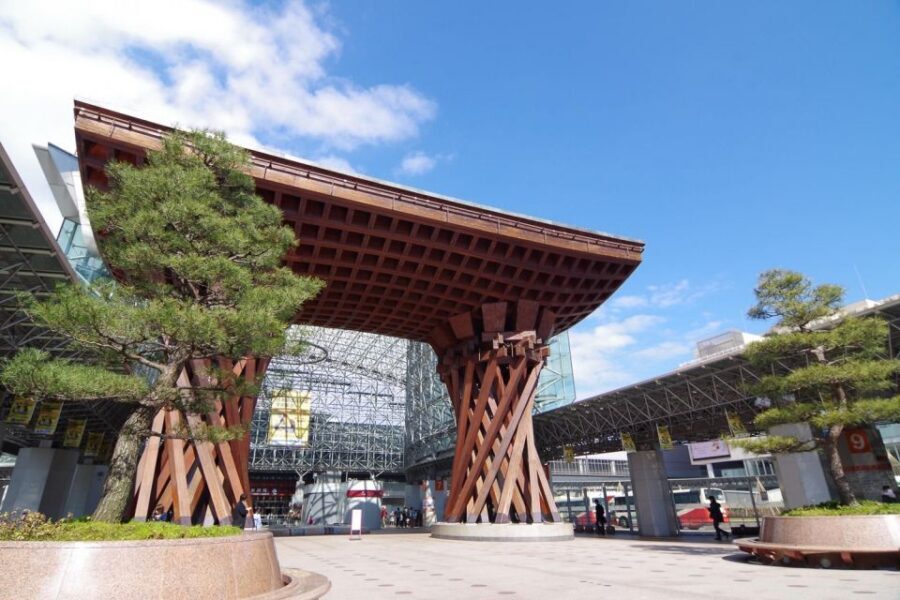
Kanazawa is not huge, but it’s detailed. Streets have layers. Neighborhoods tell different stories depending on the time of day. A private guide matters here because the city isn’t just “sights”—it’s the connections between them: feudal power, merchant life, craft traditions, and the way Edo culture still lingers.
With a licensed local guide, you’re not relying on trial-and-error maps while trying to hit the best spots. You’re also not stuck on someone else’s agenda. The big win is control: you choose what you want to experience and when you want to start, and your partner arranges a route to match.
Other Kanazawa tours and samurai-district walks

How the tour actually runs: meet, choose, then follow the plan
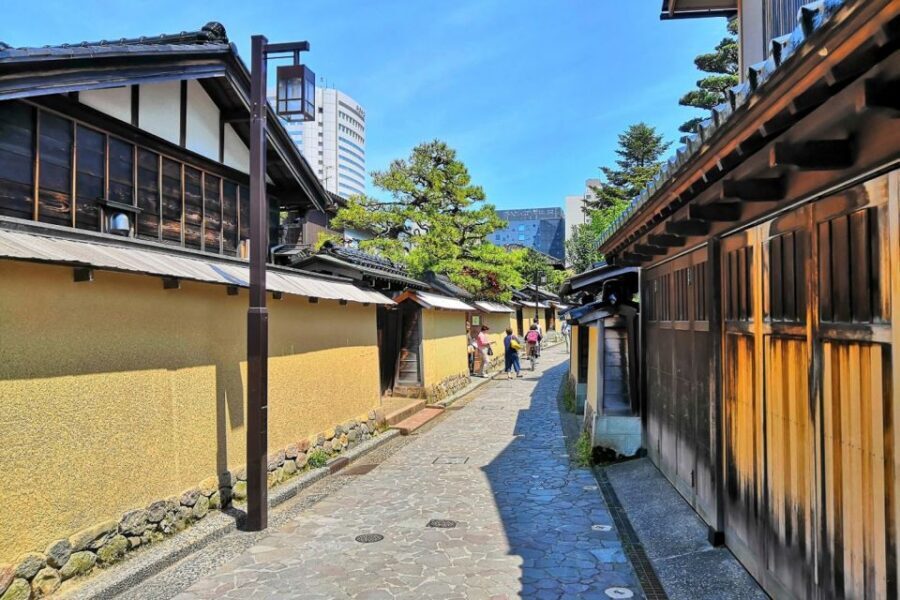
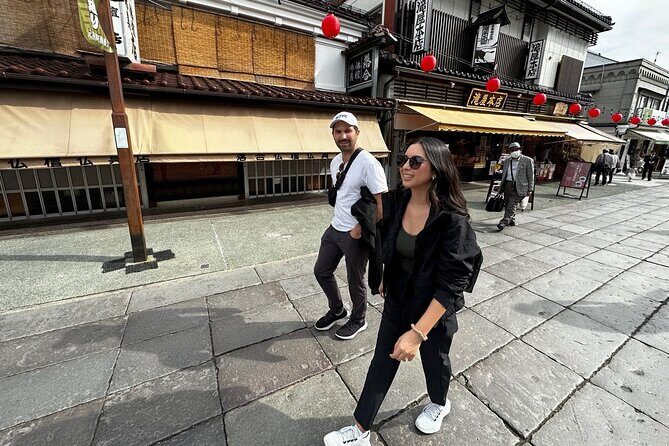
Your day starts simply. Your guide meets you at your hotel, and you’ll find them in the lobby about 10 minutes before your scheduled pickup time. From there, you’re walking through the parts of Kanazawa that fit your interests—gardens, castle history, market food, and the chaya (tea district) atmosphere.
You’ll also have the option to let the guide handle itinerary planning. That’s useful if you want to relax and just enjoy the day, or if it’s your first time in Kanazawa and you want someone to steer you to what’s most meaningful.
A practical note for planning: pickup is on foot only if you’re within a reasonable distance. If you’re farther out, you may need to factor in additional getting-there time.
Kenroku-en: the garden that makes sense when someone explains it
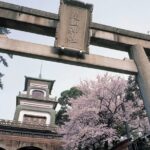
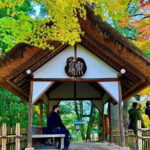
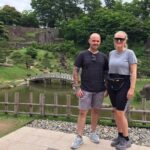
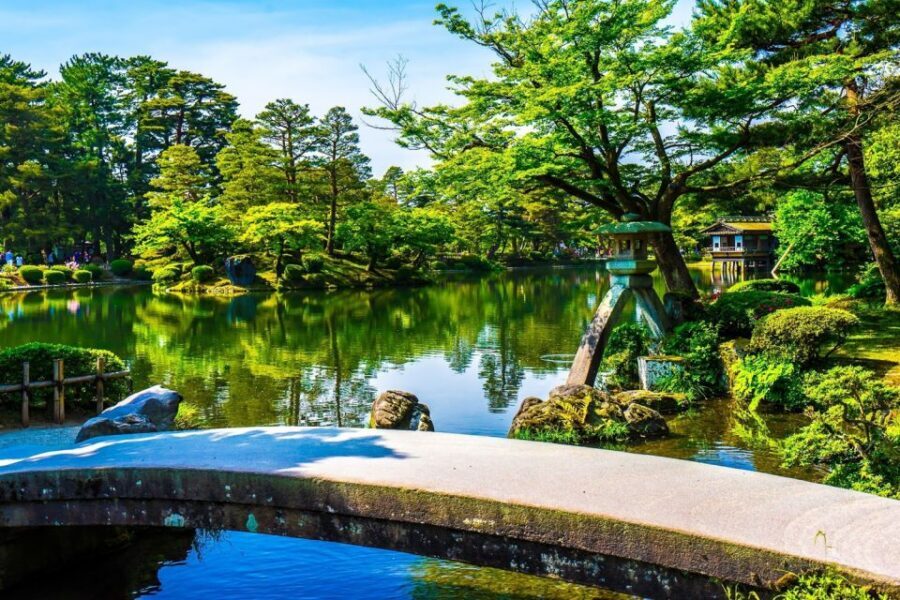
If Kenroku-en is on your list, do it with context. This is one of Japan’s Three Great Gardens, and it’s famous for being designed to impress in multiple ways—seasonal feel, changing sightlines, and that careful balance between structure and nature.
On this tour, you’re not just wandering. You’re guided through what you’re seeing and why it mattered. The itinerary example highlights a stroll through the garden of a feudal lord that took years to complete. That detail matters because it reframes the garden from “nice landscaping” into “years of intention,” tied to power, prestige, and leisure culture.
What I’d watch for here
- Give yourself time to slow down. Kenroku-en rewards walking at a human pace.
- If it’s winter, spring, or fall, plan for a little extra photo time. The garden is especially photogenic then, and the guide can help you time views.
Possible drawback
This part can involve some walking on uneven ground. Wear shoes you trust, especially if it’s raining.
Other guided tours in Kanazawa

Kanazawa Castle Park and the rebuilt fortress story
Next up is Kanazawa Castle Park, including a visit to Kanazawa Castle. The standout point is how the place has been reconstructed: the buildings and gardens have been successfully and accurately rebuilt in recent years. That means you’re not just looking at ruins—you’re getting a strong sense of what the area was meant to be.
A good local guide makes this easier to picture. You’ll learn how the layout and the castle grounds fit into the city’s historical rhythm. This is the kind of stop where you’ll get more out of it if you care even a little about how feudal Japan organized space.
The best use of your time
Don’t rush the reconstructed areas. If you walk through while thinking about why certain parts were placed where they were, the site stops feeling like a set of buildings and starts feeling like a map of power.
Omicho Market lunch: where Kanazawa tastes like Kanazawa
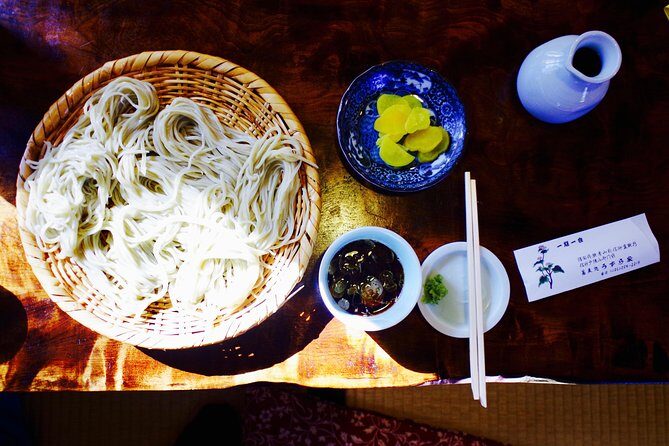
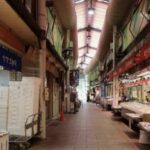
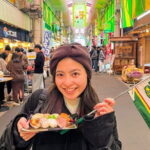
After gardens and history, you’ll want something practical. The tour’s example includes lunch at Omicho Market, often described in a way that fits how you’ll experience it: fresh fish, plus local vegetables, all in the same busy food setting.
The included lunch stop example points specifically to Kanazawa’s Kitchen within the market area. Even if you don’t order exactly the same things as anyone else, the value here is having a guided moment that’s both efficient and local. You’re not guessing what’s worth your money, and you’re not wandering for an hour looking for the right spot while everyone else is already eating.
If you’re food picky
I like that your route can be customized. If fish isn’t your thing, your guide can steer you toward something that still feels like Kanazawa without making you miserable.
Chaya District (Higashi Chaya): Edo-era charm plus real craft stops
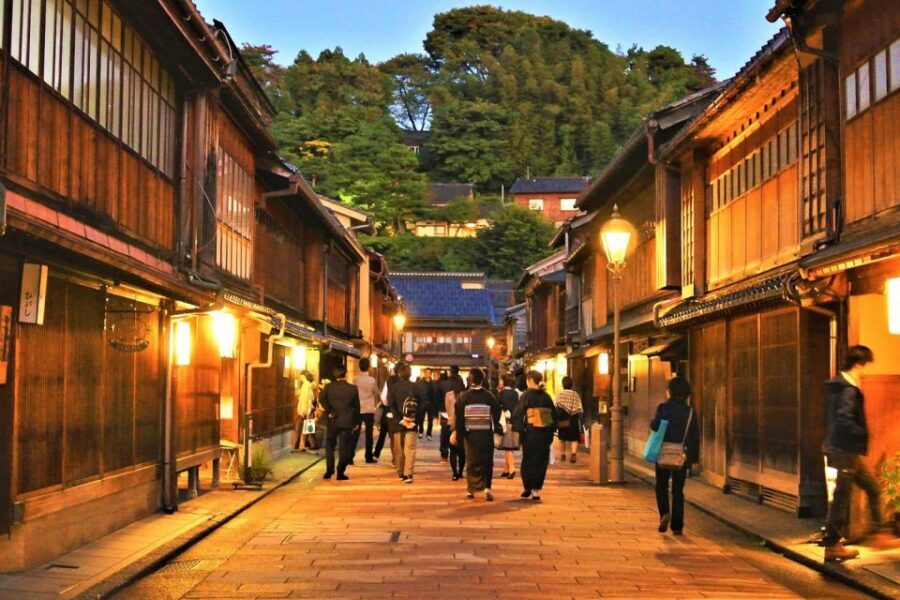
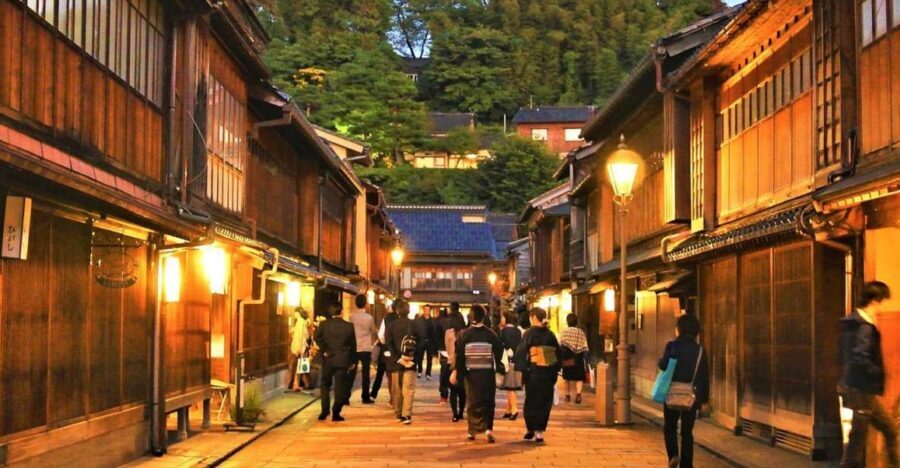
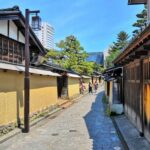
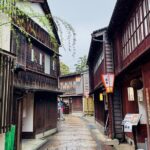
This is where Kanazawa shifts from grand gardens and castle grounds to human-scale street culture. The itinerary example focuses on the Chaya District, especially Higashi Chaya, known for architecture that keeps the grace of the Edo era.
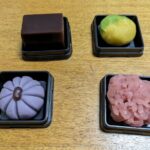
In the walk, you’ll see the area’s mix of shops and traditions: miso stores, rice shops, and teahouses where wagashi confections show up. Even if you skip sweets, noticing how these businesses fit together gives you a better feel for what the district is today, not just what it used to be.
Craft shopping that makes sense in context
The guide also brings you to stores practicing traditional folkcraft of Kanazawa and the Kaga Yuzen art of dyed fabrics. Kaga Yuzen matters because it’s not just a product—it’s a whole craft process tied to local history and design methods. With a guide, you’re more likely to understand what you’re looking at, rather than treating it like souvenirs on display.
A useful detail from past tour experiences: some guides point out smart ways to cover ground using local buses, especially if your schedule is tight. One guide even recommended a bus day pass, which can save time and energy compared with doing everything on foot.
4 hours vs 6 hours: pacing that actually helps
The tour comes in private 4- or 6-hour formats, and that changes how you experience the city.
- A 4-hour tour feels best if you want the big hits: likely Kenroku-en plus one or two additional anchor stops, without extended time in each district.
- A 6-hour tour gives you room to slow down—more time at the gardens, a fuller castle-area experience, plus time in Omicho Market and deeper walking through the Higashi Chaya area.
If you’re trying to see a lot, walking is the default. If you want to cover more ground or reduce walking time, the tour notes that other transportation can be arranged at an additional cost. That’s worth knowing before you pick the 4-hour option versus the 6-hour option.
Tip that helps in real life
If you’re deciding between durations, think about your “comfort speed,” not just your sightseeing ambition. Four hours can feel very full if you want time to shop, snack, and take photos.
Your guide is the product: English support and flexibility
This is the part that drives the rating. In the guides’ names and styles you’ll see people mention, a consistent theme appears: strong communication and real adaptability.
Some examples from guide experiences include:
- Yoshi, praised for wide knowledge and easy-to-follow English, plus great recommendations when time is limited.
- Yumiko, described as punctual and detailed when explaining history and customs around the samurai and geisha quarters.
- Sachi, noted for friendly, knowledgeable guiding and a well-managed flow from samurai, temple, and gardens.
- Sho, highlighted for planning based on interests in advance and responding patiently on the day.
- Guides like Tomoko, Junko, Kako, Yuki, and Masayo are also mentioned for being flexible, supportive, and engaged—some even helping solve practical problems when plans shift.
One detail I really respect: multiple guide experiences mention patience, including adapting when someone had back problems. That’s not about special treatment—it’s about good guiding, meaning routes, pacing, and explanations that work for real bodies, not just ideal tourist stamina.
Rain or shine: how to prepare so the day stays fun
This tour runs rain or shine, so your best move is dressing for weather and traction. Kanazawa weather can change quickly, and if you’re on foot, that matters.
Also bring cash. The tour information calls that out specifically, and having cash ready keeps lunch and small purchases from turning into an annoying scramble.
Shoes are your quiet hero here. If you get wet and your feet slide around on paths, you won’t enjoy the garden or the street atmosphere.
Wheelchair accessible, but still ask about walking expectations
The tour is listed as wheelchair accessible, which is a big plus. Still, because this is a walking tour by default, you’ll want to set expectations with your guide about how much walking is planned and whether route adjustments are needed.
The good news is that the tour is flexible. If you need a different rhythm, your guide can typically work with your preferences since the itinerary is customizable and can include other transport for an extra cost.
Price and value: $119 per person and what you’re really buying
At $119 per person for a 4 to 6 hour private walking tour, you’re not paying for a bus ride or a checklist. You’re paying for:
- A licensed local guide
- Private route planning around your interests
- The ability to ask questions and adjust in real time
- Efficient access to key sights without spending your energy on navigation
Entrance fees and food are not included, so you’ll likely add spending on top. But that’s common for most sightseeing days, and the upside is that you choose what you pay for. If you’re traveling with someone who wants different things—one person wants crafts, the other wants castle history—this format lets you satisfy both without splitting up.
Who gets the best value
This works especially well if:
- You have limited time in Kanazawa
- You want more than a photo-stop tour
- You’d rather pay for quality guidance than risk wasting time figuring it out alone
If you’re traveling super light on budget and you’re happy with self-guided wandering, you could DIY cheaper. But if you want a smoother day with context at every stop, the private guide cost starts to look fair fast.
Should you book this private Kanazawa tour?
Book it if you want a guided Kanazawa day that actually fits you. It’s ideal when you care about learning what you’re seeing, not just ticking boxes, and when you’d benefit from a local’s route choices—especially at Kenroku-en, Kanazawa Castle Park, Omicho Market, and through Higashi Chaya’s tea district streets.
Skip it (or consider a shorter version) if you want maximum independence, minimal walking, or you’re trying to do everything on foot with zero extra spending. Also, remember that entrance fees and food aren’t included, and the day runs rain or shine—so pack accordingly.
Bottom line: for most visitors, paying for a private licensed guide in Kanazawa is one of the most efficient ways to turn a few hours into a day that feels like you understood the city.
FAQ
How long is the Kanazawa private tour?
You can choose a 4- or 6-hour private guided walking tour.
Where does the tour start?
Your guide meets you at your hotel in Kanazawa. Pickup is included on foot if you are within a reasonable distance, and the guide waits in the hotel lobby about 10 minutes before the scheduled pickup time.
Is the guide available in English?
Yes. The tour guide is available in English and Japanese.
Is the tour private or shared?
It’s a private group experience.
Are entrance fees included?
No. Entrance fees are not included.
Is lunch included?
Food and drinks are not included. The example itinerary includes lunch at Omicho Market, but you should plan to pay for your meal.
Does the tour run in bad weather?
Yes. This experience takes place rain or shine.
Do I need to bring cash?
Yes. The tour information specifically says to bring cash.
How does cancellation work?
Free cancellation is available up to 24 hours in advance for a full refund.
Is it wheelchair accessible?
Yes, the tour is listed as wheelchair accessible.