Toyama’s Shogawa Woodturning workshop is a simple craft with real payoff. You’ll shape chopsticks from actual wood types, then leave with a pair that fits your own preferences for size and feel, not a one-size souvenir.
I really like the small group setup (up to 4), because it keeps the pace calm and the guide can help you right when questions pop up. I also love that you get to choose length and thickness freely, so your chopsticks can match how you actually plan to use them.
One thing to think about: the wood you pick affects how hard the work feels. Softer woods make the process easier, while harder species can turn the session into a good workout—still fun, just expect a bit more effort.
In This Review
- Key highlights (what you’ll remember)
- Shogawa Wood Plaza: a wood-town setting in Toyama
- Your chopsticks start with choosing the wood (and yes, it changes the work)
- The main tool work: planing your way to a real pair
- How the guide support makes the difference
- Choosing cypress vs hiba: what to expect in the feel
- What else is happening at Shogawa Wood Plaza
- Timing: making in about an hour, without rushing
- Value check: is $14.33 worth it?
- Who this is best for (and who might want a different plan)
- Practical logistics: getting there and what to bring
- Should you book Japanese Chopsticks Making in Toyama?
- FAQ
- How long is the Japanese chopsticks making experience?
- Where does the experience take place?
- What is the price per person?
- What languages are offered for the guide?
- Can I choose the chopsticks’ size?
- What kinds of wood are used?
- Is the workshop suitable for children or beginners?
- What’s included in the price?
- Is anything not included?
- What is the cancellation policy?
Key highlights (what you’ll remember)
- Pick length and thickness yourself for a custom pair you’ll actually enjoy using
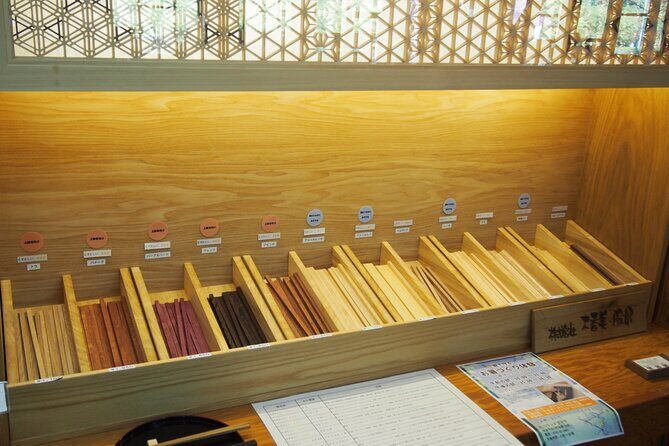
- Choose from 10+ wood types, including cypress and hiba
- Planing is the main action, making it a safer-feeling craft for kids and beginners
- Up to 4 people per group, so you get real attention from the guide
- A finishing step with oil brings out the natural wood color
- Shogawa Wood Plaza adds extras like exhibits, a café vibe, and a foot spa area
Shogawa Wood Plaza: a wood-town setting in Toyama
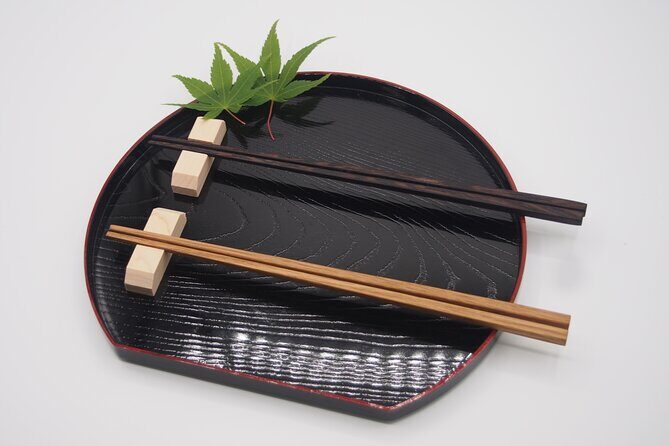
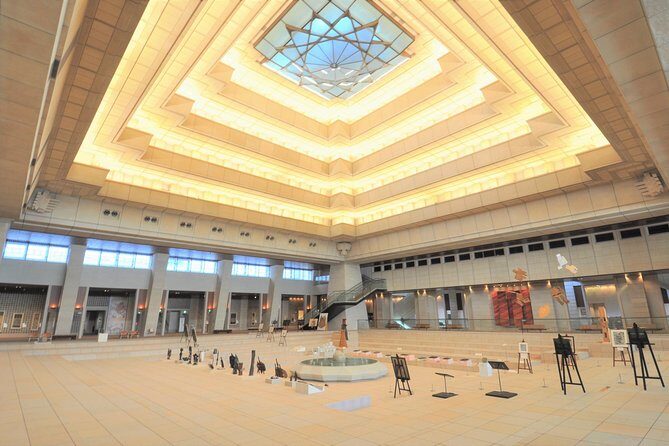
This workshop happens in Shogawa-cho in Tonami City, a place strongly tied to wood craft. The center you’ll use, 庄川ウッドプラザ (Shogawa Wood Plaza), is part of the Shogawa Woodturning tradition, and the craft is certified as a Tonami brand. That matters because it’s not just a demo space—it’s a real workshop setting built around wood.
From the way the day flows, it feels like a small stop you can enjoy even if you don’t speak a ton of Japanese. The guide offers Japanese and English, and the tools do a lot of the explaining for you. You’re using your hands, not just watching someone else work.
Also, the location is scenic in a practical way. One person described the workshop area with mountains, a giant water mill, and a foot spa, which matches what you’d hope for in Toyama—quiet, outdoorsy, and relaxed. It’s a nice contrast to the faster, city-style “factory tour” feeling.
If you're still narrowing it down, here are other tours in Toyama Prefecture we've reviewed.


Your chopsticks start with choosing the wood (and yes, it changes the work)
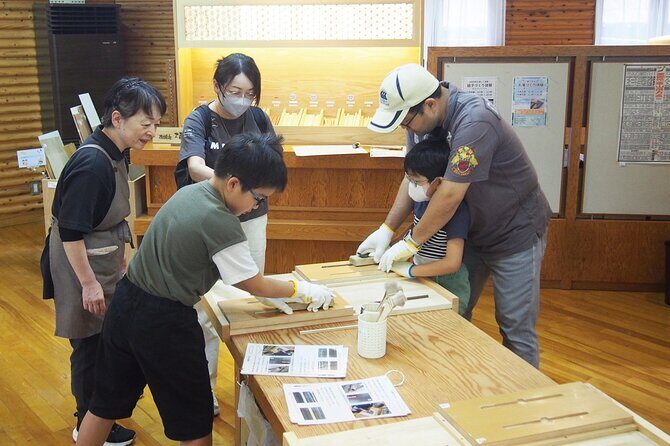
The big decision point is the wood selection. You’ll be working with more than 10 different types of wood, including familiar names like cypress and hiba. Those species vary in hardness, color, and even feel in the hand.
This is where the experience becomes more than a craft class. If you pick a soft wood, the shaping stage becomes easier and you’ll spend more time refining your design instead of muscling through the tool. If you pick a harder wood, you’ll likely slow down—yet the payoff is that you learn how different woods respond under the tool.
I also like that you aren’t forced into a standard pair. You can decide the length and thickness you want. That means you can make chopsticks that look simple and classic, or ones that are thicker for a sturdier grip. Either way, you’re walking out with something that feels personal.
And based on the feedback people shared, the wood choice can include sensory perks. One write-up noted some woods can have a characteristic aroma. You’re not just selecting by looks—you’re selecting by how the wood feels and behaves.
The main tool work: planing your way to a real pair
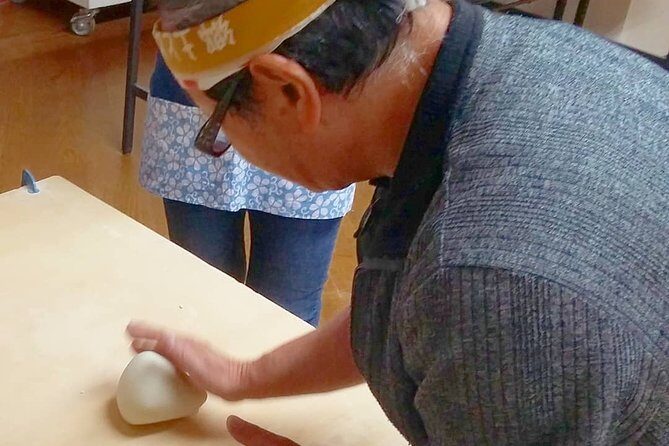
The core making process is straightforward: you’ll do the shaping using planing tools. The description is clear that the process is simple enough for beginners and children, with peace of mind. That’s not a small detail. Many “wood craft” experiences rely on techniques that take practice. Here, the motion is repetitive and controlled, so you can get confident quickly.
After about 30 minutes of work, you’ll end up with chopsticks that look like chopsticks—natural wood color and all. The goal isn’t complicated carving. It’s careful reduction: plane down the block into a clean stick, then keep going until the shape feels right.
From the way the experience is structured, the guide likely explains the rhythm and checks your progress so you don’t overdo it. One comment mentioned that the process wasn’t difficult, but that some woods were harder than others. That lines up with what you should expect: your hands do the work, but you’re not left guessing.
How the guide support makes the difference
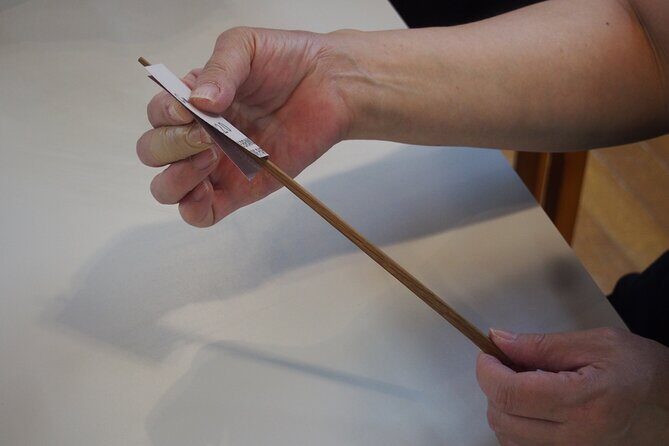
A good hands-on workshop is really two things: the tools, and the person standing next to you when you hit a snag. In this case, the guide support seems to be a major reason people come away smiling.
The feedback includes comments about guides being friendly and helpful, and one line about the encouragement during the planing stage. It’s the kind of small push that keeps kids engaged and keeps adults from getting frustrated when a harder wood resists.
Because the group max is 4 travelers, the guide doesn’t have to rush. You’re not waiting behind a line of people. If you misread a step or you’re unsure about thickness, you can get a fix while it’s still easy to correct.
If you’re the type who learns best by doing, this is the right setup. If you’re shy about making mistakes, it’s also a good one because the craft is slow enough to reset and try again.
Choosing cypress vs hiba: what to expect in the feel
Let’s talk about the wood choices you’ll hear about: cypress and hiba are specifically mentioned. Even without going deep into woodworking science, you can use this practical rule of thumb:
- Softer woods tend to let you shape faster and feel less resistant under the tool.
- Harder woods often require more steady pressure and patience.
That’s exactly what the feedback hints at—some woods are easier, some are harder, and the hardness affects how the session feels. If you’re bringing kids, or if you want a calmer experience with more time spent on finishing details, choosing a softer wood is a smart move.
If you’re an adult who enjoys a challenge, pick a tougher wood. You’ll still be guided, but you’ll earn your satisfaction more slowly. Either way, you’re learning something real: not just how chopsticks are made, but how material choice changes the entire craft.
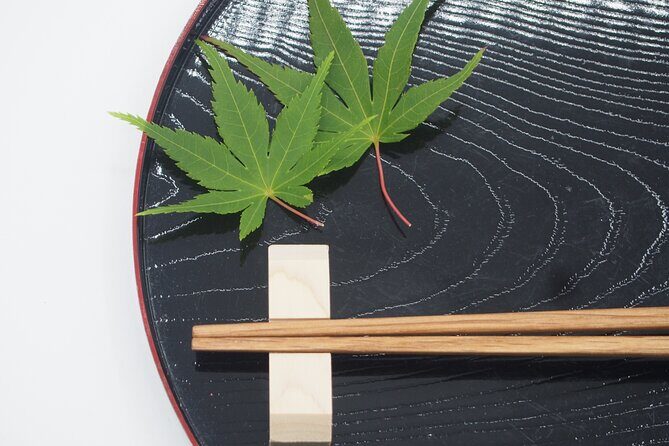
Also, natural wood color is part of the visual appeal here. The experience is described as producing chopsticks with the color of natural wood after you work on them. And one person specifically noted a finishing step with oil that brings out that natural beauty.
What else is happening at Shogawa Wood Plaza
This workshop doesn’t feel isolated. Shogawa Wood Plaza sits in a broader area that people described as inviting and full of small extras. You might find yourself spending a bit of time looking around while you’re in the vicinity.
From what’s been described, there can be exhibits and workshop-related displays, plus a café stop. One write-up mentioned seeing a wooden kitchen and office tools as part of the exhibits. Another mention tied the area to local treats and cosmetics, which suggests you may have opportunities for small shopping and snacks once you’ve finished making your chopsticks.
There’s also something very “Toyama” about the setting: a foot spa shows up in the descriptions. After hand-work with tools, your feet and legs can feel more tired than you expect, so a foot spa is a nice add-on if you have time.
I’d treat these extras as bonuses rather than the main event. The main event is still your chopsticks, your wood selection, and your hands-on work. But it’s good to know the day doesn’t end the moment your workshop time ends.
Timing: making in about an hour, without rushing
The workshop runs about 1 hour (approx.). That’s an ideal length for a craft workshop: long enough to get meaningful progress, short enough that the tools don’t turn into a long, slow grind.
A common rhythm for this kind of activity is:
1) choose wood and decide your target chopstick size
2) plane down into the shape
3) refine and finish
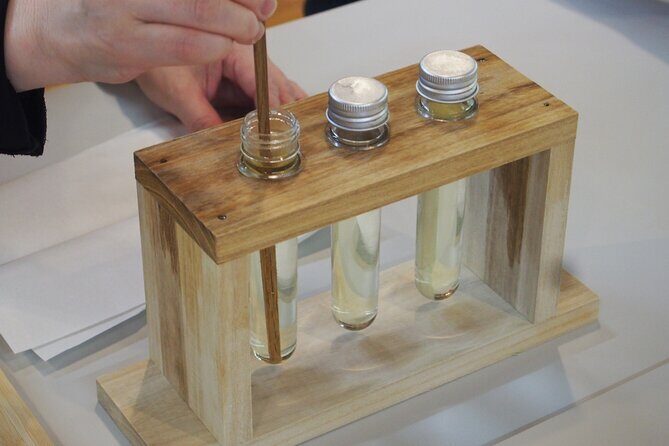
4) apply a final finishing step like oil
The description notes that about 30 minutes into the work you reach the stage where the chopsticks are recognizable in form. Then the rest of the time helps you complete the pair and get it ready to take home.
If you’re planning your day in Toyama, a one-hour workshop is easy to plug into a schedule. You can pair it with nearby exploring, especially since the area itself seems pleasant to walk around.
Value check: is $14.33 worth it?
At $14.33 per person, this is priced like a “do it now” craft experience. You’re paying for a small guided session, tools, and a guide in Japanese or English, plus the materials you choose from multiple woods.
For many craft workshops, costs rise fast once staff time and specialty materials enter the picture. Here, the price sits in a range that feels fair for a guided, hands-on activity that ends with a real takeaway.
To me, the value is strongest because you’re not just making a generic craft. You’re customizing:
- size (length and thickness)
- the wood species (including cypress and hiba and others)
- the final look via natural color and an oil finish
That combination—custom product + guided tool work + short duration—turns $14.33 into a good deal. You’d probably spend more than that on a factory-style visit plus a basic souvenir that doesn’t feel personal.
Who this is best for (and who might want a different plan)
This workshop fits several types of people well:
You’ll enjoy it if you like hands-on experiences where you learn by doing. The planing process is described as simple and beginner-friendly, so you don’t need a DIY background.
It’s also a strong family option. The experience is explicitly set up so children and beginners can participate with peace of mind, and the feedback supports that the session works well as a family activity.
You’ll especially like it if you care about customization. Being able to choose length and thickness makes the result more useful. It also means you can make chopsticks that suit how you hold them.
Who might not love it? If you want a long, deep craft lesson with lots of theoretical explanation, this is only about an hour. It’s built for action, not long lectures. Also, if you dislike tool work or you want no resistance at all, you may want to choose softer wood rather than the hardest species.
Practical logistics: getting there and what to bring
The meeting point is 1058 Shōgawamachi Kanaya, Tonami, Toyama 932-0305, Japan, and the activity ends back at the same location. One note from a description: the drive from Toyama Station is about 28 km, roughly 45 minutes by car.
That’s useful for planning. If you’re staying in Toyama city, you’ll likely need a car/taxi-style ride or a dedicated transport plan to reach the workshop comfortably. The good news is the session itself is short, so you’re not spending half your day commuting just to try one craft.
What to bring? The workshop description doesn’t list anything specific, so I’d plan for simple, comfortable clothes. You’ll be handling tools, and your focus should be on using them safely and steadily.
Should you book Japanese Chopsticks Making in Toyama?
Yes, I’d book it if you want a practical souvenir with meaning. This is one of those experiences where the product is the proof: you shape the wood, you finish it, and you walk out with a pair that’s truly yours.
I also think it’s a smart pick for families and first-time craft people. The tool process is designed to feel manageable, and the small group size keeps the experience from turning chaotic. The wood selection adds an extra layer of fun because cypress, hiba, and the rest mean you can choose what feels right for you.
One last thought: if you want the easiest first attempt, choose softer wood. If you want a more challenging session and you enjoy persistence, pick a harder option and enjoy the extra effort.
If you’re in Toyama and you have even a small window, this is exactly the kind of hands-on stop that turns a trip memory into something you can use at dinner long after you leave.
FAQ
How long is the Japanese chopsticks making experience?
It lasts about 1 hour (approx.).
Where does the experience take place?
The meeting point is 1058 Shōgawamachi Kanaya, Tonami, Toyama 932-0305, Japan, and the activity ends back at the meeting point.
What is the price per person?
The price is $14.33 per person.
What languages are offered for the guide?
Guide languages offered are Japanese and English.
Can I choose the chopsticks’ size?
Yes. You can freely decide the length and thickness of your chopsticks.
What kinds of wood are used?
You can choose from more than 10 types of wood, including cypress and hiba.
Is the workshop suitable for children or beginners?
The process is described as simple and safe for beginners and children.
What’s included in the price?
All fees and taxes are included, along with the necessary tools such as the 鉋 (Japanese plane) and other tools.
Is anything not included?
Other personal expenses are not included.
What is the cancellation policy?
Free cancellation is available. You can cancel up to 24 hours in advance for a full refund.