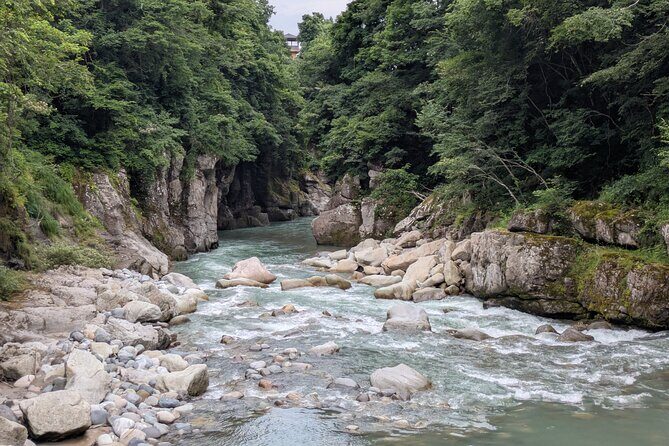
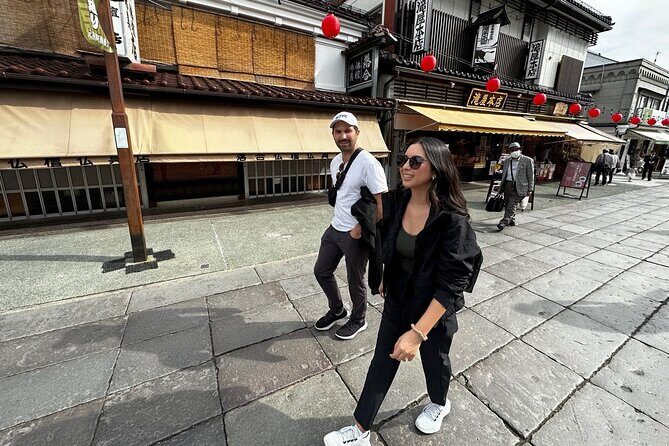
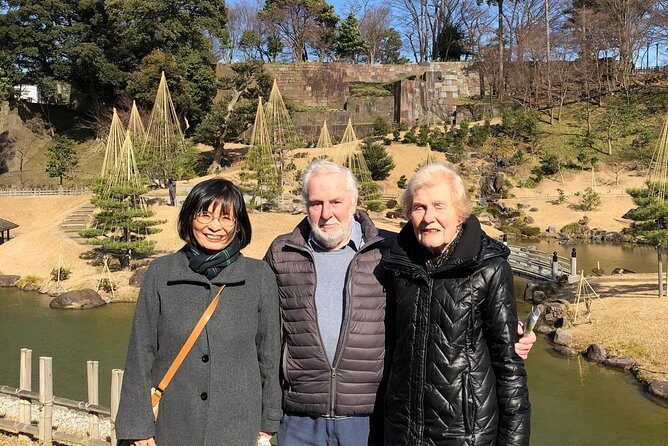
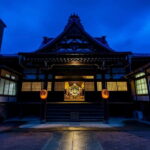
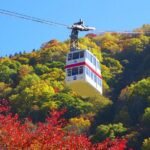
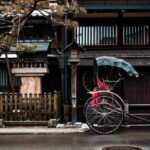
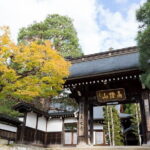
Takayama feels like a time machine.
This private walk is built around your interests, so you can shape your day instead of following a fixed script. I like the start-time flexibility (8 AM to 12 PM) and the way your guide helps you work in the right mix of old streets, markets, and cultural stops with time to actually look around. One thing to keep in mind: the tour is designed for a set area and typically a handful of sights, so if you want far-flung add-ons or high-cost attractions, you may run into extra logistics or fees.
You also get a real human connection. In one recent experience, the guide Mihoko guided the pace from Hida no Sato (Hida Minzoka Mura Folk Village) into the neat old-town lanes, with clear explanations about daily life and craftsmanship—and then still left breathing room to shop and wander. The same style of guiding matters here: it’s not just a checklist. If you’re hoping for lots of “drive-by photos,” this may feel a bit slower; if you want context and choices, it works.
In This Review
- Key things to know before you go
- How this private Takayama walk actually works
- Price and what you’re really paying for
- Your guide and your day’s rhythm
- Choosing your stops: markets, old streets, temples, and crafts
- Sanmachi Suji: the Edo-era merchant streets
- Miyagawa Morning Market: food, crafts, and river life
- Jinya Morning Market: a quieter, more traditional feel
- Higashiyama Walking Course: temples, shrines, and a scenic stroll
- Sakurayama Hachimangu Shrine: peaceful and photogenic
- Museum and craftsmanship stops you can add in
- Takayama Festival Floats Exhibition Hall: festival art on display
- Kusakabe Folk Museum: craftsmanship in a historic merchant home
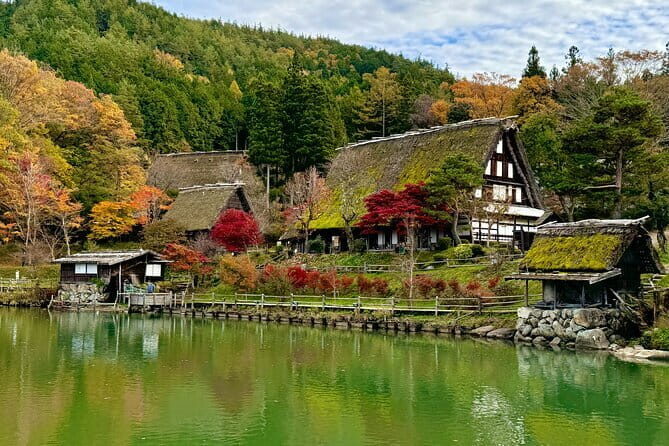
- Hida Minzoka Mura Folk Village (Hida no Sato): thatched-roof farmhouses
- Hirase Shuzo Brewery: old sake-making heritage
- Practical tips to get more from your itinerary
- So who is this tour best for?
- Should you book this customizable Takayama private tour?
- FAQ
- FAQ
- What’s the starting point for the tour?
- Can I choose the start time?
- How long is the tour?
- How many stops will we visit?
- Is this a private tour?
- What’s included in the price?
- Are entrance fees included?
- Do I need special fitness?
- How late can I cancel for a full refund?
Key things to know before you go
- Choose your start time between 8 AM and 12 PM, based on your plans that day.
- Meet conveniently at your hotel or at the Takayama Tourist Information Center near JR Takayama Station (East Exit).
- Your itinerary stays flexible while still covering 3–5 meaningful stops.
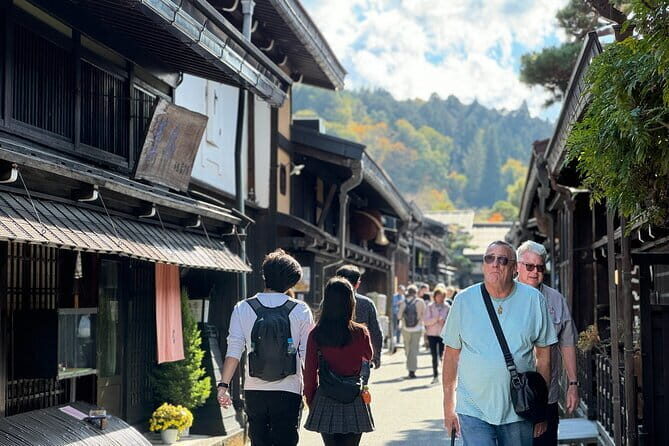
- Morning markets and historic streets are built into the options, including Sanmachi Suji and market areas by the river and in front of Jinya.
- Culture options range widely, from festival floats to folk museums and a longtime sake brewery.
- Expect walking with a moderate fitness level and a mix of streets and a scenic course (including a 3.5 km walk option).
How this private Takayama walk actually works
This is a private walking tour in Takayama, designed to be adjustable in real time. You pick the vibe, your guide helps you turn that into a logical route, and you start at one of the offered times: 8 AM, 9 AM, 10 AM, 11 AM, or 12 PM.
The meeting point choice is practical. If you’d rather not fight with transit and directions, pickup is offered from your hotel. Otherwise, you can start at the Takayama Tourist Information Center at 5-chōme-51 Hanasatomachi, near the East Exit of JR Takayama Station. Either way, you’re anchored in the city center, so you spend more time seeing Takayama and less time figuring out how to get there.
Duration is flexible too: expect about 4 to 8 hours. That range matters. If you’re traveling with jet lag or want calmer pacing, you can keep it shorter. If you love museums, crafts, and structured sightseeing, you can stretch the day to include more stops. In the end, the tour is built around 3–5 sites (you’re not rushed through dozens of places).
Other Takayama walking tours and old-town experiences
Price and what you’re really paying for
At $170.72 per person, this isn’t a cheap “walk with a guide” add-on. You’re paying for the private format and the planning time: your guide is actively shaping your itinerary, not just leading a group down a set route.
Here’s how the value tends to play out:
- If you want morning markets plus old streets plus at least one museum or brewery stop, the cost can feel reasonable because you’re stacking multiple types of experiences with less coordination on your end.
- If your group includes different interests—say one person wants food and another wants crafts or history—private guiding helps you keep everyone happy without turning your day into compromise-by-chaos.
- If you only want one or two sights and minimal walking, it may feel like extra budget. This works best when you actually plan to use the flexibility and choose several quality stops.
One more cost note that’s easy to miss: admission tickets are not included for places where tickets apply (like the festival floats hall). Some activities can also involve additional guide admission or transportation fees if you choose high-cost or far-away options, so it’s smart to decide early which stops are must-do and which are optional.
Your guide and your day’s rhythm
This tour uses a local English-speaking guide, and the feel of the experience comes from how they pace the day. A strong example from a recent experience: Mihoko took guests to Hida no Sato first, then guided them into the older streets of Takayama, explaining how people lived and why the town’s details matter. Then she allowed time for exploration rather than rushing everyone out the door.
That “explain, then allow time” rhythm is what you want in a private tour. You’re not just absorbing facts; you’re learning how to look:
- Why certain buildings have a particular style.
- How markets connect to daily life.
- What to notice when you’re walking through preserved neighborhoods.
- How festival craftsmanship shows up in ordinary culture.
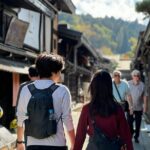
Also, because it’s private, you control how fast the group moves. If you’re the kind of traveler who likes to pause for details—wooden facades, signage, small craft shops—you’ll get more out of this than if you want constant motion.
Choosing your stops: markets, old streets, temples, and crafts
Your guide will build a route around what you choose. Below are the main stop types you can expect to work into your day, with what each one does best and where the trade-offs are.
Sanmachi Suji: the Edo-era merchant streets
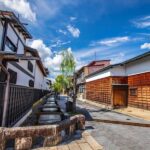
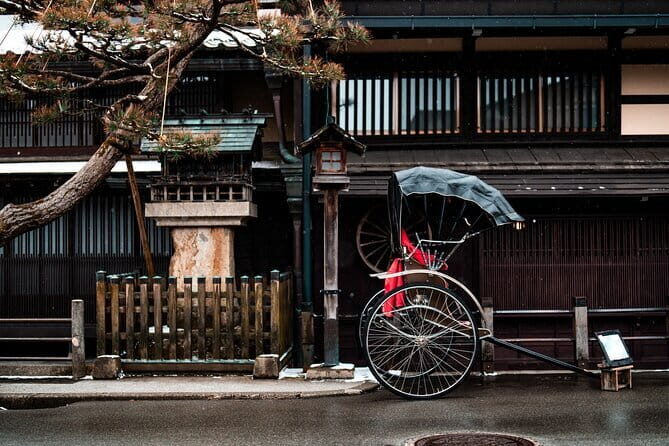
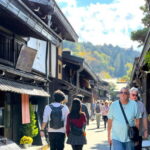
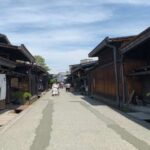
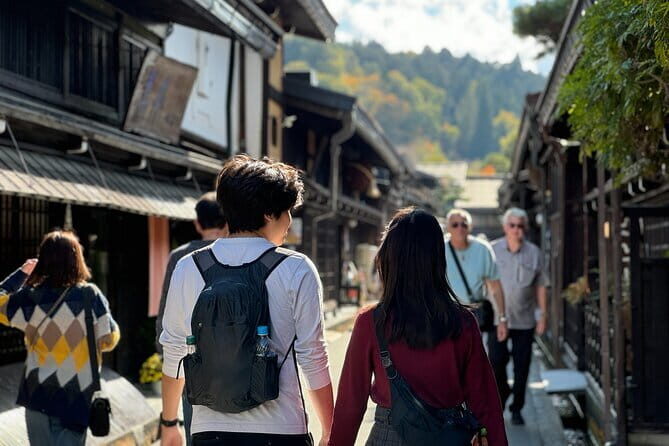
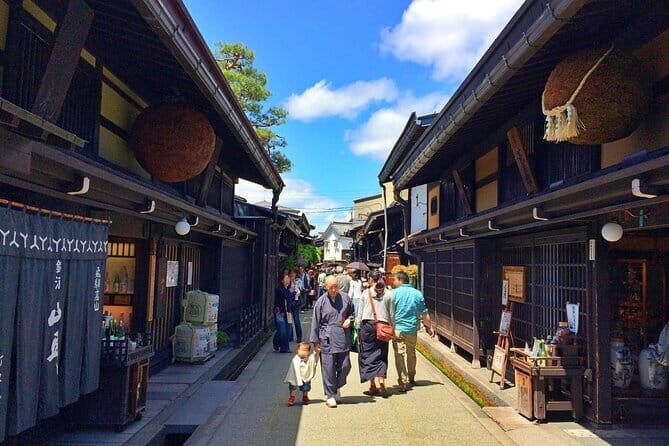
Sanmachi Suji is Takayama’s classic historic district. Expect preserved wooden merchant houses, a sense of how the town used to function, and a strip of shops where browsing can turn into an experience. The best part of this stop is the street-level texture: you don’t just see architecture, you feel the neighborhood scale.
Why it’s worth it: it’s a strong “walkable Takayama” segment that pairs well with markets and museum stops.
Possible drawback: if you’re also doing lots of shopping later, you may want to limit time here so you don’t duplicate the same browsing time twice.
Other walking tours we've reviewed in Takayama



Miyagawa Morning Market: food, crafts, and river life
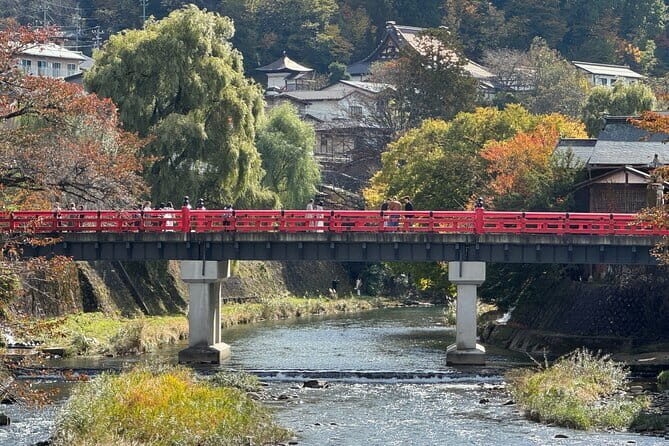
Miyagawa Morning Market is a lively riverside market option. It’s a good pick if you want to taste the atmosphere: fresh produce, local crafts, and street food. Markets are also where you catch small everyday cultural signals—what’s being sold, how vendors set up, and what shoppers care about that morning.
Why it’s worth it: it adds a “live now” energy to the historic feel of the old streets.
Possible drawback: morning markets are time-sensitive. If you start later in the day, you may not get the same rhythm as travelers who begin early.
Jinya Morning Market: a quieter, more traditional feel
Jinya Morning Market sits in front of Takayama Jinya. The vibe is described as quieter and more traditional than Miyagawa Morning Market. If you prefer a calmer walk and don’t want crowds to steer your route, this can be the more comfortable market choice.
Why it’s worth it: you still get local produce and handmade crafts, but you trade some bustle for a steadier pace.
Possible drawback: you may like Miyagawa better if your priority is variety and street-food energy.
Higashiyama Walking Course: temples, shrines, and a scenic stroll
If you want a break from shops and markets, the Higashiyama Walking Course is a serene option: a 3.5 km path with temples, shrines, and traditional streets. This is also where a slow walking pace pays off—good for photos, good for noticing details, and good for resetting your day.
Why it’s worth it: it gives Takayama a calmer “breathing space” that pairs with more active parts like markets.
Possible drawback: it adds real walking time. If you’re trying to keep the tour closer to 4 hours, you may need to limit other stops.
Sakurayama Hachimangu Shrine: peaceful and photogenic
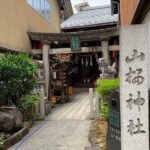
Sakurayama Hachimangu Shrine is a historic landmark with traditional architecture and a tranquil setting against a forested backdrop. This stop works well as a “quiet anchor” between busier parts of town.
Why it’s worth it: it helps your day feel balanced—culture plus calm.
Possible drawback: if you’re mainly in Takayama for markets and hands-on crafts, you might want to shorten shrine time in favor of museums.
Museum and craftsmanship stops you can add in
Takayama also has deeper layers for people who like crafts, festival art, and traditional building life. These can turn a walking tour into a real learning day.
Takayama Festival Floats Exhibition Hall: festival art on display
The Takayama Festival Floats Exhibition Hall showcases intricately preserved festival floats—an official spotlight worth noting because the place is featured in the Michelin Green Guide. This is a great stop when you want “wow” craftsmanship without needing to time your trip perfectly around the festival itself.
Why it’s worth it: it gives context to Takayama’s famous festival culture in a structured way.
Possible drawback: admission tickets are not included, so expect a separate cost when you choose this stop.
Kusakabe Folk Museum: craftsmanship in a historic merchant home
The Kusakabe Folk Museum is housed in a historic merchant’s residence and focuses on traditional Japanese craftsmanship. This is one of those stops where it helps to have a guide, because you can understand the “why” behind design details instead of just looking at objects.
Why it’s worth it: it adds depth to your understanding of daily life and artistic skill.
Possible drawback: it’s an interior stop. If you’re chasing maximum outdoor time that day, you might want to choose fewer museums.
Hida Minzoka Mura Folk Village (Hida no Sato): thatched-roof farmhouses
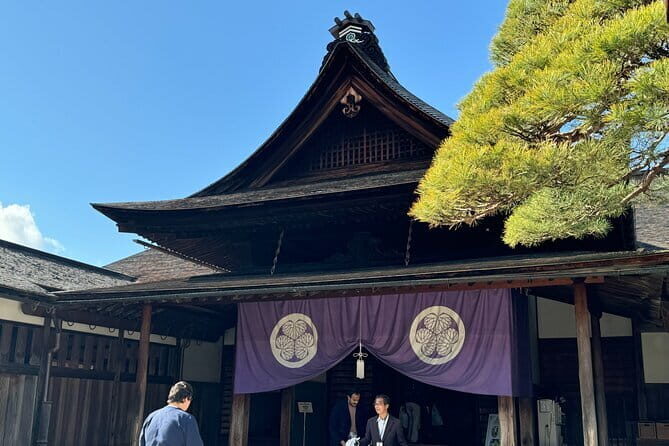
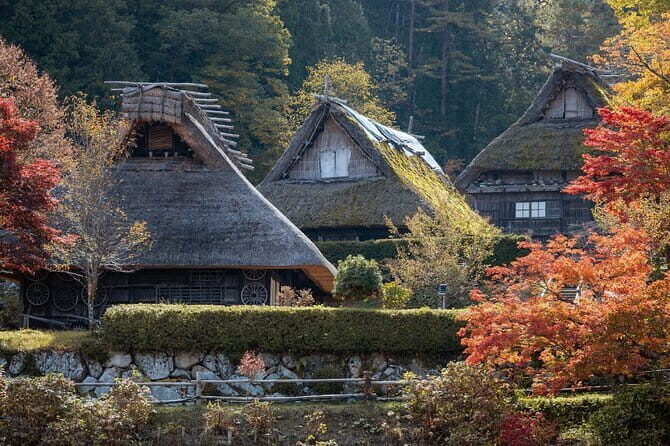
Hida no Sato is an open-air museum showing traditional thatched-roof farmhouses from the Hida region. This is the kind of place where the experience becomes physical: you can picture village life and how people built homes that made sense for the local environment.
This is also the stop that showed up in a top-rated experience: the guide Mihoko explained the way people lived, and guests spent real time exploring rather than just passing through.
Why it’s worth it: it turns history into place—architecture you can walk through.
Possible drawback: open-air villages take time. If you’re working with a tighter schedule, you may need to shorten your other stops.
Hirase Shuzo Brewery: old sake-making heritage
Hirase Shuzo Brewery has a history going back to 1623, and it’s known for premium sake made using local rice and mountain water. The experience can include sake tastings, plus learning about brewing traditions.
Why it’s worth it: it adds a local industry story to the festival-and-craft mix.
Possible drawback: admission/tasting costs are not included, so factor that into your day’s budget.
Practical tips to get more from your itinerary
Pick your stops like you’re planning a playlist. If you want a classic Takayama day, mix one historic street segment (Sanmachi Suji) with one market (Miyagawa or Jinya) and then add a “deeper culture” stop like the floats hall, Kusakabe Folk Museum, Hida no Sato, or Hirase Shuzo.
A few practical choices help you avoid common day-wasters:
- Match your energy to the walking. If you choose the Higashiyama 3.5 km course, you’ll likely want to skip one other longer stop to stay comfortable.
- Use the guide to reduce decision fatigue. You don’t need to have every detail planned. Tell your guide what you like (food, festivals, crafts, temples, rural life), and let them assemble a workable route.
- Plan for ticket extras. Some stops require separate admissions. That’s normal here; it’s just good to know up front so you’re not surprised mid-day.
- Wear comfy shoes. This is a walking tour, and you’ll likely be on your feet through streets and markets.
So who is this tour best for?
This private tour suits you if you like planning with flexibility and you want a guide to turn “I like culture” into a real route you can follow.
It’s especially good for:
- First-timers who want the highlights but still want control over pacing.
- Couples or small groups where interests vary (markets vs. museums vs. shrine time).
- Travelers who enjoy crafting and festival culture and want to understand the background, not just take photos.
It might be less ideal if:
- You prefer very long lists of stops with minimal explanation.
- You want a far-away detour or a theme-park-style day, since guidance is limited to the tour area and extra costs may come up.
Should you book this customizable Takayama private tour?
Book it if you want a Takayama day that feels like it was made for you—markets in the morning, old streets in the same day, and at least one deeper stop such as Hida no Sato or the festival float exhibit. The private format and the guide’s ability to adjust pacing are the real draw.
Hold off or reconsider if you’re set on a very tight schedule with only one sightseeing stop, or you’re planning to add far-off or high-cost attractions that may create extra logistics. For most people, though, this is a solid way to see Takayama with less stress and more meaning per hour.
FAQ
FAQ
What’s the starting point for the tour?
You can start at the Takayama Tourist Information Center at 5-chōme-51 Hanasatomachi, Takayama, Gifu, Japan. Pickup from your hotel is also offered.
Can I choose the start time?
Yes. The tour offers start times at 8 AM, 9 AM, 10 AM, 11 AM, or 12 PM.
How long is the tour?
It runs for about 4 to 8 hours, depending on the itinerary you build with your guide.
How many stops will we visit?
The tour includes 3–5 sites from the stops available in the options.
Is this a private tour?
Yes. It’s private, and only your group participates.
What’s included in the price?
You get a local English-speaking guide and the tour’s planned visit to 3–5 sites. A mobile ticket is provided, and group discounts may apply.
Are entrance fees included?
No. Ticketed admissions are not included, and the tour notes that fees and taxes are not included.
Do I need special fitness?
The tour is suitable for people with a moderate physical fitness level. You should be ready for walking around town and possibly longer walk segments.
How late can I cancel for a full refund?
You can cancel up to 24 hours in advance for a full refund. If you cancel less than 24 hours before the start time, the amount paid won’t be refunded.