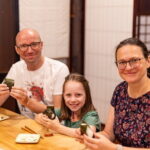
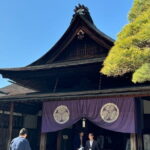
On a quiet morning, food becomes a lesson. I love how this onigiri and miso soup workshop turns a simple meal into hands-on learning, guided by temple staff right in the kitchen area. Two things I really liked: the step-by-step instruction in English (with plenty of back-and-forth questions), and the peaceful setting where you make and eat what you cook. One possible drawback is the timing: it’s only one hour, so if you want deeper cultural context beyond the basics, you may wish you had more time at the stove.
What makes it feel special in Takayama is the mix of practical cooking and a mindful tone. You get a rice ball and miso soup as your breakfast or lunch, with vegetarian-friendly options, and you can keep it simple even if you are not a confident cook. Just note that it is not suitable for kids under 10, wheelchair users, or people dealing with altitude sickness—and you should arrive about 10 minutes early.
In This Review
- Key points to know before you go
- Entering a Takayama temple kitchen where onigiri is real work
- The one-hour flow: how you make onigiri and miso soup
- The Buddhist touch: mindfulness, prayer moments, and respectful eating
- What’s included: breakfast or lunch you actually make
- Price and value: what $25 buys you in Takayama
- Meeting point and timing: find the right temple gate
- Who should book this onigiri and miso class
- Should you book this Takayama temple onigiri workshop?
- FAQ
- How long is the onigiri and miso soup making experience?
- Where do I meet for the workshop?
- What is included in the price?
- Is the class in English?
- Is this experience for breakfast or lunch?
- Do I need to arrange transportation to the temple?
- Is the experience suitable for children?
- Is the workshop wheelchair accessible?
- Is it safe for people with altitude sickness?
- When should I arrive?
- What happens if I cancel?
Key points to know before you go
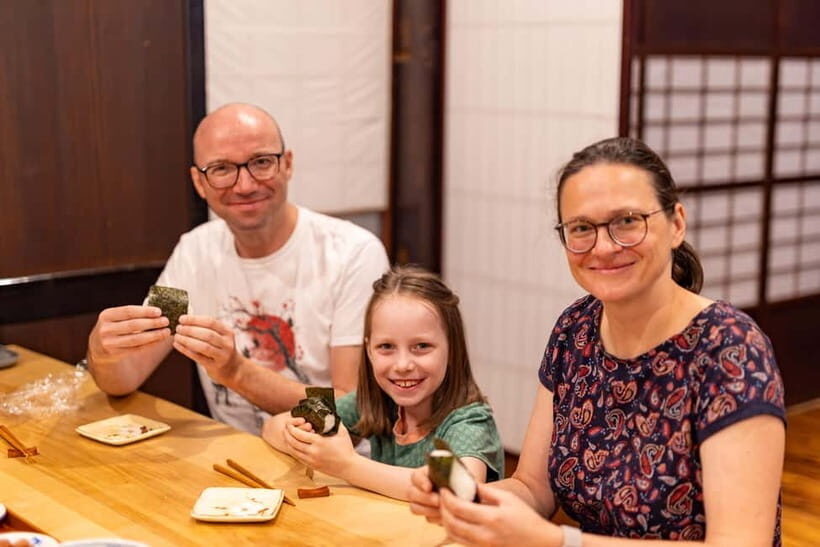
- Temple kitchen setting: You cook in the kuri, the temple’s kitchen space, not a commercial classroom.
- English instruction: Sessions are run in English, and guides help you understand ingredients and process.
- Hands-on in one hour: You shape onigiri, make miso soup, and eat together while it is all still warm.
- Mindfulness at mealtime: Buddhist teachings are woven into the experience, and some sessions include a short prayer.
- Vegetarian-friendly options: You can plan around dietary needs without missing the main dishes.
- Simple take-home value: You often receive recipes so you can recreate it later.
Entering a Takayama temple kitchen where onigiri is real work
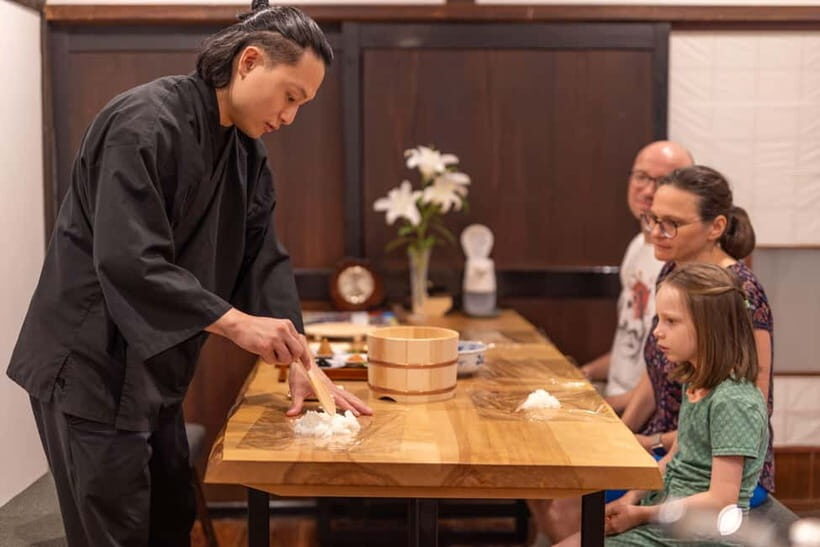
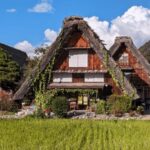
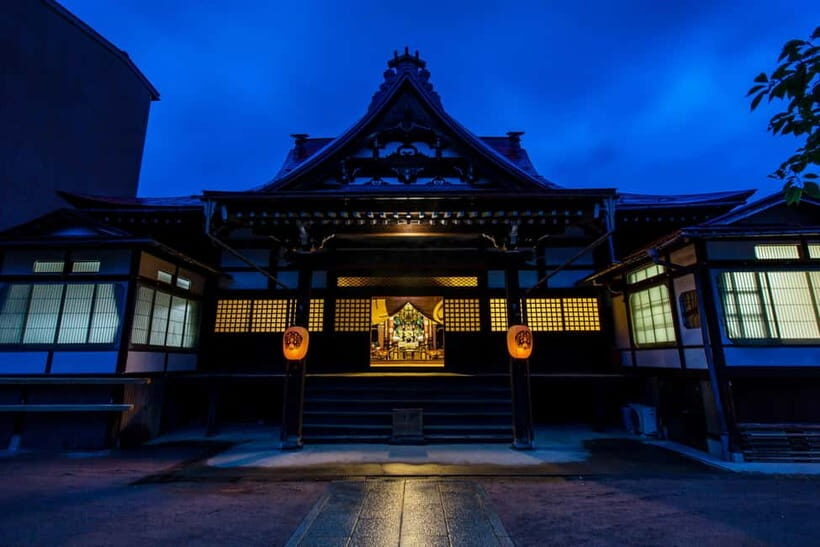
Takayama already feels calm compared to many big cities, and this class leans into that. The setting is a Japanese temple, and you’re not just sightseeing. You’re cooking in the temple’s kitchen area, the kuri, where the pace is slower and the task is clear: make onigiri and miso soup with good technique and respect for ingredients.
This is the kind of experience that helps you understand Japanese food beyond a menu photo. Onigiri looks easy, but getting it right means learning how to handle rice, season it thoughtfully, and shape it so it holds together. And miso soup isn’t just water plus paste—you learn how to think about the base, the balance, and how flavors come together.
If you’re the type of traveler who likes doing something with your hands instead of just watching, this is your move. I also like that the tone is not performative. It’s practical, and it encourages gratitude—small moments like how you treat the ingredients and your food space matter here.
Other Takayama walking tours and old-town experiences

The one-hour flow: how you make onigiri and miso soup
You’re working on a tight schedule, but the structure is clear. Plan for a full hour of active cooking, not a long lecture.
Here’s the typical rhythm you’ll experience:
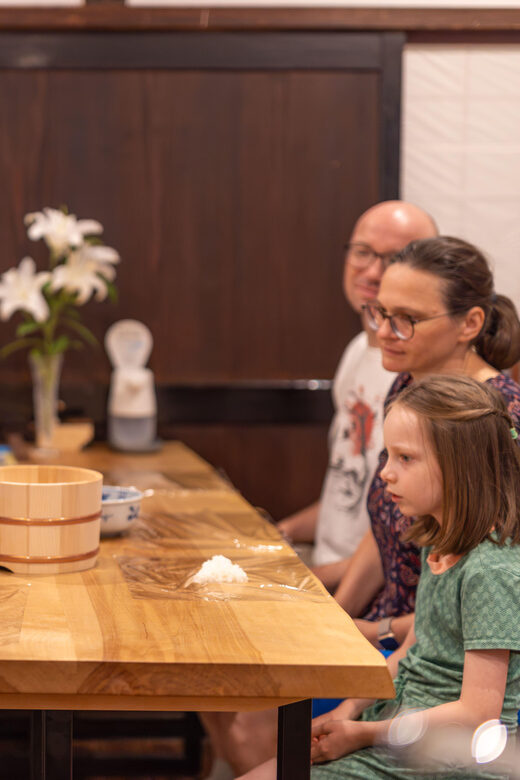
- You get started with guidance from the temple staff, including how to handle the rice and the key steps for forming onigiri.
- You prepare miso soup using traditional methods, with ingredient explanations as you go.
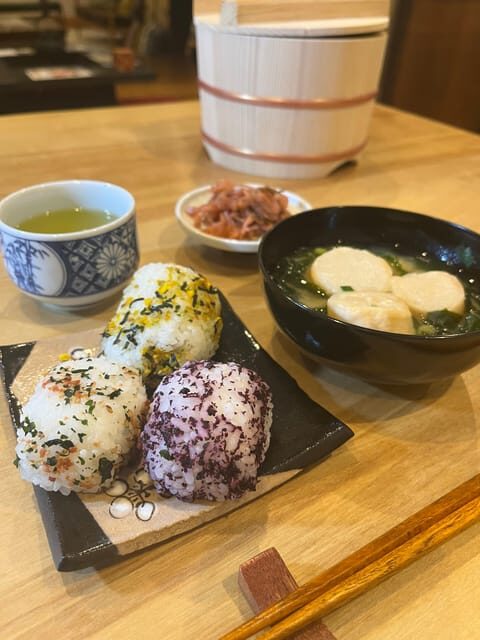
- Then you eat what you made together—onigiri and miso soup—often as breakfast or lunch.
One useful detail: the class is designed so you can do it even if you have never touched onigiri before. The staff tends to walk you through each step, and many participants highlight how clear the teaching is during the cooking portion. In particular, people mention excellent English from guides such as Kazuki and Tama, which makes it easier to understand not only what to do, but why.
Because it’s just one hour, you’ll focus on getting the core techniques down:
- How to shape rice into a neat, sturdy ball
- How to season and combine components for miso soup
- How to keep everything tasting balanced and not overly heavy
If you’re hoping for a big multi-course meal, this is not that. You’ll get the two main dishes, and you’ll learn how to make them properly.
The Buddhist touch: mindfulness, prayer moments, and respectful eating
This is not a themed cooking show with spiritual branding. The Buddhist element shows up in the tone—how people speak, how they treat the food, and the meaning attached to eating.
In multiple sessions, you may begin with a short prayer. Some participants also mention being invited to attend morning prayer the next day. Even if your class doesn’t include extra prayer time, the experience still nudges you toward mindfulness: slow down, pay attention, and treat ingredients as something you’re working with, not just something you consume.
This matters for a food lover in a practical way. When you learn with a mindful frame, you’re more likely to remember the details at home. You stop cooking like a robot and start cooking like someone who understands steps—rice handling, flavor balance, and the calm rhythm of a meal.
Also, the spiritual layer adds context without turning the class into a history lecture. You’re still focused on learning how to make onigiri and miso soup.
What’s included: breakfast or lunch you actually make
You’ll be fed, and you’ll earn it. The class includes rice ball and miso soup as breakfast or lunch, plus expert guidance on preparing traditional Japanese meals.
Diet-wise, there are vegetarian-friendly options, which is a real plus in a cooking class built around traditional ingredients. The goal is that you don’t feel stuck translating a menu in your head while everyone else cooks the same dish.
Taste-wise, people repeatedly talk about the miso soup being especially good. That’s not random hype. In a short class, the quality of the final result depends on how well the guide helps you avoid common missteps, like over-seasoning or rushing steps that affect flavor balance.
One interesting bonus detail from past participants: some sessions mention extra treats like motchi. The core promise is onigiri and miso soup, so treat any extra sweets as a nice surprise rather than a guarantee.
Price and value: what $25 buys you in Takayama
At $25 per person for one hour, this is not a cheap snack. But it also isn’t overpriced in the way many “experiences” are. Here’s what you’re really paying for:
- Hands-on instruction from temple staff
- Food included: onigiri and miso soup as breakfast or lunch
- The setting: you cook in a temple kitchen, not a generic demo room
- English guidance, so you get meaning, not just motions
If you compare it to the cost of eating a similar set meal plus paying for a class-style activity, the math starts to make sense. The big value is that you leave with skills you can use again. A cooking class where you only watch doesn’t do much. Here, you form the onigiri yourself and you make the soup yourself. That sticks.
And because it’s only one hour, you’re not locking up half a day of your schedule. It fits easily into a Takayama day when you want something authentic but not complicated.

Meeting point and timing: find the right temple gate
This is the kind of activity where good timing matters more than you’d think. Arrive 10 minutes early so you can get oriented and start smoothly.
Finding the place is straightforward:
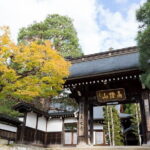
- Look for the two gates in front of the temple.
- Enter the gate closer to the traffic lights.
- Walk straight to the entrance and follow the directions.
That last part matters. In Japan, temples can look similar from the outside, and the difference is often one turn or one gate. Spend an extra few minutes at the start and you’ll avoid stress later.
Also, plan for it to be a calm environment. You’ll be walking around a temple space, so wear shoes that work well indoors and outdoors if needed.
Who should book this onigiri and miso class
You’ll be happiest if you fall into at least one of these categories:
- You love food and want to learn technique, not just eat
- You want a cultural activity that includes spirituality without getting preachy
- You like small, hands-on classes where you can ask questions
You might want to skip it if:
- You’re traveling with kids under 10
- You use a wheelchair (this isn’t suitable for wheelchair users)
- You have altitude sickness concerns
It’s also a smart choice if you’re in Takayama and want a break from constant walking. The cooking portion gives you a focused task, and then the meal gives you a natural reset.
One more practical note: parking can be tricky. One past participant mentioned that parking was not available when expected, so if you are driving, it’s worth planning carefully rather than assuming easy on-site options.
Should you book this Takayama temple onigiri workshop?
I’d book it if you want a short, meaningful, hands-on cooking class in a quiet temple setting. The strongest reasons are simple: you learn by doing, the instruction is available in English, and you eat what you make. The miso soup and onigiri combo is also a great introduction to Japanese everyday food habits.
I would think twice if you need a deeper cultural lesson in a longer format. Because it’s only one hour, you’ll get the core techniques and mindful touches, but not a long, detailed lecture.
If you want a practical souvenir in your head and hands—something you can recreate at home—this is one of the best ways to spend a chunk of time in Takayama.
FAQ
How long is the onigiri and miso soup making experience?
It lasts one hour.
Where do I meet for the workshop?
Meet at the temple with two gates. Enter the gate closer to the traffic lights, walk straight to the entrance, and follow the directions.
What is included in the price?
You get rice ball (onigiri) and miso soup, plus expert guidance on preparing the dishes. Vegetarian-friendly options are available.
Is the class in English?
Yes, the instructor teaches in English.
Is this experience for breakfast or lunch?
The onigiri and miso soup are provided as breakfast or lunch, depending on the session.
Do I need to arrange transportation to the temple?
No. Transportation to the temple is not included.
Is the experience suitable for children?
It is not suitable for children under 10 years.
Is the workshop wheelchair accessible?
No, it is not suitable for wheelchair users.
Is it safe for people with altitude sickness?
No, it is not suitable for people with altitude sickness.
When should I arrive?
Please arrive 10 minutes before the activity starts.
What happens if I cancel?
You can cancel up to 24 hours in advance for a full refund.