Storybook Japan in one efficient day. You’ll head out from Kanazawa early to UNESCO-listed Shirakawa-go, where the Gassho-zukuri houses make everything feel slow and real. I especially like the English-speaking guide approach—smart explanations, lots of group interaction, and names like Yasushi, Aiko, Yosushi, Keita, Nagomi, and Ciel showing up across outings. The one drawback is time is tight, so you’ll want to treat the day like a highlight reel rather than a long, wandering stay.
The logistics are set up so you’re not stressed: an air-conditioned coach with free Wi-Fi, plus audio headsets that cover Spanish, French, Italian, German, Portuguese, and Ukrainian while the live guide handles the main story in English and Japanese. Then you get a classic Kanazawa balance—garden walks in the morning light, followed by hands-on crafts.
Finally, the cultural part is what makes this tour feel special. You’ll make something yourself (either wagashi sweets or a Daruma doll painting, depending on the artisan’s schedule) and you’ll also try gold-leaf craft work in Kanazawa—plus you’ll end in Higashi Chaya, where geisha-era atmosphere is still easy to feel. The tradeoff: if you don’t care about making crafts, you may wish you had more free strolling time.
In This Review
- Key things that make this tour work
- From Kanazawa Station to Shirakawa-go: the morning head start
- Shirakawa-go’s Gassho-zukuri village walk and local tastes
- Kenrokuen Garden and the Kanazawa Castle walk: what to watch for
- The wagashi or Daruma workshop plus gold leaf craft: making art with your hands
- Higashi Chaya District: geisha lanes, shamisen vibes, and a gold-leaf postcard
- Price and value: what $116 buys for a 9-hour day
- Tips to make the day smoother (and more enjoyable)
- Who this tour suits best
- Should you book this full-day Shirakawa-go and Kanazawa combo?
- FAQ
- How long is the tour?
- Where does the tour start?
- What’s included in the price?
- Is lunch included?
- What activities will I do during the day?
- What languages are available for guidance?
Key things that make this tour work
- Early Shirakawa-go timing: more breathing room for photos and calm walking
- Live guiding plus multilingual audio: English flow with backup in multiple languages
- Hands-on making: wagashi sweets or Daruma painting, plus gold leaf craft time
- Kenrokuen with real pointers: viewpoint design explained while you walk
- Higashi Chaya District finish: geisha district atmosphere and a gold-leaf postcard workshop
From Kanazawa Station to Shirakawa-go: the morning head start
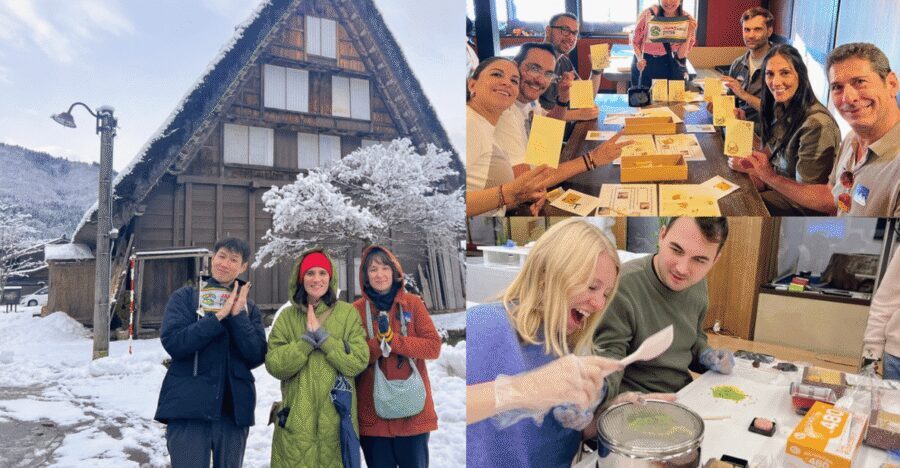
This starts at Kanazawa Station West Plaza, with check-in at 7:50 AM and a departure at 8:00 AM. That early start matters. Shirakawa-go’s charm is partly the architecture, but it’s also the mood—arriving sooner helps you enjoy the village without it feeling like a crowded photo line.
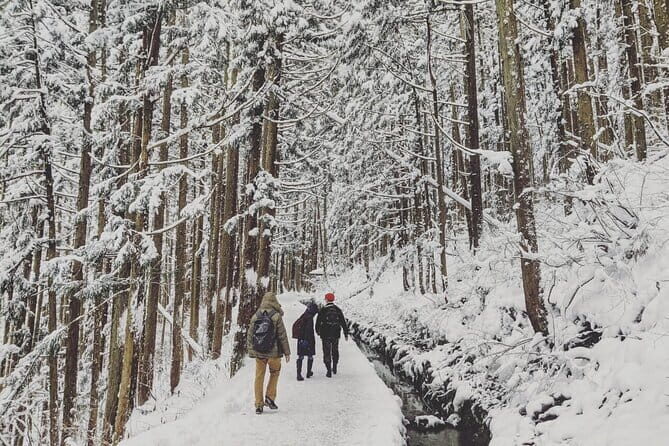
You ride by coach along the expressway for about 80 minutes. The bus is air-conditioned and includes free Wi-Fi, and you’ll have audio headsets ready so the commentary keeps flowing even during transitions. In winter, expect cold layers and make sure you have comfortable shoes for uneven streets once you’re walking.
This is also where the tone of the day is set. Guides like Yasushi and Aiko are known for mixing history with humor and simple quiz-style check-ins, so the drive doesn’t turn into dead time. If you want to understand why Shirakawa-go looks the way it does, this morning setup does a lot of that groundwork.
Other Shirakawa-go and gassho-zukuri village tours in Takayama

Shirakawa-go’s Gassho-zukuri village walk and local tastes
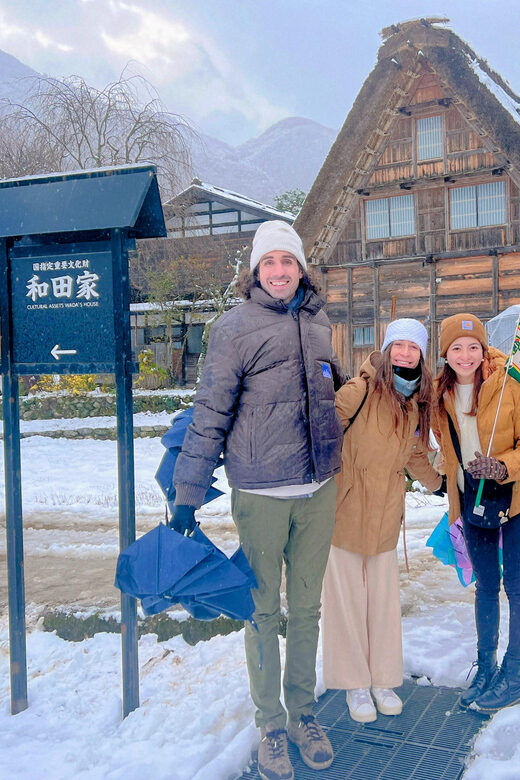
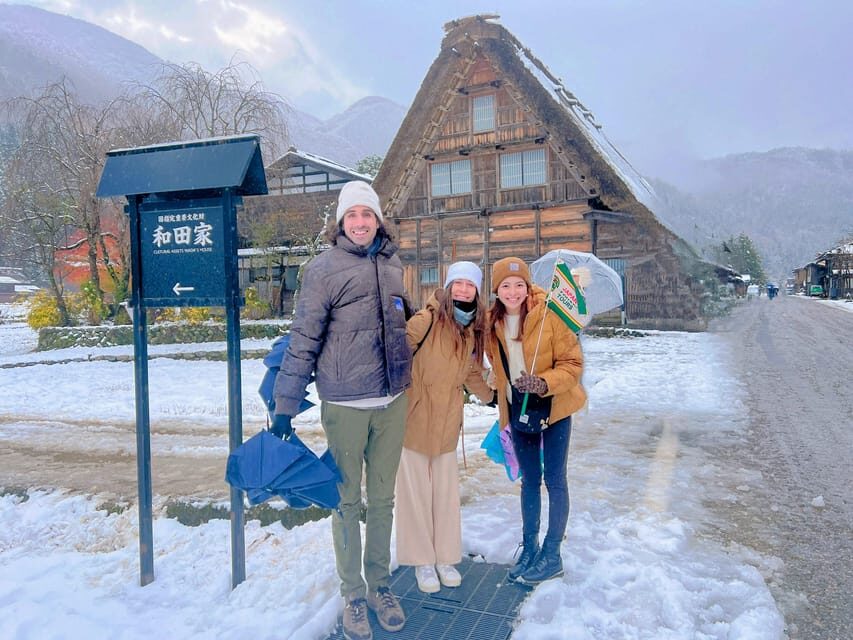
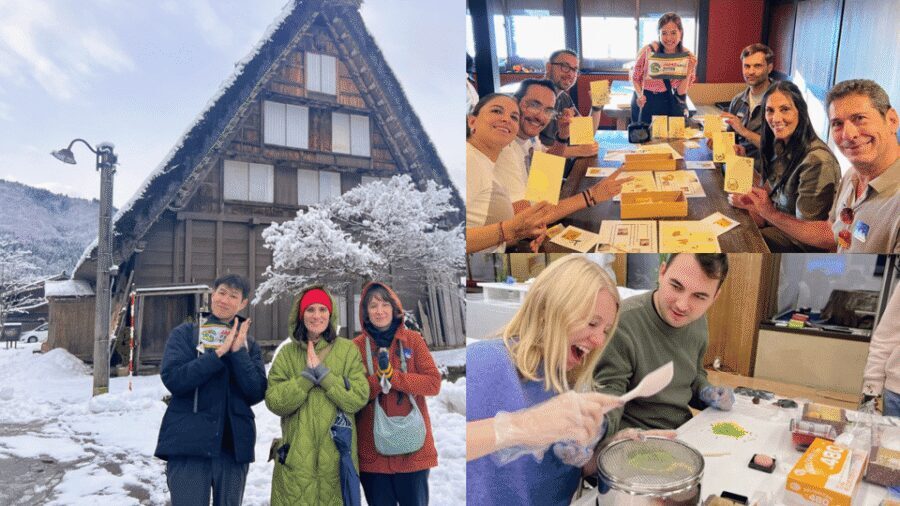
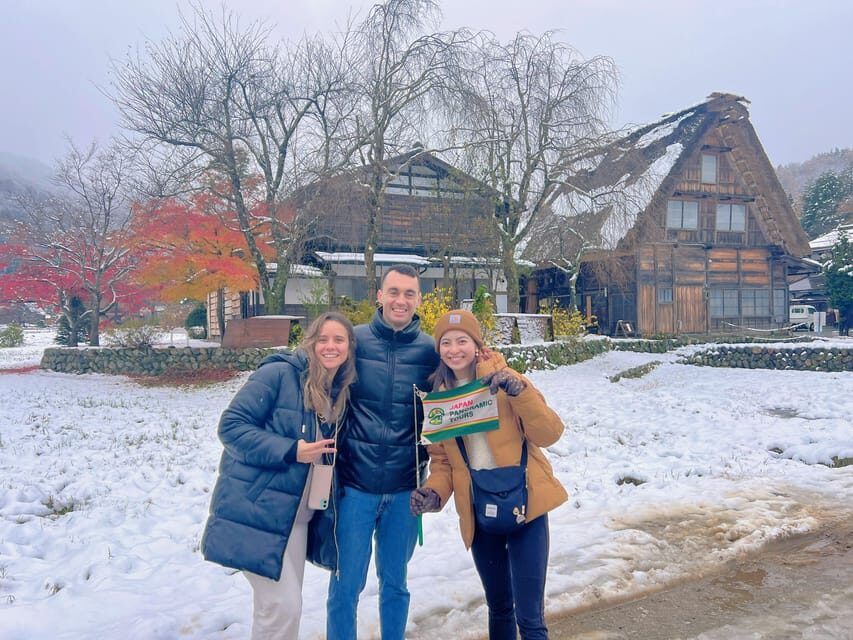
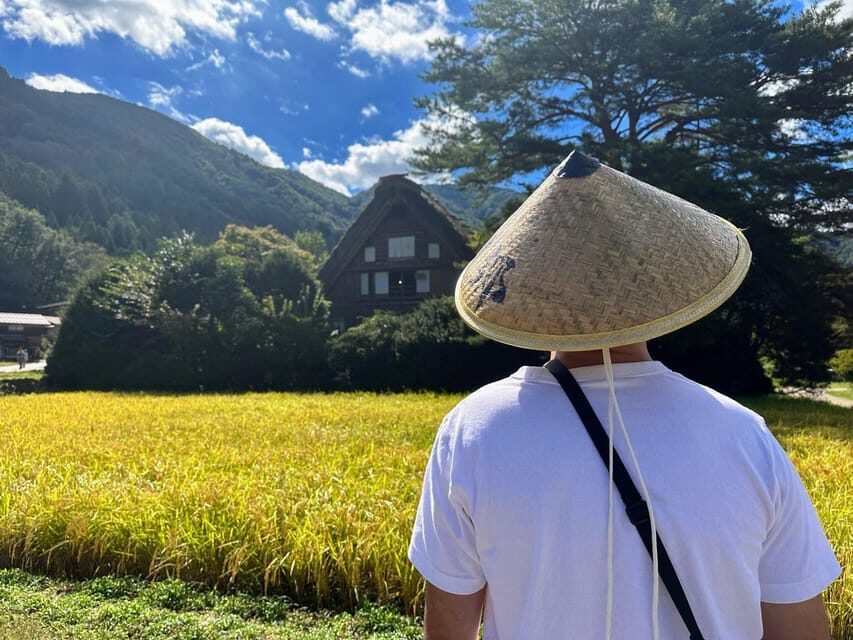
You’ll reach Shirakawa-go and get a photo stop plus a guided visit time of about 2.33 hours. That window is long enough to do two useful things: see the big-house views and then slow down to notice details as your guide explains the meaning behind what you’re looking at.
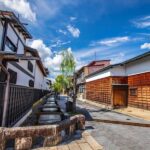
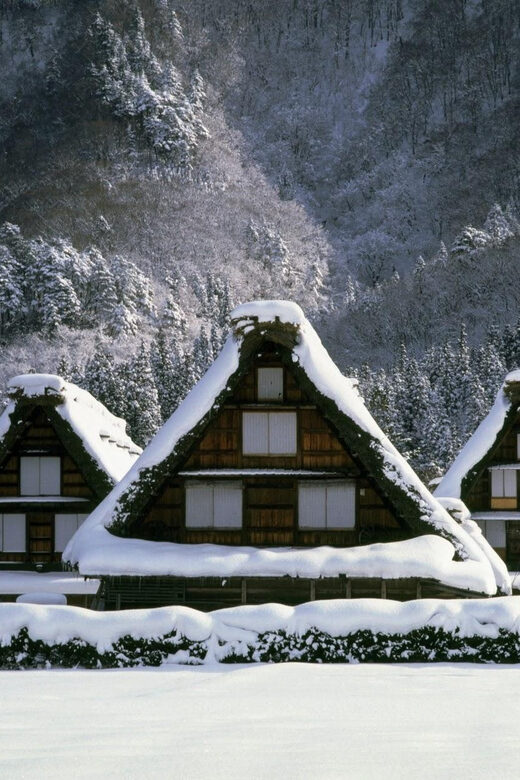
The village is famous for the Gassho-zukuri roof style—steep thatch-like roofs that help the buildings handle heavy snowfall. Walking with a guide changes the experience. Instead of just admiring shapes, you start connecting the architecture to practical life in a snowy region.
There’s also time built in for the small, local side of the trip. You can try regional specialties on your own time in Shirakawa-go, including items like Hida beef and Doburoku ice cream. You’ll also have the chance to choose lunch independently, which is handy if you have dietary preferences or want to move at your own speed.
One more practical note: Shirakawa-go can look totally different depending on the weather. In winter, people talk about snowy magic, and in other seasons the views can look bright and crisp. Since the tour is designed to get you there early, the scenery tends to be the best version available that day.
Kenrokuen Garden and the Kanazawa Castle walk: what to watch for
After Shirakawa-go, you head back to Kanazawa for the garden and classic city stops. Kenrokuen is scheduled for about 1 hour, and it’s one of Japan’s three most beautiful gardens. That reputation can sound like marketing, but the way the tour frames your walk makes it more useful than a checklist.
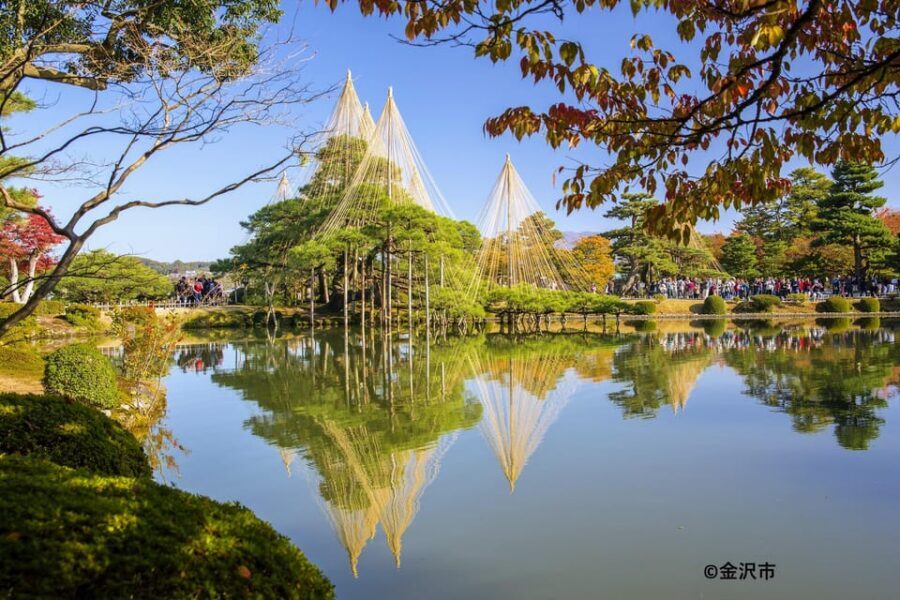
Your guide explains the garden’s design theory—how it’s built to offer multiple viewpoints. You’ll hear about the idea of shifting focus through features like water, trees, flowers, stones, bridges, teahouses, and hidden nooks. In other words, you’re not just looking at pretty plants. You’re reading a designed experience, like a walking map.
A lot of value here comes from hearing what certain elements are meant to do. People who had done Kenrokuen before solo often say they missed symbolism; with this tour, you’re less likely to treat it like a backdrop photo.
Then there’s a short walk around Kanazawa Castle. It’s not a long, deep time commitment, but it gives you a reset from the garden rhythm and puts you back into the city’s story before the craft portion begins.
The wagashi or Daruma workshop plus gold leaf craft: making art with your hands
This afternoon is where the tour shifts from seeing to doing. In Kanazawa you’ll get a workshop option that’s designed to be fun even if you’re not artistic—plus you’ll learn the craft side behind Kanazawa’s famous gold leaf.
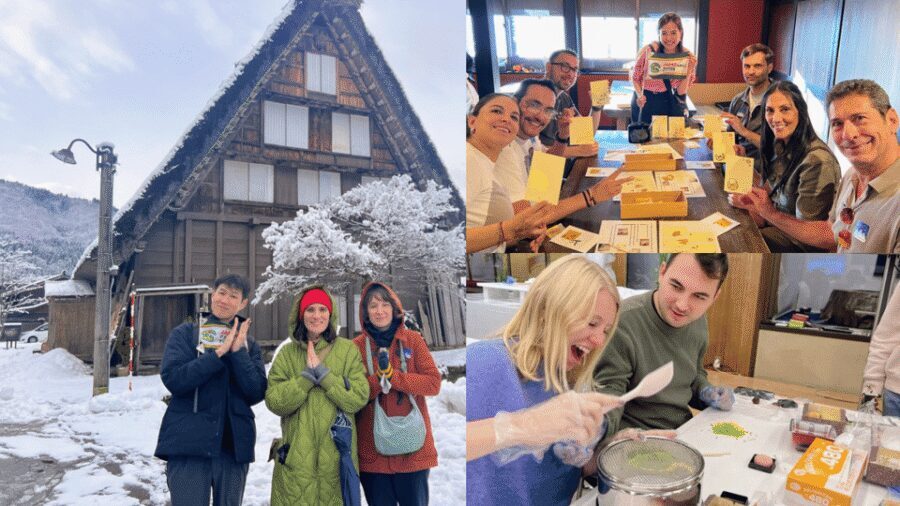
First, you’ll make Japanese sweets (wagashi) with an artisan, or you’ll paint a Daruma doll. Which one happens depends on the craftsman’s schedule. Either way, it’s hands-on time you can take home as a souvenir, so the experience feels tangible instead of purely visual.
Then comes the gold leaf experience. Kanazawa produces about 99% of the gold leaf in Japan, so it’s not just a cute theme—it’s part of the local economy and identity. One reason this works well on a day tour is that it ties the craft to what you actually see and eat later. For example, a gold leaf ice cream moment is a popular highlight, because it lets you taste the idea instead of just hearing about it.
Some outings also include extra context on how gold leaf gets produced. You might not get the same level of process detail every day, but the overall effect is consistent: you leave with a better sense of how a shiny “decorative” material becomes a real skill.
If you’re picky: consider that this is a making class, not a performance. A few people prefer watching artisans work rather than handling tools themselves. If that’s you, still go—because gold leaf is easier to appreciate after you’ve tried it once, even briefly.
Higashi Chaya District: geisha lanes, shamisen vibes, and a gold-leaf postcard
The final neighborhood is Higashi Chaya District. You’ll get about 30 minutes to visit, then about 30 minutes for a workshop where you can create a postcard using gold leaf. It’s a smart ending. By then, you’ve already learned what the craft means, so the postcard doesn’t feel random—it feels like closing a loop.
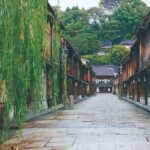
Higashi Chaya is historically an entertainment area where geisha performed traditional arts. Even if you don’t catch a full performance, you’re likely to hear the kind of music associated with the area—shamisen instrument and drums coming from teahouses in the evening.
The gold-leaf postcard is more than a souvenir. It’s also a small, repeatable version of the craft you learned earlier. You’re not just buying something shiny; you’re making something with technique, texture, and a bit of patience. And because it’s a postcard, it’s practical: you can mail it home without bringing back a fragile item.
Other Kanazawa tours and samurai-district walks

Price and value: what $116 buys for a 9-hour day
At around $116 per person for a 9-hour day, the price looks fair once you break down what’s included. You’re paying for round-trip guided transportation and the guided structure that lets you hit multiple big-name stops without planning your own transfers.
Your ticket includes:
- The English and Japanese-speaking guide time
- Admission for Kenrokuen Garden
- Admission/fees for the wagashi or Daruma workshop
- Fees for gold leaf craft work
- Audio headsets in multiple languages
- Air-conditioned coach with free Wi-Fi
Lunch isn’t included, so you still budget for food. But compared with piecing together a coach ticket, garden admission, and separate workshops on your own, this is built to reduce friction. The best value is for people who want structure and explanation, not just a ride and a map.
The other value factor is the way the day flows. You don’t spend your best energy searching for what to look for. You’re guided into the right routes, viewpoints, and pacing—especially during Kenrokuen and the craft portion.
Tips to make the day smoother (and more enjoyable)
If you do only three things, do these:
- Wear comfortable shoes. You’ll walk more than you might expect across garden paths and street-level village lanes.
- Dress in layers. Winters in Shirakawa-go can be a real chill-factor, and a warm bus won’t protect your hands once you’re making crafts.
- Keep lunch flexible. You’ll eat on your own, so plan to use that time for a quick, satisfying meal rather than a long sit-down.
Also, know that the order of stops can change depending on traffic and weather, and if something is closed you’ll visit an alternative place. That’s normal for day tours to popular sites, and the guiding team’s job is to keep the day coherent even when plans shift.
For December 24th specifically, the schedule swaps to focus differently, ending the day at Kenrokuen as a morning tour format. If you’re traveling around that date, it’s worth double-checking the day’s exact flow so you don’t show up expecting the standard afternoon ending.
And one more practical note: pets aren’t allowed, so plan accordingly.
Who this tour suits best
This is a good fit if you want a “greatest hits” day without losing the context. If you like guided explanations and hands-on culture, you’ll get a lot out of the wagashi or Daruma making and the gold leaf craft work.
It’s also ideal if Shirakawa-go is one of your must-sees but you’re not excited about coordinating transport by yourself. The bus makes it easy to spend your energy on the places, not on getting there.
If you’re the type who hates group schedules, you might find the day feels packed. But even then, the pacing includes time to walk at your own speed in Shirakawa-go and in Higashi Chaya, so you’re not trapped in a constant line.
Should you book this full-day Shirakawa-go and Kanazawa combo?
I’d book this if:
- You want UNESCO village time plus major Kanazawa culture in one day
- You enjoy guided storytelling that explains what you’re seeing
- You’d like to bring home something you made, not just photos
I’d think twice if:
- You only want free wandering with minimal structure
- You’d rather watch artisans than participate in crafting
- You’re sensitive to tight schedules and changing stop orders
For most people, this tour earns its place because it mixes three things that are hard to replicate solo: early, calm Shirakawa-go access; a garden walk with real design interpretation; and Kanazawa’s gold leaf culture through actual hands-on work. If that sounds like your kind of day, this is a strong choice.
FAQ
How long is the tour?
The full day runs about 9 hours.
Where does the tour start?
It starts at Kanazawa Station West Plaza, Short-term Car Park, with check-in at 7:50 AM and departure at 8:00 AM.
What’s included in the price?
You get an air-conditioned coach with free Wi-Fi, guide services, admission to Kenrokuen Garden, and workshop fees for the Japanese sweets (wagashi) or Daruma painting and the gold leaf craft. Audio headsets are included too.
Is lunch included?
No. Lunch is on your own.
What activities will I do during the day?
You’ll visit Shirakawa-go, Kenrokuen Garden, and Higashi Chaya District, and you’ll participate in a workshop that’s either wagashi making or Daruma doll painting, plus gold leaf craft time.
What languages are available for guidance?
The live guide provides Japanese and English support. Audio headsets are included in Spanish, French, Italian, German, Portuguese, and Ukrainian.