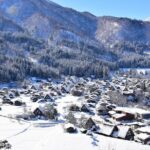
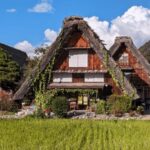
Go early, and Shirakawa-go feels yours.
This UNESCO Shirakawa-go morning tour is built around an easy schedule: a direct bus from Kanazawa Station, a friendly English-speaking guide, and headset audio in multiple languages. The big win is the early start, which helps you see the village before the crowds swell.
I especially like the food-focused walk in the village. You’ll have time to sample regional favorites such as Hida beef and Doburoku soft serve (ice cream made with unfiltered sake), plus local pudding and other street snacks as you wander.
One thing to keep in mind: Shirakawa-go time is about 2.5 hours, and queues at popular food stalls and shops can shrink what you manage to see inside some traditional houses. If you want a slower pace and deeper exploring, you may want the full-day option instead.
In This Review
- Key Points I’d Use to Plan Your Morning
- Kanazawa to Shirakawa-go, without the bus headache
- The early start: why it changes the whole feel of the village
- Shirakawa-go walking time: what you’ll actually do there
- The food walk: Hida beef and Doburoku soft serve
- How the guide and audio headsets work together
- The bus ride details that make the tour feel easy
- Kenrokuen Garden finish around 13:00
- Price value: what $77 buys you (and why it feels fair)
- Who this tour fits best
- Practical tips before you go (the stuff that matters)
- Should you book this Shirakawa-go morning guided tour?
Key Points I’d Use to Plan Your Morning
- Early bus departure from Kanazawa Station to beat the busiest visitor hours
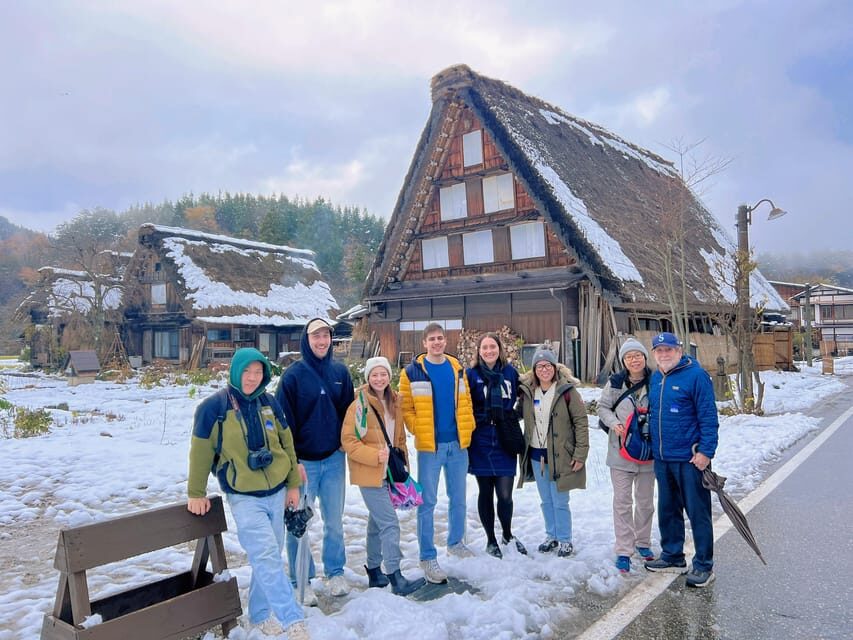
- Guided walk in Shirakawa-go through traditional Gassho-zukuri buildings where local people still live
- Multilingual audio headsets (English, French, Italian, Spanish, German, Portuguese, Ukrainian) alongside the live guide
- Local food targets like Hida beef and Doburoku soft serve, plus pudding (queues happen)
- Comfy transport with air conditioning, free Wi‑Fi, and extra bus hygiene measures
- Kenrokuen Garden finish around 13:00 so you end your day back in Kanazawa without extra planning
Kanazawa to Shirakawa-go, without the bus headache
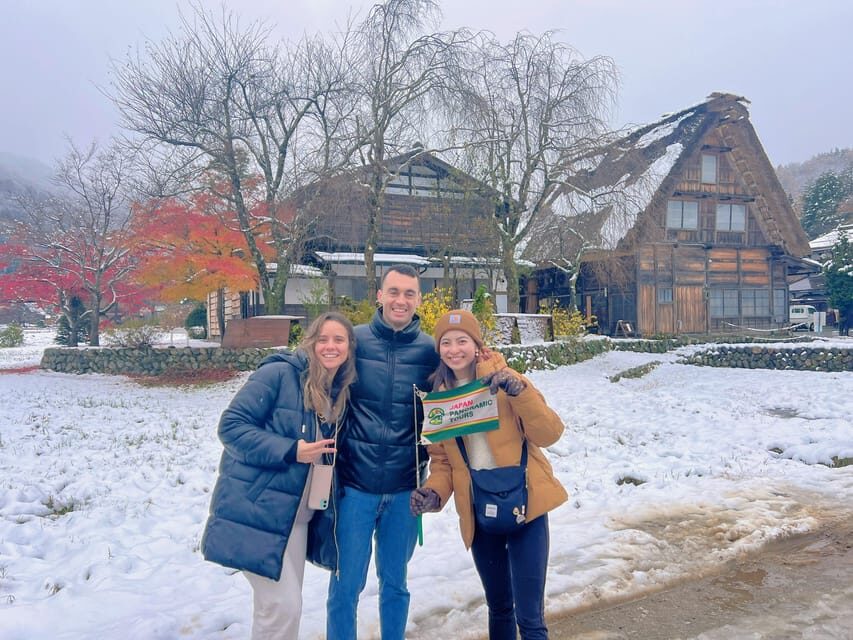
This tour is the antidote to travel-day stress. You meet at Kanazawa Station West Plaza (check-in at 7:50 AM, departure at 8:00 AM), and then you’re handled from there—no figuring out timetables, transfers, or the “what platform is this?” moment.
The ride takes about 80 minutes each way to reach the village area. The coach is air-conditioned and offers free Wi‑Fi, which is handy if you want to skim offline maps or kill a little time before the cold air and scenery hit.
The driver experience is part of the appeal: the day runs on schedule, and you’re not left scrambling once you arrive. That matters in Shirakawa-go, where everything gets more hectic as the morning advances.
Other Shirakawa-go and gassho-zukuri village tours in Takayama
The early start: why it changes the whole feel of the village
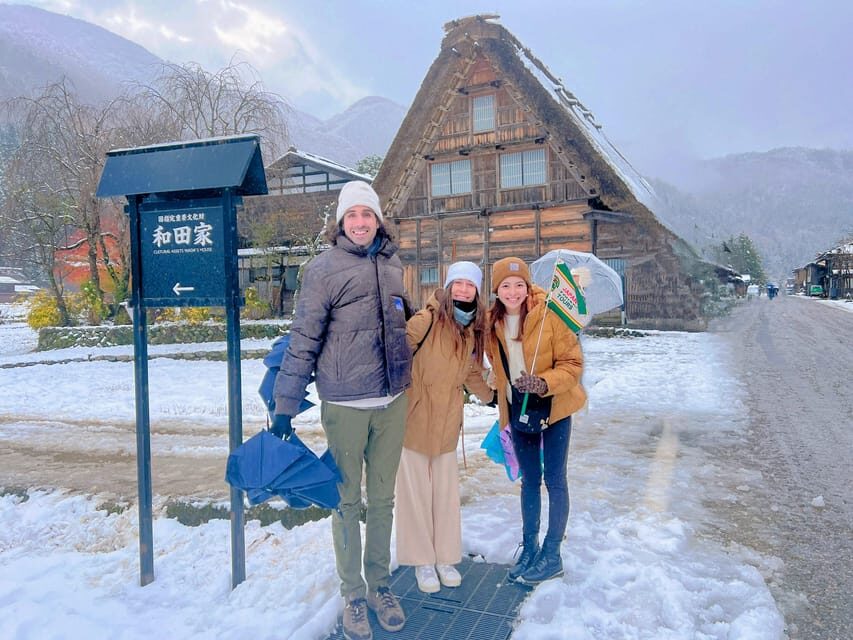
Shirakawa-go is the kind of place where timing is everything. Going in the morning means you tend to arrive before buses stack up and before the day’s biggest photo rush locks in.
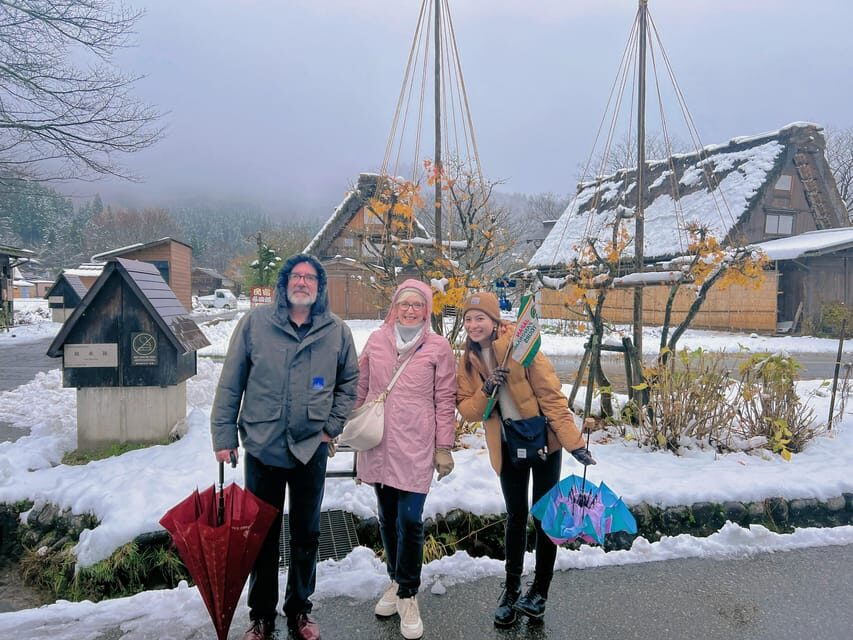
In winter especially, this timing can be a real comfort. One practical takeaway from similar winter experiences: the village can feel colder than the main Kanazawa areas, so you’ll want warm layers even if you’re already used to Japan’s winter.
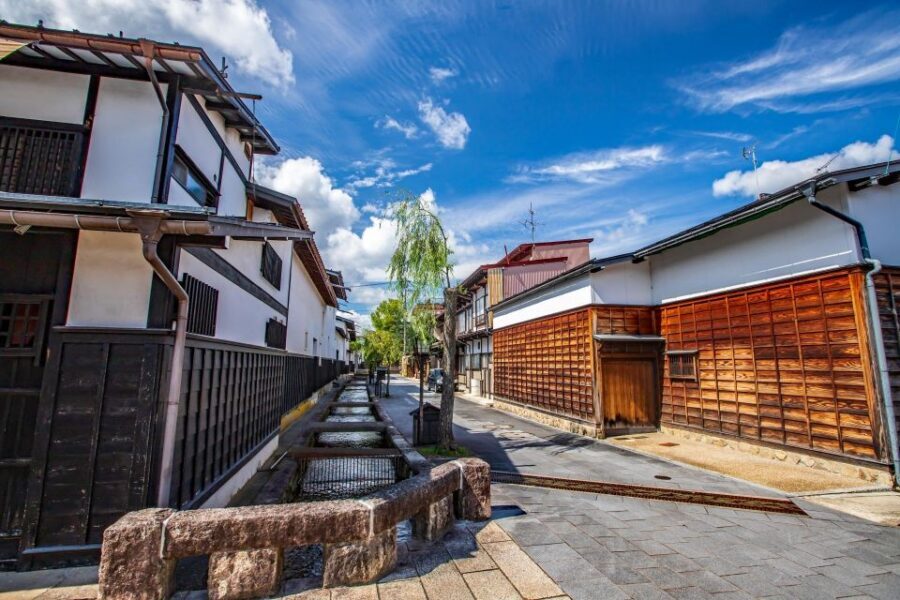
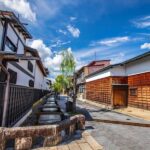
When you arrive early, you get breathing room. You can slow down and look properly at the Gassho-zukuri architecture, and you can wander streets without feeling like you’re being herded from one spot to another.
Shirakawa-go walking time: what you’ll actually do there
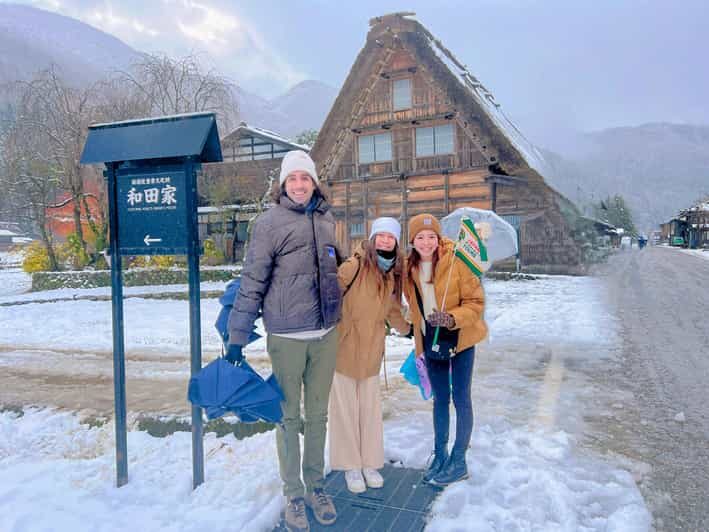
You spend roughly 2.33 hours in Shirakawa-go with your guide. The format is simple: you arrive, follow the guide’s lead through the village, and then you have time to wander at your own pace once you’ve gotten your bearings.
The village’s main draw is its layout and architecture. Shirakawa-go was registered as a World Heritage Site in 1995, and the homes reflect the famous Gassho-zukuri style. You’re not just seeing buildings from the outside either—you’re in a place where local people still live, which makes the whole scene feel less like a theme park.
During the walk, you’ll get practical guidance on where to go and what to notice. This is where a live guide helps a lot: the route feels smoother, and you’re less likely to waste time doubling back.
The food walk: Hida beef and Doburoku soft serve
This is one of the most enjoyable parts of the morning. As you move through the village, you can stop for local food like Hida beef and Doburoku soft serve (ice cream made with unfiltered sake). There’s also a well-known local pudding option that people line up for.
A small reality check: if you hit the most popular pudding stalls right at peak demand, queues can steal time. That’s not a reason to skip food—it’s just why you should plan on eating, then keep moving.
If you’re traveling in winter, food stalls can feel like warm waypoints. I like using food as a pace-setter: one snack, then one section of walking, then back to street-level views and photo stops.
How the guide and audio headsets work together

You get both a live English/Japanese-speaking guide and audio headsets in multiple languages. The audio languages listed include Spanish, French, Italian, German, Portuguese, and Ukrainian, and the overall program also references English and additional regional options.
In practice, this combination helps you catch details without hovering. Your guide gives the main story in real time—where to look, what matters, and quick tips so you don’t get lost in the village lanes. Then the headset audio supports that with consistent commentary, so even if you step a few paces away, you can still follow along.
I also like that it reduces the awkward moment of asking the same question twice. If you missed something on the bus or while walking, the audio gives you a second chance.
Other Kanazawa tours and samurai-district walks

The bus ride details that make the tour feel easy
A lot of day trips fail on the logistics. This one avoids that by keeping the ride comfortable and productive.
You’re on an air-conditioned coach with free Wi‑Fi, and the bus also notes antibacterial coating and regular ventilation. That’s a small detail, but on a long ride plus cold-weather walking, it helps you feel better about the whole day.
What I like most: the tour is structured. The bus goes straight from Kanazawa to Shirakawa-go via the expressway, so you’re not stopping repeatedly just to shuffle people around.
Kenrokuen Garden finish around 13:00
After Shirakawa-go, you head back by bus and finish at Kenrokuen Garden around 13:00. That’s a very smart ending.
Kenrokuen is a great Kanazawa anchor. It gives you a smooth transition from “mountain village time” back into the city. And because you finish in the early afternoon, you still have options afterward—another walk, a café, or sightseeing without the pressure of catching late trains.
One more small tip: if you’ve been eating and walking in the village, treat Kenrokuen as a recovery stop. Slow down, sit where you can, and let the day settle before you continue.
Price value: what $77 buys you (and why it feels fair)
At $77 per person for about 5 hours, this tour can feel like a bargain—or like an overpriced convenience—depending on your expectations.
Here’s the value math that makes it work:
- You’re paying for transportation that handles the tricky Kanazawa-to-Shirakawa-go journey.
- You get a live guide plus multilingual audio headsets, which lowers the mental load if you’re not traveling with someone who can help interpret everything.
- Your schedule includes a real sightseeing finish at Kenrokuen Garden, not just a drop-off and “good luck.”
If you were to DIY it, you’d likely spend time researching routes, coordinating timing, and potentially losing daylight waiting and switching between buses. With this format, you lose less time to planning and more time to experiencing the village.
The only “value risk” is time. If you’re the type who wants to read every sign, browse every craft shop without pressure, and see multiple house interiors, 2.33 hours in Shirakawa-go may feel tight.
Who this tour fits best
This morning tour is a strong match if:
- You want Shirakawa-go without public-transport stress
- You like arriving early and keeping the day relaxed
- You enjoy local food stops such as Hida beef and Doburoku soft serve
- You want an easy combo finish in Kanazawa at Kenrokuen Garden
It’s less ideal if:
- You’re hoping for a slow, full-length wandering day with lots of indoor exploring
- You tend to get stuck in queues and need extra buffer time
- You want zero walking and lots of sitting (the village involves walking, and comfortable shoes really matter)
For people who feel the time pinch, there’s a full-day version that adds more Kanazawa experiences in the afternoon, and you can even ask about upgrading on the day (if available).
Practical tips before you go (the stuff that matters)
Bring comfortable shoes. The village lanes and uneven surfaces are not a place for fashion footwear.
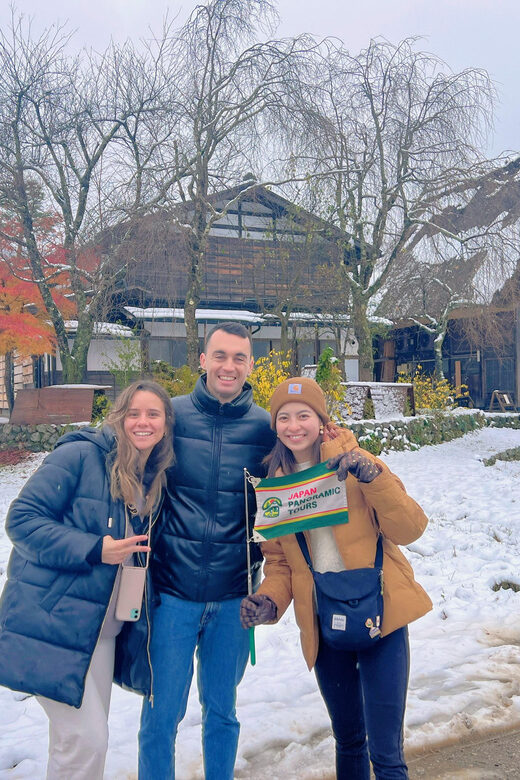
Layer up, especially in colder months. Even if Kanazawa feels manageable, Shirakawa-go can feel colder once you’re in the village.
If you’re set on trying multiple food items, decide your priority early. A quick order strategy works better than hopping stall to stall at random and ending up rushed.
Also, remember the itinerary order can shift with traffic or weather, and if any stop is closed you’ll go to an alternative. Keep your expectations flexible. You’ll still get the core Shirakawa-go experience.
One date-specific note: on certain days in October and November, the tour finish can be different (ending at the Higashi Chaya District instead of Kenrokuen Garden). If your travel dates match one of those days, double-check where you’ll end your tour.
Should you book this Shirakawa-go morning guided tour?
If you’re basing your Kanazawa trip around one “must-do” UNESCO village day, this is an easy yes. The combination of an early start, a real guide, multilingual audio, and comfortable transport makes it the kind of tour that protects your time.
I’d book it if you want to see Shirakawa-go first thing, eat well, and still have a classic Kanazawa destination afterward in Kenrokuen Garden.
I’d consider the full-day option if you know you’ll want more time in Shirakawa-go, especially if shop queues and house interiors are a big part of your travel style.