That’s a lot of Japan for one day.
This tour stacks two big-name stops—historic Takayama and Shirakawa-go—into a single 9-hour outing, with transport included so you don’t spend your day playing transit planner. You start with a morning market and old-town walking, then shift gears to the World Heritage village in the afternoon.
Two things I like a lot: you get guided walks with an English-speaking guide (guides named Hemi and Yoshi show up in the reviews), and the route hits the key places without you needing to map-hop. One thing to keep in mind: the day can feel tight if you want extra time for souvenir browsing or long hangs in the village—some people wish Shirakawa-go had more breathing room.
In This Review
- Key Points You’ll Actually Feel on the Day
- How This One-Day Combo Works (And Why It’s Worth It)
- Takayama Jinya: Inside the Former Government Outpost
- Sanmachi Suji: Old-Town Walking Where Woodwork Makes Sense
- The Hida-Takayama Miyagawa Morning Market: Snack Like a Local
- Shirakawa-mura (UNESCO): Village Time With Guided Walking
- Price and Logistics: What You’re Really Paying For
- Group Size, Timing, and the Real Pace of a 9-Hour Day
- Who Should Book This Tour (And Who Might Want a Different Plan)
- Should You Book It?
- FAQ
- What time does the tour start?
- How long is the tour?
- What’s included in the price?
- Is lunch included?
- Do I need to pay for entry tickets during the day?
- How big is the group?
Key Points You’ll Actually Feel on the Day
- Transport between stops included, which matters because Shirakawa-go is not right around the corner.
- Takayama Jinya is a paid entry site, and that ticket is included in the tour price.
- Free-time happens in the village, so you’re not just dragged from photo spot to photo spot.
- English-speaking guidance helps you understand what you’re looking at (and what it meant historically).
- Most admissions are free besides Jinya, so you’re not constantly paying small add-ons.
- The group stays small (max 20), which usually makes the walks easier to manage.
How This One-Day Combo Works (And Why It’s Worth It)
Takayama and Shirakawa-go are a classic pairing, but the real question is timing. On your own, you’d be juggling buses or trains, reading signs, and trying not to waste daylight. Here, the plan is built around a smooth day flow: morning in Takayama, then you move to Shirakawa-go for a long chunk of time.
I also like that this isn’t just a “see it from a distance” day. The tour includes guided walking, so you’re not stuck staring at plaques without knowing what they’re pointing to. You’ll also get practical guidance that helps you decide what’s actually worth your effort—food stalls to try, where to slow down, and how to think about the village layout once you arrive.
The other smart bit: it’s structured around time blocks that make sense. You get history, then old streets, then breakfast snacking, and finally the UNESCO village. That order is good because it helps you build context: you learn Takayama’s background before you compare it to Shirakawa-go’s world.
Other Shirakawa-go and gassho-zukuri village tours in Takayama

Takayama Jinya: Inside the Former Government Outpost

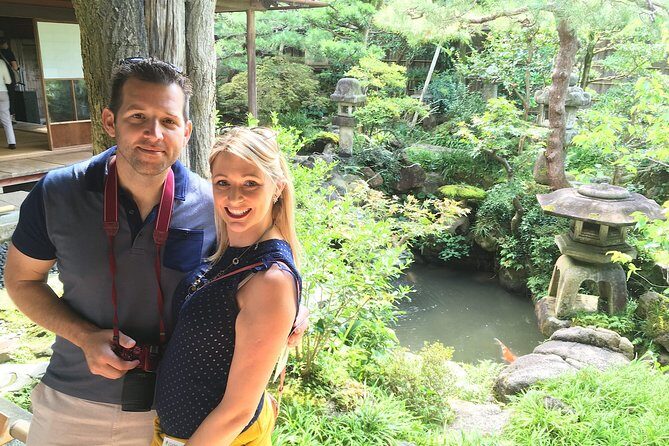
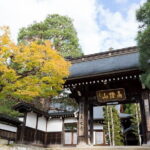
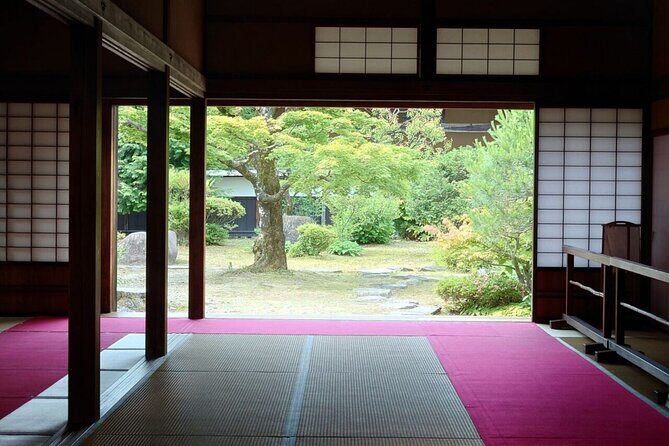
Your morning starts at Takayama Station, and the day kicks off with Takayama Jinya—a centuries-old government outpost built for officials serving the Shogun. This is one of those places where the architecture and room layout do half the teaching for you.
The guided visit includes time inside, plus the story of why Takayama mattered: what kinds of industries supported the region, and how the outpost functioned. If you like your history tied to real buildings (instead of just dates), this stop lands well.
Is it perfect for everyone? Not necessarily. One review noted the visit felt a bit long compared to what they wanted to do next. If you’re the type who prefers “walk and look” over guided indoor time, you may feel that stretch. Still, Jinya is a strong anchor for the day because it explains the framework behind what you’ll see later on the streets.
Sanmachi Suji: Old-Town Walking Where Woodwork Makes Sense
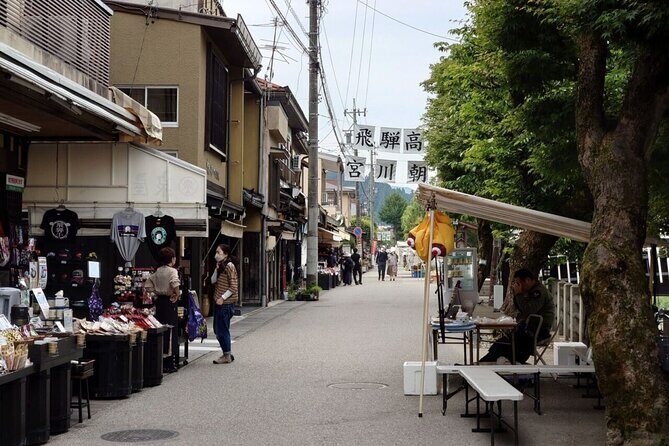
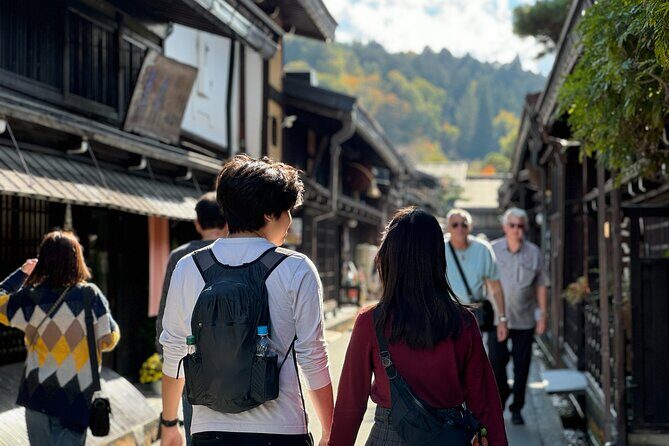
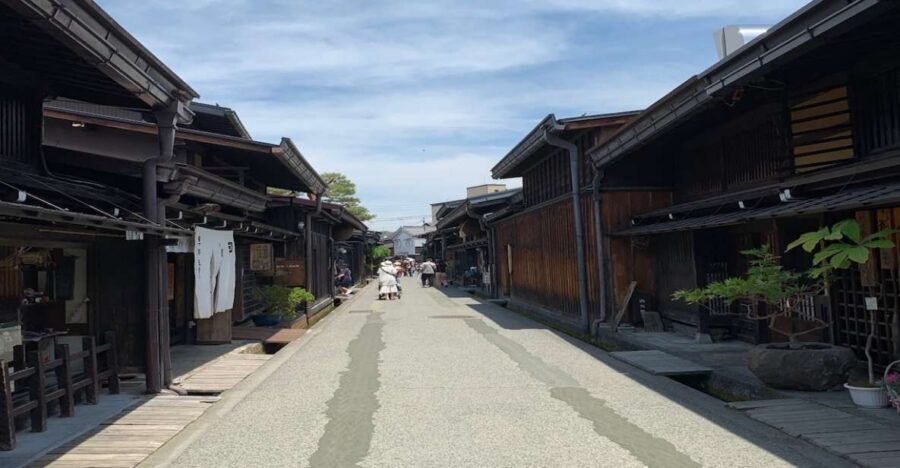
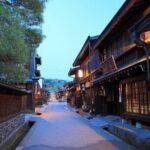
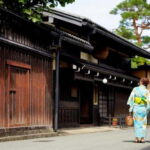
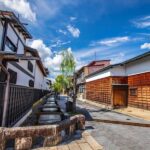
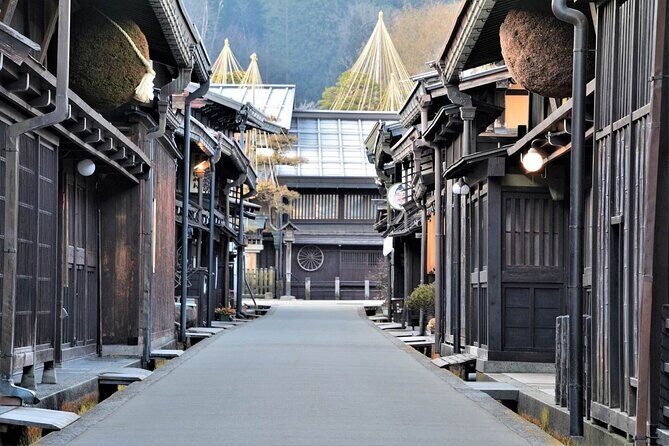
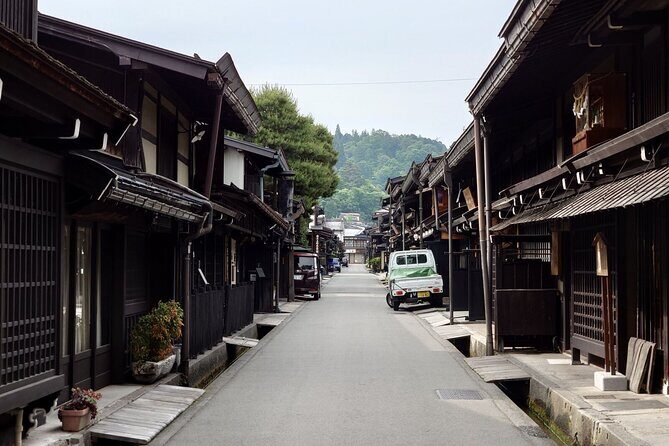
After Jinya, you head into Sanmachi Suji, the traditional streets district in the heart of Takayama. This is the part that most people picture when they think of old Japan: narrow lanes, traditional façades, and the kind of craftsmanship you notice more when someone points it out.
The tour includes about 1 hour 30 minutes here with a guide leading the walk. You’ll get chances to see details in the woodwork Takayama is known for, and you’ll understand why these buildings look the way they do. Even if you’re not a “museum person,” walking Sanmachi with context makes it easier to appreciate what you’re photographing—and what you can skip without regret.
Practical tip: wear shoes you can trust. Sanmachi is a walking experience, not a drive-up-and-stand-still moment. And while there is free time later, this part is the best window if you want to browse small shops without rushing.
The Hida-Takayama Miyagawa Morning Market: Snack Like a Local
Next up is the Hida-Takayama Miyagawa Morning Market, where your tour time is about 1 hour 30 minutes. This is where the day becomes fun fast, because it’s not just sightseeing—you’re sampling what people actually eat and buy.
The tour doesn’t just point you at stalls. You get guidance on local delicacies, so you’re less likely to waste time hunting for English labels or guessing what a food item is. Reviews also praise the day for food recommendations, including suggestions that go beyond the market and help you find meals later in Takayama.
You should plan your pace here. The market is made for quick sampling, and you’ll likely want to try more than one thing. If you have dietary needs, ask your guide during the morning—some reviews mention help finding gluten-free options, which is exactly the kind of practical support that makes a market stop work.
Also note: lunch isn’t included, so you’ll be glad you used the market to tide you over and get a feel for local flavors.
Shirakawa-mura (UNESCO): Village Time With Guided Walking
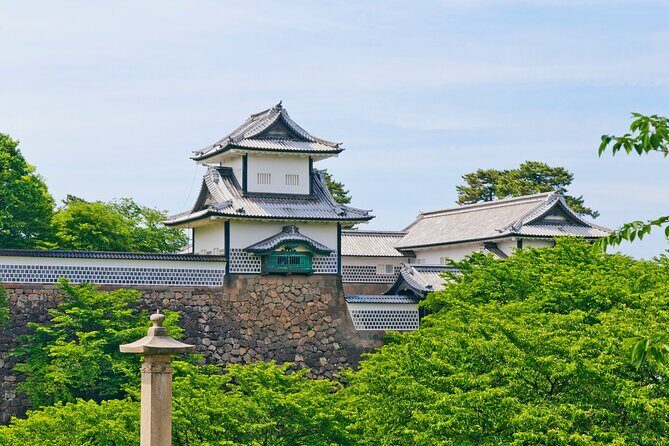
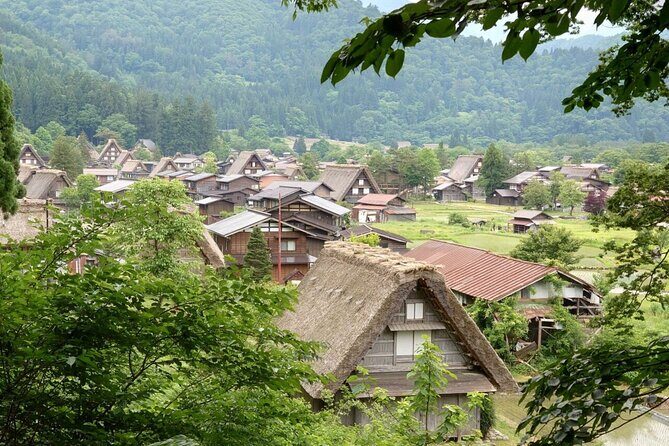
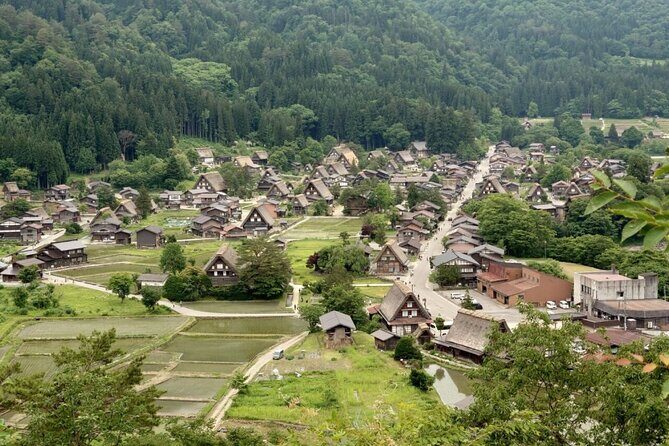
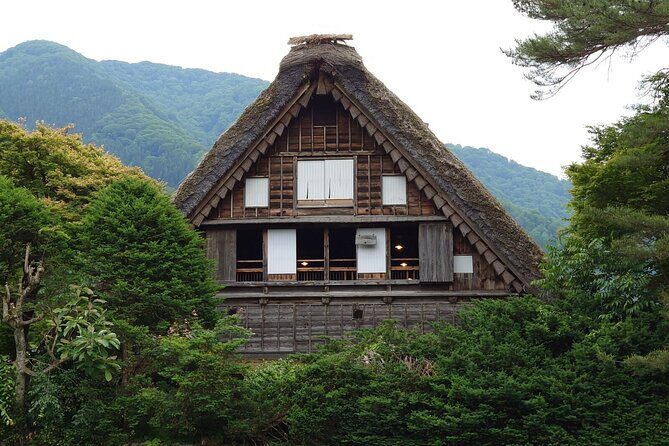
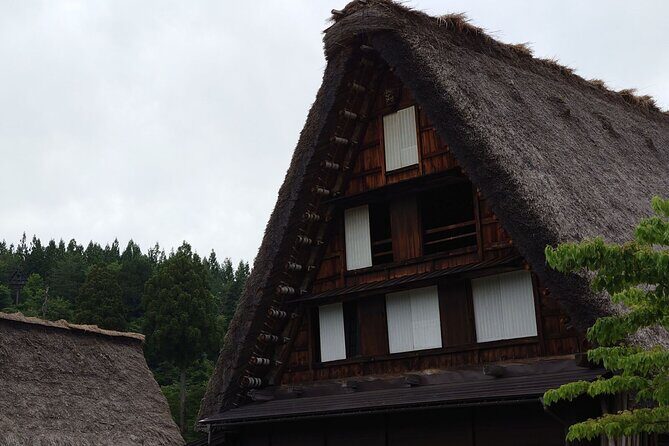
In the afternoon you shift to Shirakawa-mura, the World Heritage-listed historic villages of Shirakawa-go. This is the big scene: thatched roofs, village lanes, and a layout you understand better once someone explains who lived here and how the families and businesses were organized.
You get a guided walk—plus a meaningful amount of free time to explore on your own. The tour allots about 5 hours for Shirakawa-go, which is a lot for one day, though some people still wanted more time there. If you love wandering and photos, you’ll still feel like it goes quickly.
A great way to use the guided portion: pay attention to the logic of where things are and what roles buildings served. Then use your free time to revisit what caught your eye. That turns “I saw that roof” into “I get why it’s built that way and what it was for.”
If weather is a factor, keep expectations flexible. One review said rain was forecast but the day stayed workable during the tour. Since Shirakawa-go is outdoors for much of the time, pack for the possibility of wet weather even if forecasts look friendly.
Other Takayama walking tours and old-town experiences

Price and Logistics: What You’re Really Paying For
The price is $177.06 per person, which is not cheap for a 1-day outing. The value comes from the things that would be annoying to coordinate yourself:
- Transportation between destinations is included, saving you from scheduling headaches.
- You pay for guided walks with an English-speaking guide, not just entry tickets.
- Takayama Jinya admission is included, so you’re not adding extra costs mid-day.
- It’s a small group (max 20), which usually means less time wasted herding people.
When you break it down, you’re paying less for “a checklist” and more for “a day that runs.” That matters most if it’s your first time in the region or you’re trying to fit Takayama + Shirakawa-go without spending extra nights or adding another tour.
The main cost you’ll need to plan for: lunch. The tour covers key admissions and guidance, but it doesn’t include your midday meal. If you want a smooth day, treat breakfast (market time) as your anchor and choose lunch nearby when your guide suggests options.
Group Size, Timing, and the Real Pace of a 9-Hour Day
This tour runs about 9 hours and includes walking at multiple stops. That’s long enough to feel full by the end, even if the sites are great. The pacing is generally well-liked—many reviews praise a good pace and time to enjoy the sights.
Still, one recurring caution shows up: the day can feel rushed for people who want extra shopping time or more quiet at the end. If you’re the type who likes to linger and browse, you should treat the official stop times as “good windows,” not “all-day permission.”
It also ends in a different location than where you start. The provided start is 9:00 am at Takayama Station. One review mentioned returning around late afternoon (5:30 pm), but your exact end point can vary based on operations. So plan your evening transport with buffer time.
Who Should Book This Tour (And Who Might Want a Different Plan)
This tour is a great fit if you want:
- A one-day Takayama + Shirakawa-go plan without DIY transit stress.
- English guidance that helps you understand what you’re seeing, especially in places like Jinya and the village history.
- A structure that hits the big sights while still leaving time to wander in Shirakawa-go.
You might consider a different approach if:
- You’re very shop-focused and want lots of independent browsing time in Takayama and the village.
- You prefer a slower pace with fewer scheduled stops.
- You want lunch handled for you as part of the package (because here, it isn’t included).
If you’re traveling solo, it can still work well because the route keeps you moving and reduces decision fatigue. If you’re traveling with kids, you’ll also likely appreciate the guided flow—one review highlighted patience with children and a pace that felt right.
Should You Book It?
Yes—if your priority is getting Takayama and Shirakawa-go done in one day with low planning stress, this tour is a solid choice. The best sign is the combination of included transport, English-speaking guides (often named Hemi or Yoshi), and hands-on walking that helps you understand the places instead of just passing through.
Book it especially if:
- You only have one day in the area.
- You want context for Jinya and Shirakawa-go’s village structure.
- You like food stops and want help figuring out what to try.
Pass or adjust your expectations if:
- You want hours of free time for shopping and wandering.
- You’d rather not spend a big chunk of the day moving between sites.
FAQ
What time does the tour start?
The tour starts at 9:00 am at Takayama Station.
How long is the tour?
It runs for about 9 hours.
What’s included in the price?
You get transportation between destinations, entrance to Takayama Jinya, guided walks in Takayama and Shirakawa-go, and an English-speaking guide.
Is lunch included?
No. Lunch is not included.
Do I need to pay for entry tickets during the day?
Takayama Jinya entry is included. Other stops listed for your walk time are listed as admission free.
How big is the group?
The tour has a maximum group size of 20 travelers.