Snow monkeys and temples in one packed day.
This Nagano outing pairs Zenko-ji (one of Japan’s oldest major Buddhist temples) with the chance to watch snow monkeys in their famous hot-spring setup at Jigokudani Monkey Park. You get an English-speaking guide, organized transport, a planned lunch stop, and a sake tasting that turns a nice break into real context about Nagano.
I especially like two parts. First, the temple visit: guides such as Dylan, Brent, and Tom Taylor are clearly invested in explaining what you’re seeing, so the place feels more than just old stone and incense. Second, the snow monkey time: you’re close enough to see behavior, not just a far-off postcard view, and several guides (Kevin and Hiroshi show up often in comments) manage the pacing so you can enjoy the forest walk and still have time to linger.
One caution: winter here can be slippery, and you’ll do a decent walk—about 1.6 km round-trip to the park area—over snowy or icy trails. If you’re bringing fashion shoes, swap them fast; high-heeled shoes aren’t allowed, and good traction matters.
In This Review
- Key takeaways before you go
- Zenko-ji Temple: where Nagano’s past still feels present
- The surprise food-tasting stop that breaks up the travel grind
- Lunch in Nagano: more than a boxed meal
- Sake tasting: learning what you’re drinking
- Jigokudani Snow Monkey Park: the cold walk that’s actually part of the magic
- How the timing fits together (and why it feels well-paced)
- Price and value: what you’re really paying for
- Who this Nagano tour is for (and who should think twice)
- Should you book this Snow Monkeys, Zenko-ji & Sake day trip?
- FAQ
- What time does the tour meet at Nagano Station?
- How long is the day trip?
- Is lunch included, and are there vegetarian options?
- Is snow monkey park entry included?
- Do I have to taste alcohol during the sake tasting?
- How much walking is involved?
- What should I wear?
Key takeaways before you go
- Zenko-ji with a guide: You’ll get a guided visit of the temple grounds, with time to explore beyond just snapping photos.
- A real food stop, not a filler: There’s a mid-morning food tasting stop plus a full lunch at a local restaurant.
- Sake tasting that teaches: Tastings are paired with explanations about types and how sake is made, and non-alcoholic sake is available for those who need it.
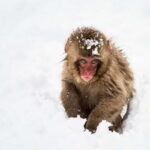
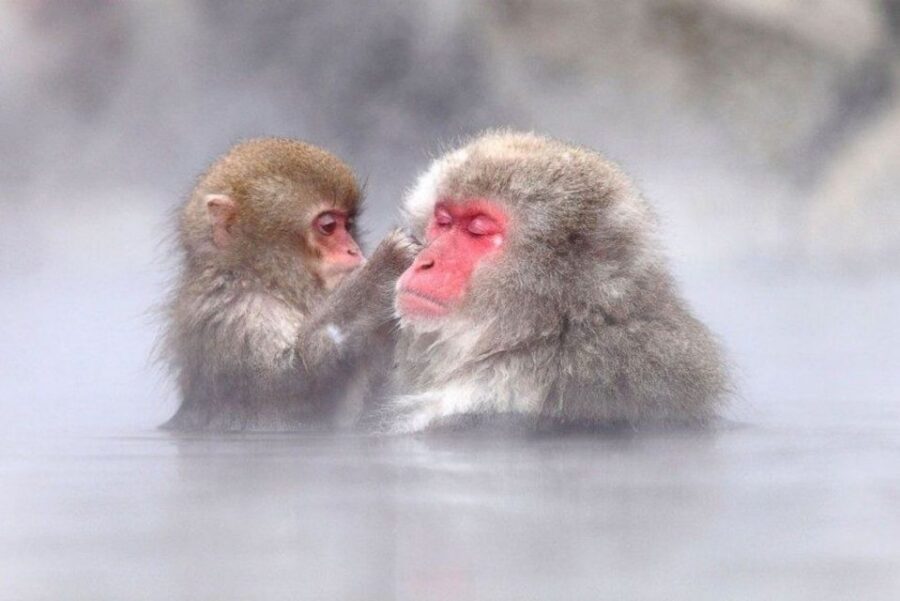
- Snow monkeys in close quarters: Jigokudani is the star, with monkeys soaking in hot springs and moving around actively.
- Cold + traction is part of the deal: Winter trails can be slick, so plan for walking safety more than comfort.
- Monkeys are nature, not a guarantee: On a few days, monkeys might not come down as expected, so some days look different.
Zenko-ji Temple: where Nagano’s past still feels present
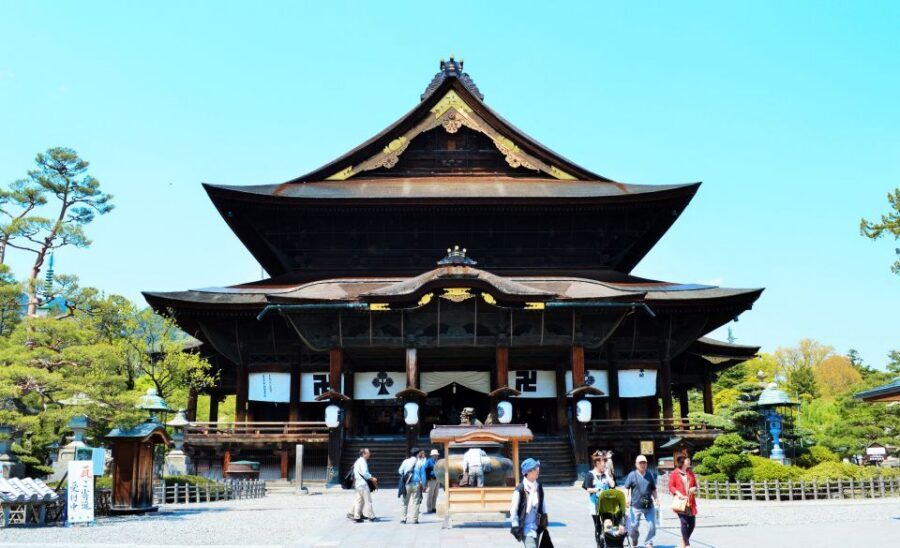
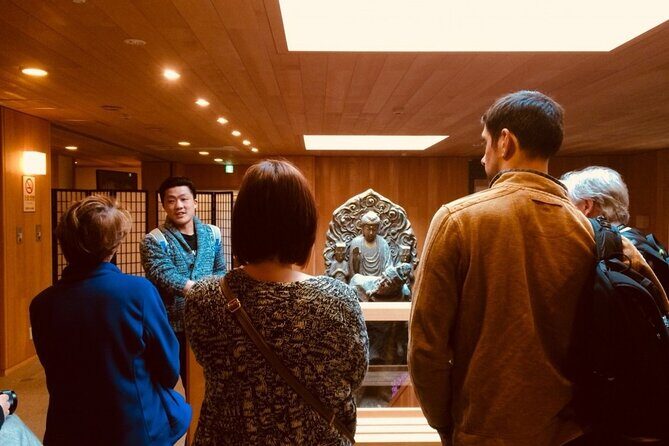
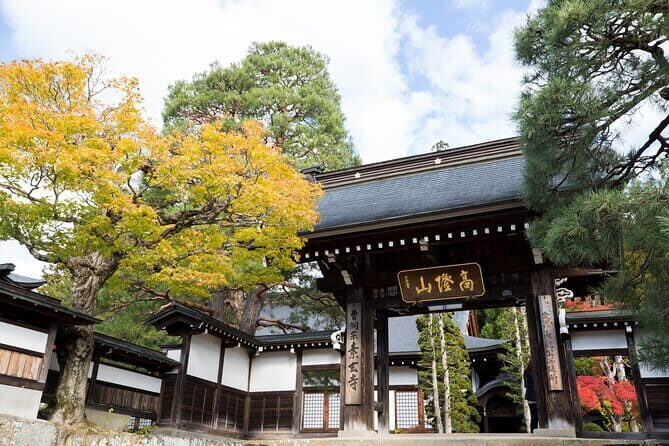
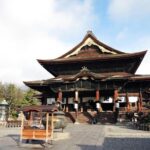
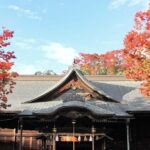
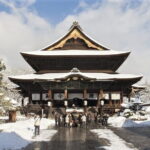
The day starts by getting you into Nagano’s temple world quickly. From the main meeting options, you’ll ride by bus/coach for about 25 minutes before arriving at Zenko-ji. The guided visit runs about 1.5 hours, which is a smart length: long enough to follow the layout, short enough that you’re not stuck on autopilot while your feet cool down.
Zenko-ji matters historically, and the guide’s job is to make that meaning stick. Several guides named in participant notes—like Dylan, Brent, Kevin, Hiroshi, and Jens—are mentioned as being especially good at translating the temple’s significance into something you can actually see: what the space is built for, how the temple functions, and why certain details matter. Even if you’ve seen other temples in Japan, Zenko-ji has a different vibe because it’s both important and practical in how people experience it.
There’s also an extra layer that can make your visit memorable: one person described walking through a darker tunnel area under the temple. That’s not something I’d promise every day, but it’s a reminder that this site isn’t just a viewpoint stop. If your guide mentions a special passage or darker section, pay attention and go with the flow.
If you care about photography, expect plenty of moments. What I like here is that you’re not rushed straight through. The stop includes guided orientation plus room to wander and take your time around the grounds.
Other snow monkey tours we've reviewed in Nagano

The surprise food-tasting stop that breaks up the travel grind
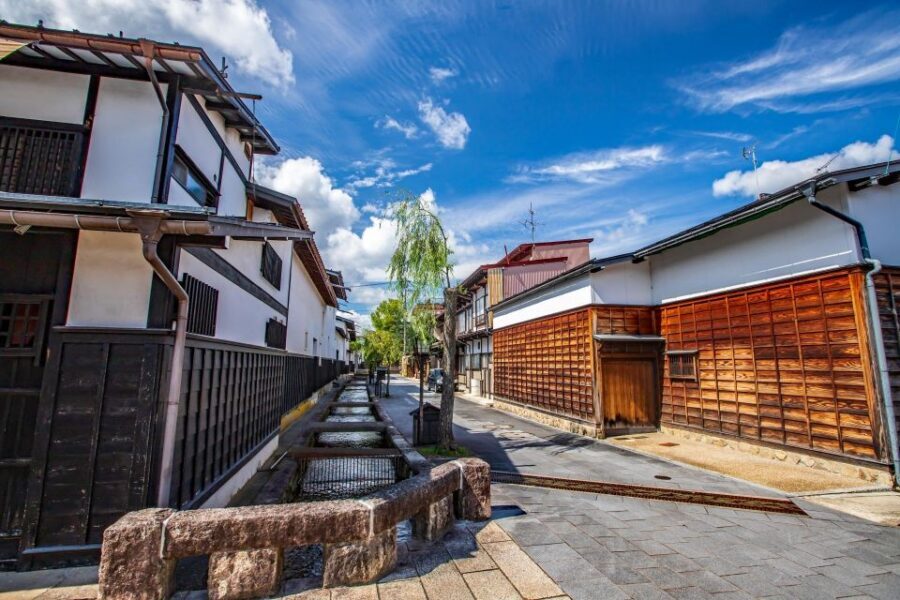
Between Zenko-ji and lunch, the tour includes a “secret stop” with a guided component and a food tasting (about 30 minutes). I like this kind of pacing because it keeps the day from feeling like a bus-to-bus marathon.
This also gives you a chance to taste something Nagano-flavored without making the meal schedule complicated. You’re not stuck hunting for snacks, and you’re learning in small doses instead of waiting until the final stop.
Lunch in Nagano: more than a boxed meal
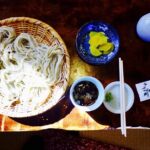
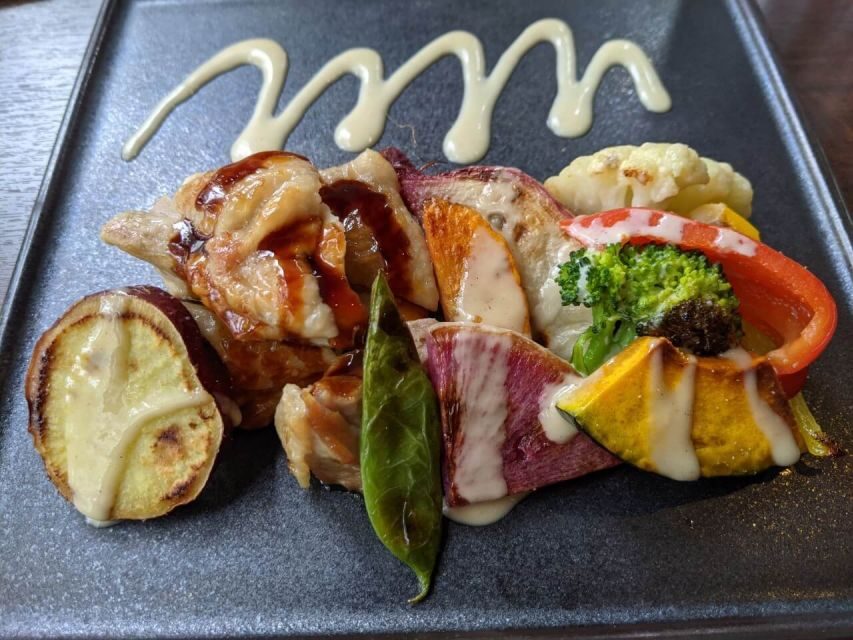
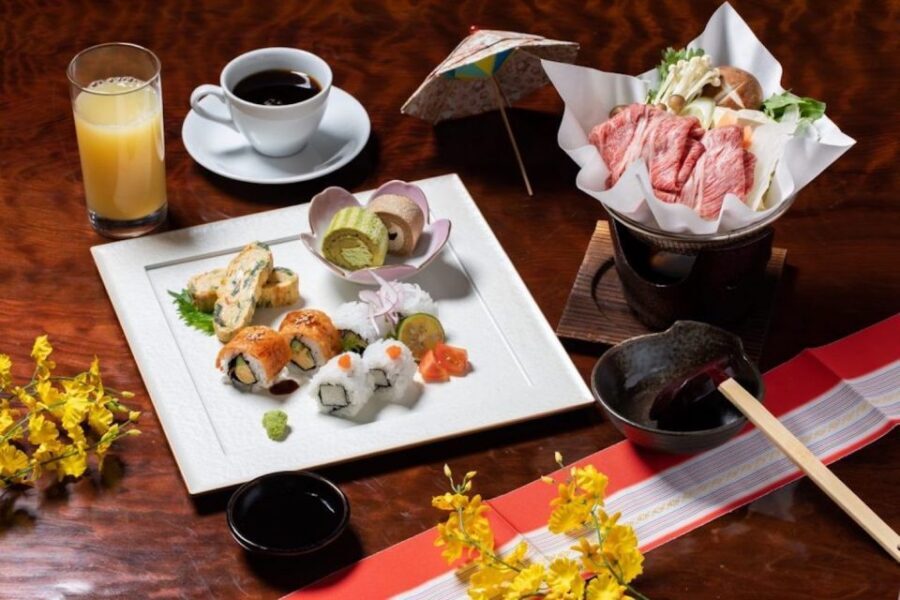
Lunch is included at a local restaurant for about an hour. Vegetarian options are available, and the lunch description in notes points to a set-style meal with options like miso soup plus choices such as beef, seafood, or vegetable. Some participants specifically mention tempura and sushi alongside the soup, which suggests a proper Japanese sit-down meal rather than a quick convenience stop.
Here’s the value of this: you’re eating during the middle of a winter day that includes walking. If lunch were bland or too short, the rest of the schedule would feel harder. Instead, the timing is built for energy—so by the time you head toward Jigokudani, you’re fueled.
If you have food allergies, tell the tour team ahead of time. Notes include at least one gluten-free experience where selection was more limited (no sushi, for example). That doesn’t mean the system fails; it means your best outcome depends on early communication.
Sake tasting: learning what you’re drinking
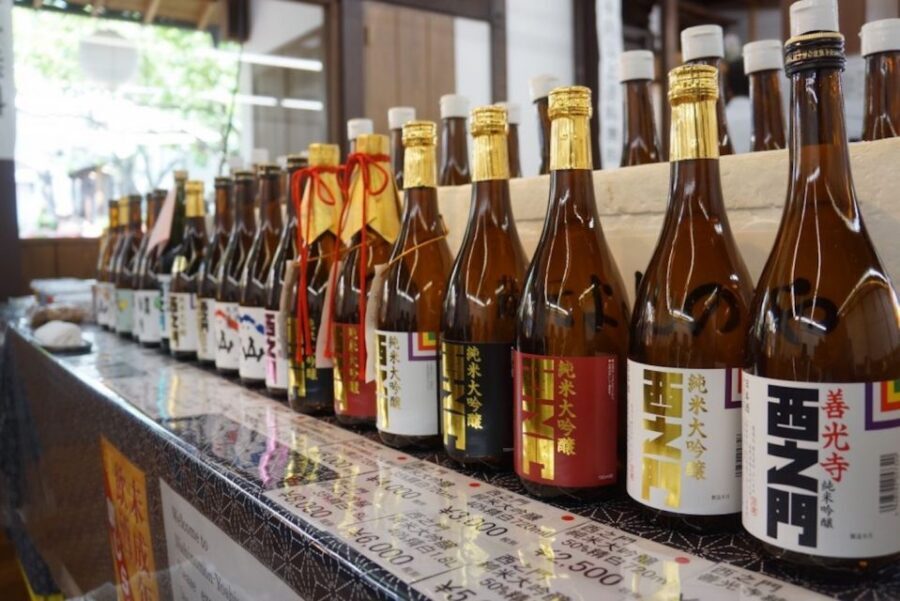
After lunch—or sometimes as part of the earlier sequence depending on the day’s flow—you’ll do a sake tasting designed to teach. The tastings include multiple sake types from different companies, along with explanations about ways sake is made.
I like this because it’s not just a sampling flight where you guess the flavor and move on. Guides such as Brent and Tom Taylor get called out for adding clear, practical explanations, so you leave with more than a memory. You also get a chance to compare styles in a low-pressure setting.
Important rule: the tasting includes alcohol, and Japan’s minimum age to consume alcohol is 20. If you’re under 20 or you don’t drink, non-alcoholic sakes are available, so you’re not forced into a drink you can’t handle.
This section also works well for mixed groups. Even if you’re not a “sake person,” you can still treat it like a cultural intro: how local ingredients and brewing choices change what ends up in the glass.
Jigokudani Snow Monkey Park: the cold walk that’s actually part of the magic
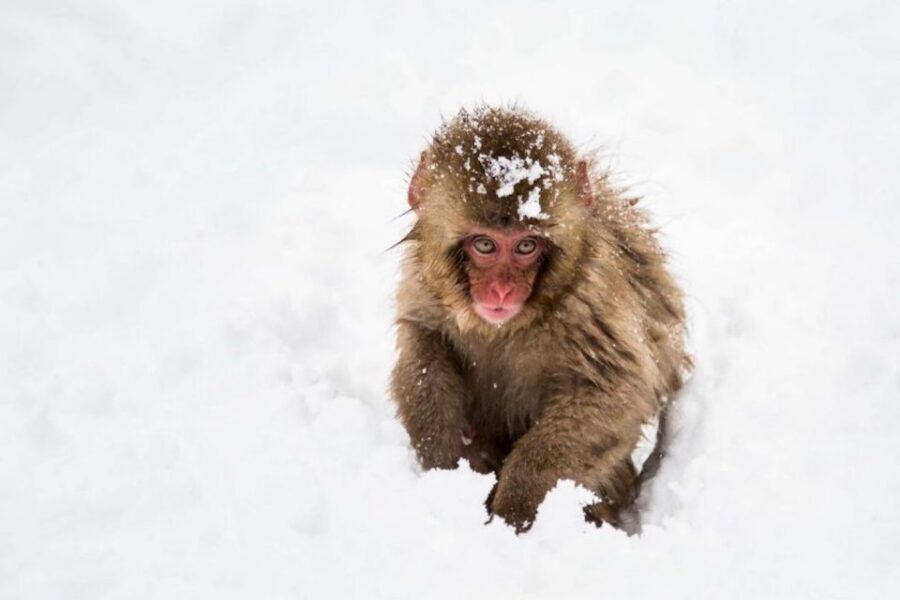
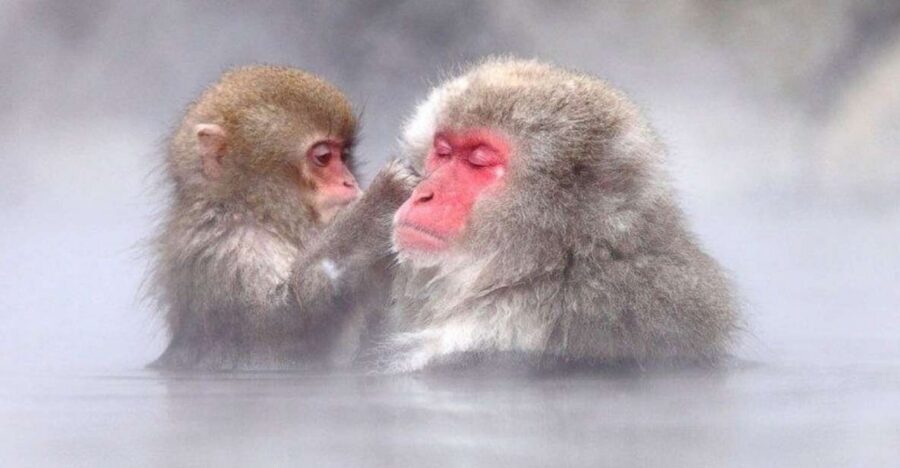
Then comes the main event: Jigokudani Monkey Park. The bus ride is about an hour from lunch (timing varies slightly by the day’s order), and once you arrive you’ll have about 2.5 hours with guided time, walking, and wildlife viewing.
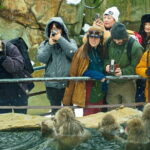
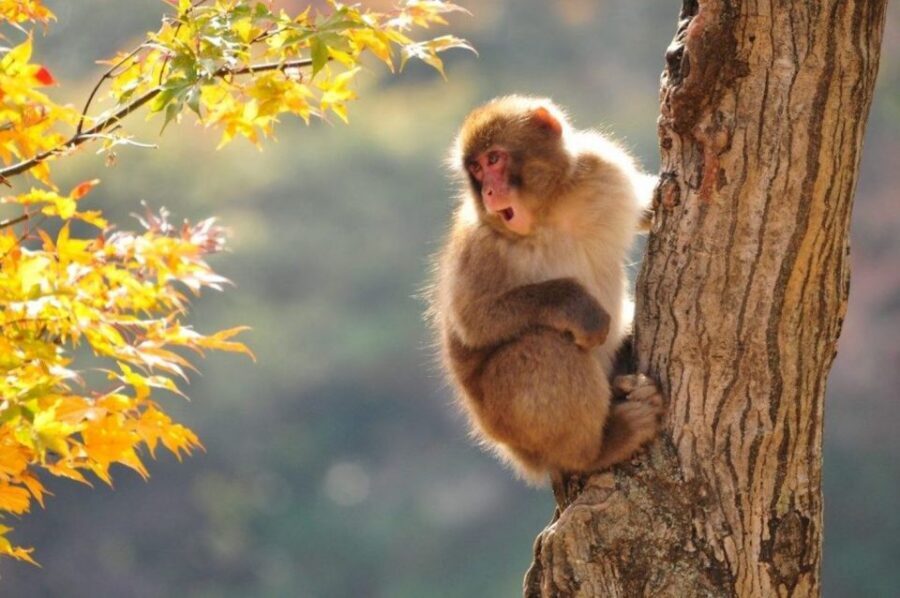
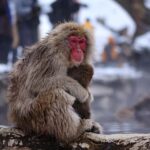
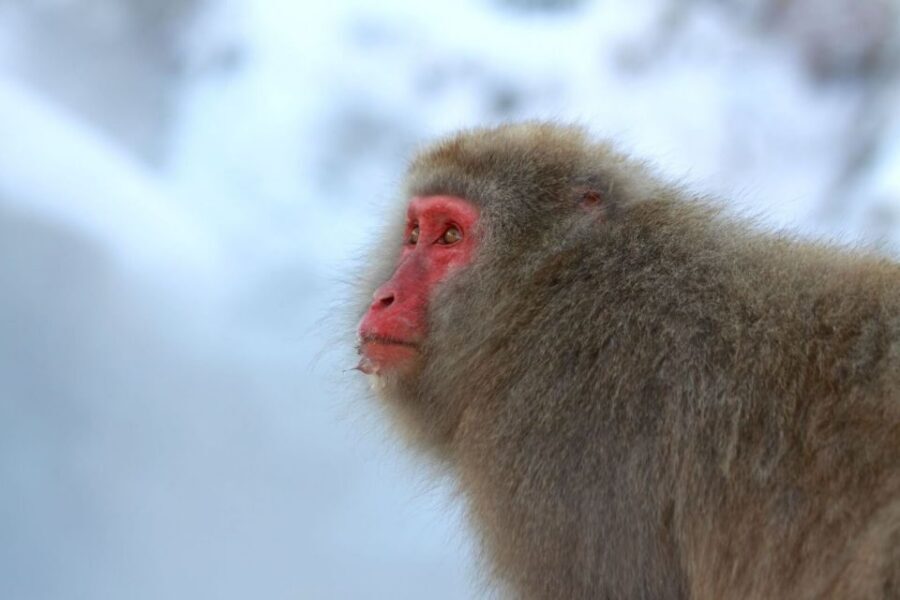
The reason this place earns its fame is simple: the snow monkeys are known for bathing in hot springs. When you see them up close—playing, eating, and relaxing while steam drifts around the pools—it doesn’t feel like staged zoo theater. It feels like winter life doing its thing.
A few practical realities to keep in mind:
- There are days when monkeys might not come down to the viewing areas as expected. It’s still worth going, but nature controls the show.
- Weather changes the experience. Even on good days, it can be colder than you expect at trail level.
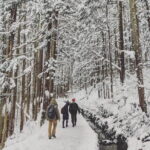
- The park area involves walking. Notes point out about 1.6 km round-trip to and from the park, plus an additional walk through forest trails.
This is where preparation matters most. Several participants explicitly warn about slipperiness and recommend traction like crampons for icy sections. You’re also told not to wear heels or sandals, and high-heeled shoes aren’t allowed at all.
If you want one piece of advice that pays off instantly: treat this as a winter hike first, monkey viewing second. Wear shoes you trust on ice. Bring a small bag you can carry comfortably, and plan to keep moving even when the view is worth stopping for.
Other Zenkoji and Nagano temple tours

How the timing fits together (and why it feels well-paced)
This is an 8 to 12-hour day trip, scheduled to end back at Nagano Station by about 17:30 (or around 18:45 for some winter Hakuba joiners). The itinerary is built around short, focused blocks: temple time, tasting time, lunch time, then a longer park block.
If you’re starting from Nagano Station, the meeting time is 9:35 AM. The tour departs on time, so arrive early—this matters more than you’d think, especially in winter when trains and buses can run tight on schedules.
If you’re in Hakuba during winter, there’s a shuttle option. Pickup times mentioned include 7:40 AM from Hakuba Tokyu Hotel (Wadano area) and 7:55 AM from Hakuba Happo Bus Terminal. There’s also a note that if the 9:35 Nagano Station pickup slot fills, an additional 9:00 AM start may open—so double-check the exact timeslot on your booking.
I like that the tour gives you a structure, because the two big risks in a day like this are:
1) arriving late and missing the prime viewing window, or
2) spending the day hunting schedules and transport.
Here, you avoid both by keeping the day planned.
Price and value: what you’re really paying for
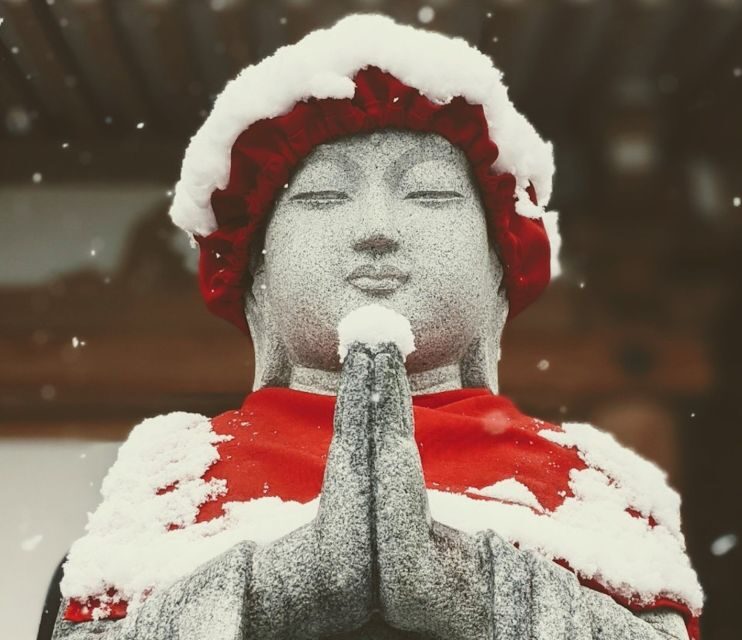
At about $135 per person, you’re not just paying for entry into the monkey park. You’re buying organization. Included are transportation between stops, an English-speaking guide, the snow monkey entry fee, lunch (including vegetarian options), and sake tasting.
That matters because the cost of doing this independently isn’t just the ticket price. It’s the time and stress of coordinating local transport, finding the right lunch spot, and lining up timing so you’re at Jigokudani when the snow monkey viewing is best for that day.
Also, the guide changes the value. When guides are good—names like Kevin, Hiroshi, Dylan, Brent, Jens, and Tom Taylor show up again and again—they make the day feel coherent. The temple becomes contextual, the sake tasting becomes educational, and the park walk feels safer and more manageable.
So if you’re deciding whether this is worth it, here’s the practical way to think about it: you’re paying to remove the friction from a winter day where friction is the enemy.
Who this Nagano tour is for (and who should think twice)
This tour fits best if you want a single day that hits the three big Nagano highlights without complex planning.
You’ll likely enjoy it if:
- you want temple + culture + food + monkeys in one schedule
- you appreciate an English-speaking guide who explains context (people specifically note guides sharing history and answering questions)
- you’re comfortable walking in winter conditions
You should think twice if:
- you have mobility impairments or need wheelchair-friendly access (the tour isn’t suitable for wheelchair users)
- you don’t handle slippery winter trails well
- your group needs heavy customization for allergies or dietary restrictions (it’s possible, but you must notify ahead)
If you’re in Hakuba for skiing, this is also a nice contrast day—warm food, cultural sights, and a winter nature experience that isn’t on the slope.
Should you book this Snow Monkeys, Zenko-ji & Sake day trip?
If your goal is a well-organized winter day in Nagano with close-up snow monkeys, a guided Zenko-ji visit, and a lunch + sake tasting that feels genuinely planned, I think this one is a strong yes.
Book it especially if you’d rather spend your energy on the experience than on timing buses, sorting tickets, and figuring out where to eat. Just be honest about the winter walking: good shoes and traction are part of the deal.
If you want the best chance of a great monkey day, plan to arrive early at the meeting point you chose and keep your pace steady on the trail. The rest is handled.
FAQ
What time does the tour meet at Nagano Station?
The meeting time at Nagano Station is 9:35 AM. The tour must depart on time, so arrive a bit early.
How long is the day trip?
It runs about 8 to 12 hours, depending on the starting option and winter schedule.
Is lunch included, and are there vegetarian options?
Yes. Lunch is included and vegetarian options are available.
Is snow monkey park entry included?
Yes. Snow Monkey Park entry fees are included.
Do I have to taste alcohol during the sake tasting?
Sake tasting is included, and you must be at least 20 to consume alcohol in Japan. If you’re under 20 or don’t drink, non-alcoholic sakes are available.
How much walking is involved?
There is a substantial amount of walking, including about a 1.6 km walk to and from the park. The forest trail can be slippery in winter.
What should I wear?
Wear suitable walking shoes with no heels or sandals. In winter, the trail may be slippery, so traction can help.