Old Furukawa looks good on your feet. This day trip from Takayama is built for real culture on a tight schedule: you’ll walk Shirakabe Dozogai Street (white plaster walls, dark beams, canal views) and you’ll end with a hands-on weaving session where you make a keepsake you can actually take home. I like how the day mixes streets, museums, temples, and a workshop instead of dumping you into just one kind of sightseeing.
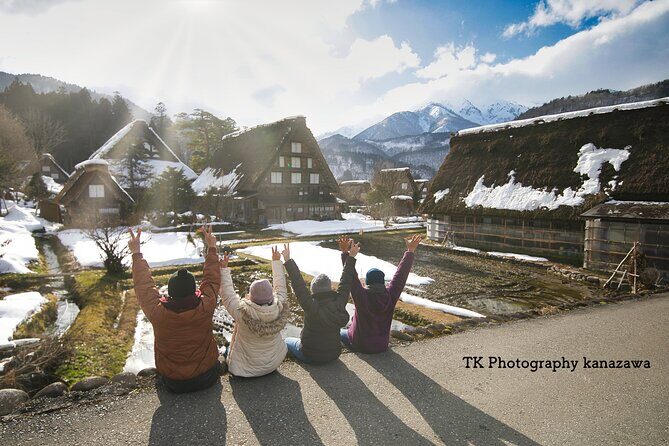
One thing to plan for: the walking is outdoors, and in winter it can feel brutally cold, with daytime temps sometimes stuck around 1–2°C. Wear warm layers and footwear that can handle snow and ice, because the sidewalks can be slick even when the day looks calm. Also, this runs as a small group (up to 15), so it’s not the place to hide in the back and vanish from the tour rhythm.
In This Review
- Key highlights worth your attention
- Starting from Takayama Station: the train ride you’ll actually enjoy
- Shirakabe Dozogai Street: white walls, canal calm, and easy photos
- Hida-Furukawa Festival Exhibition Hall: how to enjoy the UNESCO festival without waiting for April
- Hida Crafts Museum (Hida no Takumi Bunkakan): reading the town through its maker culture
- Santera pilgrimage and temple visits: spiritual paths that also show everyday town life
- Traditional village time: a scenic pause that still feels like local life
- The weaving session and your keepsake: the best souvenir is the one you made
- Lunch, free time, and the small-group advantage (up to 15 people)
- Price and value: is $135 a good deal for this mix?
- Weather and comfort: when the day gets cold, your shoes matter more
- Should you book this tour?
- FAQ
- Where do I meet the guide?
- How long is the tour?
- Is lunch included?
- What’s included in the tour price?
- What should I wear in winter?
- How big is the group?
Key highlights worth your attention
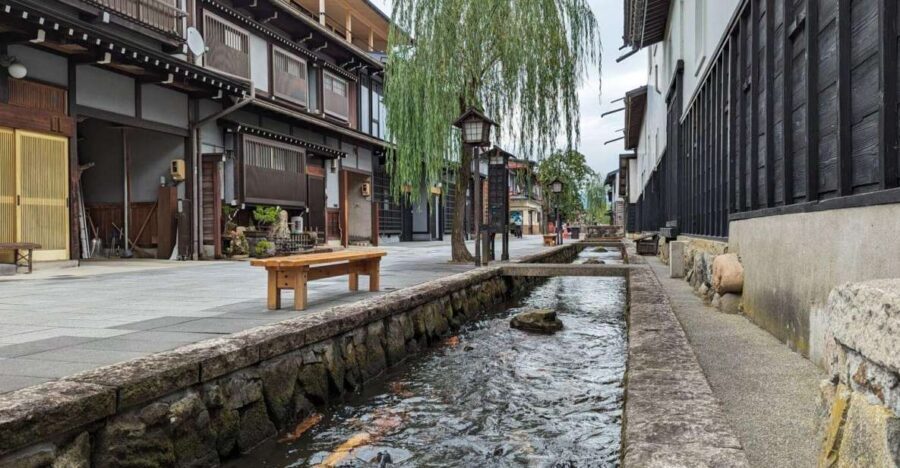
- Shirakabe Dozogai Street: White wall “warehouse district” buildings plus a quiet canal with friendly carp
- Hida-Furukawa Festival Exhibition Hall: year-round context for a festival that happens only once a year
- Santera pilgrimage: temple visits that add meaning beyond photo stops
- Hida Crafts Museum (Hida no Takumi Bunkakan): museum time that actually helps you read the town’s craft culture
- Traditional weaving workshop: you make a unique textile keepsake, not just watch
- Small-group pacing: an English-speaking guide keeps the day moving without rushing you
Starting from Takayama Station: the train ride you’ll actually enjoy
The day kicks off at Takayama Station around 9:30 A.M. Your guide meets you in front of the ticket gates, then you head out by train for about 30 minutes to Hida-Furukawa. I like this rhythm because it turns getting there into part of the plan, not a chore.
Once you arrive (around 10:00 A.M.), you’re not left to figure things out. The guide takes you into the walking flow quickly, which matters on a one-day schedule. This is especially helpful if it’s your first time in the area and you want to get your bearings fast.
If you’re starting from Hida-Furukawa Station instead of Takayama, the day still works the same—just in a different order. Either way, you get guided time, museum time, and craft time without the guessing-game.
Other Takayama walking tours and old-town experiences

Shirakabe Dozogai Street: white walls, canal calm, and easy photos
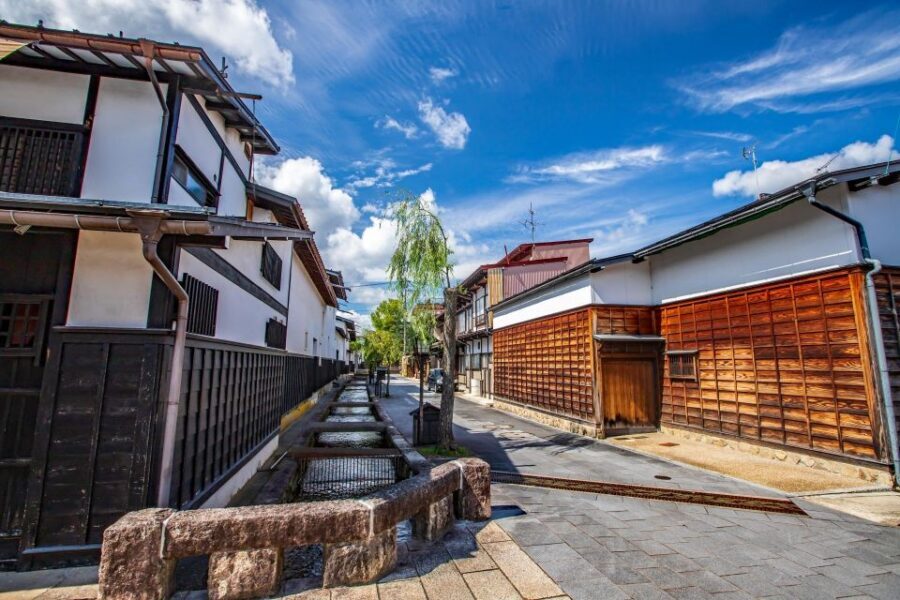
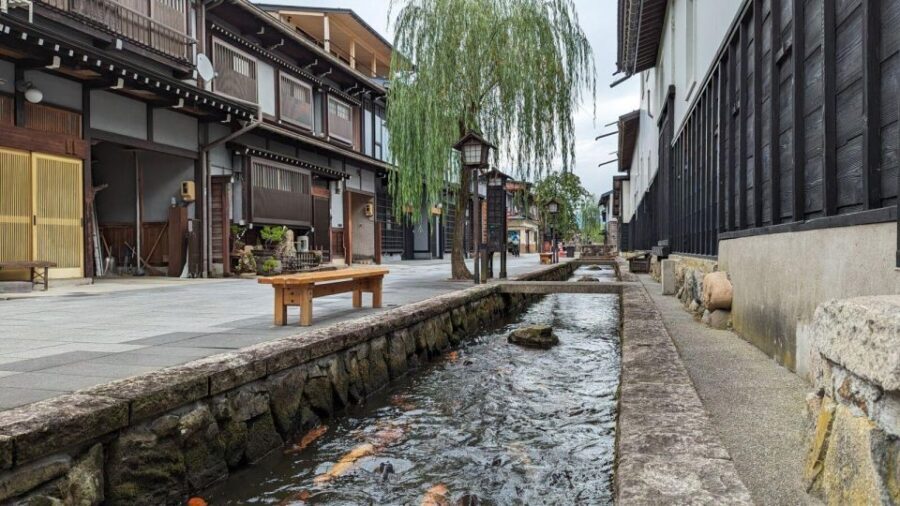
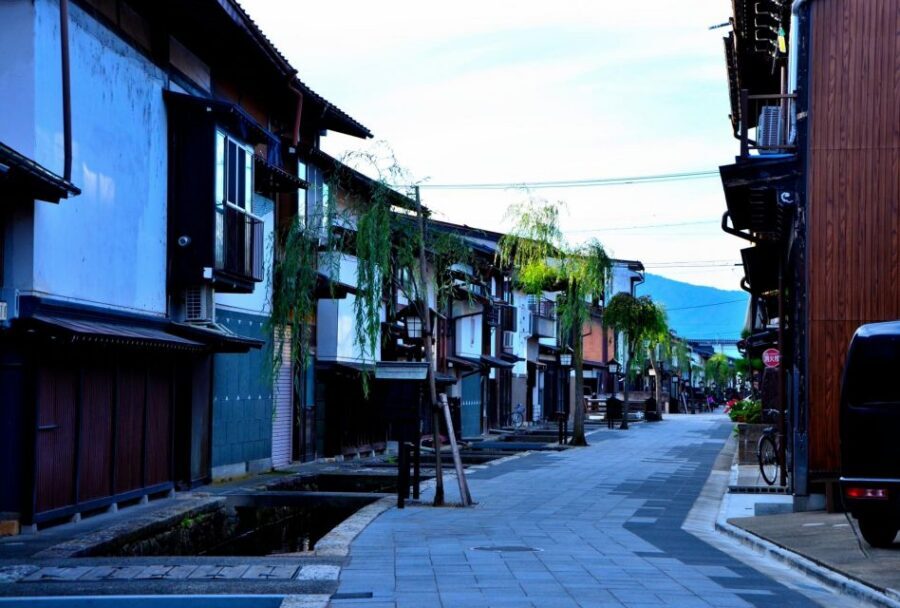
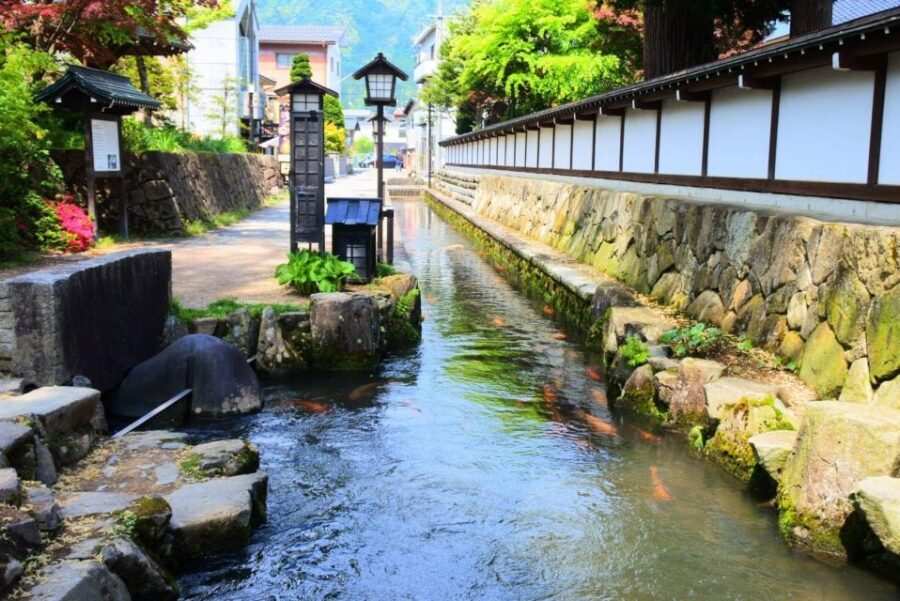
Your first big stop is Shirakabe Dozogai Street, named for the contrast that defines it: white plaster walls against dark wooden beams. The name is basically a hint about what you’re seeing—the “warehouse district” style that once handled goods coming through the old Furukawa economy.
Here’s what makes the street more than a pretty walk. You’ll get a guided tour and time for photos as you move along, and the buildings are well preserved enough that you can picture how this place used to function. When you add in the serene canal running through the area, the whole scene feels grounded and real instead of staged.
Also, the canal has a fun little detail: carp that hang out nearby. It’s the kind of small local touch that makes your photos feel alive, not just architectural.
Practical note: this is a walking-heavy morning. I’d wear shoes you can keep on for hours, especially if you’re traveling outside spring and autumn.
Hida-Furukawa Festival Exhibition Hall: how to enjoy the UNESCO festival without waiting for April
Next, you head to the Hida-Furukawa Festival Exhibition Hall. The festival itself is a UNESCO Intangible Cultural Heritage event held once a year in April, so most of the year you won’t see the full spectacle on the street. The exhibition hall fills that gap with artifacts and exhibits that explain what makes the festival special—like the elaborate floats, colorful costumes, and the traditional music and dance that power the event.
What I like here is the pacing of information. Instead of expecting you to “get it” instantly, the hall gives you the background so later details start to click. You’ll see the festival’s character through year-round displays, which is perfect if your trip doesn’t line up with April.
You’ll also have time for a photo stop, then your guide will walk you through what you’re looking at. This is one of those stops where an English explanation can make a big difference, because festival terms and customs can be hard to decode on your own.
Hida Crafts Museum (Hida no Takumi Bunkakan): reading the town through its maker culture
After the festival context, the day shifts toward crafts at the Hida Crafts Museum, also called Hida no Takumi Bunkakan. This is museum time, but it doesn’t feel like you’re killing an hour in silence. A guided tour helps connect what you see to what the town values.
Why this matters: Hida-Furukawa isn’t just “old buildings.” It’s a place where craft skills have shaped daily life for generations. The museum format helps you understand that idea before you do the hands-on workshop later.
If you like travel days where you leave with more than photos—more like a mental map of how people in the region think—this is a strong part of the itinerary. It gives the weaving workshop a context, not just a fun activity.
Santera pilgrimage and temple visits: spiritual paths that also show everyday town life
In the afternoon, you’ll follow the Santera pilgrimage, visiting revered temples. The word “pilgrimage” can sound heavy, but what you’ll feel on the ground is a sequence of calm, meaningful stops along paths that people have walked for a long time.
Your guide frames the route so you understand why these temples matter to the community. And because the pilgrimage path is tied to the town, you also get a look at the artisanal side of Hida-Furukawa—there are quaint shops along the way where craft culture shows up in everyday purchases.
One caution: temples and pilgrimage routes can involve uneven walking surfaces. If you’re traveling with mobility issues, you’ll want to check what level of walking your group can handle—this tour is structured around guided movement, not just seated sightseeing.


Traditional village time: a scenic pause that still feels like local life
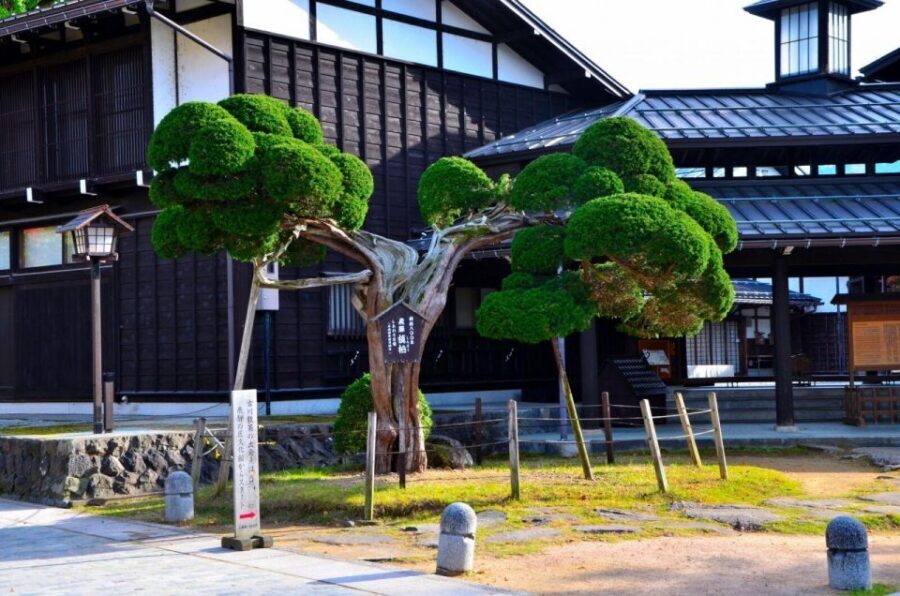
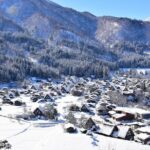
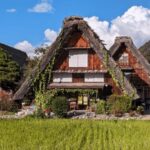
Midday lunch gives you breathing room, but the day continues with traditional village time—part photo stop, part visit, plus a guided walk. You’ll have guided sightseeing and time to stroll through what’s presented as a traditional setting, with scenic views along the way.
This stop is useful because it changes the “tempo” of the day. You’ve been learning through street architecture and museum artifacts; now you’re seeing how the area’s visual style and daily-life layout feel when you slow down and walk through it.
It’s also a good chance to double-check your souvenir priorities before you do the final workshop and your hands are full of new creative material.
The weaving session and your keepsake: the best souvenir is the one you made
The heart of the hands-on portion is a traditional weaving session (listed as a workshop/class stop). You’ll work with skilled artisans, see the technique up close, and then make something you can keep—your own unique keepsake.
This is one of the tour’s biggest advantages. Watching a craft can be enjoyable, but weaving teaches you what to notice: materials, tension, pattern structure, and the small decisions that go into getting a clean result. Even if you’re not a “craft person,” the guided instruction usually makes it doable and satisfying.
In at least some departures, guides also add a food-and-drink flavor to the day, including time connected to local sake brewing. If that’s offered on your date, it pairs nicely with the day’s craft focus.
Practical tip: after a workshop, you’ll want to keep your hands and bag space in mind. Plan for how you’ll carry your finished piece during the final train ride back.
Lunch, free time, and the small-group advantage (up to 15 people)

You’ll have lunch at a local restaurant, plus about one hour of free time. That hour is important because it gives you control over the day: you can grab something extra, browse small shops, or simply rest your feet without feeling rushed.
Because the group is capped at 15, the guide can manage the pace and keep you together without turning the day into a headcount drill. The best feeling in a small-group tour is when you stop thinking about logistics and start thinking about what you want to see next.
A subtle bonus: guides like Yogi, Emi, and Hemi Witehira (names that have led recent departures) are described as personable and careful with timing. That shows in how the day flows—photos happen where they should, and you’re not always late to the next stop.
Price and value: is $135 a good deal for this mix?
At $135 per person for a one-day, guided trip, the value comes from what’s actually included. You’re getting admissions to the Festival Exhibition Hall and the Hida Crafts Museum, plus a traditional weaving workshop, plus the train travel between Takayama and Furukawa, plus an English-speaking guide and guided walking time.
Lunch is not included, so you’ll still budget for that, and it’s smart to keep a little cash or card ready for snacks or small purchases at shops along the way. But when you add up guided time + two paid admissions + the weaving experience, the price starts to make sense.
If you were to do this independently, you’d likely spend extra time figuring out routes and timing—and you might lose the workshop value because weaving class logistics are the kind of thing that’s easier with a partner organizer. For one day, this tour is a strong “do it once, do it well” option.
Weather and comfort: when the day gets cold, your shoes matter more
This tour can run in winter, when temperatures may drop below freezing and even daytime can sit around 1–2°C. Snow and ice can appear on roads and sidewalks, so footwear is not a minor detail here.
Bring warm layers you can adjust during walking, not just one heavy coat. And if you’re sensitive to cold, you’ll appreciate treating this as a winter walking day, not an outdoor stroll.
Should you book this tour?
Book it if you want a one-day plan that actually teaches you how Hida-Furukawa works: the old warehouse street look, the festival culture explained year-round, the temple route through Santera pilgrimage, and a weaving session where you create a real keepsake.
Consider skipping (or at least asking questions first) if you hate cold weather walking or you prefer museums and scenic stops only, with no hands-on craft. This day has movement, and it’s structured around that.
FAQ
Where do I meet the guide?
The meeting point can vary depending on the starting option you book. If you’re starting from Takayama Station, the guide meets you in front of the ticket gates at 9:30 A.M.
How long is the tour?
It’s a one-day tour. The train ride between Takayama and Furukawa takes about 30 minutes.
Is lunch included?
No. Lunch at a local restaurant is included, but the tour notes that lunch itself is not included in the price.
What’s included in the tour price?
You get admission to the Hida-Furukawa Festival Exhibition Hall and Hida Crafts Museum, a traditional weaving hands-on session, travel between Takayama and Furukawa, a guided walk through Hida-Furukawa, and an English-speaking guide.
What should I wear in winter?
Temperatures may drop below freezing, and snow and ice can be on sidewalks and roads. Wear warm clothing and footwear suitable for snowy, icy conditions to help prevent slipping.
How big is the group?
It’s a small group limited to 15 participants.