
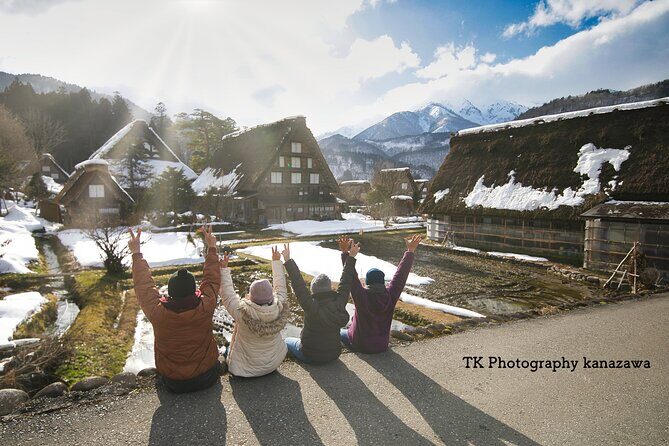
Two villages. One well-timed shoot. This private tour helps you see Gokayama and Shirakawago without spending the day juggling maps, […]
Two villages. One well-timed shoot. This private tour helps you see Gokayama and Shirakawago without spending the day juggling maps, […]
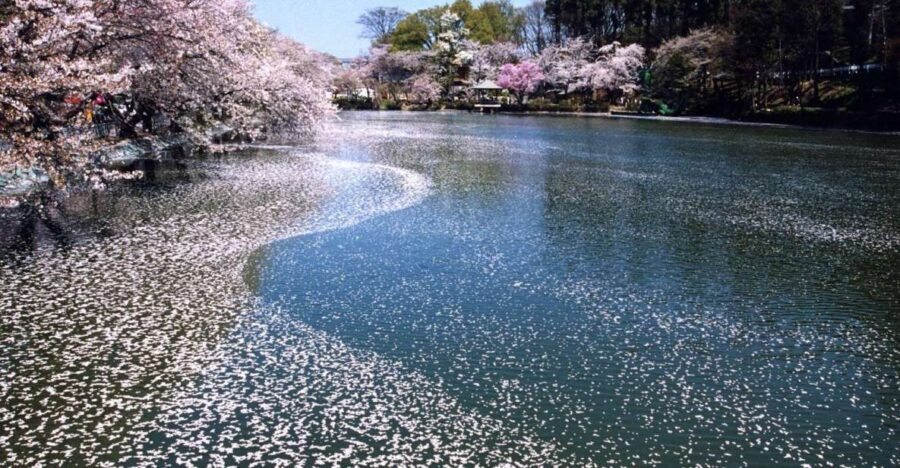
The combo of monkeys and blossoms works. This Nagano 1-day tour strings together two of Japan’s most specific seasonal pleasures:
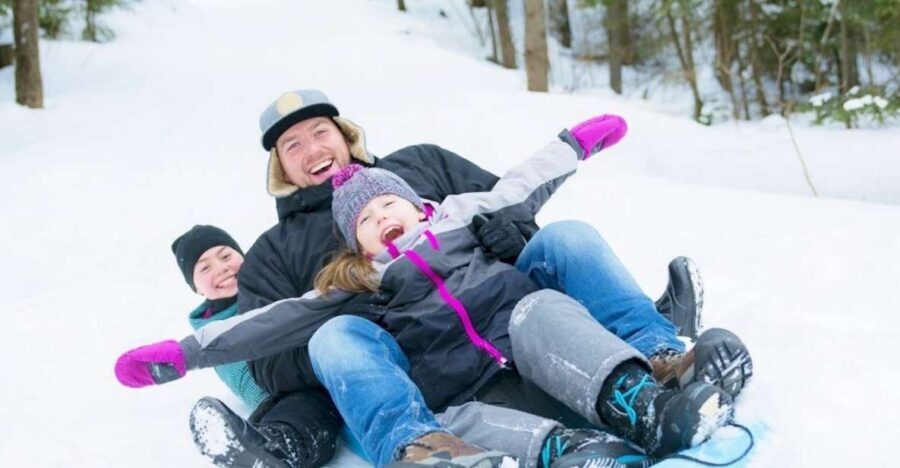
Snow monkeys and snow play, in one smooth day. I love the set-in-the-snow fun at Shiga Kogen and the chance
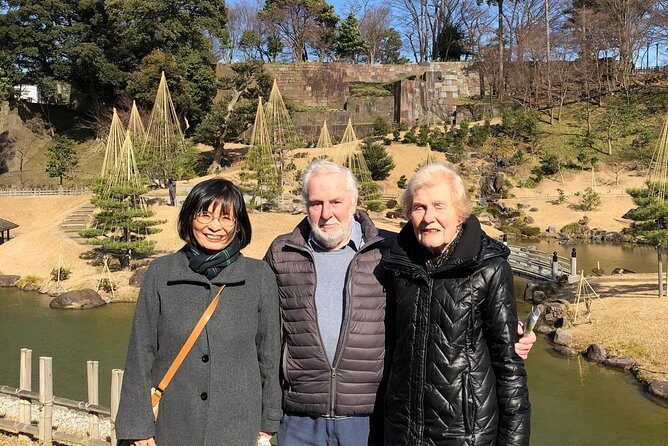
Kanazawa gets better with a guide. This private, government-licensed tour is built for undivided attention, with the freedom to shape
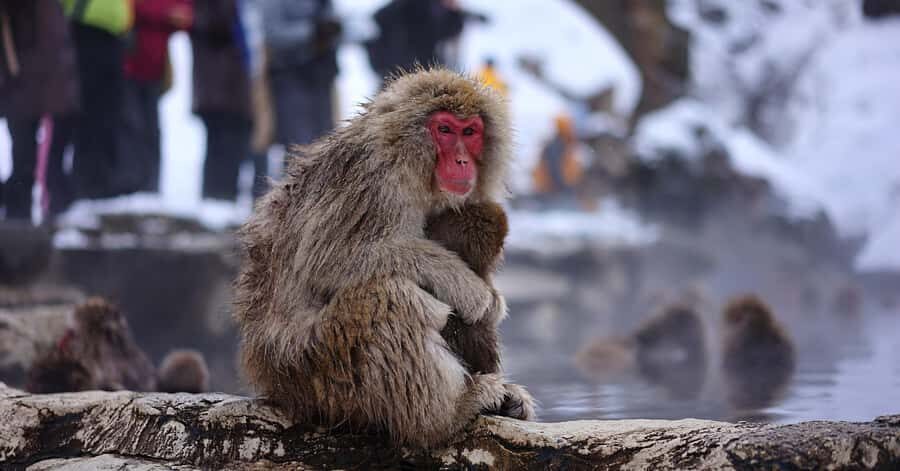
A day like this mixes two of Japan’s best-known worlds: Jigokudani snow monkeys and Zenko-ji Temple. I like that it
Snow monkeys in hot springs? Yes, and it’s timed well. This afternoon tour in Nagano pairs the famous Jigokudani Monkey
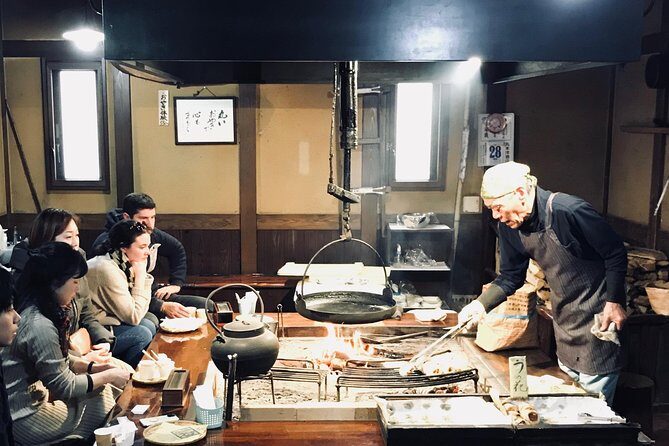
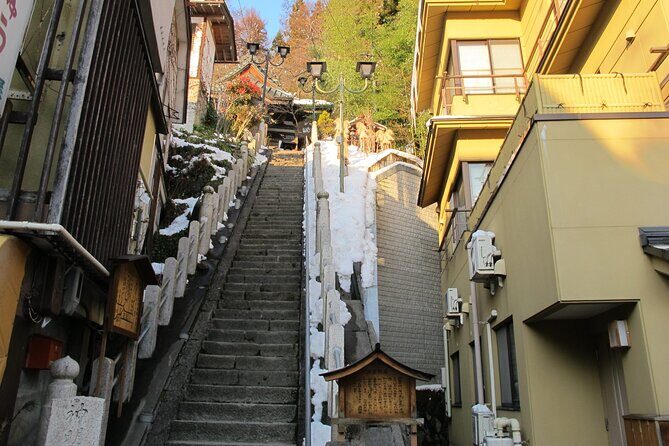
Nagano’s snacks come with stories. This 3-hour food-and-culture walk ties together Zenkoji Temple town and the flavors people actually eat
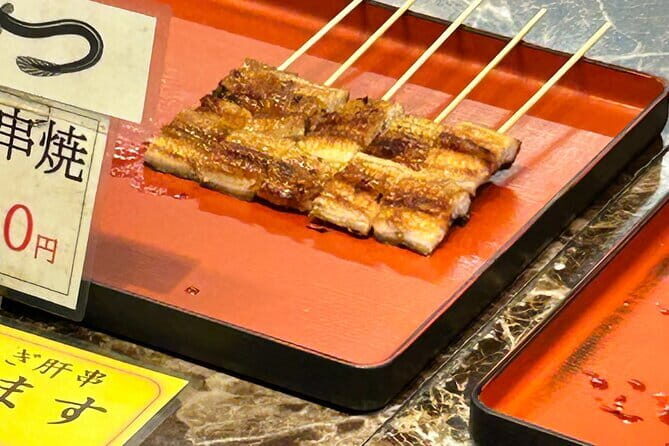
Kanazawa tastes better with a guide. This 2-hour food-and-streets walk strings together Omicho Market flavors and two historic teahouse districts,
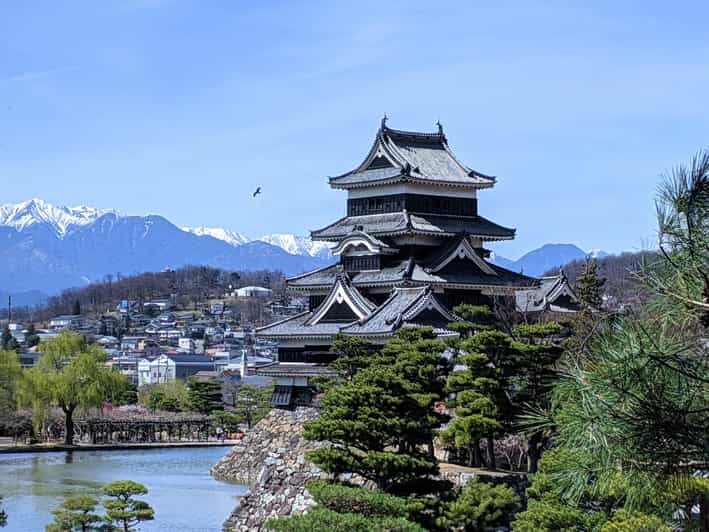
Matsumoto’s castle town hits fast. This 3-hour walking tour is built like a mini movie: you start at Matsumoto Station,
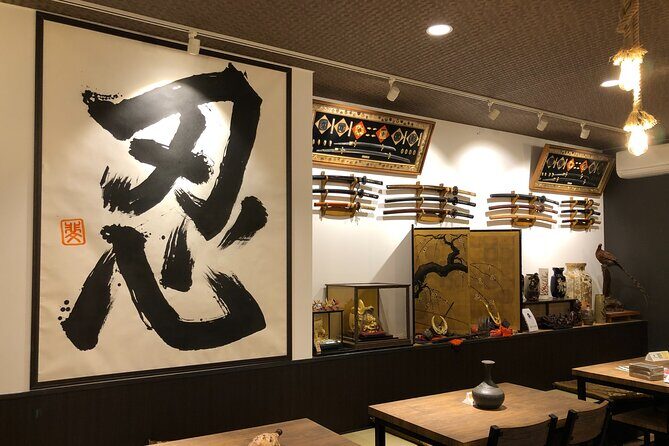
You can learn ninja moves in just an hour. This Ninja Experience in Takayama is a hands-on, indoor class where
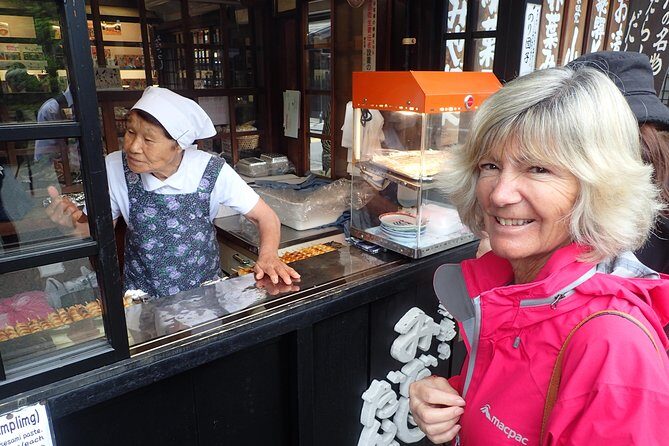
Saké and snacks meet a local guide. This private Takayama food tour is built for an intimate walk through the
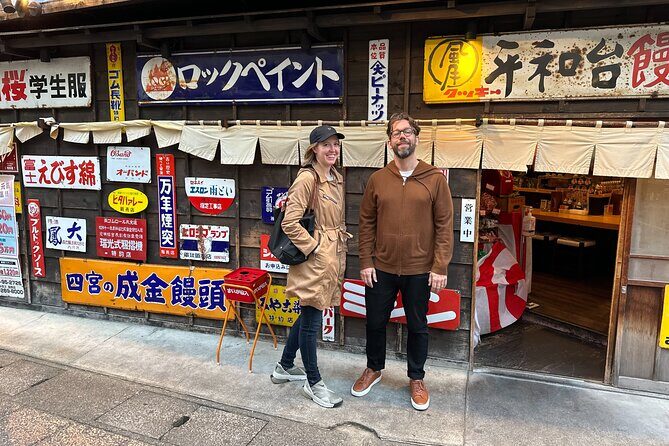
Nagano at night makes sense fast. This small-group izakaya crawl strings together five meal stops and five dishes plus two
That little ninja costume plan is a fun one. In Takayama, this Basic Course is a hands-on 1-hour session where
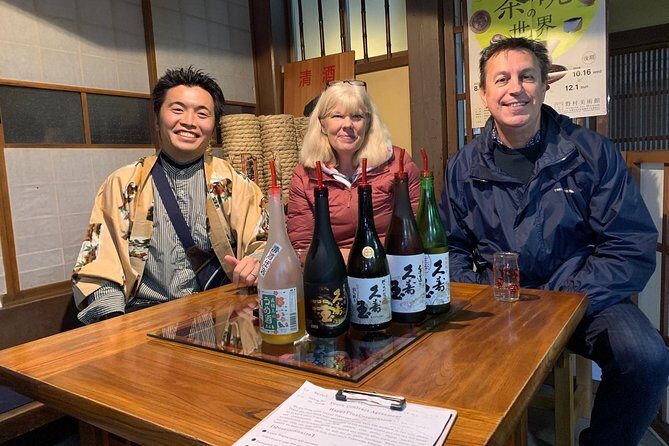
Sake in Takayama hits differently. This short visit takes you into Hirase Shuzo, a major historic brewery, where you can
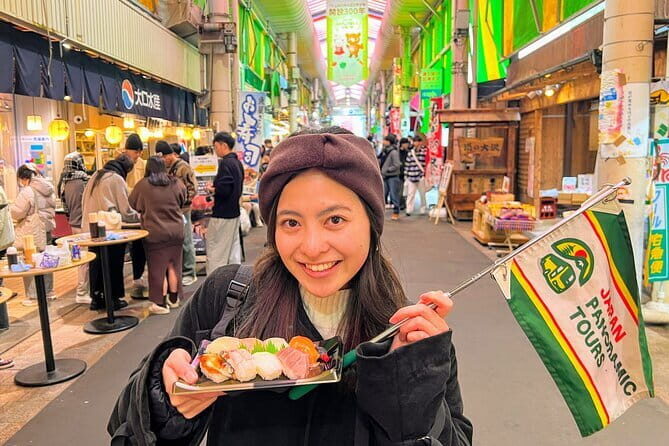
Kanazawa is made for slow walking. This private tour is interesting because you get an English-speaking local guide and a