Kanazawa gets better with a guide. This private, government-licensed tour is built for undivided attention, with the freedom to shape your 6 hours around what you care about—whether that’s gardens, samurai history, chaya districts, or the city’s everyday rhythm. Kenrokuen Garden is the big draw, but the real value is how the guide helps you connect the dots across neighborhoods.
I love two things most: first, the pacing. You’re not herded around in a crowd, so you can slow down for details and questions. Second, it’s customizable, so you can choose a mix like Higashi Chaya District with a museum or swap in Kanazawa Castle if feudal history is your thing.
One drawback to consider: it’s a walking tour. Even with pickup offered, you’ll be on your feet for long stretches, and entrance tickets plus transport/lunch are not included.
In This Review
- Key highlights you’ll actually notice
- A 6-hour Kanazawa walk with a government-licensed English guide
- Kenrokuen Garden: more than the postcard angles
- D. T. Suzuki Museum: a calm detour that adds meaning
- Myoryuji (Ninja Temple): the myth, then the real story
- Higashi Chaya District and the Nishi Chaya museum: geisha culture, explained
- 21st Century Museum + Seisonkaku Villa: old power meets new ideas
- Nagamachi Samurai District and Omicho Market: history you can walk through, and food you can taste
- Kanazawa Castle and Oyama Shrine: the political map behind the scenery
- How to choose your 3–4 stops (so 6 hours feels like enough)
- Walking logistics and pacing tips that keep the day smooth
- Should you book this private Kanazawa tour?
- FAQ
- How long is the Kanazawa private tour?
- Is this a private tour or a group tour?
- Can I choose which sites to visit?
- Does the tour include pickup?
- Are entrance fees included?
- Is lunch included?
- Is transportation included?
- What’s the meeting and walking like?
- What ticketing do I receive?
- What is the cancellation policy?
Key highlights you’ll actually notice
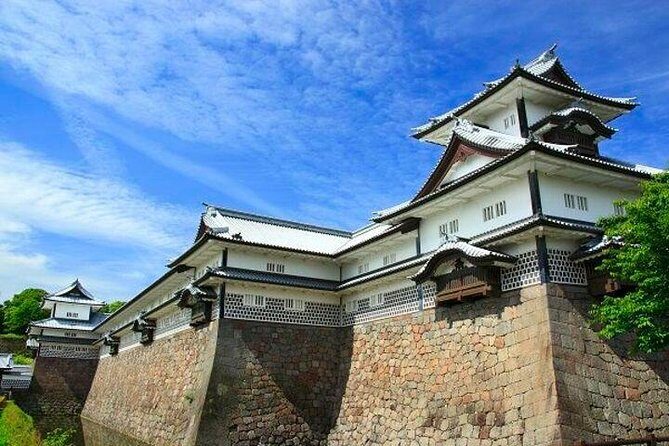
- Private guide time so you can ask questions and adjust on the fly
- Pick 3–4 stops from a strong menu of gardens, temples, chaya areas, markets, and museums
- Kenrokuen Garden paired with Maeda-era context, not just photo ops
- Chaya districts explained in plain terms, including what you’re seeing and why it matters
- Local-food moments like a stop at Omicho Market, where the city’s daily life shows up fast
- Guides known for practical help, from bus tips to pointing out good photo spots
A 6-hour Kanazawa walk with a government-licensed English guide
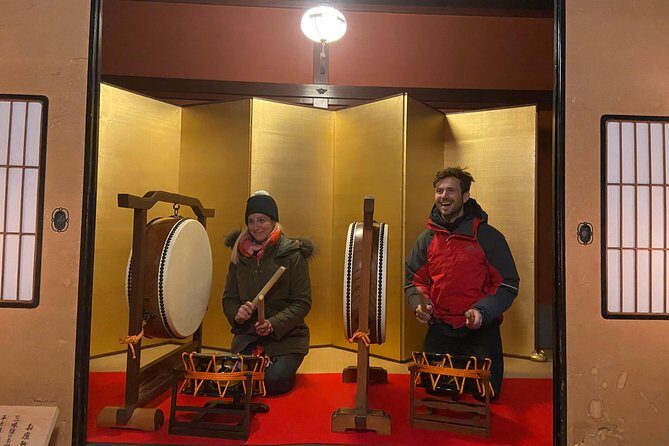
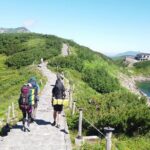
This is the kind of tour that works when you want more than checklists. You get a licensed local English-speaking guide and only your group goes with them. That matters in Kanazawa because the city is full of small-but-meaningful details: the layout of old districts, the logic behind where important buildings sit, and why certain sites connect to the Maeda family’s long rule.
The format is also your advantage. You choose 3–4 sites from the available set, so you’re not forced to “do it all.” For many people, Kanazawa’s perfect day is less about quantity and more about understanding the pattern: garden → power center → culture districts → food → viewpoints and shrines.
Price-wise, $155.22 per person for about 6 hours is not “cheap,” but it’s not trying to be. You’re paying for guide time plus planning flexibility. If you’re traveling as a pair or small group, it can feel like a smart upgrade over doing everything by yourself with a guidebook—especially if you enjoy architecture, history, and city habits.
Practical note: entrance fees and transportation are not included. You’ll also be walking a lot. If you’re hoping for a mostly stop-and-go ride, this isn’t that style. It’s on your feet, with the guide moving you through the city in a way that makes sense.
Other Kanazawa tours and samurai-district walks

Kenrokuen Garden: more than the postcard angles
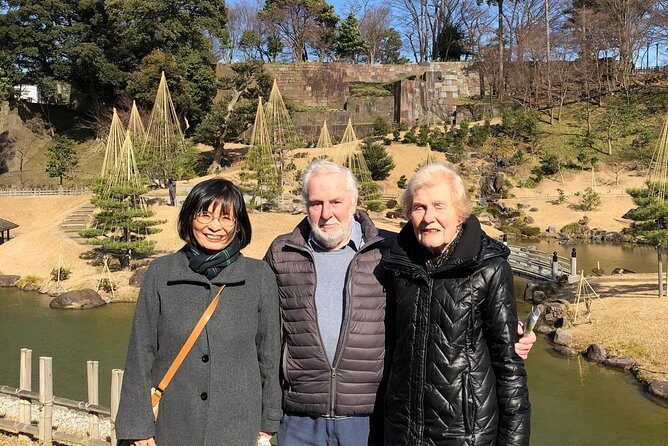
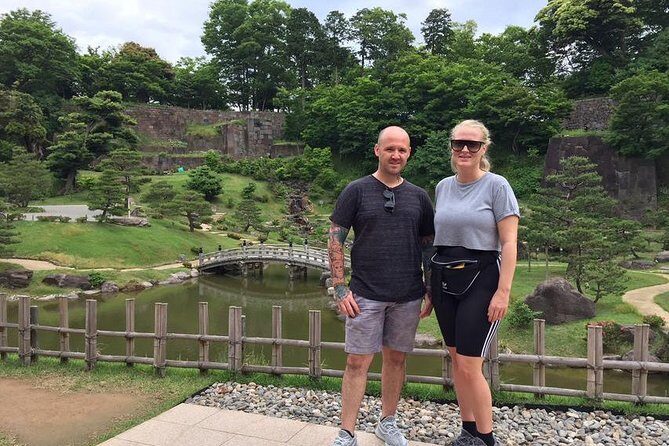
Kenrokuen is one of those places where people take a lot of photos and still miss the point. A guide helps you read the design. You’ll spend about an hour here, and because you can ask questions while you walk, you’re not just staring at scenery—you’re learning how the garden “works” as a composed space.
What makes Kenrokuen special for a guided visit is how it sets the tone for Kanazawa. It connects to the city’s feudal wealth and taste, and it gives you an easy reference point for later stops. Even if you’re not a garden obsessive, you’ll find that the structure becomes clearer once someone explains the logic behind the paths and views.
Drawback: the garden admission isn’t included, so budget for the ticket. Also, if you’re the type who likes to wander completely independently, an hour can feel tight—but with a private guide, you can usually spend a little less time where you’re not interested and more time where you are.
D. T. Suzuki Museum: a calm detour that adds meaning
Not every Kanazawa itinerary includes the D. T. Suzuki Museum, and that’s exactly why it’s worth considering. You’ll get about an hour here, and it’s focused on the life and works of Suzuki Daisetsu, a prominent Buddhist philosopher.
This stop works best if you like learning how ideas travel through a culture—how a person’s work reflects the era they lived in and how philosophy can shape everyday values. It’s also a nice pacing break from the busier streets, which makes it easier to enjoy the rest of the day.
Drawback: tickets aren’t included, so plan for entry. If your interests are purely visual and you prefer fewer explanations, you might find this more thoughtful than entertaining—but for the right mood, it’s a great contrast.
Myoryuji (Ninja Temple): the myth, then the real story
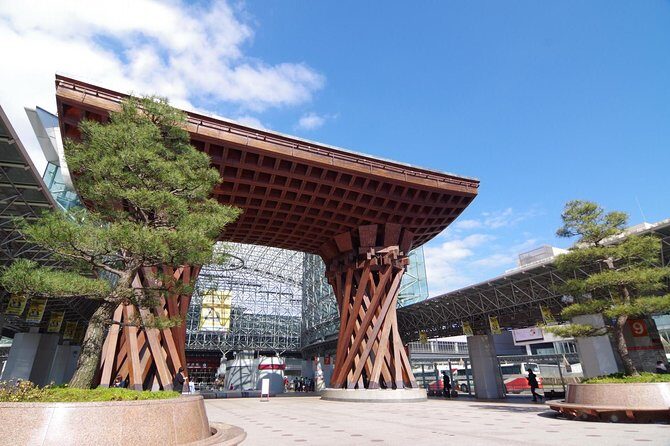
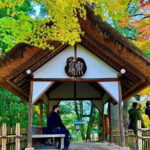
Myoryuji is commonly called Ninjadera, and the nickname gets people excited. The twist is that it’s not actually linked to ninja in the way the name suggests. What you’ll get instead is a temple with history tied to the Maeda lords, plus a chance to sort fact from the marketing version.
You’ll spend about an hour, and this stop tends to land well because the guide can connect it to the city’s power structure. It’s one of those experiences where the story behind the building matters just as much as the building itself.
Consideration: since it’s a temple site, the vibe is more reflective than flashy. If you’re expecting ninja demonstrations, you might be disappointed. If you’re curious about why the nickname exists, you’ll probably have a better time.
Higashi Chaya District and the Nishi Chaya museum: geisha culture, explained
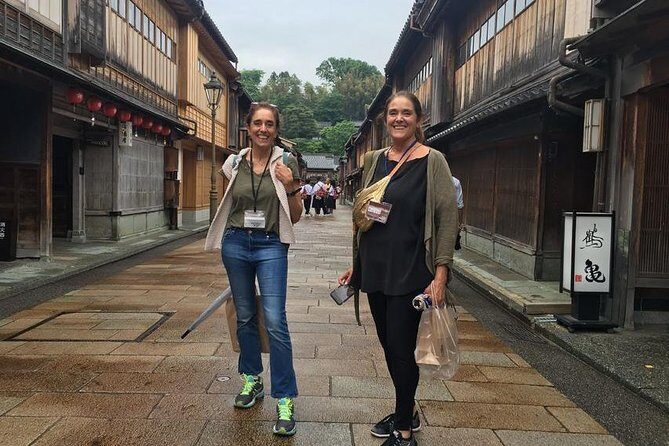
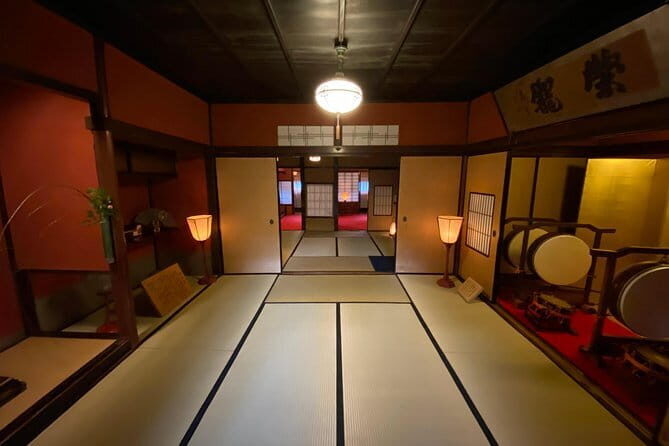
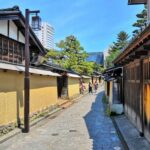
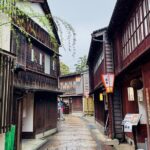
Chaya areas are where Kanazawa looks most timeless. You’ll have around an hour in places like the Higashi Chaya District, and you may also visit the Kanazawa City Nishi Chaya Museum depending on what you choose.
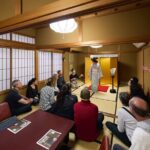
Here’s the value of a guide: you don’t just watch buildings and streets. You understand what a chaya is, how it functioned in the Edo period, and why geisha entertainment was tied to specific districts. Even if you’ve seen videos online, the guide helps you interpret what you’re looking at in the street-level reality.
The Higashi Chaya District stop is listed as free for admission, which helps if you’re building your day around value. The Nishi Chaya Museum isn’t listed as free, so you’ll likely pay an entrance fee if it’s included in your chosen 3–4 sites.
Also, keep your expectations grounded. The guide can clarify etiquette and context, but this isn’t a theme park. Go respectfully, take photos where allowed, and treat it like a living cultural district.
Other guided tours in Kanazawa


21st Century Museum + Seisonkaku Villa: old power meets new ideas
Kanazawa does a neat thing: it pairs a major contemporary art institution with remaining traces of the feudal era.
The 21st Century Museum of Contemporary Art is a strong option if you want modern creativity without leaving the city core. You’ll have about an hour. The guide can help you see the artworks as part of Kanazawa’s identity, not just random installations. It also gives you variety—after temples and gardens, you get a different way to think with your eyes.
Then there’s Seisonkaku Villa, the elegant samurai villa built by a Maeda lord for his mother. This is a very different kind of beauty: quiet, refined, and historically grounded. You’ll spend about an hour here when it’s selected.
Why this pairing is smart for you: it shows how Kanazawa doesn’t treat history as only something to freeze. Instead, it keeps layering new meaning onto old space. You might start the day thinking you’re only here for traditional sites, and end up appreciating the city’s modern confidence too.
Drawback: both stops have entrance fees not included. If you care about budgeting, pick one of them (or plan your day so you can accept the costs).
Nagamachi Samurai District and Omicho Market: history you can walk through, and food you can taste
This is where Kanazawa stops feeling like sightseeing and starts feeling like a real place.
In the Nagamachi Samurai District, you get preserved atmosphere with remaining samurai residences and neighborhood layout. You’ll spend about an hour, and because it’s marked as admission free, it’s a great value anchor in your chosen lineup. The guide helps you understand how samurai families lived with responsibilities, hierarchy, and the daily rhythm of a district near the castle.
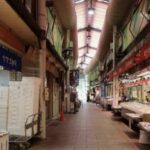
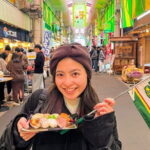
Then you can pivot into food life with Omicho Market, Kanazawa’s major fresh market since the Edo period. The guide’s big advantage here is context: you’re not just looking at stalls, you’re learning what this market means to locals and how to navigate it efficiently. It’s listed as free, and it’s also a natural place to grab a quick bite even if lunch isn’t included.
From what I see people value most on this tour, it’s exactly this mix: walking through a historic district, then snapping into the sensory reality of market streets. Even when your schedule is tight, this stop gives you that “I understand the city now” feeling.
Consideration: markets can be active and crowded depending on the day. Wear comfortable shoes. If you hate crowds, go with a short, focused plan and let the guide steer you.
Kanazawa Castle and Oyama Shrine: the political map behind the scenery
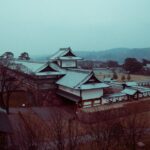
Kanazawa Castle is the centerpiece of the Maeda clan’s power story. You’ll spend about an hour, and while entrance isn’t included, the value is that you learn how Kanazawa was a major seat of rule for the Kaga domain for centuries. The guide helps you connect castle geography to later stops—so the city layout starts telling a story instead of being a set of unrelated spots.
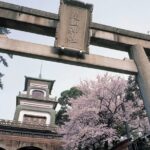
Oyama Shrine is another Maeda-linked site, constructed in 1599 by Maeda Toshiie’s successor on Mount Utats. It’s a quieter, more spiritual counterpoint to the castle’s political scale. If you like your history served with atmosphere, this is a good choice.
Why these two fit together: after you’ve seen gardens, districts, and museums, you get the governing logic that ties the whole city together. You’ll leave with a stronger sense of where power sat, how it influenced culture, and why certain areas developed as they did.
Drawback: entrance fees are not included for these stops. If you want maximum “free time” in your budget, you might trade one of these for Omicho or Nagamachi.
How to choose your 3–4 stops (so 6 hours feels like enough)
The tour is designed around choice, and your best day depends on your interests. Here are a few practical combinations you can use to build your plan from the available set:
- First-time Kanazawa classic: Kenrokuen Garden + Kanazawa Castle + Nagamachi Samurai District (add Omicho Market if you want food)
- Culture + views: Kenrokuen Garden + Higashi Chaya District + Seisonkaku Villa
- Mind + city contrast: D. T. Suzuki Museum + Kenrokuen Garden + 21st Century Museum of Contemporary Art
- History story mode: Myoryuji + Kanazawa Castle + Oyama Shrine (add Omicho Market to keep it grounded)
My advice: pick one “anchor” site you care about most, then add one culture district (chaya area or samurai district) and one either/or option (market for life, museum for ideas). This keeps your day balanced and avoids the classic mistake of stacking too many tickets and too much walking.
Walking logistics and pacing tips that keep the day smooth
This is a walking tour, so your comfort matters. The tour mentions pickup offered, but it’s still a meet-up within a designated area on foot. Translation: don’t rely on this as a car-and-driver experience.
A few tips I’d follow:
- Wear shoes you trust for long walking stretches.
- Expect you’ll want water and breaks, even if your stops are only about an hour each.
- Bring a plan for entrance tickets since they’re not included, and keep enough time for lines at popular sites like Kenrokuen.
One detail that shows up strongly in the guide feedback: the best guides don’t just point and explain. They help you navigate real life. People talk about getting practical help with things like bus tickets and suggestions for lunch at the fish market area. You’ll get the most from the tour if you tell your guide what you care about before you start. Names like Asa, Yoshi, Shoten, Yumiko-san, Keiko, and Tomoko come up in the guide stories, and the common thread is smart tailoring—architecture, local dishes, history connections, and a calm pacing that doesn’t rush you out of places.
Should you book this private Kanazawa tour?
Book it if you want a guide-led day that feels like Kanazawa, not like a checklist. The biggest wins for you are customization, a private guide, and strong city context across gardens, culture districts, markets, and history sites. At $155.22 per person, it’s a reasonable value when you compare it to paying for a ticketed attraction entry plus losing time figuring things out alone.
Skip or rethink it if walking is a problem for you, or if you prefer a totally self-guided day with zero explanations. Also, if you only want one iconic site and don’t care about how neighborhoods connect, the private guide might be more than you need.
If you’re the type who likes asking questions—about Maeda-era life, why districts developed where they did, or what you’re actually seeing in a chaya area—this tour is built for that.
FAQ
How long is the Kanazawa private tour?
It runs for about 6 hours.
Is this a private tour or a group tour?
It’s a private tour/activity, so only your group participates.
Can I choose which sites to visit?
Yes. The guide customizes the itinerary for about 3–4 sites from the listed options.
Does the tour include pickup?
Pickup is offered, and you meet the guide on foot within a designated area in Kanazawa.
Are entrance fees included?
No. Entrance fees are not included, including tickets for sites listed with admission not included.
Is lunch included?
No. Lunch is not included.
Is transportation included?
Transportation fees are not included, and the tour does not include a private vehicle.
What’s the meeting and walking like?
It is a walking tour. Most travelers can participate, and it involves walking between stops.
What ticketing do I receive?
The tour includes a mobile ticket.
What is the cancellation policy?
You can cancel for a full refund up to 24 hours in advance of the experience’s start time. If you cancel less than 24 hours before, the amount paid is not refunded.