Kanazawa is made for slow walking. This private tour is interesting because you get an English-speaking local guide and a choose-your-own 3-stop route that you can tailor to your day. One heads-up: it’s a completely walking-focused tour, so you’ll want a solid base level of mobility.
I like that the plan is flexible. Pickup comes from your hotel, and the order of stops can shift with weather and traffic. Many sights are free to enter, but some of the big names (like Kenrokuen and Kanazawa Castle) are not, so budget for admissions if you pick them.
In This Review
- Key things that make this tour worth your time
- How hotel pickup and a 9:00 start actually play out
- Choosing your 3 stops: you’re designing your Kanazawa morning
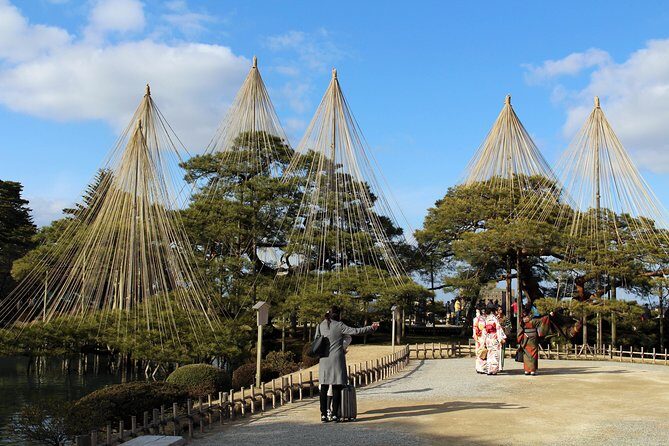
- Kenrokuen Garden: the stillness stop
- Kanazawa Castle grounds: feudal power in walking distance
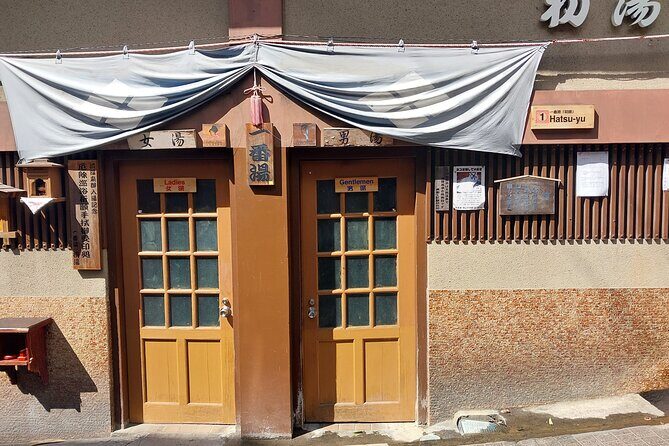
- The Chaya districts (Higashi, Kazuemachi, Nishi): old streets with real atmosphere
- Nagamachi Samurai District: earth walls and street-level history
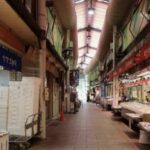
- Omicho Market: Kanazawa’s kitchen for a quick, real taste
- Ishikawa Local Products Center: craft energy, not just sightseeing
- Museums and spiritual corners: D. T. Suzuki, 21st Century, and Oyama Shrine
- Myouryuji Ninja Temple: the surprise stop
- Lunch with your guide: nice conversation, fewer stops
- Price and value: where $183 holds up
- Who should book this, and who might skip it
- Should you book this Kanazawa walking tour?
- FAQ
- How long is the Kanazawa private walking tour?
- Can I choose which places to visit?
- Is hotel pickup included?
- Are admission tickets included?
- Is lunch included in the tour price?
- Is this tour private?
- How much walking is involved?
- What is the cancellation policy?
Key things that make this tour worth your time

- Hotel pickup that you schedule: choose your pickup time between 8:30am and 2:00pm.
- A true private group: only your party, so you can ask questions and move at your pace.
- Pick exactly 3 places: choose from gardens, samurai streets, tea districts, museums, markets, and shrines.
- Some stops are free to enter: Higashi Chaya, Nagamachi Samurai District, Omicho Market, and several others have no entry fee.
- Nagamachi-to-Chaya city photos, with context: your guide helps you see what you’re looking at, not just where to stand.
- Optional lunch with the guide: if you add it, you trade time and you’ll visit fewer other stops.
How hotel pickup and a 9:00 start actually play out
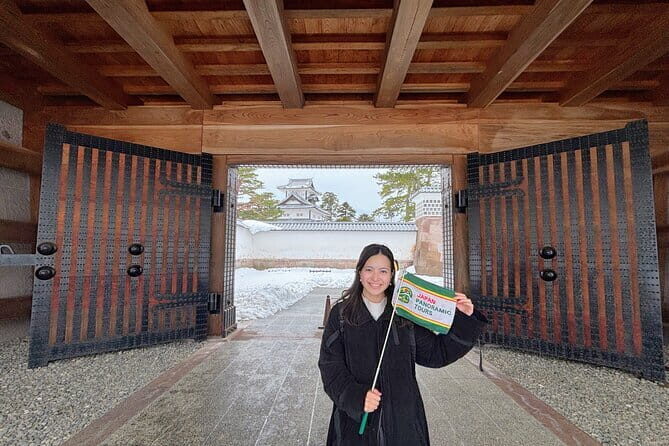
This is a private walking tour, so you’re not meeting a bus of strangers. You’ll be picked up from your hotel on foot, and the operator lets you decide the pickup time from 8:30am to 2:00pm. The listed start time is 9:00am, so in practice most people choose something close to that if they want the early-light vibe and easier logistics.
You’ll also get a mobile ticket, which keeps the start smoother than digging out paper confirmations. One more practical point: you won’t get extra drop-off service. The tour ends at your last selected stop, so it’s smart to have a plan for getting from that final area back to your hotel or next destination.
Because it’s walking, the best way to enjoy this is to think like you’re “collecting neighborhoods.” Your guide takes you place to place, and the tour length (listed as about 3 to 4 hours) fits comfortably if you’re not stopping every two minutes to re-check maps.
Other Kanazawa tours and samurai-district walks

Choosing your 3 stops: you’re designing your Kanazawa morning
The heart of the experience is simple: you select 3 places from the options, and your guide builds a route that makes sense for your interests. If you don’t have strong preferences, you can let the guide steer and you’ll still get a balanced mix of classic Kanazawa scenes—garden, castle grounds, old districts, and food-and-craft culture.
Here’s how to think about your 3-stop mix:
- Want the postcard classic? Add Kenrokuen Garden and/or Kanazawa Castle.
- Want the atmosphere of old-town lanes? Pick Higashi Chaya District, Kazuemachi Chayagai, or Nishi Chaya District, plus a samurai-era area like Nagamachi Samurai District.
- Want hands-on culture? Choose Ishikawa Local Products Center, where you can take part in crafts (admission isn’t included).
- Want snacks and local flavors? Go with Omicho Market—it’s a great place for a quick taste between longer sights.
- Interested in philosophy or design? Consider D. T. Suzuki Museum or the 21st Century Museum of Contemporary Art.
If you’re traveling with different interests in your group, this format is a big win. One person can chase architecture and street texture; another can focus on market food and tea-house districts—without you all being forced into the same fixed “big bus” route.
Kenrokuen Garden: the stillness stop

If you choose it, Kenrokuen Garden is one of the best places to understand what Kanazawa does well: careful design and seasonal beauty. It’s listed as highly recommended, and it’s optional—so you’re only paying for it if it matches your vibe.
Key practical detail: admission is not included, so you’ll want to treat it as an add-on cost. The tour time is short—each stop is about a few minutes in the overall walking rhythm—so don’t expect a long, slow park day unless you build extra time for yourself after the tour.
That said, this is still a smart pick for first-timers because the garden helps you “read” the rest of the city. Once you see the layout and the pacing here, the nearby castle area and old districts make more sense as part of the same worldview.
Best for: people who like visual balance, gardens, and photogenic quiet.
Consideration: budget time for tickets and know you’ll probably see highlights, not every corner.
Kanazawa Castle grounds: feudal power in walking distance
Kanazawa Castle is another highly recommended optional stop. The focus here is the sense of the Maeda clan’s past, with grounds that reflect Kanazawa’s feudal-era story.
Like Kenrokuen, admission is not included, so it’s another potential extra cost. It’s also easy to overdo if you combine too many “ticketed” attractions. For the best value, I like pairing one non-free “big name” (either Kenrokuen or the castle) with a couple of free districts like Nagamachi and a Chaya area.
This is also a good choice if you’re the type who likes to understand a city’s structure. Gardens give you form; castle grounds give you power and geography—why places were where they were.
Best for: history-minded walkers and architecture watchers.
Consideration: keep expectations realistic about time inside—this tour is designed for walking connections, not full museum hours.
The Chaya districts (Higashi, Kazuemachi, Nishi): old streets with real atmosphere
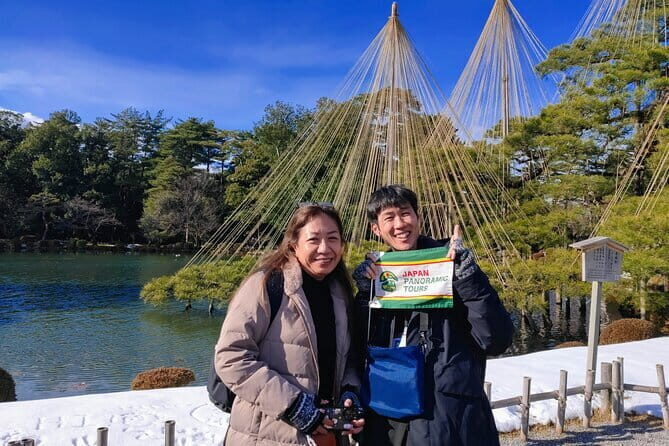
If you want Kanazawa’s signature “old city mood,” pick at least one Chaya district. This tour offers three options:
- Higashi Chaya District (highly recommended, free admission)
- Kazuemachi Chayagai (quiet, atmospheric along the Asano River, free admission)
- Nishi Chaya District (quieter, quaint, free admission)
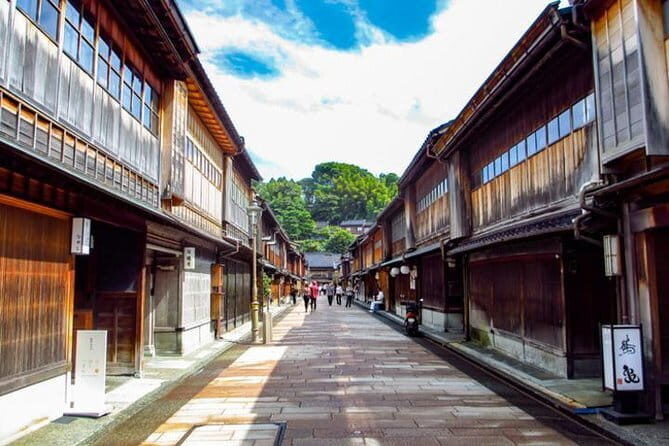
All of them are designed for strolling. The tour notes mention traditional teahouses and preserved Edo-period architecture, and that’s exactly what you’re looking for: wooden facades, alley angles, and a slower rhythm than the main streets.
One advantage of including a Chaya district is that it’s naturally photo-friendly without feeling like a theme park. It’s just streets and architecture—made memorable by context, which is where a local guide helps most.
Best for: culture-first travelers who like walking streets more than standing in lines.
Consideration: it can feel repetitive if you choose two or three Chaya districts plus a castle and garden. If you want to include multiple, make sure your third stop adds something different (like Omicho Market or Nagamachi).
Other walking tours we've reviewed in Kanazawa

Nagamachi Samurai District: earth walls and street-level history
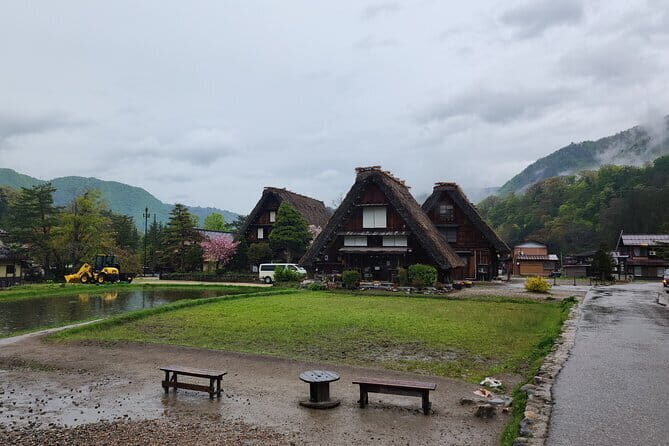
Nagamachi Samurai District is a highly recommended stop with free admission. This is where you get the “lived-in layout” feeling of what samurai neighborhoods looked like, including traditional-style homes and street features like earthen walls.
This is a smart balancing stop. Gardens and castle grounds can pull you toward “big view” sightseeing. Nagamachi puts you at eye level. You start noticing details: the street width, the way walls define space, and how the lanes guide you through the area.
If you choose only one free neighborhood besides a Chaya district, Nagamachi is a strong pick. It gives you a different kind of Kanazawa than the tea-house quarters.
Best for: people who love old streets, smaller walking zones, and architectural detail.
Consideration: it’s still walking with minimal time per stop—so wear comfy shoes and plan to slow down for 10–20 minutes when you find a lane that’s especially photogenic.
Omicho Market: Kanazawa’s kitchen for a quick, real taste
For food lovers, Omicho Market is an excellent optional stop. It’s often called Kanazawa’s kitchen, and the tour description frames it as a place for seafood, local produce, and regional delicacies.
Admission is listed as free, which makes it a cost-friendly choice when you’re already paying for guide time and maybe one or two ticketed sights.
This is also where you can control your experience. If you want quick bites, you can do just that and move on. If you want to browse, you can spend the time your guide gives you and then add extra browsing on your own before heading back out.
Best for: hungry walkers and anyone who likes seeing daily life.
Consideration: it’s a market environment. If you’re sensitive to noise or crowds, go with realistic expectations and pick a time of day when you feel comfortable.
Ishikawa Local Products Center: craft energy, not just sightseeing
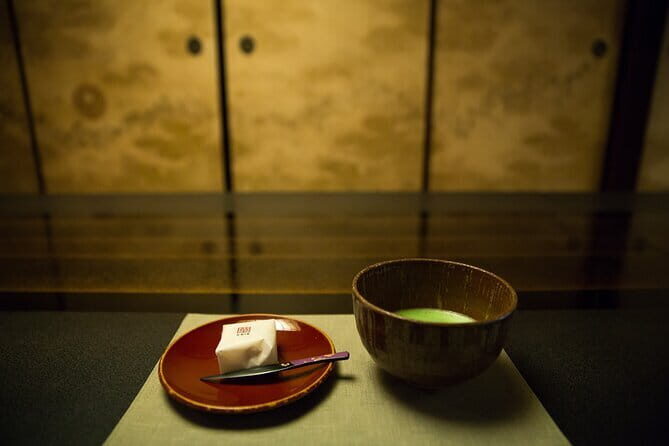
One of the more interesting options is the Ishikawa Local Products Center. This stop is noted as highly recommended and tied to Kanazawa’s tradition of craftsmanship, with the chance to take part in hands-on experiences.
Here’s the practical part: admission is not included, so you should treat it like an activity with a cost attached. If you’re choosing only three stops and you care about creating something (not just looking), this is a good use of your limited tour time.
Even if you don’t do a full workshop, the center can still help you understand what makes Kanazawa’s craft culture different. The best kind of travel day includes at least one “hands-on” moment, and this gives you that option.
Best for: people who enjoy workshops or want a tangible souvenir beyond shopping bags.
Consideration: it may cost extra depending on the specific activity you choose once you arrive.
Museums and spiritual corners: D. T. Suzuki, 21st Century, and Oyama Shrine
Kanazawa isn’t only old streets. The tour also offers modern and contemplative stops:
- D. T. Suzuki Museum: a calm setting dedicated to Daisetz Suzuki, described as blending nature and architecture (admission not included).
- 21st Century Museum of Contemporary Art: known for thought-provoking Japanese and international art in a striking circular building (admission not included).
- Oyama Shrine: noted for a unique mix of Japanese, Chinese, and Western design (free admission). This is also listed as a possible tour-ending stop.
These picks work best if you want your morning to feel balanced: classic Kanazawa first, then a shift into modern design or philosophy. If you’re a museum person, adding one of the ticketed art/idea stops can make the whole tour feel more “complete.”
Best for: travelers who like variety—old + new, quiet + stimulating.
Consideration: ticketed museums can add cost, and your time at each stop is short. Choose one museum-style option, not two, unless you’re okay with faster pacing.
Myouryuji Ninja Temple: the surprise stop
If you want something unusual, the tour includes Myouryuji (Ninja Temple). This is described as deceptively simple on the outside, but packed with hidden rooms, secret tunnels, and clever defensive design.
Unlike many optional attractions, the tour states that admission is included for this stop. That’s a big value detail if you’re interested, because you don’t have to add another ticket cost on top of the tour.
There’s also a small logistical note: the operator says they will call to make arrangements once you express interest in visiting Ninja Temple. So if this is a must-do, say it clearly in your special requirements so nothing gets lost in scheduling.
Best for: curiosity-driven walkers and anyone who loves playful history.
Consideration: it’s a “specific” choice—if you’re not into stealth-story architecture, it may feel less meaningful than gardens or samurai streets.
Lunch with your guide: nice conversation, fewer stops
You can add lunch with your guide at a recommended local restaurant. The tour notes say it’s optional and that if you choose this option, you’ll have time to visit only two other spots instead of three.
I like lunch-with-a-local options when I want the travel day to feel like a real conversation, not just a checklist. Your guide takes you to their favorite place and you get casual talk over the meal, which can also help you plan what to do later in Kanazawa.
But if you’re trying to maximize sightseeing, lunch can shrink your “neighborhood coverage.” Pick lunch only if it fits your style—food + conversation instead of maximum sites.
Best for: couples, friends, and solo travelers who want local guidance for the rest of the trip.
Consideration: you’re trading a stop for the meal, so choose your priorities ahead of time.
Price and value: where $183 holds up
At $183 for a 3 to 4 hour private tour, value depends on two things: whether you’d otherwise pay for a guide, and how many ticketed attractions you want.
Here’s the simple way to look at it:
- If you choose mostly free districts (several are free, like Higashi Chaya, Nagamachi, Omicho, and Chaya areas), you’re getting a lot of time with a private guide without a pile of extra admissions.
- If you select multiple ticketed sights (Kenrokuen, Kanazawa Castle, museum options, Ishikawa center), your total trip cost rises—but you’re also getting someone to help you prioritize and connect the dots.
Also, because this is a private walking tour, you avoid the “walk and follow” frustration that can happen on group tours. When I’m deciding between public transport and a guide, I usually want the guide for interpretation and navigation, not just a route.
You’ll still pay admissions for many stops, and food is not included. But as a structured, human-led way to see Kanazawa’s key zones efficiently, the price feels reasonable—especially if you’re traveling as a couple or small group.
Who should book this, and who might skip it
This tour is a great fit if:
- you like walking and want to see several neighborhoods in a half-day
- you want an English-speaking local guide to explain what you’re seeing
- you enjoy choosing your own mix: garden/roads/food/museums
- you’d rather ask questions than struggle with transit and signage
It may be less suitable if:
- you have trouble walking. The tour says it’s not recommended for people who have difficulty walking, and the day involves walking the whole time.
- you hate paying extra for admissions at the stops you choose.
- you want a fully vehicle-based tour. The information here emphasizes walking, with public transport costs only becoming your responsibility if you prefer that.
One more tiny detail I like: the tour is planned around a flexible route, and the guide can recommend changes on the day if you’re unsure. That makes it feel less rigid than pre-set group schedules.
Should you book this Kanazawa walking tour?
If you’re visiting Kanazawa for the first time and you want a private, English-friendly way to stitch together gardens, old districts, and food-and-craft spots, I’d say this is a solid booking. The best part is control: you pick three stops, and you’re not stuck with a cookie-cutter checklist.
Book it if you want a guided walk that’s practical, not rushed. Skip it or plan carefully if walking is hard for you, or if you only want low-cost sightseeing and don’t plan to pay admission for major attractions.
If you do book, put your priorities in the special requirements—especially if Ninja Temple is high on your list. Clear preferences help the guide shape your route into a day that feels like it was made for you.
FAQ
How long is the Kanazawa private walking tour?
It runs about 3 to 4 hours.
Can I choose which places to visit?
Yes. You customize the tour by selecting 3 places from the available options, and your guide can also help recommend an order or alternatives based on your interests.
Is hotel pickup included?
Yes. Pickup is offered from your hotel, and you can decide the pickup time between 8:30am and 2:00pm. The tour starts with a 9:00am start time listed, so confirm your timing with the operator when booking.
Are admission tickets included?
Admission varies by stop. Some are free to enter, while others are not included. Myouryuji (Ninja Temple) is listed as admission included; places like Kenrokuen Garden and Kanazawa Castle are listed as not included.
Is lunch included in the tour price?
Lunch is optional. If you choose lunch with your guide, you’ll have time for only two other stops.
Is this tour private?
Yes. It’s a private tour/activity, and only your group participates.
How much walking is involved?
It is a completely walking tour and is not recommended for people who have difficulty walking. The tour also notes travelers should have a moderate physical fitness level.
What is the cancellation policy?
You can cancel for free up to 24 hours before the experience starts for a full refund. If you cancel less than 24 hours before, the amount paid is not refunded.