You can learn ninja moves in just an hour. This Ninja Experience in Takayama is a hands-on, indoor class where you dress up, try weapon techniques, and leave with photos you’ll actually want to keep.
I love how playful and visual it is: you get a costume change and a photo moment, then you’re practicing basics right away. I also like the variety, from shuriken throwing to sword iai-style kata using replica gear. One thing to plan for: because it’s indoors and in a cafe setting, the practice area can feel a bit on-display for shy folks, and you won’t get a ton of repetition per weapon in a 1-hour session.
In This Review
- Key things that make this course fun and useful
- Ninja Cafe Takayama Basic Course: the setup you’ll feel right away
- Price and value for a 1-hour ninja class
- Changing into ninja gear and making the photos actually worth it
- Shuriken throwing: trying the real tool, not just the idea
- Blow an arrow and weapon handling basics
- Sword iai-style kata with replica blades: the calm, controlled part
- Indoors, in a cafe: why the setting is good (and when it might be awkward)
- Small group of up to 6: what that changes for your experience
- What you actually learn about ninja culture (beyond the moves)
- Not included snacks: plan a simple day around your hour
- Who this Ninja Experience is best for
- Quick planning notes before you book
- Should you book Ninja Experience in Takayama Basic Course?
- FAQ
- Where is the meeting point?
- How long is the basic ninja experience in Takayama?
- What’s included in the price?
- What languages do the instructors speak?
- Is the experience indoors or outdoors?
- Is it suitable for young children?
- What age group or group size is this designed for?
Key things that make this course fun and useful
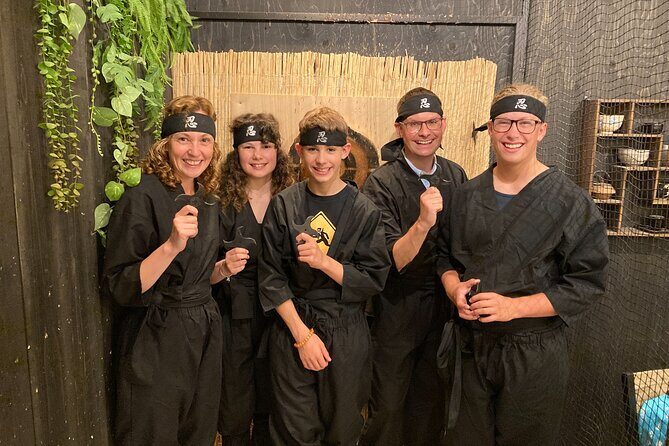
- Costume + photos quickly: you get into character early, so the experience feels real right away
- Authentic iron shuriken: you try the tool, not just a prop star
- Sword iai-style training: replica blades help you learn safe kata movements
- Small group of up to 6: more attention, less waiting around
- English/Japanese instruction: you can follow along even if your Japanese is basic
- Cafe-style break space: drinks and sweets are available while you reset between moments
Ninja Cafe Takayama Basic Course: the setup you’ll feel right away
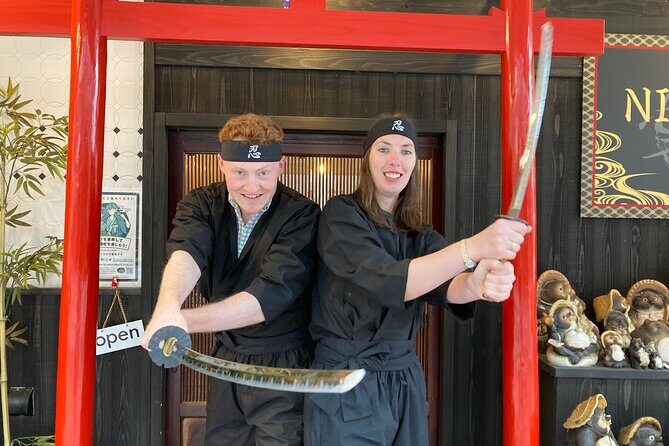
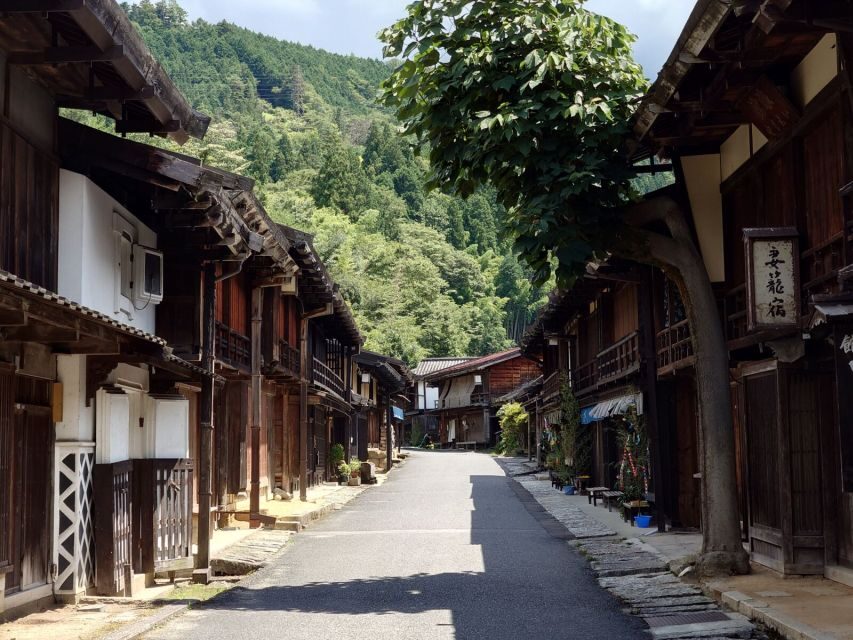
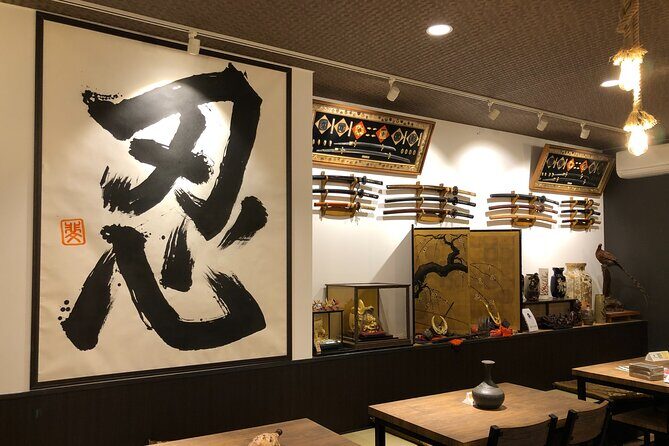
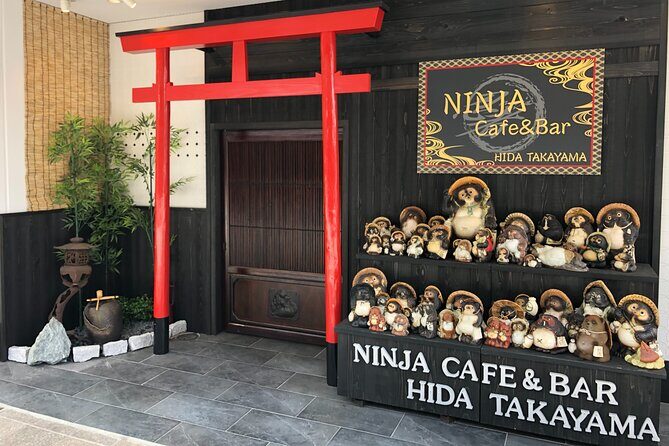
Takayama is one of Japan’s best “walkable history” cities, and this activity puts you into that old-world mood fast. You’ll meet at the cafe entrance with raccoon dog (tanuki) decor—then you step into a space filled with old tools and displays like helmets, swords, and traditional tea utensils. It’s a nice way to shift gears from street sightseeing into a hands-on Japan experience.
One of my favorite parts here is the pace. You’re not sitting through a lecture. You’re changing clothes, trying techniques, and moving on—so even if your day is full of museums and mountains, this still feels like a complete stop.
Other ninja experiences in Takayama
Price and value for a 1-hour ninja class
The basic course is listed at $35 per person, and the math mostly works if you’re looking for an activity, not a performance. You get:
- ninja clothing rental
- the entrance fee
- one drink
- ninja training using ninja weapons
- a photoshoot moment while dressed up
That included drink matters more than you’d think. In Japan, small cafe drinks can quietly add up, so getting one folded into the experience helps the overall value.
The one limitation is time. It’s 1 hour, so you’ll learn the basics and try the techniques, but you’re unlikely to get long practice sessions or tons of repeats. If your goal is “master this weapon,” you’ll want to treat this as an introduction with a few solid tries.
Changing into ninja gear and making the photos actually worth it
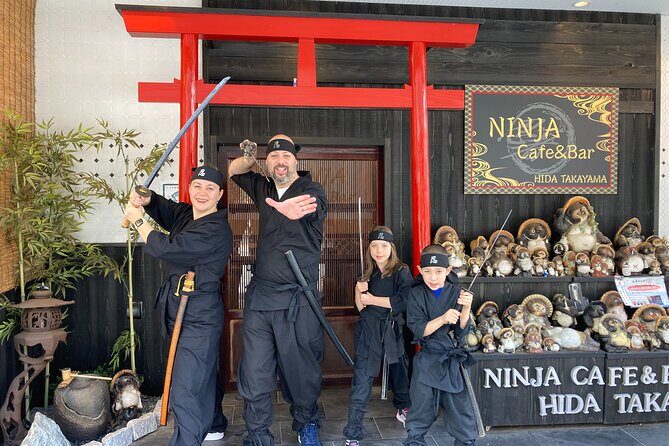
Right after you arrive, you’ll get help changing into your ninja outfit. The clothing rental is included, so you don’t have to hunt for costume stores or deal with sizing on your own. Once you’re dressed, you’ll get a photoshoot while in costume.
That photo moment is one of the most practical perks. In Japan, it’s easy to spend the day admiring buildings and forgetting to capture the fun stuff. Here, the costume is the reason to photograph—so you leave with something that feels like you were part of the story.
You’ll also notice how the cafe setup keeps everything close together. You don’t have to walk between scattered sites or find the right spot like you might on a big walking tour. It’s one contained experience, which helps if you’re traveling with kids.
Shuriken throwing: trying the real tool, not just the idea
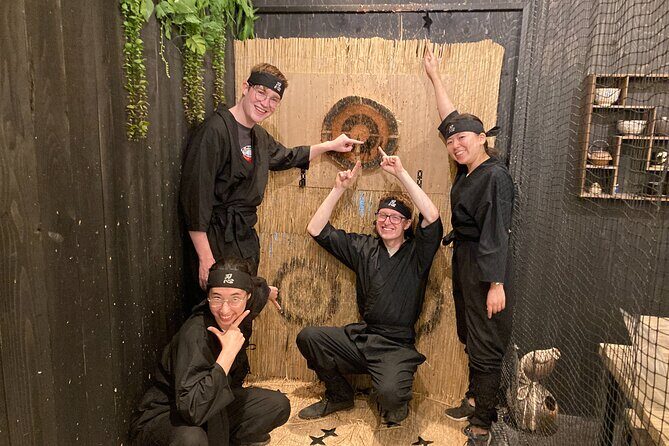
This is where the course becomes more than a costume. You’ll get instruction and then try throwing shuriken using an authentic iron shuriken. That detail matters: holding the real object changes the experience. It’s heavier and more “tool-like” than a soft replica, and it makes your practice feel more grounded.
You’re not left alone with a weapon either. The instructors guide you through safe handling and basic technique. The goal is not perfection; it’s learning how the throw works and getting a feel for the motion.
A fair caution: because the session is only an hour, you may find you don’t get an enormous number of throws for each weapon. I’d go in expecting a handful of tries and instruction, not a long practice circuit.
Blow an arrow and weapon handling basics
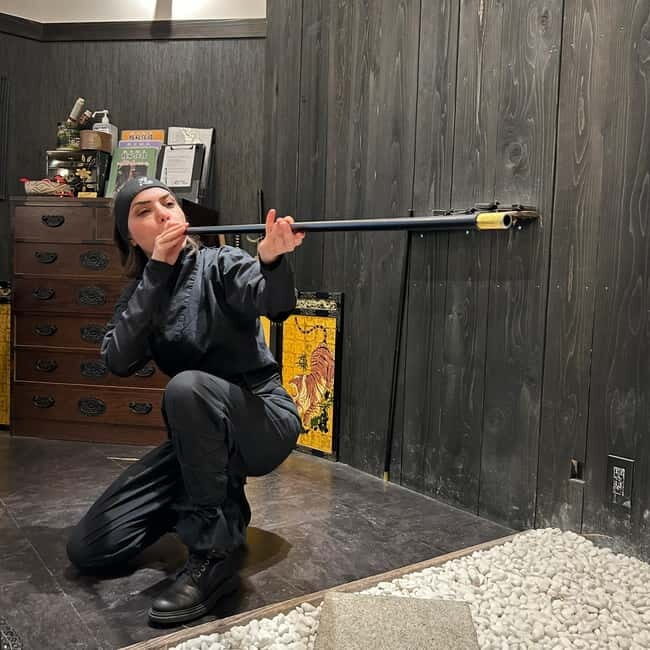
The basic course also includes other weapon training elements. Based on the course description, you may try using a blow-pipe style weapon (listed as blowing an arrow) and receive guidance on weapon handling.
This part works well because it breaks up the time. Even if shuriken is your main interest, the extra technique keeps the experience moving and helps kids stay engaged. It also gives you a broader sense of what ninja training might have looked like in terms of variety—coordination, breath control (for blow-pipe-style training), and safe technique.
Other Takayama walking tours and old-town experiences



Sword iai-style kata with replica blades: the calm, controlled part
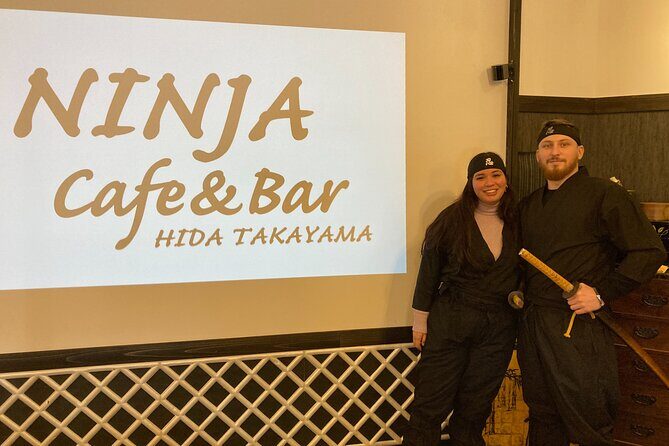
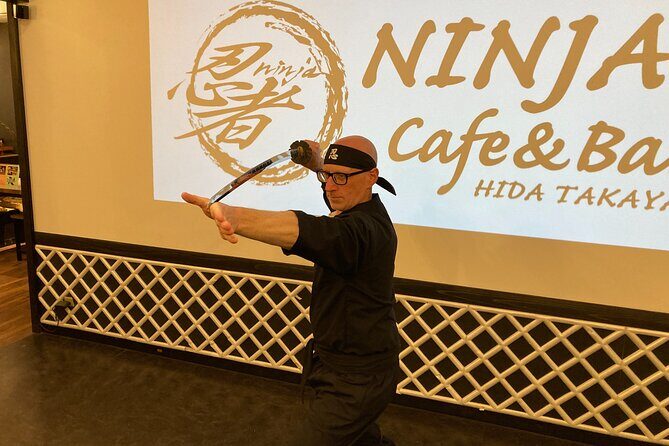
Sword training often scares people because it sounds serious or intimidating. Here, you get sword iai-style kata training using imitation swords. That’s a smart way to include the essence of the movement without putting real steel in the mix.
What you’ll do is learn the pattern-based motions—kata—associated with drawing and using a blade in a controlled way. The point isn’t to fight anyone. It’s to learn a sequence and understand how the movement connects: stance, draw, form, and control.
This segment is also a nice contrast to the more energetic throwing practice. If you’ve got older kids, it can be easier for them to focus on the “form” part. If you’ve got adults in the group, it scratches that “historical technique” itch without being physically overwhelming.
Indoors, in a cafe: why the setting is good (and when it might be awkward)
The ninja experience happens indoors, and that choice affects the whole vibe. Weather can’t ruin it, and you’re not walking around Takayama in the rain or cold just to get the fun part done.
The cafe setting is also practical. There are drinks and sweets available for entertainment, so you can reset between moments if you need a breather. You’ll also have a convenient “rest stop” feel, which is useful if your day includes mountain sightseeing nearby.
The trade-off is social. Since it’s a shared cafe space, you may find you practice in view of others. For most people, that’s fine—part of the fun. If you’re very shy, go in with the understanding that you’ll likely be seen as you practice.
Small group of up to 6: what that changes for your experience
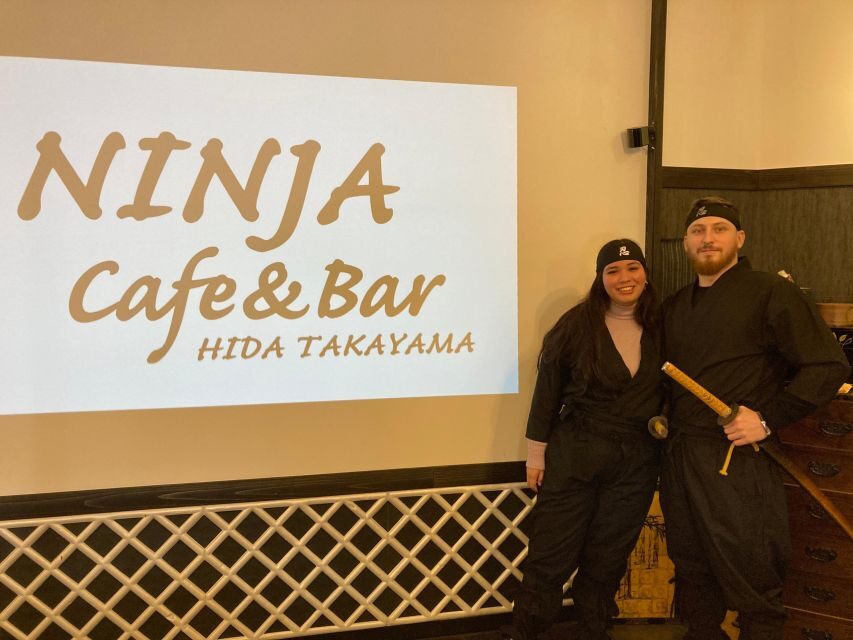
This is a small group course, limited to 6 participants, and that’s a big quality-of-life upgrade. Smaller groups mean you’re not stuck waiting your turn for long stretches. You also get clearer feedback while you’re doing the movements.
The instruction is offered in English and Japanese, which is helpful in Takayama where you’ll still hear plenty of Japanese during your day. Even if you’re not fluent, you should be able to follow along with the guidance and demonstrations.
Also, the instructors tend to keep things friendly and conversational. That matters because ninja training can feel silly at first—until you’re laughing at your own form and realizing you’re doing something real.
What you actually learn about ninja culture (beyond the moves)
The course isn’t only physical. You’ll also learn about the role of ninjas in Japan, and you may get a bit of context around old training ideas and Japan’s natural world. Whether you’re a history fan or not, this light storytelling adds meaning to what you do with your hands.
That matters because the best “activity tours” don’t just give you a photo. They help you understand what the technique is trying to represent—safety, control, and practical skill. Here, you’re getting the basics in a fun format, with enough context to feel connected to the culture.
Not included snacks: plan a simple day around your hour
The included items are focused: costume, entrance, one drink, and training. Snacks are not included.
So if you’re arriving hungry, you’ll likely want to eat before you go or plan to purchase snacks from the cafe area if they’re offered there. The good news is that there’s a rest-and-refresh feel in the space, so you can recover between activities and keep your day comfortable.
Who this Ninja Experience is best for
This course is a great fit when you want something active but not exhausting. It’s especially good for:
- families who want a fun, structured activity that keeps kids interested
- couples who want a memorable, photo-friendly thing to do in Takayama
- travelers who like hands-on history more than lectures
- anyone curious about ninja weapons but nervous about safety or complexity
It’s not suitable for children under 2 years, since the course is designed for active training time in an indoor setting.
Quick planning notes before you book
The course duration is 1 hour, and there are starting times based on availability. The indoor setting also means you can dress normally—no special gear required beyond being ready to change into costume.
If your schedule is flexible, the experience is offered with free cancellation up to 24 hours in advance and a reserve-and-pay-later option. That makes it easier to fit into a Takayama itinerary without the stress of locking everything too early.
Should you book Ninja Experience in Takayama Basic Course?
I think you should book it if you want an hour of hands-on fun in a weather-proof setting, and you like the idea of dressing up and learning weapon basics with small-group attention. The $35 price feels fair because you’re not only paying for instruction—you’re paying for the full package: costume rental, training, and a drink.
Skip it or rethink if you’re expecting lots of weapon practice time. This is an introduction with a few tries and clear coaching, not a long training camp. Also, if you’re extremely uncomfortable being visible while you practice, the indoor cafe environment might feel a little too exposed.
Overall, this is one of those solid “do it once” experiences. You’ll leave with better photos, a fun story, and a real sense of how kata-based training and simple weapon technique can be taught safely.
FAQ
Where is the meeting point?
You’ll meet at the cafe entrance, where there are raccoon dog objects.
How long is the basic ninja experience in Takayama?
The course runs for 1 hour.
What’s included in the price?
It includes ninja clothes rental, the entrance fee, one drink, and ninja training using ninja weapons.
What languages do the instructors speak?
The instructors offer English and Japanese.
Is the experience indoors or outdoors?
It’s done indoors.
Is it suitable for young children?
It’s not suitable for children under 2 years.
What age group or group size is this designed for?
It’s designed for adults and children, and it’s a small group limited to 6 participants.
If you tell me when you’re visiting Takayama and what else you’re doing that day, I can help you place this so it fits smoothly with your route and energy level.