Kanazawa is a story you can walk through. This guided route mixes daily life with big-name sights, so the city feels understandable fast. Guides like Emi and Yu are praised for connecting street corners to the Edo-era background behind them.
I also like the way the tour keeps it flexible without turning chaotic. With guides such as Hirofumi (who can coordinate around your hotel plans), you get a personalized feel while still hitting major stops like Kanazawa Castle and Kenrokuen Garden.
One thing to consider: the experience is mostly on foot, so comfortable shoes matter, and the English quality can vary a bit depending on the guide you get.
In This Review
- Key points before you go
- Kanazawa on Foot: Markets, Shrines, and Castle Views
- Nagamachi Samurai District: Mud Walls and Preserved Residences
- Omicho Fish Market Walk: How to Watch Like a Local
- Oyama Shrine: A Shrines-and-Power Story in Plain Language
- Kanazawa Castle Park and the Castle Visit: Edo Echoes You Can See
- Local Café Break and Castle-Scenery Pause
- Kenrokuen Garden: Seasonal Beauty With a History Lens
- Higashi Chaya District: Preserved Teahouses and a Calm Finish
- Price and Logistics: What $48 Buys You
- Who This Tour Suits Best (and Who Should Reconsider)
- Tips to Get More From Your Walk
- Should You Book This Private/Group Kanazawa Walking Tour?
- FAQ
- How long is the Kanazawa walking tour?
- Is this tour private or shared?
- What languages are offered?
- Where does the tour start and end?
- What’s included in the price?
- What’s not included?
- Is the tour wheelchair accessible?
Key points before you go

- Nagamachi Samurai District: mud-wall streets and preserved residences that make feudal life concrete.
- Omicho Market: a hands-on walk where you can smell what locals actually eat and buy.
- Oyama Shrine: a history lesson tied to Kanazawa Castle’s famous leadership story.
- Kanazawa Castle Park + castle visit: Edo-period atmosphere you can feel, not just read about.
- Kenrokuen Garden: seasonal beauty in one of Japan’s top garden traditions.
- Higashi Chaya District: preserved wooden teahouses and a calmer finish near the geisha quarter.
Kanazawa on Foot: Markets, Shrines, and Castle Views

If you want Kanazawa to click quickly, this is a strong way to start. You’re not hopping between far-flung neighborhoods. Instead, you walk through connected areas where history shows up in everyday streets, food alleys, and temple/shrine rhythms.
I like that the route gives you both “big” and “local.” You get major sights such as Kenrokuen and Kanazawa Castle, but you also spend real time in places like Omicho Market where you’ll see how Kanazawa shops and snacks. That mix matters, because it turns the city from photos into context.
Also, the tour is built around a live guide (English or Japanese), and the best guides use short stories to explain why each place matters. In the experiences shared by guests, guides like Emi, Yu, and Yu Noda are often described as funny, warm, and proud of Kanazawa. You’ll feel that pride when they point out small details that most people miss.
Other Kanazawa tours and samurai-district walks

Nagamachi Samurai District: Mud Walls and Preserved Residences
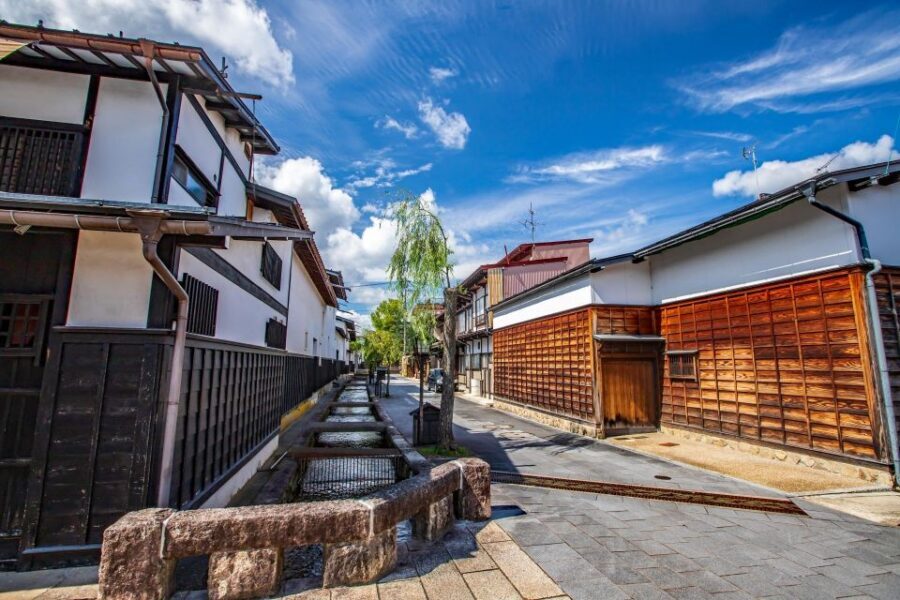
You begin in the Nagamachi Samurai District, the kind of place where architecture does the explaining. The earthen walls and preserved homes create a sense of “how living worked,” not just “who ruled.” You’ll get a photo stop plus guided wandering, so you’re not just looking at buildings—you’re learning how samurai neighborhoods were laid out.
This stop also sets up the rest of the day. After Nagamachi, the later castle and shrine stories land better, because you already have a mental picture of the social world that supported them. One practical tip: wear shoes you can trust for uneven ground. These historic neighborhoods aren’t designed for slick soles and museum-calm walking.
If you need a gentler pace, this is a good place to ask your guide questions early. Good guides can shift emphasis—more story time here, less marching later—without derailing the main route.
Omicho Fish Market Walk: How to Watch Like a Local

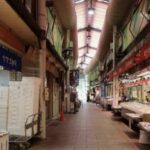
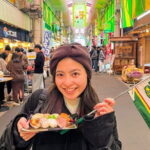
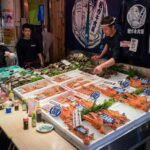
Next comes Omicho Fish Market, and yes, it’s about food. You’ll notice the seafood aromas immediately, and you’ll also see how shoppers browse. Even if you don’t plan to buy a lot (food is not included), you can still learn a ton by watching the rhythm: who’s buying, what looks fresh, and how stall layouts encourage quick decision-making.
I like that the market time is guided, not just free roaming. A good guide can tell you what to pay attention to and how local food habits connect to Kanazawa’s history as a coastal hub.
A small drawback: markets can be crowded, noisy, and hot or cold depending on the season. If you’re sensitive to sensory overload, plan a quick pause after your first circuit and use your guide’s advice on the quickest way to see the best parts without getting stuck in the busiest lanes.
Oyama Shrine: A Shrines-and-Power Story in Plain Language

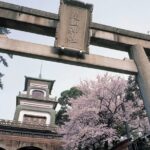
Then you head to Oyama Shrine, one of Kanazawa’s iconic shrine spots. The key value here is the explanation behind the symbolism. You’re not just taking shrine photos. You’re learning the connection between the shrine and the story of the Samurai leader linked to Kanazawa Castle, plus the history around his wife.
Shrines can feel “the same” if you only notice the buildings. With this tour’s approach, the guide ties the architecture and the ritual setting back to real people and real political history. That makes the visit feel specific to Kanazawa rather than generic Japan-sightseeing.
If you’re visiting during plum blossom season, this part of the day can include plum blossom moments around the shrine environment. Timing depends on the calendar, but the tour’s theme explicitly includes that seasonal beauty and the livelier atmosphere of shrine grounds.
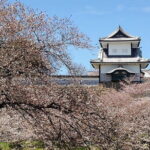
Kanazawa Castle Park and the Castle Visit: Edo Echoes You Can See
After Oyama Shrine, you’ll reach Kanazawa Castle Park and visit inside the castle. This is where the city’s governing past becomes visible in scale and design. The park walk gives you a breather while keeping the story going, and the castle visit turns “Edo period” from a vague phrase into something you can point at.
I like how the day keeps building cause and effect. You’ve seen the samurai neighborhood (Nagamachi), learned about the castle-linked leadership story (Oyama Shrine), and now you’re seeing the administrative heart (Kanazawa Castle). It’s not just sightseeing. It’s a guided explanation of how power shaped neighborhoods.
One practical note: plan for photos and slower moments in the castle area. Even if you’re not a history buff, the architecture rewards time. Also, if rain is in the forecast, castle grounds and entrances can be uneven and slippery—keep an eye on footing.
Other walking tours we've reviewed in Kanazawa


Local Café Break and Castle-Scenery Pause

Mid-tour, you get a local café break with about 20 minutes for tea or coffee. This matters more than it sounds. A walking tour like this can work you up into “fast mode,” where you’re learning a lot but not fully absorbing it.
The café stop is also a chance to regroup, check your maps, and ask your guide one or two follow-up questions. In the guest experiences shared, guides often add extra recommendations at this point, including where to eat next.
If you’re trying to keep costs down, this is where your budget planning helps: food and drinks aren’t included, so you’ll want to decide early whether you’ll grab something light here or save it for later free time.
Kenrokuen Garden: Seasonal Beauty With a History Lens
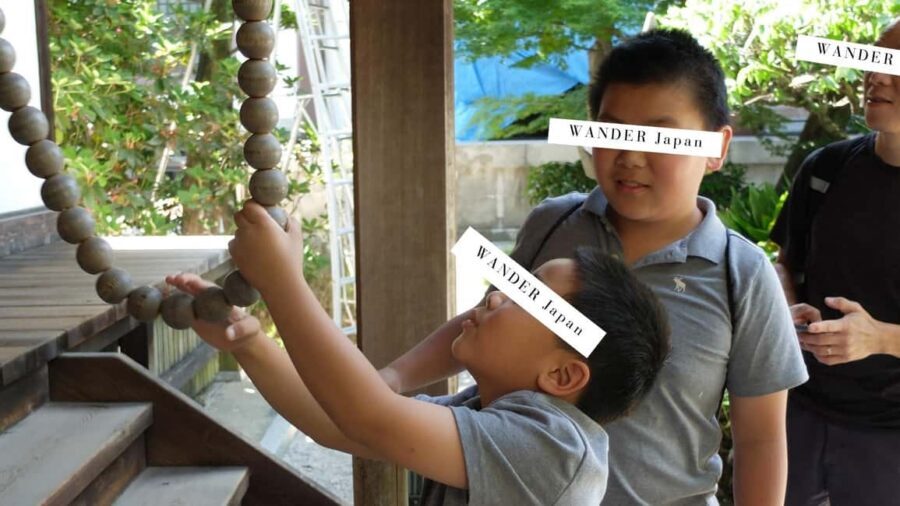
Next is Kenrokuen Garden, one of Japan’s three most beautiful gardens. Here, the value is not only seeing carefully designed scenery. It’s learning what makes this kind of garden tradition work—how the layout supports different views and seasonal shifts.
This stop is especially nice if you’ve been walking through city textures all morning. Gardens reset your pace. You can slow down and watch how paths guide attention, where you pause, and how you notice details you’d otherwise miss.
Kenrokuen is also a good point in the tour to ask for seasonal context. The garden experience changes across the year, and the tour theme explicitly includes seasonal beauty, including plum blossom references earlier in the day. If you’re here when flowers are active, you’ll likely get those “look here” moments that turn a pleasant stroll into a memory.
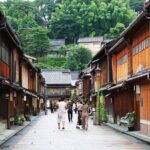
Higashi Chaya District: Preserved Teahouses and a Calm Finish
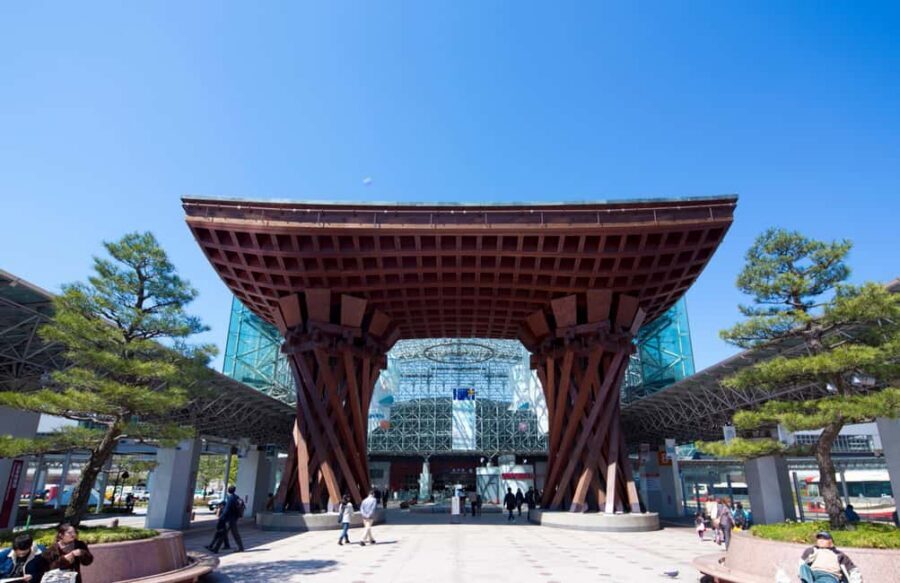
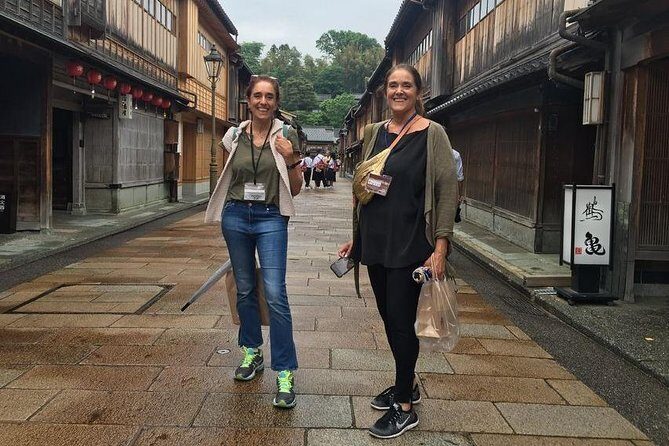
To close, you’ll visit Higashi Chaya District, a traditional geisha district known for preserved wooden teahouses. This area gives the day a softer landing after the castle and garden.
You’ll get guided walking plus some time to wander on your own. I like that combination. The guide can explain what the district is and what to notice. Then you can take your time deciding what you want to photograph or revisit before the tour ends.
The district is also a practical last stop. If you want lunch after the tour, your guide’s tips can help you avoid the tourist-food trap and aim for something local and convenient.
Price and Logistics: What $48 Buys You

At $48 per person for a 2 to 4 hour walking tour, the real question is what you’re paying for: time, guidance, and “making sense” of places. When you group Omicho Market, Oyama Shrine, Kanazawa Castle, Kenrokuen, and Higashi Chaya into one guided flow, you’re paying to reduce guesswork.
What’s included is a private or small-group, personalized walking experience with a local guide, plus hotel meet-up in central locations upon request. Transportation isn’t included, and the tour is primarily walking, though there may be short transfers (like a brief bus/coach segment) depending on the day and start point.
So the value is strongest if you:
- Want to learn the stories behind the places, not just collect photos.
- Prefer guided routing that saves decision time.
- Like the “one morning plan, then free time for lunch” structure.
Who This Tour Suits Best (and Who Should Reconsider)
This works best for first-timers in Kanazawa who want the highlights without a rigid, rushed checklist. It also fits people who enjoy conversational history—stories tied to street life and daily routines.
It can be a good option if you’re traveling with someone who needs extra help pacing. The tour is listed as wheelchair accessible, and there are accounts of guides making accommodations for guests who use a wheelchair. That doesn’t remove the reality of walking distances, but it does suggest the guide team is used to adjusting on the fly.
If you hate walking or want minimal stops, you might find the route too active. In that case, consider the shorter duration option (2 hours if offered on the day) and communicate your comfort level early.
Tips to Get More From Your Walk
- Bring cash for small purchases. Credit cards are also listed as useful.
- Wear comfortable shoes. The day is built on walking between neighborhoods.
- Ask questions early. A great guide can tailor emphasis once you know what you care about.
- Use the café and free-time portion to plan lunch. You’ll usually leave with better direction than you’d get from wandering.
- If you’re the type who loves photos, keep your phone accessible. Some guides may share photos after the tour, and many will take a pro-level approach to capturing moments.
Should You Book This Private/Group Kanazawa Walking Tour?
Yes, if you want Kanazawa to feel like a connected story. The tour’s strength is the mix: samurai-era neighborhood texture, a real food market atmosphere, shrine and castle history tied to specific people, and garden-and-district finishing touches.
Book it if you value a local guide who can translate Japanese cultural and religious ideas into something you can actually remember as you walk. Guides such as Emi, Yu, and Yu Noda are repeatedly linked with strong communication and city pride, which is exactly what makes this kind of day worth paying for.
Skip it only if you’re determined to travel at a slower, fully independent pace. For that style, you could do parts on your own. But if you want the “get your bearings fast” benefit, this route is a solid bet.
FAQ
How long is the Kanazawa walking tour?
The duration is listed as 2 to 4 hours, and it can vary by the option you book.
Is this tour private or shared?
It’s available as a private or small group walking tour.
What languages are offered?
The tour is offered with a live guide in English and Japanese.
Where does the tour start and end?
The starting point can vary depending on the selected option. The tour also lists multiple drop-off locations, including Kanazawa and other designated spots.
What’s included in the price?
The tour includes a private/personalized walking experience with a passionate local guide and the guided sightseeing time across the stops.
What’s not included?
Food and drinks are not included. Transportation is also not included (the experience is primarily walking, with only short transfers as needed).
Is the tour wheelchair accessible?
Yes, it’s listed as wheelchair accessible.