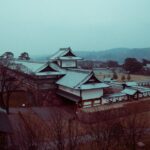
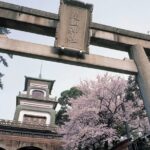
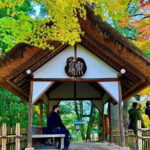
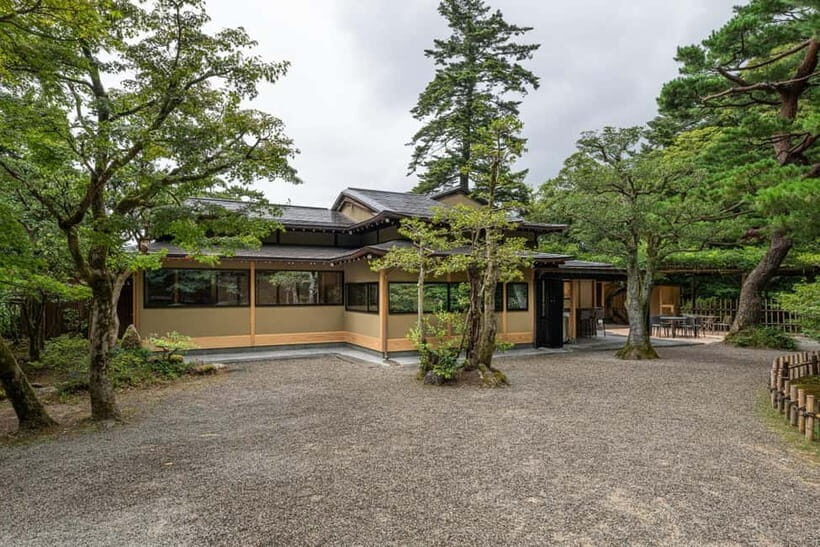
Quiet tea, right inside Kenrokuen. You meet at Kenrokutei, a historic teahouse tied to lord Maeda, then follow a matcha master as the full ritual unfolds in an indoor tea room away from outdoor distractions.
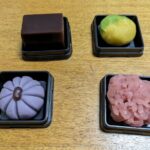
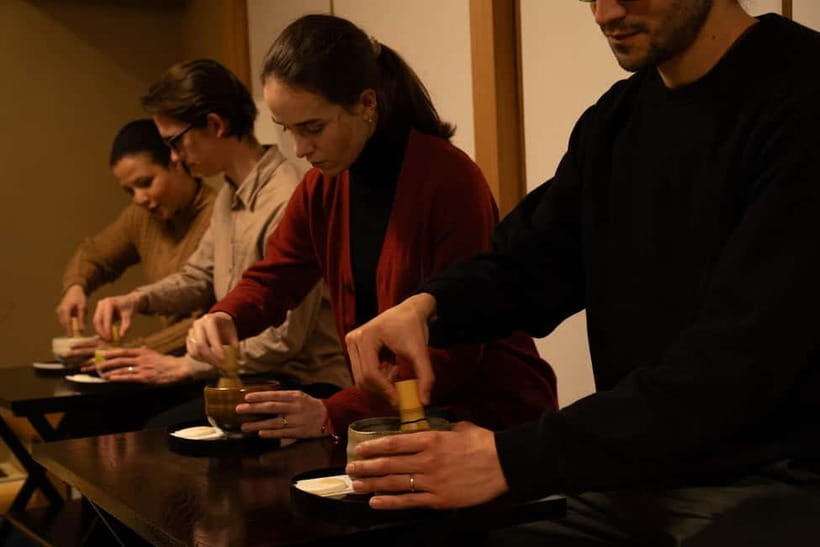
I love the hands-on part: you help make and whisk your own cup. I also like the sweet pause, with a few wagashi served alongside the tea by a renowned confectioner.
One consideration: the tea room is not a view spot. The garden is for before or after, and the Kenrokuen entry fee (320 yen) is separate from the $35 experience price.
In This Review
- Key things I’d plan around
- Kenrokutei meet-up: the fountain inside Kenrokuen
- Lord Maeda to matcha: the short history that actually helps
- Inside the tea room: etiquette, silence, and small movements
- Your turn to make matcha: hands-on practice in one hour
- Wagashi plus matcha: the included sweets are part of the lesson
- Kenrokuen garden time: plan it before or after
- Price and value: $35 for tea, sweets, and participation
- Who this Kanazawa tea ceremony suits best
- Should you book this Kanazawa Kenrokuen tea ceremony?
- FAQ
- Where do I meet for the tea ceremony?
- How much does the tea ceremony cost?
- Is Kenrokuen Garden entry included?
- What’s included in the experience?
- Is there an English instructor?
- Can I take photos during the ceremony?
- What if I have trouble sitting on the floor?
- How strict is the start time?
- What ages can participate?
- What if I need translation services?
Key things I’d plan around
- A real tea ceremony sequence: you watch the master first, then you practice.
- Etiquette coaching in English: you get clear instructions for how to sit and behave.
- Hands-on matcha, not just observation: you’ll try whisking and pouring with guidance.
- Wagashi included: you taste a few sweets that match the ceremony moment.
- Garden access is separate: tea happens inside, so plan time to walk Kenrokuen outside.
- Chair option if needed: you can request a chair if kneeling on the floor is hard.
Kenrokutei meet-up: the fountain inside Kenrokuen
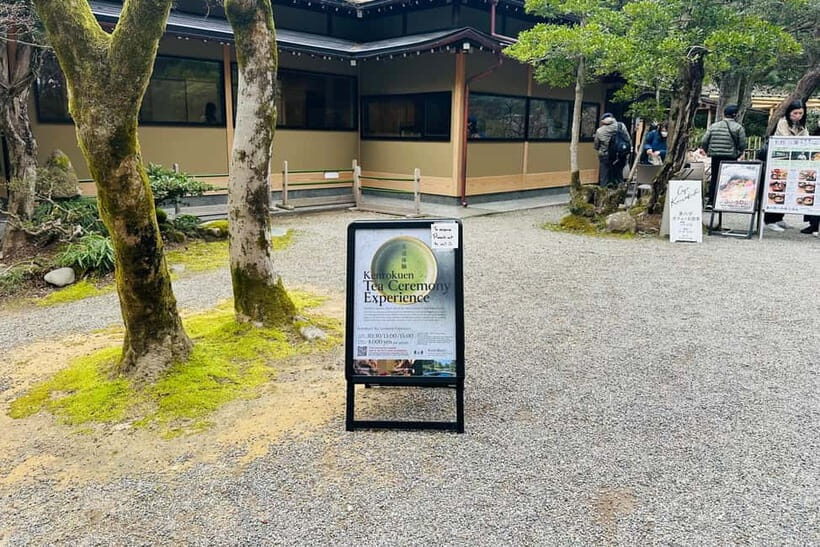
This experience starts in a very specific way, which I appreciate when I’m traveling. You meet at Kenrokutei, located in Kenrokuen Garden, and the meeting point is straightforward: in front of the fountain inside the garden. That matters because Kenrokuen is beautiful, but it can also be easy to wander around without noticing the small details that get you to your timed activity.
Plan your arrival with a buffer. The ceremony is quiet by design, and the schedule is strict. If you show up more than 10 minutes late after the starting time, your reservation can be canceled. So I’d rather you arrive a bit early, take a slow look around, and then settle in without rushing.
Also note the participant rules. This is for ages 7 and up, and it’s not set up for children under 8. The format is intentionally calm, and it’s held at the same time as other groups, so everyone’s expected to keep the volume low.
Other Kenrokuen and Kanazawa garden tours

Lord Maeda to matcha: the short history that actually helps
Before anyone picks up a whisk, you get a brief explanation of what the tea ceremony is trying to do and how it works. The teaching happens right at Kenrokutei, a historic place where important guests were entertained by lord Maeda. That background is more than trivia. It helps you understand why the ceremony feels so formal: it’s built around attention, manners, and a specific sequence of actions.
From there, the flow is simple and structured. You’ll be guided through the meaning and order of steps, then you’ll watch the master perform the ceremony. Your English instructor explains what’s happening during the ritual, so you’re not stuck guessing what you’re supposed to do next.
One neat detail: you’re told how to act and behave during the tea ceremony so you can join without awkward confusion. That kind of guidance is the difference between watching a show and participating in a ritual.
Inside the tea room: etiquette, silence, and small movements
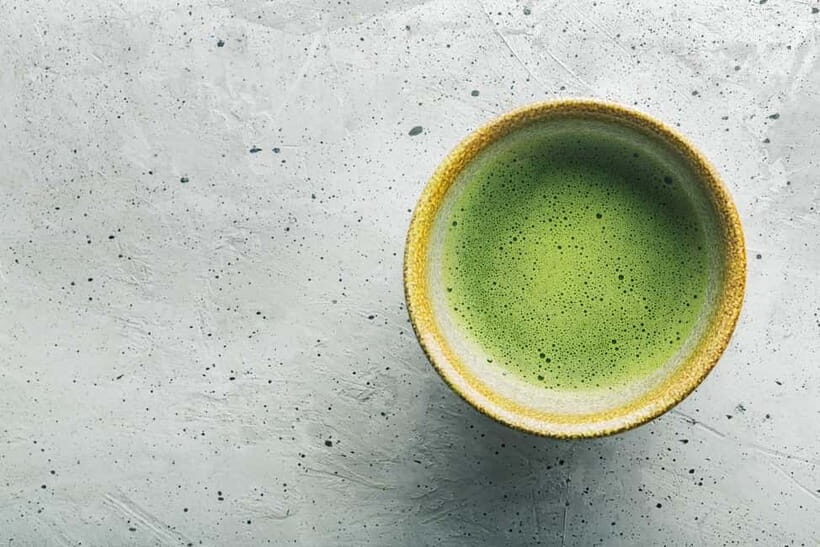
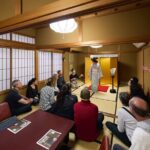
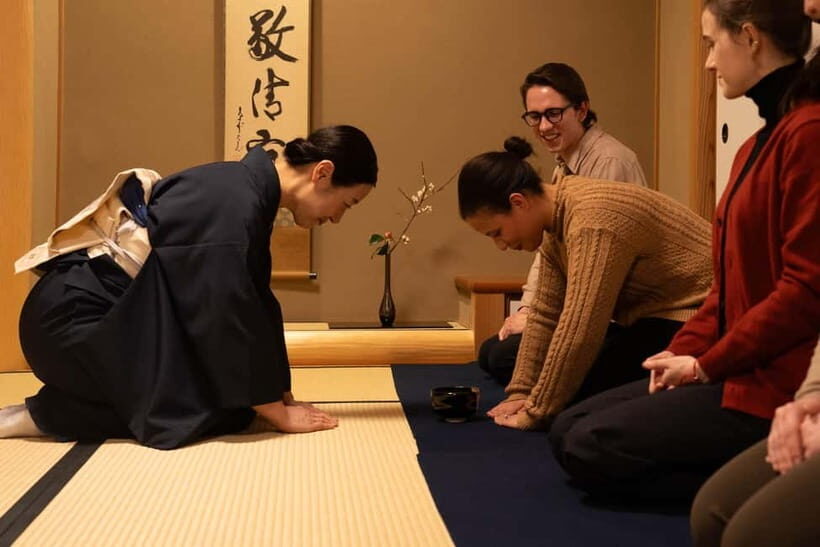
The ceremony takes place in a formal tea room. That’s the point of the design. It’s away from outside views, which means fewer distractions and more focus on the process. I like this setup because it encourages you to slow down for real, not just take a few photos and keep moving.
Here’s what you should expect during the guided part:
- The instructor demonstrates actions step-by-step in English.
- You learn the basics of tea ceremony behavior so you don’t accidentally break the flow.
- The master’s movements are part of the lesson, not just performance.
There’s also a small practical relief: you’re allowed to take pictures to remember the experience. Just keep in mind the event is meant to stay quiet. A quick photo at the right time is fine, but don’t treat it like a concert.
One more reality check: the tea room does not show the garden views. So if Kenrokuen’s scenery is what you’re picturing, you’ll want to manage your expectations. You’ll still be in a beautiful setting overall, but the best garden moments are outside the ceremony space.
Your turn to make matcha: hands-on practice in one hour
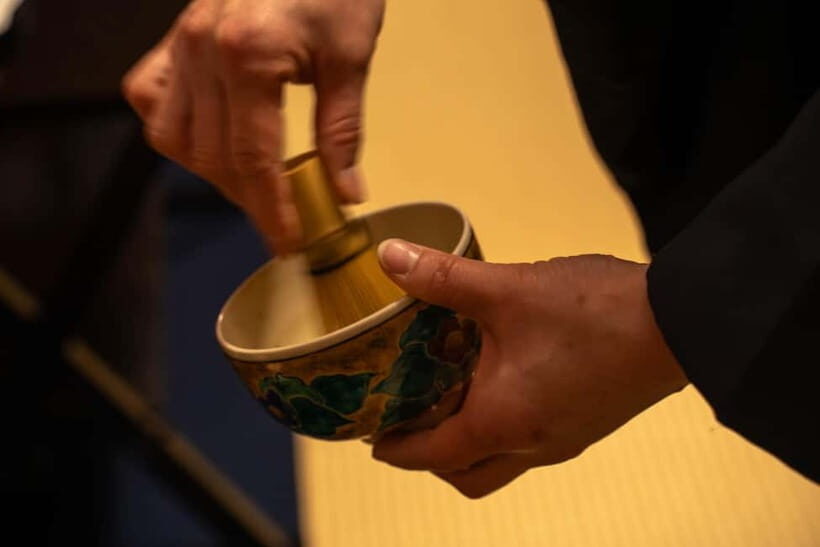
The schedule is one hour, which is tight enough to keep things efficient but long enough to let you do more than watch. After the master performs the procedure, you take part yourself with help from the team.
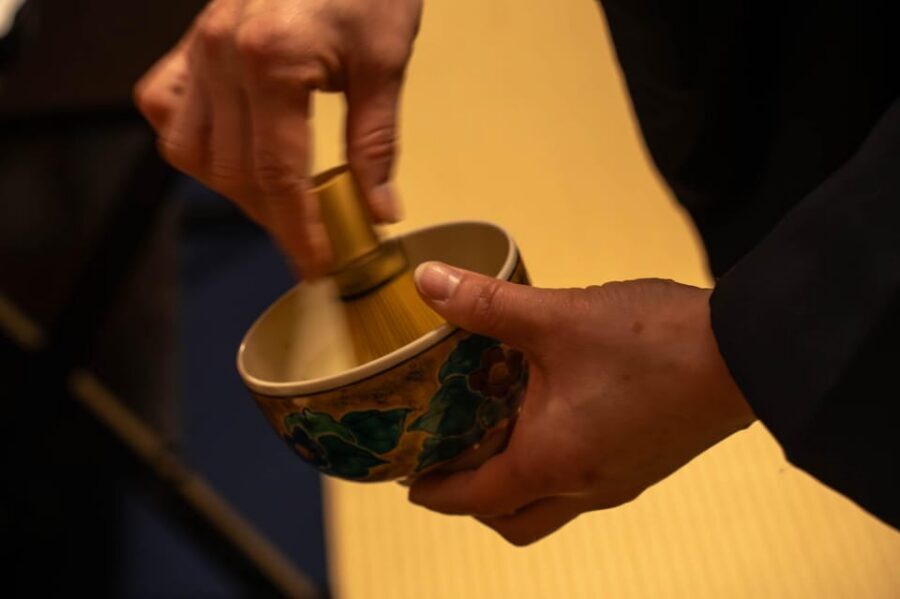
This is where the experience becomes personal. You’ll learn how to prepare and make matcha in a ceremonial way, not just how to stir matcha powder into hot water. And yes, whisking is trickier than it looks. One thing people consistently enjoy is the reality of practice: you feel how the motions matter.
The instructor support helps you get it right enough to enjoy. If you’re worried about doing it wrong, don’t be. The goal is participation, and the staff is there to guide you through the steps.
If kneeling on the floor is hard, there’s an important option: you can request a chair for the tea ceremony. That means you can still fully take part without forcing your body into a position that doesn’t work for you.
Wagashi plus matcha: the included sweets are part of the lesson
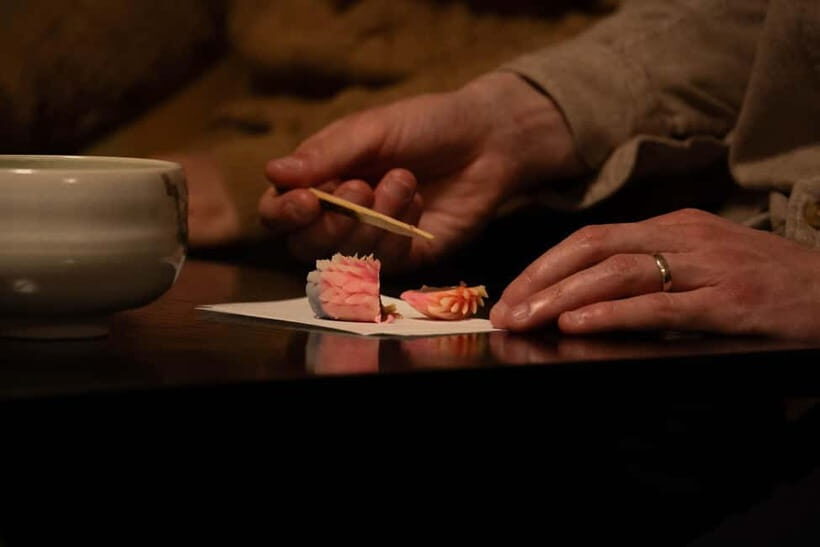
You don’t just drink matcha here. You also taste Japanese wagashi sweets, and the ceremony includes a few servings. These aren’t filler snacks. They’re part of how the ceremony balances flavors and timing.
Matcha is earthy and intense, and wagashi tends to be gentle and sweet. That pairing helps you notice the contrast and appreciate the ceremony as a sequence of sensations, not only a drink.
A key detail for food lovers: the sweets are described as coming from a renowned confectioner, which adds credibility to the included tasting. You can expect the sweetness to make the matcha experience feel more approachable, especially if it’s your first time trying ceremonial matcha.
Other Kanazawa tours and samurai-district walks




Kenrokuen garden time: plan it before or after
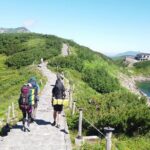
Kenrokuen Garden is one of Kanazawa’s biggest attractions, and this experience uses that context in a smart way. Your tea room won’t show the garden scenery, so the best move is to split your time:
- Do a slow look at Kenrokuen before your tea ceremony if you want the views.
- Or do it after to extend the peaceful feeling once the ritual ends.
The meeting point is inside the garden, so you’ll already be there. Still, you should treat the garden walk as its own activity. The garden is valid all day once you pay entry, so you can time it in a way that fits your energy level.
Budget reminder: the Kenrokuen entrance fee is required separately. The tea ceremony ticket does not include it. The fee listed is 320 yen, so plan for that add-on when you compare value.
Price and value: $35 for tea, sweets, and participation
At $35 per person for about one hour, this is priced like a cultural experience, not a casual tasting. The value comes from what’s included:
- A tea ceremony with instruction in English
- Wagashi sweets
- Photographs are allowed
The participation element is what most people appreciate most. If you only watch, you’d learn something. If you also make matcha yourself, you leave with a memory that has muscle memory behind it. That hands-on practice is hard to replicate on your own unless you find the right tools and guidance.
The only budget wrinkle is the Kenrokuen entry fee (320 yen), which is separate. Once you factor that in, it still compares favorably to longer, more expensive ceremonial sessions elsewhere, especially because this one is compact and focused. You get a formal taste of the tradition in a way that fits a typical Kanazawa day.
If your schedule is flexible, you can also book with pay later options, and there’s free cancellation up to 24 hours in advance. That helps if your day in Kanazawa is still forming.
Who this Kanazawa tea ceremony suits best
I think this experience is a great match if you want something calmer than a typical walking tour. It’s ideal for:
- Couples and solo travelers who want a slower moment
- First-timers to matcha who want etiquette explained
- Foodies who care about how sweets fit the ceremony timing
- People who enjoy cultural activities that feel intentional, not rushed
It’s less ideal if you want a big outdoor sightseeing component during the tea itself. Since the tea room doesn’t provide garden views, you’ll be choosing between ceremony focus and scenery focus. The good news is that Kenrokuen is right there to make up for the view part before or after.
Also, if you need mobility support for sitting, the chair option is a real plus. Don’t be shy about it when you book.
Should you book this Kanazawa Kenrokuen tea ceremony?
Yes, book it if you want an authentic-feeling tea moment with English guidance, and you’re happy to treat the ceremony room as the main event. The best reasons to go are simple: you watch the procedure, you learn etiquette so you can participate without worry, and you make matcha yourself instead of only sipping.
Skip it only if you strongly need the garden scenery to be visible during the activity. If your dream is mostly outdoor views while you learn, you may prefer spending more time roaming Kenrokuen and choosing a different tea experience format.
If you want my practical recommendation: build a gentle hour around it. Arrive early for the fountain meeting point, enjoy Kenrokuen outside, then let the ceremony do what it does best—slow you down and teach you how to savor the present moment, one careful step at a time.
FAQ
Where do I meet for the tea ceremony?
You meet at the shop, Kenrokutei, in front of the fountain inside Kenrokuen Garden.
How much does the tea ceremony cost?
The price is $35 per person, and the duration is about 1 hour.
Is Kenrokuen Garden entry included?
No. You need to pay the Kenrokuen Garden entrance fee separately (320 yen). This fee is not included in the tea ceremony price.
What’s included in the experience?
Included are the tea ceremony, sweets (wagashi), and you’re allowed to take photographs.
Is there an English instructor?
Yes. The instructor provides English guidance during the ceremony.
Can I take photos during the ceremony?
Yes, you’re allowed to take pictures to keep a memory of the moment.
What if I have trouble sitting on the floor?
You can request a chair for the tea ceremony if you have difficulty sitting on the floor.
How strict is the start time?
You should be punctual. If you arrive more than 10 minutes late after the starting time, your reservation will be canceled.
What ages can participate?
Participants must be aged 7 years old or older. It is not suitable for children under 8.
What if I need translation services?
If you require translation services from English to your native language, you need to make a private reservation (send an email) to avoid disturbing other guests.