Kanazawa clicks into focus fast. This private half-day tour strings together Kenrokuen Garden views, castle-area history, and the old-street atmosphere of Higashi Chaya and the samurai district, typically in about four hours. I love the efficiency of having a private guide who can steer you to what you care about, and I love how guides like Kayo and Chikako bring the places to life with clear historical context.
One possible drawback: the exact flow can be tighter than you expect, and you may not spend a full hour at every listed stop. Also, while hotel pickup and drop-off are included, you might end up paying for extra taxi/bus rides during the route depending on how your guide optimizes time.
In This Review
- Key Things You’ll Notice on This Private Kanazawa Tour
- Why Kanazawa’s Highlights Make Sense in 4 Hours
- Kenrokuen Garden: The “Why It’s Beautiful” Walk
- Kanazawa Castle Park: White Roof Tiles and a Real Sense of Power
- Higashi Chaya District: Tea-House Streets With Storytelling
- Nagamachi Bukeyashiki: Samurai District Atmosphere and Ashigaru Reality
- Price and Logistics: Is $134.69 Worth It?
- How the Private Guide Changes Everything (Names to Watch For)
- Who This Tour Fits Best (And Who Might Want Something Different)
- Should You Book This Private Kanazawa Half Day Tour?
- FAQ
- How long is the Kanazawa half day private tour?
- Is this a private tour or a group tour?
- What’s included in the price?
- Do you offer pickup if my hotel is not listed?
- Which main sights are included?
- Are entrance tickets included?
- Is food or drinks included?
- Do I need to pay for transportation during the tour?
- Does the tour have free cancellation?
- Are service animals allowed?
Key Things You’ll Notice on This Private Kanazawa Tour
- Hotel pickup and drop-off so you’re not wasting your limited time figuring out the logistics
- Kenrokuen Garden plus castle park for that classic Kanazawa “power and beauty” pairing
- A focused walk through Higashi Chaya, the tea-house streets tied to geisha and geiko culture
- Time in the samurai district, including preserved-style areas linked to ashigaru foot soldiers and higher-ranking samurai
- A guide who can adjust on the fly, like guides who worked around cruise timing, rain, or family needs
- Tour pace that’s designed for highlights, not a slow wander (great if you’re short on time)
Why Kanazawa’s Highlights Make Sense in 4 Hours
Kanazawa has a way of rewarding structure. If you only have half a day, it’s easy to see pretty places and still miss why they matter. This tour solves that problem by bundling the city’s big three themes: garden artistry, castle-era power, and the street-level culture of samurai and teahouses.
I like that the format is private, which makes a huge difference here. When the guide asks what you’re most interested in, the tour can shift in real time. You can see this in the way guides such as Jorge and Karolina were described as flexible and active, tailoring the route so the walk feels purposeful instead of like a checklist.
There’s also a practical upside: you’re not left to interpret signage or guess what to look for at each site. Guides like Ai and Nozomi stood out for clear English and the ability to explain what you’re standing in front of. That matters in Kenrokuen and the castle-area grounds, where details are easy to miss if you’re just snapping photos.
Other Kanazawa tours and samurai-district walks

Kenrokuen Garden: The “Why It’s Beautiful” Walk
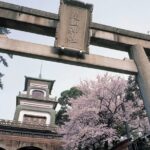
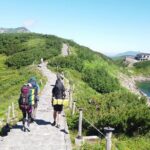
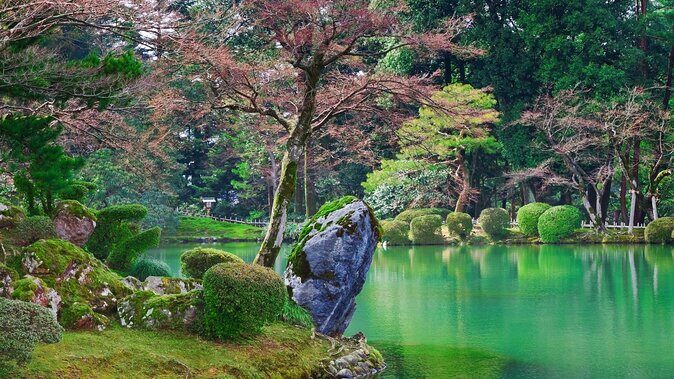
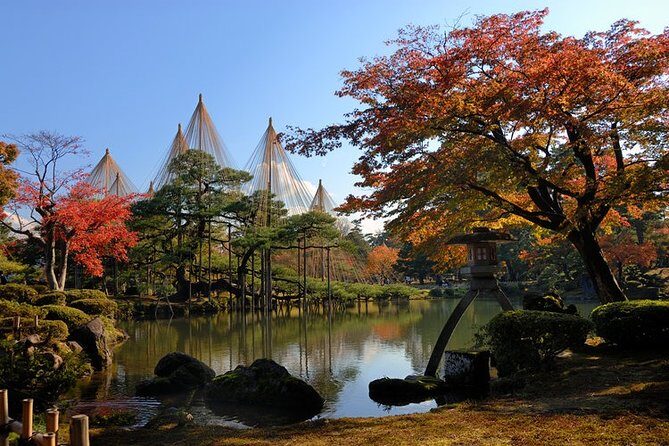
Your tour typically starts at Kenrokuen Garden, the Edo-era garden that’s long been considered one of Japan’s most beautiful feudal gardens. Even if you’ve seen garden photos before, Kenrokuen hits differently in person because it’s designed around changing views as you move.
The key thing you should know: Kenrokuen isn’t just scenery. It’s a layout built for perspective. You’ll spend about an hour there, and your guide will help you notice the garden logic—how the space opens toward the castle-area direction and how Utatsu Mountain factors into the overall composition.
If you want a tip that makes your photos better: pause before you hit the next bend in the path. A good guide will point out where the view tightens and where the garden’s shape starts doing the work. That’s the difference between a pretty picture and a “now I get it” moment.
You’ll also appreciate that the tour indicates admission is free for the garden stop. Still, keep an eye out for any optional experiences that might cost extra once you’re inside.
Kanazawa Castle Park: White Roof Tiles and a Real Sense of Power

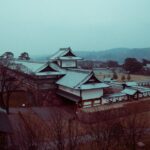
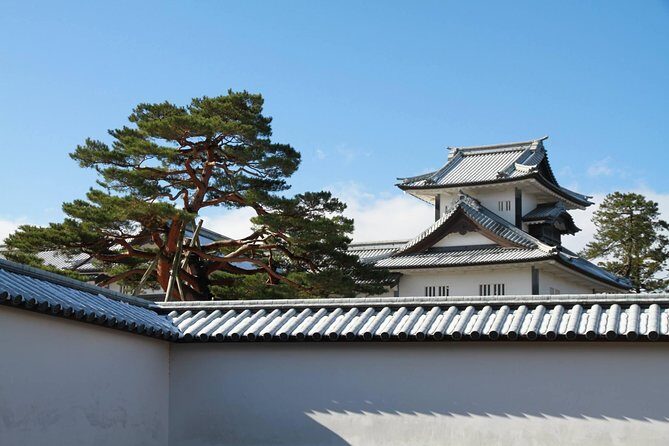
Next comes the castle grounds and park area. This is where Kanazawa’s “power” shows up in details. You’ll see the striking white lead roof tiles and the Ishikawa Mon gate, plus the general castle influence spread across the area.
What I like about this stop is that it gives you something to anchor the rest of the tour to. After you walk past samurai-era districts later, the castle grounds make the whole story feel less abstract. You’re not just looking at old buildings; you’re seeing the center of authority that shaped daily life.
The castle-area walk is also a good reset. It’s spread out compared with the tighter lanes in the teahouse and samurai districts. If your day is weather-dependent, this open-air chunk can be easier to manage than packed streets.
Admission for this segment is also shown as free on the tour description, which helps you control costs. If you’re the type who likes to wander off the main path for side details, just remember that time in a half-day tour can get consumed fast if you drift.
Higashi Chaya District: Tea-House Streets With Storytelling
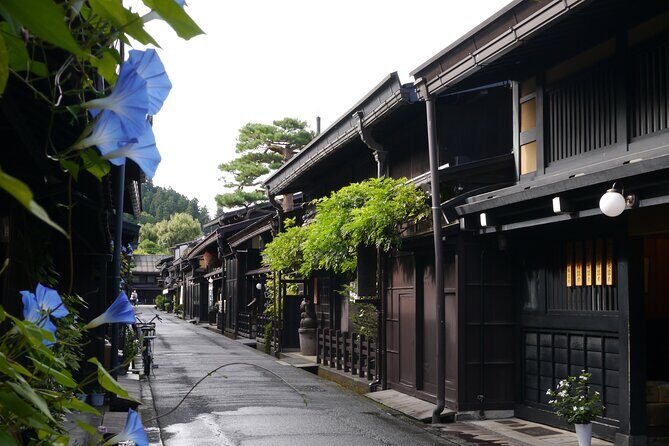
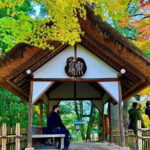
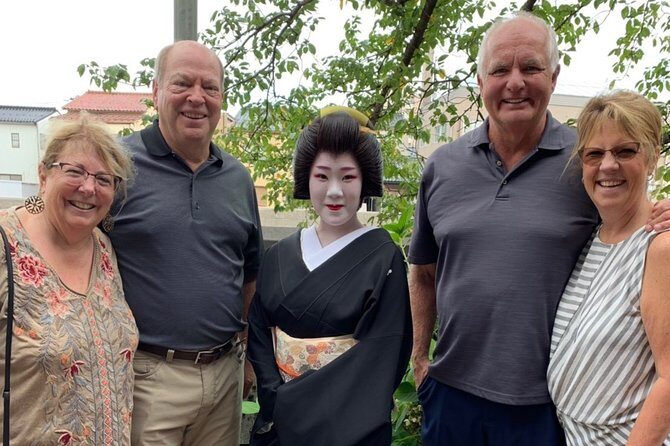
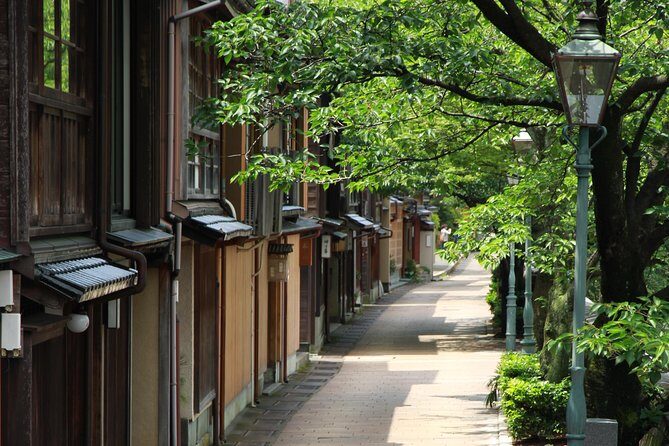
Then you head to Higashi Chaya, one of Kanazawa’s best-known geisha districts. The tour focuses on the charm and the culture behind the tea-house quarter, with time for a stroll through the older back streets.
This is the stop where a guide’s style matters a lot. If you’ve ever walked through a traditional area and felt like you were missing the point, this is where things get clearer. A good guide helps you read the layout: why the streets feel the way they do, what the district represents historically, and how the tea-house culture fits into Kanazawa’s broader identity.
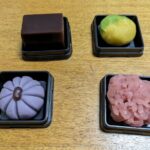
I also like that this stop ties into practical experiences. In one case, a guide highlighted local treats like gold-leaf ice cream, which is exactly the kind of “small bite, big context” moment that turns a walk into a memory. You shouldn’t count on that specific recommendation, but it’s a good sign that some guides share food and shopping pointers.
Expect around an hour here. That’s long enough to get the feel of the district and still return to the main highlights without sprinting. If you see a shop you love, it’s worth telling your guide early so they can steer you through without cutting your garden time short later.
Nagamachi Bukeyashiki: Samurai District Atmosphere and Ashigaru Reality
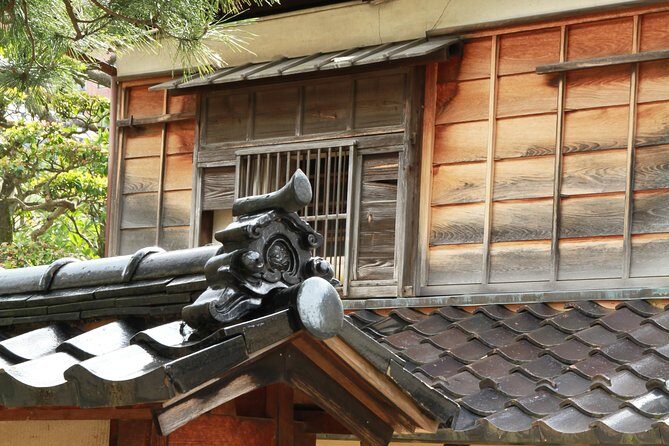
The samurai district stop is focused on the Ruins of Nagamachi Bukeyashiki. This is where Kanazawa stops being “pretty” and starts being “human,” because you’re looking at preserved-style areas tied to how samurai life worked in practice.
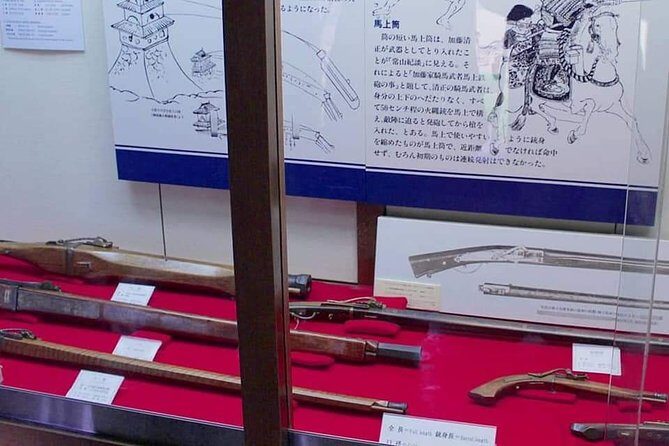
The tour description highlights the houses where ashigaru, the foot soldiers, lived, plus areas associated with more powerful samurai. That’s important. People often picture samurai as one uniform image. This kind of district stop helps you understand the hierarchy and the everyday reality behind it.
You’ll walk through streets lined with mud and straw-style walls that capture the preserved atmosphere of the district. It’s the kind of environment where your guide’s commentary can change the whole experience. When you know what you’re looking at—what a house would have meant, how the area was structured—the setting becomes more than a photo background.
One practical note: these district walks can involve uneven sidewalks and lots of turning corners. Wear comfortable shoes. If you’re traveling with older parents or someone with mobility limits, ask your guide to adjust pace and route early. Several guides were described as flexible with family timing, including adapting around a cruise schedule and handling rain.
Other guided tours in Kanazawa


Price and Logistics: Is $134.69 Worth It?
At $134.69 per person for a private half-day, the value depends on how you travel and what you want from your time. For me, this price makes sense when you’re trying to get real context fast.
Here’s what you’re paying for:
- A professional English-speaking guide
- Hotel pickup and drop-off
- A custom itinerary instead of a fixed script
- Mobile ticket support and native English customer support
Where you might spend extra:
- Food and drinks aren’t included
- Transportation to/from attractions isn’t included
- Optional entrance fees may come up
- And, in practice, some routes may use taxis or buses that you’ll need to pay on your end depending on the day’s plan
One more consideration: a half-day doesn’t always translate into a full hour at every listed stop. The tour can prioritize what fits best, and some schedules may cover 2 to 3 of the listed sites rather than all four. That isn’t automatically bad. It can be the smart move if your time window is tight. But it’s something to keep in mind so you don’t feel shorted.
If you’re two or more people, private guides can start to feel like less of a premium, especially compared with doing everything on your own and then wishing you had someone to explain what you’re seeing.
How the Private Guide Changes Everything (Names to Watch For)
This tour’s biggest strength is the human part. When the guide is sharp, your half-day stops feeling like you’re rushing through landmarks and starts feeling like you’re understanding a city.
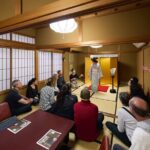
In real experiences, guides such as Kayo and Kumiko were praised for strong organization and local perspective. Kumiko, for example, was described as preparing a travel booklet to help you choose what you wanted to see, then guiding a complex route through Kenrokuen, castle areas, and the teahouse zone while taking photos at key spots.
Other guides were recognized for adaptability:
- Chikako was described as flexible and efficient, especially helpful with cruise timing
- Jorge was described as active and history-focused, with strong English and extra support such as helping with a train ticket issue using interpreter skills
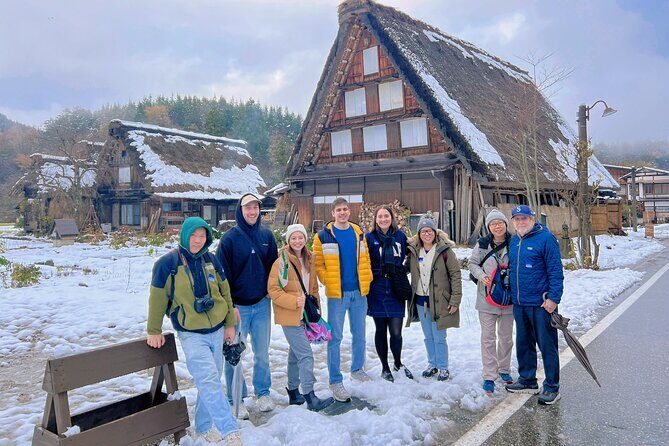
- Nozomi and Sachiko were described as able to make the tour work in rain or heavy snow, including keeping the experience moving without losing the meaning of each stop
- Reiko was described as accommodating to schedules and proud of local culture
- Karolina asked what you wanted, mapped out a route, and tailored it to your interests
What you should do to get the most out of this tour is simple: tell your guide your priorities before you start walking. If you’re most excited about Kenrokuen, say so. If Higashi Chaya and the samurai district are your must-dos, say that. Private guides can compress and adjust, but they need your cue.
Who This Tour Fits Best (And Who Might Want Something Different)
This tour is ideal for you if:
- You only have about 4 hours in Kanazawa
- You want the major highlights without spending time figuring out routes
- You care about context, not just photos
- You’re traveling as a family or with mixed ages and want someone to pace the day
- Weather is uncertain and you want flexibility from a guide
It might be less ideal if:
- You want to linger long at each site without a tight schedule
- You’re extremely price-sensitive and don’t want any chance of extra transport costs during the route
- You prefer independent exploration without guide-driven direction
The upside is that because it’s private, you have more control. If you’re the kind of person who tends to get pulled into side streets, ask your guide how they plan to balance that against keeping your key stops on track.
Should You Book This Private Kanazawa Half Day Tour?
Book it if you want a strong Kanazawa introduction in a single morning or afternoon, with a guide who can explain what you’re seeing and keep the walking route sensible. The combination of Kenrokuen Garden, castle-area power, Higashi Chaya culture, and the Nagamachi Bukeyashiki samurai atmosphere is a smart way to cover a lot of meaning in a short time.
Skip it or reconsider if you expect a slow, unstructured tour and you strongly dislike the idea of possible extra costs for taxis or buses during the day. Also, if you’re arriving with a very exact schedule, ask ahead how your guide plans to prioritize stops so you know what will be covered.
If your goal is clarity, comfort, and getting the most out of limited time, this is a solid choice.
FAQ
How long is the Kanazawa half day private tour?
It runs about 4 hours.
Is this a private tour or a group tour?
It’s a private tour/activity, so only your group participates.
What’s included in the price?
You get a professional English-speaking guide, hotel pickup and drop-off, a custom itinerary, and native English customer support.
Do you offer pickup if my hotel is not listed?
Yes. If your hotel isn’t listed, you should let them know so they can arrange pickup.
Which main sights are included?
You’ll visit Kenrokuen Garden, Kanazawa Castle Park, the Higashi Chaya District, and the Ruins of Nagamachi Bukeyashiki (samurai district).
Are entrance tickets included?
Optional entrance fees aren’t included, but the tour description indicates that admission tickets for the listed stops are free.
Is food or drinks included?
No. Food and drinks are not included.
Do I need to pay for transportation during the tour?
Transportation to/from attractions is not included. If taxis or buses are used during the route, you should expect to cover those costs.
Does the tour have free cancellation?
Yes. You can cancel up to 24 hours in advance for a full refund.
Are service animals allowed?
Yes, service animals are allowed.