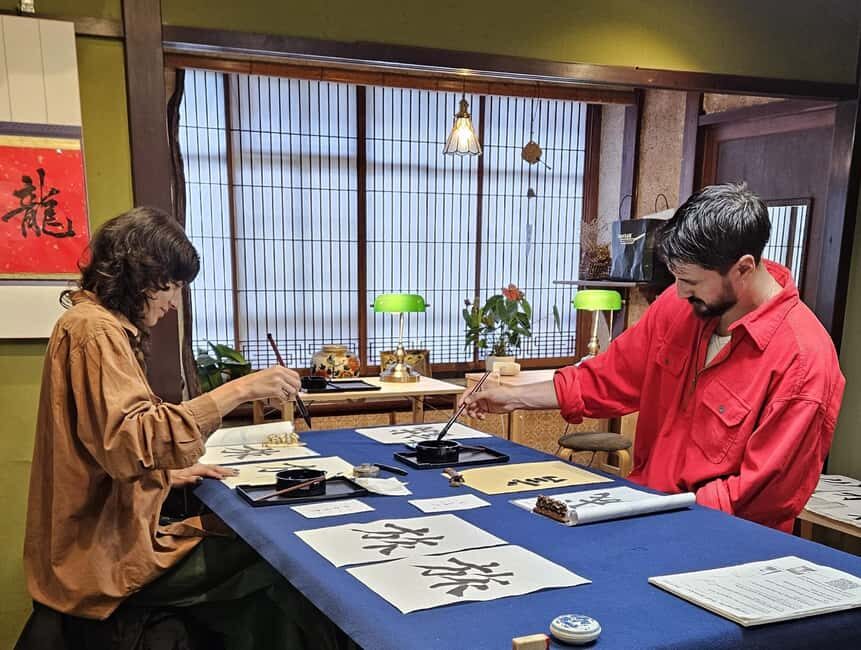
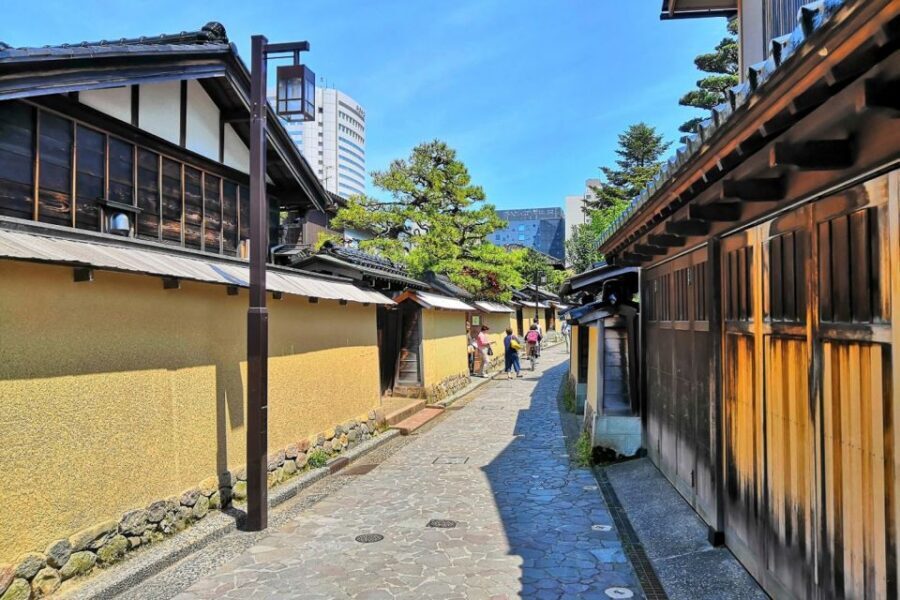
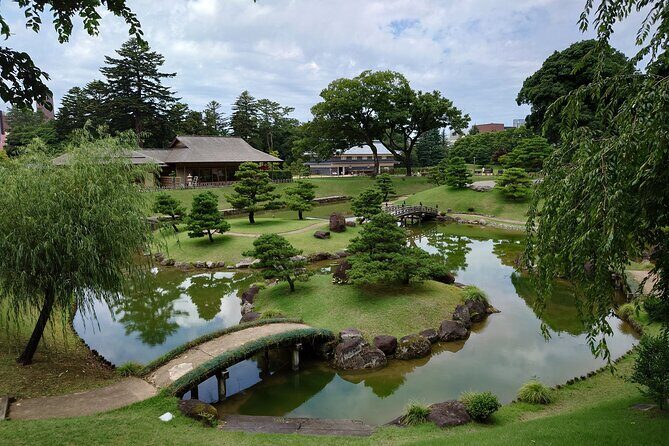
A port town story hits different when you walk it. This Historical Walking Tour of Niigata Port Town threads together the 1800s era when ships brought global trade and sailors, shaping a city where Western and Japanese influences grew side by side. I especially like the stop design: you get inside places like the Old Saito Residence and the former Ozawa Family Estate, not just street-level sightseeing.
Two more things I liked: the guide-led storytelling (people I’ve seen booked with guides like Isabella and Jenya) makes the buildings feel lived-in, and the route is short enough that you can enjoy the gardens and shrines without feeling rushed. One consideration: it’s weather-dependent and it involves walking, so if you’re sensitive to cold or rain, plan for it.
In This Review
- Key things you’ll notice on this Niigata port walk
- Why Niigata’s old port story works so well on foot
- Meeting point near Chuo Ward: quick arrival strategy
- Stop 1: The Old Saito Residence and its garden that steals your attention
- Stop 2: The former Ozawa Family Estate built in the 1860s
- Stop 3: Minato Inari Shrine for a quick dose of Shinto story
- The private-guide factor: the real value isn’t just the route
- How long is enough time, really?
- Price and value: what $52.55 buys you
- Best fit: who should book this port-town tour
- Weather, walking, and what to pack
- A quick reality check before you choose
- Should you book the Historical Walking Tour of Niigata Port Town?
- FAQ
- How long is the Historical Walking Tour of Niigata Port Town?
- Where does the tour start and where does it end?
- Is it a private tour, and how big is the group?
- What attractions are included in the itinerary?
- Are entrance fees included?
- What’s included in the price?
- What should I bring since bottled water and masks aren’t included?
- What’s the cancellation policy like?
Key things you’ll notice on this Niigata port walk
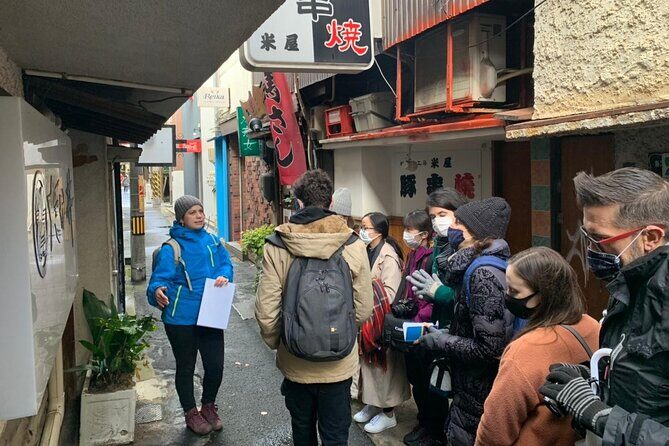
- Private, small-group feel with a maximum of 10 people, so questions don’t get swallowed by a big crowd
- Historic homes with atmosphere, including the Old Saito Residence garden experience
- Two paid admissions built into the tour, so you’re not scrambling for tickets mid-walk
- A quick shrine stop at Minato Inari Shrine to balance the day between homes and faith
- Mobile ticket delivery for easier day-of check-in
Why Niigata’s old port story works so well on foot
Niigata doesn’t always get first billing when people think of Japan, but it absolutely deserves attention for the way it grew around the port. The tour’s theme is simple and effective: ships arrived, commerce followed, and the city absorbed outside influences while keeping its own traditions intact. You get that story in small chunks, paced by what you’re standing in front of.
This is the kind of walk that helps you see why certain neighborhoods and landmarks made sense. The route isn’t just a list of pretty buildings. It’s designed so each stop adds a piece to a single picture: merchants and families built homes and estates, the city organized itself around maritime life, and religious spaces like shrines stayed woven into daily culture.
I also like that it’s not a marathon. At about 3 hours 30 minutes, you’re getting a focused slice of Niigata without needing a whole day and without burning your energy on long detours.
If you're still narrowing it down, here are other tours in Niigata Prefecture we've reviewed.



Meeting point near Chuo Ward: quick arrival strategy
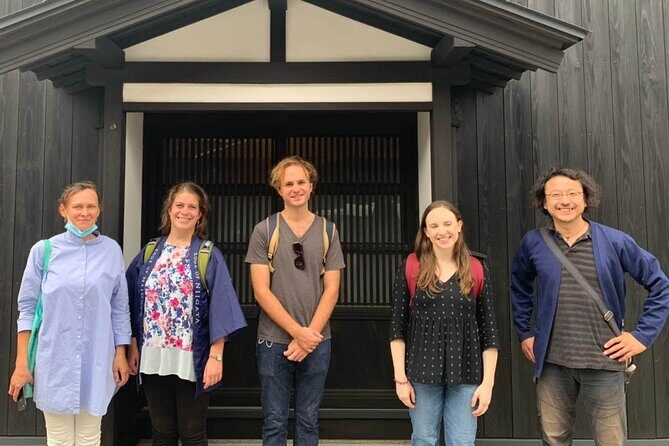
The tour starts at 2-chōme-10 Yanagishimachō, Chuo Ward, Niigata. The end point is 576 Nishiōhatachō, Chuo Ward, Niigata. That matters because you’re not stuck returning to the starting corner afterward. It’s handy if you want to keep exploring with a clear direction.
There’s also a small built-in opportunity after the first part of the day: the meeting location area is close to the Furumachi zone where buses run regularly. You may even get time to stay in a historic building for green tea with sweets (depending on how the day flows). That’s a nice option if you want a breather without turning the tour into a coffee line marathon.
One practical note: if you’re arriving by cruise, timing and getting to the start can be tricky. In past bookings, the issue wasn’t the tour itself—it was the extra time to reach the correct starting area when docking locations didn’t match expectations. If you’re on a ship, give yourself extra buffer time and double-check how you’ll reach Yanagishimachō before you fall into a taxi panic.
Stop 1: The Old Saito Residence and its garden that steals your attention

You’ll start at the Old Saito Residence, a building that’s more than 100 years old with a garden you’ll want to see slowly. The tour description is honest about why it works: you’re only about a 10-minute walk from the busy Niigata shopping district, yet the residence is the kind of place where the garden layout makes you forget you’re near everyday street life.
This is where the tour’s storytelling advantage shows up. A garden isn’t just scenery. In historic port-town homes, it often reflected taste, social status, and a way of living that balanced work (linked to trade and shipping) with calm. As you walk the property, you’re not just checking off a photo spot. You’re picking up context for how wealthy merchants and families used space.
The time at this stop is about 40 minutes, and admission is included. That inclusion matters because it removes one decision step on the day. You can focus on the guide’s explanation and on the details you can actually see—layout, design choices, and how people moved through the grounds.
A small extra bonus: one booking noted a wedding party taking photos at the Saito Residence. That’s not guaranteed, but it’s a reminder that this isn’t a dead museum. It’s still a place people use for meaningful moments, which can make the whole stop feel more human.
Stop 2: The former Ozawa Family Estate built in the 1860s
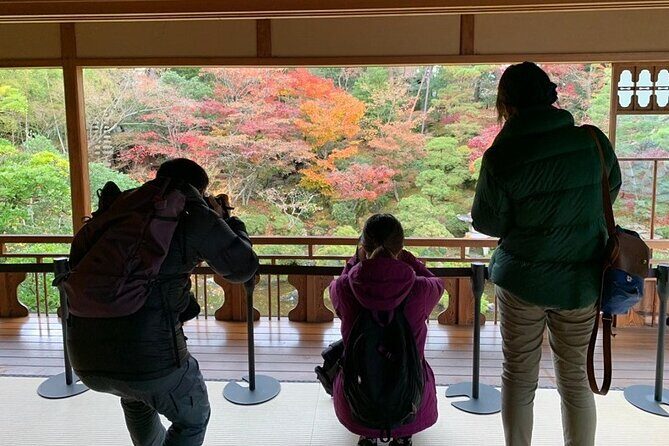
Next is the Former Ozawa Family Estate, a historic building built in the 1860s and occupied until 2005. That end date is key. Many heritage sites either freeze a past moment or require intense restoration that feels detached from real life. Here, you’re likely to notice something more nuanced: original features may still be visible, while modern updates keep the property functional.
You’ll spend around 30 minutes at this stop, and admission is included again. Two paid admissions in one tour is good value because you’re not paying extra on arrival, and you’re also less likely to lose momentum during the walk. Timing stays smooth.
What makes this estate visit more than a pretty frontage is what the guide tends to connect it to: merchant-class life and how people organized households, social roles, and daily routines in a port economy. One reason this tour earns such high marks is that guides don’t just recite facts. They explain the why—why a house was built a certain way, how it fit into its era, and what changed as Niigata’s world shifted.
There can also be cultural sparkle here. In one booking, a guide shared details around geisha and related entertainment culture, which can add color to what you’d otherwise see as architecture-only sightseeing. It’s a reminder that port towns were gateways for many kinds of people and influences.
Stop 3: Minato Inari Shrine for a quick dose of Shinto story
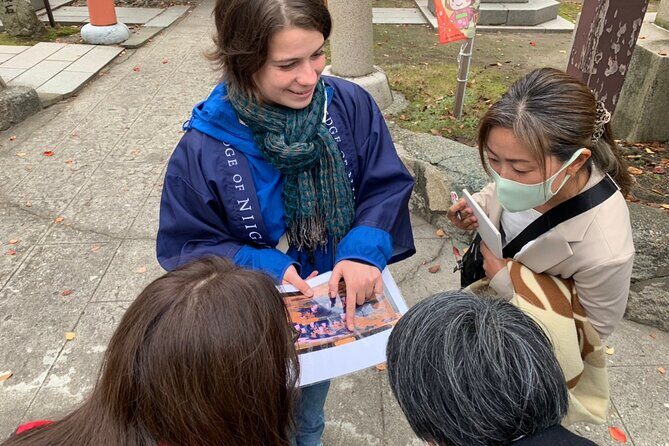
The final stop is Minato Inari Shrine. It’s a traditional Shinto shrine, but the tour promises surprising features and an exciting history—and that balance is important. After two historic homes, a shrine stop gives your brain a different kind of landmark.
This is a short stop, about 10 minutes, and admission is free. You’ll likely feel the difference in pacing: less time inside, more time experiencing the shrine atmosphere and hearing how it fits into Niigata’s port-town identity.
Why this matters for your overall experience: ports aren’t just commerce. They’re people arriving with new habits, and faith and ritual often serve as the emotional glue of a community. Even if you’re not a shrine specialist, a concise stop like this can make the whole walk feel complete.
The private-guide factor: the real value isn’t just the route
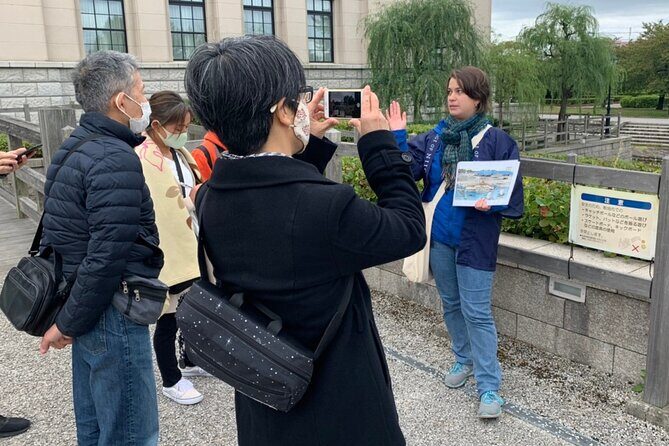
The tour is marketed as a private experience and keeps the group size small—maximum 10. That’s more than a marketing label. With a smaller group, your guide can keep the pace comfortable and answer questions as they come up.
That personal pacing came up in bookings: guides adjusted speed to match the group rather than plowing ahead on a rigid schedule. One guide, Isabella (spelled a couple ways in different notes), was praised for being both engaging and flexible. Another name that appears is Jenya, also described as very informative and strong at bringing local history into a story you can follow.
If you care about the cultural nuance—the little human details behind big themes—this is where the tour earns trust. The stops are historic, sure. But what you really want is interpretation: how merchant life, shipping rhythms, and cultural exchange shaped the city you’re standing in.
Also, you’re not stuck at the end with nothing to do. The tour notes that help can be provided for what you want to do next. Even just knowing you’ll end in a logical area with bus access can reduce day-of stress.
How long is enough time, really?
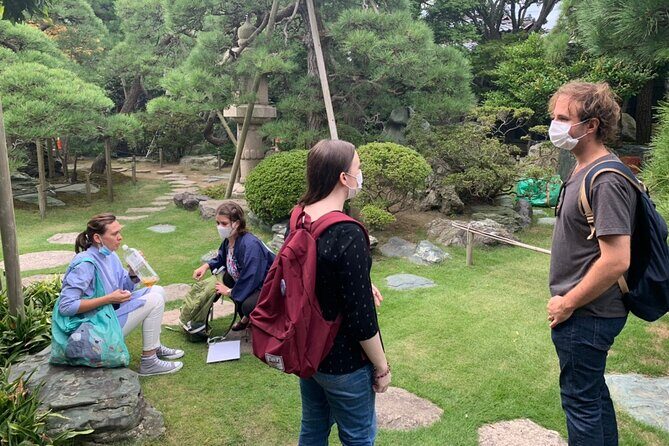
The tour clocks in at about 3 hours 30 minutes, including the time at the three main stops. On paper, the stop times add up to 80 minutes (40 + 30 + 10), which means the rest is doing the job you want from a walking tour: traveling between places, listening, and absorbing what you see without being rushed.
That matters because Niigata’s old port context isn’t something you can grasp from a single building. The guide’s narrative needs movement time. The walking chunks also keep the day from turning into a series of indoor ticketed entrances.
If you’re the type who likes taking photos, this schedule gives you small windows. If you’re more into listening, it gives you space to do that too. Just remember it’s still a walk—plan for comfortable shoes.
Price and value: what $52.55 buys you
The price is $52.55 per person. On its face, that’s not a bargain you’d ignore, but it can be solid value given what’s included.
Here’s the practical breakdown:
- All fees and taxes are included
- Admission tickets are included for the Old Saito Residence and the former Ozawa Family Estate
- Minato Inari Shrine is free
- You get guide storytelling plus a route that makes the port-town theme coherent
The biggest value play is that admissions are already handled for two of the three stops. If you were doing this independently, you’d be paying for entry plus spending time figuring out what to see and in what order. Here, you get a guided sequence designed to reduce decision fatigue.
What’s not included is also straightforward: bottled water and masks are not included. If you’re sensitive to drinking water availability or you’re traveling with a specific mask preference, bring what you need so you’re not improvising mid-walk.
Best fit: who should book this port-town tour
This tour fits best if you:
- Like history that connects to how people actually lived, not just dates on a sign
- Want a guided explanation of Niigata as a port city influenced by global trade
- Prefer a manageable walking schedule over a full-day marathon
- Appreciate small-group dynamics (up to 10) and a guide who can adapt pacing
It’s also a good choice if you’re already in Niigata for a short stay and want a concentrated view of the old port-town area without trying to assemble your own itinerary.
If you’re the type who only wants exterior photos and zero listening, you might find the time spent in storytelling better if you’re willing to focus. But if you enjoy hearing how homes, gardens, and shrines fit into a bigger city story, you’ll likely feel satisfied.
Weather, walking, and what to pack
The experience notes that it requires good weather. That makes sense because it’s outdoors walking between stops. One booking mentioned freezing weather as the only real downside, so bring layers if you’re visiting in cooler months.
You’ll also be happier if you bring:
- Comfortable walking shoes
- A warm layer if it’s cold
- Water if you don’t want to buy it on the fly (bottled water isn’t included)
If you’re using public transportation, the tour is described as near public transportation, which helps. Still, give yourself extra time if you’re unfamiliar with the area.
A quick reality check before you choose
This is a short, guided walk with two paid heritage entrances and one quick shrine stop. The success of the experience depends largely on weather and on how much you enjoy history told through place-based details.
If you want history that feels connected to daily life—merchant-class homes, gardens, and port-town influence—this tour is a strong match. If you only want big-ticket sights or long time inside museums, you may feel the time is too compact.
Should you book the Historical Walking Tour of Niigata Port Town?
If your goal is to understand Niigata beyond a train station stop, I’d lean yes. The tour’s structure makes it easy: the route links theme to place, and the two included admissions mean you spend your money on interpretation rather than logistics.
Book it if you enjoy guided storytelling and want to see a mix of merchant residences and a shrine without a stressful schedule. Consider skipping or adjusting plans if you’re traveling during bad weather or you strongly dislike cold outdoor walking.
FAQ
How long is the Historical Walking Tour of Niigata Port Town?
It’s about 3 hours 30 minutes (approx.).
Where does the tour start and where does it end?
It starts at 2-chōme-10 Yanagishimachō, Chuo Ward, Niigata, and ends at 576 Nishiōhatachō, Chuo Ward, Niigata.
Is it a private tour, and how big is the group?
It’s a private tour experience with a maximum of 10 travelers.
What attractions are included in the itinerary?
You’ll visit the Old Saito Residence, the Former Ozawa Family Estate, and Minato Inari Shrine.
Are entrance fees included?
Admission tickets are included for the Old Saito Residence and the Former Ozawa Family Estate. Minato Inari Shrine is free.
What’s included in the price?
All fees and taxes are included.
What should I bring since bottled water and masks aren’t included?
The tour notes that bottled water and masks are not included, so it’s smart to bring water and a mask if you need one.
What’s the cancellation policy like?
You can cancel for a full refund up to 24 hours before the experience’s start time, and confirmation is received within 48 hours of booking subject to availability. The experience requires good weather and may be offered a different date or a full refund if canceled due to poor weather.