Follow the smell of old shops and fresh tea, and you’ll land in sake country fast. This Nagano Sake Tasting Walking Tour pairs an easy stroll through the Zenko-ji area with real drinking education: you’ll compare multiple styles, including unfiltered, unpasteurized sake, plus local favorites like Nagano plum wine.
I especially like how the tour doesn’t treat sake like a lecture. It’s built around taste, food pairings (soy source beans and Japanese pickles), and the guide’s on-the-street explanations. One possible drawback to keep in mind: you’re not visiting a full, working brewery plant, so if you expect a big production floor moment at a single facility, this may feel more like shop-and-temple hopping than a factory deep-dive.
In This Review
- What You’ll Likely Enjoy Most
- Quick Reality Check Before You Go
- Key Highlights You Should Know
- Why This Nagano Sake Walk Works So Well
- Meeting at MIDORI Nagano and Getting Your Bearings
- Zenko-ji Temple: More Than a Photo Stop
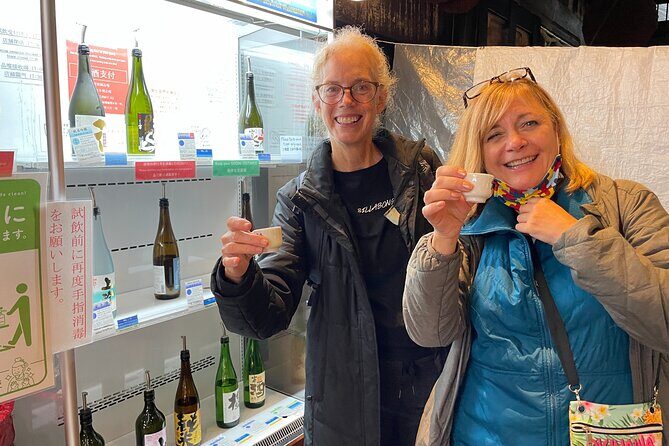
- Nakamisedori Sake Tasting: The Part You’ll Remember
- The Old Sake Factory Stop and Why It Still Matters
- Drinks for Everyone: Amazake and the Alcohol Age Rule
- How the Tour Feels: Pace, Group Size, and Your Chance to Ask
- Is It Good Value at $64.57?
- Who This Tour Is Best For
- A Balanced Watch-Out: What It’s Not
- Should You Book the Nagano Sake Tasting Walking Tour?
- FAQ
- What is the duration of the Nagano Sake Tasting Walking Tour?
- Where do I meet the guide?
- How long is the walking portion to Zenko-ji?
- How many sakes and other drinks will I try?
- Can I drink if I am under 20 years old?
- Will I also eat something during the tour?
- Is the old sake factory visit free?
- How big is the group?
- Is the tour walking-friendly?
What You’ll Likely Enjoy Most
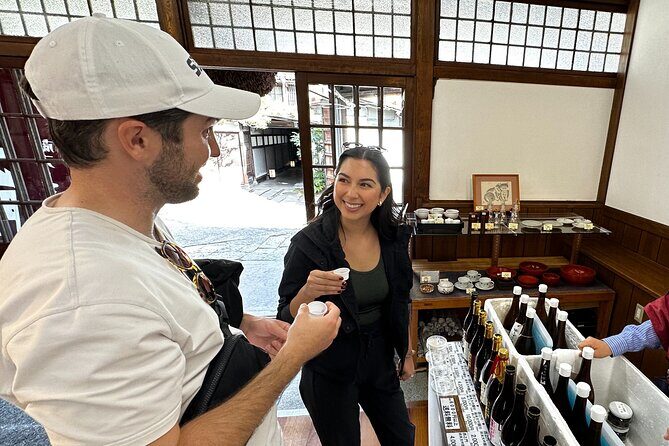
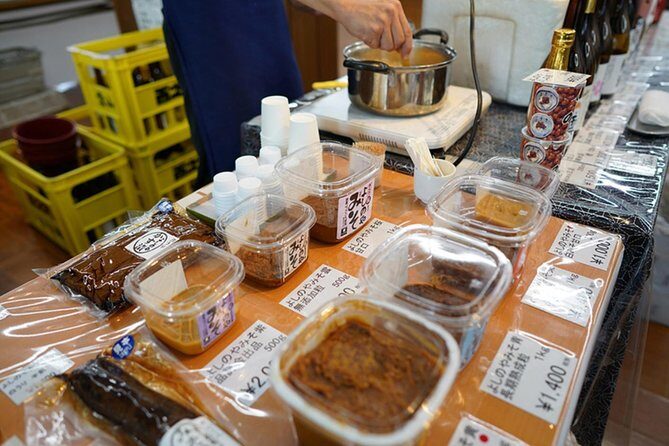
The second thing I like is the mix of drinks and Nagano food, not just pours. You get more than five local sakes, three amazake tastings (sweet, non-alcoholic), and Nagano miso soup, which makes the whole experience feel like an actual meal day plan—not a stop-and-go sampling.
Quick Reality Check Before You Go
Because it’s about two hours of walking plus tastings, wear shoes you’re comfortable in and keep your pace steady. The route is short enough to be friendly, but it still adds up, especially if you linger at shops after you’ve finished the tastings at Nakamisedori.
Other sake brewery and tasting tours in Nagano
Key Highlights You Should Know
- Unfiltered, unpasteurized tasting helps you notice flavor differences, not just labels
- Zenko-ji area walking gives you context for what local life feels like in Nagano
- More than five sakes + three amazake means you can compare alcoholic and non-alcoholic styles
- Miso soup and pickles make the tastings easier on your palate and stomach
- Small group size (max 15) keeps questions from getting lost
Why This Nagano Sake Walk Works So Well
Nagano isn’t just a place where people pass through on the way elsewhere. It has a strong local rhythm, and that’s exactly what this tour targets: you combine a temple-side wander with tasting that’s actually connected to the place you’re standing in.
The structure is simple and practical. You meet at Starbucks Coffee in MIDORI Nagano, then you walk toward Zenko-ji. Along the way, your guide points out the sort of everyday details you’d miss if you were rushing around alone.
And then comes the good part: the tasting. Instead of asking you to memorize terms, the tour lets you compare multiple pours and pair them with small bites like soy source beans. That turns sake tasting into something you can feel in your mouth, not just read about.
Meeting at MIDORI Nagano and Getting Your Bearings
Your tour starts at Starbucks Coffee – MIDORI Nagano. It’s a handy meeting point because it puts you near public transportation, and it also makes the experience feel less intimidating if you’re tired from arriving in town.
From there, the first walk takes about 20 minutes to reach the Zenko-ji area. The pace is casual enough that the walk doesn’t feel like a chore, and it’s long enough to let you settle into the neighborhood before you start learning and tasting.
Practical tip: if you’re sensitive to standing and walking, wear comfortable shoes and keep water handy. This is a short tour, but it still asks your legs to do their part.
Zenko-ji Temple: More Than a Photo Stop
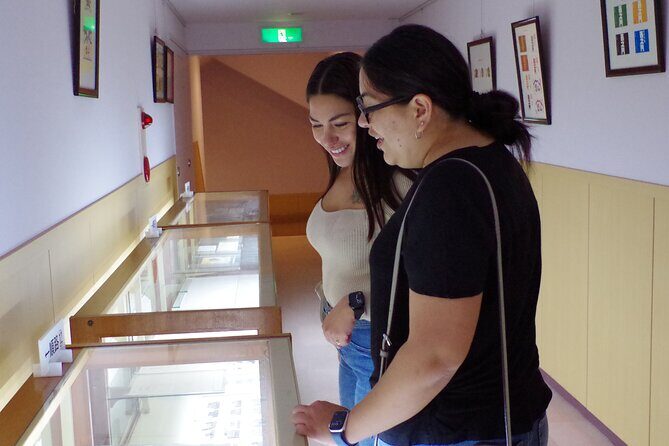
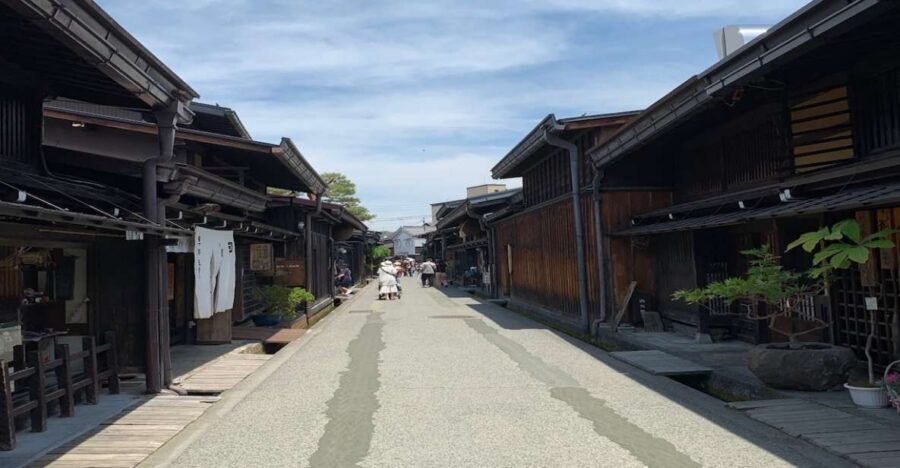
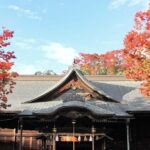
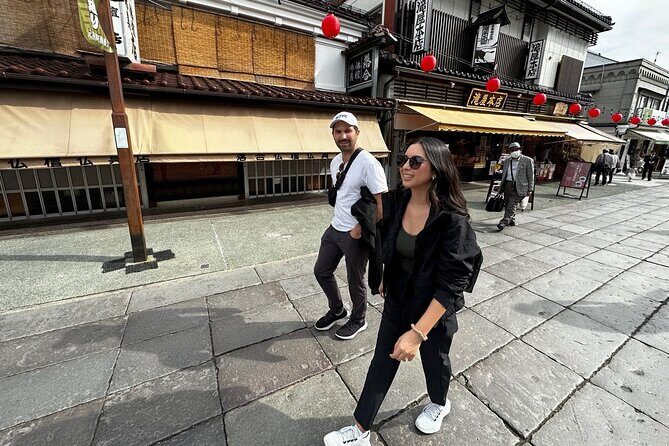
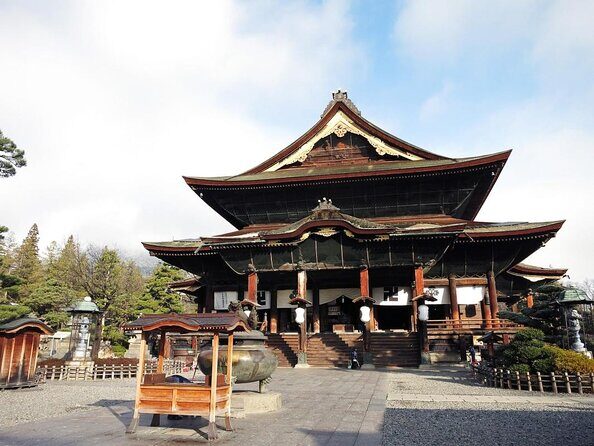
Once you reach Zenko-ji Temple, your guide introduces the temple and also the laid-back shop area around it. The idea isn’t to race through landmark points. It’s to understand how the temple zone connects to everyday Nagano life—visually and socially.
You’ll likely spend around 30 minutes here, which is a sweet spot. Long enough to notice details, short enough that you don’t feel like you’ve booked a marathon.
One smart thing: your guide’s temple talk helps you place what you see while you’re walking through the streets. That matters, because the Zenko-ji area is full of small cues—signs, pathways, shopfronts—and you’ll understand more of it when someone gives you a starting lens.
Other Nagano tours and day trips

Nakamisedori Sake Tasting: The Part You’ll Remember
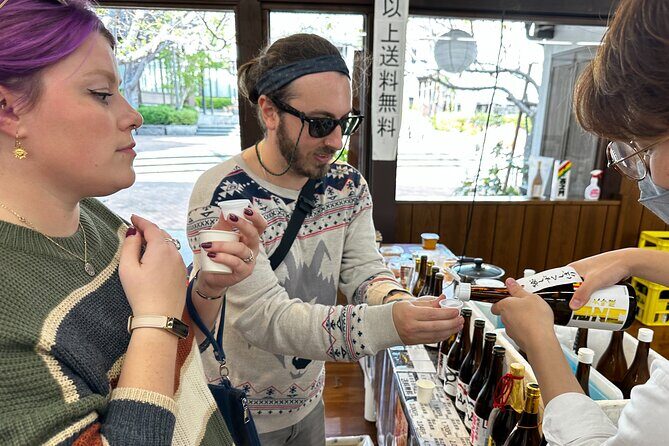
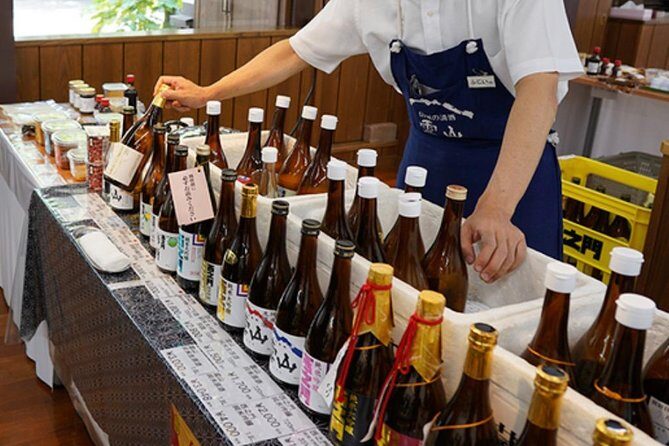
After Zenko-ji, the tour moves into Nakamisedori, where you’ll reach the tasting spot. This is where the experience earns its name: you sample a variety of sakes, and you also get to eat along the way.
Plan on tastings with nibbles like soy source beans and Japanese pickles, plus the chance to have Nagano miso soup. The food isn’t an afterthought. It helps balance sweetness and alcohol, and it keeps you from getting overwhelmed by too many small pours back-to-back.
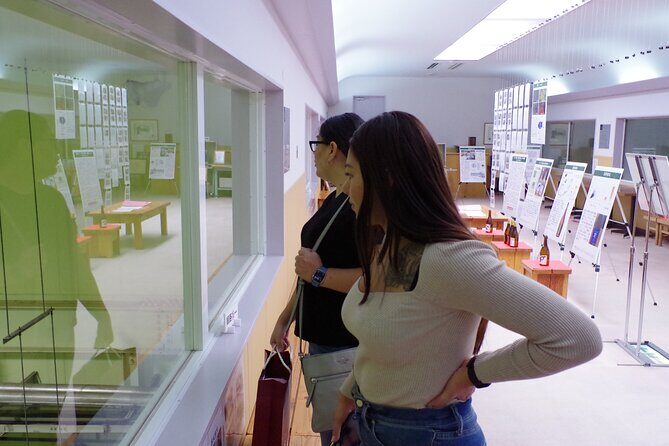
What you’re tasting includes Nagano-focused options like plum wine, and you also compare higher-quality styles like unfiltered, unpasteurized sake. That matters because those production choices can shift aroma and mouthfeel in ways that are easier to notice when you’re tasting multiple examples in sequence.
A small nuance worth knowing: tasting is offered at a place geared for sampling (not a single ongoing production line). That’s still valuable—especially if your goal is to compare flavors—but it changes the vibe. One negative comment that matches what’s built into the experience is that it can feel more like a warehouse-style setting than a classic brewery tour.
So if you want walls of stainless steel and nonstop brewing action, you might be happier pairing this with a separate brewery visit. If you want taste comparisons and local context, this part of the tour is the star.
The Old Sake Factory Stop and Why It Still Matters
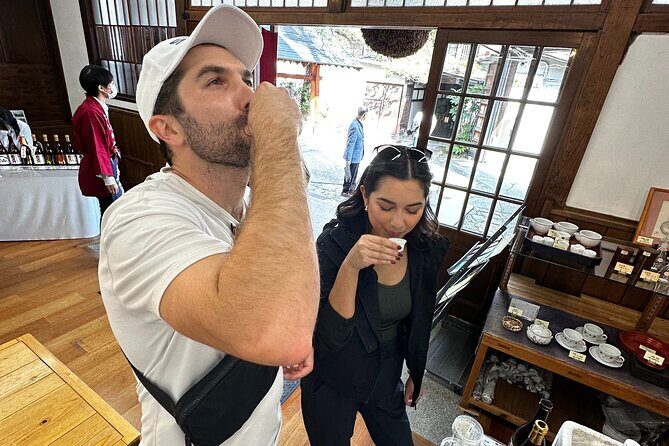
The walk continues with a visit to an old sake factory. This isn’t the factory running today. It’s an older structure built over 120 years ago, and it’s admission free to visit.
Even if it’s not in active use, it adds texture to the tasting. You can connect the idea of “how sake used to be made” to what you’re sampling now. That’s one of the reasons this tour doesn’t feel purely transactional: it gives you a physical anchor for the history you’re hearing.
It also gives you a break from tasting so your palate can reset before you head back.
Expect this part to be brief—around 15 minutes—so it stays focused rather than turning into a long museum stop.
Drinks for Everyone: Amazake and the Alcohol Age Rule
Sake tours can be tricky if you’re traveling with someone who doesn’t drink alcohol. Here, that’s handled in a straightforward way: the minimum alcohol drinking age is 20, and the tour offers another drink for under 20.
Even better, you get three different amazake tastings. Amazake is a sweet, non-alcoholic drink, so it gives you a taste track that’s not tied only to alcohol. For anyone who doesn’t want the sake ladder, amazake becomes a whole second lesson in flavor.
This mix is also useful for you if you want to pace yourself. You can alternate alcoholic and non-alcoholic drinks, and you’ll probably find it makes the overall experience more comfortable and fun.
How the Tour Feels: Pace, Group Size, and Your Chance to Ask
The tour runs about 2 hours total and caps at 15 travelers, which is a real factor. With a small group, your guide can actually answer questions without rushing you.
You’ll also get English-speaking guidance, and the tour format is built to keep you moving. The plan includes time for the Zenko-ji area, the tasting window, and the old factory stop—then you return to Nagano Station (about 20 minutes on foot).
Walking shoes are recommended, and the tour calls for moderate physical fitness. Translation: you should be comfortable on city sidewalks for short stretches, not training for a hike.
Is It Good Value at $64.57?
At $64.57 per person, the price isn’t low, but it also doesn’t look like you’re paying mainly for a stroll. You’re paying for a guided route, plus multiple taste items that would cost real money if you ordered them separately.
Here’s what you’re getting that supports the value:
- More than five local sakes (including plum wine)
- Three amazake tastings
- Miso soup
- Nibbles like soy source beans and Japanese pickles
- A guided visit through the Zenko-ji area and an old factory stop
If you love food and drink experiences where someone helps you notice differences, this price starts to make sense. If your plan is mainly sightseeing and you’re not interested in tastings, you may feel the cost more sharply.
For most people who like to eat and drink thoughtfully, though, this is one of those “single ticket, multiple parts” tours that saves you time and decision-making.
Who This Tour Is Best For
This is a great pick if you:
- Want a quick, focused way to understand sake without a full-day commitment
- Like pairing food with drinks (miso soup, pickles, beans)
- Enjoy walking through a temple area and small local shops
- Prefer a small group with an English-speaking guide
It’s also a solid fit for couples and solo travelers. Reviews include guides like Kazumi, Masa, and Masashi, and the common thread is that the guides bring both sake and local culture into the walk. That’s the kind of guidance that makes a short tour feel longer in the best way.
A Balanced Watch-Out: What It’s Not
I’d call out one thing clearly: if your fantasy is a classic, working brewery tour with a lot of behind-the-barrel production time, this isn’t built that way. The old sake factory is not used now, and the tasting portion happens in a tasting-focused setting.
So think of this as a flavor comparison + local context tour. You’ll come away with a better palate and a better sense of Nagano’s food-and-drink culture—but you might not come away with the exact industrial-brewery visuals you expected.
Should You Book the Nagano Sake Tasting Walking Tour?
You should book it if your goal is a well-paced Nagano experience where sake is paired with real local foods and a temple-area walk. The big wins—multiple sakes (including unfiltered, unpasteurized styles), amazake, miso soup, and small bites—add up to more than a simple tasting session.
Skip it (or pair it) if you’re chasing only one specific thing: a full working brewery production tour. In that case, you might feel that the setting is more sampling-focused than factory-focused.
If you want a short, easy plan that helps you taste Nagano in a way you can remember, this tour is a strong choice.
FAQ
What is the duration of the Nagano Sake Tasting Walking Tour?
The tour lasts about 2 hours.
Where do I meet the guide?
Meet at Starbucks Coffee – MIDORI Nagano at 1-chōme-22-6 Minamichitose, Nagano, 380-8543, Japan.
How long is the walking portion to Zenko-ji?
The walk from Nagano Station to Zenko-ji takes about 20 minutes.
How many sakes and other drinks will I try?
You’ll taste more than 5 local sakes, plus three different amazake (sweet non-alcoholic drink).
Can I drink if I am under 20 years old?
The minimum alcohol drinking age is 20. If you are under 20, you’ll be offered another drink.
Will I also eat something during the tour?
Yes. You can have Nagano miso soup and nibbles like soy source beans, along with Japanese pickles.
Is the old sake factory visit free?
Yes. The old sake factory visit has free admission, and the factory is built over 120 years ago.
How big is the group?
The tour has a maximum of 15 travelers.
Is the tour walking-friendly?
It’s recommended to have moderate physical fitness, and walking shoes are recommended.