Takayama feels like time travel on foot. This private walking tour in Hida-Takayama mixes historic sights with everyday local life, and the best part is the licensed local guide—the kind who can explain what you’re seeing and still move at a pace you can handle. I especially like how the route can be tailored, and how the stops line up with real Takayama texture: Sanmachi Street, markets, temples, and festival landmarks.
What makes it work is that you’re not just collecting photos. You’ll spend time in places that explain the city’s power and faith, like the Takayama Jinya government office site and the museum-style houses at Hida Folk Village. One thing to consider: entrance fees and food aren’t included, so you’ll want a little budget set aside for tickets and meals.
In This Review
- Key Things to Know Before You Go
- Takayama On Foot: Why a Private Guide Changes Everything
- 4–6 Hours That You Can Shape: Timing, Walking Pace, and Focus
- Sanmachi Street and Edo-Era Streets That Still Feel Alive
- Morning Market Time: Miyagawa Market and Jinya-mae Market
- Takayama Jinya: Where Edo-Era Administration Meets Today
- Hida Folk Village: Walking Through More Than 30 Traditional Houses
- Kokubunji Temple and the 1820 Pagoda: A Two-Photo Temple Stop
- Festival Floats and Shrines: Yatai Kaikan in Real Context
- Kusakabe Folk Museum: Meiji-Era Built in Edo Style
- Price and What $119 Buys You (and What It Doesn’t)
- Who This Tour Suits Best in Takayama
- Should You Book This Takayama Private Walking Tour?
- FAQ
- Is this tour private or shared?
- How long is the Takayama private walking tour?
- What languages are the guides available in?
- What’s included, and what’s not?
- Can the itinerary be customized?
- When will I know the guide is confirmed?
Key Things to Know Before You Go
- Private guide, real pacing: you can slow down, speed up, or swap stops based on what you care about most
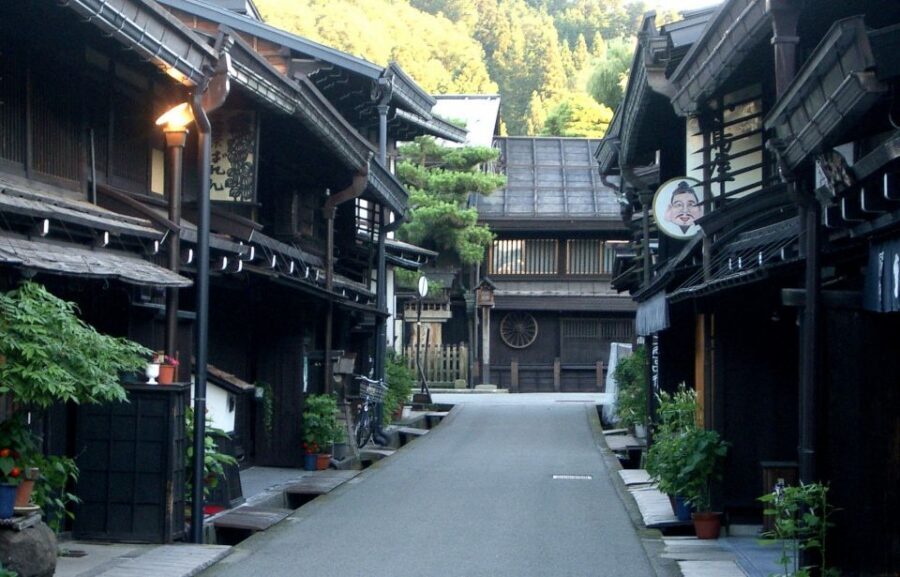
- Edo-period Takayama atmosphere: Sanmachi Street’s old houses and shopfronts set the tone fast
- Markets with timing built in: Miyagawa Morning Market runs daily, and winter starts later
- Festival culture in physical form: float exhibits and shrine stops connect to spring and autumn Takayama Festival
- Temple landmarks you’ll remember: the three-storied pagoda and the huge ginkgo tree are unforgettable
- Value depends on your choices: if you plan to pay for tickets and a sit-down lunch, the guide’s guidance pays off
Takayama On Foot: Why a Private Guide Changes Everything
Takayama is one of those towns where self-guided walking can be lovely, but a guide makes it sharper. A local can point out what matters—why a building looks the way it does, what a festival float represents, and which details you’d miss if you’re only scanning for the biggest photo.
This tour is private, so you’re not stuck with a group tempo. Guides named Lily, Annie, Mitsu, and Yoko (among others) stand out in the way they build the day around your interests—especially if your focus is temples, local life, or craft-and-history stops. English support is built in (you can also find Japanese), so you’re not left decoding everything alone.
Also, Takayama sits in Gifu Prefecture, which means you get a steady backdrop of mountain scenery as you move around town. Even if the day is mainly cultural, the setting helps keep it feeling less like a museum checklist and more like a real place.
Other Takayama walking tours and old-town experiences
4–6 Hours That You Can Shape: Timing, Walking Pace, and Focus
The tour runs 4 to 6 hours, which is a sweet spot in Takayama. It’s enough time to cover old streets and at least a couple of major museums/temples, but not so long that you’ll feel dragged from stop to stop.
Because it’s customizable, you can aim for:
- more history and architecture (Jinya, folk museums, temples)
- more everyday Takayama (morning market time + street atmosphere)
- more festival culture (float hall and shrine connections)
In practice, your guide will help you pick a route that fits the day’s rhythm. If you’re there in the morning, the market stop can become the anchor. If you’re more into monuments and museums, you’ll likely spend longer at the big indoor/outdoor cultural sites.
One practical note: the walk is the point. You’ll want comfortable shoes, and you’ll get the most out of the day if you’re ready to slow down and actually look.
Sanmachi Street and Edo-Era Streets That Still Feel Alive
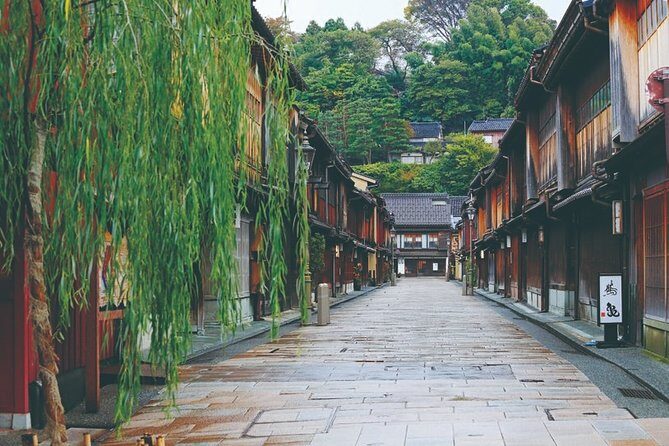
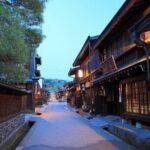
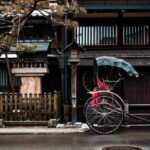
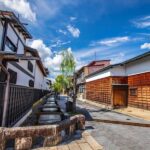
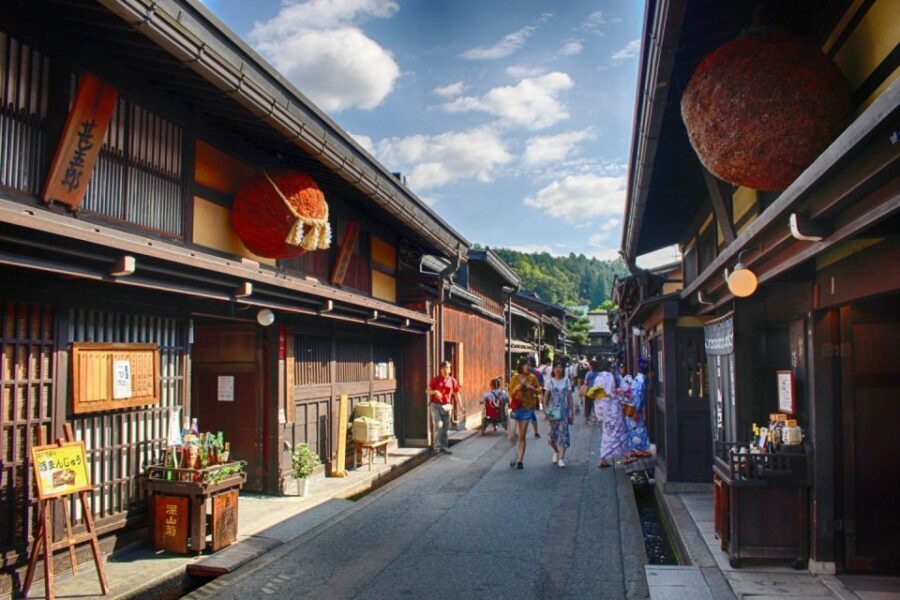
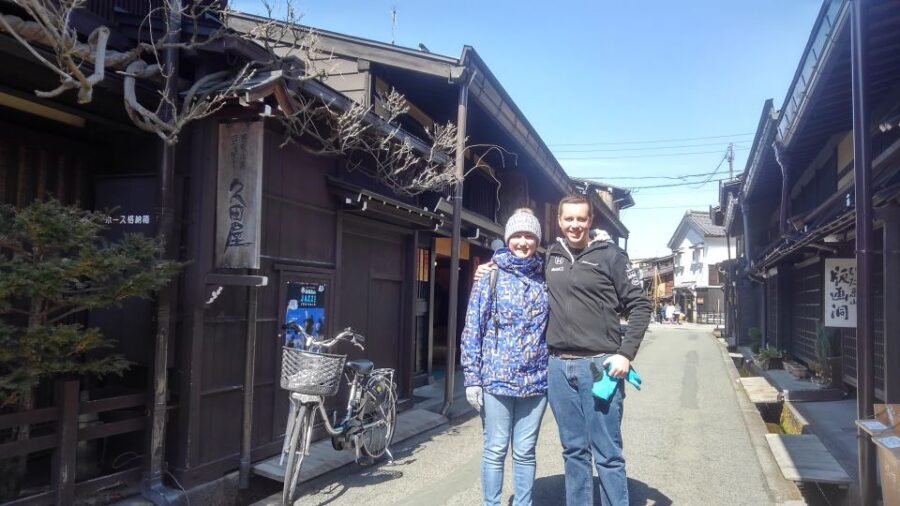
Sanmachi Street is where Takayama starts speaking to you. You’ll see houses and shopfronts dating to the Edo period (1603–1868), and the area has the kind of lively old-town feel that only happens when people are still using the space the way it’s meant to be used.
This is more than a pretty stroll. The buildings help you understand Takayama’s role as a merchant and craft center. When you’re standing in front of these restored or preserved structures, it’s easier to grasp why certain trades developed, and why the city’s cultural identity is so tied to local craftsmanship.
What I like: Sanmachi Street works even if you’re not a museum person. You get context just by moving through the lanes—signs, shop displays, and the way the street holds crowds in the same space for generations.
Tip for your day: if you want souvenirs or snacks, let your guide know early. Guides can steer you toward places that match your interests rather than sending you to the most obvious shop.
Morning Market Time: Miyagawa Market and Jinya-mae Market
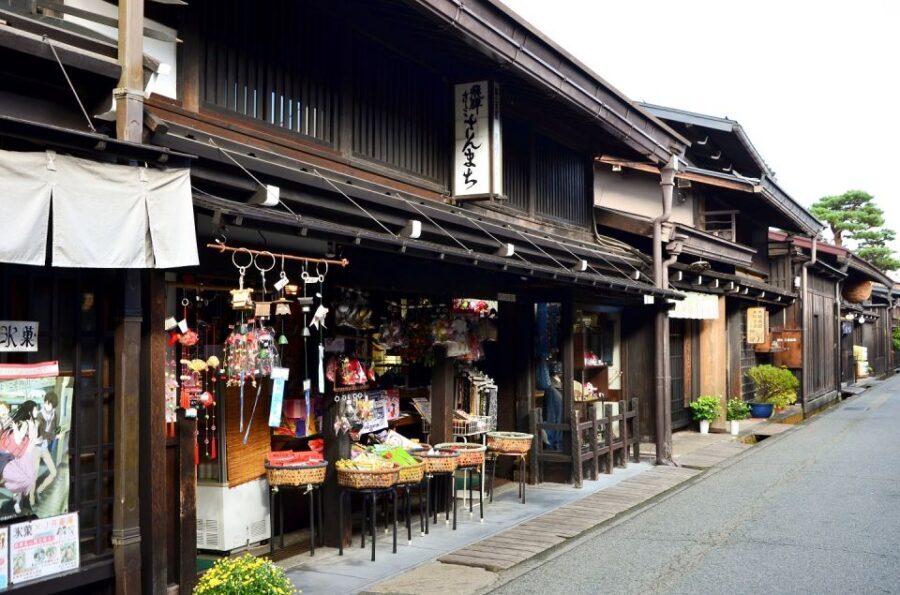
If you can manage a morning start, Takayama’s Miyagawa Hida-Takayama Morning Market is a highlight for local texture. It runs daily between 7:00 AM and 12:00, with winter timing starting at 8:00 AM. The market sits along the Miyagawa River in the old town area, and it’s set up for browsing: local produce, snacks, and crafts.
There’s also the Jinya-mae Market in front of Takayama Jinya. That’s handy because it lets you combine the feel of a market with a deeper dive into the city’s past-government site without losing time.
What to expect while you’re there:
- a mix of edible treats and small local products
- a chance to see how everyday Takayama life looks in daylight
- easy, low-pressure breaks during your walk
If you’re someone who likes to eat while traveling (not just at dinner), this stop can make the whole tour feel more grounded. And because food and drinks aren’t included, the market is where you’ll naturally spend some money—so you can choose what fits your taste.
Takayama Jinya: Where Edo-Era Administration Meets Today
A major anchor stop is the Takayama Jinya, the local government office run by officials dispatched from Edo (today’s Tokyo). The complex was in official use until 1969, and now it functions as a museum area.
Even if you’re not a paperwork-and-bureaucracy fan, this place helps you understand Takayama as more than a scenic stop. It connects the city to national systems of authority. When you see the layout and scale of the complex, you get a clearer sense of how power and governance shaped daily life.
Because this tour is guided, you’ll likely spend time on explanations rather than just reading signs. That’s the value: a local guide translates what the buildings mean, so the site becomes a story you can follow.
Also, pairing Jinya with nearby market time (Jinya-mae Market) is smart. You’re not moving from one totally different world to another—you’re switching from governance history to the market scene that grew around the same old-town footprint.
Other walking tours we've reviewed in Takayama



Hida Folk Village: Walking Through More Than 30 Traditional Houses
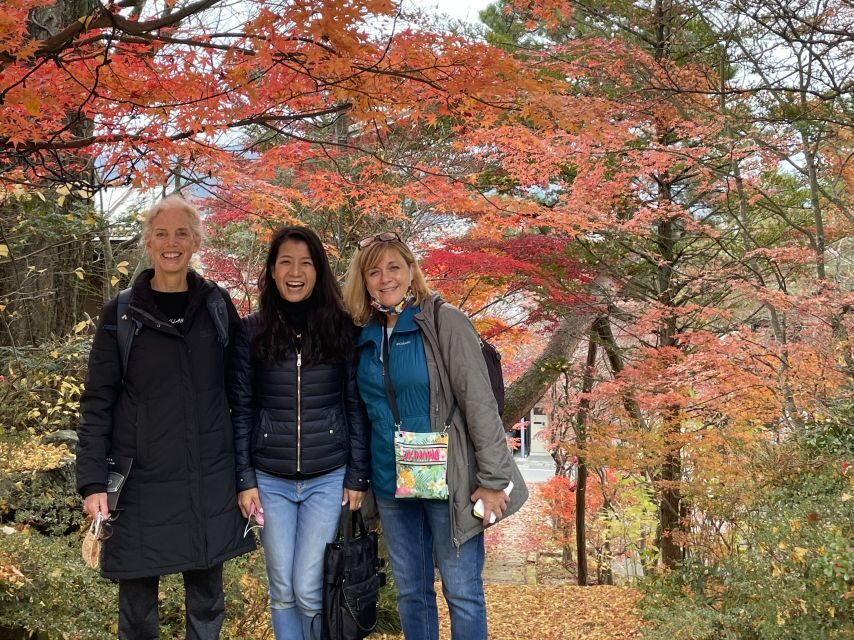
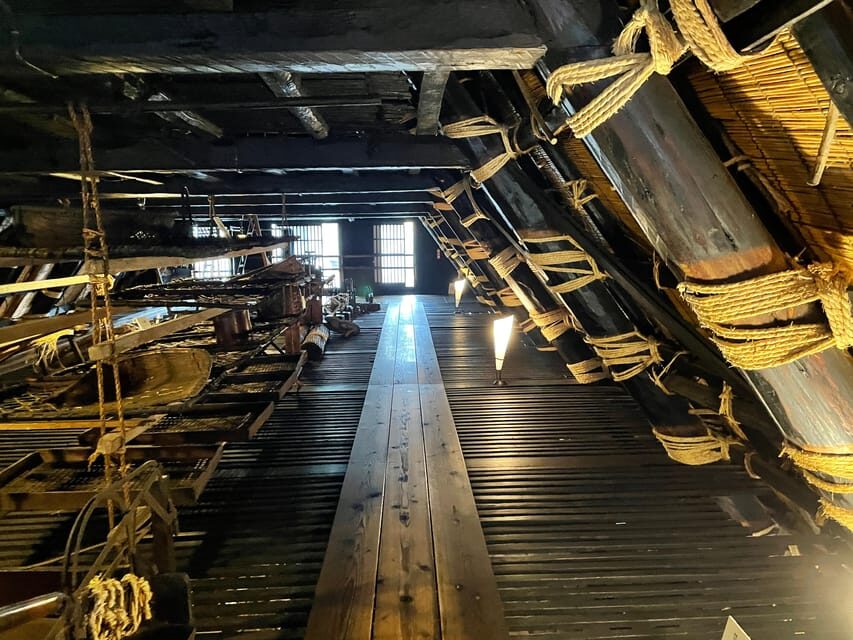
At Hida Folk Village, you’re stepping into an open-air museum with over 30 traditional houses from the Hida region—an area defined by the mountainous parts of Gifu around Takayama. The houses date to the Edo period, and they were relocated to the museum site in 1971.
Why this stop works on a private walking tour: your guide can help you “read” the houses. Instead of treating each building as a standalone postcard, you’ll understand how the structures reflect local life, climate, and regional building style.
A possible drawback: open-air museums take time because you’ll want to look at details. If you’re short on energy, ask your guide to focus your time on the most relevant buildings for your interests (for example, house types or architectural details).
Kokubunji Temple and the 1820 Pagoda: A Two-Photo Temple Stop
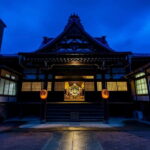
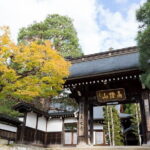
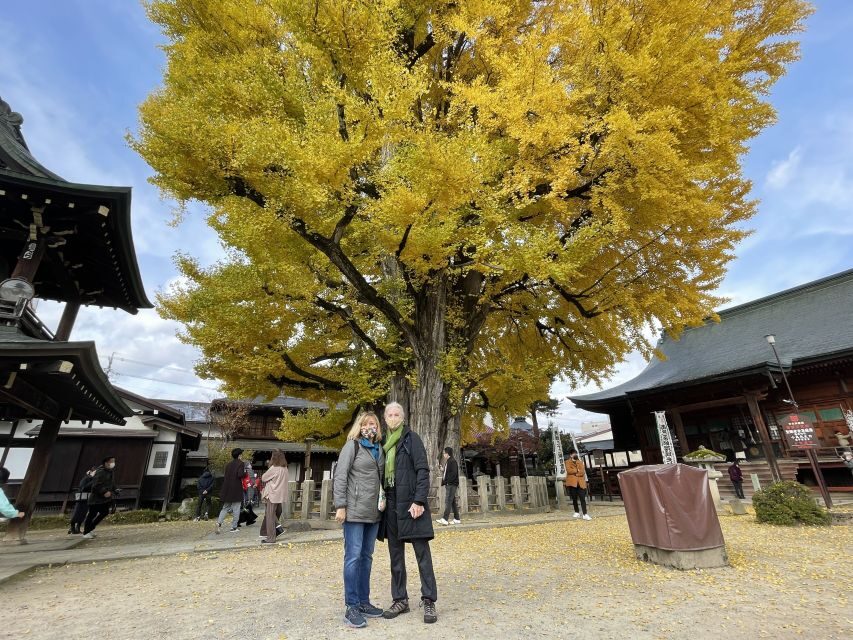
If you’re building a temple-and-art day, Hida Kokubunji Temple is a strong match. The standout is the iconic three-storied pagoda, constructed in 1820. The main building enshrines a Buddhist statue believed to be from the Heian period.
Then there’s the “you’ll stop and stare” moment: the huge gingko tree, estimated to be over 1,260 years old. Even if you’re not a plant person, old trees have a way of making a place feel real and lived-in.
You’ll get the most out of this stop if you allow a little quiet time. Great temples aren’t just about landmarks; they’re about atmosphere. A good guide will help you place the pagoda in context and point out what to notice in the grounds.
Festival Floats and Shrines: Yatai Kaikan in Real Context
Takayama’s festival culture is famous for good reason, and you’ll feel it through the festival-focused sites. The Takayama Festival Floats Exhibition Hall (Yatai Kaikan) shows key aspects of the Takayama Festival, which takes place for two days each spring and autumn. It’s often grouped among Japan’s most beautiful festivals alongside Kyoto’s Gion Matsuri and Chichibu Yomatsuri.
In a guided visit, the float exhibits make more sense. You’re not only looking at wooden structures—you’re learning what they represent and why they matter to the community.
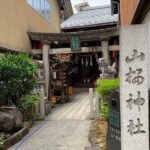
The tour may also connect this theme with Sakurayama Hachimangu Shrine, a key autumn festival venue. Sitting at the shrine, the floats aren’t just artifacts. They’re part of an ongoing tradition, and your guide can help you connect the dots.
If you’re visiting outside festival dates, don’t worry. These exhibition and shrine stops help you understand the festival without requiring you to time your trip perfectly.
Kusakabe Folk Museum: Meiji-Era Built in Edo Style
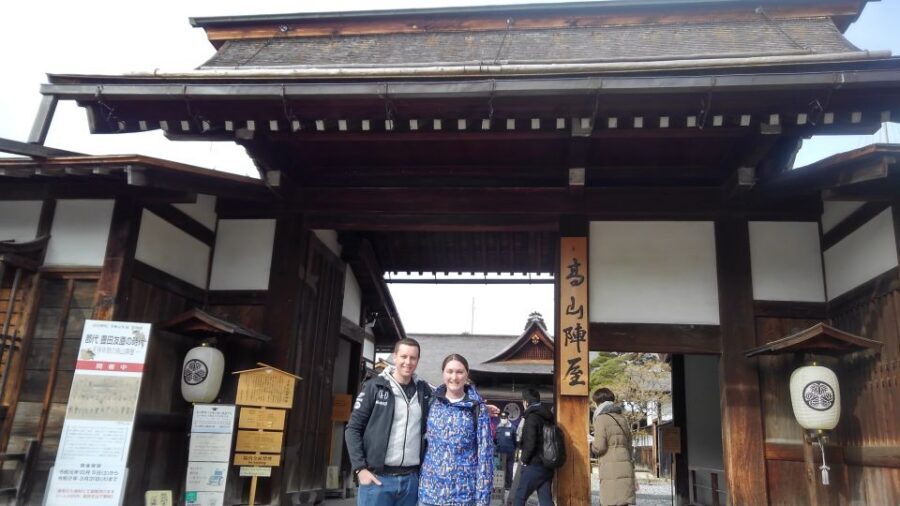
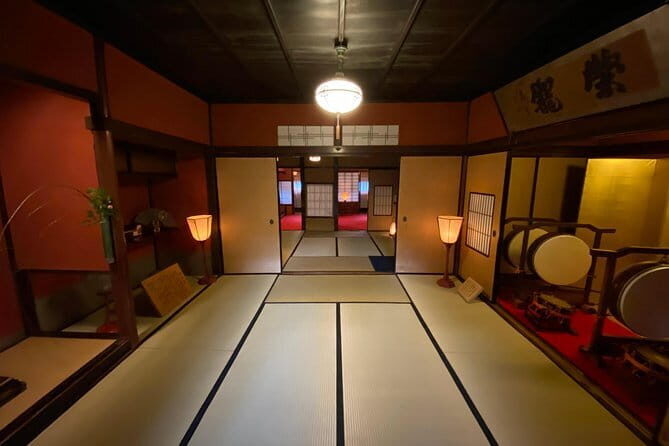
Another memorable museum stop is the Kusakabe Folk Museum, a historic private residence open to the public. It was constructed during the Meiji period but built in an Edo architectural style.
That mix is the point. It shows how Japanese building and cultural identity didn’t just flip from old to new overnight. You get a house that carries both time periods in its design approach, which is exactly the kind of nuance I love in Takayama.
The building is designated as an important cultural property of Japan, which signals that you’re not just looking at something old—you’re seeing something officially valued for its cultural significance.
Price and What $119 Buys You (and What It Doesn’t)
At $119 per person for a 4–6 hour private walking tour, you’re paying for the big advantage: a licensed local guide who can customize your day and explain what you’re looking at. Entrance tickets, food, and local transport during the tour are not included, so the final cost depends on your choices.
Here’s the value math that makes sense in Takayama:
- If you plan to visit multiple temples/museums, a guide helps you spend time efficiently and understand context, not just wait and read.
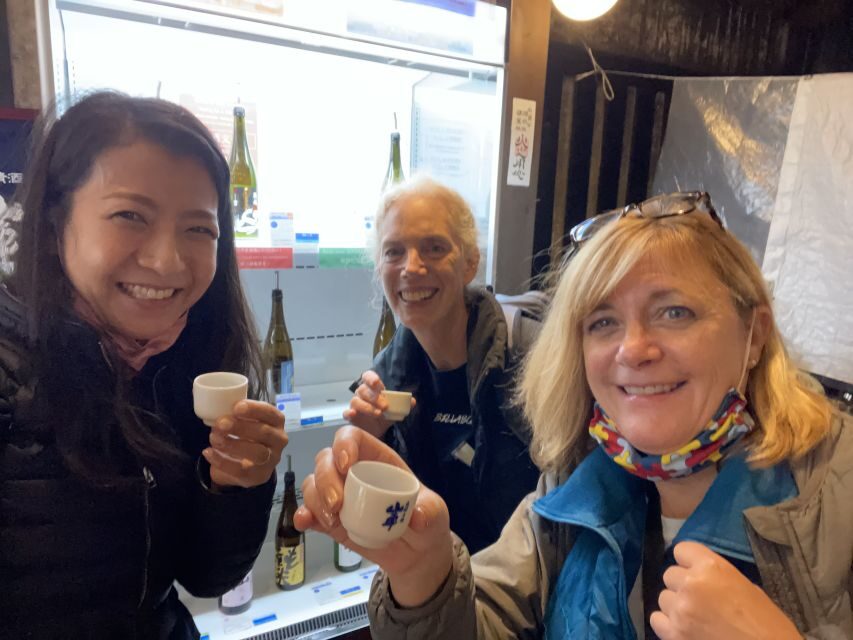
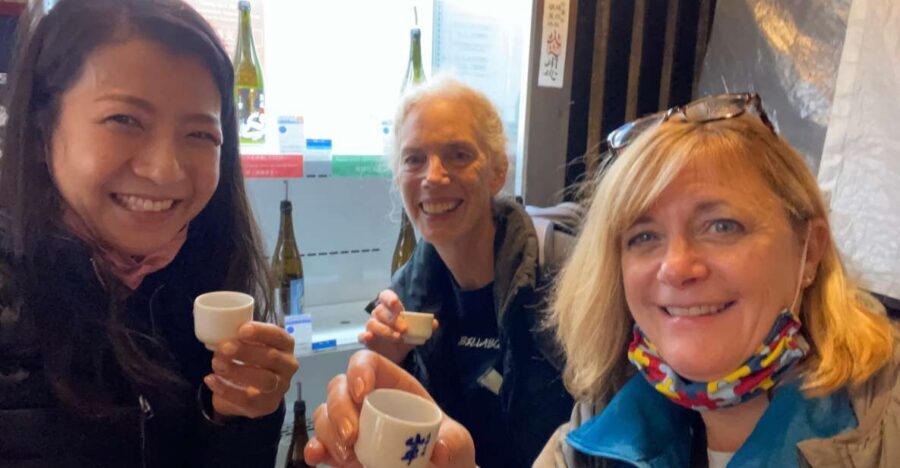
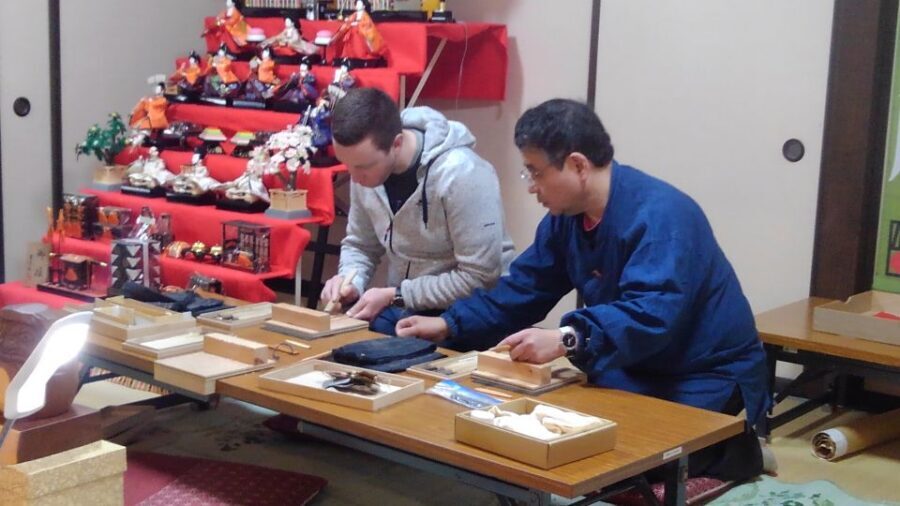
- If you care about food, your guide can often steer you toward a solid local lunch. For example, one guide (Annie) took people for Hida beef lunch, and another (Stephen’s group) also mentioned sake tasting and green tea tasting. These are the kinds of add-ons that can make a guided day feel worth it even when meals aren’t included.
- Because it’s private, you don’t lose time negotiating where to go next. Your guide makes the order of stops workable.
If you’re the type who loves history but also wants to eat well and avoid dead ends, this price can feel very fair. If you already know the sights well and just want to stroll, then you might not use the guide enough to justify the cost.
Who This Tour Suits Best in Takayama
This is a great fit if:
- you want a high-context day (history, architecture, temple culture)
- you’re short on time but want more than the obvious streets
- you enjoy getting local food suggestions during your walking day
- you value flexibility and want the route shaped to your preferences
It can also work well for people who already did some morning exploring. One guide tailoring an afternoon tour is a good sign that you won’t feel forced into a rigid route if you tell your guide what you’ve seen already.
Should You Book This Takayama Private Walking Tour?
I’d book it if you want Takayama to feel understandable, not just photogenic. The private guide element is the real engine here—customizable route, strong focus on sites like Takayama Jinya, Hida Folk Village, the festival float hall, and Kokubunji Temple, plus guides who can translate what you’re seeing into something you’ll remember.
Skip it (or rethink) if you’re mostly after free-form wandering and you’re comfortable reading signs and maps yourself. In that case, you might still enjoy Takayama, but you’ll miss the value of having someone direct your attention.
FAQ
Is this tour private or shared?
It’s a private group tour, with a licensed local guide.
How long is the Takayama private walking tour?
The duration is 4 to 6 hours.
What languages are the guides available in?
Guides are available in English and Japanese.
What’s included, and what’s not?
Included is the guided tour with a licensed local guide. Not included are food and drinks, entrance fees, and transportation to/from the meeting point, plus any public/private transportation fees during the tour.
Can the itinerary be customized?
Yes. The tour can be customized based on your personal interests and preferences.
When will I know the guide is confirmed?
The tour is not confirmed until the guide contacts you. Most guides will contact you within 7 days, and updates continue until 24 hours before the tour if needed.