Takayama old town comes alive fast. This 70-minute walking tour has you moving through the streets locals still use, guided by an English-speaking guide who adds story and context as you go. I love how it keeps things focused (no long detours), and I also like the built-in photo-and-history stops. One thing to consider: part of the experience is exterior viewing, and some optional food fun takes extra time.
You’ll start right in the old-street area and hit the key landmarks at a comfortable pace. If you want the takoyaki making / food sample add-on, you’ll need extra time (about +30 minutes). And if weather or timing means shops are closed, you’ll still get the history and sights, since this is really a streets-and-sites walk.
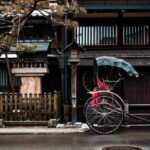
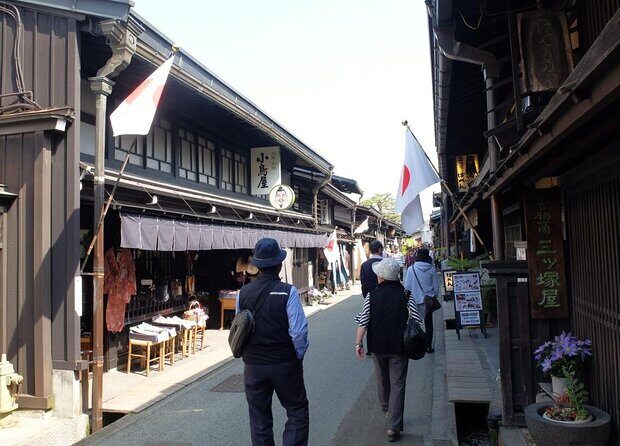
The route lines up classic Takayama moments: the old streets around Kamisannomachi and Sanmachi Suji, the famous bridge photo stop, a look at the old government office, then a shrine and a temple with a big ginkgo tree and a triple tower. It’s short. But it’s the right kind of short for getting your bearings without killing your day.
In This Review
- Key things to know before you go
- How a 70-minute old-town walk helps you get your bearings
- Meeting at Kamininomachi and walking the classic old-street core
- Nakabashi Bridge: the quick photo stop with real context
- Takayama Jinya: the old-style government office you can’t miss outside
- Yamazakura Shrine: craftspeople, faith, and Japanese religious practice
- Hida Kokubun-ji Temple: the big ginkgo tree and the triple tower
- Sanmachi Suji to the finish: how the last old street lands
- Optional takoyaki sampling: fun, but budget time if you say yes
- Price and value: what $57.33 actually buys you
- Rain, timing, and shop hours: how to stay flexible
- Who this Takayama old-town tour is best for
- Should you book this old-town walking tour?
- FAQ
- How long is the Takayama old-town walking tour?
- What is included in the tour price?
- Does the tour include takoyaki making or a food sample?
- Can this walking tour be done in the rain?
- Where do we meet for the tour?
- How large is the group?
- Can I get a full refund if I cancel?
Key things to know before you go
- English local guide who can tailor pace for slower walkers (some groups even go out of their way for it).
- 70 minutes that covers major old-town sights without rushing through everything.
- Free entry stops at all the listed points, so your money stays in your pocket.
- Nakabashi Bridge is the easy photo moment you’ll actually want to stop for.
- Takoyaki sampling is optional and costs extra time if you say yes.
- Rain is not a deal-breaker, so you can keep your plan.
How a 70-minute old-town walk helps you get your bearings
Takayama can feel spread out if you only wander on your own. This tour compresses the “what am I looking at?” part into a tight loop, so the town starts to make sense quickly. You’re not stuck in a marathon either. The tour runs about 1 hour 10 minutes and ends right back at the start.
The group size is kept small, with a maximum of 20 people. That matters because you’ll actually be able to ask questions without feeling like you’re shouting at a bus. You also get a mobile ticket, which is simple on the ground.
If you like a guided start—then a free-roam second half—this is a strong fit. You’ll leave with street names, landmark context, and enough confidence to explore deeper on your own.
Other Takayama walking tours and old-town experiences
Meeting at Kamininomachi and walking the classic old-street core
Your meeting point is 22-2 Kamininomachi, Takayama, Gifu 506-0845. From there, you get right into the old-town atmosphere instead of spending your energy “finding” the interesting area.
Stop 1 is Kamisannomachi. You’ll get a walkthrough of the old-street character and the cultural/history background behind what you see. This is the kind of start that helps you notice details later—like how the street rhythm and architecture connect to the town’s past.
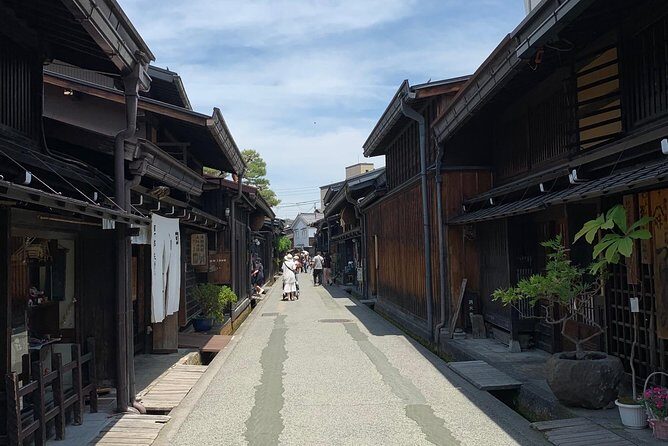
Later, Stop 6 brings you to Sanmachi Suji, another old-street stretch that keeps the vibe going. By the time you reach the last stop, the town feels less like a list of sights and more like a place with logic. That’s the real value of this pacing: you build understanding while walking, not after the fact.
Nakabashi Bridge: the quick photo stop with real context
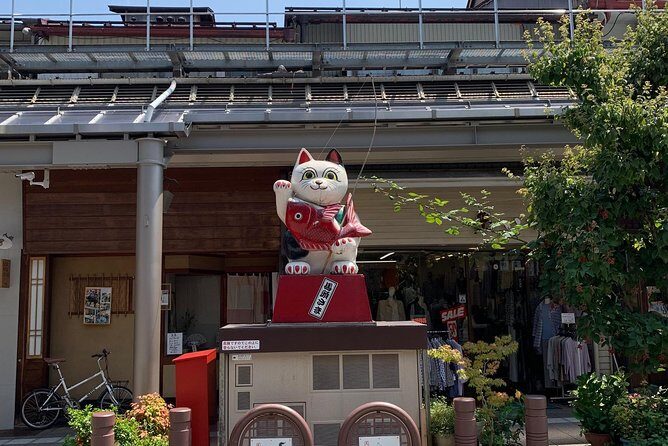
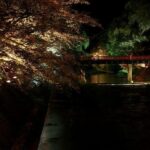
Stop 2 is Nakabashi Bridge, and yes, it’s the moment for a good photo. It’s only about 5 minutes, so you won’t waste half an hour waiting for the perfect light.
The reason this stop works on a tour is not just the picture. Your guide points out what makes this bridge area important to the old-town layout and daily rhythm. Even if you only stay a moment, you’ll know what to look for besides the “postcard angle.”
Practical tip: if you’re bringing a phone camera, check your angle before the group moves on. This one is short by design.
Takayama Jinya: the old-style government office you can’t miss outside

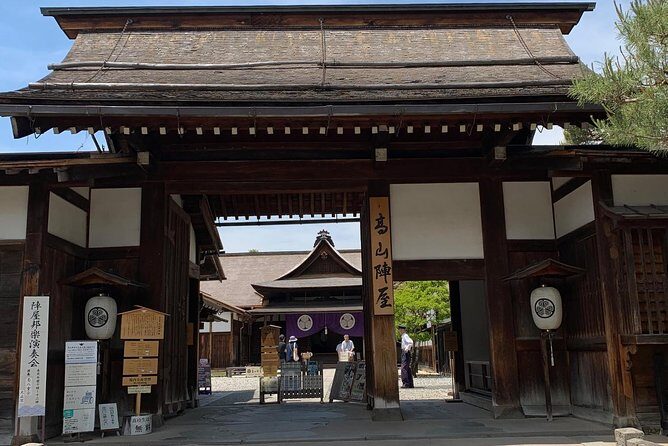
Stop 3 is Takayama Jinya, described as a very special kind of old government office—unique in Japan in this specific form. You’ll see it from the outside, and your guide explains what makes it historically notable.
One key limitation: going inside is possible, but it’s not included in this tour. If you want the full interior experience, you’ll need extra planning time (and possibly extra tickets). So think of this stop as a structured “first look” that helps you decide if you want to dig further later.
Why it’s worth including anyway: it gives you a break from the purely religious/folk-feeling stops and shows how government and community life shaped the town.
Yamazakura Shrine: craftspeople, faith, and Japanese religious practice
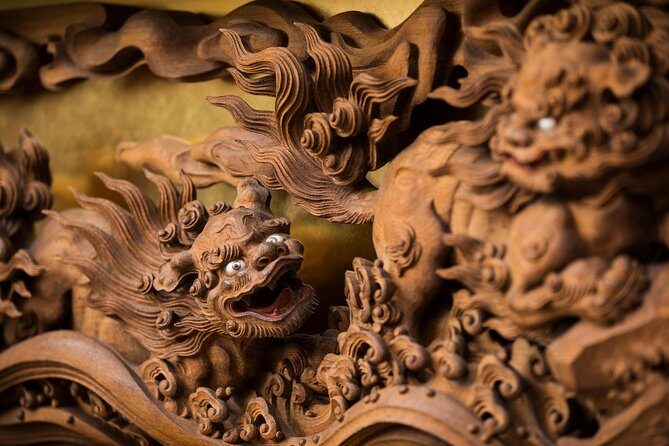
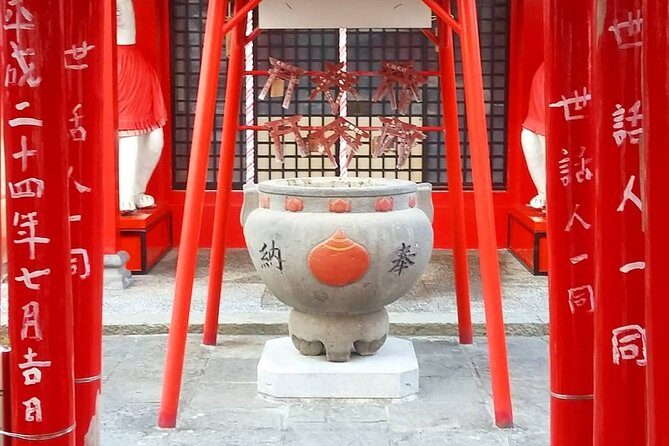
Stop 4 is Yamazakura Shrine, about 10 minutes. This is where you get a cultural layer focused on the people behind traditional skills in the Hida Takayama area. It’s also a stop that connects to Japanese religious practice, so you’re not just seeing buildings—you’re learning how belief shows up in everyday spaces.
A shrine stop can feel like “another shrine” if you’re rushing. Here, the guide frames what you’re looking at, so the time feels purposeful. If you’re the type who reads signs slowly and asks questions, this is a good match.
If you’re not into religious sites, don’t panic. You’ll still come away with an understanding of local craft traditions and how they connect to community identity.
Other walking tours we've reviewed in Takayama


Hida Kokubun-ji Temple: the big ginkgo tree and the triple tower
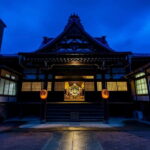
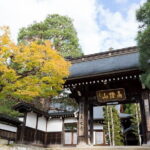
Stop 5 is Hida Kokubun-ji Temple, about 15 minutes—the longest stop on the list besides the old streets. You’ll see a big ginkgo tree, plus a lot of story tied to that tree. You also get the chance to see a triple tower at the temple complex.
This is the stop where the tour becomes more than quick sightseeing. The guide’s storytelling turns the physical features—tree, buildings, tower—into something you can remember. It’s a temple visit that leans into interpretation rather than just pointing.
A practical downside to note: fifteen minutes can go fast if you want every photo and every explanation. If you want extra time here, it’s smart to let your guide know early. Some tours can adjust pace, and at least one guide experience you’ll read about included tailoring to a slower walk.
Sanmachi Suji to the finish: how the last old street lands
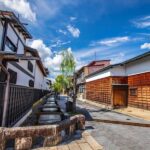
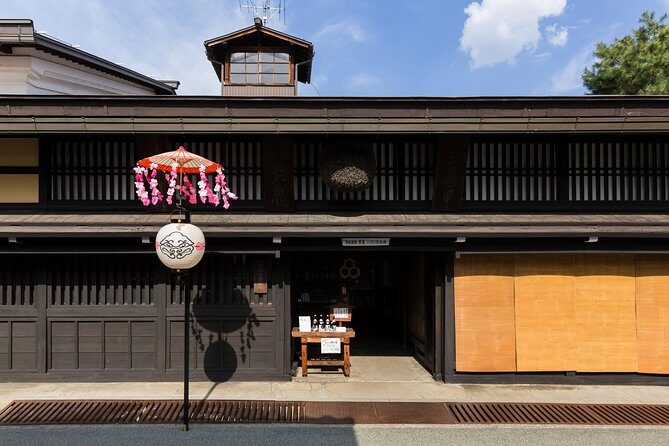
Stop 6 at Sanmachi Suji wraps the experience with another old-town street view. This is where you can slow down for photos because the tour is almost done and the “walk momentum” has settled.
Even though the stop is about 10 minutes, it’s often the part where you start noticing the smaller details: street angles, storefront shapes, and how the area feels lived-in rather than staged. That’s a big reason I like ending on a street rather than a single landmark. You leave feeling like you can return to the area later and navigate it with confidence.
Optional takoyaki sampling: fun, but budget time if you say yes
The tour includes a takoyaki making fee as part of a possible food sample, but it only happens if you request it. The key point is simple: if you don’t ask, the guide won’t do it.
If you want the hands-on feel (or just the chance to sample in a more involved way), plan for extra time—about +30 minutes. That’s not huge, but it can change your rest-of-day schedule in Takayama if you’re trying to fit in other tours.
My advice: if food is a priority, ask at the start. That way you’re not guessing later with a timing crunch. If food is secondary, you can still enjoy the cultural stops without adding any schedule pressure.
Price and value: what $57.33 actually buys you
At $57.33 per person for about 70 minutes, you’re paying for an English-speaking guide plus the structure to connect sights to meaning. The stops listed all have free admission tickets, so a lot of your cost goes toward expert interpretation rather than fees.
The value becomes clearer when you look at what’s included:
- English guide throughout
- Guided stops at the core old-town landmarks
- Free entry at the scheduled points
What’s not included is anything beyond that (so think of it as “guided sightseeing with optional add-ons,” not a full food tour). If you’re already planning to spend time wandering old streets anyway, a guide can save you the guesswork—and that often makes a short tour worth it.
Rain, timing, and shop hours: how to stay flexible
This tour can run in rain. That’s a practical win in Japan, where weather shifts can be sudden. Since the route relies heavily on street views and outdoor landmarks, you’ll still get the main experience even if the skies don’t cooperate.
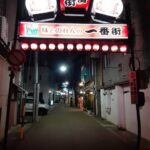
Timing matters a little. One guide experience described the tour happening after dark, and that meant many shops were closed. Even if your tour isn’t at night, it’s smart to remember: the old streets are great both day and evening, but shop access depends on the time.
What to wear: bring a light rain layer and shoes you trust on uneven sidewalk areas. You’ll be walking, stopping, and moving on quickly.
Who this Takayama old-town tour is best for
This works especially well if you:
- want history and culture explained without a big time commitment
- like photo stops with guidance on what matters
- prefer a local voice over reading everything on your own
It also helps if your group pace is slower. At least one experience included a guide adjusting to a slow pace, which is a strong sign that the tour isn’t rigid.
If you only want the biggest modern attractions or you hate walking, this may feel too old-school. But if you’re here for Takayama’s identity—the old streets, shrines, and temple storytelling—this is a clean match.
Should you book this old-town walking tour?
If you have one half-day (or even just a single window) and you want to understand Takayama fast, I’d book it. The combination of major old-town stops, free entry, and a real human guide makes the time feel efficient. You also get an optional food element if you want it, without forcing it on you.
Skip it only if you’re the type who hates guided routes or you’re looking for a long, ticket-heavy day. This isn’t built like a huge “see everything” plan. It’s built like a smart introduction to the old parts of town, so you can explore confidently afterward.
FAQ
How long is the Takayama old-town walking tour?
It runs for about 1 hour 10 minutes (approx.).
What is included in the tour price?
The tour includes an English guide. The listed stops have free admission tickets.
Does the tour include takoyaki making or a food sample?
Food sampling is not automatic. The tour can include a takoyaki making fee and sample if you request it, and it requires extra time of about +30 minutes.
Can this walking tour be done in the rain?
Yes. The tour can be done even if it’s raining.
Where do we meet for the tour?
The meeting point is 22-2 Kamininomachi, Takayama, Gifu 506-0845, Japan.
How large is the group?
The tour has a maximum of 20 travelers.
Can I get a full refund if I cancel?
Yes, you can get a full refund if you cancel up to 24 hours in advance. If you cancel less than 24 hours before the start time, you won’t receive a refund.