Soba and ninjas in the same forest day. This 1-day Togakushi tour mixes hands-on soba making with puzzle time at the Ninja Trick House, all wrapped in a walk through Shinto shrine country just outside Nagano. What I like most is that it’s not just photo stops: you learn, you taste, and you solve.
The one thing to plan for is effort. You’ll do a lot of walking on uneven forest paths, and it’s often cooler in Togakushi than in Nagano City, even in summer.
In This Review
- Key Highlights You’ll Actually Feel in This Togakushi Day
- The Day Starts at Nagano Station (and How the Schedule Stays Smooth)
- Tonkururin Soba Workshop: Make Buckwheat Noodles, Then Eat Them Warm
- Chusha Shrine Stop: A Quick Reset Before the Ninja Fun
- Togakushi Ninja Museum: Guided History, Then Solve Your Way Through the Trick House
- Zuishimon Gate and the Giant Cedar Avenue Walk (What You’ll See and What You’ll Skip)
- Value Check: Why $166.85 Can Be Fair for What You Get
- Walking in Togakushi: Shoes, Weather, and How to Stay Comfortable
- Who This Togakushi Tour Fits Best (and Who Might Want to Pass)
- Should You Book This Soba and Ninja Day in Togakushi?
- FAQ
- Where do I meet the guide for this Togakushi tour?
- What time does the tour start and end?
- How long is the tour?
- Is lunch included, and what do I eat?
- Do I need to pay for the Ninja Museum ticket separately?
- What’s the cancellation window?
Key Highlights You’ll Actually Feel in This Togakushi Day
- Handmade soba lunch at Tonkururin: you make it, then you eat it right there
- Ninja Trick House puzzle time: a maze-style challenge that’s fun for adults and kids
- Shinto context on the trail: myths and sacred forest details from your English-speaking guide
- Cedar avenue walking at Zuishimon Gate: the classic Togakushi walk, with time built in
- All-in transport and key entry fees: guide + rides + museum admission are covered
- Small group size (max 20): easier to hear explanations and keep the day moving
The Day Starts at Nagano Station (and How the Schedule Stays Smooth)
You’ll meet your English-speaking guide inside Nagano Station. The guidance is to arrive early, with the guide waiting in front of the Information Board and the video monitors, directly across from the Shinkansen gates. Expect a start around 9:15am, with the experience listed as starting at 9:30am—so I’d treat 9:15 as your real target.
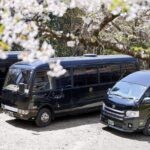
From there, you travel by public bus between Togakushi and the different stops. The tour is built to break walking into manageable blocks, which matters because the forest paths can be uneven even when they look well maintained.
The full day runs about 8 hours 15 minutes and ends back at Nagano Station around 5:30pm. If you hate rushing, this schedule feels more relaxed than the typical “three train lines and a sprint” style of day trip.
If you're still narrowing it down, here are other tours in Nagano we've reviewed.


Tonkururin Soba Workshop: Make Buckwheat Noodles, Then Eat Them Warm
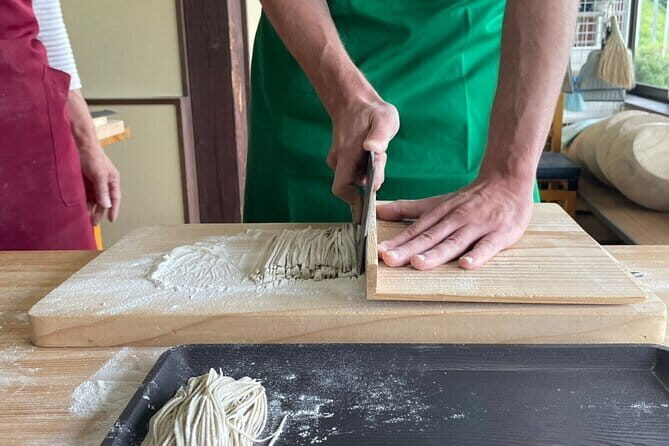
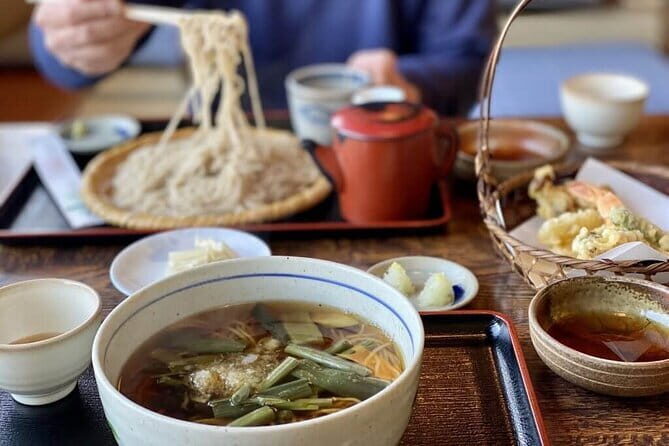
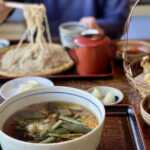
Your first major stop is Tonkururin. This is where your soba making starts from scratch, with help from the guide and expert soba artisans at the museum’s restaurant setup.
A strong detail here is timing: you get about 2 hours for the workshop and lunch. That’s enough time to learn the basics, not just watch someone else do the work. And the payoff is immediate: your lunch includes the noodles you made, served inside the museum seating area.
Soba in Japan is more than a dish—it’s a technique, and the tour leans into that. You’ll be in a proper learning moment rather than a quick tasting. If you like food experiences that actually teach you something, this is the centerpiece.
Practical tip: wear shoes you can stand and walk in for a while. You’ll likely move between station areas, workshop spaces, and meal seating.
Chusha Shrine Stop: A Quick Reset Before the Ninja Fun
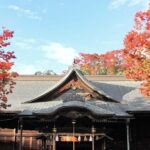
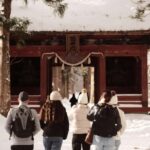
Before the Ninja Museum, you’ll stop at the Togakushi Chusha Shrine. This part is shorter—around 30 minutes—and it’s labeled as free-entry on the itinerary.
I like this stop because it changes the pace. One moment you’re focused on dough and buckwheat, and the next you’re back in the sacred atmosphere of Togakushi’s forest world. Your guide also uses this time to connect the area to broader creation-myth ideas and Shinto practice tied to the mountains.
Don’t expect this to be a long shrine meditation session. It’s a nice breather and orientation moment before the museum, and it helps you understand why Togakushi’s myths are such a big part of the day.
Togakushi Ninja Museum: Guided History, Then Solve Your Way Through the Trick House
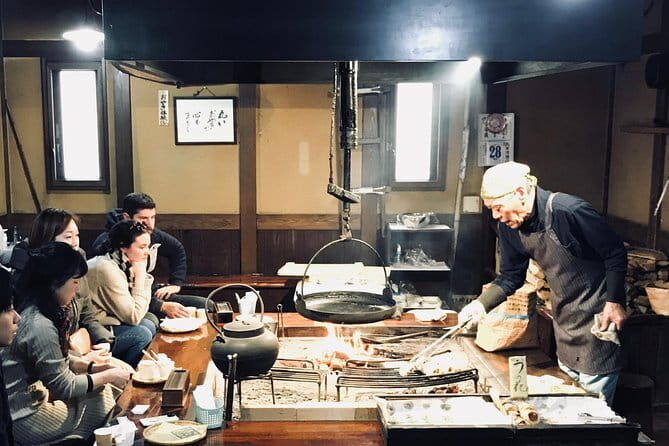
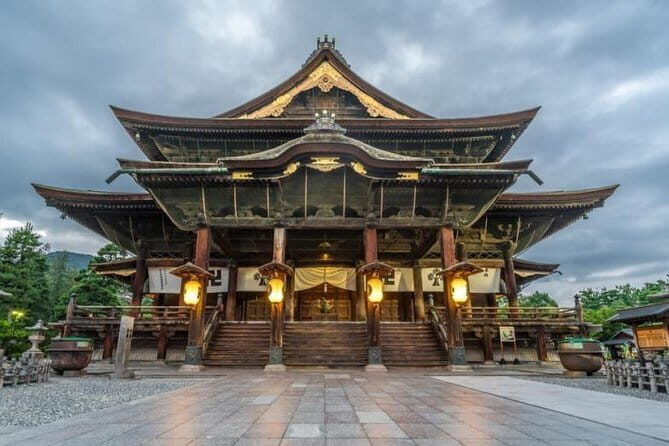
Then comes the part many people plan this day trip for: the Togakushi Ninja Museum. The tour time here is about 2 hours, including a guided walkthrough.
You’ll get an introduction to the ninja theme tied to Togakushi specifically. The tour explains that the Togakure school of ninja was founded in these mountains and that the area’s inaccessibility acted like natural defense. Ninja here are presented as covert mercenaries—masters of espionage and deception who could appear and disappear fast.
The practical magic of this museum stop is that it’s not only explanation. Your guide brings you to the Ninja Trick House, which is a maze-style puzzle where you try to find your way out. The itinerary notes that it’s enjoyable for adults and kids alike, and you’ll have time to explore at your own pace if you want.
Here’s how to think about this stop if you’re debating whether it’s worth it. If you love hands-on problem solving, the Trick House is the best use of your time. If you’re more into stories and displays, you’ll still get value from the guided context—ninja history tied to place, not just costumes.
Small-group advantage: with a max of 20 people, it’s easier to stay together and keep the pace without losing your spot.
Zuishimon Gate and the Giant Cedar Avenue Walk (What You’ll See and What You’ll Skip)
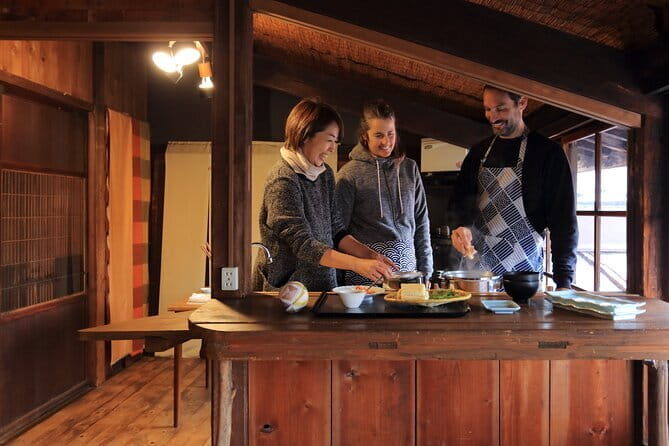
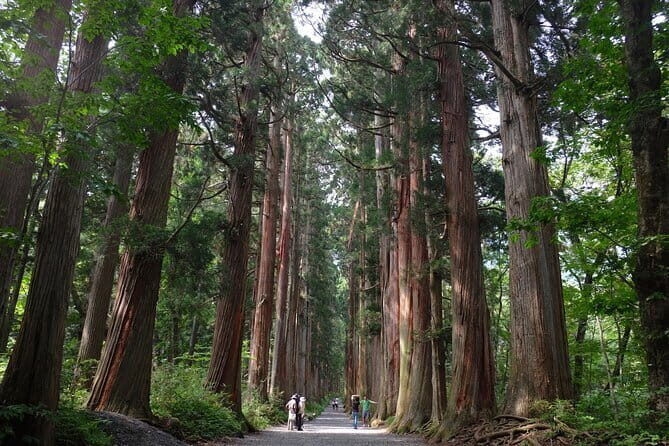
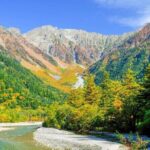
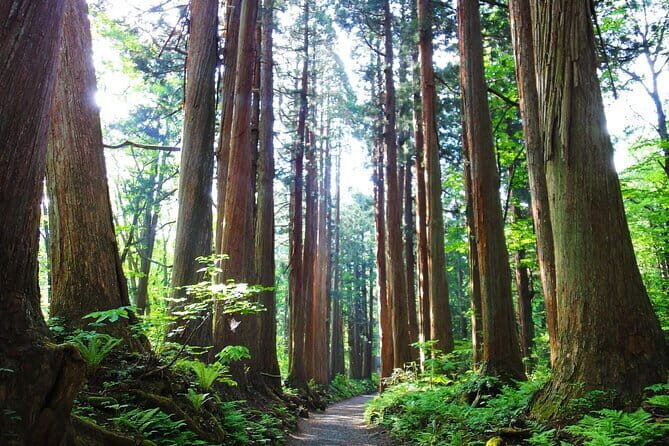
The final outdoors segment is where Togakushi really shows off. You’ll move toward the area around the Zuishimon Gate, then walk along the iconic giant cedar avenue.
The itinerary lists time as about 1 hour 45 minutes for the shrine-area walk. But there’s an important note: due to time constraints and the challenge of the full hike, the tour doesn’t go all the way to the Okusha (Upper Shrine). Instead, you spend extended time along the cedar avenue.
This is exactly the kind of detail that helps you plan. You still get the signature walk—those towering cedars and the long, myth-linked forest vibe—without the full upper-summit commitment. It’s a good compromise if you want the experience but don’t want to gamble on stamina.
Your guide brings the myths and sacred meaning into this walk too, so the cedar avenue doesn’t feel like just a scenic stroll. It connects the place back to Togakushi’s role in Shinto practice and mountain asceticism that dates back at least 1000 years.
If you’re the type who enjoys “walks with context,” this ending hits.
Other Togakushi shrine and forest tours in Nagano


Value Check: Why $166.85 Can Be Fair for What You Get
At $166.85 per person, this is not the cheapest day trip. But it also isn’t a bare-bones transfer with a vague guide. You’re paying for several things working together:
- Soba workshop + handmade lunch (not just a sample)
- Ninja Museum entry + guided tour
- Transport between stops from Nagano to Togakushi and around the area
- Guide support so you’re not figuring out timing and routes alone
A lot of tours price themselves like a simple ride plus admission. This one more clearly bundles the stuff that costs real time and effort: a guided museum and a structured, hands-on food activity.
Also, the group limit (max 20) matters. Smaller groups usually mean fewer delays and a smoother day flow. In practice, that can be the difference between enjoying the cedar avenue and feeling rushed at the end.
If you’re traveling as a couple or with kids who like interactive activities, the value tends to feel even better because the day includes both a skill (soba) and a game-like challenge (Ninja Trick House).
Walking in Togakushi: Shoes, Weather, and How to Stay Comfortable

This tour spends a lot of time outside, and the forest conditions can catch people off guard. Togakushi is often cooler than Nagano City, even in summer, and weather can shift quickly.
Bring a waterproof jacket and/or umbrella. Paths are described as well maintained, but the ground can be uneven. The tour is designed with walking breaks in about 30-minute blocks, but you still need a reasonable fitness level.
So here’s the bottom line: this is absolutely doable if you walk comfortably on uneven ground. It’s not a good fit if you’re mobility impaired, because the itinerary relies on the forest-trail walking segments.
What I’d pack for comfort:
- sturdy shoes or boots with grip
- layers you can adjust fast
- waterproof outer layer (weather changes quickly)
If you want great photos, arrive mentally ready to move. The cedar avenue reward is real, but it’s earned by walking.
Who This Togakushi Tour Fits Best (and Who Might Want to Pass)
This tour is a good match for you if you want a day trip that mixes culture with active fun. It works especially well if you like:
- food workshops you can take home as a skill you learned
- interactive museums (the Trick House is a big part of that)
- walking tours with shrine context and forest myths
It’s also a strong choice for families. The tour notes that it’s well suited to children, but they need to be able to walk—or be carried—for stretches of up to 30 minutes at a time.
On the other hand, if you want a “sit most of the day” experience, you’ll probably feel crowded by your own schedule. And if hiking on uneven paths isn’t your thing, this may not be the right Togakushi day.
Should You Book This Soba and Ninja Day in Togakushi?
I’d book it if you want one day in Togakushi that’s structured, not chaotic: soba you actually make, a museum stop with guided context, and a signature cedar-avenue walk. The value is strongest because key parts are included—guide, transport, entry fees, and a lunch tied to the workshop.
I’d skip it if you’re sensitive to cold, dislike long outdoor stretches, or need step-free routes. The tour is clear that it involves significant walking and uneven ground, so it’s better to pick accordingly.
If your ideal Nagano-area day includes both Shinto shrine atmosphere and hands-on ninja-style fun, this one makes a lot of sense. And it ends in Nagano Station at 5:30pm, which keeps the evening easy.
FAQ
Where do I meet the guide for this Togakushi tour?
Meet inside Nagano Station, in front of the Information Board and video monitors, directly across from the Shinkansen/Bullet Train ticket gates.
What time does the tour start and end?
The listed start time is 9:30am, and the guide meetup is described as 9:15am. The tour ends back at Nagano Station at about 5:30pm.
How long is the tour?
It runs for about 8 hours 15 minutes (approx.).
Is lunch included, and what do I eat?
Lunch is included. You’ll have a soba (buckwheat noodle) lunch using the noodles you make at the workshop.
Do I need to pay for the Ninja Museum ticket separately?
No. Entry to the Togakushi Ninja Museum is included, along with the guided tour there.
What’s the cancellation window?
You can cancel for a full refund up to 24 hours before the experience’s start time.